علاج التهاب الفقار اللاصق في ألمانيا: 28 مستشفيات


تمت مراجعة المقالة طبيا من قبل
فهد مولود
كيف نعمل؟
ما هي تكلفة التهاب الفقار اللاصق إجراءات التشخيص والعلاج في ألمانيا؟ اعرف الآن
من $60. تشمل الخيارات العلاجية الرئيسية العلاج البيولوجي، الذي تتراوح تكلفته بين $9,000 و $21,000، بالإضافة إلى إعادة التأهيل البدني. تعتمد النفقات الإجمالية على مرحلة المرض والحاجة إلى أدوية بيولوجية متخصصة أو جراحة. وغالباً ما يجد المرضى أسعاراً تنافسية في المراكز الطبية الكبرى مثل هامبورغ، وسولينغن، وفرانكفورت أم ماين.
تكاليف علاج التهاب الفقار المقسط النموذجية في ألمانيا
- تصوير العمود الفقري بالأشعة السينية: من $60
- استشارة طبيب العظام: من $330
- تصوير الصدر بالرنين المغناطيسي: من $530
- تحليل دم موسع: من $150
- العلاج البيولوجي: $9,000 – $21,000
- العلاج بالخلايا الجذعية لالتهاب الفقار المقسط: $8,500 – $15,000
- العلاج الطبيعي: من $330
- تصوير الجيوب الأنفية بالأشعة المقطعية: من $220
- الفحوصات المخبرية: من $300
رؤية خبراء Bookimed: بالنسبة للحالات المعقدة، يضمن اختيار منشأة ذات تصنيفات عالية في جراحة العظام دقة أعلى. يُعد مستشفى أسكليبيوس بارمبيك (Asklepios Hospital Barmbek) من بين أفضل 10 عيادات في مجال جراحة العظام وفقاً لتصنيف Focus، ويستقبل 110,000 مريض سنوياً. يستفيد المرضى الدوليون من حصول المستشفى على المرتبة الأولى من قبل تحالف جودة السفر الطبي (Medical Travel Quality Alliance). وبدلاً من ذلك، توفر عيادة نوردويست (Nordwest Clinic) إمكانية الوصول إلى خمسة معاهد بحثية للحصول على خيارات علاجية مبتكرة. كما تُعد الرعاية على المستوى الجامعي في مستشفى شاريتيه برلين (Charité Berlin) مثالية للمرضى الذين يبحثون عن الخبرة متعددة التخصصات الأكثر شهرة في أوروبا.
| تركيا | إسبانيا | ألمانيا | |
|---|---|---|---|
| العلاج بالخلايا الجذعية لالتهاب الفقار اللاصق | ≈ $6,500 | ≈ $6,500 | ≈ $8,500 |
| العلاج الطبيعي | من $150 | من $120 | من $330 |
| العلاج البيولوجي | ≈ $2,500 | ≈ $3,800 | ≈ $9,000 |
اكتشف أفضل التهاب الفقار اللاصق العيادات في ألمانيا: 28 خيارات معتمدة والأسعار






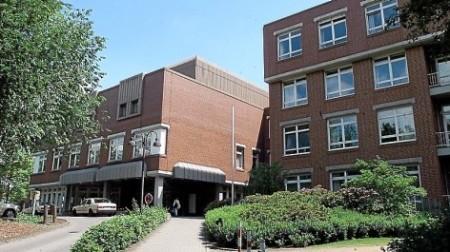
Klinikum Braunschweig
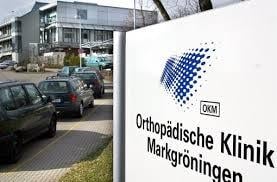
Markgroeningen Orthopedic Hospital
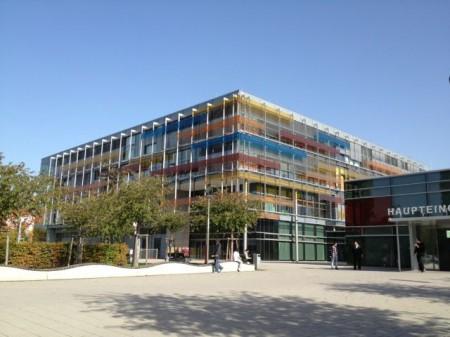
University Hospital in Haydelberge

Hannover Medical School

St. Marienstift Clinic

Elbland Clinic
مشاركة المحتوى
قصص فيديو من مرضى Bookimed
 Anna Leonova
أسئلة متكررة حول علاج التهاب الفقار اللاصق في ألمانيا
ما هي خيارات العلاج المتاحة لالتهاب الفقار المقسط في ألمانيا؟
يتبع علاج التهاب الفقار المقسط في ألمانيا بروتوكولات ASAS-EULAR الموحدة. يحصل المرضى على أدوية بيولوجية متقدمة مثل مثبطات TNF-alpha و IL-17 في مراكز متخصصة. تشمل الرعاية الشاملة العلاج الطبيعي متعدد الوسائط، والتصوير التشخيصي، والجراحة التصحيحية لتشوهات العمود الفقري الشديدة. توفر مرافق عالية التقنية مثل مستشفى شاريتيه برلين إدارة روماتيزمية متعددة التخصصات.
- العلاج البيولوجي: تستهدف مثبطات TNF-alpha و IL-17 مسارات التهابية محددة.
- العلاج الطبيعي المتخصص: تشمل البرامج العلاج اليدوي، والعلاج المائي، وتمارين حركة العمود الفقري الخاضعة للإشراف.
- التشخيص المتقدم: تستخدم العيادات تحليلات الدم الموسعة والتصوير بالرنين المغناطيسي عالي الدقة للعمود الفقري.
- التدخل الجراحي: تعمل جراحة العظام وتثبيت العمود الفقري على تصحيح تشوهات العمود الفقري الشديدة المائلة للأمام.
رؤية خبراء Bookimed: توفر المستشفيات الأكاديمية الألمانية مثل المركز الطبي في سولينغن ومستشفى شاريتيه برلين قدرات استيعابية هائلة للمرضى. يخدم مستشفى شاريتيه أكثر من 800,000 مريض سنوياً من خلال 100 قسم متخصص. يسمح هذا الحجم الكبير للأطباء باكتساب خبرة عميقة في حالات التهاب الفقار المقسط النادرة. يستفيد المرضى من هذه الخبرة الجماعية من خلال دقة تشخيصية وجراحية عالية.
إجماع المرضى: يشير المرضى إلى أن الحصول على تصوير بالرنين المغناطيسي مبكرًا أمر ضروري للموافقة اللاحقة على الأدوية البيولوجية من قبل التأمين. ويؤكدون على دقة الأطباء الألمان وقيمة المترجمين المحترفين أ
ما هي المؤهلات التي يمتلكها أطباء الروماتيزم وجراحو العظام الألمان لعلاج التهاب الفقار المقسط؟
يجب على أطباء الروماتيزم وجراحي العظام الألمان إكمال ست سنوات من كلية الطب وإقامة تخصصية مدتها ست سنوات. يحصل أطباء الروماتيزم على مؤهل "Facharzt für Innere Medizin und Rheumatologie". ويحصل جراحو العظام على لقب "Facharzt für Orthopädie und Unfallchirurgie" بعد 72 شهراً من التدريب الجراحي بعد التخرج.
- التدريب في الروماتيزم: يتطلب 36 شهراً في الطب الباطني و36 شهراً في الروماتيزم.
- الإقامة الجراحية: تشمل 24 شهراً من الجراحة الأساسية و48 شهراً من جراحة العظام.
- التركيز السريري: يدير أطباء الروماتيزم الأدوية البيولوجية مثل مثبطات TNF والالتهابات الجهازية طويلة الأمد.
- الدور الجراحي: يقوم أطباء العظام بإجراء تثبيت العمود الفقري واستبدال المفاصل للأضرار الهيكلية المتقدمة.
رؤية خبير Bookimed: تظهر البيانات من مراكز كبرى مثل مستشفى شاريتيه برلين ومجمع عيادات شمال الراين-وستفاليا تقسيمًا واضحًا للعمل. على الرغم من وجود عيادات صغيرة، إلا أن المستشفيات الجامعية تدمج هؤلاء المتخصصين في فرق متعددة التخصصات. يعد هذا التنسيق حيويًا لالتهاب الفقار المقسط لأن المرض يتطلب غالبًا إدارة طبية وتدخلات محتملة في العمود الفقري بمساعدة الروبوت المتاحة في هذه المؤسسات الكبيرة.
إجماع المرضى: يشير المرضى إلى أنه من المهم البحث عن طبيب روماتيزم للرعاية الأولية بدلاً من الاعتماد فقط على أطباء العظام. ويؤكدون أنه على الرغم من أن العديد من الأطباء يتمتعون بمهنية دقيقة، فإن العثور على أولئك الموجودين في العيادات الجامعية غالبًا ما يضمن وصولاً أفضل إ
ما هي بروتوكولات السلامة ومعايير التشخيص المتبعة قبل بدء العلاج البيولوجي في ألمانيا؟
تتبع العيادات الألمانية معايير S3-Leitlinien للعلاج البيولوجي. يجب على الأطباء تأكيد التشخيص وإجراء فحوصات العدوى. تشمل الاختبارات الإلزامية فحوصات السل والتهاب الكبد الفيروسي. كما يتحقق الأطباء من حالة التطعيم وفقًا لإرشادات STIKO. تضمن هذه البروتوكولات سلامة العلاج للمرضى الذين يعانون من التهاب الفقار المقسط.
- فحص العدوى: اختبارات إلزامية للسل، والتهاب الكبد B/C، وحالة فيروس نقص المناعة البشرية.
- التصوير التشخيصي: تستخدم المراكز المتخصصة التصوير بالرنين المغناطيسي مع تسلسلات STIR لتأكيد الالتهاب.
- لوحات المختبر: تشمل الفحوصات الأساسية وظائف الكبد، ووظائف الكلى، وتعداد الدم.
- مراجعة التطعيم: يقوم الأطباء بتحديث التحصينات قبل 4 أسابيع على الأقل من بدء العلاج.
رؤية خبير Bookimed: تتعامل عيادات مثل Charite Universitätsmedizin Berlin والمركز الطبي في سولينجن مع أحجام كبيرة من المرضى. تشير هذه البيانات عالية الكثافة إلى أن المستشفيات الجامعية غالبًا ما تتبع مسارات تشخيصية أكثر صرامة من المراكز الخاصة الصغيرة. على سبيل المثال، تتطلب بعض البروتوكولات الألمانية المتخصصة انتظارًا لمدة 3 أشهر بعد التشخيص الأولي. وهذا يضمن استنفاد العلاجات القياسية قبل بدء العلاجات البيولوجية.
إجماع المرضى: يشير المرضى إلى أنه من المهم إكمال فحوصات العدوى قبل 4-6 أسابيع لتجنب التأخير. يؤكد الكثيرون أن العيادات لن تبدأ في إعطاء أدوية مثل Secentyx دون نتيجة سلبية للسل.
كيف يبدو برنامج إعادة التأهيل والعلاج الطبيعي النموذجي بعد الإقامة لتلقي الحقن البيولوجي في ألمانيا؟
توفر إعادة التأهيل بعد الحقن في ألمانيا برنامجاً منظماً مدته ثلاثة أسابيع في عيادات متخصصة. تركز إقامات إعادة التأهيل الطبي الداخلي (IMR) هذه على التعافي الوظيفي. تدمج البرامج عادةً العلاج الطبيعي المكثف والتمارين المائية. يبدأ العلاج بعد أسبوع إلى أسبوعين من العلاج البيولوجي لتعظيم مكاسب حركة المفاصل.
- الكثافة اليومية: يتلقى المرضى من جلستين إلى ست جلسات علاجية بإجمالي أربع ساعات يومياً.
- الطرق الفيزيائية: تشمل البرامج كمادات حرارية أو باردة متخصصة والعلاج الكهربائي للألم.
- تدريب الحركة: تعطي التمارين الأولوية لمرونة العمود الفقري، وتصحيح القوام، والعلاج المائي في المسابح.
- الدعم الوظيفي: يساعد العلاج الوظيفي المرضى على تكييف الحركات اليومية لحماية المفاصل الملتهبة.
رؤية خبير Bookimed: بينما تقود المستشفيات الجامعية مثل شاريتيه برلين أو هايدلبرغ في التشخيص، غالباً ما توفر مراكز العظام المتخصصة مثل مستشفى براونشفايغ (Klinikum Braunschweig) بيئات إعادة تأهيل أكثر تركيزاً. تظهر البيانات أن الشبكات الألمانية الكبيرة، بما في ذلك أسكليبيوس (Asklepios)، تقدم شهادات علاج الألم المتكامل (CERTKOM). وهذا يضمن انتقال العلاج الطبيعي المكثف بعد الحقن البيولوجي بسلاسة من الرعاية الحادة إلى المراقبة طويلة المدى على مدى ثلاثة إلى ستة أشهر.
إجماع المرضى: يلاحظ المرضى أن الأسبوع الأول غالباً ما يسبب التعب وآلام العضلات. يجد الكثيرون أن جلسات المسبح الدافئ وتدريب القوام باستخدام الارتجاع البيولوجي هي الأكثر فعالية للحفاظ على حركة العمو
كم من الوقت يجب أن أخطط للبقاء في ألمانيا لدورة علاج التهاب الفقار المقسط بالكامل؟
يجب على المرضى التخطيط للبقاء في ألمانيا لمدة تتراوح بين أسبوعين إلى 4 أسابيع لدورة علاج كاملة لالتهاب الفقار المقسط. تتطلب التقييمات التشخيصية الأولية من يومين إلى 4 أيام. عادة ما يستمر العلاج التحفظي المكثف أو إعادة التأهيل من 14 إلى 21 يوماً داخل أقسام العظام المتخصصة.
- دورة التشخيص: تتطلب من يومين إلى 4 أيام لاختبارات HLA-B27، والتصوير بالرنين المغناطيسي، واستشارات المتخصصين.
- العلاج البيولوجي: خطط لمدة 4 إلى 5 أيام لعمليات الحقن الأولية ومراقبة الأدوية.
- العلاج الطبيعي المكثف: تستمر دورات التنويم في المستشفى القياسية عادةً من 13 إلى 14 يوماً لتحسين الحركة.
- العلاج التحفظي: تتطلب البرامج الشاملة غالباً من أسبوعين إلى 3 أسابيع لتعديل الأدوية.
رؤية خبير Bookimed: تتعامل العيادات الألمانية مثل مستشفى شاريتيه - جامعة برلين ومجمع عيادات شمال الراين-وستفاليا مع أعداد هائلة من المرضى، تتجاوز 145,000 حالة سنوياً. هذا المعدل المرتفع يعني أن التشخيصات فعالة للغاية. ومع ذلك، يمكن للأوراق الإدارية للمرضى الدوليين أن تمدد الإقامة بشكل غير متوقع. إضافة هامش زمني بنسبة 50% إلى خطط سفرك يساعد في إدارة عقبات التأمين أو التوثيق دون التسرع في الانتقال الطبي.
إجماع المرضى: يشير المرضى إلى أنه على الرغم من أن الجزء الطبي سريع، إلا أن التعامل مع النماذج الداخلية يمكن أن يحول إقامة لمدة أسبوع إلى 18 يوماً. يوصي أولئك الذين يبدأون العلاجات البيولوجية بنافذة زمنية من 3 إلى 5 أيام لجرعات التحميل الأولية والمراقبة قبل العودة إلى الوطن.
ما هي المدن أو المناطق الألمانية التي تضم أعلى تركيز للمراكز المتخصصة في التهاب الفقار المقسط؟
تشمل المدن الألمانية التي تضم أعلى تركيز للمراكز المتخصصة في التهاب الفقار المقسط برلين وهامبورغ ومنطقة الرور. وتتميز هذه المراكز بمؤسسات أكاديمية مثل مستشفى شاريتيه برلين وشبكات كبيرة مثل أسكليبيوس. تشمل العلاجات المتقدمة العلاج البيولوجي والعلاج الطبيعي المتخصص في مرافق معتمدة من قبل JCI أو ISO.
- برلين: يخدم مستشفى شاريتيه برلين الجامعي أكثر من 845,000 مريض من خلال عيادات خارجية مخصصة لالتهاب الفقار المفصلي.
- هامبورغ: تضم شبكة أسكليبيوس، بما في ذلك مستشفى أسكليبيوس بارمبيك وأسكليبيوس ألتونا.
- منطقة الرور: تستضيف دويسبورغ مجمع عيادات شمال الراين-وستفاليا، الذي يخدم 145,000 مريض سنوياً.
- سولينغن: مركز سولينغن الطبي هو مستشفى أكاديمي يتم تصنيفه بشكل متكرر من قبل مجلة Focus.
رؤية خبراء Bookimed: في حين أن برلين وهامبورغ هما مركزان رئيسيان، توفر شمال الراين-وستفاليا أعلى سعة سريرية. يوفر مجمع عيادات شمال الراين-وستفاليا وحده 1,800 سرير عبر خمسة مستشفيات. هذه المنطقة مثالية للمرضى الذين يحتاجون إلى إعادة تأهيل داخل المستشفى إلى جانب العلاج البيولوجي. يشير حجم المرضى المرتفع البالغ 145,000 شخص سنوياً إلى خبرة عميقة في حالات الالتهاب الجهازي.
إجماع المرضى: يشير المرضى إلى أن المستشفيات الجامعية في برلين وميونخ أفضل للحالات المعقدة. وغالباً ما يبلغون عن تخفيف كبير للأعراض في غضون 6 أشهر عند الوصول إلى العلاجات البيولوجية في هذه المراكز الرئيسية.
ما هي المستشفيات في ألمانيا التي تحظى بأعلى التقييمات في جراحة الأعصاب؟
تضم ألمانيا بعضًا من أرقى أقسام جراحة الأعصاب في العالم، بقيادة مستشفى شاريتيه الجامعي في برلين ومستشفى جامعة هايدلبرغ. وتتميز هذه المراكز بخبرتها الواسعة في علاج أورام الدماغ المعقدة وأمراض الأوعية الدموية الدماغية. ولتحقيق أقصى قدر من الفعالية في عملياتها، تستخدم هذه المراكز أحدث التقنيات، مثل التصوير بالرنين المغناطيسي أثناء الجراحة والتوجيه العصبي بمساعدة الحاسوب.
- مستشفى شاريتيه برلين: يُجري أكثر من 5000 عملية جراحية سنوياً. ويرأس العيادة جراح الأعصاب الشهير الدكتور بيتر فايكوتشي.
- المركز الطبي في سولينجن: أجرى الدكتور رالف بوهل أكثر من 4000 عملية جراحية، بما في ذلك جراحات العمود الفقري طفيفة التوغل.
- عيادة أسكليبيوس نورد: مجهزة بنظام التصوير بالرنين المغناطيسي الثنائي الوحيد في ألمانيا أثناء الجراحة لضمان الدقة الجراحية في الوقت الحقيقي أثناء إزالة الورم.
- عيادة نوردويست: تم الاعتراف بها من قبل مجلة نيوزويك كمستشفى رائد في مجال الابتكار في تكنولوجيا الموجات فوق الصوتية ثلاثية الأبعاد.
رأي خبراء بوكيمد: تشير البيانات إلى أن اختيار المراكز ذات الحجم الجراحي الكبير غالبًا ما يؤدي إلى توصيات علاجية أكثر تحفظًا. ففي مركز سولينجن الطبي، الذي يعالج أكثر من 60,000 مريض
ما هي نسب نجاح العمليات الجراحية العصبية المعقدة في ألمانيا؟
في ألمانيا، تتميز العمليات الجراحية العصبية بالغة التعقيد بمستوى أمان استثنائي. تصل نسبة نجاح عمليات دمج الفقرات إلى 99%، بينما تبلغ نسبة النجاة بعد استئصال أورام الدماغ الأولية 97%. كما يتمتع المرضى بقدرة عالية على الاعتماد على أنفسهم في أداء وظائفهم اليومية، حيث يغادر أكثر من 82% منهم المستشفى مباشرةً بعد العلاج. وتولي المراكز الألمانية اهتماماً بالغاً بالحفاظ على الوظائف العصبية باستخدام أحدث تقنيات التخطيط العصبي.
- استئصال الورم: يحقق الجراحون استئصالًا كاملاً للورم في 87.2% من حالات النقائل الدماغية.
- النجاح في علاج أمراض الأوعية الدموية: أفادت المستشفيات الألمانية بنسبة نجاة بلغت 98.7% لحالات تمدد الأوعية الدموية غير الممزقة.
- تحسن الحالة العصبية: يشهد ما يقرب من 43% من المرضى تحسناً في المعايير الوظيفية بعد عمليات الاستئصال المعقدة.
- سلامة التدخلات الجراحية: في المراكز الجراحية الكبيرة، تتراوح معدلات بقاء المرضى على قيد الحياة بعد جراحة العمود الفقري بين 98-99%.
رأي خبراء بوكيمد: يُجري جراحون ذوو خبرة، مثل الدكتور أوفه كولر من عيادة أسكليبيوس ألتونا، أكثر من 2000 عملية جراحية سنويًا. تُشير البيانات إلى أن هؤلاء المتخصصين يحافظون على معدلات نجاح تصل إلى 90%، حتى
ما هي التقنيات المتقدمة المتوفرة عادةً في عيادات جراحة الأعصاب الألمانية؟
تُدخل عيادات جراحة الأعصاب الألمانية بانتظام أدوات رقمية عالية الدقة وتقنيات تصوير فوري في الممارسة الجراحية. تشمل التقنيات الرئيسية الملاحة العصبية الحاسوبية لجراحات الدماغ والحبل الشوكي. تستخدم مؤسسات مثل عيادة أسكليبيوس نورد التصوير بالرنين المغناطيسي أثناء الجراحة للتحقق من استئصال الورم في الوقت الفعلي. توفر هذه الأنظمة للجراحين نظام ملاحة ثلاثي الأبعاد.
- الملاحة العصبية: توفر تصورًا ثلاثي الأبعاد وتتبعًا فوريًا للأدوات لتحقيق دقة جراحية تصل إلى مستوى أقل من المليمتر.
- التصوير أثناء العملية: تسمح أنظمة مثل التصوير بالرنين المغناطيسي أثناء العملية (iMRI) والتصوير المقطعي المحوسب ذي الذراع O (O-arm CT) بالتأكيد الفوري على نجاح عملية الاستئصال.
- المراقبة العصبية: تراقب الوظائف الحركية والحسية أثناء الجراحة لحماية الجهاز العصبي.
- التشخيص الفلوري: يتم استخدام صبغة 5-ALA لتسليط الضوء على حدود الورم من أجل إزالته بشكل أكثر اكتمالاً.
- المساعدة الروبوتية: تعمل أنظمة مثل نظام دافنشي على تحسين الدقة في الإجراءات المعقدة ذات التدخل الجراحي البسيط.
رأي خبراء بوكيمد: تُجري مراكز طبية كبيرة، مثل مستشفى شاريتيه الج
ما هي التدريبات المتخصصة التي يتلقاها جراحو الأعصاب الممارسون في ألمانيا؟
في ألمانيا، يتعين على جراحي الأعصاب إكمال برنامج إقامة تخصصي لمدة ست سنوات بعد التخرج من كلية الطب. يشمل هذا البرنامج المنظم العناية المركزة، والتدريب السريري، وكتابة مقالات في مجلة جراحية إلزامية. بعد ذلك، يجتاز المرشحون امتحانًا حكوميًا للحصول على لقب طبيب مقيم (Facharzt für Neurochirurgie).
- الإقامة السريرية: تتطلب من 48 إلى 72 شهرًا من الممارسة المتخصصة في جراحة الأعصاب.
- العناية المركزة: تتضمن فترة تدريب إلزامية لمدة 6 أشهر في وحدة العناية المركزة لجراحة الأعصاب.
- المجلة الجراحية: يوثق الجراحون مئات العمليات الجراحية، بما في ذلك عمليات فتح الجمجمة وجراحات العمود الفقري.
- امتحان الترخيص: يجب على المتقدمين اجتياز امتحان طبي شفوي وعملي تديره الدولة.
رأي خبراء بوكيميد: يركز التدريب الألماني في جراحة الأعصاب على الخبرة الجراحية الواسعة. فعلى سبيل المثال، أجرى الدكتور رالف بول من المركز الطبي في سولينجن أكثر من 4000 عملية جراحية. ويتمتع الدكتور يورغن كيويت من مستشفى ميوكلينيك بخبرة تزيد عن 25 عامًا. يضمن هذا النظام الدقيق أن يتعامل المتخصصون في المراكز الكبرى مع الحالات المعقدة بدقة مثبتة.
آراء المرضى: يشع