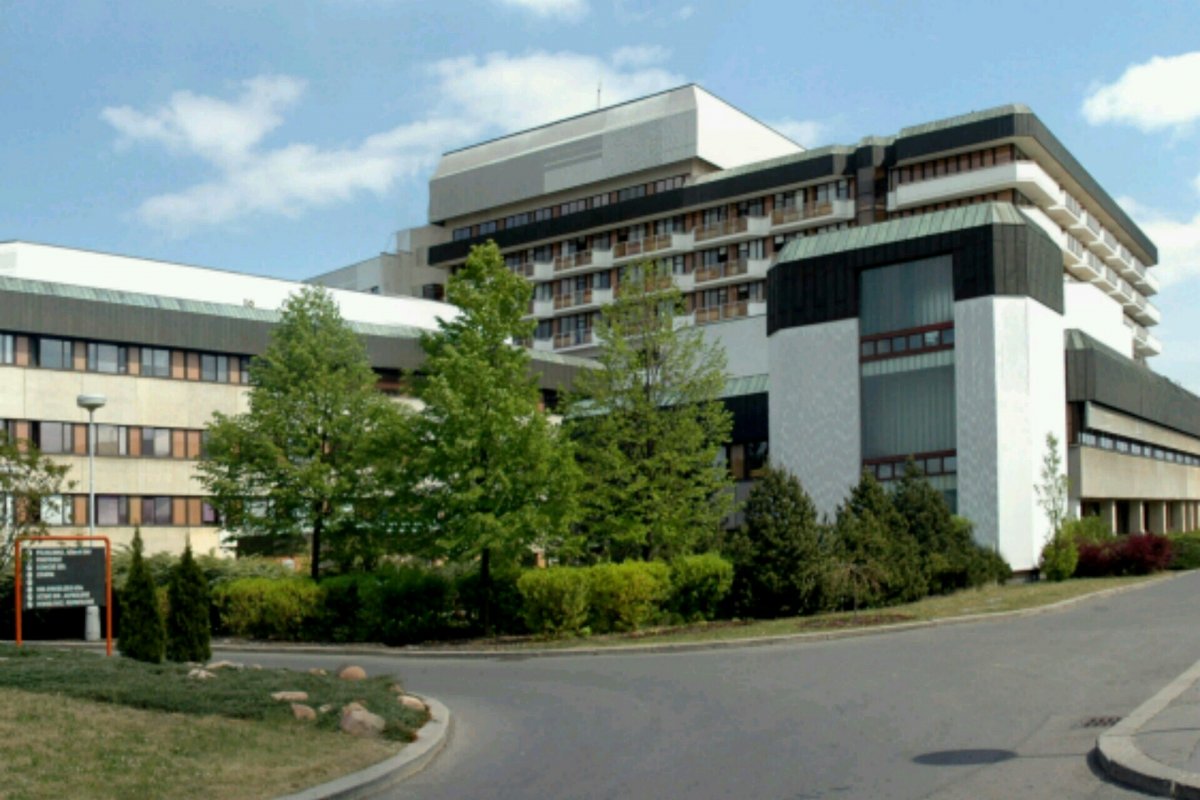
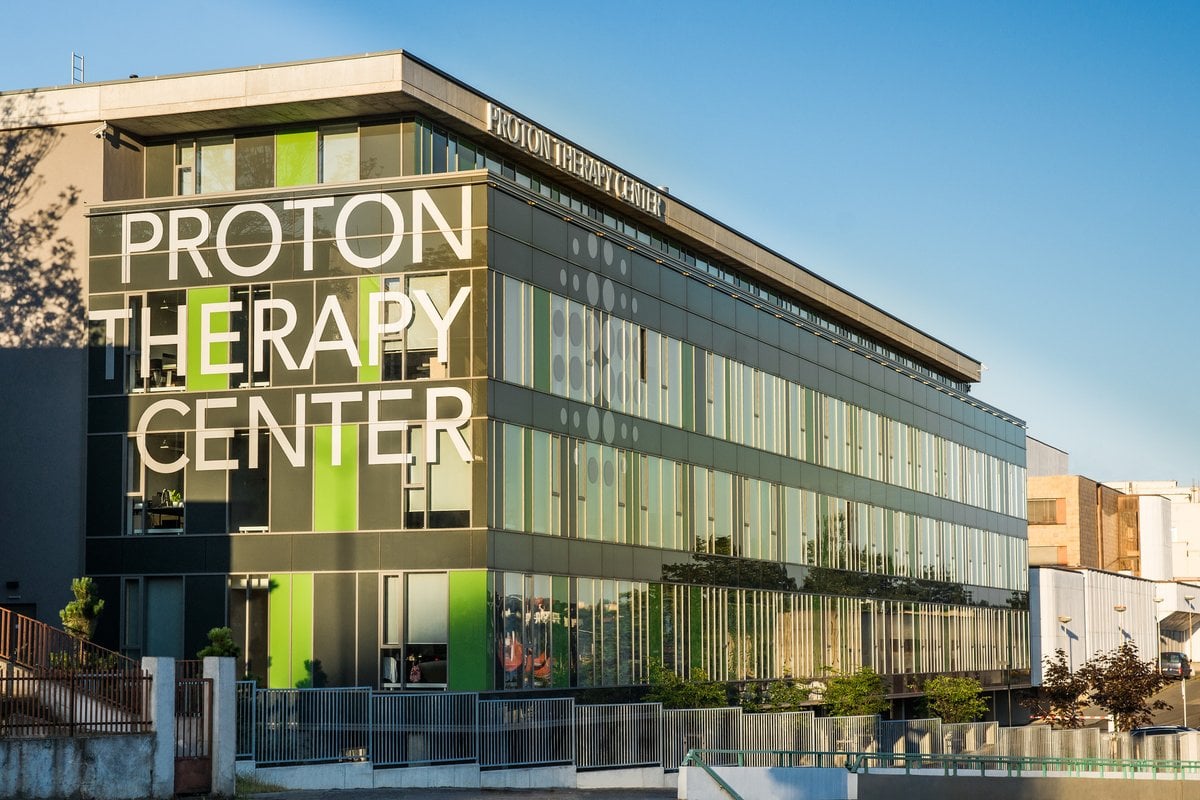
Robotic Surgery Center in St. Zdislava Hospital
جمهورية التشيك, فيلكي ميزيريسي
Jan Dolezel
30سنة خبره ١٦ سنة

العيادة معتمدة من قبل : 




تمت مراجعة المقالة طبيا من قبل
فهد مولود
تتضمن تكلفة علاج السرطان الغدي في جمهورية التشيك عادةً أدوات تشخيصية مثل التصوير المقطعي بالإصدار البوزيتروني (PET/CT) في حالات سرطان الثدي، والتي تتراوح تكلفتها بين $950 و $1,600. من $12,000. تعتمد التكاليف الإجمالية على مرحلة السرطان والعضو المصاب تحديداً. وغالباً ما يوفر المرضى ما بين 40-60% مقارنة بالأسعار في الولايات المتحدة. وتشمل مراكز العلاج الرائدة براغ وفيلكي ميزيريتشي.
تكاليف علاج السرطان الغدي النموذجية في جمهورية التشيك
رؤية خبراء Bookimed: بالنسبة للسرطان الغدي المسالك البولية الموضعي، توفر الجراحة الروبوتية أفضل قيمة للتعافي. وقد أجرت مراكز متخصصة مثل مستشفى سانت زدسلافا أكثر من 3,000 إجراء روبوتي. ويجد المرضى الذين يحتاجون إلى إشعاع متقدم تقنيات رائدة على مستوى أوروبا في مركز علاج البروتون في براغ. وتستفيد الحالات المتقدمة من النهج متعدد التخصصات في مستشفى "نيموتسنيتسي نا هومولسي" (Nemocnice Na Homolce). تجري هذه المنشأة الحكومية أكثر من 15,000 عملية سنوياً باستخدام طرق طفيفة التوغل.
| جمهورية التشيك | تركيا | إسبانيا | |
|---|---|---|---|
| سايبر نايف CyberKnife | ≈ $25,000 | من $4,900 | من $14,800 |
| جراحة سرطان الرئة | ≈ $14,000 | من $8,500 | من $29,900 |
| الموجات الفوق صوتية عالية التكثيف المركزة HIFU | ≈ $4,500 | من $10,000 | من $8,000 |
| العلاج بالبروتون (انظر العلاج بحزم البروتون) | ≈ $24,000 | من $25,000 | من $43,300 |
| العلاج الكيميائي داخل الصفاق مفرط الحرارة (HIPEC) | ≈ $14,000 | من $18,000 | من $81,800 |
الدكتور جان دوليزيل هو أخصائي رائد في طب الأورام المسالك البولية مع خبرة 30 سنة في جراحة دافنشي الروبوتية في مستشفى سانت زديسلافا.
 Anna Leonova
تقدم مراكز الأورام التشيكية علاجات قياسية متقدمة تشمل الجراحة الروبوتية، والعلاج المناعي، والعلاج الإشعاعي الدقيق للسرطان الغدي. توفر مرافق متخصصة مثل مركز بروتون للعلاج في براغ ومركز الجراحة الروبوتية في مستشفى سانت زديسلافا بدائل عالية التقنية للجراحة والعلاج الكيميائي التقليدي للحالات المعقدة.
رؤية خبير Bookimed: تظهر المراكز في جمهورية التشيك خبرة جراحية عالية مع برامج روبوتية متخصصة. أجرى الدكتور جان دوليزيل في مستشفى سانت زديسلافا أكثر من 3000 جراحة روبوتية. غالبًا ما يؤدي هذا الحجم الكبير إلى حفظ أفضل للوظائف الحيوية للمرضى. بالنسبة للسرطان الغدي، تظهر البيانات السريرية أن العديد من المرضى يختارون المراكز التشيكية خصيصًا لهذه الدقة الروبوتية عندما تكون فترات الانتظار في الأنظمة العامة أطول.
إجماع المرضى: يشير المرضى إلى أن اختبار المؤشرات الحيوية ضروري للوصول إلى العلاجات الموجهة المخصصة. بينما يغطي النظام العام الرعاية القياسية، غالبًا ما يتم تفضيل العيادات الخاصة للوصول الفوري إلى الجراحة
يركز التعافي بعد الجراحة للسرطان الغدي في جمهورية التشيك على التحرك الفوري والتقنيات طفيفة التوغل. عادةً ما يمشي المرضى في غضون 4 ساعات بعد الجراحة. تتراوح مدة الإقامة في المستشفى في المتوسط بين 2 إلى 5 أيام للإجراءات الروبوتية. تستخدم الفرق المتخصصة إدارة الألم متعددة الوسائط لدعم إعادة التأهيل السريع.
رؤية خبير Bookimed: تعطي العيادات التشيكية مثل مستشفى سانت زدسلافا الأولوية للخبرة عالية المستوى لضمان تعافي أسرع. أجرى الدكتور يان دوليزيل أكثر من 3000 جراحة روبوتية. تظهر بياناتنا أن هذه المراكز المتخصصة تشمل غالباً إقامة لمدة 7 أيام. تساعد هذه المراقبة السريرية الأطول في إدارة الانتقال من العناية المركزة إلى التعافي في المنزل.
إجماع المرضى: يشير المرضى إلى أن الفرق الطبية التشيكية تحث على المشي المبكر لمنع تجلط الدم. يوصي الكثيرون بترتيب مترجم خاص لتعليمات الخروج لضمان إدارة الأدوية بشكل صحيح في المنزل.
يحمل جراحو الأورام التشيكيون درجة دكتوراه في الطب من برنامج طب عام مدته 6 سنوات. يجب عليهم إكمال فترة إقامة لمدة 5 سنوات والحصول على شهادة البورد في جراحة الأورام. يحصل الكثير منهم على مؤهلات دولية مثل زمالة المجلس الأوروبي للجراحة (FEBS) ويتدربون في مراكز في فرنسا أو ألمانيا.
رؤية خبير Bookimed: في حين أن الشهادة الأساسية هي المعيار، غالبًا ما يتمتع جراحو الروبوتات التشيكيون الأكثر خبرة بخبرة تزيد عن 3000 إجراء. على سبيل المثال، يحمل الدكتور جان دوليزيل في مستشفى سانت زديسلافا تخصصًا فرنسيًا ودرجة الدكتوراه من براتيسلافا. هذا المزيج من شهادة البورد المحلية والتدريب السريري في أوروبا الغربية هو مؤشر رئيسي على الخبرة الجراحية في المنطقة.
إجماع المرضى: يؤكد المرضى على أهمية التحقق مما إذا كان الجراح يحمل تسجيلًا متخصصًا على مستوى الاتحاد الأوروبي. غالبًا ما يوصون بالتحقق من أحجام الحالات المرتفعة في مراكز مثل مستشفى جامعة موتول أو سانت زديسلافا قبل العلاج.
تعمل المستشفيات التشيكية على تخفيف مخاطر علاج السرطان الغدي من خلال الرعاية المركزية والتقنيات المتقدمة. يقلل العلاج بالبروتون في براغ من الآثار الجانبية للإشعاع إلى أقل من 8%. كما تعمل الأساليب الروبوتية طفيفة التوغل وبروتوكولات ERAS على خفض معدلات العدوى الجراحية. وتدير فرق الرعاية الداعمة المتكاملة التعب والاعتلال العصبي الناتج عن العلاج الجهازي.
رؤية خبير Bookimed: تعطي مراكز الجراحة الروبوتية التشيكية الأولوية للخبرة ذات الحجم الكبير لتقليل المضاعفات. أجرى الدكتور جان دوليزيل في مستشفى سانت زدسلافا أكثر من 3000 إجراء روبوتي. تظهر البيانات أن الجراحين الذين لديهم أكثر من 1000 عملية يحافظون على سجلات سلامة أعلى. اختيار مركز لديه أكثر من 4000 عملية روبوتية إجمالية يضمن فرق دعم محيطة بالجراحة متمرسة.
إجماع المرضى: يشير المرضى إلى أن المستشفيات التشيكية توفر ترطيبًا وريديًا قياسيًا ومضادات للقيء تعالج غثيان العلاج الكيميائي بفعالية. يؤكد الكثيرون أن تقنية IMRT تقلل بشكل كبير من حروق الجلد مقارنة بطرق الإشعاع القديمة المستخدمة في أماكن أ
تستخدم بروتوكولات الأورام التشيكية لسرطان الغدد (adenocarcinoma) علم الوراثة الورمي لاختيار علاجات موجهة مخصصة. تحدد الاختبارات الجزيئية مثل تسلسل الجيل التالي (NGS) والكيمياء النسيجية المناعية (IHC) طفرات محددة. تساعد هذه الاختبارات المتخصصين في اختيار الأدوية التي تستهدف علامات EGFR أو ALK أو PD-L1 لتحسين نتائج العلاج.
رؤية خبير Bookimed: تعطي المراكز في جمهورية التشيك الأولوية للخبرة الجراحية إلى جانب التشخيص الجيني. في حين تؤكد مراكز مثل مركز الجراحة الروبوتية في مستشفى سانت زديسلافا على الخبرة العالية مع أكثر من 4000 عملية، فإن مسارها السريري غالبًا ما يتضمن تحديد المرحلة الجزيئية. يجب على المرضى ملاحظة أن كبار الجراحين مثل الدكتور جان دوليزيل غالبًا ما يدمجون هذه الرؤى الجينية لاتخاذ قرار بين الجراحة الروبوتية أو العلاج الموجه الجهازي.
إجماع المرضى: يقترح المرضى طلب علامات محددة مثل EGFR أو MSI في الاستشارة الأولى لضمان عدم تأخير الاختبار. يوصي البعض باستخدام مختبرات خاصة في براغ إذا كانت أوقات انتظار النتائج الجينية في المستشفيات العامة طويلة جدًا.
تختلف فترات الإقامة في المستشفى لعلاج السرطان الغدي في جمهورية التشيك حسب النهج المتبع. تتطلب الجراحات الروبوتية عادةً من 7 إلى 14 يومًا في الموقع. غالبًا ما تمتد الإجراءات المعقدة مثل استئصال المعدة أو استئصال المثانة إلى 21 يومًا. قد تمتد العلاجات غير الجراحية مثل العلاج بالبروتون لعدة أسابيع من الجلسات اليومية.
رؤية خبير Bookimed: بينما تقترح مراكز الأورام العامة 14 يومًا للجراحة، تُظهر المراكز المتخصصة مثل مركز الجراحة الروبوتية في مستشفى سانت زديسلافا كفاءة أعلى. أجرى الدكتور جان دوليزيل أكثر من 3000 عملية روبوتية، مما يسمح ببروتوكولات إقامة قياسية لمدة 7 أيام. يستفيد المرضى من هذا الحجم الكبير لأنه غالبًا ما يبسط جدول التعافي خلال إقامة واحدة في المنشأة.
إجماع المرضى: يشير المرضى إلى أنه من الحكمة تخصيص أسبوع إضافي على الأقل لاحتمالات تأخير التعافي أو الأوراق الإدارية. يؤكد الكثيرون على استخدام الخدمات التابعة للعيادة للسكن وتمدي
تعد براغ وبرنو وفيلكي ميزيريتشي المراكز التشيكية الرئيسية لرعاية السرطان الغدي ذات الحجم الكبير. تضم هذه المدن مراكز حاصلة على اعتماد OECI وبرامج روبوتية متخصصة. تقوم مرافق مثل مستشفى سانت زدسلافا ومستشفى موتول الجامعي بإجراء آلاف العمليات الجراحية للأورام سنويًا باستخدام تقنيات الروبوت والبروتون المتقدمة.
رؤية خبراء Bookimed: على الرغم من أن براغ هي الوجهة الأكثر شيوعًا، إلا أن أعلى حجم جراحي لأنواع معينة من السرطان الغدي في الحوض غالبًا ما يوجد في فيلكي ميزيريتشي. يتخصص مستشفى سانت زدسلافا حصريًا تقريبًا في الأساليب الروبوتية. يسمح هذا التركيز في الحالات للجراحين الرئيسيين لديهم بإجراء أكثر من 3000 عملية. يتجاوز هذا الحجم بشكل كبير العديد من المستشفيات الجامعية متعددة التخصصات في العاصمة.
إجماع المرضى: يلاحظ المرضى عادةً أن المستشفيات الجامعية المركزية في المدن الكبرى توفر معدات أفضل. وغالبًا ما يجدون أن الرعاية التشيكية متاحة ومهنية للغاية مقارنة بالخيارات الأوروبية الأخرى.