العودة إلى الصفحة الرئيسية

كيف نعمل؟

لقد قمنا بتحويل عملية البحث عن العيادة، وجعلناها بسيطة وسريعة وشخصية.
أجب عن بعض الأسئلة املأوا استمارة قصيرة لتخبرونا عن حالتكم الصحية واحتياجاتكم الطبية.
احصل على عروض مخصصة٣ عيادات تم اختيارها بعناية بناءً على إجاباتك، ستقدّم خطط علاج وتقديرات تكلفة مخصصة لك.
اختر الخيار الأفضلقارن بين العروض واختر العيادة الأنسب لك.
يمكنك أيضًا تصفح 5 عيادة أدناه.
820К+ مريضًا حصلوا على المساعدة منذ عام 2014
50 دول
1,500 عيادات
6K+ تقييمات
3K+ طبيب مؤهل

ما هي تكلفة السرطان الغدي إجراءات التشخيص والعلاج في النمسا؟ اعرف الآن

السعر المتوسط لتشخيص وعلاج السرطان الغدي في النمسا هو $7,033. الحد الأدنى للسعر هو $7,033 والحد الأقصى $7,033.
النمساتركياإسبانيا
علاج سرطان الثدي بالبروتونمن $55,000من $30,000من $85,000
علاج سرطان البروستاتا بالبروتونمن $80,000من $30,000من $70,000
سايبر نايف CyberKnifeمن $50,000من $4,750من $30,000
جراحة سرطان الرئةمن $42,000من $17,000من $40,000
الموجات الفوق صوتية عالية التكثيف المركزة HIFUمن $12,000من $4,000من $6,000
تم التحقق من البيانات بواسطة Bookimed اعتبارًا من May 2026، استنادًا إلى طلبات المرضى والعروض الرسمية من 135 عيادة حول العالم. تستند التكاليف المتوسطة إلى الفواتير الحقيقية (2025–2026) ويتم تحديثها شهريًا. قد تختلف الأسعار الفعلية.

اكتشف أفضل السرطان الغدي العيادات في النمسا: 5 خيارات معتمدة والأسعار

تم تصنيف العيادات بواسطة نظام Bookimed الذكي، باستخدام تحليل علوم البيانات عبر 5 معايير رئيسية.
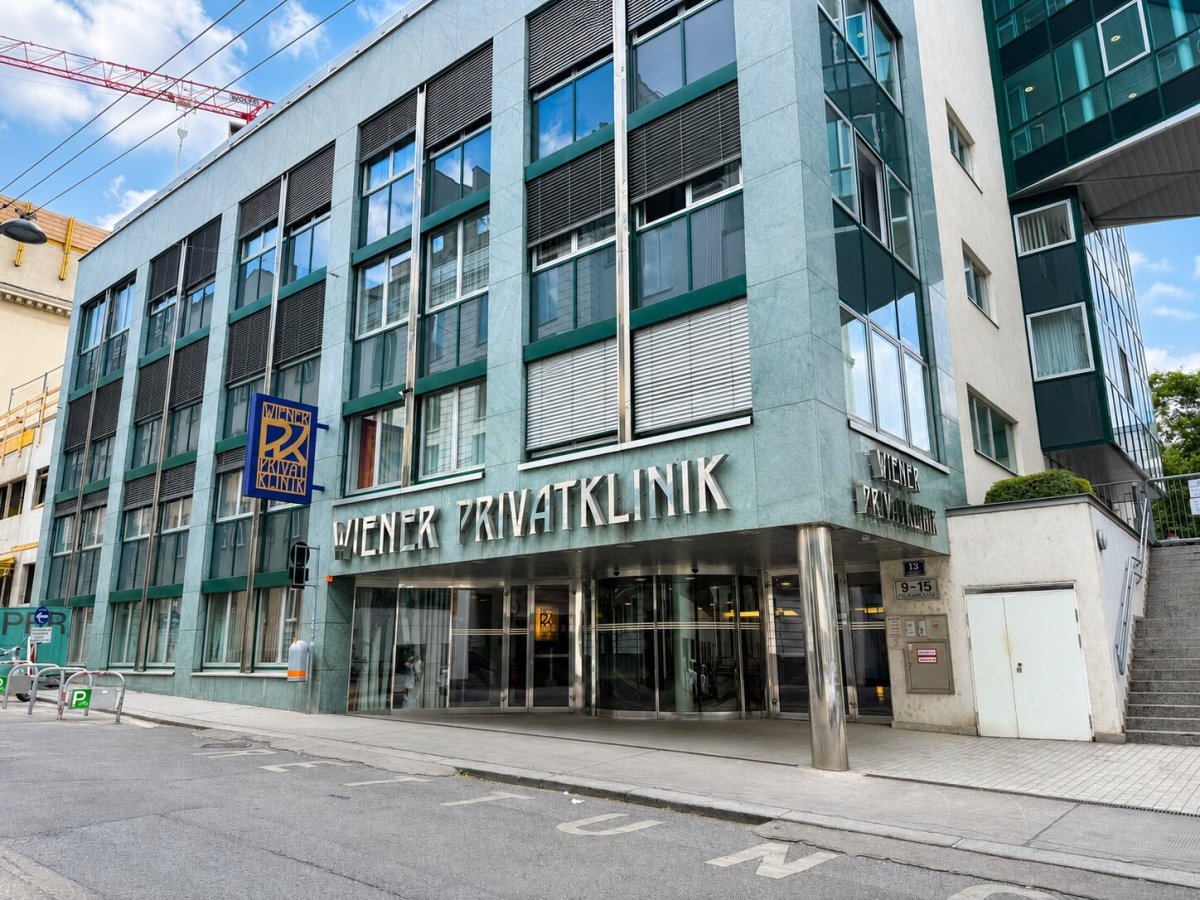
Wiener Privatklinik
Vienna General Hospital (AKH)
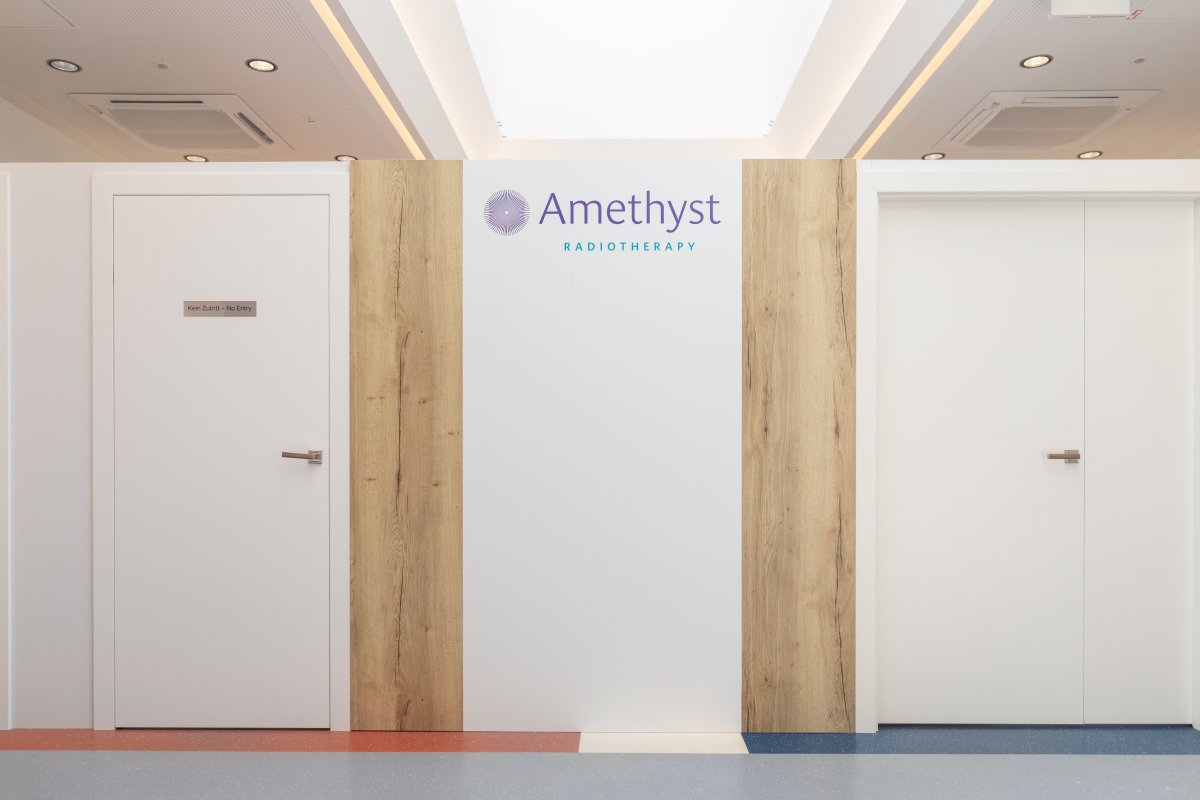
مركز العلاج الإشعاعي Amethyst Radiotherapy Austria
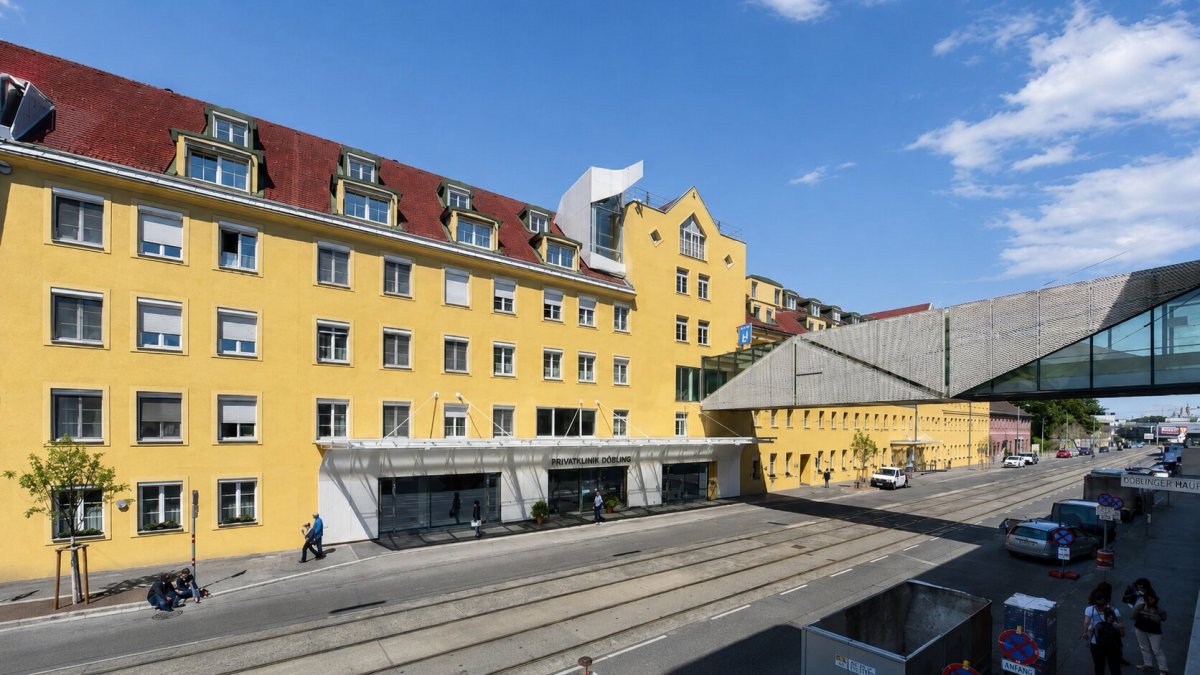
Döbling Private Hospital
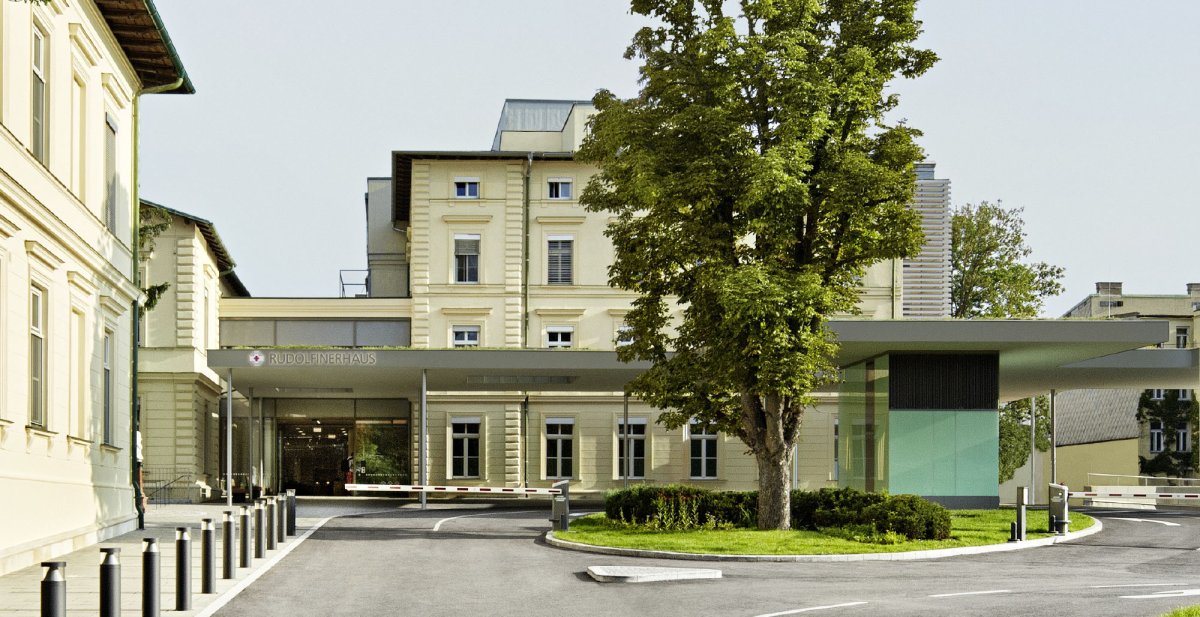
The Rudolfinerhaus Private Clinic

احصلوا على تقييم طبي لـ السرطان الغدي في النمسا: استشيروا أطباء ذوي خبرة الآن

عرض جميع الأطباء
يؤكد

Christoph Zielinski

44سنة خبره ١٦ سنة

بصفته رئيساً لأكبر قسم للأورام في النمسا ورائداً في مجال العلاج المناعي، أجرى البروفيسور زيلينسكي أكثر من 1100 علاج للسرطان. يترأس الآن المركز الدولي للأورام في مستشفى فينير بريفاتكلينيك.

  • خبرة تزيد عن 40 عاماً كطبيب أورام وأمراض دم بارز
  • مؤسس مركز السرطان الشامل في فيينا، الذي يدمج بين الرعاية والأبحاث
  • رئيس مجموعة أورام التعاونية في وسط أوروبا، ومنسق التجارب الدولية
  • مؤلف لأكثر من 600 منشور علمي حول علم الأورام
يؤكد

Sebastian F Schoppmann

25سنة خبره ١٦ سنة

يعد البروفيسور شوبمان رائداً في جراحة الأورام طفيفة التوغل، حيث يتخصص في سرطانات المريء والمعدة في مستشفى فينر بريفاتكلينيك.

  • خبرة تزيد عن 20 عاماً في الجراحة الأحشائية وجراحة الأورام
  • رئيس وحدة جراحة الجهاز الهضمي العلوي في جامعة فيينا الطبية
  • خبير في تقنيات الروبوتات لحالات السرطان المعقدة
  • نشر أبحاثاً مكثفة حول المؤشرات الحيوية للسرطان والآليات الجزيئية
يؤكد

Wolfgang Köstler

22سنة خبره ١٦ سنة

يتخصص الأستاذ الدكتور فولفغانغ كوستلر في سرطانات الثدي والنساء، مع خبرة تمتد لأكثر من عقدين في العلاجات الموجهة والطب الشخصي.

  • أستاذ مشارك في جامعة فيينا الطبية
  • نائب رئيس القسم السريري للأورام
  • التركيز على تطوير المؤشرات الحيوية وبيولوجيا الورم
  • استشاري أول في مستشفى فينر بريفاتكلينيك

مشاركة المحتوى

Twitter XLinkedinFacebookWhatsAppEmail
أحصل على الرابط

قصص فيديو من مرضى Bookimed

Dayana
جمعت بين إجازتي في أنطاليا والفحص الطبي.
إجراء: فحص صحة الإناث (انظر فحص النساء)
Igor
كان رائعاً! التنقلات والإقامة والعلاج - كل شيء مشمول.
إجراء: زرع الأسنان
مستشفى: WestDent Clinic
Marina
قام Bookimed بكل شيء من أجلي. لم أضطر للقلق بشأن أي شيء.
إجراء: فحص صحة الإناث (انظر فحص النساء)
مستشفى: Severance Hospital
محدث: 04/14/2026
تأليف
Anna Leonova
Anna Leonova
رئيس فريق تسويق المحتوى
محررة طبية معتمدة لديها خبرة تزيد عن 10 سنوات، طوّرت محتوى Bookimed الموثوق، مدعومة بماجستير في علم اللغة ومقابلات مع خبراء طبيين من جميع أنحاء العالم.
تمت المراجعة من قبل المستشار الطبي في Bookimed
فهد مولود
محرر طبي وعالم بيانات
طبيب عام. حاصل على 4 جوائز علمية. خدم في غرب آسيا. رئيس الفريق الطبي الناطق بالعربية سابقا ومسؤول عن معالجة البيانات ودقة المحتوى الطبي حاليا.
فهد مولود Linkedin
قد تحتوي هذه الصفحة على معلومات تتعلق بمختلف الحالات الطبية والعلاجات وخدمات الرعاية الصحية المتوفرة في بلدان مختلفة. يرجى العلم أن المحتوى مقدم لأغراض إعلامية فقط ولا ينبغي تفسيره على أنه نصيحة أو إرشادات طبية. يرجى استشارة طبيبك أو أخصائي طبي مؤهل قبل البدء أو تغيير العلاج الطبي.

أسئلة متكررة حول علاج السرطان الغدي في النمسا

هذه الأسئلة الشائعة مأخوذة من مرضى حقيقيين يبحثون عن رعاية طبية عبر Bookimed. يتم تقديم الإجابات من قبل منسقين طبيين ذوي خبرة وممثلين موثوقين من العيادات.

What are the survival and cure rates for adenocarcinoma treated in Austrian centers?

Austrian cancer centers report a 63% relative 5-year survival rate for all oncology cases. Adenocarcinoma outcomes vary by organ site. Localized gastric stages show 71.8% 5-year survival. Specialized protocols for nonmetastatic pancreatic cases achieve 44% 2-year survival within major multidisciplinary networks.

  • Lung adenocarcinoma: Modern immunotherapy helps reach 71% 2-year survival in Austrian radiation centers.
  • Gastric adenocarcinoma: Multimodal therapy for stages I–III delivers 71.8% 5-year survival rates.
  • Ovarian adenocarcinoma: Austria maintains a 43.9% 5-year survival rate for ovarian cancer cases.
  • Specialized surgery: Esophageal adenocarcinoma curative surgery results in 27% to 31% 5-year survival.

Bookimed Expert Insight: While many search for the largest hospital, private facilities in Vienna offer unique access. Wiener Privatklinik employs over 400 physicians, including many professors from the Medical University of Vienna. This allows patients to receive academic-level expertise in a high-service environment. Our data shows that centers like Döbling Private Hospital maintain complication rates significantly below national nominal values.

Patient Consensus: Patients value the speed of entering treatment and note the high caliber of professors. Many appreciate having a dedicated team that coordinates between diagnostic labs and surgical units efficiently.

What safety protocols are followed during adenocarcinoma surgery in Austrian hospitals?

Adenocarcinoma surgery in Austrian hospitals follows rigorous safety protocols including mandatory multidisciplinary tumor boards and minimum annual case volumes. Facilities strictly implement the WHO Surgical Safety Checklist. Surgeons utilize fluorescence-guided resection and robotic-assisted systems to ensure precise tumor removal while protecting surrounding healthy tissue.

  • Tumor board oversight: Interdisciplinary teams review every adenocarcinoma case to finalize surgical plans.
  • Volume-based safety: Regulations mandate minimum annual procedures for thoracic and digestive cancer surgeries.
  • Checklist protocols: Teams conduct sign-in, time-out, and sign-out phases to prevent errors.
  • Accredited facilities: Clinics like Wiener Privatklinik and Döbling Private Hospital maintain ISO standards.

Bookimed Expert Insight: Patient safety in Austria is driven by high-volume specialization. Vienna General Hospital (AKH) serves over 595,000 patients annually. This massive volume allows surgeons like Dr. Sebastian Schoppmann to maintain peak proficiency. Data shows clinics like Döbling Private Hospital report complication rates significantly lower than nominal international values through JCI International Patient Safety Goal compliance.

Patient Consensus: Patients emphasize the importance of requesting advanced tools like nerve monitors and fluorescence-guided resection. They also note that pre-operative delays for full-body scans are common safety measures to identify potential comorbidities.

Which hospitals and physicians specialize in adenocarcinoma treatment in Austria?

Adenocarcinoma treatment in Austria is centered in Vienna at ISO-certified facilities and university-affiliated hospitals. Leading institutions like Wiener Privatklinik and Vienna General Hospital (AKH) provide advanced immunotherapy, robotic surgery, and precision oncology. These centers employ multidisciplinary tumor boards to coordinate complex surgical and systemic therapies.

  • Wiener Privatklinik: Houses the International Oncology Center specializing in precision medicine and immunotherapy.
  • Vienna General Hospital: Processes 595,000 patients annually with specialized units for thoracic and gastrointestinal oncology.
  • Döbling Private Hospital: Focuses on oncological surgery with complication rates significantly below nominal values.
  • Expert oncologists: Dr. Christoph Zielinski and Dr. Wolfgang Köstler specialize in targeted biological therapies.

Bookimed Expert Insight: While many choose large university hospitals for high patient volumes, Wiener Privatklinik offers a distinct advantage by providing direct access to over 400 physicians, including many professors from the Medical University of Vienna. This allows patients to receive academic-level expertise within the more personalized, efficient environment of a private facility.

Patient Consensus: Patients emphasize starting at larger university centers like AKH Vienna for the fastest specialist referrals and clinical trial access. Many note it is crucial to bring existing pathology slides to avoid delays and unnecessary re-biopsy procedures.

How long must a medical tourist stay in Austria for adenocarcinoma surgery and follow-up?

An adenocarcinoma surgery stay in Austria typically requires 10 to 21 days. This timeframe ensures safe wound healing and complication monitoring. Initial hospitalization lasts 5 to 10 days for major resections. Patients should remain nearby for another week before securing medical flight clearance.

  • Hospital duration: Surgical recovery usually takes 5 to 10 days in specialized departments.
  • Pre-surgical window: Arrive 3 to 5 days early for imaging and anesthesia consultation.
  • Follow-up period: Oncology consultations and pathology reviews occur 1 to 2 weeks post-surgery.
  • Flight clearance: Surgeons typically issue fit-to-fly letters 10 to 14 days after discharge.

Bookimed Expert Insight: Many patients underestimate the post-discharge phase. While Döbling Private Hospital reports very low complication rates, stay duration often depends on drain management. In Austria, drains are frequently kept until day 14. This practice ensures better outcomes but requires booking accommodation for at least 3 weeks.

Patient Consensus: Patients note that staying within walking distance of the hospital is vital. Managing surgical drains and limited mobility makes nearby lodging essential for the first 14 days.

Is laparoscopic or robotic surgery available for adenocarcinoma in Austria and how do outcomes compare to open surgery?

Laparoscopic and robotic surgeries are widely available for adenocarcinoma in Austria. These minimally invasive techniques offer faster recovery and less pain than open surgery. Long-term survival rates remain comparable between all methods. Major centers in Vienna and Linz utilize da Vinci robotic systems for high precision.

  • Available techniques: Specialized centers offer laparoscopic and robotic-assisted surgeries for adenocarcinoma.
  • Surgical precision: Robotic systems provide 3D views and superior dexterity for complex reconstructions.
  • Recovery speed: Minimally invasive procedures reduce hospital stays to approximately 6 to 8 days.
  • Clinical outcomes: Robotic surgery typically results in lower blood loss and fewer post-procedural complications.

Bookimed Expert Insight: Data shows that surgical volume is a key quality indicator in Austria. Vienna General Hospital (AKH) treats over 595,000 patients annually and was the first to certify for robotic colorectal surgery. Choosing high-volume centers helps ensure access to experienced specialists like Dr. Sebastian F. Schoppmann, who focuses specifically on robotic techniques for gastroesophageal tumors. This expert experience often correlates with maintaining complication rates below nominal values.

Patient Consensus: Patients note that robotic surgery significantly reduces the need for unexpected ostomy bags in rectal cases. Many emphasize confirming a surgeon's annual case volume to ensure the fastest return to daily activities.

What follow-up care is provided after adenocarcin resection in Austria?

Follow-up care after adenocarcinoma resection in Austria follows a standardized multidisciplinary protocol. Patients undergo clinical exams, imaging, and tumor marker blood tests every 3 to 6 months. Specialized oncology centers in Vienna coordinate long-term surveillance and inpatient rehabilitation to ensure comprehensive recovery and early detection.

  • Surveillance frequency: Check-ups occur every 3–6 months for the first 3 years.
  • Diagnostic monitoring: Monitoring includes CT scans, ultrasounds, and tumor markers like CEA or CA19-9.
  • Rehabilitation access: Standard care includes inpatient oncological rehabilitation to manage long-term physical effects.
  • Adjuvant therapy: Postoperative chemotherapy typically begins within 4 to 6 weeks following a successful resection.

Bookimed Expert Insight: Patients at Wiener Privatklinik benefit from direct access to professors from the Medical University of Vienna. Leading experts like Dr. Christoph Zielinski often coordinate these follow-up plans. Data shows these private facilities emphasize faster access to imaging like PET/CT. This avoids the 2–4 week wait times often found in larger public institutions like AKH Vienna.

Patient Consensus: Patients emphasize requesting a written follow-up plan at discharge to help with insurance and scheduling. Those treated in Vienna suggest tracking symptoms and tumor markers in a journal to identify changes between scheduled visits.

What documents should a medical traveler carry for adenocarcinoma treatment in Austria?

Medical travelers for adenocarcinoma treatment in Austria must carry comprehensive clinical records including original pathology blocks and digital imaging in DICOM format. All documents should be translated into German or English. Valid travel identification and proof of medical necessity for prescriptions are also mandatory for legal entry.

  • Pathology materials: Carry original histological glass slides or paraffin blocks for laboratory re-evaluation.
  • Imaging studies: Provide CT, MRI, and PET/CT scans on digital USB media.
  • Treatment history: Include detailed chemotherapy regimens, radiation dosages, and surgical operative notes.
  • Certified translations: Ensure all non-German/English medical records include professional certified translations.

Bookimed Expert Insight: While Vienna General Hospital (AKH) serves nearly 600,000 patients annually, private facilities like Wiener Privatklinik offer 30+ specialized doctors in a multilingual environment. Choosing a private center often simplifies document processing for international patients. These clinics typically have dedicated teams to review your oncology summaries before you arrive in Vienna.

Patient Consensus: Patients note that hospitals in Vienna often prefer physical paper copies alongside digital files on encrypted USB drives. It is essential to bring a detailed oncologist letter to avoid delays in starting chemotherapy or surgical planning.

احصل على استشارة مجانية

حدد أفضل طريقة للاتصال بك