تمدد عضلة القلب العلاج في بولندا - التكاليف 2026


تمت مراجعة المقالة طبيا من قبل
فهد مولود
ما هي تكلفة تمدد عضلة القلب إجراءات التشخيص والعلاج في بولندا؟ اعرف الآن
| بولندا | تركيا | إسبانيا | |
|---|---|---|---|
| الضربات المعاكسة الخارجية المحسنة | ≈ $1,600 | ≈ $1,100 | ≈ $1,500 |
مزاياك وضماناتك مع Bookimed
أسعار مباشرة
Bookimed لا يضيف رسوماً إضافية على أسعار علاج تمدد عضلة القلب. الأسعار مأخوذة من قوائم الأسعار الرسمية للعيادات. تدفع مباشرة في العيادة مقابل علاجك عند وصولك إلى البلد.
عيادات وأطباء معتمدون فقط
Bookimed ملتزم بسلامتك. نحن نعمل فقط مع المؤسسات الطبية التي تحافظ على معايير دولية عالية في علاج تمدد عضلة القلب ولديها التراخيص اللازمة لخدمة المرضى الدوليين في جميع أنحاء العالم.
مساعدة مجانية على مدار الساعة
Bookimed يقدم مساعدة خبراء مجانية. منسق طبي شخصي يدعمك قبل وأثناء وبعد العلاج، ويحل أي مشاكل. لن تكون وحيداً أبداً في رحلة علاج تمدد عضلة القلب.

منسقك الطبي الشخصي في Bookimed
- يدعمك في كل مرحلة
- المساعدة في اختيار العيادة الطبية المناسبة والطبيب المناسب
- يضمن الوصول السريع والمريح إلى المعلومات
اكتشف أفضل تمدد عضلة القلب العيادات في بولندا: 2 خيارات معتمدة والأسعار

Todurova Health Service
مشاركة المحتوى
قصص فيديو من مرضى Bookimed
 Anna Leonova
أسئلة متكررة حول علاج تمدد عضلة القلب في بولندا
ما هي العلاجات الطبية المستخدمة حاليًا لاعتلال عضلة القلب التوسعي في بولندا؟
تعالج مراكز القلب البولندية اعتلال عضلة القلب التوسعي باستخدام بروتوكولات قائمة على الأدلة تجمع بين الأدوية والعلاج بالأجهزة المتقدمة. يركز العلاج على تقليل عبء العمل على القلب ومنع إعادة التشكيل. يستخدم المتخصصون مثبطات ARNI، وحاصرات بيتا، ومثبطات SGLT2 كعلاجات أولية. توفر المرافق الرائدة في كيلسي وفروتسواف إدارة قلبية شاملة.
- الأدوية الأساسية: يعطي المتخصصون البولنديون الأولوية لـ ARNI (Entresto) ومثبطات SGLT2 لحماية القلب.
- إدارة الأعراض: يصف الأطباء مدرات البول العروية وإيفابرادين للتحكم في السوائل ومعدل ضربات القلب.
- العلاج بالأجهزة: يقوم الجراحون بزراعة أجهزة ICD وأجهزة CRT لمنع السكتة القلبية المفاجئة.
- الفحص الجيني: تجري مراكز المرجعية اختبارات جينية لتحديد متغيرات محددة مثل LMNA أو PLN.
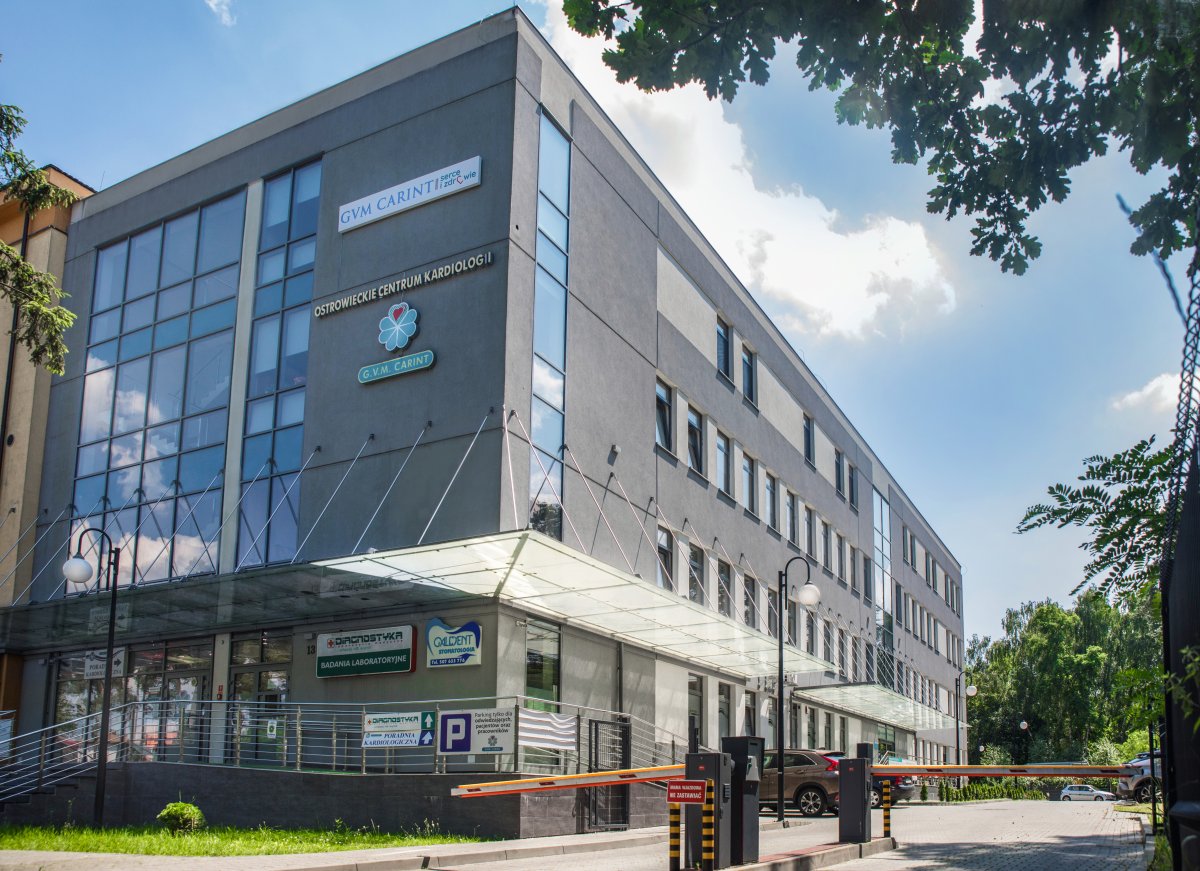
رؤية خبير Bookimed: تشير بيانات حجم المرضى إلى اختيار مراكز راسخة لزراعة الأجهزة المعقدة. يخدم مركز GVM Carint في كيلسي أكثر من 6100 مريض سنويًا. غالبًا ما تمتلك المراكز ذات الحجم الكبير خبرة أكبر في إدارة تحفيز نظام التوصيل الفسيولوجي. يمكن لتقنيات التحفيز المتخصصة هذه تحسين النتائج بشكل كبير للمرضى الذين يعانون من إحصار حزمة غصن أيسر.
إجماع المرضى: يشير المرضى إلى أنه من المهم طلب الإحالة المبكرة إلى متخصصي فشل القلب بدلاً من انتظار ظهور الأعراض. ويؤكدون أن إجراء فحوصات الموجات فوق الصوتية للقلب بانتظام ضروري حتى عند الشعور بصحة جيدة بشكل عام.
هل يتوفر الاختبار الجيني لاعتلال عضلة القلب التوسعي في بولندا؟
يتوفر الاختبار الجيني لاعتلال عضلة القلب التوسعي في بولندا. تستخدم المراكز المتخصصة تسلسل الجيل التالي لتحديد الطفرات في جينات التيتين واللامين A/C. تشمل المرافق الرئيسية المعهد الوطني لأمراض القلب في وارسو. تؤيد الجمعية البولندية لأمراض القلب إجراء الاختبارات للمرضى وعائلاتهم.
- طريقة الاختبار: تستخدم لوحات التشخيص تسلسل الجيل التالي (NGS) للعثور على الطفرات المسببة للمرض.
- المراكز السريرية: يمكن الوصول إلى الاختبارات في الجامعات الطبية في وارسو، سيليزيا، بوزنان، وفروتسواف.
- التأييد الطبي: تدعم الجمعية البولندية لعلم الوراثة البشرية مناهج التشخيص القائمة على المسببات.
- فحص العائلة: تجري فرق الوراثة فحصاً متسلسلاً لتحديد المخاطر لدى الأقارب البيولوجيين.
رؤية خبير Bookimed: تحتل بولندا مرتبة عالية عالمياً في الطلبات الطبية. تخدم المراكز ذات الحجم الكبير مثل GVM Carint في كيلسي أكثر من 6,100 مريض سنوياً. بينما تتعامل المراكز الأكاديمية مع علم الوراثة المعقد، تقدم العيادات الخاصة مثل Todurova Health Service في فروتسواف فحوصات دولية مخصصة. يضمن اختيار المراكز ذات السعة العالية الوصول إلى أطباء قلب متخصصين يديرون مسارات التشخيص هذه بفعالية.
إجماع المرضى: يشير المرضى إلى أن الحصول على الإحالة الصحيحة غالباً ما يكون أصعب خطوة. يوصون باختبار فرد العائلة المصاب أولاً لجعل الفحص أكثر فائدة للأقارب.
ما هي الأجهزة الجراحية أو الغرسات التي يتم تقديمها عندما لا تكون الأدوية وحدها كافية؟
تقدم مراكز القلب البولندية أجهزة تقويم نظم القلب ومزيلات الرجفان القابلة للزرع (ICDs) وعلاج إعادة التزامن القلبي (CRT) عندما تفشل الأدوية. تدير هذه الأجهزة مخاطر عدم انتظام ضربات القلب وعدم التزامن الكهربائي. قد تستخدم الحالات المتقدمة أجهزة مساعدة البطين الأيسر (LVADs) كمضخات ميكانيكية لدعم الدورة الدموية.
- غرسات مزيل الرجفان: تمنع أجهزة ICD الموت القلبي المفاجئ عن طريق تصحيح إيقاعات القلب المميتة.
- علاج إعادة التزامن: تنسق أجهزة CRT انقباضات القلب لتحسين تحمل التمارين وتقليل التعب.
- المضخات الميكانيكية: توفر أجهزة LVAD دعمًا دوريًا طويل الأمد للمرضى الذين يعانون من قصور القلب المتقدم.
- علاج الجسر: غالبًا ما تعمل الغرسات الجراحية كجسر لزراعة القلب.
رؤية خبير Bookimed: تستضيف بولندا مراكز متخصصة مثل GVM Carint التي تدير أكثر من 6000 مريض سنويًا. غالبًا ما تدمج المرافق ذات الحجم الكبير في مدن مثل كيلسي بين طب القلب التداخلي والعلاج الكهربائي. يعد هذا التركيز في الخبرة أمرًا حيويًا لأن اختيار الجهاز يعتمد على قياسات دقيقة لجزء القذف. غالبًا ما يجمع المتخصصون هنا بين العلاجات، مثل استخدام CRT-D لتوفير كل من التزامن وحماية إزالة الرجفان.
إجماع المرضى: يشير المرضى إلى أن التكيف مع الحياة باستخدام جهاز أكثر أهمية من الجراحة نفسها. يؤكد الكثيرون على الحاجة إلى التخطيط للمهام اليومية مثل الاستحمام والسفر باستخدام بطاريات خارجية.
هل يتم إجراء أي إجراءات متطورة أو تجريبية لمرضى قصور القلب في بولندا؟
تجري بولندا إجراءات متطورة لقصور القلب، بما في ذلك أول عملية مجازة قلبية روبوتية عن بعد في أوروبا. تستخدم المراكز المتخصصة نظام Stereotaxis Genesis للملاحة المغناطيسية الروبوتية وأجهزة دعم البطين ReligaHeart المملوكة للشركة. تؤكد هذه الابتكارات على الدقة، والوصول طفيف التوغل، والتكنولوجيا المتوافقة حيوياً المتقدمة لدعم القلوب الضعيفة.
- الجراحة الروبوتية عن بعد: يقوم الجراحون بإجراء عمليات مجازة عن بعد باستخدام منصات من الجيل التالي.
- القلوب الميكانيكية: تدعم أجهزة ReligaHeart التي تم تطويرها في بولندا كلاً من المرضى البالغين والأطفال.
- الإصلاح الهيكلي: تقدم المراكز المتقدمة إصلاحات عبر القسطرة من الحافة إلى الحافة لصمامات القلب.
- إدارة الضغط: تعمل منظمات التدفق الأذيني (AFR) على تخفيف ضغط القلب المرتفع بأمان.
رؤية خبير Bookimed: بينما تتعامل معاهد الأبحاث الكبيرة مع التجارب التجريبية، تركز المراكز المتخصصة مثل GVM Carint في كيلسي على أمراض القلب التداخلية ذات الحجم الكبير. تخدم هذه العيادة أكثر من 6100 مريض سنوياً مع 169 طبيباً. يشير هذا الحجم إلى أنه بالنسبة لاعتلال عضلة القلب التوسعي، فإن البحث عن مراكز ذات نسبة عالية من الأطباء إلى المرضى يضمن مراقبة أكثر تخصيصاً أثناء تنفيذ الأجهزة المتقدمة.
إجماع المرضى: يؤكد المرضى أن العلاجات المتقدمة تتركز في المستشفيات الأكاديمية الكبرى بدلاً من العيادات المحلية. وغالباً ما يشيرون إلى أن تحسين علاج الجهاز الحالي هو خطوة حاسمة قبل البحث عن إجراءات تجريبية.
ما هي المراكز البولندية المعترف بها لتقديم رعاية متخصصة في اعتلال عضلة القلب التوسعي؟
تضم بولندا مرافق رعاية قلبية رائدة متخصصة في اعتلال عضلة القلب التوسعي (DCM) من خلال تشخيصات متقدمة ورعاية متعددة التخصصات. تشمل المؤسسات الرئيسية المعهد الوطني لأمراض القلب في وارسو ومركز سيليزيا لأمراض القلب. تقدم هذه المراكز اختبارات جينية، وتصوير بالرنين المغناطيسي للقلب، ودعم الدورة الدموية الميكانيكي.
- مراكز مرجعية: توفر وارسو وزابجه اعتماداً سريرياً لأمراض القلب على أعلى مستوى.
- مراكز أكاديمية: يتخصص المستشفى الجامعي في كراكوف في أمراض عضلة القلب الوراثية.
- خبرة تداخلية: يعالج مركز GVM Carint في كيلسي أكثر من 6,100 مريض قلب سنوياً.
- تشخيصات متخصصة: تقدم المراكز تقنية النبض الخارجي المعزز (EECP) وتخطيط صدى القلب.
رؤية خبير Bookimed: غالباً ما يشير حجم المرضى إلى وجود بنية تحتية متخصصة لفشل القلب. يدير مركز GVM Carint في كيلسي أكثر من 6,000 مريض سنوياً بوجود 169 طبيباً. وهذا يشير إلى قدرة عالية على إجراءات القلب التداخلية التي يحتاجها مرضى اعتلال عضلة القلب التوسعي بشكل متكرر. تشير الفرق الطبية الكبيرة إلى سرعة الوصول إلى المراجعات متعددة التخصصات اللازمة للحالات المعقدة.
إجماع المرضى: يلاحظ المرضى أن أمراض القلب القياسية تختلف عن الخبرة الحقيقية في اعتلال عضلة القلب. ويؤكدون على اختيار المراكز الثالثية التي تجمع بين التصوير، وعلم الوراثة، وتقييم زراعة الأعضاء للحصول على أفضل النتائج.
ما هي تغييرات نمط الحياة التي يصر عليها أطباء القلب البولنديون إلى جانب العلاج الطبي؟
يفرض أطباء القلب البولنديون تغييرات منظمة في نمط الحياة لتعزيز العلاج الطبي لاعتلال عضلة القلب التوسعي. تركز البروتوكولات على نظام غذائي مقيد بالملح، ومراقبة الوزن اليومية، والعلاج الحركي تحت الإشراف. يطلب المتخصصون الإقلاع التام عن التبغ والامتناع عن الكحول. تمنع هذه الخطوات احتباس السوائل وتعمل على استقرار وظيفة عضلة القلب.
- إعادة الهيكلة الغذائية: حدد الدهون المشبعة بنسبة 7% والكوليسترول الغذائي بـ 300 مجم يومياً.
- تقييد الصوديوم: حدد بدقة ملح الطعام والأطعمة المصنعة لإدارة حجم السوائل.
- العلاج الحركي الموصوف: قم بأداء تمارين هوائية معتدلة 3 مرات أسبوعياً في جلسات مدتها 40 دقيقة.
- إدارة الوزن: حافظ على مؤشر كتلة الجسم (BMI) المستهدف أقل من 25 كجم/م2 لصحة القلب.
- مراقبة السوائل: قم بإجراء فحوصات وزن يومية لتحديد تراكم السوائل المفاجئ والتورم.
رؤية خبير Bookimed: على الرغم من أن القواعد الغذائية صارمة، إلا أن حجم المرضى الكبير في المراكز البولندية المتخصصة مثل مركز أمراض القلب التداخلية، GVM Carint، الذي يخدم أكثر من 6000 مريض سنوياً، يضمن أن هذه البروتوكولات مصقولة للغاية. تُظهر برامج التنسيق مثل KOS-MI أن إعادة التأهيل المنظم يحسن النتائج. غالباً ما تدمج العيادات خبرات طول العمر ومكافحة الشيخوخة، كما يظهر في خدمة Todurova Health Service، لتوفير خرائط طريق لنمط الحياة أكثر تخصيصاً مما تقدمه إرشادات المستشفيات القياسية.
إجماع المرضى: يلاحظ المرضى أن الطهي في المنزل يصبح ضرورياً للتحكم في تنا
ما مدى جودة جراحة الأعصاب في بولندا؟
تُقدم جراحة الأعصاب في بولندا رعاية عالية الجودة في مرافق معتمدة من قبل اللجنة الدولية المشتركة (JCI) والمنظمة الدولية للمعايير (ISO). يلتزم جراحو الأعصاب البولنديون بمعايير تدريب صارمة معتمدة من قبل الاتحاد الأوروبي. وقد أكمل العديد منهم زمالات في الولايات المتحدة أو ألمانيا. وتتوفر التقنيات المتقدمة، مثل جهاز سايبر نايف وجهاز جاما نايف والأنظمة الروبوتية، على نطاق واسع في المراكز الخاصة.
- المؤهلات التخصصية: غالباً ما يكون الأطباء أعضاء في الرابطة الأوروبية لجمعيات جراحة الأعصاب.
- التقنيات المتقدمة: تستخدم العيادات أنظمة CyberKnife والموجات فوق الصوتية المركزة الموجهة بالرنين المغناطيسي لعلاج الدماغ غير الجراحي.
- الحجم السريري: تعالج المراكز الرائدة مثل مستشفى الجامعة في كراكوف أكثر من 455000 مريض سنوياً.
- جراحون ذوو خبرة: أجرى الدكتور ماسيج بوجكو من مستشفى كارولينا أكثر من 2500 عملية جراحية بمفرده.
رأي خبراء بوكيمد: تُظهر البيانات وجود علاقة وثيقة بين تخصص العيادة وأصول مرضاها. تعالج عيادة KCM أكثر من 700 مريض دولي سنويًا، وهي متخصصة في جراحة العمود الفقري طفيفة التوغل. يُمكّنها هذا الحجم من العمل من تقديم باقات خدمات متخصصة، تشمل غالبًا حواجز تشخيصية وزرعات محددة،
ما هي مؤهلات جراحي الأعصاب البولنديين؟
يُعدّ جراحو الأعصاب البولنديون متخصصين ذوي كفاءة عالية، إذ أتموا ما لا يقل عن 13 عامًا من التدريب الطبي المكثف. يشمل ذلك ست سنوات من الدراسة في كلية الطب، و13 شهرًا من التدريب العملي، وست سنوات من الإقامة. ويجب عليهم اجتياز امتحان التخصص الحكومي (PES)، وغالبًا ما يحصلون على شهادة من الجمعية الأوروبية لجمعيات جراحة الأعصاب (EANS).
- التعليم: يتلقى الأطباء تعليمهم الطبي (الطب) بعد 6 سنوات من الدراسة في الجامعة.
- التخصص: تشمل الإقامة 6 سنوات من التدريب المعياري في جراحة الأعصاب السريرية وعلم الأشعة العصبية.
- حجم العمليات الجراحية: غالبًا ما يقوم الأطباء المقيمون بإجراء أكثر من 1000 عملية جراحية، وهو ما يتجاوز متوسط حجم التدريب في المناطق الأخرى.
- الشهادات: العديد من المتخصصين أعضاء في منظمة AO Spine أو الجمعية البولندية لجراحة العمود الفقري.
رأي خبراء بوكيميد: تشير البيانات إلى أن جراحي الأعصاب البولنديين غالبًا ما يتخصصون في تقنيات بالغة التخصص، مثل نظام ApiFix أو نظام SED-YESS لتنظير الفقرات القطنية. ويجمع أخصائيون مثل الدكتور ستانيسواف كويك من عيادة KCM بين أبحاث ما بعد الدكتوراه والممارسة الجراحية النشطة. هذا المزيج من المعرفة الأكاديمية المتعمقة والخبرة الجراحية الوا
ما هي أفضل عيادات جراحة الأعصاب في بولندا؟
من بين أفضل عيادات جراحة الأعصاب في بولندا مستشفى كارولينا، وعيادة KCM، ومراكز أكاديمية رائدة مثل مستشفى جامعة كراكوف. تقدم هذه المؤسسات علاجات متطورة لأمراض العمود الفقري والدماغ، مطابقة لمعايير الجودة ISO، وتضم أخصائيين أعضاء في منظمات دولية مثل AO Spine.
- مستشفى كارولينا: مركز التميز الطبي التابع للفيفا، والمتخصص في جراحات العمود الفقري المعقدة ذات التدخل الجراحي المحدود.
- عيادة KCM: معترف بها دوليًا لجودة إجراءات تنظير العمود الفقري، وتخدم أكثر من 700 مريض دولي سنويًا.
- مستشفى جامعة كراكوف: مركز متعدد التخصصات كبير يقوم بإجراء أكثر من 800 عملية جراحية عصبية سنوياً منذ عام 1788.
- لوكسميد: مركز طبي خاص مرموق في وارسو متخصص في جراحة العمود الفقري المتقدمة للمرضى الدوليين.
رأي خبراء بوكيمد: بينما يتجه الكثيرون إلى أكبر المستشفيات، تُظهر البيانات أن عيادات مثل مستشفى كارولينا تُقدم كفاءة أعلى في العمليات الجراحية الاختيارية. فمع وجود أكثر من 40 طبيباً متخصصاً في هذه المنشأة التي تضم 30 سريراً، تكون نسبة الأطباء إلى المرضى أعلى بكثير مما هي عليه في المراكز الجامعية الحكومية. وهذا يعني رعاية ما بعد الجراحة أكثر عناية، وجدولة أسرع بكثير لإجراءات مثل علاج الانزلاق الغضروفي
ما هي أكثر العمليات الجراحية العصبية شيوعاً في بولندا؟
في بولندا، يركز طب جراحة الأعصاب بشكل أساسي على جراحات العمود الفقري واستئصال أورام الدماغ. وتُجري المستشفيات بشكل متكرر عمليات استئصال القرص المجهرية، ودمج الفقرات، وتحفيز الدماغ العميق. وتستخدم مراكز مثل مستشفى كارولينا وعيادة كي سي إم تقنيات طفيفة التوغل لعلاج الانزلاق الغضروفي، وإصابات العمود الفقري، والاضطرابات العصبية المعقدة.
- جراحة العمود الفقري: يعتبر استئصال القرص واستئصال الصفيحة الفقرية من العلاجات الشائعة لانزلاق القرص.
- علم الأورام العصبية: يقوم الأخصائيون بإجراء عمليات جراحية لإزالة أورام الدماغ باستخدام معدات حديثة مثل تقنية سايبر نايف.
- جراحة الأعصاب الوظيفية: يستخدم التحفيز العميق للدماغ (DBS) على نطاق واسع لعلاج اضطرابات الحركة.
- التقنيات طفيفة التوغل: يستخدم الجراحون تقنيات التنظير الداخلي لتخفيف الضغط عن العمود الفقري وعلاج أورام الغدة النخامية.
رأي خبراء بوكيميد: أصبحت بولندا مركزًا متخصصًا في تثبيت العمود الفقري. تتعاون عيادات مثل مستشفى كارولينا مع الفرق الرياضية الوطنية، مما يعكس خبرتها العالية في علاج إصابات العمود الفقري المعقدة. تُظهر بياناتنا أن هذه المؤسسات غالبًا ما تُدمج إعادة التأهيل مباشرةً في العلاج الجراحي. هذا الدمج يقلل من خطر الم