تمدد عضلة القلب العلاج في ألمانيا - التكاليف 2026


تمت مراجعة المقالة طبيا من قبل
فهد مولود
ما هي تكلفة تمدد عضلة القلب إجراءات التشخيص والعلاج في ألمانيا؟ اعرف الآن
تتضمن تكلفة علاج اعتلال عضلة القلب التوسعي في ألمانيا عادةً فحص القلب بالموجات فوق الصوتية الأساسي الذي يتراوح سعره بين $120 و $230، والإجراءات المستهدفة مثل النبض الخارجي المعزز (EECP) التي تتراوح تكلفتها بين $1,800 و $3,500. تعتمد النفقات الإجمالية على شدة فشل القلب، ومستوى العيادة المختارة، وما إذا كان زرع جهاز جراحي مطلوباً. غالباً ما يجد المرضى وفورات تتراوح بين 20-40% مقارنة بالولايات المتحدة. تقع أفضل مراكز العلاج في هامبورغ، ودويسبورغ، وفرانكفورت أم ماين.
تكاليف علاج اعتلال عضلة القلب التوسعي النموذجية في ألمانيا
- فحص القلب بالموجات فوق الصوتية: $120 – $230
- استشارة طبيب قلب: من $200
- استشارة جراح قلب: من $250
- النبض الخارجي المعزز (EECP): $1,800 – $3,500
رؤية خبراء Bookimed: يستفيد المرضى الذين يعانون من فشل القلب المتقدم من مراكز متخصصة مثل مجمع عيادات شمال الراين-وستفاليا، الذي يضم أكبر مركز للقلب في ألمانيا. بالنسبة لأولئك الذين يحتاجون إلى تدخل دقيق، يقوم الدكتور مارك أولريش بيشر في سولينغن بإجراء ما يصل إلى 4000 إجراء قلبي سنوياً، مما يوفر خبرة عالية في الجاهزية للقسطرة. توفر المرافق ذات التصنيف العالي مثل مستشفى أسكليبيوس بارمبيك خدمات 5 نجوم وتركز على تنسيق شؤون المرضى الدوليين.
| تركيا | إسبانيا | ألمانيا | |
|---|---|---|---|
| الضربات المعاكسة الخارجية المحسنة | ≈ $1,100 | ≈ $1,500 | ≈ $1,800 |
مزاياك وضماناتك مع Bookimed
أسعار مباشرة
Bookimed لا يضيف رسوماً إضافية على أسعار علاج تمدد عضلة القلب. الأسعار مأخوذة من قوائم الأسعار الرسمية للعيادات. تدفع مباشرة في العيادة مقابل علاجك عند وصولك إلى البلد.
عيادات وأطباء معتمدون فقط
Bookimed ملتزم بسلامتك. نحن نعمل فقط مع المؤسسات الطبية التي تحافظ على معايير دولية عالية في علاج تمدد عضلة القلب ولديها التراخيص اللازمة لخدمة المرضى الدوليين في جميع أنحاء العالم.
مساعدة مجانية على مدار الساعة
Bookimed يقدم مساعدة خبراء مجانية. منسق طبي شخصي يدعمك قبل وأثناء وبعد العلاج، ويحل أي مشاكل. لن تكون وحيداً أبداً في رحلة علاج تمدد عضلة القلب.

منسقك الطبي الشخصي في Bookimed
- يدعمك في كل مرحلة
- المساعدة في اختيار العيادة الطبية المناسبة والطبيب المناسب
- يضمن الوصول السريع والمريح إلى المعلومات
اكتشف أفضل تمدد عضلة القلب العيادات في ألمانيا: 12 خيارات معتمدة والأسعار





Hospital in the Pfeiffer`s foundations

Bavaria in Kreischa
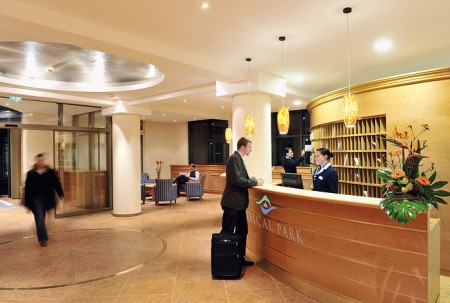
Medical Park AG



Lippe Detmold Clinic


احصل على تقييم طبي لـ في ألمانيا. استشر الآن 7 أطباء ذوي الخبرة.
عرض جميع الأطباء
Marc Ulrich Becher
متخصص في الرعاية الشاملة للأوعية الدموية والقلب في مستشفى مدينة زولينجن (Städtisches Klinikum Solingen)، مع استخدام تقنيات تشخيصية وعلاجية متطورة.
- إجراء ما بين 3000 إلى 4000 إجراء جراحي للقلب سنويًا
- خبير في طرق التشخيص الحديثة مثل التصوير بالرنين المغناطيسي والأشعة المقطعية للقلب
- تقديم علاجات تعتمد على القسطرة بما في ذلك استبدال صمام الأورطي عبر القسطرة (TAVR) وإجراءات الصمامات الهيكلية
- توفير رعاية طوارئ قلبية على مدار 24 ساعة
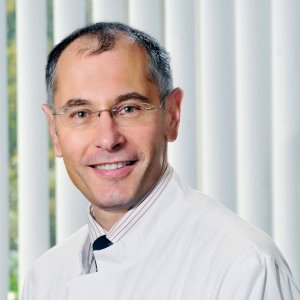
Melchior Seyfarth Director Of The Department Of Cardiology
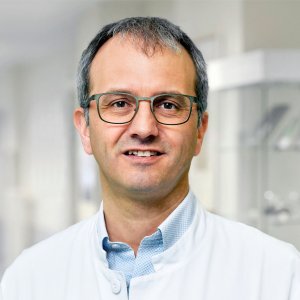
Armin Sause Chief Physician Of Cardiology And Cardiac Electrophysiology
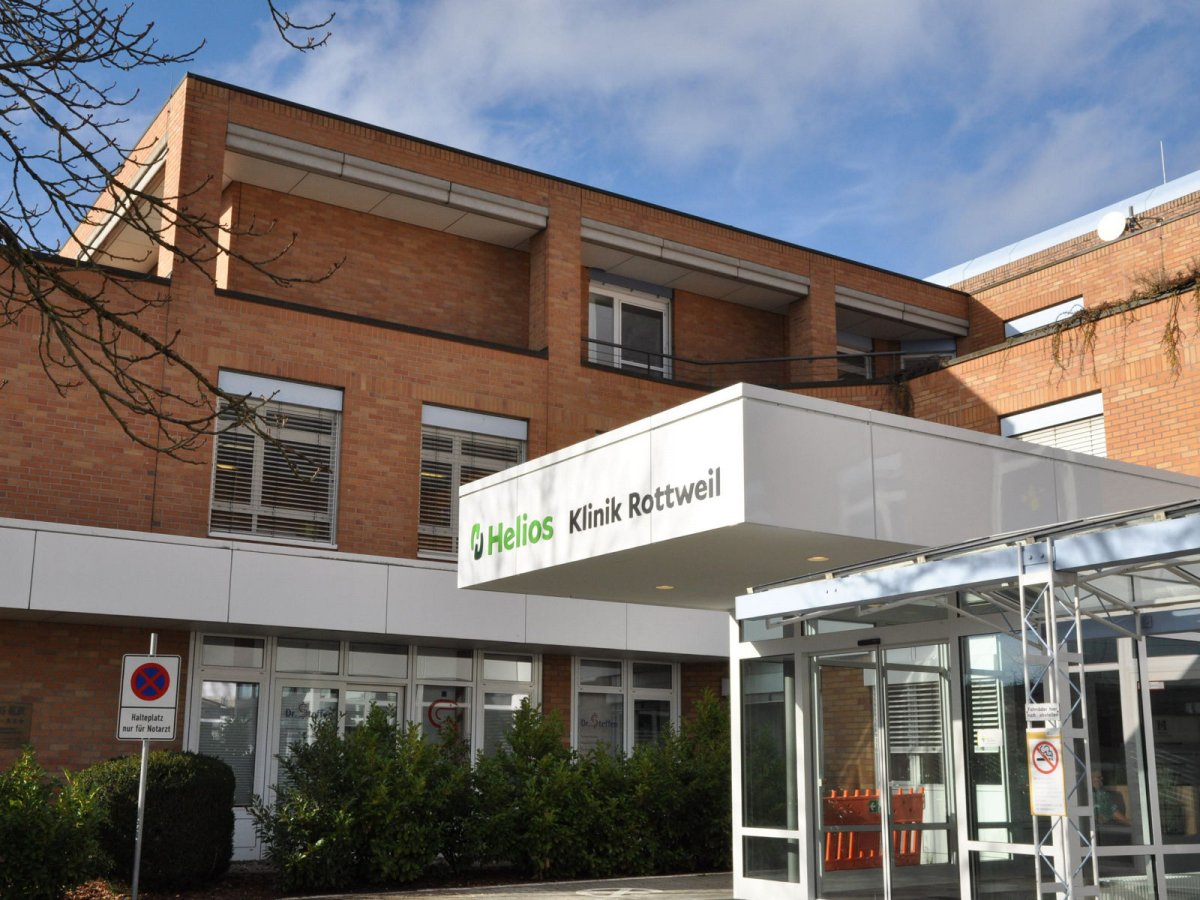
الدكتور (Dr. med.) آرمين زاوزه هو كبير أطباء طب القلب وعلم نظم القلب في مستشفى هيليوس الجامعي في ووبرتال، أحد أبرز مراكز القلب في ألمانيا. وبقيادته أصبح القسم مركزاً متخصصاً في علم نظم القلب والفيزيولوجيا الكهربائية للقلب، ويعتمد الفريق تقنيات حديثة وبروتوكولات علاجية قائمة على الأدلة.
تشمل خبرته علاج الرجفان الأذيني، والاستئصال بالقسطرة وبالترددات الراديوية مع التخطيط ثلاثي الأبعاد، وزراعة أجهزة تنظيم ضربات القلب ومقوِّم نظم القلب ومزيل الرجفان القابل للزرع (ICD)، إضافةً إلى التشخيصات
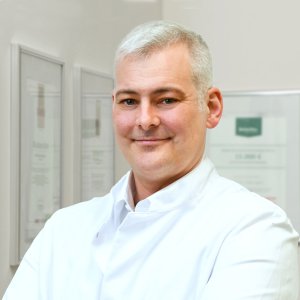
Alexander Wolf
مشاركة المحتوى
قصص فيديو من مرضى Bookimed
 Anna Leonova
أسئلة متكررة حول علاج تمدد عضلة القلب في ألمانيا
ما هي أفضل المستشفيات الألمانية لعلاج اعتلال عضلة القلب التوسعي؟
تضم ألمانيا مراكز قلب رائدة متخصصة في اعتلال عضلة القلب التوسعي (DCM) من خلال التشخيص المتقدم والعلاج بالأجهزة. تشمل المؤسسات الرائدة مستشفى شاريتيه الجامعي في برلين ومستشفى جامعة هايدلبرغ. تقدم هذه المراكز تقنيات الامتصاص المناعي المتخصصة، ودعم الدورة الدموية الميكانيكي، وزراعة القلب لحالات إعادة تشكيل عضلة القلب المعقدة.
- شاريتيه برلين (DHZC): مركز رائد لتجارب الامتصاص المناعي لتحسين وظائف القلب.
- جامعة هايدلبرغ: تضم وحدة مخصصة لفشل القلب المتقدم للحالات المعقدة.
- مركز القلب الألماني في ميونيخ: متخصص في التدخلات الجراحية بما في ذلك أجهزة LVAD وزراعة القلب.
- مجمع عيادات شمال الراين-وستفاليا: يدير أحد أكبر مراكز القلب الإقليمية في ألمانيا.
رؤية خبراء Bookimed: غالبًا ما يشير حجم المرضى إلى المكان الذي تكون فيه البنية التحتية المتخصصة أكثر قوة. يعالج مجمع عيادات شمال الراين-وستفاليا 145,000 مريض سنويًا ويدير أكبر مركز للقلب في الجمعية. يضمن هذا التدفق العالي تعامل الفرق الطبية بانتظام حتى مع أندر أنماط DCM ومشاكل الإيقاع المعقدة.
إجماع المرضى: يشير المرضى إلى أن البحث عن وحدة مخصصة لفشل القلب يوفر نتائج طويلة الأمد أفضل من أجنحة أمراض القلب العامة. ويؤكدون على أهمية تجهيز جميع الوثائق، بما في ذلك فحوصات الرنين المغناطيسي للقلب والتاريخ الدوائي، للمراجعة متعددة التخصصات.
ما هي التشخيصات التي يجب أن أتوقعها في عيادة ألمانية؟
تشمل تشخيصات اعتلال عضلة القلب التوسعي في ألمانيا تصويرًا شاملًا للقلب وفحوصات مخبرية دقيقة داخل المستشفيات المعتمدة من قبل JCI أو المصنفة من قبل Focus. يخضع المرضى لتخطيط صدى القلب ثلاثي الأبعاد، والتصوير بالرنين المغناطيسي للقلب لتحليل الأنسجة، ومراقبة دقيقة للإيقاع. يستخدم المتخصصون هذه الأدوات لتحديد الأسباب القابلة للعكس وتوجيه خطط العلاج الشخصية.
- بروتوكولات التصوير: يقوم صدى القلب ثلاثي الأبعاد والرنين المغناطيسي للقلب بتقييم بنية القلب والأنسجة الندبية.
- مراقبة الإيقاع: تقيم تخطيطات القلب هولتر واختبارات الطاولة المائلة مخاطر عدم انتظام ضربات القلب أو الإغماء.
- الفحوصات التداخلية: يستبعد قسطرة القلب أو تصوير الأوعية التاجية انسداد الشرايين.
- الفحص الكيميائي الحيوي: تتحقق الاختبارات المعملية من NT-proBNP، ومستويات الغدة الدرقية، وعلامات الالتهاب المحددة.
رؤية خبير Bookimed: تركز مراكز القلب الألمانية مثل مجمع عيادات شمال الراين-وستفاليا على دقة التشخيص عالية الحجم لتقليل الأخطاء الطبية. تظهر بياناتنا أن كبار أطباء القلب مثل الدكتور مارك أولريش بيشر يجرون 3000 إلى 4000 إجراء سنويًا. هذه الخبرة الهائلة في تدخلات القسطرة المعقدة غالبًا ما تؤدي إلى تشخيصات أكثر دقة لاعتلال عضلة القلب مقارنة بالتقييمات العامة في أماكن أخرى.
إجماع المرضى: يشير المرضى إلى أن عملية التشخيص منهجية للغاية وتؤكد على تحديد السبب الجذري الدقيق. يسلط الكثيرون الضوء على أن الاستشارات شاملة، وأن الأطباء مثل أولئك الموجودين في Asklepios Nord ي
ما هي العلاجات الدوائية الحديثة المتاحة لاعتلال عضلة القلب التوسعي (DCM) في ألمانيا؟
توفر ألمانيا الركائز الأربع للعلاج الطبي الموجه بالمبادئ التوجيهية لاعتلال عضلة القلب التوسعي. تستخدم المراكز المتخصصة مثبطات مستقبلات الأنجيوتنسين والنيبريليسين، وحاصرات بيتا، ومثبطات SGLT2. تركز هذه العلاجات على عكس إعادة تشكيل البطين وتقليل حالات دخول المستشفى. يعطي كبار أطباء القلب الأولوية للأنظمة العلاجية الشخصية بناءً على المبادئ التوجيهية الأوروبية الحديثة.
- دواء الخط الأول: غالبًا ما يحل ساكوبيتريل/فالسارتان محل مثبطات الإنزيم المحول للأنجيوتنسين التقليدية لإعادة التشكيل.
- مثبطات SGLT2: داباغليفلوزين وإمباغليفلوزين يقللان من مخاطر فشل القلب.
- العلاج الوراثي: تشارك العيادات في تجارب لعلاجات الحمض النووي الريبي (RNA) والعلاجات الجينية.
- العلاجات المتخصصة: فيريسيكوات وإيفابرادين يعالجان الأعراض المستمرة لدى المرضى المستقرين.
رؤية خبير Bookimed: تتعامل مراكز القلب الألمانية مثل مجمع عيادات شمال الراين-وستفاليا مع أعداد هائلة، حيث تعالج أكثر من 145,000 مريض سنويًا. يسمح هذا النطاق للأطباء بتجاوز إدارة الأعراض الأساسية إلى الرعاية الخاصة بالمسببات. على سبيل المثال، يقوم الدكتور مارك أولريش بيشر بإجراء ما يصل إلى 4,000 إجراء قلبي سنويًا. تضمن هذه الخبرة ذات الحجم الكبير إدارة معايرات الأدوية المعقدة لاعتلال عضلة القلب الالتهابي أو الوراثي بإشراف تشخيصي دقيق ومدعوم بالبيانات.
إجماع المرضى: يشير المرضى إلى أن العثور على السبب المحدد لضعف القلب أمر حيوي للخطة الصحيحة. يؤكد الكثيرون أنه على الرغم من أن أدوية مثل حاصرات
متى يوصي الأخصائيون الألمان بزراعة الأجهزة لعلاج اعتلال عضلة القلب التوسعي؟
يوصي الأخصائيون الألمان بزراعة الأجهزة لعلاج اعتلال عضلة القلب التوسعي عندما تظل قدرة القلب على الضخ أقل من 35% بعد ثلاثة أشهر من العلاج الدوائي. تستخدم المراكز المتقدمة مثل مجمع عيادات شمال الراين-وستفاليا تصوير القلب بالموجات فوق الصوتية الدقيق لمراقبة هذه الحدود. يتم إجراء الزراعة الفورية للمرضى بعد السكتة القلبية.
- حدود الكسر القذفي للبطين الأيسر (LVEF): تعتبر أجهزة تقويم نظم القلب ومزيلات الرجفان القابلة للزراعة هي المعيار عندما تظل نسبة الكسر القذفي عند أو أقل من 35%.
- المخاطر الجينية: يفضل الأخصائيون الزراعة المبكرة عند نسبة 45% من الكسر القذفي للطفرات عالية الخطورة مثل LMNA.
- تأخر التوصيل: يشار إلى علاج إعادة التزامن إذا تجاوزت مدة QRS في تخطيط القلب 150 مللي ثانية.
- ندبات الأنسجة: قد تؤدي الأحجام الكبيرة من ندبات عضلة القلب في التصوير بالرنين المغناطيسي إلى تحفيز وضع الجهاز في وقت مبكر.
رؤية خبير Bookimed: تؤكد مراكز أمراض القلب الألمانية على الخبرة ذات الحجم الكبير لضمان طول عمر الجهاز. يقوم الدكتور مارك أولريش بيشر في سولينغن بإجراء ما يصل إلى 4000 إجراء قلبي سنويًا. يضمن هذا الحجم أن الأخصائيين يمكنهم إدارة البرمجة المعقدة المطلوبة لأجهزة CRT-D المركبة بخبرة. غالبًا ما يؤدي اختيار مركز ذو حجم كبير إلى معايرة أكثر دقة للجهاز وتنسيق أفضل للقلب على المدى الطويل.
إجماع المرضى: يلاحظ المرضى أن الأطباء الألمان يصرون عادةً على فترة تجربة دوائية قبل التوصية بالجراحة. غالبًا ما يشعرون بالقلق خلال مرحلة الانتظار، ل
كيف يتم التعامل مع الاختبارات الجينية لاعتلال عضلة القلب التوسعي في ألمانيا؟
تتبع الاختبارات الجينية لاعتلال عضلة القلب التوسعي في ألمانيا قانون التشخيص الجيني (Gendiagnostikgesetz). يفرض هذا القانون موافقة كتابية صارمة واستشارة ما قبل الاختبار من قبل أطباء معتمدين. تستخدم المراكز الألمانية تقنية تسلسل الجيل التالي (Next-Generation Sequencing) عالية الإنتاجية لتحليل لوحات تضم من 25 إلى 80 جيناً، بما في ذلك TTN وLMNA.
- الإطار القانوني: يجب أن يتوافق الاختبار مع معايير السلامة والخصوصية لقانون التشخيص الجيني الفيدرالي.
- الاستشارة المطلوبة: تغطي جلسات ما قبل الاختبار الإلزامية التأثير النفسي والمتغيرات المحتملة ذات الأهمية غير المؤكدة.
- مؤهلات الأطباء: فقط الأطباء الحاصلون على تدريب متخصص في التشخيص الجيني يمكنهم طلب هذه الاختبارات الطبية.
- تكنولوجيا التشخيص: تطبق المختبرات تسلسل الجيل التالي لتحديد الطفرات التي تؤثر على بنية عضلة القلب.
رؤية خبير Bookimed: بينما تقدم العديد من العيادات تشخيصات القلب، تحدث التقييمات الأكثر شمولاً في شبكات متعددة المراكز مثل مجمع عيادات شمال الراين-وستفاليا. يدير مركز القلب التابع لهم، وهو الأكبر في ألمانيا، حجماً كبيراً من الحالات المعقدة. تدعم هذه البنية التحتية فحص الأسرة المتسلسل المنظم، وهو أمر ضروري للمرضى الذين يعانون من قصور القلب المبكر أو انسداد التوصيل.
إجماع المرضى: يشير المرضى إلى أن الاختبار نادراً ما يكون طلباً مستقلاً وعادة ما يتطلب إحالة من طبيب القلب. يؤكد الكثيرون على أهمية إحضار تاريخ عائلي مفصل لاضطرابات النظم أو أجهزة تنظيم ضربات القلب لتسري
ما هي خيارات العلاج المتقدمة المتاحة لاعتلال عضلة القلب التوسعي في المرحلة النهائية في ألمانيا؟
يركز العلاج المتقدم لاعتلال عضلة القلب التوسعي في المرحلة النهائية في ألمانيا على دعم الدورة الدموية الميكانيكي وزراعة القلب. تستخدم المراكز المتخصصة أجهزة مساعدة البطين الأيسر (LVAD) مثل HeartMate 3 كحلول طويلة الأمد. توفر ألمانيا إمكانية الوصول إلى زراعة القلب التقويمية من خلال إطار عمل Eurotransplant للمرضى المؤهلين.
- الدعم الميكانيكي: تعمل أجهزة مساعدة البطين الأيسر كعلاج نهائي أو جسر للزراعة.
- زراعة القلب: تجري المراكز الجامعية المتخصصة عمليات زراعة معقدة لفشل القلب المقاوم للأدوية.
- الإجراءات التداخلية: يقوم أطباء مثل الدكتور مارك أولريش بيشر بإجراء آلاف عمليات قسطرة القلب.
- التشخيص المتقدم: تستخدم العيادات الرائدة الموجات فوق الصوتية ثلاثية الأبعاد لتقييم دقيق لوظيفة عضلة القلب.
رؤية خبير Bookimed: بينما يبحث الكثيرون عن المراكز الجامعية الكبرى، توفر الشبكات المتخصصة مثل مجمع عيادات شمال الراين-وستفاليا مزايا كبيرة. تدير هذه الشبكة 145,000 مريض سنوياً وتضم أكبر مركز قلب مخصص في ألمانيا. غالباً ما يضمن اختيار شبكة ذات حجم كبير جاهزية القسطرة على مدار 24 ساعة. هذا أمر حيوي لاستقرار مرضى المرحلة النهائية قبل انتقالهم إلى الدعم الميكانيكي طويل الأمد.
إجماع المرضى: يؤكد المرضى على أهمية السعي للحصول على تقييم في مركز قلب كبير في وقت مبكر. ويلاحظون أن أجهزة مساعدة البطين الأيسر تحسن بشكل كبير من جودة الحياة اليومية على الرغم من الحاجة إلى إدارة دقيقة لخط النقل.
هل إعادة التأهيل القلبي جزء من مسار العلاج في ألمانيا؟
تعد إعادة التأهيل القلبي مكونًا علاجيًا قياسيًا ومضمونًا قانونًا لاعتلال عضلة القلب التوسعي في ألمانيا. يدمج نظام الرعاية الصحية التعافي في مسار إلزامي من ثلاث مراحل. ينتقل المرضى بسلاسة من استقرار المستشفى الحاد إلى مرافق متخصصة للمرضى الداخليين أو الخارجيين للحصول على رعاية طبية مكثفة ومتعددة الطبقات.
- المرحلة الأولى: تبدأ فورًا في مستشفيات الرعاية الحادة للتحريك المبكر.
- المرحلة الثانية: توفر 3-4 أسابيع من الرعاية المتخصصة بعد الحادة للمرضى الداخليين أو الخارجيين.
- المرحلة الثالثة: تدعم الصيانة طويلة الأمد من خلال مجموعات القلب المجتمعية وإعادة التأهيل عن بعد.
- التركيز العلاجي: يشمل العلاج بالتمارين، وإدارة المخاطر، والدعم النفسي والاجتماعي لصحة القلب.
رؤية خبير Bookimed: تحتل ألمانيا مرتبة عالمية فريدة في المرتبة الثانية في بيانات السوق الخاصة بنا، ويرجع ذلك إلى حد كبير إلى كثافة مرافقها المتخصصة مثل Medical Park AG وBavaria في كرايشا. في حين تعامل العديد من البلدان إعادة التأهيل كخدمة اختيارية، تدمج العيادات الألمانية ذلك في التخطيط الطبي الأولي. تستخدم مرافق مثل مجمع عيادات شمال الراين-وستفاليا، الذي يخدم أكثر من 145,000 مريض سنويًا، هذا المسار المنظم لنقل المرضى من التدخلات عالية التقنية إلى إعادة التأهيل الخاضع للإشراف.
إجماع المرضى: يشير المرضى إلى أن إعادة التأهيل تساعدهم على التغلب على الخوف من المجهود البدني ومعرفة حدود معدل ضربات القلب الآمنة لديهم. يصفها معظمهم بأنها مرحلة تعليمية حيث يتقنون مراقبة الوز
ما هي المستشفيات في ألمانيا التي تحظى بأعلى التقييمات في جراحة الأعصاب؟
تضم ألمانيا بعضًا من أرقى أقسام جراحة الأعصاب في العالم، بقيادة مستشفى شاريتيه الجامعي في برلين ومستشفى جامعة هايدلبرغ. وتتميز هذه المراكز بخبرتها الواسعة في علاج أورام الدماغ المعقدة وأمراض الأوعية الدموية الدماغية. ولتحقيق أقصى قدر من الفعالية في عملياتها، تستخدم هذه المراكز أحدث التقنيات، مثل التصوير بالرنين المغناطيسي أثناء الجراحة والتوجيه العصبي بمساعدة الحاسوب.
- مستشفى شاريتيه برلين: يُجري أكثر من 5000 عملية جراحية سنوياً. ويرأس العيادة جراح الأعصاب الشهير الدكتور بيتر فايكوتشي.
- المركز الطبي في سولينجن: أجرى الدكتور رالف بوهل أكثر من 4000 عملية جراحية، بما في ذلك جراحات العمود الفقري طفيفة التوغل.
- عيادة أسكليبيوس نورد: مجهزة بنظام التصوير بالرنين المغناطيسي الثنائي الوحيد في ألمانيا أثناء الجراحة لضمان الدقة الجراحية في الوقت الحقيقي أثناء إزالة الورم.
- عيادة نوردويست: تم الاعتراف بها من قبل مجلة نيوزويك كمستشفى رائد في مجال الابتكار في تكنولوجيا الموجات فوق الصوتية ثلاثية الأبعاد.
رأي خبراء بوكيمد: تشير البيانات إلى أن اختيار المراكز ذات الحجم الجراحي الكبير غالبًا ما يؤدي إلى توصيات علاجية أكثر تحفظًا. ففي مركز سولينجن الطبي، الذي يعالج أكثر من 60,000 مريض
ما هي نسب نجاح العمليات الجراحية العصبية المعقدة في ألمانيا؟
في ألمانيا، تتميز العمليات الجراحية العصبية بالغة التعقيد بمستوى أمان استثنائي. تصل نسبة نجاح عمليات دمج الفقرات إلى 99%، بينما تبلغ نسبة النجاة بعد استئصال أورام الدماغ الأولية 97%. كما يتمتع المرضى بقدرة عالية على الاعتماد على أنفسهم في أداء وظائفهم اليومية، حيث يغادر أكثر من 82% منهم المستشفى مباشرةً بعد العلاج. وتولي المراكز الألمانية اهتماماً بالغاً بالحفاظ على الوظائف العصبية باستخدام أحدث تقنيات التخطيط العصبي.
- استئصال الورم: يحقق الجراحون استئصالًا كاملاً للورم في 87.2% من حالات النقائل الدماغية.
- النجاح في علاج أمراض الأوعية الدموية: أفادت المستشفيات الألمانية بنسبة نجاة بلغت 98.7% لحالات تمدد الأوعية الدموية غير الممزقة.
- تحسن الحالة العصبية: يشهد ما يقرب من 43% من المرضى تحسناً في المعايير الوظيفية بعد عمليات الاستئصال المعقدة.
- سلامة التدخلات الجراحية: في المراكز الجراحية الكبيرة، تتراوح معدلات بقاء المرضى على قيد الحياة بعد جراحة العمود الفقري بين 98-99%.
رأي خبراء بوكيمد: يُجري جراحون ذوو خبرة، مثل الدكتور أوفه كولر من عيادة أسكليبيوس ألتونا، أكثر من 2000 عملية جراحية سنويًا. تُشير البيانات إلى أن هؤلاء المتخصصين يحافظون على معدلات نجاح تصل إلى 90%، حتى
ما هي التقنيات المتقدمة المتوفرة عادةً في عيادات جراحة الأعصاب الألمانية؟
تُدخل عيادات جراحة الأعصاب الألمانية بانتظام أدوات رقمية عالية الدقة وتقنيات تصوير فوري في الممارسة الجراحية. تشمل التقنيات الرئيسية الملاحة العصبية الحاسوبية لجراحات الدماغ والحبل الشوكي. تستخدم مؤسسات مثل عيادة أسكليبيوس نورد التصوير بالرنين المغناطيسي أثناء الجراحة للتحقق من استئصال الورم في الوقت الفعلي. توفر هذه الأنظمة للجراحين نظام ملاحة ثلاثي الأبعاد.
- الملاحة العصبية: توفر تصورًا ثلاثي الأبعاد وتتبعًا فوريًا للأدوات لتحقيق دقة جراحية تصل إلى مستوى أقل من المليمتر.
- التصوير أثناء العملية: تسمح أنظمة مثل التصوير بالرنين المغناطيسي أثناء العملية (iMRI) والتصوير المقطعي المحوسب ذي الذراع O (O-arm CT) بالتأكيد الفوري على نجاح عملية الاستئصال.
- المراقبة العصبية: تراقب الوظائف الحركية والحسية أثناء الجراحة لحماية الجهاز العصبي.
- التشخيص الفلوري: يتم استخدام صبغة 5-ALA لتسليط الضوء على حدود الورم من أجل إزالته بشكل أكثر اكتمالاً.
- المساعدة الروبوتية: تعمل أنظمة مثل نظام دافنشي على تحسين الدقة في الإجراءات المعقدة ذات التدخل الجراحي البسيط.
رأي خبراء بوكيمد: تُجري مراكز طبية كبيرة، مثل مستشفى شاريتيه الج