علاج تمدد عضلة القلب في النمسا — احصل على 3 عيادات مختارة خصيصاً لك


تمت مراجعة المقالة طبيا من قبل
فهد مولود
كيف نعمل؟
ما هي تكلفة تمدد عضلة القلب إجراءات التشخيص والعلاج في النمسا؟ اعرف الآن
من $150. أما التدخلات المتخصصة مثل النبض الخارجي المعزز فتتراوح تكلفتها بين $3,000 و $4,500. تعتمد النفقات الإجمالية على مرحلة المرض، ومدة الإقامة في المستشفى، ومستوى العيادة. وغالباً ما يجد المرضى توفيراً بنسبة 10-20% مقارنة بالمراكز الخاصة الأخرى في أوروبا الغربية. تشمل أهم مراكز العلاج فيينا، وغراتس، وسالزبورغ.
تكاليف علاج اعتلال عضلة القلب التوسعي النموذجية في النمسا
- استشارة طبيب قلب: $190 – $340
- تصوير القلب بالموجات فوق الصوتية: من $150
- استشارة جراح قلب: $220 – $400
- النبض الخارجي المعزز (EECP): $3,000 – $4,500
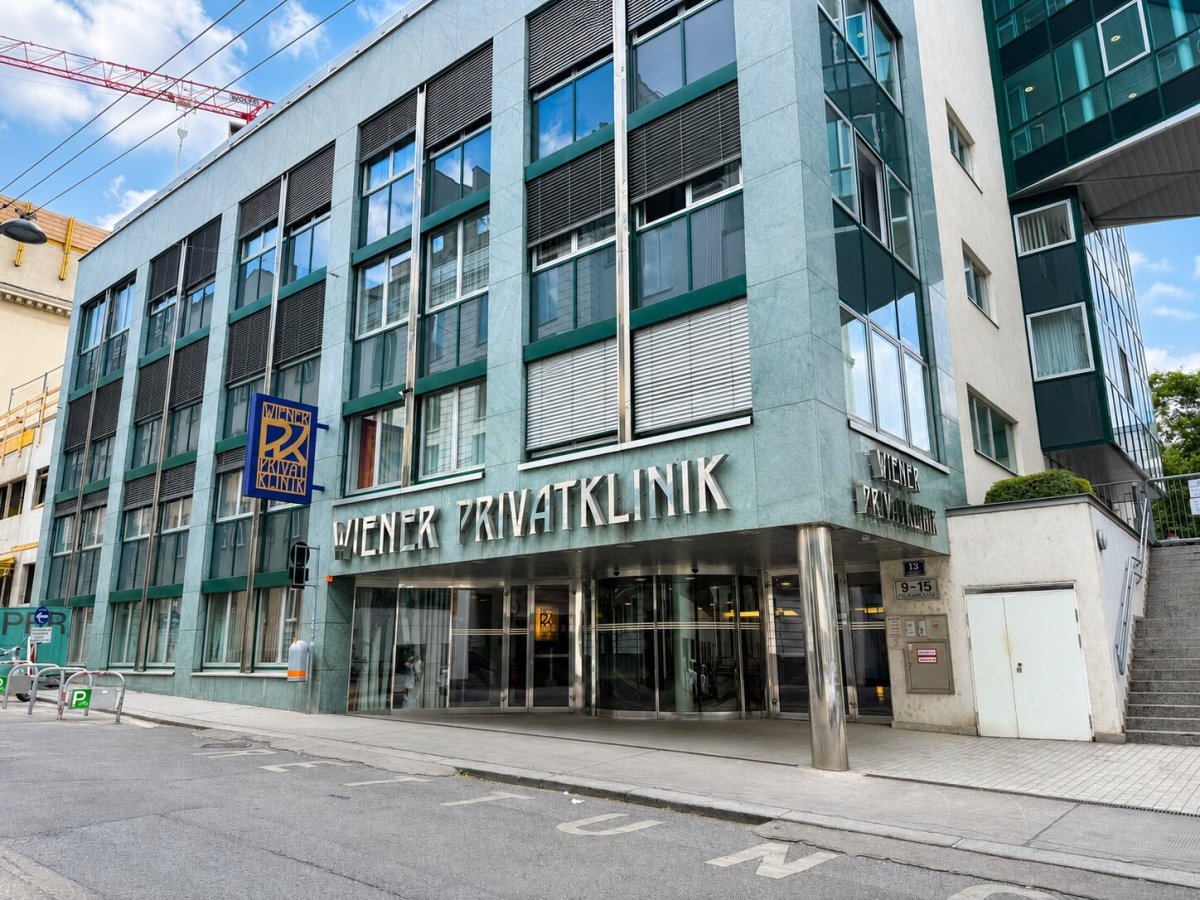
رؤية خبراء Bookimed: يستفيد مرضى قصور القلب من الرعاية المتخصصة في عيادة فيينا الخاصة (Wiener Privatklinik). يقدم أطباء بدرجة بروفيسور مثل ديفيد ويدينور (David Weidenauer) إدارة متقدمة لاعتلال عضلة القلب. وقد صُنفت هذه العيادة ضمن قائمة نيوزويك لأفضل مستشفيات العالم لعام 2021. بالنسبة للاحتياجات التشخيصية، توفر عيادة ليتش الخاصة (Leech Private Clinic) في غراتس تصويراً متكاملاً بالرنين المغناطيسي والأشعة المقطعية. تحافظ المرافق الخاصة في فيينا على معدلات مضاعفات أقل بكثير من المتوسط. توفر المراكز عالية المستوى دعماً متعدد اللغات للوافدين الدوليين. إن اختيار مركز متعدد التخصصات يضمن انتقالات سلسة بين التشخيص والتدخل العلاجي.
| النمسا | تركيا | إسبانيا | |
|---|---|---|---|
| الضربات المعاكسة الخارجية المحسنة | ≈ $3,000 | ≈ $1,100 | ≈ $1,500 |
اكتشف أفضل تمدد عضلة القلب العيادات في النمسا: 4 خيارات معتمدة والأسعار





Leech Private Clinic
JUVENIS
احصلوا على تقييم طبي لـ تمدد عضلة القلب في النمسا: استشيروا أطباء ذوي خبرة الآن
عرض جميع الأطباء
Christoph Kopp
يجمع الدكتور كوب بين عقود من الخبرة في أمراض القلب مع تركيز قوي على الرعاية الوقائية والتشخيص المتقدم في عيادة فيينا الخاصة (Wiener Privatklinik).
- متخصص في تصوير القلب وعلاج قصور القلب
- يجري تخطيط صدى القلب، واختبارات الجهد، والأشعة المقطعية للشرايين التاجية
- تخرج من جامعة فيينا الطبية
- تدرب في مستشفى فيينا العام

David Weidenauer
يتخصص الدكتور ديفيد ويدينور في تصوير القلب وأمراض القلب التداخلية في عيادة فيينا الخاصة (Wiener Privatklinik)، مع التركيز على الرعاية الشخصية لحالات القلب المعقدة.
- تخرج بامتياز من جامعة فيينا الطبية
- تدرب في مستشفى فيينا العام (AKH) - أحد أفضل المراكز الطبية في النمسا
- خبير في تخطيط صدى القلب، والأشعة المقطعية للقلب، وتشخيص نظم القلب
- يركز على العلاج القائم على الأدلة لاعتلال عضلة القلب التوسعي
مشاركة المحتوى
قصص فيديو من مرضى Bookimed
 Anna Leonova
أسئلة متكررة حول علاج تمدد عضلة القلب في النمسا
ما هي طرق العلاج الرئيسية لاعتلال عضلة القلب التوسعي المستخدمة في النمسا؟
يُطبَّق العلاج الدوائي لاعتلال عضلة القلب التوسعي في النمسا وفقًا لمعايير الجمعية الأوروبية لأمراض القلب. وتستخدم المراكز المتخصصة العلاج الرباعي، الذي يشمل أدوية مثبطات مستقبلات الأنجيوتنسين والنبريليسين، وحاصرات بيتا، ومثبطات ناقل الصوديوم والجلوكوز 2. تُحسِّن هذه الأدوية وظائف القلب وتمنع إعادة تشكيله في المرافق الطبية المعتمدة من قبل اللجنة الدولية المشتركة (JCI) والمنظمة الدولية للمعايير (ISO) في فيينا وغراتس.
- العلاج الرباعي: يشمل استخدام مثبطات مستقبلات الأنجيوتنسين والنبريليسين، وحاصرات بيتا، ومضادات مستقبلات المعادن القشرية، ومثبطات SGLT2.
- دقة التشخيص: تستخدم العيادات التصوير بالرنين المغناطيسي للقلب والاختبارات الجينية لاختيار العلاج الدوائي الأمثل.
- إدارة معدل ضربات القلب: يستخدم الأخصائيون جهاز هولتر لمراقبة القلب وتخطيط كهربية القلب لعلاج اضطرابات النظم الثانوية.
- التشخيص المتقدم: يقوم البروفيسور كريستوف كوب بإجراء فحوصات القسطرة المتخصصة.
رأي خبراء بوكيمد: تقدم العيادات الخاصة في فيينا، مثل عيادة فيينا الخاصة، مزيجًا فريدًا من الرعاية الطبية المثبتة علميًا. انضم الدكتور ديفيد فايدناور والبروفيسور كريستوف كوب من مستشفى فيينا العام المرموق. يتيح هذا للمرض
ما هي الأجهزة القابلة للزرع المتاحة في حال عدم فعالية العلاج الدوائي؟
تُقدّم مراكز أمراض القلب النمساوية مجموعةً من الأجهزة القابلة للزرع لمرضى اعتلال عضلة القلب التوسعي الذين لا يستجيبون للعلاج الدوائي. ويُجري الأخصائيون عمليات زرع أجهزة تقويم نظم القلب ومزيلات الرجفان (ICDs) للوقاية من الموت القلبي المفاجئ، أو العلاج بإعادة تزامن القلب (CRT) لتحسين أداء القلب. وتضمن المستشفيات الكبرى في فيينا وغراتس إجراء هذه العمليات في مرافق حاصلة على شهادة الأيزو.
- أجهزة تنظيم ضربات القلب القابلة للزرع (ICDs): تراقب اضطرابات النظم التي تهدد الحياة وتعطي صدمات لاستعادة إيقاع القلب.
- العلاج بإعادة تزامن القلب (CRT): ينسق انقباضات البطين لزيادة كفاءة الضخ إلى أقصى حد في حالات قصور القلب المتقدم.
- أجهزة مراقبة معدل ضربات القلب: تقوم مسجلات الحلقة القابلة للزرع بتتبع بيانات تخطيط كهربية القلب على المدى الطويل لتشخيص اضطرابات النظم التي يصعب تشخيصها.
- إعادة التزامن مع إزالة الرجفان: تجمع أجهزة CRT-D بين توصيل التيار المتزامن والقدرة على تقديم صدمة منقذة للحياة في الحالات المعقدة.
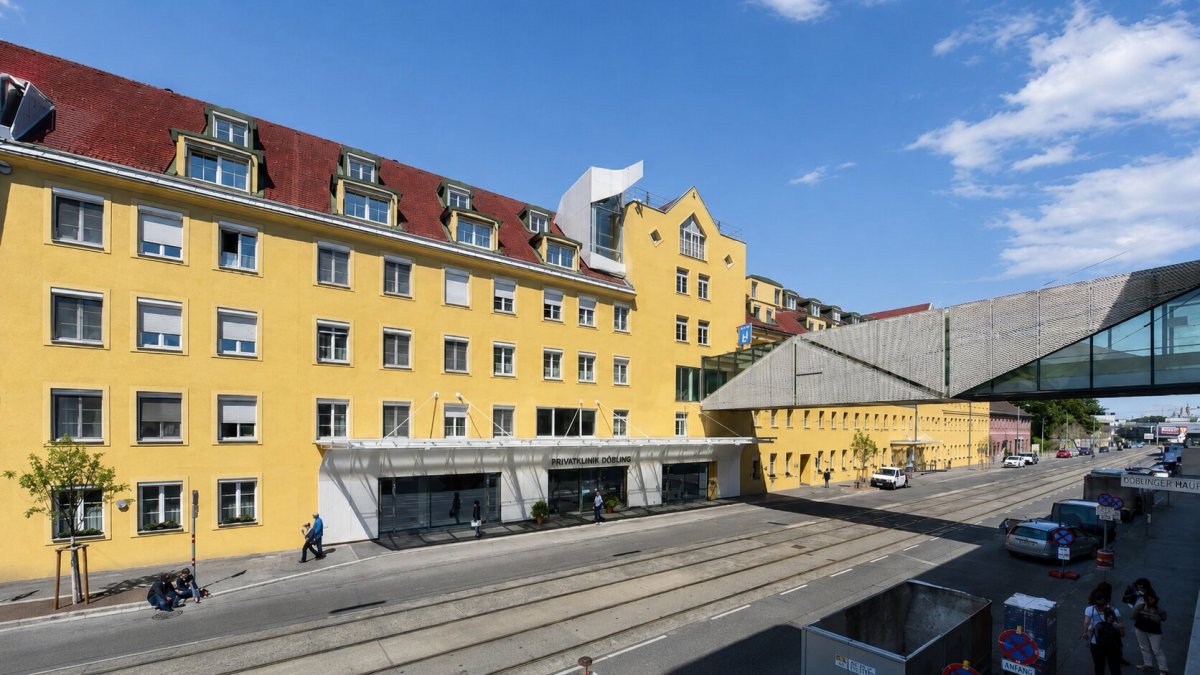
رأي خبراء بوكيميد: تُظهر مؤشرات الجودة في عيادتي فينر برايفتكلينيك ودوبلينغ برايفتكلينيك اهتمامًا بالغًا بدقة التشخيص قبل الزرع. وتشير البيانات إلى أن أخصائيين نمساويين، مثل الد
ما هي العلاجات الجراحية الحديثة المتاحة في النمسا لعلاج اعتلال عضلة القلب التوسعي في مراحله النهائية؟
في النمسا، تشمل العلاجات الجراحية المتقدمة لاعتلال عضلة القلب التوسعي في مراحله النهائية زراعة القلب في موضعه الطبيعي ودعم الدورة الدموية الميكانيكي. وتعتمد النمسا نظام التبرع الطوعي بالأعضاء من خلال شبكة يوروترانسبلانت، مما يزيد من توافر قلوب المتبرعين للمرضى في المراكز الرئيسية مثل فيينا وغراتس.
- زراعة القلب: تعتبر العلاج الأمثل لأعراض قصور القلب الحاد والمستعصي.
- أجهزة مساعدة البطين: توفر أجهزة مساعدة البطين الأيسر من الجيل الثالث (LVADs) الدعم خلال فترة ما قبل الزرع أو هي أجهزة دعم الحياة الدائمة.
- القلب الاصطناعي الكامل: يستخدم في الحالات التي يتسبب فيها اعتلال عضلة القلب المتوسع في فشل حاد في كلا بطيني القلب.
- إعادة بناء الصمام التاجي: إجراء جراحي عالي الخطورة يهدف إلى تصحيح التسرب الوظيفي الناجم عن تضخم البطين.
رأي خبراء بوكيمد: يلجأ العديد من المرضى إلى العيادات الخاصة لإجراء فحوصات تشخيصية متقدمة. مع ذلك، تتطلب العمليات الجراحية المعقدة، مثل زراعة جهاز تضخيم البطين الأيسر، في كثير من الأحيان مشاركة أخصائيين من المراكز الأكاديمية. على سبيل المثال، تلقى الدكتور كريستوف كوب والدكتور ديفيد فايدناور من عيادة فيينا الخاصة تدريبهما في مستشفى فيينا العام. وهذا يضمن ح
ما هي أفضل المستشفيات العامة في النمسا لعلاج اعتلال عضلة القلب التوسعي؟
تُقدّم المستشفيات الجامعية الحكومية النمساوية رعاية متخصصة لمرض اعتلال عضلة القلب التوسعي. ومن أبرز هذه المؤسسات مستشفى فيينا العام، ومستشفى جامعة إنسبروك، ومستشفى جامعة غراتس. وتُوفّر هذه المراكز فحوصات جينية شاملة، وتصويرًا بالرنين المغناطيسي للقلب، ودعمًا ميكانيكيًا متقدمًا للدورة الدموية، مثل زراعة القلب وأجهزة مساعدة البطين.
- مستشفى فيينا العام: أكبر مركز يقدم برامج إعادة تأهيل متخصصة للأطفال والبالغين المصابين باعتلال عضلة القلب.
- مستشفى جامعة إنسبروك: يقود الأبحاث السريرية العالمية ويقدم برنامج HerzMobil Tirol للمراقبة عن بعد.
- مستشفى جامعة غراتس: متخصص في التصوير بالرنين المغناطيسي القلبي عالي الدقة وهو أحد رواد سجلات أبحاث اعتلال عضلة القلب الوطنية.
- مستشفى جامعة كيبلر: متخصص في أجهزة تنظيم ضربات القلب القابلة للزرع ثنائية الحجرات وعلاج إعادة تزامن القلب للوقاية من اضطرابات النظم.
رأي خبراء بوكيمد: تُظهر بيانات المرضى أن أفضل النتائج السريرية تتحقق في المراكز التي تجمع بين البحث الأكاديمي والخبرة السريرية الواسعة. يستفيد أخصائيون مثل الدكتور ديفيد وايدناور من مستشفى فيينا الخاص من خبرة مستشفى فيينا العام لتقديم رعاية متخصصة لاعتلال عضلة القلب التوسعي. يضمن اخ
هل يُعدّ التأهيل القلبي المنظم رعاية قياسية بعد تشخيص اعتلال عضلة القلب التوسعي في النمسا؟
يُعدّ التأهيل القلبي المنظم المعيار الطبي المعتمد في النمسا بعد تشخيص اعتلال عضلة القلب التوسعي. ويتبع نظام الرعاية الصحية النمساوي إرشادات دولية صارمة (LLKardReha-DA-CH). وتوصي هذه البروتوكولات بالعلاج القائم على التمارين الرياضية لفشل القلب. وتتألف البرامج عادةً من عدة مراحل، تشمل العلاج المكثف والعلاج طويل الأمد.
- المرحلة الثانية من إعادة التأهيل: هذا البرنامج الأساسي هو البرنامج القياسي بعد الخروج من المستشفى أو الاستقرار الأولي للحالة.
- المدة: يخضع المرضى لبرنامج إقامة داخلية لمدة 3 أسابيع أو برنامج إقامة خارجية لمدة 6 أسابيع.
- نهج شامل للعلاج: تتضمن البروتوكولات تمارين رياضية تحت الإشراف، وتعديلات على جرعات الأدوية، وتقديم المشورة الغذائية للمرضى.
- القدرة على تحمل التكاليف: عادة ما يتم تغطية تكاليف هذه البرامج المنظمة من قبل منظمات التأمين الاجتماعي الحكومية.
رأي خبراء بوكيمد: على الرغم من أن إعادة التأهيل إجراءٌ روتيني، إلا أن اختيار المدينة يؤثر بشكل كبير على أوقات الانتظار. توفر المراكز في فيينا، مثل عيادة فيينا الخاصة أو مستشفى دوبلينغ الخاص، دعمًا تشخيصيًا مكثفًا. مع ذلك، غالبًا ما تكون أماكن إعادة التأهيل للمرضى الخارجيين خارج المدن الكبرى محدودة. لذا، يُن
ما هي التغييرات الضرورية في نمط الحياة والنظام الغذائي للمرضى المصابين باعتلال عضلة القلب التوسعي في النمسا؟
يجب على مرضى اعتلال عضلة القلب التوسعي في النمسا الالتزام التام بنظام غذائي ونمط حياة محددين. تشمل هذه البروتوكولات الحد من تناول الصوديوم إلى أقل من 3 غرامات يوميًا، وتناول السوائل إلى 1.5-2 لتر. وتشمل التغييرات الرئيسية في نمط الحياة مراقبة الوزن يوميًا، والإقلاع التام عن التدخين، والامتناع التام عن الكحول لمنع المزيد من الضرر لعضلة القلب.
- قلل من تناول الصوديوم: قلل من تناول الملح إلى أقل من 3 غرامات في اليوم لمنع احتباس السوائل.
- تنظيم تناول السوائل: الحد من إجمالي الكمية اليومية إلى 1.5-2 لتر، بما في ذلك الحساء والقهوة.
- المراقبة اليومية: قم بوزن حيوانك الأليف كل صباح لاكتشاف الزيادات المفاجئة في الوزن التي تزيد عن كيلوغرامين.
- تحذير بشأن الارتفاعات العالية: تجنب المناطق المرتفعة التي يزيد ارتفاعها عن 1500-2000 متر لتقليل الضغط على قلبك.
رأي خبراء بوكيمد: يُعدّ التنسيق مع أخصائيين مثل الدكتور ديفيد فايدناور من مستشفى فيينا الخاص أمرًا بالغ الأهمية لعلاج اعتلال عضلة القلب التوسعي. يعمل في هذا المستشفى أساتذة من جامعة فيينا الطبية، يقدمون تشخيصًا شاملًا. وتتيح البنية التحتية للمستشفى مراقبة دقيقة وتعديل جرعات مدرات البول، وهو أمر بالغ الأهمية خلال المرحلة الأولى من
هل ينبغي فحص أقاربي البيولوجيين بعد تشخيص إصابتي باعتلال عضلة القلب التوسعي؟
ينبغي فحص الأقارب البيولوجيين، إذ قد يكون اعتلال عضلة القلب التوسعي اضطرابًا وراثيًا. ما يصل إلى 50% من الحالات غير المعروفة السبب تكون عائلية. يسمح الفحص بالكشف المبكر عن التغيرات غير المصحوبة بأعراض، مما يُمكّن من بدء العلاج الوقائي وتأخير تطور قصور القلب. ينبغي فحص الأقارب من الدرجة الأولى أولًا.
- الفئة المستهدفة من الأقارب: ينصب التركيز على الوالدين البيولوجيين والأشقاء والأطفال.
- الفحص السريري: يشمل الفحص تخطيط كهربية القلب (ECG) وفحص القلب بالموجات فوق الصوتية.
- تكرار الفحص: ينبغي فحص الأقارب الأصحاء مرة أخرى كل 3-5 سنوات.
- النهج الجيني: يساعد الاختبار الأولي للمريض الذي تم تشخيصه في تقييم عوامل الخطر لجميع أفراد الأسرة.
رأي خبراء بوكيميد: يُوفر اختيار مركز تشخيصي مثل عيادة فيينا الخاصة أو مستشفى دوبلينغ الخاص في فيينا ميزة واضحة. يعمل في هذه العيادات أساتذة من جامعة فيينا الطبية، ويجمع هؤلاء الأخصائيون بين طب القلب السريري والاختبارات الجينية المتطورة. تُظهر بياناتنا أن المراكز النمساوية الكبرى تُسجل معدلات مضاعفات أقل بكثير من المتوسط. وتُعد هذه الدقة بالغة الأهمية عند فحص الأقارب الشباب الذين قد لا تظهر عليهم سوى تغيرات طفيفة في وظائف القلب.