DNTRIPLED Medical Services مركز العلاج بالأفريز العلاجي
بولندا, وارسو


تمت مراجعة المقالة طبيا من قبل
فهد مولود
Cirrhosis treatment cost in Poland typically includes essential diagnostics like abdominal MRI which costs $140 to $250. Major therapeutic options such as liver transplant run from $75,000 to $110,000. Total expenses depend on the disease stage and whether patients choose private or public facilities. Patients often see 40-60% savings compared to the US. Top cities for liver care include Warsaw and Lodz.
Typical Cirrhosis Treatment Costs in Poland
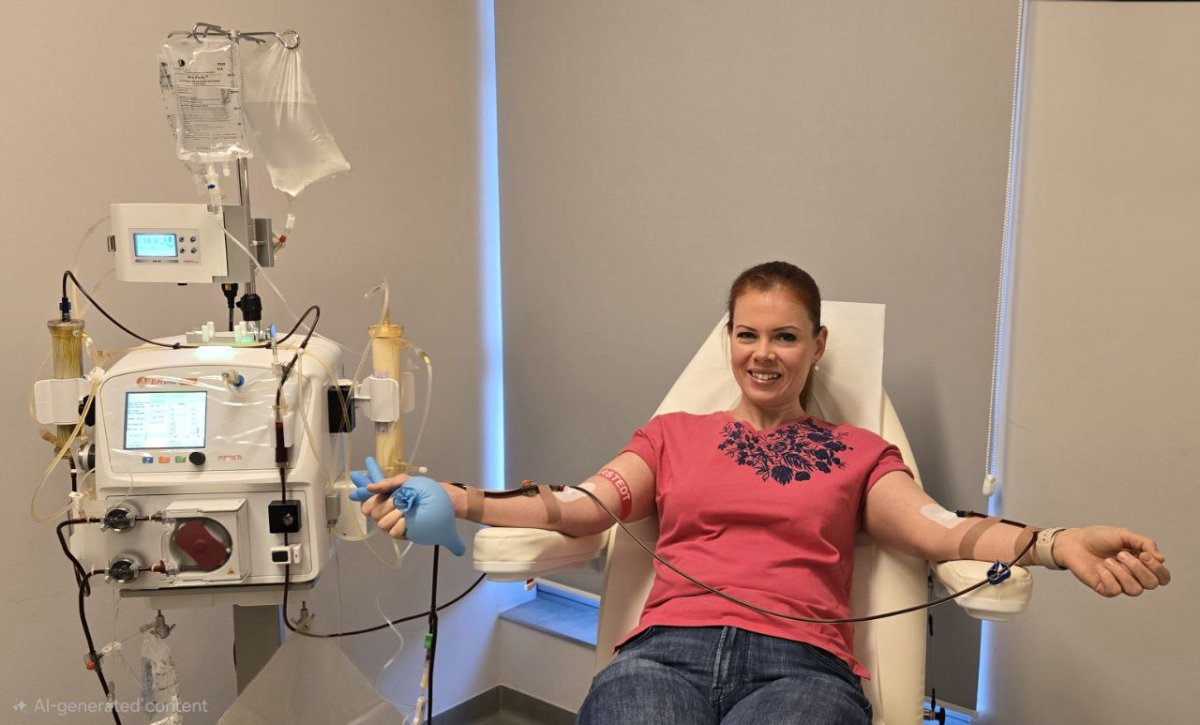
Bookimed Expert Insight: Patients requiring advanced blood purification find high value in Warsaw. DNTRIPLED Medical Services specializes in double filtration plasmapheresis for metabolic support. For pediatric cases, RMED Kopernika in Lodz provides access to 30 specialists. Early-stage patients should prioritize clinics with on-site laboratories for rapid diagnostics. Premium apheresis equipment is available for those needing intensive therapeutic interventions outside standard surgical pathways.
| بولندا | تركيا | إسبانيا | |
|---|---|---|---|
| علاج تليف الكبد بالخلايا الجذعية | ≈ $12,000 | ≈ $12,000 | ≈ $9,000 |
| زراعة الكبد | ≈ $75,000 | من $45,000 | من $150,000 |
Bookimed لا يضيف رسوماً إضافية على أسعار علاج التليف. الأسعار مأخوذة من قوائم الأسعار الرسمية للعيادات. تدفع مباشرة في العيادة مقابل علاجك عند وصولك إلى البلد.
Bookimed ملتزم بسلامتك. نحن نعمل فقط مع المؤسسات الطبية التي تحافظ على معايير دولية عالية في علاج التليف ولديها التراخيص اللازمة لخدمة المرضى الدوليين في جميع أنحاء العالم.
Bookimed يقدم مساعدة خبراء مجانية. منسق طبي شخصي يدعمك قبل وأثناء وبعد العلاج، ويحل أي مشاكل. لن تكون وحيداً أبداً في رحلة علاج التليف.

 Anna Leonova
تضم بولندا مراكز متقدمة لعلاج تليف الكبد، بما في ذلك جامعة وارسو الطبية والمستشفى الجامعي في كراكوف. تتخصص هذه المؤسسات في تقييم زراعة الكبد وأمراض الكبد المعقدة. تجري جامعة وارسو الطبية حوالي 150 عملية زراعة سنوياً. يحصل المرضى على تشخيصات متخصصة مثل التصوير بالرنين المغناطيسي للبطن والتحليل الكيميائي الحيوي.
رؤية خبير Bookimed: بولندا وجهة ذات حجم كبير مع 85 عيادة تخدمها Bookimed. بينما تدير المستشفيات الجامعية الكبيرة أكثر من 150 عملية زراعة سنوياً، تتعامل المراكز الخاصة الأصغر مثل RMED Kopernika مع 6,000 مريض سنوياً. بالنسبة لتليف الكبد، يعد اختيار مركز يضم فريق تقييم زراعة في الموقع أمراً حيوياً. هذا يمنع التأخير إذا احتاج المريض إلى تدخل جراحي عاجل. تجمع معظم المستشفيات البولندية من الدرجة الأولى الآن بين أمراض الكبد وفرق الأشعة والتغذية متعددة التخصصات.
إجماع المرضى: يؤكد المرضى على أهمية العثور على أخصائي كبد بدلاً من طبيب عام. ويشيرون إلى أن الإحالة المبكرة هي المفتاح لأن أعراضاً مثل التعب غالباً ما يتم تجاهلها.
يمكن للأجانب الحصول على زراعة كبد في بولندا من خلال إقامة قانونية أو عبر المراكز الطبية الخاصة. في حين أن قائمة الانتظار الوطنية تخدم المواطنين البولنديين بشكل أساسي، فإن المقيمين الذين يساهمون في الصندوق الوطني للصحة (NFZ) يصبحون مؤهلين. تقبل المراكز الخاصة مثل Medicover أيضًا المرضى الدوليين لعلاجات تليف الكبد المتخصصة.
رؤية خبير Bookimed: على الرغم من أن بولندا تعد واحدة من أفضل 10 وجهات عالمية للطلبات الطبية، فإن الوصول إلى زراعة الأعضاء يعتمد على التوقيت. يتطلب الانتقال خصيصًا لزراعة الأعضاء تسجيلًا لمدة 3 أشهر على الأقل في NFZ قبل بدء الأهلية. بالنسبة للحالات العاجلة، يعد التركيز على المراكز الخاصة متعددة التخصصات في مدن مثل وودج أو وارسو أكثر فعالية من التنقل في القوائم العامة.
إجماع المرضى:
يتضمن علاج تليف الكبد المتقدم في بولندا الطب التجديدي ودعم الكبد الميكانيكي بما يتجاوز الإدارة الدوائية القياسية. يحصل المرضى على علاجات الخلايا الجذعية وأنظمة الكبد الاصطناعي مثل Prometheus في مراكز بولندية متخصصة. تهدف هذه الخيارات إلى استقرار وظائف الكبد أو العمل كجسر لعملية الزرع.
رؤية خبير Bookimed: تظهر البيانات من 85 عيادة بولندية اتجاهاً نحو الجمع بين البحث السريري والتشخيص الخاص. في حين أن قوائم انتظار الزرع العامة لديها فترات انتظار تتراوح من 6 إلى 12 شهراً، فإن المرضى الذين يستخدمون تصوير المرونة بالرنين المغناطيسي الخاص يصلون إلى التجارب المتخصصة بشكل أسرع. تخدم المراكز البولندية مثل RMED Kopernika 6000 مريض سنوياً، مما يؤكد على البنية التحتية المتنامية للمنطقة للرعاية الجراحية والتجديدية المعقدة.
إجماع المرضى: يشير المرضى إلى أن التشخيص الخاص يساعدهم على التأهل للتجارب السريرية الدولية بسرعة أكبر. يؤكد الكثيرون على استخدام مجموعات مرضى الكبد البولندي
تعطي الإرشادات الغذائية في العيادات البولندية الأولوية لتقليل الصوديوم والبروتين عالي الجودة لمرضى تليف الكبد. تشمل البروتوكولات القياسية الحد من الملح إلى أقل من 5 جرام يوميًا للتحكم في احتباس السوائل. تدمج استشارات أمراض الكبد المتخصصة في مدن مثل وودج خطط التغذية هذه مع التصوير التشخيصي الحديث.
رؤية خبير Bookimed: يتميز المشهد السريري في بولندا بأكثر من 85 منشأة تقدم حجمًا كبيرًا من الرعاية المتخصصة. تظهر البيانات من مراكز مثل RMED Kopernika اتجاهًا متزايدًا في علاج أكثر من 6000 مريض سنويًا. يسمح هذا الحجم الكبير من المرضى لأطباء الكبد البولنديين بتحسين البروتوكولات الغذائية بناءً على نتائج التعافي المتنوعة.
إجماع المرضى: يؤكد المرضى أن تتبع الملح المخفي في الأطعمة المصنعة هو الخطوة الأصعب. يجد الكثيرون النجاح من خلال التحول إلى البروتينات النباتية والمشي الخفيف في الصباح الباكر للحفاظ على الطاقة.
تُقدم جراحة الأعصاب في بولندا رعاية عالية الجودة في مرافق معتمدة من قبل اللجنة الدولية المشتركة (JCI) والمنظمة الدولية للمعايير (ISO). يلتزم جراحو الأعصاب البولنديون بمعايير تدريب صارمة معتمدة من قبل الاتحاد الأوروبي. وقد أكمل العديد منهم زمالات في الولايات المتحدة أو ألمانيا. وتتوفر التقنيات المتقدمة، مثل جهاز سايبر نايف وجهاز جاما نايف والأنظمة الروبوتية، على نطاق واسع في المراكز الخاصة.
رأي خبراء بوكيمد: تُظهر البيانات وجود علاقة وثيقة بين تخصص العيادة وأصول مرضاها. تعالج عيادة KCM أكثر من 700 مريض دولي سنويًا، وهي متخصصة في جراحة العمود الفقري طفيفة التوغل. يُمكّنها هذا الحجم من العمل من تقديم باقات خدمات متخصصة، تشمل غالبًا حواجز تشخيصية وزرعات محددة،
يُعدّ جراحو الأعصاب البولنديون متخصصين ذوي كفاءة عالية، إذ أتموا ما لا يقل عن 13 عامًا من التدريب الطبي المكثف. يشمل ذلك ست سنوات من الدراسة في كلية الطب، و13 شهرًا من التدريب العملي، وست سنوات من الإقامة. ويجب عليهم اجتياز امتحان التخصص الحكومي (PES)، وغالبًا ما يحصلون على شهادة من الجمعية الأوروبية لجمعيات جراحة الأعصاب (EANS).
رأي خبراء بوكيميد: تشير البيانات إلى أن جراحي الأعصاب البولنديين غالبًا ما يتخصصون في تقنيات بالغة التخصص، مثل نظام ApiFix أو نظام SED-YESS لتنظير الفقرات القطنية. ويجمع أخصائيون مثل الدكتور ستانيسواف كويك من عيادة KCM بين أبحاث ما بعد الدكتوراه والممارسة الجراحية النشطة. هذا المزيج من المعرفة الأكاديمية المتعمقة والخبرة الجراحية الوا
من بين أفضل عيادات جراحة الأعصاب في بولندا مستشفى كارولينا، وعيادة KCM، ومراكز أكاديمية رائدة مثل مستشفى جامعة كراكوف. تقدم هذه المؤسسات علاجات متطورة لأمراض العمود الفقري والدماغ، مطابقة لمعايير الجودة ISO، وتضم أخصائيين أعضاء في منظمات دولية مثل AO Spine.
رأي خبراء بوكيمد: بينما يتجه الكثيرون إلى أكبر المستشفيات، تُظهر البيانات أن عيادات مثل مستشفى كارولينا تُقدم كفاءة أعلى في العمليات الجراحية الاختيارية. فمع وجود أكثر من 40 طبيباً متخصصاً في هذه المنشأة التي تضم 30 سريراً، تكون نسبة الأطباء إلى المرضى أعلى بكثير مما هي عليه في المراكز الجامعية الحكومية. وهذا يعني رعاية ما بعد الجراحة أكثر عناية، وجدولة أسرع بكثير لإجراءات مثل علاج الانزلاق الغضروفي
في بولندا، يركز طب جراحة الأعصاب بشكل أساسي على جراحات العمود الفقري واستئصال أورام الدماغ. وتُجري المستشفيات بشكل متكرر عمليات استئصال القرص المجهرية، ودمج الفقرات، وتحفيز الدماغ العميق. وتستخدم مراكز مثل مستشفى كارولينا وعيادة كي سي إم تقنيات طفيفة التوغل لعلاج الانزلاق الغضروفي، وإصابات العمود الفقري، والاضطرابات العصبية المعقدة.
رأي خبراء بوكيميد: أصبحت بولندا مركزًا متخصصًا في تثبيت العمود الفقري. تتعاون عيادات مثل مستشفى كارولينا مع الفرق الرياضية الوطنية، مما يعكس خبرتها العالية في علاج إصابات العمود الفقري المعقدة. تُظهر بياناتنا أن هذه المؤسسات غالبًا ما تُدمج إعادة التأهيل مباشرةً في العلاج الجراحي. هذا الدمج يقلل من خطر الم
تتوفر خدمات إعادة التأهيل العصبي على نطاق واسع في بولندا من خلال مراكز متخصصة ومستشفيات متعددة التخصصات. وتشمل هذه البرامج التعافي بعد السكتة الدماغية، وإصابات الحبل الشوكي، والأمراض التنكسية. وتقدم مؤسسات مثل مستشفى كارولينا في وارسو وعيادة KCM علاجًا تحت إشراف طبي. وتتضمن معظم برامج جراحة الأعصاب تقييمًا أوليًا لإعادة التأهيل بعد العملية.
رأي خبراء بوكيمد: تشير البيانات إلى أن العيادات التي تستقبل أعدادًا كبيرة من المرضى الدوليين، مثل عيادة KCM، غالبًا ما تُدرج إعادة التأهيل الأساسية ضمن برامجها الجراحية. تُعد هذه ميزة هامة، إذ قد يكون تنسيق إعادة التأهيل العصبي بشكل مستقل في بولندا أمرًا صعبًا. يضمن اختيار عيادة تضم أخصائي إعادة تأهيل متواجدًا فيها بدء التعافي في غضون 24 ساعة بعد الجراحة، وهو
من أبرز جراحي الأعصاب البولنديين الدكتور يوري كسينيوك والدكتور ماتشي بويكو من مستشفى كارولينسكا في وارسو. يتخصص هذان الطبيبان في جراحة العمود الفقري طفيفة التوغل وتقنيات التنظير الداخلي. وهما حاصلان على شهادات دولية وعضوان في الجمعية البولندية لجراحة العمود الفقري ومنظمة يوروسباين.
رأي خبراء بوكيمد: تُظهر البيانات وجود تركيز عالٍ من الأخصائيين ذوي الكفاءة العالية في وارسو. فمستشفى كارولينا وحده يوظف أكثر من 40 أخصائيًا حاصلين على شهادات مزدوجة في جراحة الأعصاب وجراحة العظام. هذا النهج متعدد التخصصات نادر، ويتيح علاجًا أكثر دقة للحالات المعقدة التي تشمل الأعصاب والعظام معًا.