التليف العلاج في الصين - التكاليف 2026


تمت مراجعة المقالة طبيا من قبل
فهد مولود
ما هي تكلفة التليف إجراءات التشخيص والعلاج في الصين؟ اعرف الآن
تعتمد تكلفة علاج تليف الكبد في الصين على مدى تقدم المرض وطرق العلاج المختارة. من $80. وتتراوح تكلفة الإجراءات الكبرى مثل زراعة الكبد بين $58,000 و $98,000، بينما تتراوح تكلفة العلاج بالخلايا الجذعية لتليف الكبد من $18,000 إلى $35,000. تتقلب النفقات بناءً على مستوى العيادة، ومدة الإقامة في المستشفى، والموقع. وغالباً ما يوفر المرضى ما بين 40-60% مقارنة بتكاليف العلاج الطبي في الولايات المتحدة. وتعد بكين وقوانغتشو المدينتين الرائدتين في تقديم الرعاية المتخصصة.
تكاليف علاج تليف الكبد النموذجية في الصين
- تحليل الدم الكيميائي الحيوي: من $80
- زراعة الكبد: $58,000 – $98,000
- العلاج بالخلايا الجذعية لتليف الكبد: $18,000 – $35,000
رؤية خبراء Bookimed: يجب على المرضى الذين يبحثون عن معايير طبية عالية المستوى إعطاء الأولوية للمراكز من الفئة (أ) المستوى الثالث. مستشفى ياندا الدولي في بكين حاصل على اعتماد اللجنة الدولية المشتركة (JCI) ويضم 3000 سرير. هذا المرفق هو الأفضل للحالات المعقدة التي تتطلب خبرة متعددة التخصصات وتكنولوجيا حديثة. ومع إجراء أكثر من 9000 عملية جراحية سنوياً، فإنه يوفر أعلى مستويات الأمان لتدخلات الكبد المتقدمة. يستفيد المرضى الدوليون من تقييمه البالغ 4.5 نجوم وبنيته التحتية الشاملة.
| الصين | تركيا | إسبانيا | |
|---|---|---|---|
| علاج تليف الكبد بالخلايا الجذعية | ≈ $18,000 | ≈ $12,000 | ≈ $9,000 |
| زراعة الكبد | ≈ $58,000 | من $45,000 | من $150,000 |
مزاياك وضماناتك مع Bookimed
أسعار مباشرة
Bookimed لا يضيف رسوماً إضافية على أسعار علاج التليف. الأسعار مأخوذة من قوائم الأسعار الرسمية للعيادات. تدفع مباشرة في العيادة مقابل علاجك عند وصولك إلى البلد.
عيادات وأطباء معتمدون فقط
Bookimed ملتزم بسلامتك. نحن نعمل فقط مع المؤسسات الطبية التي تحافظ على معايير دولية عالية في علاج التليف ولديها التراخيص اللازمة لخدمة المرضى الدوليين في جميع أنحاء العالم.
مساعدة مجانية على مدار الساعة
Bookimed يقدم مساعدة خبراء مجانية. منسق طبي شخصي يدعمك قبل وأثناء وبعد العلاج، ويحل أي مشاكل. لن تكون وحيداً أبداً في رحلة علاج التليف.

منسقك الطبي الشخصي في Bookimed
- يدعمك في كل مرحلة
- المساعدة في اختيار العيادة الطبية المناسبة والطبيب المناسب
- يضمن الوصول السريع والمريح إلى المعلومات
اكتشف أفضل التليف العيادات في الصين: 1 خيار معتمدة والأسعار
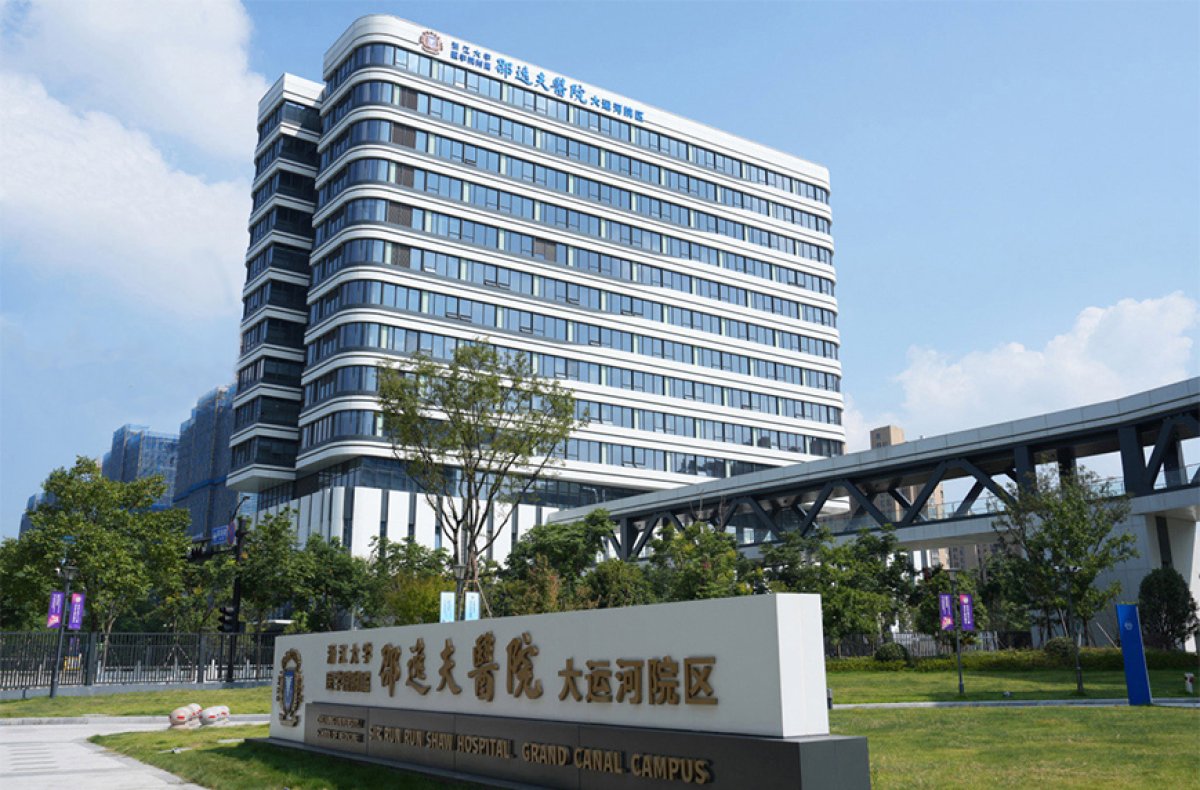

احصلوا على تقييم طبي لـ التليف في الصين: استشيروا أطباء ذوي خبرة الآن
عرض جميع الأطباء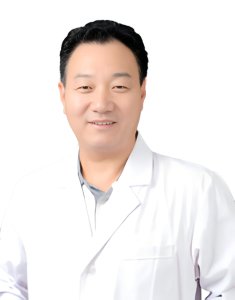
Sun Guangxi
سون غوانشي، حاصل على دكتوراه في الطب وخبير في تنظير المعدة والأمعاء غير المؤلم. عمل طويلاً في قسم أمراض الجهاز الهضمي ومركز المناظير في أرقى المستشفيات الثلاثية (فئة أ) في البلاد. عضو شعبة المناظير الهضمية في الجمعية الطبية الصينية. أنجز آلاف إجراءات تنظير المعدة والأمعاء تشخيصاً وعلاجاً. يتقن الفحص الدقيق بالمنظار والمعالجة طفيفة التوغل لسرطان المعدة المبكر وسرطان القولون والمستقيم المبكر. يشتهر بإجراءات ثابتة ودقيقة ولطيفة.
يتعاون مع فريق تخدير مخضرم، ويستخدم التخدير الوريدي المهدئ ل
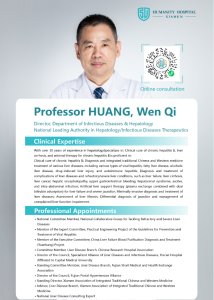
Huang Wen Qi
الأستاذ هوانغ وينتشي اختصاصي أمراض الكبد بخبرة تزيد على 30 عامًا. يركز على الشفاء السريري والعلاج المضاد للفيروسات لالتهاب الكبد B المزمن، وعلى تدبير تليّف الكبد. يعتمد نهجًا تكامليًا يجمع بين الطب الصيني التقليدي والطب الغربي. يوفّر دعمًا كبديًا اصطناعيًا، بما في ذلك تبادل البلازما والامتصاص المزدوج للبيليروبين. كما يقدّم تشخيصًا وعلاجًا طفيفي التوغل، وتقييم تليّف الكبد، والتشخيص التفريقي لليرقان واضطراب وظائف الكبد غير المفسَّر.
عضو اللجنة الوطنية للمجموعة الوطنية التعاونية لأمراض ال
مشاركة المحتوى
قصص فيديو من مرضى Bookimed
 Anna Leonova
أسئلة متكررة حول علاج التليف في الصين
ما هي الطرق الرئيسية لعلاج تليف الكبد في الصين؟
في الصين، يجمع علاج تليف الكبد بين البروتوكولات الطبية الغربية القياسية والطب الصيني التقليدي القائم على الأدلة. وتُعطي المناهج الرئيسية الأولوية للعلاج المضاد للفيروسات لالتهاب الكبد B وC. وتستخدم مؤسسات مثل مستشفى ياندا الدولي العلاج المزدوج، الذي يجمع بين الأدوية الغربية والأعشاب المُضادة للتليف لتحسين وظائف الكبد.
- العلاج السببي: يهدف العلاج المضاد للفيروسات على المدى الطويل إلى إبطاء تلف الكبد في التهاب الكبد الفيروسي.
- الطب التكاملي: تعمل المنتجات الطبية الحاصلة على براءة اختراع مثل كبسولات فوزينغ هوايو على تعزيز التأثير المضاد للتليف.
- علاج المضاعفات: تشمل الرعاية المتخصصة إجراءات TIPS واستخدام مضادات الفازوبريسين الانتقائية.
- التدخل الجراحي: زراعة الكبد هي طريقة العلاج النهائية في حالات المرض في مراحله النهائية غير المستقرة.
- العلاج الوقائي للكبد: تعمل أدوية مثل السيليمارين على تقليل الالتهاب المستمر وتعزيز الشفاء.
رأي خبراء بوكيمد: بينما تفصل العديد من الدول بين الطب التقليدي والطب الحديث، تعمل عيادات المستوى الثالث من الفئة (أ) في الصين على توحيد معاييرهما. يعالج مستشفى ياندا الدولي 2,500,000 م
ما هي المستشفيات في الصين التي يُنصح بها بشدة لعلاج أمراض الكبد وتليف الكبد؟
في الصين، يُعدّ مستشفى رينجي في شنغهاي ومستشفى غرب الصين في تشنغدو من بين المستشفيات الموصى بها بشدة لعلاج أمراض الكبد وتليف الكبد. وتتخصص هذه المؤسسات المعتمدة من قبل اللجنة الدولية المشتركة (JCI) والمعترف بها وطنياً في عمليات زراعة الكبد المتقدمة وجراحة الكبد والقنوات الصفراوية. كما تحافظ على معدلات بقاء عالية لمدة عام واحد للحالات المعقدة لدى الأطفال والبالغين على حد سواء.
- مستشفى رينجي: يدير أكبر مركز لزراعة الكبد في العالم بمعدلات بقاء عالية للأطفال.
- مستشفى غرب الصين: يحتل المرتبة الأولى في عمليات زراعة الكبد من متبرعين أحياء بالغين في بر الصين الرئيسي.
- مستشفى ياندا الدولي: مؤسسة طبية معتمدة من قبل اللجنة الدولية المشتركة في بكين تجمع بين البروتوكولات الدولية والأساليب التقليدية.
- مستشفى تشونغشان: مركز وطني رائد في أمراض الكبد متخصص في العلاج الشامل لسرطان الكبد.
- مستشفى فودا للسرطان: يقدم علاجات متقدمة طفيفة التوغل مثل الجراحة البردية لأمراض الكبد في مراحلها النهائية.
رأي خبراء بوكيمد: يتميز مستشفى ياندا الدولي بكونه مستشفى من الفئة أ المستوى الثالث، وهو أعلى مستوى طبي ممكن في الصين. وبينما تخدم
هل عمليات زرع الخلايا الجذعية متوفرة وفعالة لعلاج تليف الكبد؟
تُعدّ زراعة الخلايا الجذعية لعلاج تليف الكبد متاحة حاليًا في الصين كعلاج تجريبي في المقام الأول. ورغم أنها ليست معيارًا عالميًا، إلا أن الدراسات السريرية تُشير إلى أنها آمنة بشكل عام. وقد يُحسّن هذا العلاج وظائف الكبد على المدى القصير، بينما لا تزال فعاليته على المدى الطويل واختفاء النسيج الندبي تمامًا قيد البحث.
- توافر العلاج: متوفر بشكل رئيسي من خلال التجارب السريرية أو في عيادات متخصصة من المستوى الثالث الفئة أ.
- أنواع الخلايا الأولية: الخلايا الجذعية الوسيطة (MSCs) من نخاع العظم أو الحبل السري شائعة.
- التحسينات الملحوظة: تشير الدراسات إلى زيادة مؤقتة في مستويات الألبومين وانخفاض في درجات MELD على مدى 6-12 شهرًا.
- الوضع التنظيمي: لا تزال العلاجات تجريبية ولم تثبت بعد أنها بديل لعملية الزرع.
رأي خبراء بوكيمد: يُمثل مستشفى ياندا الدولي في بكين نموذجًا فريدًا في طب الكبد الصيني. فهو معتمد من قبل اللجنة الدولية المشتركة (JCI) ويحمل تصنيفًا من المستوى الثالث الفئة أ. غالبًا ما تجمع هذه المؤسسات بين البروتوكولات الدولية والأساليب التقليدية. ورغم أنها تعالج 2,500,000 مريض سنويًا، إلا أن إجراءات الخلايا الجذعية تُعتبر عادةً علاجًا مساعدًا وليست علاجًا شافيًا. ينبغي على الم
ما هي مستحضرات الطب الصيني التقليدي المحددة التي ثبت أنها تبطئ أو تعكس تليف الكبد؟
تشمل تركيبات الطب الصيني التقليدي المثبتة سريريًا لعلاج تليف الكبد كبسولات فوزينغ هوايو وأقراص بيجيا روانغان المركبة. تعمل هذه التركيبات على تثبيط تنشيط الخلايا النجمية الكبدية وتقليل ترسب الكولاجين. وتشير الدراسات إلى أنه عند دمجها مع العلاج المضاد للفيروسات، فإنها تُحسّن بشكل ملحوظ التغيرات المرضية في خزعات الكبد وتُقلل من مؤشرات التليف في الدم.
- فوزينغ هوايو: مزيج من سالفيا ميلتيوريزا وكورديسيبس لتحسين النتائج المرضية لخزعة الكبد.
- مركب بيجياروانغان: أول دواء صيني تقليدي مضاد للتليف معتمد من قبل إدارة الغذاء والدواء الصينية؛ يقلل بشكل كبير من مؤشرات صلابة الكبد (LSM).
- حمض السلفيانوليك ب: مونومر قوي يقلل من التندب عن طريق منع نمو الأوعية الدموية غير الطبيعي.
- أنلو هواشيان: أظهرت البيانات السريرية طويلة المدى تحسناً في مراحل التليف بعد 48 أسبوعاً من الاستخدام.
رأي خبراء بوكيمد: غالبًا ما يعتمد نجاح علاج التليف الكبدي في الصين على جودة المستشفى، وليس فقط على الأعشاب المستخدمة. تعالج المؤسسات الطبية من الفئة أ 3، مثل مستشفى ياندا الدولي في بكين، 2,500,000 مريض سنويًا وتستخدم بروتوكولات معتمدة من اللجنة الدولية المشتركة (JCI). تدمج هذه المراكز المتميزة الطب الصيني التق