ارتفاق الأصابع العلاج في ليتوانيا - التكاليف 2026


تمت مراجعة المقالة طبيا من قبل
فهد مولود
ما هي تكلفة ارتفاق الأصابع إجراءات التشخيص والعلاج في ليتوانيا؟ اعرف الآن
مزاياك وضماناتك مع Bookimed
أسعار مباشرة
Bookimed لا يضيف رسوماً إضافية على أسعار علاج ارتفاق الأصابع. الأسعار مأخوذة من قوائم الأسعار الرسمية للعيادات. تدفع مباشرة في العيادة مقابل علاجك عند وصولك إلى البلد.
عيادات وأطباء معتمدون فقط
Bookimed ملتزم بسلامتك. نحن نعمل فقط مع المؤسسات الطبية التي تحافظ على معايير دولية عالية في علاج ارتفاق الأصابع ولديها التراخيص اللازمة لخدمة المرضى الدوليين في جميع أنحاء العالم.
مساعدة مجانية على مدار الساعة
Bookimed يقدم مساعدة خبراء مجانية. منسق طبي شخصي يدعمك قبل وأثناء وبعد العلاج، ويحل أي مشاكل. لن تكون وحيداً أبداً في رحلة علاج ارتفاق الأصابع.

منسقك الطبي الشخصي في Bookimed
- يدعمك في كل مرحلة
- المساعدة في اختيار العيادة الطبية المناسبة والطبيب المناسب
- يضمن الوصول السريع والمريح إلى المعلومات
اكتشف أفضل ارتفاق الأصابع العيادات في ليتوانيا: 2 خيارات معتمدة والأسعار


مشاركة المحتوى
قصص فيديو من مرضى Bookimed
 Anna Leonova
أسئلة متكررة حول علاج ارتفاق الأصابع في ليتوانيا
ما هو أفضل عمر لإجراء جراحة التصاق الأصابع (Syndactyly)؟
يتراوح أفضل عمر لجراحة التصاق الأصابع عادةً بين 12 و 24 شهرًا. غالبًا ما يوصي الجراحون بإجراء العملية في وقت مبكر يصل إلى 6 أشهر للأصابع الطرفية مثل الإبهام أو الخنصر. يمنع التدخل المبكر تشوهات نمو العظام الدائمة وتقوس المفاصل في اليد.
- الأصابع الطرفية: الجراحة في عمر 6 أشهر تمنع انحناء الأصابع الأقصر أثناء النمو.
- الأصابع المركزية: الانتظار من 12 إلى 18 شهرًا يسمح لليد بمضاعفة حجمها.
- الحالات المعقدة: تتطلب الالتصاقات العظمية تدخلاً قبل 12 شهرًا لضمان نمو مستقل.
- أصابع القدم الملتصقة: غالبًا ما يؤجل الأخصائيون الجراحة حتى عمر 18 إلى 24 شهرًا لضمان استقرار القدم.
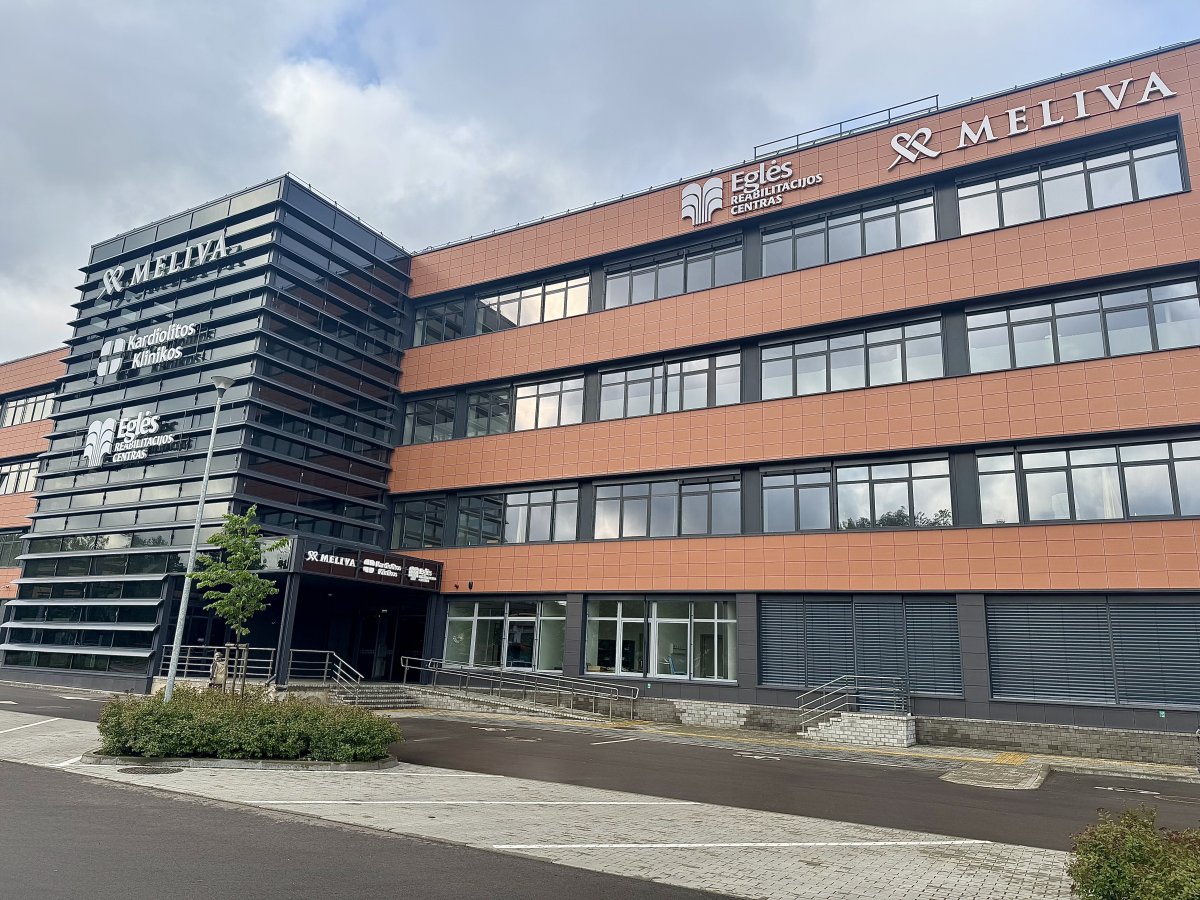
رؤية خبراء Bookimed: تستضيف المراكز الرئيسية في ليتوانيا مثل فيلنيوس مراكز ذات خبرة عميقة، مثل مركز التشخيص والعلاج الطبي المعتمد من JCI. بينما يعالج مستشفى Meliva Kardiolita ما يقرب من 300,000 مريض سنويًا، فإنه يركز بشكل صارم على رعاية البالغين. يجب على الآباء إعطاء الأولوية للمرافق التي تضم أقسامًا متخصصة في جراحة عظام الأطفال لضمان تخدير متخصص للأطفال دون سن الثانية.
إجماع المرضى: يشير الآباء إلى أن مرحلة التعافي غالبًا ما تكون أكثر صعوبة من الجراحة نفسها. ويؤكدون على أهمية التعامل مع الجبائر الضخمة ومنع الأطفال الصغار المفعمين بالحيوية من العبث بالضمادات.
هل سيحتاج طفلي إلى ترقيع جلدي، ومن أين يتم أخذه؟
غالبًا ما يتطلب تحرير التصاق الأصابع (Syndactyly) ترقيعًا جلديًا كامل السماكة لتغطية الفراغات بعد فصل الأصابع. عادةً ما يأخذ الجراحون جلدًا سليمًا من منطقة الأربية، أو أسفل البطن، أو المعصم. وهذا يضمن تغطية كافية للمساحة بين الأصابع ويزيد من حركة الأصابع أثناء وبعد الشفاء.
- ضرورة الترقيع: قد تستخدم حالات الفصل البسيطة سدائل موضعية، لكن الحالات المعقدة تتطلب ترقيعًا.
- مواقع التبرع الشائعة: يأتي الجلد عادةً من منطقة الأربية أو الجزء العلوي الداخلي من الفخذ.
- ندبات مخفية: يختار الجراحون مواقع تبرع يسهل إخفاؤها بالملابس أو ثنيات الجلد الطبيعية.
- فوائد السماكة الكاملة: توفر هذه الترقيعات متانة ومرونة أفضل لأيدي الأطفال النشطة.
رؤية خبير Bookimed: ركز على العيادات التي تضم فرقًا متعددة التخصصات مثل مستشفى ميليفا كارديوليتا (Meliva Kardiolita) في فيلنيوس. تتعاون أقسام جراحة العظام والجراحة التجميلية لديهم في حالات الأطفال المعقدة. هذه الخبرة المشتركة حيوية لأن اختيار موقع التبرع يؤثر على النتائج الجمالية والتطور البدني. اختيار مستشفى ذو حجم كبير من المرضى يضمن أن الجراحين بارعون في تقنيات الترقيع المختلفة.
إجماع المرضى: يشير الآباء إلى أن إدارة موقعين جراحيين قد تكون أكثر صعوبة من تعافي اليد نفسها. ويؤكدون على اتباع جداول صارمة لتغيير الضمادات لمنع عودة الالتصاق أو فشل الترقيع.
ما هو "زحف الويب" (web creep) وهل ستكون هناك حاجة لعملية جراحية ثانية؟
"زحف الويب" هو هجرة الجلد للأعلى بين الأصابع بعد جراحة التصاق الأصابع (Syndactyly). يحدث هذا عندما تضيق الأنسجة الندبية أو تنمو العظام بشكل أسرع من ترقيع الجلد. يحتاج حوالي 13% إلى 33% من المرضى إلى جراحة تصحيحية لاستعادة الوظيفة أو تصحيح التشوهات المتفاقمة.
- التأثير الوظيفي: الجراحة التصحيحية ضرورية إذا كان "زحف الويب" يحد من تباعد الأصابع أو قوة القبضة.
- عوامل النمو: قد يواجه الأطفال الذين خضعوا للجراحة قبل سن 18 شهراً مخاطر أعلى لتكرار الحالة.
- التقنية الجراحية: يستخدم الجراحون سدائل متخصصة أو جراحة "Z-plasty" لتعميق المسافة بين الأصابع.
- المراقبة السريرية: الحالات الخفيفة التي تتمتع بنطاق حركة كامل غالباً لا تتطلب جراحة.
رؤية خبير Bookimed: يجب على المرضى ملاحظة أن المستشفيات في ليتوانيا، مثل مستشفى Meliva Kardiolita، تخدم ما يقرب من 300,000 مريض سنوياً. على الرغم من أن هذه المراكز حاصلة على اعتماد JCI، إلا أنها غالباً ما تركز على رعاية البالغين. يجب على أولياء أمور الأطفال المصابين بالتصاق الأصابع التحقق تحديداً من توفر تخصص جراحة العظام للأطفال قبل التخطيط للسفر إلى فيلنيوس.
إجماع المرضى: يجد الآباء أن "زحف الويب" يظهر غالباً بعد سنوات مع نمو الطفل. ويوصون بالتركيز على مدى جودة حركة الأصابع بدلاً من التركيز فقط على المظهر التجميلي.
ما هي المستشفيات في ليتوانيا المتخصصة في جراحة التصاق الأصابع (Syndactyly) للمرضى الأطفال أو الدوليين؟
تُركّز ليتوانيا جراحات التصاق الأصابع للأطفال في المراكز العامة الكبرى من المستوى الثالث. توفر هذه المرافق تخديرًا متخصصًا للأطفال وجراحة تجميلية ترميمية. يختار المرضى البالغون الدوليون عادةً العيادات الخاصة المعتمدة من قبل JCI في فيلنيوس للحصول على لوجستيات مبسطة. توفر هذه المراكز خبرة طبية عالية الكثافة ومسارات تشخيصية متخصصة.
- مسار الأطفال: تدير المستشفيات الجامعية العامة الأطفال من خلال أقسام متخصصة في ترميم الأطفال.
- جراحة البالغين: يقدم مستشفى Meliva Kardiolita تصحيح التصاق الأصابع حصريًا للمرضى البالغين الدوليين.
- المعايير الدولية: تمتلك مرافق مثل المركز الطبي للتشخيص والعلاج (Medical Diagnostic and Treatment Center) اعتمادات JCI وTemos.
- القدرة التشخيصية: تتعامل المراكز الخاصة مع حوالي 10% من المرضى الدوليين، ومعظمهم من أوروبا الغربية.
رؤية خبير Bookimed: على الرغم من أن المستشفيات الجامعية العامة تمتلك أكبر قدر من الخبرة في ترميم أطراف الأطفال، إلا أن العائلات الدولية غالبًا ما تواجه صعوبات في الوصول الإداري هناك. تُظهر البيانات أن مستشفى Meliva Kardiolita يضم 510 أطباء ويعالج 298,000 مريض سنويًا، مما يجعله مركزًا قويًا لحالات البالغين. بالنسبة للأطفال، ركز على الجراحين في عيادات كاوناس (Kaunas Clinics). إنهم يتقنون اللغة الإنجليزية بشكل كبير ويديرون عمليات الترميم التشريحي المعقدة بشكل متكرر.
إجماع المرضى: يؤكد الآباء أن حجم عمليات الجراح لتشوهات الأطراف المحددة أكثر أهمية من العلامة التجارية للمستشفى. يشير
كيف تبدو الرعاية الفورية بعد الجراحة؟
تركز الرعاية الفورية بعد الجراحة لعلاج التصاق الأصابع في ليتوانيا على الاستقرار في غرفة الإنعاش. يراقب الموظفون العلامات الحيوية ويديرون الآثار الجانبية للتخدير. تضمن المراقبة المتخصصة بقاء مستويات الأكسجين فوق 90%. يعطي الجراحون الأولوية لرفع اليد والضمادات الضخمة لحماية موقع الجراحة وتقليل التورم.
- مراقبة العلامات الحيوية: يعد التتبع المستمر لمعدل ضربات القلب ودرجة الحرارة وضغط الدم أمراً قياسياً.
- الضمادة الجراحية: تمنع الضمادات السميكة أو الجبائر الحركة وتحمي ترقيع الجلد الجديد.
- فحص الجرح: تقوم الفرق السريرية بفحص الضمادة الأولية بشكل متكرر بحثاً عن علامات النزيف المبكرة.
- إدارة الألم: تضمن الأدوية الوريدية سريعة المفعول أو التخدير الموضعي راحة المريض فوراً.
رؤية خبير Bookimed: تؤكد العيادات في فيلنيوس مثل المركز الطبي للتشخيص والعلاج على إعادة التأهيل المتخصص. وهي تدمج بروتوكولات التعافي المبكر ضمن أقسامها الطبية الـ 53. في حين أن مستشفى ميليفا كارديوليتا يعالج البالغين فقط، يختار المرضى الدوليون من المملكة المتحدة والنرويج هذه المراكز. وهي توفر معايير سلامة معتمدة من JCI لحالات إعادة بناء اليد المعقدة.
إجماع المرضى: يؤكد المرضى على إبقاء اليد مرفوعة فوق مستوى القلب لوقف الخفقان. ويشيرون إلى أن الحفاظ على جفاف الضمادات الضخمة هو القاعدة الأكثر أهمية خلال الأسبوع الأول.
هل علاج اليد بعد الجراحة ضروري، وما الذي يتضمنه؟
يعد علاج اليد بعد الجراحة ضروريًا لاستعادة الوظيفة ومنع التيبس الدائم بعد تحرير التصاق الأصابع. تتضمن العملية استخدام جبائر مخصصة للحفاظ على تباعد الأصابع. يستخدم المعالجون تدليك الندبات وتمارين الحركة لمنع التصاق الأنسجة. تضمن هذه العملية التأهيلية استعادة اليد لكامل حركتها.
- المرحلة الأولى: حماية مواقع الشفاء والتحكم في التورم باستخدام تقويم العظام المخصص والرفع.
- المرحلة الثانية: استعادة الميكانيكا الطبيعية من خلال إعادة تشكيل الندبات وتمارين انزلاق الأوتار.
- المرحلة الثالثة: تقوية اليد باستخدام المعجون العلاجي وتمارين التنسيق الحركي القائمة على المهارة.
- رعاية خاصة: منع انكماش ترقيع الجلد أمر بالغ الأهمية خلال الأسابيع الستة الأولى.
رؤية خبير Bookimed: بينما تعالج المراكز ذات الحجم الكبير مثل مستشفى Meliva Kardiolita ما يقرب من 300,000 مريض سنويًا، غالبًا ما تركز العيادات الليتوانية الخاصة على إعادة التأهيل المتخصص لحالات البالغين. إذا كان إجراءك معقدًا، فابحث عن مرافق مثل المركز الطبي للتشخيص والعلاج (Medical Diagnostic and Treatment Center). إنهم حاصلون على اعتمادات Temos و JCI. غالبًا ما تشير هذه الشهادة المزدوجة إلى بنية تحتية أقوى للعلاج الطبيعي بعد الجراحة ورعاية المتابعة عالية الجودة.
إجماع المرضى: يشير المرضى إلى أن تدليك الندبات والتمدد اليومي ضروريان ولكنهما قد يكونان غير مريحين في البداية. يؤكد أولئك الذين لديهم أطفال على أهمية جعل التمارين جزءًا من الروتين اليومي لضمان الحركة على المدى الطويل.
هل تشكل حواجز اللغة مصدر قلق للعائلات الدولية في العيادات الليتوانية؟
تعتبر حواجز اللغة ضئيلة بالنسبة للعائلات الدولية في العيادات الليتوانية الخاصة. اللغة الإنجليزية هي المعيار للمتخصصين والموظفين الإداريين في مراكز مثل المركز الطبي للتشخيص والعلاج. تعالج المستشفيات الحضرية الكبرى في فيلنيوس وكاوناس بشكل متكرر مرضى من المملكة المتحدة والولايات المتحدة وأوروبا دون عوائق في التواصل.
- طلاقة مقدمي الخدمة: يتحدث معظم الأطباء الشباب والمتخصصين في القطاع الخاص الإنجليزية بطلاقة أثناء الاستشارات.
- معايير الاعتماد: يجب على العيادات الحاصلة على اعتماد اللجنة الدولية المشتركة (JCI) الحفاظ على تواصل واضح مع المرضى.
- الميزة الإقليمية: يتحدث حوالي 31% من السكان في المدن الكبرى مثل فيلنيوس اللغة الإنجليزية.
- الأدوات الرقمية: توفر البوابات الوطنية مثل E-sveikata أطر عمل باللغة الإنجليزية لإدارة المواعيد والوصفات الطبية.
رؤية خبير Bookimed: تُظهر العيادات الخاصة في فيلنيوس حجمًا كبيرًا من المرضى الناطقين بالإنجليزية من المملكة المتحدة وأيرلندا. في مستشفى ميليفا كارديوليتا، حيث يتم علاج 298,000 مريض سنويًا، تم بناء البنية التحتية لاستيعاب الحجم الدولي. إن اختيار عيادة تعالج البالغين فقط أو تركز على دقة التشخيص يضمن أن الموظفين معتادون على المصطلحات الطبية الإنجليزية المعقدة.
إجماع المرضى: تشير العائلات الدولية إلى أنه على الرغم من أن الجراحين غالبًا ما يكونون طلقاء، إلا أن مهارات اللغة لدى موظفي التمريض قد تختلف. يؤكد المرضى أن إحضار أسئلة مكتوبة وطلب تعليمات مطبوعة باللغة الإنجليزية للعناية بالجروح بع