علاج ارتفاق الأصابع في ألمانيا: 11 مستشفيات


تمت مراجعة المقالة طبيا من قبل
فهد مولود
كيف نعمل؟
ما هي تكلفة ارتفاق الأصابع إجراءات التشخيص والعلاج في ألمانيا؟ اعرف الآن
اكتشف أفضل ارتفاق الأصابع العيادات في ألمانيا: 11 خيارات معتمدة والأسعار



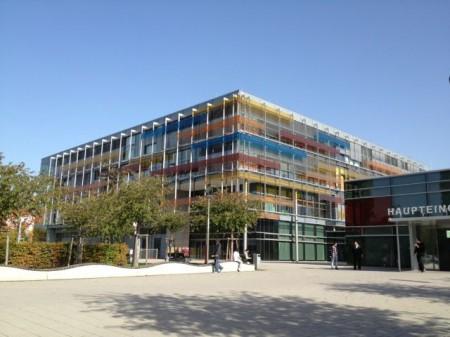
University Hospital in Haydelberge

Hannover Medical School









Lippe Detmold Clinic
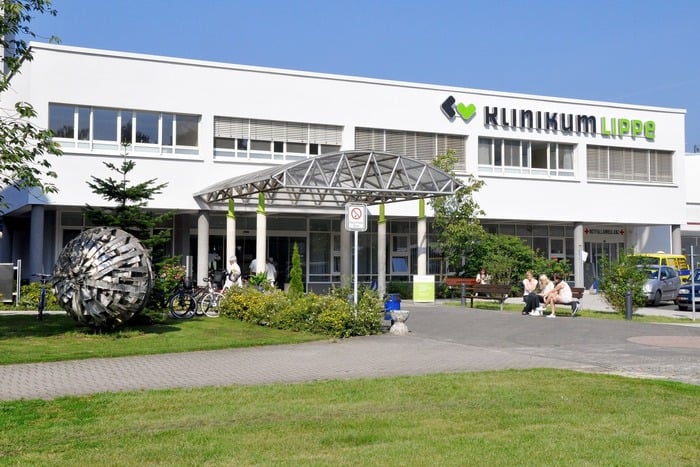
Lippe Lemgo Clinic
مشاركة المحتوى
قصص فيديو من مرضى Bookimed
 Anna Leonova
أسئلة متكررة حول علاج ارتفاق الأصابع في ألمانيا
لماذا لا يمكن للجراح ببساطة قطع الجلد بين الأصابع الملتصقة؟
إن القطع بين الأصابع الملتصقة أمر مستحيل لأن الالتصاق الإصبعي (Syndactyly) غالباً ما يتضمن هياكل حيوية مشتركة. يمكن لقطع بسيط أن يقطع الشرايين أو الأعصاب الرقمية المشتركة. وهذا يؤدي إلى موت الأنسجة أو خدر دائم. يستخدم جراحو العظام الألمان عمليات إعادة بناء معقدة لضمان وظيفة اليد ونموها.
- إمدادات الدم: غالباً ما تتشارك الأصابع في شريان واحد. الفصل الصحيح يحافظ على الدورة الدموية لكليهما.
- سلامة الأعصاب: تتطلب الأعصاب المتشابكة فصلاً مجهرياً. هذا يحافظ على الإحساس في أطراف الأصابع.
- الوقاية من الندبات: تسبب القطوع المستقيمة تقلصات. يستخدم الجراحون تقنية (Z-plasty) المتعرجة للسماح بالثني.
- تغطية الجلد: يخلق الفصل عجزاً في الجلد. غالباً ما يستخدم الجراحون طعوماً من مواقع مانحة.
رؤية خبير Bookimed: تحتل ألمانيا المرتبة الثانية عالمياً في طلبات جراحة العظام على منصتنا. يرتبط هذا الحجم الكبير الذي يزيد عن 980 حالة بمراكز متخصصة مثل مستشفى جامعة هايدلبرغ. تدير هذه المؤسسات تدفقات هائلة من المرضى تزيد عن 300,000 شخص سنوياً. تضمن خبرتهم في عمليات الدمج المعقدة إعادة هيكلة عظمية دقيقة قد لا تستطيع العيادات الصغيرة التعامل معها. غالباً ما تدمج المستشفيات الأكاديمية الكبيرة البحث العلمي مباشرة في البروتوكولات الجراحية لأنواع الالتصاق الإصبعي النادرة.
إجماع المرضى: يؤكد المرضى أن الغشاء ليس مجرد جلد إضافي. يتفاجأ معظم الناس بمعرفة أن طعوم الجلد من الفخذ غالباً ما تكون ضرورية لإغلاق الفجوات دون توتر مؤلم.
إذا كان طفلي يعاني من التصاق في عدة أصابع، هل يمكن فصلها جميعاً في وقت واحد؟
لا يمكن للجراحين فصل الجوانب المجاورة لإصبع واحد في عملية واحدة. هذا يحمي إمدادات الدم الأساسية التي تجري على طول جانبي كل إصبع. بالنسبة لثلاثة أصابع ملتصقة أو أكثر على التوالي، يستخدم الأطباء نهجاً جراحياً على مراحل. وهذا يضمن التئام الأنسجة بشكل آمن.
- قاعدة إمداد الدم: إجراء العملية على كلا الجانبين في وقت واحد يهدد بخطر فقدان الإصبع.
- الجدول الزمني للمراحل: تتم العمليات الجراحية اللاحقة بفارق 3 إلى 6 أشهر لضمان التئام الجلد بشكل مستقر.
- خيارات متزامنة: غالباً ما يمكن علاج المسافات غير المتجاورة أو الأطراف المنفصلة معاً بأمان.
- فترة العلاج: تبدأ الإجراءات عادةً بين سن 1 و 2 عاماً من أجل السلامة.
رؤية خبير Bookimed: تدير العيادات الألمانية مثل عيادات شمال الراين-وستفاليا أو المركز الطبي في سولينغن أعداداً كبيرة من المرضى مع تخصص على المستوى الأكاديمي. تظهر البيانات أن هذه المراكز تستفيد من شبكات متعددة التخصصات لتنسيق الإصلاحات المعقدة على مراحل. هذا النهج حيوي لالتصاق الأصابع المعقد حيث يتطلب اندماج العظام إعادة بناء تقويمية متقدمة إلى جانب ترقيع الجلد.
إجماع المرضى: يجد الآباء أنه على الرغم من أن العلاج على مراحل يستغرق وقتاً أطول، إلا أنه يمنع بنجاح عودة التصاق الأصابع. ويؤكدون أن الحفاظ على الجبائر على الطفل الصغير أثناء التعافي هو التحدي العملي الرئيسي.
ما هو أفضل عمر لجدولة جراحة التصاق الأصابع (Syndactyly) في ألمانيا؟
يوصي جراحو الأطفال الألمان عمومًا بجدولة جراحة التصاق الأصابع بين عمر 6 أشهر وسنتين. يعتمد التوقيت على الأصابع الملتصقة ومدى تعقيد الغشاء. يمنع التدخل المبكر تشوهات النمو مع ضمان أن يكون الطفل كبيرًا بما يكفي لتخدير آمن.
- الأصابع الطرفية: يتم الفصل حوالي عمر 6 أشهر في حالات التصاق الإبهام والسبابة أو البنصر والخنصر.
- الأصابع الوسطى: عادة ما تتم الجراحة للأصابع الوسطى بين عمر 12 و 24 شهرًا.
- الحالات المعقدة: تتطلب إجراءات التصاق العظام أو الأظافر عمليات فصل على مراحل تبدأ من عمر 6 أشهر.
- التصاق أصابع القدم: غالبًا ما يؤجل المتخصصون الجراحة حتى سن 18 عامًا ما لم تكن الوظيفة متأثرة بشدة.
رؤية خبير Bookimed: تظهر بياناتنا أن ألمانيا وجهة رائدة لتقويم العظام، خاصة في المستشفيات الأكاديمية ذات القدرة العالية. تخدم مرافق مثل مستشفى جامعة إيسن أكثر من 370,000 مريض سنويًا باستخدام التصوير الرقمي المتقدم. غالبًا ما تتعامل هذه المراكز البحثية مع عمليات الفصل المعقدة على مراحل التي قد تؤجلها العيادات الأصغر. عند اختيار مرفق، أعط الأولوية للمستشفيات الأكاديمية في مدن مثل إيسن أو سولينغن للحصول على دعم متعدد التخصصات للأطفال.
إجماع المرضى: يشير الآباء إلى أن التعافي غالبًا ما يكون أكثر تحديًا من الجراحة نفسها. ويؤكدون على أهمية إدارة الجبائر والضمادات للأطفال الصغار لضمان الشفاء السليم.
ما الفرق بين علاج اليدين الملتصقتين والقدمين الملتصقتين في العيادات الألمانية؟
تميز العيادات الألمانية بين علاج التصاق الأصابع بناءً على الضرورة الوظيفية مقابل الخيار الجمالي. جراحة اليد ضرورة طبية للتطور الحركي. جراحة القدم غالباً ما تكون اختيارية. يعطي المتخصصون الأولوية لفصل الأصابع لضمان قبضة مناسبة ومنع تشوه العظام أثناء النمو.
- أولوية العلاج: تضمن جراحة اليد مهارات الإمساك الأساسية. إجراءات القدم غالباً ما تكون اختيارية.
- توقيت الجراحة: يقوم الجراحون بإجراء عمليات اليد في عمر 6 إلى 18 شهراً. جراحة القدم تنتظر.
- تقنيات الشق: يستخدم الأطباء تقنية Z-plasty المتعرجة لمشاركة الجلد ومنع انقباض الأصابع.
- النهج السريري: يتم التعامل مع القدمين بشكل متحفظ ما لم يسبب اندماج عظمي معقد ألماً عند المشي.
رؤية خبير Bookimed: تحافظ المراكز الطبية الألمانية مثل مجمع عيادات شمال الراين-وستفاليا والمستشفى الجامعي في هايدلبرغ على أحجام ضخمة من المرضى، تصل إلى أكثر من 145,000 و 312,000 سنوياً. يخلق هذا التردد العالي مجموعة بيانات واسعة للتقنيات الترميمية للأطفال المعقدة. تركز العديد من العيادات على الرعاية متعددة التخصصات عبر 15 إلى 50 قسماً متخصصاً لضمان سلامة التخدير لدى الرضع. يوفر اختيار هذه المراكز الأكاديمية الوصول إلى بروتوكولات موحدة تم تطويرها من خلال بحث علمي مكثف.
إجماع المرضى: يلاحظ المرضى أن جراحة اليد أكثر عدوانية وإلحاحاً لحماية المهارات الحركية الدقيقة. بينما يتم إعطاء الأولوية لإصلاح اليد، يشعر الكثيرون أن جراحة القدم يمكن تأجيلها إذا كانت لا تتداخل مع ارتداء الأحذية أو التوازن.
ما هي المؤسسات الطبية الألمانية المتخصصة في تشوهات اليد الخلقية؟
تشمل المؤسسات الألمانية المتخصصة في تشوهات اليد الخلقية مستشفى الأطفال الكاثوليكي فيلهلم شتيفت، ومستشفى جامعة هايدلبرغ، وكلية هانوفر الطبية. تقدم هذه المراكز جراحة أطفال وجراحة مجهرية متخصصة. وهي تركز على عمليات إعادة البناء المعقدة لحالات مثل التصاق الأصابع، وتعدد الأصابع، ونقص تنسج الإبهام في وحدات مخصصة.
- رعاية الأطفال المتخصصة: يضم مستشفى فيلهلم شتيفت في هامبورغ أكبر قسم لجراحة يد الأطفال في ألمانيا.
- البحث الأكاديمي: تدمج كلية هانوفر الطبية البحث العلمي مع جراحة إعادة بناء اليد المعقدة.
- إعادة البناء المتقدمة: يستخدم مستشفى جامعة هايدلبرغ مراكز مخصصة لجراحة العظام والجراحة التجميلية.
- الخبرة الإقليمية: يعمل المركز الطبي في سولينغن كمستشفى تعليمي أكاديمي.
رؤية خبراء Bookimed: تخلق شبكة المستشفيات الجامعية في ألمانيا ميزة واضحة للحالات المعقدة. تخدم المراكز الكبيرة مثل كلية هانوفر الطبية ومستشفى جامعة هايدلبرغ أكثر من 300,000 مريض سنوياً. يسمح هذا الحجم الكبير لهذه المؤسسات بالحفاظ على عيادات متخصصة خصيصاً لتشوهات اليد والقدم النادرة. يجب على المرضى إعطاء الأولوية لهذه المراكز التابعة للجامعات. فهي تقدم عادةً فرقاً متعددة التخصصات أكثر قوة من عيادات العظام العامة الأصغر.
إجماع المرضى: يؤكد المرضى على أهمية العثور على فريق متخصص في يد الأطفال بدلاً من الجراحين العامين. ويشيرون إلى أن رعاية المتابعة المتخصصة مثل العلاج الوظيفي وإدارة الندبات لا تقل أهمية عن الجراحة نفسها.
ما الذي يجب أن تتوقعه العائلات الدولية فيما يتعلق بالإقامة في المستشفى والتعافي؟
يجب أن تتوقع العائلات الدولية إقامة داخل المستشفى لمدة تتراوح بين يومين إلى 5 أيام في مراكز العظام الألمانية. يعطي الجراحون الأولوية للاستقرار الأولي والمراقبة خلال الـ 72 ساعة الأولى الحرجة. يتضمن التعافي رعاية متخصصة للجبيرة وتقييمات متابعة متعددة لضمان محاذاة الأصابع وشفائها بشكل صحيح.
- الإقامة في المستشفى: عادة ما يبقى الأطفال لمدة 48 إلى 72 ساعة للتحكم في الألم والمراقبة.
- إدارة الجبيرة: الحفاظ على الضمادة جافة وسليمة هو التحدي الرئيسي بعد الجراحة.
- اللياقة للسفر جواً: عادة ما يسمح الجراحون للمرضى بالسفر جواً بعد 5 إلى 7 أيام من العملية.
- رعاية المتابعة: يجب على العائلات التخطيط لعدة زيارات بعد الجراحة قبل العودة إلى المنزل بأمان.
رؤية خبير Bookimed: تدير المستشفيات الجامعية الألمانية مثل هايدلبرغ أو هانوفر أعداداً هائلة من المرضى، وغالباً ما تتجاوز 300,000 مريض سنوياً. هذا المعدل المرتفع يعني أن بروتوكولات القبول الدولي فعالة للغاية. يجب على العائلات اختيار مرافق معتمدة من ISO مثل مستشفى Meoclinic لضمان إدارة جودة موحدة خلال مرحلة التعافي الحساسة.
إجماع المرضى: يلاحظ الآباء أن الأيام القليلة الأولى مع الضمادة الثقيلة هي الأكثر صعوبة. من الضروري الحصول على تعليمات مكتوبة واضحة حول إدارة الألم وحماية الجبيرة قبل مغادرة المستشفى.
ما هي المستشفيات في ألمانيا التي تحظى بأعلى التقييمات في جراحة الأعصاب؟
تضم ألمانيا بعضًا من أرقى أقسام جراحة الأعصاب في العالم، بقيادة مستشفى شاريتيه الجامعي في برلين ومستشفى جامعة هايدلبرغ. وتتميز هذه المراكز بخبرتها الواسعة في علاج أورام الدماغ المعقدة وأمراض الأوعية الدموية الدماغية. ولتحقيق أقصى قدر من الفعالية في عملياتها، تستخدم هذه المراكز أحدث التقنيات، مثل التصوير بالرنين المغناطيسي أثناء الجراحة والتوجيه العصبي بمساعدة الحاسوب.
- مستشفى شاريتيه برلين: يُجري أكثر من 5000 عملية جراحية سنوياً. ويرأس العيادة جراح الأعصاب الشهير الدكتور بيتر فايكوتشي.
- المركز الطبي في سولينجن: أجرى الدكتور رالف بوهل أكثر من 4000 عملية جراحية، بما في ذلك جراحات العمود الفقري طفيفة التوغل.
- عيادة أسكليبيوس نورد: مجهزة بنظام التصوير بالرنين المغناطيسي الثنائي الوحيد في ألمانيا أثناء الجراحة لضمان الدقة الجراحية في الوقت الحقيقي أثناء إزالة الورم.
- عيادة نوردويست: تم الاعتراف بها من قبل مجلة نيوزويك كمستشفى رائد في مجال الابتكار في تكنولوجيا الموجات فوق الصوتية ثلاثية الأبعاد.
رأي خبراء بوكيمد: تشير البيانات إلى أن اختيار المراكز ذات الحجم الجراحي الكبير غالبًا ما يؤدي إلى توصيات علاجية أكثر تحفظًا. ففي مركز سولينجن الطبي، الذي يعالج أكثر من 60,000 مريض
ما هي نسب نجاح العمليات الجراحية العصبية المعقدة في ألمانيا؟
في ألمانيا، تتميز العمليات الجراحية العصبية بالغة التعقيد بمستوى أمان استثنائي. تصل نسبة نجاح عمليات دمج الفقرات إلى 99%، بينما تبلغ نسبة النجاة بعد استئصال أورام الدماغ الأولية 97%. كما يتمتع المرضى بقدرة عالية على الاعتماد على أنفسهم في أداء وظائفهم اليومية، حيث يغادر أكثر من 82% منهم المستشفى مباشرةً بعد العلاج. وتولي المراكز الألمانية اهتماماً بالغاً بالحفاظ على الوظائف العصبية باستخدام أحدث تقنيات التخطيط العصبي.
- استئصال الورم: يحقق الجراحون استئصالًا كاملاً للورم في 87.2% من حالات النقائل الدماغية.
- النجاح في علاج أمراض الأوعية الدموية: أفادت المستشفيات الألمانية بنسبة نجاة بلغت 98.7% لحالات تمدد الأوعية الدموية غير الممزقة.
- تحسن الحالة العصبية: يشهد ما يقرب من 43% من المرضى تحسناً في المعايير الوظيفية بعد عمليات الاستئصال المعقدة.
- سلامة التدخلات الجراحية: في المراكز الجراحية الكبيرة، تتراوح معدلات بقاء المرضى على قيد الحياة بعد جراحة العمود الفقري بين 98-99%.
رأي خبراء بوكيمد: يُجري جراحون ذوو خبرة، مثل الدكتور أوفه كولر من عيادة أسكليبيوس ألتونا، أكثر من 2000 عملية جراحية سنويًا. تُشير البيانات إلى أن هؤلاء المتخصصين يحافظون على معدلات نجاح تصل إلى 90%، حتى
ما هي التقنيات المتقدمة المتوفرة عادةً في عيادات جراحة الأعصاب الألمانية؟
تُدخل عيادات جراحة الأعصاب الألمانية بانتظام أدوات رقمية عالية الدقة وتقنيات تصوير فوري في الممارسة الجراحية. تشمل التقنيات الرئيسية الملاحة العصبية الحاسوبية لجراحات الدماغ والحبل الشوكي. تستخدم مؤسسات مثل عيادة أسكليبيوس نورد التصوير بالرنين المغناطيسي أثناء الجراحة للتحقق من استئصال الورم في الوقت الفعلي. توفر هذه الأنظمة للجراحين نظام ملاحة ثلاثي الأبعاد.
- الملاحة العصبية: توفر تصورًا ثلاثي الأبعاد وتتبعًا فوريًا للأدوات لتحقيق دقة جراحية تصل إلى مستوى أقل من المليمتر.
- التصوير أثناء العملية: تسمح أنظمة مثل التصوير بالرنين المغناطيسي أثناء العملية (iMRI) والتصوير المقطعي المحوسب ذي الذراع O (O-arm CT) بالتأكيد الفوري على نجاح عملية الاستئصال.
- المراقبة العصبية: تراقب الوظائف الحركية والحسية أثناء الجراحة لحماية الجهاز العصبي.
- التشخيص الفلوري: يتم استخدام صبغة 5-ALA لتسليط الضوء على حدود الورم من أجل إزالته بشكل أكثر اكتمالاً.
- المساعدة الروبوتية: تعمل أنظمة مثل نظام دافنشي على تحسين الدقة في الإجراءات المعقدة ذات التدخل الجراحي البسيط.
رأي خبراء بوكيمد: تُجري مراكز طبية كبيرة، مثل مستشفى شاريتيه الج
ما هي التدريبات المتخصصة التي يتلقاها جراحو الأعصاب الممارسون في ألمانيا؟
في ألمانيا، يتعين على جراحي الأعصاب إكمال برنامج إقامة تخصصي لمدة ست سنوات بعد التخرج من كلية الطب. يشمل هذا البرنامج المنظم العناية المركزة، والتدريب السريري، وكتابة مقالات في مجلة جراحية إلزامية. بعد ذلك، يجتاز المرشحون امتحانًا حكوميًا للحصول على لقب طبيب مقيم (Facharzt für Neurochirurgie).
- الإقامة السريرية: تتطلب من 48 إلى 72 شهرًا من الممارسة المتخصصة في جراحة الأعصاب.
- العناية المركزة: تتضمن فترة تدريب إلزامية لمدة 6 أشهر في وحدة العناية المركزة لجراحة الأعصاب.
- المجلة الجراحية: يوثق الجراحون مئات العمليات الجراحية، بما في ذلك عمليات فتح الجمجمة وجراحات العمود الفقري.
- امتحان الترخيص: يجب على المتقدمين اجتياز امتحان طبي شفوي وعملي تديره الدولة.
رأي خبراء بوكيميد: يركز التدريب الألماني في جراحة الأعصاب على الخبرة الجراحية الواسعة. فعلى سبيل المثال، أجرى الدكتور رالف بول من المركز الطبي في سولينجن أكثر من 4000 عملية جراحية. ويتمتع الدكتور يورغن كيويت من مستشفى ميوكلينيك بخبرة تزيد عن 25 عامًا. يضمن هذا النظام الدقيق أن يتعامل المتخصصون في المراكز الكبرى مع الحالات المعقدة بدقة مثبتة.
آراء المرضى: يشع