علاج ارتفاق الأصابع في تايلاند — احصل على 3 عيادات مختارة خصيصاً لك


تمت مراجعة المقالة طبيا من قبل
فهد مولود
كيف نعمل؟
ما هي تكلفة ارتفاق الأصابع إجراءات التشخيص والعلاج في تايلاند؟ اعرف الآن
اكتشف أفضل ارتفاق الأصابع العيادات في تايلاند: 3 خيارات معتمدة والأسعار





MedConsult Bangkok Medical Clinic

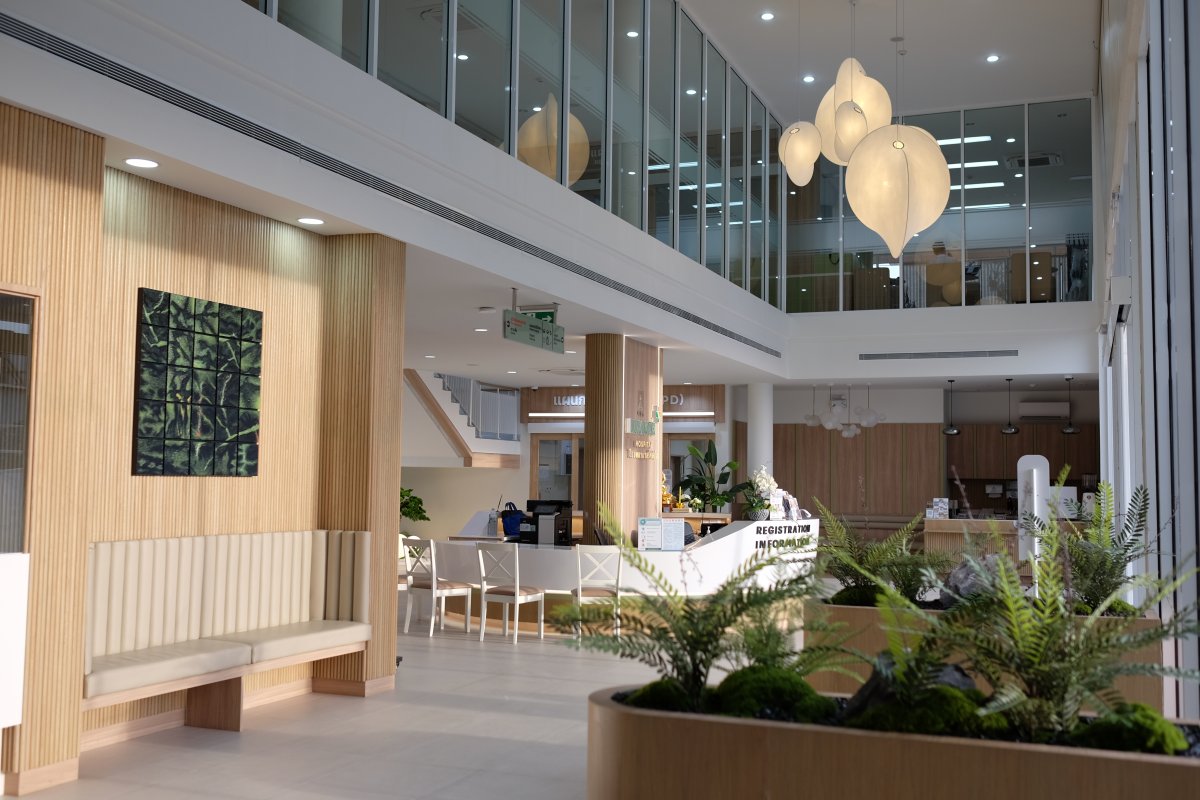
LUX KOR Hospital

احصلوا على تقييم طبي لـ ارتفاق الأصابع في تايلاند: استشيروا أطباء ذوي خبرة الآن
عرض جميع الأطباء
Dr Theeracha Wuttiphan
يتخصص الدكتور ثيراشا ووتيفان في جراحة العظام مع التركيز على علاج التصاق الأصابع (Syndactyly) في عيادة ID في بانكوك.
- جراح مناظير المفاصل في مستشفى جامعة تاماسات
- جراح عمود فقري في مستشفى راجافيثي
- متخصص في العلاج بالخلايا الجذعية لآلام المفاصل والظهر

Dr Piya Assawaboonyadej
يتخصص الدكتور بيا أساوابونيادج في جراحة العظام مع التركيز على أورام الجهاز العضلي الهيكلي وتقنيات إعادة البناء في مستشفى إنتارات.
- أكثر من _doctor_8776_سنوات_ من الخبرة في جراحة العظام
- حاصل على زمالة في جراحة أورام العظام وإعادة البناء من جامعة أيوا
- عضو في الجمعية التايلاندية لأورام الجهاز العضلي الهيكلي
- أبحاث منشورة حول أورام العظام والتقنيات الجراحية
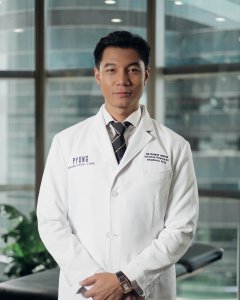
Kantaphong Thongrong
يتخصص الدكتور بيونغ في دمج الروبوتات المتقدمة والتقنيات غير الجراحية في إعادة التأهيل، مع التركيز على إعادة التأهيل العصبي وإدارة الألم المزمن.
- طبيب فيزيائي معتمد يتمتع بخبرة في التعافي من السكتة الدماغية
- يستخدم أجهزة الهيكل الخارجي القابلة للارتداء لتدريب المشي وتحسين الحركة
- رئيس قسم إعادة التأهيل في مستشفى كينغ مونغكوت تشاوكونثاهان
- مؤسس مجموعة بيونغ لإعادة التأهيل، وهو مركز تأهيل متميز
- مدرب رئيسي في طب العظام وإعادة التأهيل
مشاركة المحتوى
قصص فيديو من مرضى Bookimed
 Anna Leonova
أسئلة متكررة حول علاج ارتفاق الأصابع في تايلاند
ما هي أفضل المستشفيات لعلاج الالتصاق الإصبعي (Syndactyly) في تايلاند؟
يعد مستشفى بامرونجراد الدولي (Bumrungrad International Hospital) ومستشفى سيكارين (Sikarin Hospital) من أفضل الخيارات لعلاج الالتصاق الإصبعي في تايلاند. توفر هذه المرافق المعتمدة من قبل اللجنة الدولية المشتركة (JCI) جراحات متخصصة في يد الأطفال. يقوم كبار الجراحين بإجراء عمليات ترميمية لفصل الأصابع الملتصقة. عادة ما تتم الإجراءات عندما يبلغ الأطفال من العمر 12 إلى 18 شهرًا لضمان النمو الأمثل.
- مستشفى بامرونجراد الدولي: يخدم هذا المركز مليون مريض سنويًا ويحمل اعتمادات JCI وGHA.
- مستشفى سيكارين: منشأة رائدة في بانكوك تقدم جراحة العظام والتجميل مع معايير سلامة معتمدة من JCI.
- تقنيات جراحية متخصصة: يقوم الجراحون بفصل الأصابع الملتصقة وغالبًا ما يستخدمون ترقيع الجلد للتغطية الكاملة.
- العلاج بعد الجراحة: توفر المراكز العلاج الطبيعي والمهني لضمان حركة كاملة لليد.
رؤية خبير Bookimed: تحتل تايلاند المرتبة الثالثة عالميًا في طلبات السياحة العلاجية على منصتنا. حجم العمل في مستشفى بامرونجراد الدولي ضخم، حيث يمثل المرضى الدوليون 50% من إجمالي المرضى. هذا يشير إلى أن بنيتهم التحتية للعائلات الأجنبية متطورة للغاية. نلاحظ أن كبار الجراحين غالبًا ما يكونون حاصلين على زمالات من الولايات المتحدة، مما يضيف طبقة من التدريب وفق المعايير الغربية إلى الخبرة المحلية.
إجماع المرضى: يشير المرضى إلى أهمية التحقق من بيانات اعتماد المستشفى مباشرة. وينصح الكثيرون باستشارة جراحي يد أطفال معتمدين بدلاً من الاعتماد على مصادر غير موثوقة لهذه العمليات ال
أي نوع من الأطباء يعالج ارتفاق الأصابع (Syndactyly)؟
يتم علاج ارتفاق الأصابع بشكل أساسي من قبل جراحي اليد المتخصصين ذوي الخلفية في الجراحة التجميلية أو جراحة العظام. يركز هؤلاء المتخصصون على فصل الأصابع الملتصقة مع الحفاظ على وظيفتها. غالبًا ما يبدأ العلاج بتشخيص أولي واستشارة رسمية مع طبيب عظام لتقييم مدى تأثر العظام.
- جراحو اليد للأطفال: هؤلاء الخبراء متخصصون في الاختلافات الخلقية في اليد لدى الأطفال.
- الجراحون التجميليون: متخصصون يقومون بإجراءات دقيقة لترقيع الجلد وإعادة البناء للأصابع.
- جراحو العظام: جراحون يديرون الحالات المعقدة التي تنطوي على عظام ملتصقة أو اختلال في المفاصل.
- أخصائيو التأهيل: محترفون يساعدون في التعافي بعد الجراحة والعلاج الوظيفي لليد.
رؤية خبير Bookimed: توفر المستشفيات الرائدة في تايلاند مثل Bumrungrad International وSikarin Hospital خبرة مركزة في جراحة العظام والجراحة التجميلية. عند اختيار منشأة، أعط الأولوية للمراكز المعتمدة من JCI التي تدير أكثر من 250,000 مريض سنويًا. يشير حجم المرضى الكبير في بانكوك عادةً إلى مزيد من الخبرة في عمليات إعادة البناء الخلقية النادرة. يجب عليك البحث عن جراحين مثل الدكتور Piya Assawaboonyadej الذين لديهم تدريب دولي في إعادة بناء العظام.
إجماع المرضى: يلاحظ المرضى أن العثور على جراح لديه خبرة محددة في الحالات الخلقية أمر بالغ الأهمية لتخطيط عمليات ترقيع الجلد. ويؤكد الكثيرون أن المستشفيات التخصصية في بانكوك مجهزة بشكل أفضل للحالات المعقدة مقارنة بالعيادات العامة.
متى يجب أن يخضع طفلي لعملية جراحية لالتصاق الأصابع؟
عادة ما يكون توقيت جراحة التصاق الأصابع بين عمر 6 و18 شهراً. يقوم الجراحون بتصحيح الأصابع الطرفية مثل الإبهام والسبابة في وقت مبكر، غالباً بحلول الشهر السادس. هذا يمنع تشوهات النمو. يتم فصل الأصابع الوسطى عادة بين عمر 12 و18 شهراً مع نمو الطفل.
- توقيت الأصابع الطرفية: تصحيحات الإبهام والخنصر تحدث عادة بين 3 و10 أشهر.
- توقيت الأصابع الوسطى: السبابة والوسطى والبنصر تخضع عادة للجراحة حول عمر 12-24 شهراً.
- الحالات المعقدة: تتطلب الالتحامات العظمية تدخلاً بحلول الشهر الثاني عشر لضمان نمو عظمي سليم.
- تصحيح أصابع القدم: غالباً ما ينصح الجراحون بالانتظار حتى عمر 18 شهراً تقريباً لالتصاق أصابع القدم.
رؤية خبير Bookimed: تحتل تايلاند مرتبة عالمية في حجم السياحة العلاجية، وتدير مراكز مثل مستشفى بامرونجراد الدولي أكثر من مليون مريض سنوياً. يجلب جراحون متخصصون للغاية مثل الدكتور بيا أساوابونيايديج في مستشفى إنتارارات تدريباً متقدماً من الولايات المتحدة للتعامل مع عمليات إعادة البناء المعقدة. اختيار هذه المرافق ذات الحجم الكبير في بانكوك يضمن الوصول إلى تخدير خاص بالأطفال وتقنيات تصوير متقدمة.
إجماع المرضى: يلاحظ الآباء أن التدخل المبكر يساعد في تجنب مشاكل النمو، لكنهم يؤكدون على أهمية التحقق مما إذا كانت هناك حاجة لترقيع الجلد. غالباً ما يقترحون التأكد من أن الجراح متخصص تحديداً في أيادي الأطفال لضمان نتائج وظيفية أفضل.
هل العلاج بعد الجراحة مطلوب بعد جراحة التصاق الأصابع؟
يعد العلاج بعد الجراحة ضرورياً بعد جراحة التصاق الأصابع لاستعادة وظيفة اليد ومنع التيبس. يجب على المرضى اتباع بروتوكولات محددة تشمل العلاج الوظيفي، والعناية المهنية بالندبات، واستخدام الجبائر. تضمن هذه الخطوات تحرك الأصابع بشكل مستقل وبقائها في محاذاة صحيحة خلال مرحلة الشفاء الحرجة.
- إعادة التأهيل الوظيفي: يعلم العلاج الأصابع كيفية التحرك بشكل مستقل بعد الفصل.
- بروتوكولات الجبائر: تمنع الجبائر المخصصة حدوث انقباضات وتحافظ على الفراغات الجديدة بين الأصابع.
- العناية بالندبات: تقلل التقنيات المتخصصة من شد الأنسجة وتحسن النتائج التجميلية.
- التحكم في الوذمة: تساعد التمارين ورفع اليد على تقليل التورم لتسريع فترات التعافي.
رؤية خبير Bookimed: تستخدم المراكز الطبية التايلاندية مثل مستشفى بامرونجراد الدولي سجلات صحية إلكترونية متكاملة لتنسيق الرعاية بين جراحي العظام وأخصائيي إعادة التأهيل. تُظهر بياناتنا أن أفضل العيادات في بانكوك تخدم غالباً أكثر من مليون مريض سنوياً، مما يسمح لها بصقل بروتوكولات التعافي عبر أعداد هائلة من المرضى. للحالات المعقدة، فكر في مرافق مثل مجموعة PYONG لإعادة التأهيل حيث يتخصص أطباء مثل الدكتور كانتافونغ ثونغرونغ في التدخلات الروبوتية المتقدمة والموجهة بالموجات فوق الصوتية لتحسين الحركة.
إجماع المرضى: يؤكد المرضى على ضرورة اتباع تعليمات استخدام الجبائر بدقة لمنع التصاق الأصابع مرة أخرى. يلاحظ الكثيرون أن طلب خطة علاج طبيعي بشكل مبكر يساعد في إدارة التيبس غير المتوقع أثناء التعافي.