عيادات جراحة الأعصاب في إيطاليا

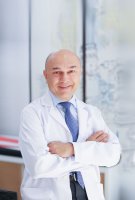
تمت مراجعة المقالة طبيا من قبل
Ali Zirh
ما هي تكلفة جراحة الأعصاب في إيطاليا؟ اكتشف الآن
تتراوح تكلفة جراحة الأعصاب في إيطاليا عادةً بين $15,100 و $38,500. تعتمد النفقات النهائية على نوع الإجراء، والتعقيد السريري، ومدة الإقامة في المستشفى. يمكن للمرضى القادمين من الولايات المتحدة توقع توفير ما يقرب من 40-60% على العمليات العصبية المتقدمة.
تكاليف جراحة الأعصاب النموذجية في إيطاليا
- استشارة مع جراح أعصاب: $190 – $300
- تصوير الدماغ بالرنين المغناطيسي (MRI): السعر عند الطلب
- الأشعة المقطعية (CT): من $350
- جراحة التحفيز العميق للدماغ (DBS): $38,000 – $55,000
- سايبر نايف (CyberKnife): $7,500 – $11,500
- جاما نايف (Gamma Knife): $6,500 – $10,500
- استئصال أورام الدماغ: $18,000 – $31,000
- العلاج الجراحي للصرع: السعر عند الطلب
- استئصال القرص: من $11,900
- تحفيز العصب المبهم: السعر عند الطلب
تُعد ميلانو وروما المركزين الرئيسيين لجراحة الأعصاب، حيث توفر مراكز مرموقة رعاية متخصصة. تختلف الأسعار بين العيادات الخاصة والمستشفيات الجامعية الكبرى في هذه المدن. استشر أخصائياً للحصول على تسعير دقيق لاحتياجاتك الطبية المحددة.
| إيطاليا | تركيا | إسبانيا | |
|---|---|---|---|
| سايبر نايف CyberKnife | ≈ $7,500 | من $4,900 | من $14,800 |
| حج القحف | من $25,000 | من $8,900 | من $32,400 |
| جراحة التحفيز العميق للدماغ | ≈ $38,000 | من $21,800 | من $64,800 |
| الموجات الفوق صوتية عالية التكثيف المركزة HIFU | ≈ $6,500 | من $10,000 | من $8,000 |
| استئصال ورم الحبل الشوكي | ≈ $18,000 | من $12,000 | من $34,800 |
جميع أمراض جراحة الأعصاب
مزاياك وضماناتك مع Bookimed
أسعار مباشرة
Bookimed لا يضيف رسوماً إضافية على أسعار علاج جراحة الأعصاب. الأسعار مأخوذة من قوائم الأسعار الرسمية للعيادات. تدفع مباشرة في العيادة مقابل علاجك عند وصولك إلى البلد.
عيادات وأطباء معتمدون فقط
Bookimed ملتزم بسلامتك. نحن نعمل فقط مع المؤسسات الطبية التي تحافظ على معايير دولية عالية في علاج جراحة الأعصاب ولديها التراخيص اللازمة لخدمة المرضى الدوليين في جميع أنحاء العالم.
مساعدة مجانية على مدار الساعة
Bookimed يقدم مساعدة خبراء مجانية. منسق طبي شخصي يدعمك قبل وأثناء وبعد العلاج، ويحل أي مشاكل. لن تكون وحيداً أبداً في رحلة علاج جراحة الأعصاب.

منسقك الطبي الشخصي في Bookimed
- يدعمك في كل مرحلة
- المساعدة في اختيار العيادة الطبية المناسبة والطبيب المناسب
- يضمن الوصول السريع والمريح إلى المعلومات
اكتشف أفضل عيادات جراحة الأعصاب: 12 خيارات معتمدة والأسعار






La Madonnina Clinic







Clinic Villa Stuart

Mater Oblia Hospital
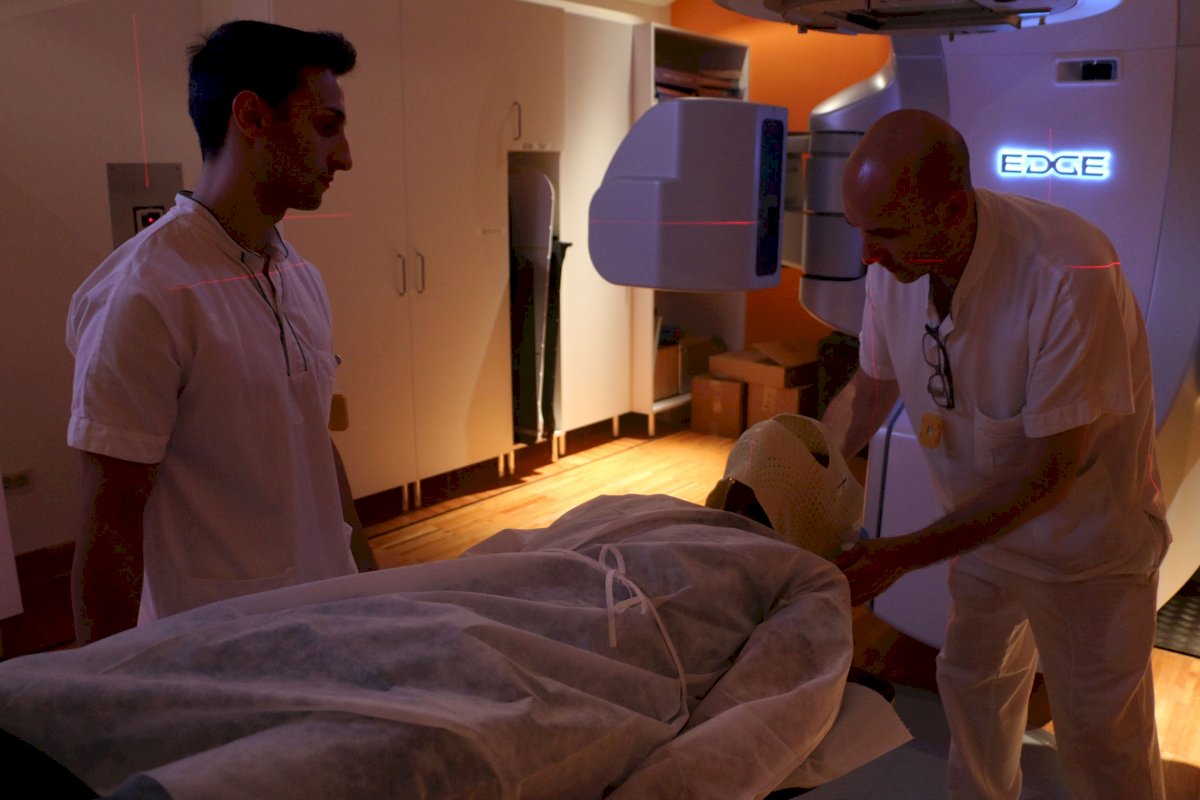



أفضل مراكز جراحة الأعصاب في إيطاليا
- IRCCS OSPEDALE GALEAZZI - SANT'AMBROGIO , إيطاليا
- San Donato Hospital, إيطاليا
- San Raffaele, إيطاليا
- La Madonnina Clinic, إيطاليا
- Ospedale San Carlo di Nancy, إيطاليا
- Maria Cecilia Hospital, إيطاليا
- Clinic Villa Stuart, إيطاليا
- Mater Oblia Hospital, إيطاليا
- Humanitas Research Hospital , إيطاليا
- Santa Caterina da Siena, إيطاليا
احصل على تقييم طبي لـ جراحة الأعصاب في إيطاليا. استشر الآن 7 أطباء ذوي الخبرة.
عرض جميع الأطباء
Pietro Mortini
أجرى البروفيسور مورتيني جراحة فريدة من نوعها لعلاج الصلب المشقوق لدى الأجنة - حيث كان رائدًا في التقنيات طفيفة التوغل في سان رافاييل.
- أكثر من 30 عامًا في جراحة الأعصاب مع التركيز على إجراءات الدماغ والعمود الفقري
- مدير وحدة جراحة الأعصاب التجريبية في معهد سان رافاييل العلمي
- متخصص في العمليات الموجهة بالملاحة العصبية لضمان الدقة وسرعة الشفاء
- أستاذ زائر في جامعة جورج واشنطن
- براءة اختراع لجهاز تجديد الأنسجة البيولوجية

Claudio Lamartina
جراح أعصاب العمود الفقري

François Lechanoine
أجرى أكثر من 2500 عملية جراحية، منها 1600 كجراح رئيسي - يتخصص الدكتور ليشوان في الإجراءات المعقدة للمخ والعمود الفقري في مستشفى ماريا سيسيليا.
- خبير في التقنيات طفيفة التوغل مثل UBE (التنظير الداخلي أحادي الجانب ثنائي المنافذ)
- حاصل على الدبلوم الأوروبي لجراحة العمود الفقري (Eurospine)
- أسس مركزاً للتدريب الجراحي على تقنية UBE
- أبحاث منشورة بمعامل تأثير قدره 71.46

Ignazio Borghesi
أجرى أكثر من 4500 إجراء جراحي عصبي معقد – يقود الدكتور بورغيزي وحدة جراحة الأعصاب في مستشفى ماريا سيسيليا، وهو متخصص في التقنيات طفيفة التوغل.
- يستخدم التصوير ثلاثي الأبعاد بدقة 4K لضمان الدقة في استئصال أورام الدماغ
- عالج بنجاح أكثر من 400 حالة من حالات ألم عصب ثلاثي التوائم
- تدرب في مؤسسات رفيعة المستوى مثل Schulthess Klinik و École de Chirurgie
- خبير في الإجراءات الشوكية والقحفية على حد سواء
المراجعات
جميع المراجعاتمواد ذات صلة
عرض المزيد من التفاصيل
ما هي تكلفة علاج تمدد الأوعية الدموية في الدماغ (الدماغ)؟
كتب بواسطة Illya Kozynets

كم يكلف علاج أورام العمود الفقري؟
كتب بواسطة Veronika Kazina

ما هو تشوه خياري؟
كتب بواسطة Veronika Kazina

كم تكلفة جراحة حج القحف؟
كتب بواسطة Veronika Kazina

طرق وأسعار علاج الانزلاق الغضروفي في إسرائيل: استئصال القرص ، استئصال الصفيحة الفقرية
كتب بواسطة Veronika Kazina
مشاركة المحتوى
قصص فيديو من مرضى Bookimed
 Anna Leonova
أسئلة متكررة حول جراحة الأعصاب في إيطاليا
هل تم استنفاد جميع البدائل غير الجراحية؟
يشترط جراحو الأعصاب الإيطاليون عادةً وجود أدلة موثقة على فشل العلاج التحفظي قبل التوصية بالجراحة. تشمل الخيارات القياسية العلاج الطبيعي، والأدوية المتخصصة، وحقن التخدير الموضعي للأعصاب. أما إجراءات مثل جراحة غاما نايف أو جراحة العمود الفقري طفيفة التوغل، فلا تُؤخذ في الاعتبار عادةً إلا بعد مرور 6 إلى 12 شهرًا من فشل العلاجات غير الجراحية في تحقيق أي تحسن.
- النهج المتحفظ: يشترط معظم الأخصائيين فترة علاج طبيعي تتراوح بين 6 و 12 شهرًا قبل الموافقة على جراحة العمود الفقري.
- العلاج بالحقن: غالباً ما يصف الجراحون في البداية 3 جلسات من حصر الأعصاب أو الحقن فوق الجافية.
- خيارات الجراحة الإشعاعية: يمكن أن يحل جهاز جاما نايف محل الجراحة التقليدية في علاج بعض الأورام وآفات الدماغ.
- تأكيد التشخيص: للحصول على الموافقة، يجب على المرضى تقديم ملخصات موثقة لجميع العلاجات غير الجراحية التي تم تجربتها.
رأي خبراء بوكيميد: تُظهر البيانات من مراكز ميلانو الرائدة، مثل سان رافاييل وغالياتزي، أن التصوير المجهري ثلاثي الأبعاد بدقة 4K والتوجيه العصبي أصبحا المعيار المعتمد في العمليات الجراحية. تُمكّن هذه التقنيات جراحين مثل الدكتور بيترو مورتيني من إجراء عمليات كانت تُعتبر سابقًا بالغة الخطورة.