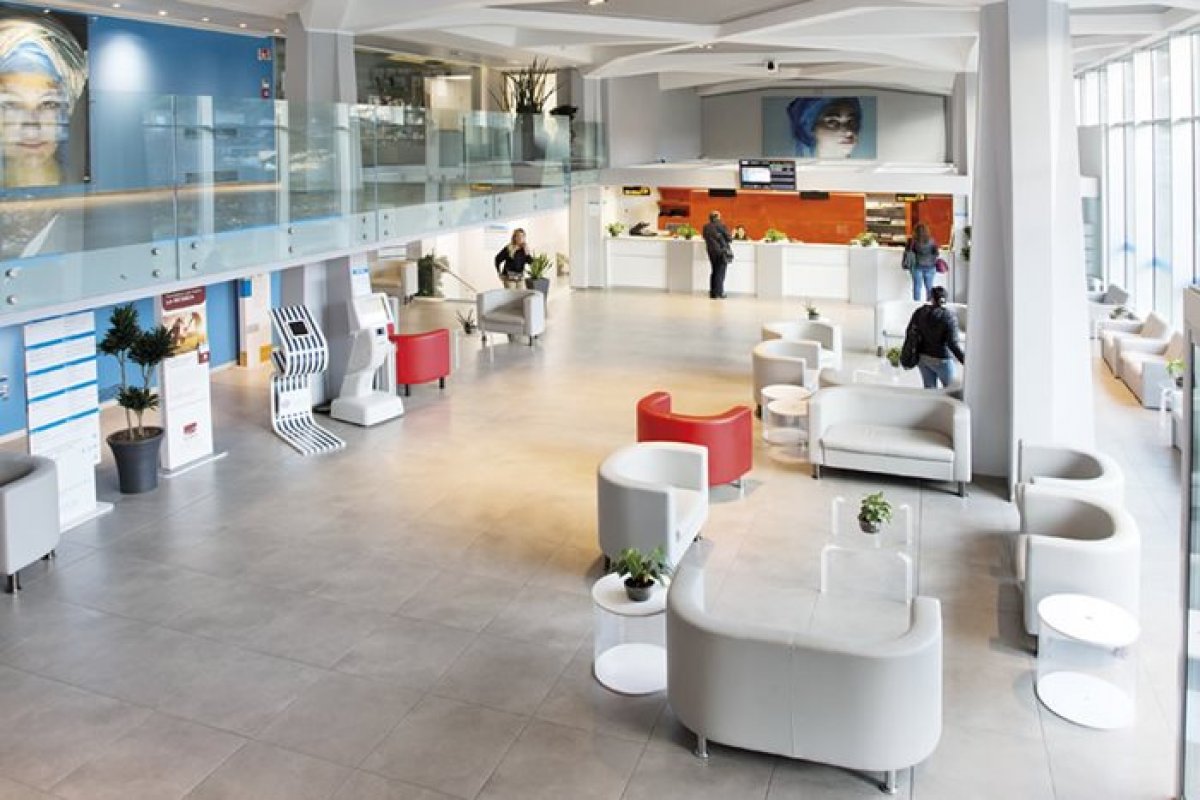
La Madonnina Clinic
إيطاليا,


تمت مراجعة المقالة طبيا من قبل
فهد مولود
Bookimed لا يضيف رسوماً إضافية على أسعار علاج تضيق القحف. الأسعار مأخوذة من قوائم الأسعار الرسمية للعيادات. تدفع مباشرة في العيادة مقابل علاجك عند وصولك إلى البلد.
Bookimed ملتزم بسلامتك. نحن نعمل فقط مع المؤسسات الطبية التي تحافظ على معايير دولية عالية في علاج تضيق القحف ولديها التراخيص اللازمة لخدمة المرضى الدوليين في جميع أنحاء العالم.
Bookimed يقدم مساعدة خبراء مجانية. منسق طبي شخصي يدعمك قبل وأثناء وبعد العلاج، ويحل أي مشاكل. لن تكون وحيداً أبداً في رحلة علاج تضيق القحف.


تم إجراء أكثر من 4500 عملية جراحية معقدة في الجمجمة والعمود الفقري – يقود الدكتور بورغيسي وحدة جراحة الأعصاب في مستشفى ماريا سيسيليا، وهو متخصص في التقنيات المتقدمة.

ينسق الدكتور موتي وحدة عمليات «جاما نايف» في مستشفى ماريا سيسيليا، وهو أحد المراكز القليلة في إيطاليا المتخصصة في علاجات «جاما نايف».
 Anna Leonova
الجراحة ليست مطلوبة دائمًا لعلاج تعظم الدروز الباكر. قد توصي الفرق الطبية بالإدارة التحفظية للحالات الخفيفة التي يكون فيها شكل الرأس مستقرًا. يستخدم بعض المرضى العلاج بالخوذة أو المراقبة إذا لم يكن هناك تقييد لنمو الدماغ أو ارتفاع في الضغط داخل الجمجمة. تؤكد الصور التشخيصية ما إذا كان الدماغ لديه مساحة كافية للنمو.
رؤية خبير Bookimed: تستخدم مراكز جراحة الأعصاب الإيطالية مثل مستشفى ماريا سيسيليا مجاهر رقمية ثلاثية الأبعاد بدقة 4K لحالات الأطفال. تسمح هذه التقنية للجراحين مثل الدكتور إجنازيو بورغيسي بتقييم اندماج الخيوط بدقة متناهية. تظهر البيانات أن كبار المتخصصين الإيطاليين غالبًا ما يتمتعون بخبرة تزيد عن 30 عامًا. تساعد هذه الخبرة الآباء على تجنب العمليات الجراحية غير الضرورية للمتغيرات التشريحية مثل بروز الدرز الجبهي.
إجماع المرضى: يشير الآباء إلى أن الحصول على رأي ثانٍ أمر حيوي لأن توصيات الجراحة يمكن أن تختلف بين المتخصصين. يؤكد المرضى أن الحالات الخفيفة غالبًا ما تُحل بالعلاج بالخوذة والمراقبة الدقيقة من قبل فرق القحف الوجهي.
يعيش الأطفال المصابون بتعظم الدروز الباكر حياة طبيعية وصحية بعد العلاج في الوقت المناسب. تعمل الجراحة بفعالية على تخفيف الضغط داخل الجمجمة واستعادة نمو الجمجمة التقليدي. يضمن التدخل المبكر، وغالباً في غضون السنة الأولى، تطوراً معرفياً قياسياً. يحافظ معظم المرضى على متوسط عمر متوقع طبيعي ويشاركون بشكل كامل في الأنشطة الرياضية والمدرسية.
رؤية خبير Bookimed: ركز على المراكز ذات الحجم الكبير التي تمتلك أدوات تصوير متقدمة. يستخدم الدكتور إجنازيو بورغيسي في مستشفى ماريا سيسيليا مجاهر رقمية ثلاثية الأبعاد بدقة 4K من أجل دقة جراحة الأعصاب. هذه التكنولوجيا حيوية أثناء إجراءات الجمجمة المعقدة. توفر الوحدات المتخصصة التي تجري أكثر من 1000 عملية جراحية سنوياً أعلى درجات الموثوقية لإعادة تشكيل عظام الأطفال.
إجماع المرضى: يلاحظ الآباء أن التورم بعد الجراحة يبدو دراماتيكياً في البداية ولكنه يتلاشى في غضون أسابيع. تؤكد العائلات على إعطاء الأولوية للخبرة الجراحية لضمان حصول الأطفال على الثقة والراحة الاجتماعية التي يوفرها تحسن شكل الرأس.
تشمل الخيارات الجراحية للرضع في إيطاليا استئصال القحف بالمنظار وإعادة بناء قبة الجمجمة المفتوحة. يعطي الجراحون في المرافق المعتمدة من قبل اللجنة الدولية المشتركة (JCI) مثل مستشفى ماريا سيسيليا الأولوية للتقنيات طفيفة التوغل. تهدف هذه الإجراءات إلى تصحيح شكل الجمجمة وضمان توسع صحي للدماغ أثناء النمو المبكر.
رؤية خبير Bookimed: تقدم المراكز الإيطالية مثل مستشفى ماريا سيسيليا خبرة جراحية عصبية متخصصة مع أطباء مثل الدكتور إنريكو موتي، الذي يتمتع بخبرة تزيد عن 40 عاماً. أحد العوامل المميزة هنا هو استخدام المجاهر الرقمية ثلاثية الأبعاد بدقة 4K أثناء إجراءات الجمجمة المعقدة. توفر هذه التقنية رؤية فائقة للجراحين، وهو أمر بالغ الأهمية عند إجراء عمليات على هياكل الجمجمة الحساسة لحديثي الولادة.
إجماع المرضى: يشير الآباء إلى أن الاختيار بين الجراحة المفتوحة أو بالمنظار يعتمد غالباً على عمر الطفل عند التشخيص. يؤكد الكثيرون أن السفر إلى مراكز بها فرق متخصصة في الوجه والجمجمة أمر ضروري لإدارة المتابعة طويلة الأمد وعلاج الخوذة.
العمر المثالي لعلاج تعظم الدروز الباكر (craniostenosis) في إيطاليا عادة ما يكون بين 3 و 12 شهراً. التدخل المبكر يستفيد من مرونة الدماغ العالية ومرونة الجمجمة لإعادة تشكيلها بشكل أفضل. غالباً ما يقوم المتخصصون بإجراء عمليات تنظيرية طفيفة التوغل للرضع الذين تقل أعمارهم عن 4 أشهر لضمان شفاء أسرع.
رؤية خبير Bookimed: في حين أن جراحة الرضع هي المعيار، فإن وحدات جراحة الأعصاب في إيطاليا مثل تلك الموجودة في مستشفى ماريا سيسيليا تتخصص في الحالات القحفية المعقدة باستخدام الجراحة المجهرية المتقدمة. يقوم الدكتور إجنازيو بورغيسي وحده بإجراء أكثر من 1000 عملية سنوياً. يشير هذا الحجم الكبير إلى أنه حتى بالنسبة للأطفال الأكبر سناً قليلاً، يمكن للمتخصصين الإيطاليين تكييف الخطط الجراحية لتحقيق تصحيح كبير عندما تكون النافذة القياسية للرضع قد مرت.
إجماع المرضى: يؤكد الآباء أن البدء مبكراً أمر حيوي لأن الجمجمة أكثر ليونة وتلتئم بسرعة أكبر. يلاحظ الكثيرون أن اختيار جراح يتمتع بخبرة كبيرة في مجال الجمجمة لا يقل أهمية عن العمر الدقيق للطفل.
تقدم إيطاليا رعاية متخصصة لتعظم الدروز الباكر في مراكز ذات حجم كبير مثل مستشفى ماريا سيسيليا المعتمد من JCI ومستشفى سانتا ماريا. تتميز هذه المرافق بفرق متعددة التخصصات تضم جراحي أعصاب خبراء مثل الدكتور إجنازيو بورغيسي. غالبًا ما يتضمن العلاج تصويرًا عصبيًا دقيقًا ثلاثي الأبعاد بدقة 4K لإعادة بناء الجمجمة وضمان نمو صحي للدماغ.
رؤية خبير Bookimed: تُظهر مراكز جراحة الأعصاب الإيطالية درجة عالية من التخصص وحجم المرضى. يعالج مستشفى ماريا سيسيليا وحده 9000 مريض سنويًا ويحمل اعتماد JCI. غالبًا ما يؤدي هذا الحجم الكبير إلى كفاءة جراحية أفضل. يتمتع أطباء مثل الدكتور إنريكو موتي بخبرة تزيد عن 40 عامًا. يعد هذا المستوى من الأقدمية مؤشرًا قويًا على الاستقرار السريري لحالات الأطفال المعقدة.
إجماع المرضى: تؤكد العائلات على أهمية العثور على فرق تجمع بين جراحة الأعصاب والجراحة التجميلية بدلاً من زيارة العيادات الإقليمية العامة. إنهم يعطون الأولوية للمراكز التي توفر رعاية متابعة طويلة الأمد متسقة مع الفريق الجراحي ال
يتكون فريق علاج الطفل في إيطاليا لحالات تعظم الدروز الباكر (craniostenosis) من multidisciplinare equipe (فريق متعدد التخصصات) ينسقه جراح أعصاب للأطفال وجراح تجميل. تدير هذه المجموعة المتكاملة التشخيص والتدخل الجراحي ومتابعة النمو على المدى الطويل داخل مراكز قحفية وجهية متخصصة في المستشفيات لضمان رعاية شاملة.
رؤية خبير Bookimed: تُظهر المراكز الإيطالية مثل مستشفى ماريا سيسيليا أهمية حجم حالات المتخصصين. يجري الدكتور إجنازيو بورغيسي حوالي 1000 إجراء سنوياً. يعتبر المتخصصون ذوو الحالات الكثيرة ضروريين لحالات تعظم الدروز الباكر لأنهم يقدمون مهارات جراحية دقيقة ومصقولة. اختيار عيادة ضمن شبكة أكبر مثل سان دوناتو يضمن الوصول إلى تخصصات فرعية متعددة للأطفال في منشأة واحدة.
إجماع المرضى: يؤكد المرضى أن العلاج يتضمن فريقاً كاملاً بدلاً من طبيب واحد. ويشيرون إلى أنه من المهم التأكد من أن التقييمات الوراثية وفحوصات العين جزء من العملية.
تتراوح فترات الإقامة في المستشفى لعلاج تعظم الدروز الباكر (craniostenosis) في إيطاليا عادةً من 2 إلى 7 أيام. غالبًا ما تسمح الإجراءات التنظيرية بالخروج في غضون 1 إلى 3 أيام. تتطلب جراحة إعادة تشكيل قبة الجمجمة المفتوحة من 4 إلى 7 أيام للمراقبة. يعتمد التعافي على استقرار العلامات الحيوية والتحكم في الألم.
رؤية خبير Bookimed: تتعامل مراكز جراحة الأعصاب الإيطالية مثل مستشفى ماريا سيسيليا مع أعداد كبيرة من حالات الجمجمة المعقدة. يجري الدكتور إينازيو بورغيسي 1000 إجراء متقدم سنويًا. غالبًا ما يؤدي هذا المستوى من خبرة الجراح إلى مسارات تعافي أكثر كفاءة وخروج مبسط للمرضى الأطفال.
إجماع المرضى: يلاحظ الآباء أن تورم الرأس يبدو شديدًا خلال أول 24 ساعة ولكنه يتلاشى بسرعة. ويؤكدون أن توقيت الخروج يعتمد بشكل أساسي على مدى جودة تناول الطفل للطعام وشعوره بالراحة.