عيادات جراحة الأعصاب في هنغاريا

تمت مراجعة المقالة طبيا من قبل
Ali Zirh
ما هي تكلفة جراحة الأعصاب في هنغاريا؟ اكتشف الآن
مزاياك وضماناتك مع Bookimed
أسعار مباشرة
Bookimed لا يضيف رسوماً إضافية على أسعار علاج جراحة الأعصاب. الأسعار مأخوذة من قوائم الأسعار الرسمية للعيادات. تدفع مباشرة في العيادة مقابل علاجك عند وصولك إلى البلد.
عيادات وأطباء معتمدون فقط
Bookimed ملتزم بسلامتك. نحن نعمل فقط مع المؤسسات الطبية التي تحافظ على معايير دولية عالية في علاج جراحة الأعصاب ولديها التراخيص اللازمة لخدمة المرضى الدوليين في جميع أنحاء العالم.
مساعدة مجانية على مدار الساعة
Bookimed يقدم مساعدة خبراء مجانية. منسق طبي شخصي يدعمك قبل وأثناء وبعد العلاج، ويحل أي مشاكل. لن تكون وحيداً أبداً في رحلة علاج جراحة الأعصاب.

منسقك الطبي الشخصي في Bookimed
- يدعمك في كل مرحلة
- المساعدة في اختيار العيادة الطبية المناسبة والطبيب المناسب
- يضمن الوصول السريع والمريح إلى المعلومات
اكتشف أفضل عيادات جراحة الأعصاب: 8 خيارات معتمدة والأسعار


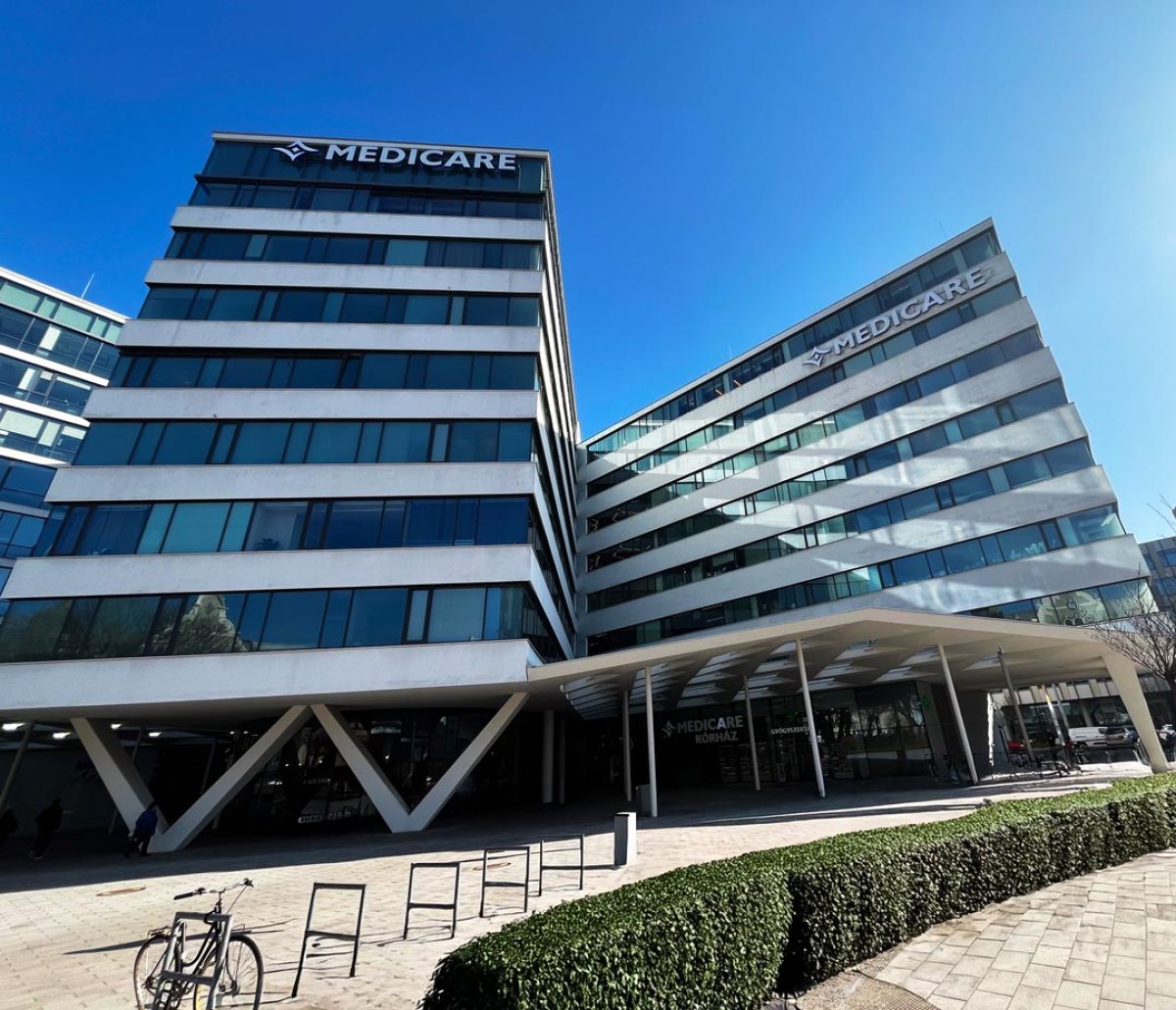

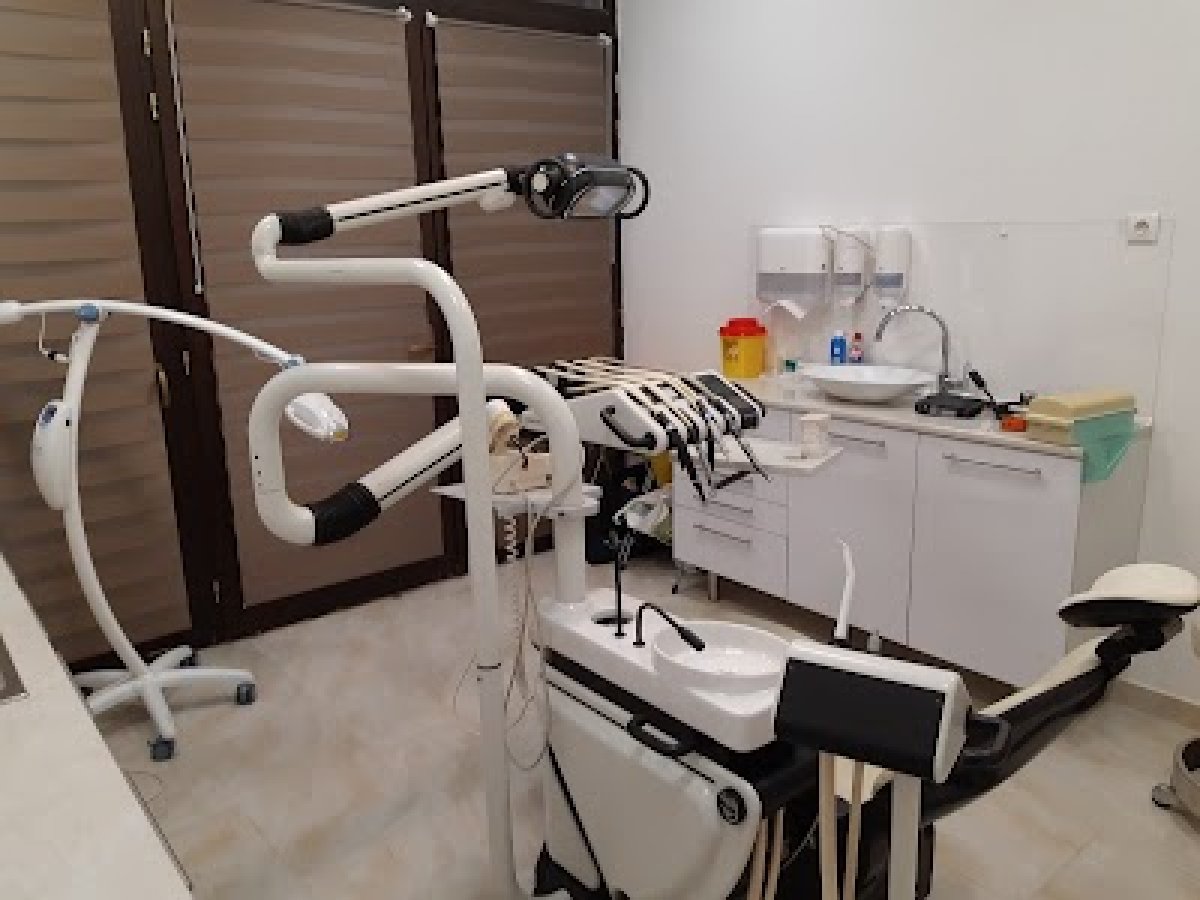
Royal Dental Clinic - Fogászati Rendelő
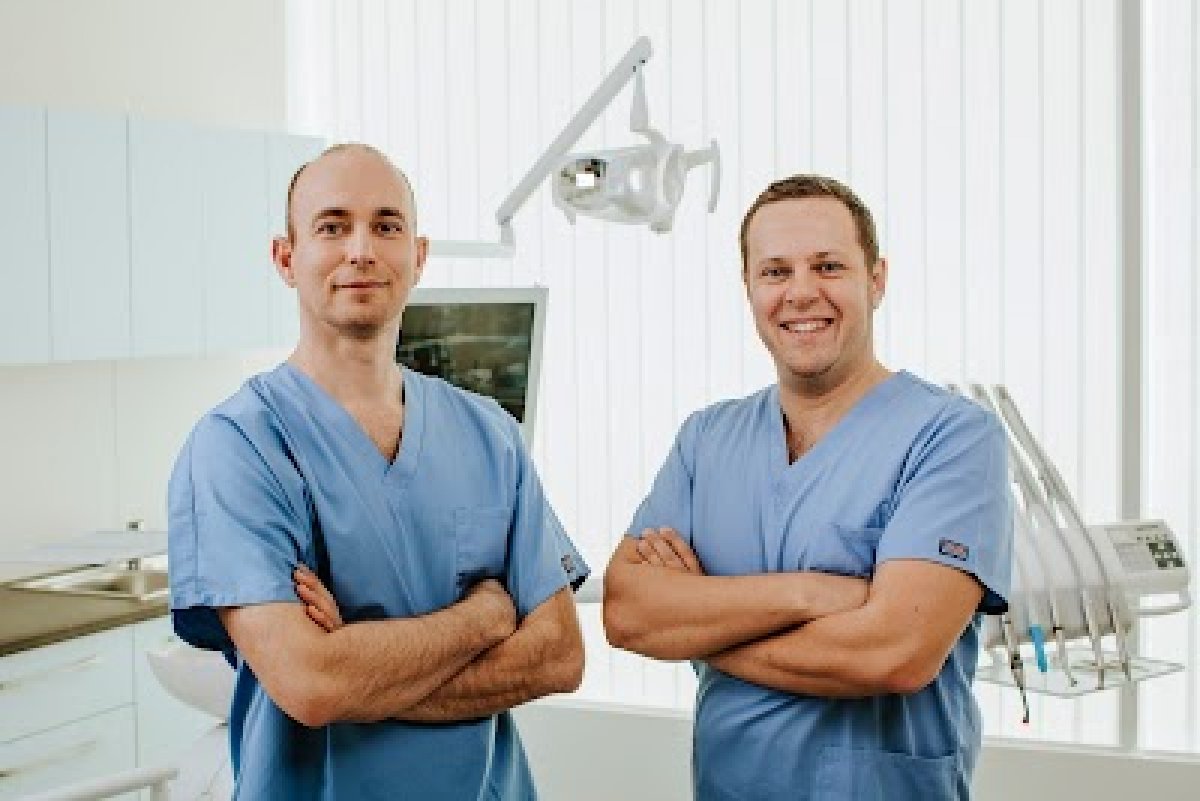
Save on Dental Care - SODC Dental Clinic
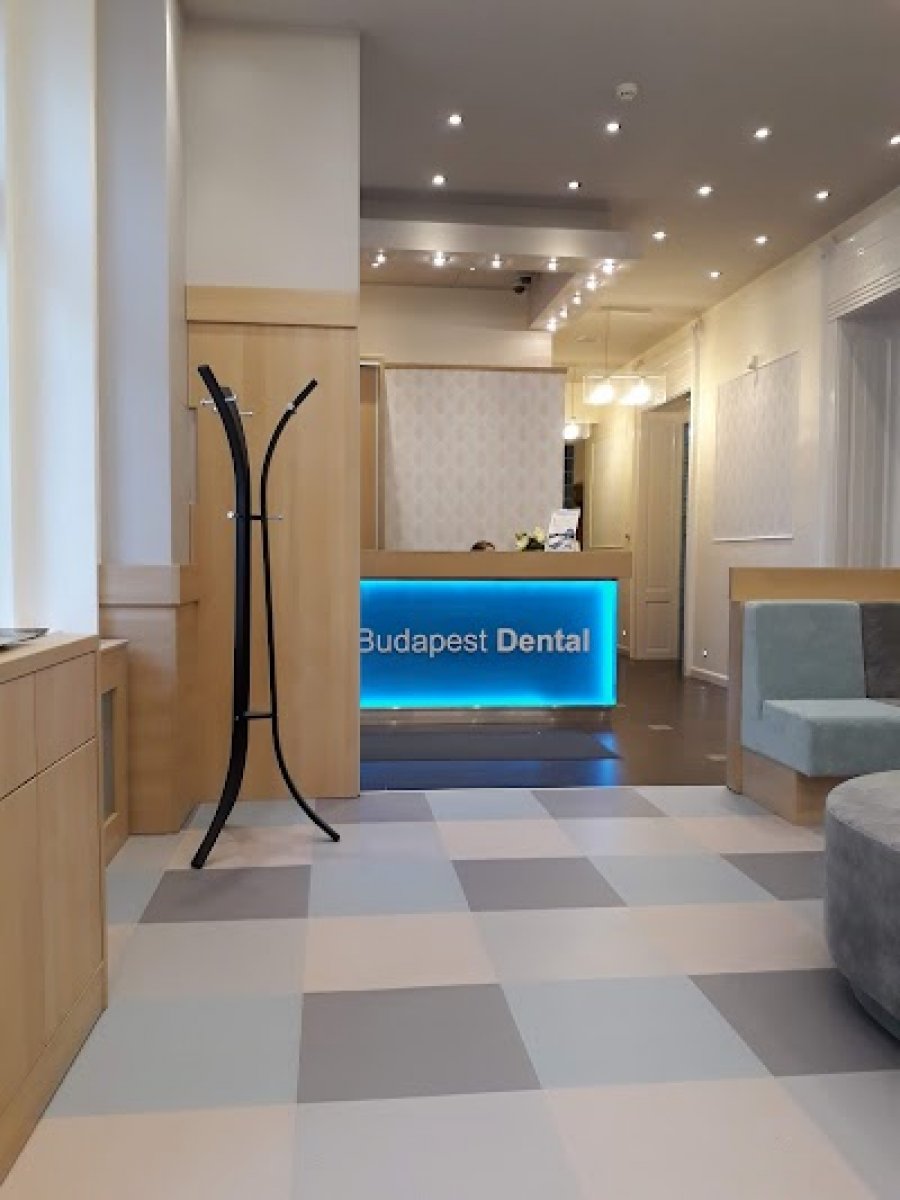
Budapest Dental Dentistry Budapest XIII. district
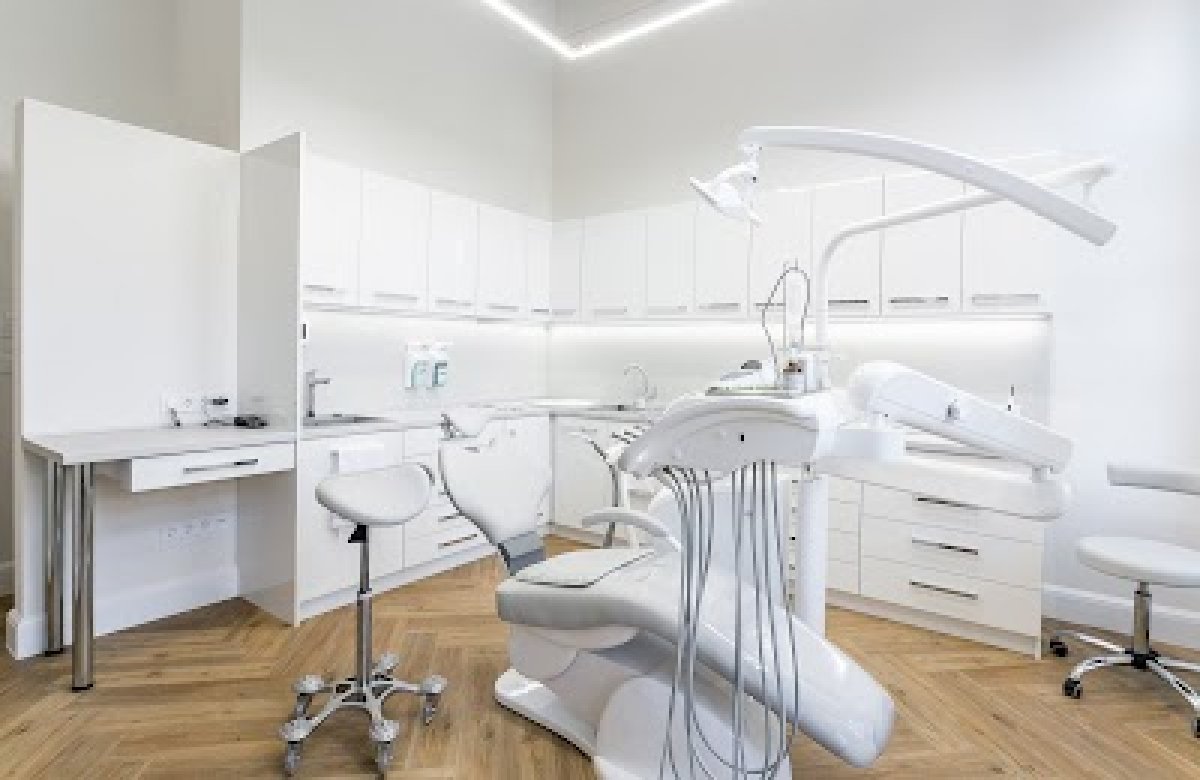
Prizma Dental

Debrecenimplant

MEDOLIS DERMA
أفضل مراكز جراحة الأعصاب في هنغاريا
- Medicover Hospital Hungary, هنغاريا
- Medicare Dental Clinic (Medicare Eiffel Dental Clinic), هنغاريا
- Royal Dental Clinic - Fogászati Rendelő, هنغاريا
- Save on Dental Care - SODC Dental Clinic, هنغاريا
- Budapest Dental Dentistry Budapest XIII. district, هنغاريا
- Prizma Dental , هنغاريا
- Debrecenimplant, هنغاريا
- MEDOLIS DERMA, هنغاريا
مواد ذات صلة
عرض المزيد من التفاصيل
ما هي تكلفة علاج تمدد الأوعية الدموية في الدماغ (الدماغ)؟
كتب بواسطة Illya Kozynets

كم يكلف علاج أورام العمود الفقري؟
كتب بواسطة Veronika Kazina

ما هو تشوه خياري؟
كتب بواسطة Veronika Kazina

كم تكلفة جراحة حج القحف؟
كتب بواسطة Veronika Kazina

طرق وأسعار علاج الانزلاق الغضروفي في إسرائيل: استئصال القرص ، استئصال الصفيحة الفقرية
كتب بواسطة Veronika Kazina
مشاركة المحتوى
قصص فيديو من مرضى Bookimed
 Anna Leonova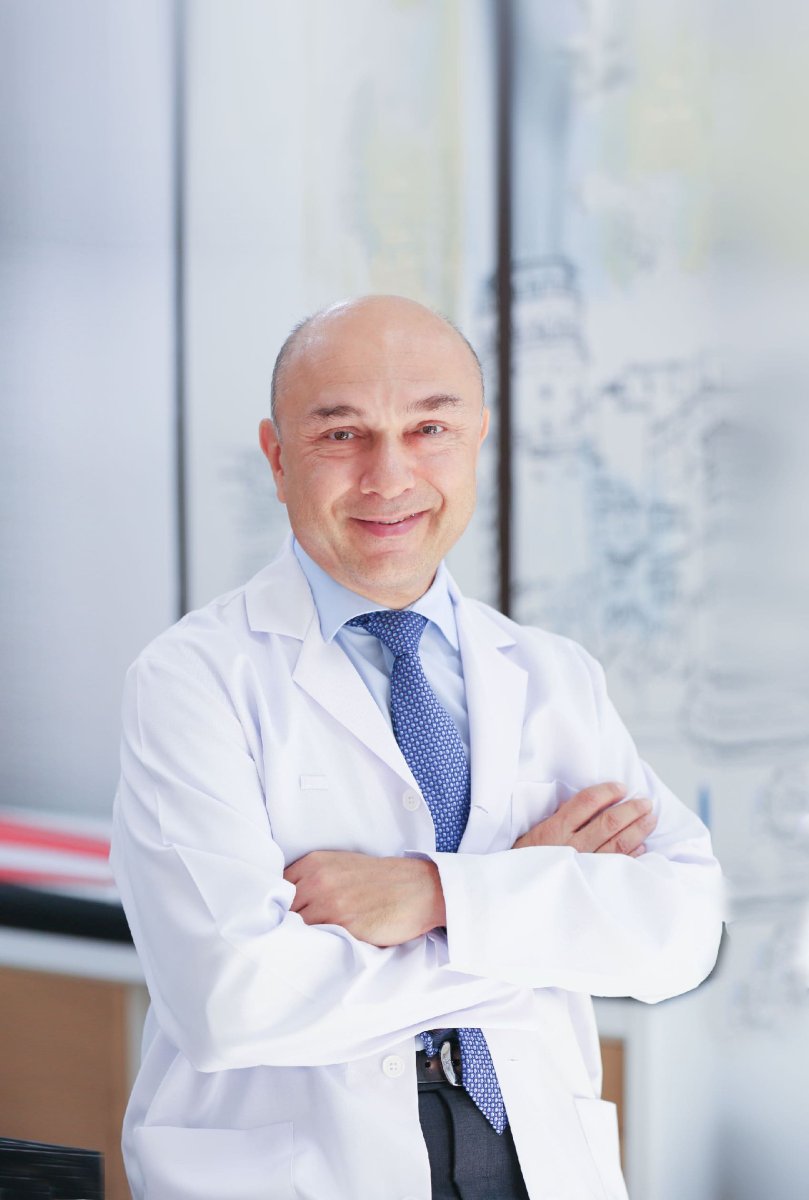
أسئلة متكررة حول جراحة الأعصاب في هنغاريا
فترة النقاهة: كم سأبقى في المستشفى ومتى يمكنني العودة إلى حياتي الطبيعية؟
في المجر، تتطلب جراحة الأعصاب عادةً البقاء في المستشفى لمدة تتراوح بين 3 و7 أيام. أما المرضى الذين يخضعون لجراحة دماغية عادية، فغالباً ما يمكثون في المستشفى لمدة تتراوح بين 3 و5 أيام. وبعد جراحات قاعدة الجمجمة الكبرى أو الحالات المعقدة، قد تمتد هذه المدة إلى 10 أيام لتحقيق الاستقرار.
- الإقامة في المستشفى: تتطلب معظم جراحات الدماغ القياسية من 3 إلى 5 أيام من العلاج في المستشفى.
- النشاط البدني الخفيف: عادةً ما يستأنف المرضى العمل المكتبي أو المشي الخفيف في غضون أسبوعين إلى أربعة أسابيع.
- العمل البدني: تتطلب المهام الشاقة ورفع الأحمال الثقيلة عادةً فترة نقاهة لا تقل عن 8 أسابيع.
- تصريح القيادة: وفقًا للبروتوكولات المحلية، عادة ما يتم تقييد القيادة لمدة 4-6 أسابيع على الأقل بعد الجراحة.
رأي خبراء بوكيميد: تُظهر بيانات مركز ليف دونا الطبي أن المؤسسات الطبية الكبيرة، التي تُجري 85,000 استشارة سنويًا، تُعطي الأولوية للتحريك المبكر. ويُعدّ بدء العلاج الطبيعي خلال 48 ساعة ممارسةً مُعتادةً لتسريع استقلالية المريض. ويُساعد هذا النهج المرضى على الانتقال من المستشفى إلى المنزل بأمان وسرعة أكبر.
ملاحظات المرضى: غالباً
المؤهلات: ما هي الاعتمادات التي يمتلكها جراحو الأعصاب والمستشفيات المجرية لضمان السلامة والجودة؟
تلتزم مراكز جراحة الأعصاب والأخصائيون في المجر بمعايير السلامة الخاصة بالاتحاد الأوروبي وشهادات الجودة الدولية. وتلتزم مستشفيات مثل مركز ليف دونا الطبي ومستشفى ميديكوفر في المجر بمعايير ISO 9001 وTÜV NORD DIN EN ISO. وتضمن هذه الشهادات رقابة صارمة على الجودة وسلامة العمليات الجراحية المعقدة.
- شهادة المستشفى: تضمن شهادة ISO 9001 الامتثال للمعايير الدولية للعلاج الجراحي الآمن والموثوق.
- التدقيق في الجودة: تقوم TÜV NORD DIN EN ISO بتقييم نظام إدارة الجودة والسلامة السريرية.
- التدريب المتخصص: يكمل الجراحون مثل الدكتور زولتان هورفاث من 5 إلى 8 سنوات من التدريب في الإقامة.
- العضويات المهنية: غالباً ما يحمل المتخصصون مؤهلات الجمعية الأوروبية لجمعيات جراحة الأعصاب (EANS).
رأي خبراء بوكيميد: تُظهر البيانات السريرية أن المؤسسات الطبية الرائدة في بودابست، مثل مركز ليف دونا الطبي، تُعالج عددًا هائلاً من المرضى سنويًا، يصل إلى 85,000 مريض. ويؤدي هذا التدفق الكبير للمرضى الجراحيين إلى تحسين البروتوكولات السريرية ورفع مستوى إجراءات السلامة. وعادةً ما توظف العيادات عالية الأداء أكثر من 250 طبيبًا، مما يضمن توفير رعاية متخصصة باستمرار لإجراءات جراحة الأعصاب.