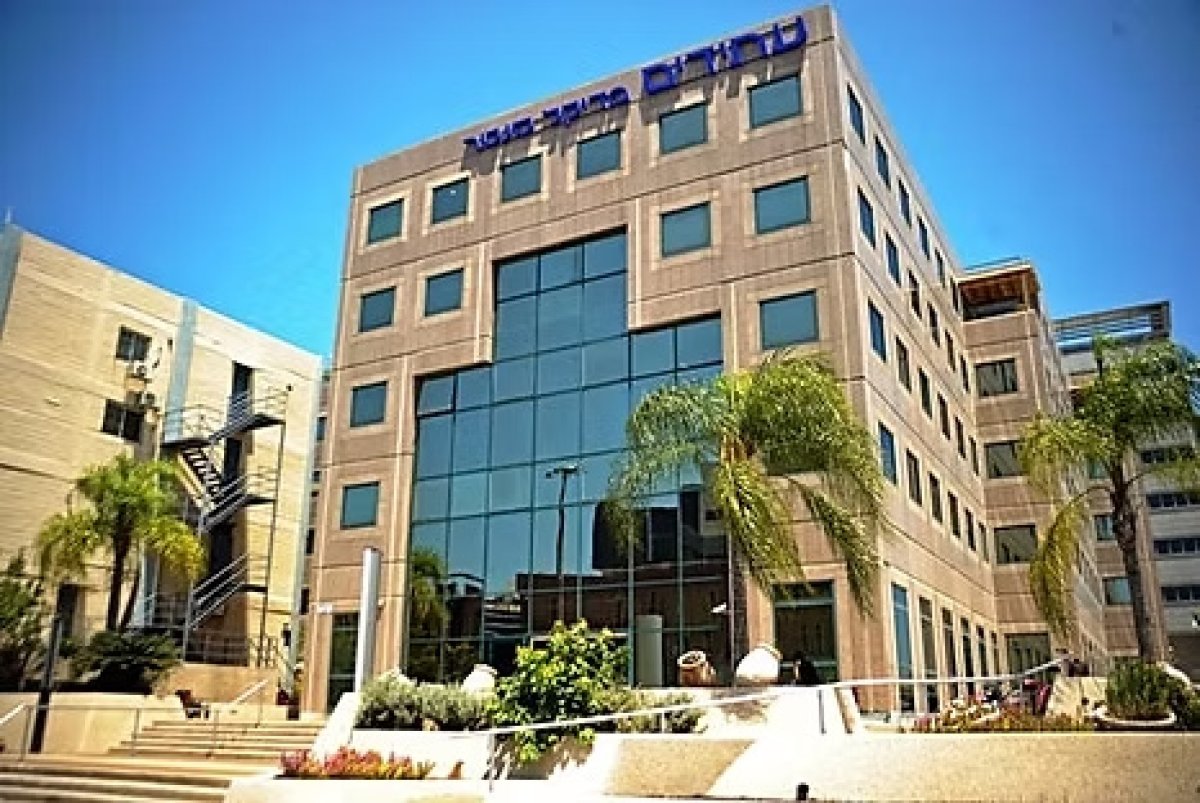
Sourasky Medical Center (Ichilov)
إسرائيل, Tel Aviv
Elyia Levinger
28سنة خبره ١٦ سنة

الاعتمادات : 
العيادة معتمدة من قبل : 





تمت مراجعة المقالة طبيا من قبل
فهد مولود
من $14,300. يعتمد السعر النهائي على التقنية الجراحية المستخدمة، مثل الطرق النافذة أو الطبقية، ونوع العيادة. عادةً ما تشمل عروض الأسعار الأولية للمراكز الطبية الإسرائيلية تكلفة الجراحة والإقامة القصيرة في المستشفى.
رؤية خبير Bookimed: يوفر اختيار مركز ذي كثافة تشغيلية عالية مثل مركز سوراسكي الطبي (إيخيلوف) إمكانية الوصول إلى خبراء معترف بهم عالميًا. يتخصص البروفيسور إيليا ليفينجر والبروفيسورة عنات لوفنشتاين في جراحات القرنية والشبكية المعقدة. يُعد مركز سوراسكي منشأة معتمدة من قبل اللجنة الدولية المشتركة (JCI) ومصنف ضمن أفضل مستشفيات العالم من قبل مجلة نيوزويك. يبلغ متوسط الأسعار هناك حوالي 14,300 دولار، وهو ما يقدم قيمة كبيرة بالنظر إلى معدلات نجاحهم التي تصل إلى 90%. هذا التوازن بين الخبرة الأكاديمية والتكنولوجيا المتقدمة يجعل من إسرائيل خيارًا استراتيجيًا لجراحات العيون عالية الخطورة.
لماذا تختار إسرائيل لعملية ترقيع القرنية؟
احصل على حلول ترقيع القرنية المتقدمة في عيادات موثوقة من $14,300.
| إسرائيل | تركيا | إسبانيا | |
|---|---|---|---|
| رأب القرنية | من $14,300 | من $9,200 | من $19,300 |
Bookimed لا يضيف رسوماً إضافية على أسعار رأب القرنية. الأسعار مأخوذة من قوائم الأسعار الرسمية للعيادات. تدفع مباشرة في العيادة مقابل رأب القرنية عند وصولك.
Bookimed ملتزم بسلامتك. نحن نعمل فقط مع المؤسسات الطبية التي تحافظ على معايير دولية عالية في رأب القرنية ولديها التراخيص اللازمة لخدمة المرضى الدوليين في جميع أنحاء العالم.
Bookimed يقدم مساعدة خبراء مجانية. منسق طبي شخصي يدعمك قبل وأثناء وبعد العلاج، ويحل أي مشاكل. لن تكون وحيداً أبداً في رحلة رأب القرنية.

يقوي العلاج القرنية من خلال الأشعة فوق البنفسجية والريبوفلافين ، مما يمنع حالات العين التقدمية.
تُزرع هذه الجراحة أنسجة القرنية ، مما يحسن الرؤية أو يخفف الألم ، وغالبًا ما يتميز بالشفاء السريع مع الحد الأدنى من التندب.
تستبدل هذه الجراحة سطح العين التالف بأنسجة متبرع صحية لتحسين الرؤية أو تخفيف الألم.
يتضمن الإجراء وضع حلقات صغيرة في العين لإعادة تشكيل القرنية وتحسين الرؤية والراحة.
اليوم الأول: الوصول
اليوم الثاني: ما قبل العملية
اليوم الثالث: عملية شد القرنية
اليوم 4-7: ما بعد العملية
الأسبوع 2-8: إعادة التأهيل
تذكر أن شفاء كل مريض فردي وقد يختلف.
بصفتها المنصة العالمية الرائدة في مجال السياحة العلاجية ، فإن Bookimed.com تتحمل مسؤولية كبيرة أمام عملائها ، بما في ذلك المرضى والمراكز الطبية في إسرائيل. تستند جميع المعلومات المقدمة على Bookimed.com إلى البحث والاستبصار والخبرة وتفي بالاهتمام الكبير المتعلق بالمنتج وما يلي:
نحن نشكل قوائمنا للعيادات والأطباء مع لوائح صارمة لنظام التصنيف التلقائي الذكي الخاص بنا في إسرائيل. يعتمد النظام على أسعار Bookimed الحقيقية للمرضى لتوفير المعلومات الأكثر موضوعية وشفافية حول العيادات والخدمات الطبية هناك.
يقوم عالم البيانات الخبير لدينا في إسرائيل بجمع البيانات يوميًا ، ويراقب ويحسن نظام التصنيف باستخدام التعلم الآلي والذكاء الاصطناعي لضمان تحديث نظام التصنيف وتقديم نتائج دقيقة.
نقوم بجمع آراء عملاء Bookimed في إسرائيل فقط بعد الحصول على خبرة طبية مع العيادة - حتى يتمكن كل شخص على المنصة من الوثوق بالمنشأة التي يختارونها. نحن نسعى جاهدين لجعل المحتوى على منصتنا مفيدًا قدر الإمكان ونضمن حرية التعبير عن الآراء النقدية. وبالتالي ، ننشر مراجعات إيجابية وسلبية ، بهدف أن نكون مصدرًا لاتخاذ قرارات مستنيرة لعملائنا في المستقبل.
على موقع Bookimed.com في إسرائيل ، قد تجد الخيار والراحة للعثور على أفضل الحلول الطبية من كبار مزودي الخدمات الطبية في مكان واحد فقط ، وغالبًا بأسعار تنافسية. للتأكد من تقديم أحدث المعلومات ، يقوم ممثلو العيادة بتحديث السير الذاتية للأطباء ، وقدرات العيادات ، والصور قبل وبعد ، والأسعار ، والحزم ، والعروض الخاصة بأنفسهم قريبًا. يمكنك مقابلة ممثل العيادة والتحقق من تاريخ المحتوى المحدث في صفحة كل عيادة للتأكد من مصداقيتها.
تم إنشاء مدونتنا والقطع الداعمة من قبل مؤلفين محترفين يتمتعون بخبرة لا تقل عن 3 سنوات في الكتابة الطبية ويتم تحريرها من قبل متخصصين طبيين ذوي خبرة سريرية وبحثية ذات صلة في إسرائيل - تم تجنيدهم جميعًا بعناية في الفريق. نحن نسعى جاهدين لتعزيز وصول المريض إلى المعلومات الصحية ، مما يجعلها خبيرة ولكن يسهل فهمها. تتبع جميع القطع إرشادات التحرير الخاصة بـ Bookimed.
نحن مصنوعون من الناس ومن أجلهم - وهذه هي قيمتنا الأساسية في إسرائيل. هذا هو السبب في أن جميع البيانات المقدمة على المنصة يتم جمعها وتحريرها ومراجعتها وتحديثها بانتظام من قبل مرضانا وعياداتنا الشريكة في إسرائيل وفريقنا ، بما في ذلك المجلس الاستشاري الطبي Bookimed ، الذي يتكون من الأطباء المشهورين عالميًا ذوي القيمة خبرة تزيد عن 20 عامًا من الممارسة ، وسمعة طيبة. تعلم المزيد عنا وعن مهمتنا .
في حال وجدت أي خطأ أو لديك أي أسئلة حول المعلومات المقدمة على Bookimed.com في إسرائيل ، فلا تتردد في الاتصال بنا على marketing@bookimed.com .
الدكتور إيليا ليفينجر هو جراح قرنية رائد في إسرائيل، متخصص في رأب القرنية في مركز سوراسكي الطبي.

تتخصص البروفيسورة أنات لوفنشتاين في طب العيون في مركز سوراسكي الطبي (إيخيلوف)، مع التركيز على رعاية العيون المتقدمة.

يتخصص البروفيسور يوفال ياسور في طب العيون وجراحة العيون في مركز سوراسكي الطبي (إيخيلوف).
 Anna Leonova
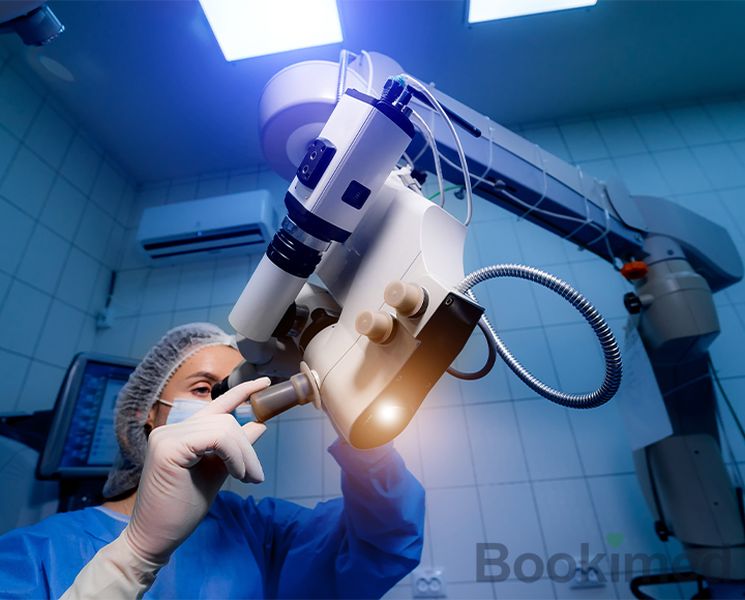
ينطوي رأب القرنية على استبدال أنسجة القرنية التالفة بأنسجة قرنية سليمة من متبرع لاستعادة الرؤية.
تحقق عمليات زراعة القرنية في إسرائيل معدل نجاح مرتفع يتراوح بين 90% إلى 95% للحالات القياسية. تحافظ المرافق الرائدة مثل مركز سوراسكي الطبي على معدلات بقاء الطعم بنسبة 94% بعد عام واحد. تعمل التقنيات المتخصصة مثل DALK و DSAEK على تعزيز هذه النتائج البصرية الإيجابية طويلة المدى.
رؤية خبير Bookimed: يؤكد المتخصصون الإسرائيليون مثل الدكتور إيليا ليفينجر على تفضيل تقنية DALK على الطعوم كاملة السماكة كلما أمكن ذلك. تظهر بياناتنا أن هذا النهج ذو السماكة الجزئية يوفر طول عمر فائق للطعم. هذا مهم لأن نجاح تقنية PK القياسية غالباً ما ينخفض إلى 50% بعد 20 عاماً. اختيار التقنيات الصفائحية يحافظ على الطبقة الداخلية لقرنية المريض، مما يقلل بشكل كبير من مخاطر الرفض مدى الحياة.
إجماع المرضى: يبلغ معظم المرضى عن رؤية وظيفية ممتازة تصل إلى 20/40 أو 20/60 بعد التعافي الكامل. ويشيرون إلى أن الاستخدام المستمر لقطرات العين الوقائية هو واقع النجاح طويل المدى.
تشمل الأنواع الرئيسية لترقيع القرنية في إسرائيل ترقيع القرنية النافذ (PK) للإصلاحات كاملة السماكة والتقنيات الصفائحية المتخصصة مثل ترقيع القرنية الصفائحي الأمامي العميق (DALK). كما تقوم المراكز المتقدمة بإجراء عمليات زرع بطانية وإجراءات مبتكرة مثل زراعة حلقات القرنية وربط الكولاجين المتقاطع لعلاج القرنية المخروطية التقدمية.
رؤية خبير Bookimed: يتميز طب العيون الإسرائيلي بالتحول نحو الجراحة الصفائحية الانتقائية. بينما لا تزال العديد من العيادات العالمية تعتمد على عمليات الزرع التقليدية كاملة السماكة، يعطي المتخصصون في مركز سوراسكي الطبي الأولوية لـ DALK. تقلل هذه التقنية بشكل كبير من مخاطر الرفض. يستخدم الجراحون ذوو الخبرة العالية مثل الدكتور إيليا ليفينجر هذه الأساليب المتقدمة لضمان بقاء الطعم لفترة أطول.
إجماع المرضى: يسعى العديد من المرضى الآن للحصول على آراء ثانية خصيصاً لـ DALK لأنها توفر تعافياً أسرع. وغالباً ما يؤكدون على اختيار جراحين يتمتعون بخبرة فنية في التقنيات الصفائحية بدلاً من الطرق الت
تشمل دواعي زراعة القرنية في المقام الأول الحالات التي تسبب فقدانًا حادًا في الرؤية أو تلفًا هيكليًا. وتعد ضمور فوكس البطاني، والقرنية المخروطية، واعتلال القرنية الفقاعي بعد جراحة الساد من الأسباب الرئيسية. كما يقوم المتخصصون بإجراء الجراحة لعلاج الحروق الكيميائية، والعدوى المعقدة، والندوب الدائمة الناتجة عن صدمات العين السابقة.
رؤية خبير Bookimed: في إسرائيل، يعطي الجراحون الأولوية للبدائل غير الجراحية مثل ربط القرنية المتقاطع أو زراعة الحلقات أولاً. غالبًا ما يوصي كبار الجراحين في مركز سوراسكي الطبي بالزراعة فقط عندما تكون القرنية رقيقة جدًا بحيث لا تسمح بتقنيات الليزر. يساعد هذا النهج المحافظ العديد من المرضى على تأخير أو تجنب الجراحة الكبرى تمامًا.
إجماع المرضى: يجد العديد من المرضى أن الجراحة هي الملاذ الأخير بعد فشل العدسات. يشير معظمهم إلى أنه على الرغم من تحسن الرؤية بشكل ملحوظ، إلا أن العدسات الصلبة المتخصصة لا تزال ضرورية للحصول على أقصى درجات الوضوح.
يُعد أطباء العيون الإسرائيليون رواداً عالميين في مجال رأب القرنية الحديث، حيث يستخدمون تقنيات متقدمة بمساعدة الليزر وزراعة القرنية الاصطناعية الرائدة. يحافظ المتخصصون في مراكز مثل مركز سوراسكي الطبي على اعتماد اللجنة الدولية المشتركة (JCI) أثناء إجراء عمليات معقدة تشمل الربط المتقاطع (cross-linking)، وزراعة حلقات القرنية، وعمليات زرع البطانة الحديثة.
رؤية خبير Bookimed: تُعد إسرائيل وجهة فريدة لأن الجراحين هنا غالباً ما يبتكرون التكنولوجيا بأنفسهم. على سبيل المثال، تم اختراع القرنية الاصطناعية CorNeat في إسرائيل. إن اختيار جراح كبير في مركز عالي الكفاءة مثل سوراسكي يضمن لك الوصول إلى خبراء يطورون هذه البروتوكولات الحديثة فعلياً بدلاً من مجرد اتباعها.
إجماع المرضى: تحظى إسرائيل باعتراف واسع كمركز لابتكارات القرنية. يوصي المرضى بالبحث عن متخصصين مكرسين للقرنية في الحالات المعقدة، خاصة عندما يتردد الأطباء المحليون بشأن البروتوكولات الأحدث مثل الغرسات الاصطناعية.
عادةً ما تسمح فترة التعافي بعد جراحة القرنية في إسرائيل للمرضى بالعودة إلى العمل الخفيف أو الأنشطة اليومية في غضون أسبوعين إلى 4 أسابيع. يتراوح استقرار الرؤية الكامل من 4 إلى 6 أشهر لعمليات ترقيع القرنية الجزئي (DALK) وما يصل إلى 18 شهراً لإجراءات ترقيع القرنية الكامل (PK).
رؤية خبراء Bookimed: يستخدم المتخصصون الإسرائيليون، مثل الدكتور إيليا ليفينجر في مركز سوراسكي الطبي، تقنيات DALK المتقدمة التي تقصر فترة التعافي بشكل كبير. اختيار الجراحة الجزئية بدلاً من PK التقليدية يمكن أن يقلل الجدول الزمني لإعادة تشكيل الأنسجة بالكامل من 18 شهراً إلى 6 أشهر فقط. هذا الاختلاف حيوي للمرضى الذين يعطون الأولوية للعودة السريعة للقيادة أو الأنشطة الرياضية.
إجماع المرضى: توقع تهيجاً يمكن التعامل معه خلال الأسبوع الأول واستخدام قطرات العين بانتظام حتى 8 مرات يومياً. يجد معظم الناس أن الرؤية تستقر بما يكفي للحصول على وصفة طبية جديدة للنظارات بعد حوالي شهر من الإجراء.
يجب على المرضى الذين يخضعون لعملية ترقيع القرنية في إسرائيل التخطيط للبقاء لمدة تتراوح بين 10 إلى 14 يوماً. يسمح هذا الإطار الزمني للجراحين في مراكز مثل مركز سوراسكي الطبي بمراقبة اندماج الطعم وإجراء فحوصات المتابعة الأساسية. يجب عليك أيضاً الحصول على تصريح ETA-IL قبل الوصول لزيارات عام 2026.
رؤية خبير Bookimed: بينما يتناسب التعافي الأساسي مع أسبوع واحد، فإن اختيار منشأة معتمدة من JCI في تل أبيب مثل مركز سوراسكي الطبي يوفر الوصول إلى متخصصين مثل الدكتور إيليا ليفينجر. تشير أبحاثه الفريدة في تصميم الرؤية البشرية إلى أن المراقبة الموسعة بعد العملية تحسن بشكل كبير معدلات نجاح الطعم على المدى الطويل.
إجماع المرضى: يوصي المسافرون بالبقاء لمدة أسبوعين على الأقل للتعامل مع التورم المحتمل والتأكد من إعطاء الأدوية بشكل صحيح قبل المغادرة. يؤكد الكثيرون على إحضار الوصفات الطبية الأصلية لتجنب التأخير في الصيدليات المحلية خلال مرحلة الشفاء الحرجة.
تشمل أفضل العيادات لعملية رأب القرنية في إسرائيل المرافق المعتمدة من قبل اللجنة الدولية المشتركة (JCI) مثل مركز سوراسكي الطبي (إيخيلوف)، ومركز شيبا الطبي، ومركز هداسا الطبي. تقدم هذه المؤسسات تقنيات جراحية متقدمة مثل DALK وDMEK مع معدلات نجاح تصل إلى 95% لعمليات زراعة القرنية المعقدة.
رؤية خبير Bookimed: بينما توفر المراكز الخاصة مثل أسوتا جدولة أسرع، تخدم المستشفيات العامة الكبرى مثل سوراسكي أكثر من 1,800,000 مريض سنوياً. يضمن هذا الحجم الهائل احتفاظ الجراحين بكفاءة عالية في عمليات رأب القرنية النافذة المعقدة. بالنسبة للمرضى الدوليين، يوفر مركز سوراسكي قيمة مضافة كبيرة من خلال تضمين خدمات النقل المجاني من المطار والمترجمين المحترفين ضمن هيكل خدماتهم.
إجماع المرضى: يؤكد المرضى على أهمية التمييز بين علاجات القرنية المخروطية مثل الربط المتقاطع (cross-linking) وعمليات الزرع الفعلية. ويوصون بسؤال الجراحين صراحة عن حجم حالاتهم الشخصية لإجراءات محددة مثل DALK.
تُعدّ إسرائيل مركزًا رائدًا في جراحة الأعصاب بفضل مزيجها من التطورات الطبية عالية التقنية والخبرات الجراحية المتميزة. وتستخدم مرافق متطورة مثل مركز شيبا الطبي أنظمة ملاحة تعتمد على الذكاء الاصطناعي والتصوير بالرنين المغناطيسي أثناء الجراحة في الوقت الفعلي. وتشير المراكز المتخصصة إلى نسبة نجاح تصل إلى 98% في العمليات الجراحية المعقدة، بما في ذلك جراحة الدماغ مع اليقظة وعلاج اضطرابات الحركة.
رأي خبراء بوكيمد: تُظهر البيانات فرقًا واضحًا بين خيارات العلاج في القطاعين العام والخاص في إسرائيل. تُجري المراكز الخاصة، مثل مركز أسوتا الطبي، أكثر من 92,000 عملية جراحية سنويًا، وتتيح للمرضى اختيار جراح را
يعالج جراحو الأعصاب الإسرائيليون طيفاً واسعاً من الحالات، بدءاً من أورام الدماغ والحبل الشوكي وصولاً إلى الاضطرابات الوظيفية المعقدة. وتستخدم المراكز المتخصصة أحدث التقنيات، مثل جهاز جاما نايف، والتحفيز العميق للدماغ، والتصوير بالرنين المغناطيسي أثناء الجراحة، لتشخيص دقيق للغاية لحالات الصرع، ومرض باركنسون، وأمراض الأوعية الدموية الدماغية.
رأي خبراء بوكيمد: غالبًا ما تجمع المستشفيات الإسرائيلية بين تخصصات طبية متعددة لمعالجة الحالات المعقدة. ففي مركز سوراسكي ا
تضم إسرائيل مراكز جراحة أعصاب عالمية المستوى، مثل مركز سوراسكي الطبي، ومركز شيبا الطبي، ومركز هداسا الطبي. وتُعدّ هذه المؤسسات رائدة عالميًا في علاج أورام الدماغ المعقدة، وأمراض العمود الفقري، واضطرابات الحركة. وتستخدم أحدث التقنيات، مثل جهاز جاما نايف، والأنظمة الروبوتية، والتصوير بالرنين المغناطيسي أثناء الجراحة.
رأي خبراء بوكيمد: تُظهر بياناتنا أنه بينما يلجأ معظم المرضى للعلاج في تل أبيب، يُقدّم مركز رامبام الطبي في حيفا رعايةً فريدةً لإصابات الدماغ. فهو يضم وحدةً متخصصةً للعناية المركزة العصبية تُعالج ما يقارب مليون مريض سنويًا. وهذا ما يجعله