تكبير الثدي في إسرائيل — احصل على أفضل 3 عيادات مع التكاليف


تمت مراجعة المقالة طبيا من قبل
فهد مولود
كيف نعمل؟
ما هي تكلفة تكبير الثدي في إسرائيل؟ اكتشف الآن
| إسرائيل | تركيا | تايلاند | |
|---|---|---|---|
| تكبير الثدي | من $9,000 | من $2,800 | من $3,200 |
| تكبير الثدي مع نقل الدهون | ≈ $7,500 | من $3,200 | من $3,700 |
| تكبير الثدي بزراعة غرسات قطرة الدموع | ≈ $6,200 | من $3,300 | من $3,900 |
| تكبير الثدي بزراعات المحلول الملحي | ≈ $5,800 | من $5,000 | من $3,000 |
| تكبير الثدي باستخدام غرسات السيليكون | ≈ $6,500 | من $4,000 | من $3,200 |
اكتشف أفضل تكبير الثدي العيادات في إسرائيل: 7 خيارات معتمدة والأسعار





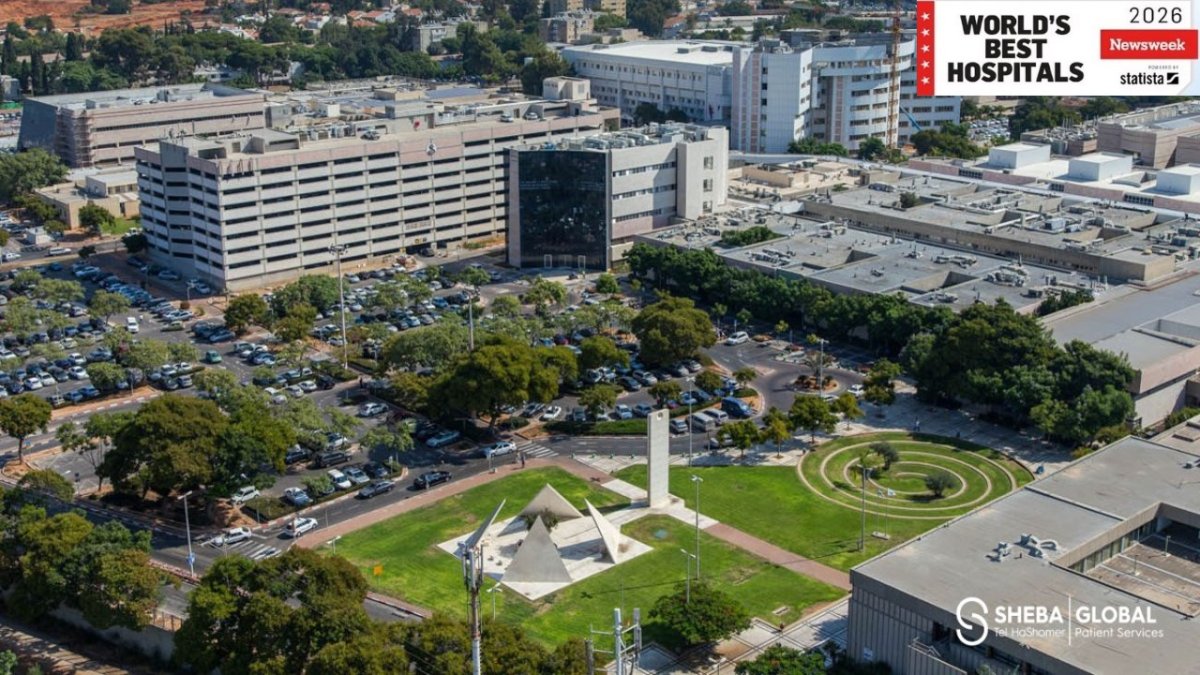








Herzliya Medical Center
Meir Medical Center
تكبير الثدي في إسرائيل: جدول زمني يومي
اليوم 1: الوصول إلى إسرائيل
- عند وصولك إلى إسرائيل، يجب أن تكون جميع مستنداتك الطبية، بما في ذلك نتائج الفحوصات والتقارير الطبية، جاهزة للاستشارة الأولية.
- تحقق من مكان إقامتك واسترح من رحلتك.
- اتصل بالعيادة لتأكيد وصولك وتحديد موعد الاستشارة الطبية.
- جهزي أي أسئلة قد تكون لديكِ لفريقك الطبي بشأن إجراء عملية تكبير الثدي.
اليوم 2: استشارة ما قبل العملية
- عليكِ حضور الاستشارة المحددة لكِ في العيادة. أحضري جميع مستنداتك الطبية للمراجعة الشاملة.
- الخضوع لأية فحوصات إضافية أو متكررة وفحوصات معملية حسب طلب الخبراء لفهم حالتك بشكل أوضح.
- مناقشة النتائج والتوقعات التي ترغبين فيها من عملية تكبير الثدي مع الجراح.
- سيقدم الجراح أفضل خيارات العلاج، بما في ذلك اختيار الحشوات المزروعة، مثل منتور أو أليرجان والتقنيات الجراحية التي يمكن استخدامها.
- قومي بتأكيد تاريخ ووقت الجراحة، واطرحي أي أسئلة متبقية لديك.
اليوم 3: التحضير قبل الجراحة
- اتبع أي تعليمات محددة يقدمها لك الجراح، والتي قد تشمل الصيام أو تجنب بعض الأدوية.
- شراء أي مستلزمات ضرورية بعد الجراحة، مثل الملابس الضاغطة أو الأدوية الموصوفة.
- ترتيب المواصلات من العيادة وإليها في يوم الجراحة.
- تأكد من وجود شخص داعم يمكنه مساعدتك بعد العملية.
اليوم 4: يوم الجراحة
- الوصول إلى العيادة في الوقت المحدد لإجراء جراحة تكبير الثدي.
- قومي بالتحضيرات التي تسبق الجراحة، بما في ذلك تغيير الملابس الجراحية ومقابلة طبيب التخدير.
- ستستغرق الجراحة عادةً من ساعة إلى ساعتين حسب درجة تعقيد العملية.
- بعد الجراحة، سيتم نقلكِ إلى غرفة الإفاقة حيث سيراقب الطاقم الطبي تعافيكِ الأولي.
- بمجرد موافقة الطاقم الطبي، سيتم نقلك إلى مكان إقامتك مع تعليمات مفصلة للرعاية بعد الجراحة.
اليوم 5-6: التعافي الأولي
- الراحة واتباع تعليمات الرعاية بعد الجراحة التي يقدمها لك الجراح، بما في ذلك تناول الأدوية الموصوفة وارتداء الملابس الضاغطة.
- تجنب أي أنشطة مجهدة واتبع التوصيات الغذائية للمساعدة في التعافي.
- راقب أي علامات للمضاعفات، مثل التورم المفرط أو الكدمات أو الألم غير المعتاد، واتصل بالعيادة إذا لزم الأمر.
- احضر أي مواعيد متابعة مجدولة لضمان الشفاء السليم.
اليوم 7: موعد المتابعة
- احضر موعداً للمتابعة في العيادة لتقييم مدى تقدمك في التعافي.
- سيقوم الجراح بفحص موضع الجراحة والتأكد من حدوث الشفاء المناسب.
- ناقش أي مخاوف أو أسئلة لديك بشأن عملية التعافي.
- احصل على مزيد من الإرشادات بشأن موعد استئناف الأنشطة العادية وأي مواعيد متابعة إضافية مطلوبة.
اليوم 8-10: استمرار التعافي والاستعداد للعودة إلى المنزل
- استمر في الراحة واتباع نصائح الجراح بشأن الأنشطة والرعاية.
- استأنف الأنشطة الخفيفة تدريجياً حسب توصيات فريقك الطبي.
- تأكد من حصولك على جميع الوثائق اللازمة وتعليمات الرعاية بعد العملية الجراحية لعودتك إلى المنزل.
- اتصل بالعيادة إذا ظهرت أي مشاكل أو إذا كانت لديك أسئلة قبل مغادرتك.
اليوم 11: المغادرة من إسرائيل
- تأكد من أن جميع متعلقاتك ووثائقك الطبية جاهزة للسفر.
- غادر مكان إقامتك وتوجه إلى المطار لرحلة العودة إلى الوطن.
- استمر في اتباع تعليمات الرعاية اللاحقة للعمليات الجراحية واحضر أي مواعيد متابعة مجدولة مع مقدم الرعاية الصحية المحلي.
- حافظ على التواصل مع العيادة في إسرائيل إذا كانت لديك أي استفسارات بعد العملية الجراحية أو كنت بحاجة إلى مزيد من المساعدة.
تلتزم Bookimed، وهي منصة عالمية رائدة في مجال السياحة الطبية، بمساعدة العملاء الذين يبحثون عن تكبير الثدي في إسرائيل من خلال تقديم مساعدة الخبراء والحلول الطبية الجديرة بالثقة لكل حالة. يُستخدم نظام التصنيف التلقائي الذكي لإنشاء قوائم عيادات شفافة، ويتم صيانتها بدقة بواسطة عالم بيانات يستخدم الذكاء الاصطناعي للتأكد من دقتها. تضمن المنصة الأصالة من خلال نشر مراجعات من مرضى حقيقيين بعد علاجهم. يقدم Bookimed حلولاً طبية شاملة، مع تحديثات من العيادات لضمان الثقة. المحتوى الخاص بتكبير الثدي في إسرائيل، والذي وضعه مؤلفون طبيون ذوو خبرة ومراجعته من قبل متخصصين، يلتزم بإرشادات التحرير الخاصة بـ Bookimed ، مما يعكس التزام المنصة بتقديم معلومات صحية واضحة وعالية الجودة. لمزيد من التفاصيل أو الاستفسارات، لا تتردد في الاتصال بنا على Marketing@bookimed.com أو معرفة المزيد عنا وعن مهمتنا عن Bookimed .
احصل على تقييم طبي لـ تكبير الثدي في إسرائيل: اختر أخصائيك من بين الأفضل في هذا المجال
عرض جميع الأطباء
Aaron Amir
الدكتور هو جراح تجميل ترميمي مشهور متخصص في إعادة بناء الرأس والوجه والرقبة والصدر المعقدة، خاصة بعد إزالة الأورام الخبيثة. مع خبرة واسعة، يعمل الدكتور كرئيس لخدمة الجراحة المجهرية في مجموعة ماونت كارمل الطبية وكجراح رئيسي في قسم جراحة التجميل في مركز سوراسكي الطبي. كما عمل الدكتور في مستشفى تورونتو العام، مع التركيز على إعادة البناء الجراحي المجهري.<\/p>
بعد تخرجه من كلية الطب ساكلر بجامعة تل أبيب، أكمل الدكتور تخصصات في جراحة التجميل والجراحة الترميمية المعقدة للرأس والرقبة. الد

Benjamin Mailyk
_doctor_334_عاماً_ من الخبرة في الجراحة التجميلية – الدكتور مايليك هو أخصائي مشهور عالمياً في مركز سوراسكي الطبي.
- متخصص في تكبير الثدي وعمليات تجميل ما بعد الولادة (Mommy Makeover)
- خبير في شفط الدهون وجراحة شد الأرداف البرازيلية (BBL)
- يمارس عمله في أحد المراكز الطبية الرائدة في إسرائيل

Eal Gur
متخصص في جراحة الثدي التجميلية والترميمية في مركز سوراسكي الطبي، مع زمالة في الجراحة المجهرية في مستشفى تورنتو.
- عضو في الجمعيات الأمريكية والإسرائيلية لجراحة التجميل
- إقامة في جراحة اليد والأنف في تل أبيب
- مدرب على الترميم المجهري لحالات الثدي والساركوما
- حاصل على منح بحثية متعددة من مؤسسات مرموقة

Liron Eldor
مدير قسم جراحة التجميل والترميم للرأس والرقبة في مركز رامبام الطبي - الدكتور إلدور متخصص في ترميم وتكبير الثدي.
- درجة في الطب العام وتخصص في الجراحة التجميلية من كلية الطب الأمريكية في التخنيون
- فترة تدريب في جامعة بايلور في الولايات المتحدة الأمريكية
- عضو في الجمعية الإسرائيلية للجراحة التجميلية والترميمية
- يدرس الأسباب الوراثية لسرطان الثدي وإعادة تعصيب الثدي بعد الجراحة
قصص فيديو من مرضى Bookimed
المراجعات
جميع المراجعاتمواد ذات صلة
عرض المزيد من التفاصيل
رحلة ألانا في عملية تكبير الثدي باستخدام حشوات قطرة الدموع: فصل جديد من الثقة بالنفس
كتب بواسطة Kateryna Zamkovska

مسار ألونا نحو التجديد: تجربة تكبير الثدي بعد الولادة
كتب بواسطة Kateryna Zamkovska

أفضل 5 أماكن لإجراء عمليات زراعة الثدي الرخيصة في 2025
كتب بواسطة Anna Leonova

زراعة الثدي: كل ما يهم المرأة أن تعرفه
كتب بواسطة Екатерина Трегуб

كم تكلفة زراعة الثدي في عام 2025؟
كتب بواسطة Anna Leonova
مشاركة المحتوى
 Anna Leonova
أسئلة متكررة حول تكبير الثدي في إسرائيل
من هم أفضل جراحي التجميل لعمليات تكبير الثدي في إسرائيل؟
من بين أفضل جراحي التجميل لعمليات تكبير الثدي في إسرائيل الدكتور بنيامين مايليك، والدكتور إيال غور، والدكتورة ليرون إلدور. يعمل هؤلاء الخبراء في مرافق معتمدة من قبل اللجنة الدولية المشتركة (JCI) مثل مركز سوراسكي الطبي ومركز رامبام الطبي. وهم متخصصون في التقنيات التجميلية والترميمية المتقدمة باستخدام السيليكون الطبي وغرسات الدمعة.
- الدكتور بنيامين مايليك: يتمتع بخبرة تزيد عن 35 عاماً في مركز سوراسكي الطبي في تل أبيب.
- الدكتور إيال غور: خبير في الجراحة المجهرية وترميم الثدي المعقد، وتلقى تدريبه في جامعة تورنتو.
- الدكتورة ليرون إلدور: تدير قسم الجراحة الترميمية في مركز رامبام الطبي ولديها تدريب سريري في الولايات المتحدة.
- معايير المرافق: يمارس معظم كبار الجراحين عملهم في مستشفيات مصنفة ضمن الأفضل عالمياً من قبل مجلة نيوزويك.
رؤية خبير Bookimed: تتميز جراحة التجميل الإسرائيلية بأن كبار المتخصصين مثل الدكتورة إلدور والدكتور غور غالباً ما يشغلون أدواراً مزدوجة في الأبحاث العامة والممارسة الخاصة. وهذا يتيح للمرضى الوصول إلى تقنيات جراحية تم تطويرها في الأصل للترميم المعقد في إطار تجميلي. وبينما يعد التكبير الأساسي أمراً شائعاً، غالباً ما يتعامل هؤلاء الجراحون مع حالات عالية الخطورة، مما يضمن هامش أمان لا يمكن للعيادات الصغيرة المعتادة مطابقته.
إجماع المرضى: يُنصح المرضى بالتحقق من شهادات البورد من خلال الجمعية الإسرائيلية لجراحي التجميل. غالباً ما يعتمد النجاح على مراجعة محافظ أعمال الجراحين، خاصة صور "قبل وبعد" لنوع الغرسة
ما هو متوسط فترة التعافي بعد جراحة الثدي في إسرائيل؟
يتضمن متوسط التعافي بعد جراحة الثدي في إسرائيل فترة راحة أولية تتراوح من أسبوع إلى أسبوعين، حيث يعود معظم المرضى إلى الأنشطة اليومية الخفيفة في غضون 14 يوماً. يتطلب التئام الأنسجة الكامل واستقرار الغرسات عادةً من 6 إلى 8 أشهر للحصول على أفضل النتائج.
- فترة الراحة الأولية: يعود معظم المرضى إلى العمل المكتبي في غضون 7 إلى 10 أيام.
- قيود النشاط: يجب تجنب رفع الأثقال والتمارين الشاقة لمدة 4 إلى 6 أسابيع.
- النهج الجراحي: قد يتطلب وضع الغرسة تحت العضلة فترة تعافي أطول لاستعادة حركة الذراع بالكامل.
- المراحل الرئيسية: يُسمح بالقيادة عموماً بعد أسبوعين بمجرد التوقف عن تناول مسكنات الألم.
رؤية خبير Bookimed: تستخدم العيادات الإسرائيلية مثل مركز سوراسكي الطبي تقنيات جراحية دقيقة تعطي الأولوية للحفاظ على الأعصاب. تظهر البيانات أن هذه الأساليب الدقيقة المتقدمة تساعد في استعادة الإحساس بشكل أسرع، على الرغم من أن استقرار الغرسة الكامل يظل عملية بيولوجية ثابتة تستغرق من 6 إلى 8 أشهر بغض النظر عن سرعة الجراحة.
إجماع المرضى: يقترح الكثيرون التخطيط لأخذ إجازة لمدة أسبوعين من العمل للتعامل مع قيود الحركة المبكرة. في حين أن الانزعاج الشديد يتلاشى عادةً بحلول اليوم الرابع عشر، غالباً ما يستمر ضعف طفيف حتى علامة الشهر الواحد.
هل أحتاج إلى تغيير حشوات الثدي بعد 10 سنوات؟
لا تحتاجين إلى استبدال حشوات الثدي بعد 10 سنوات إذا ظلت سليمة وبدون أعراض. على الرغم من أن العديد من الشركات المصنعة تقدم ضمانات لمدة 10 سنوات، إلا أن الحشوات الحديثة غالباً ما تدوم 20 عاماً أو أكثر. لا يوصي الجراحون بالاستبدال إلا إذا كنت تعانين من تمزق أو ألم أو تصلب في الأنسجة الندبية.
- المراقبة الروتينية: تقترح إرشادات إدارة الغذاء والدواء (FDA) إجراء فحوصات بالموجات فوق الصوتية أو التصوير بالرنين المغناطيسي بدءاً من 5-6 سنوات بعد الجراحة.
- فحص الأعراض: المراجعة ضرورية في حالات انكماش المحفظة، أو تحرك الحشوة، أو انكماشها الملحوظ.
- طول عمر الجهاز: حوالي 80% من المرضى لا يحتاجون إلى مراجعة خلال العقد الأول.
- المعايير الإسرائيلية: تستخدم المراكز المعتمدة من قبل JCI مثل مركز أسوتا الطبي تقنيات تصوير متقدمة لضمان سلامة الحشوات.
رؤية خبراء Bookimed: تظهر البيانات الصادرة عن مراكز إسرائيلية رائدة مثل مركز شيبا الطبي أن جراحي التجميل والترميم المتخصصين يفضلون غالباً نهج المراقبة والانتظار. نظراً لأن هذه العيادات تجري أكثر من 45,000 عملية سنوياً، فإنهم يؤكدون أن الاستبدال غير الضروري يحمل مخاطر جراحية يمكن تجنبها. بدلاً من الاستبدال التلقائي بعد 10 سنوات، ركزي على فحوصات عالية الدقة المتاحة في المرافق الخاصة في تل أبيب.
إجماع المرضى: يؤكد المرضى أن علامة الـ 10 سنوات غالباً ما تتعلق بضمانات الشركة المصنعة وليس بانتهاء الصلاحية الطبية. أفاد الكثيرون أن حشواتهم ظلت مريحة لما يقرب من 20 عاماً دون الحاجة إلى تدخل.
هل يمكنني الرضاعة الطبيعية بعد إجراء عملية تكبير الثدي في إسرائيل؟
تستطيع معظم المريضات الرضاعة الطبيعية بنجاح بعد تكبير الثدي في إسرائيل لأن الجراحين يعطون الأولوية للتقنيات التي تحافظ على الغدد والقنوات الحليبية. يُعد وضع الغرسة تحت العضلة والشق تحت الثدي (في طية الثدي) من الأساليب القياسية التي يستخدمها المتخصصون الإسرائيليون لحماية القدرة على الرضاعة في المستقبل.
- وضع الغرسة: الوضع تحت العضلة يقلل من التداخل مع الغدد الثديية المنتجة للحليب.
- نوع الشق: الشقوق تحت الثدي تحمل مخاطر أقل من التقنيات المحيطة بالحلمة.
- صحة الأعصاب: تُعد حساسية الحلمة مؤشراً رئيسياً على سلامة وظيفة الأعصاب اللازمة لنجاح عملية الرضاعة.
- استقرار الإمداد: بينما تنتج معظم النساء كمية كافية من الحليب، قد تحتاج بعض المريضات إلى مكملات الحليب الصناعي.
رأي خبراء Bookimed: غالباً ما يتمتع جراحو التجميل الإسرائيليون في مراكز مثل "سوراسكي" أو "شيبا" بخبرة واسعة في الجراحة المجهرية الترميمية، مما يصقل نهجهم في الحالات التجميلية. تشير البيانات إلى أن المريضات اللواتي يخترن جراحين ذوي خلفية في الجراحة المجهرية، مثل أولئك الذين يجرون أكثر من 34,000 عملية سنوياً في "سوراسكي"، يستفدن من تقنيات دقيقة للحفاظ على الأعصاب. إذا كنتِ تخططين للرضاعة الطبيعية، ابحثي عن متخصصين مثل الدكتور إيال غور الذين ينشطون في الجمعيات الدولية للجراحة المجهرية.
إجماع المريضات: تؤكد المريضات أنه على الرغم من أن الجراحة لا توقف إنتاج الحليب، إلا أن الانتظار لمدة خمس سنوات بعد الجراحة قبل الحمل قد يساعد في استقرار الأنسجة. وتوصي الكثيرات باستشا
ما هي أنواع حشوات الثدي المستخدمة في العيادات الإسرائيلية؟
تستخدم العيادات الإسرائيلية في المقام الأول حشوات هلام السيليكون عالية الجودة المعتمدة من قبل وزارة الصحة والهيئات الدولية مثل JCI. يستخدم الجراحون علامات تجارية عالمية بما في ذلك Mentor و Motiva، مع توفير أشكال مستديرة ودمعية. تشمل الخيارات المتقدمة حشوات B-Lite خفيفة الوزن وأنماط Ergonomix سريعة الاستجابة للحصول على نتائج طبيعية.
- مواد الحشوات: هلام السيليكون هو المعيار؛ خيارات المحلول الملحي تستخدم بشكل غير متكرر.
- العلامات التجارية الرائدة: تتوفر Mentor و Motiva على نطاق واسع في مركز سوراسكي الطبي.
- خيارات مبتكرة: تقلل حشوات B-Lite خفيفة الوزن من إجهاد الأنسجة على المدى الطويل للمرضى النشطين.
- الملامح الجمالية: توفر أشكال Ergonomix والأشكال التشريحية الدمعية محيطات طبيعية ومستقرة الشكل.
رؤية خبير Bookimed: بينما تقدم العديد من البلدان علامات تجارية متنوعة، يعطي الجراحون الإسرائيليون في أسوتا وشيبا الأولوية بشكل كبير لـ Mentor و Motiva. يقيد هؤلاء المصنعون المبيعات للمهنيين المعتمدين. غالبًا ما يكون اختيار هذه العلامات التجارية في تل أبيب بمثابة تحقق ثانوي من مؤهلات جراحك.
إجماع المرضى: يعطي المرضى الأولوية لهلام السيليكون لملمسه الطبيعي وغالبًا ما يختارون أنماط Ergonomix للحفاظ على الحركة. يوصي الكثيرون بالتحقق من ضمان العلامة التجارية مباشرة مع العيادة قبل تحديد الموعد.
كيف أعرف ما إذا كنت بحاجة إلى شد الثدي مع تكبيره؟
يعد شد الثدي مع التكبير ضرورياً إذا كنتِ تعانين من تدلي الثدي (ptosis)، حيث تقع حلماتك عند أو أسفل الثنية تحت الثدي. بينما تعمل الغرسات على استعادة الحجم المفقود، إلا أنها لا تستطيع تغيير وضع الحلمات المتجهة للأسفل أو إزالة الجلد الزائد الذي يحدث عادةً بسبب الحمل أو فقدان الوزن.
- وضع الحلمة: من المحتمل أنكِ بحاجة إلى شد إذا كانت الحلمات متجهة للأسفل أو تقع أسفل ثنية الثدي.
- اختبار القلم: يلزم إجراء شد إذا كان القلم يظل ثابتاً تحت ثنية الثدي بشكل طبيعي.
- مرونة الجلد: عادةً ما يتطلب الترهل الكبير أو الفراغ في الجزء العلوي من الثدي شد الجلد للحصول على نتائج شابة.
- تأثير الشلال: قد يؤدي تخطي عملية الشد عند الحاجة إليها إلى جعل الغرسات تبدو غير طبيعية فوق الأنسجة المترهلة.
رؤية خبير Bookimed: غالباً ما تستخدم المراكز الإسرائيلية مثل مركز سوراسكي الطبي تقنيات الجراحة المجهرية لضمان حفظ أفضل للأنسجة أثناء الحالات المشتركة. تظهر البيانات أن المراكز ذات الحجم الكبير التي تجري أكثر من 34,000 عملية سنوياً تعطي الأولوية لهذه الأساليب الدقيقة. هذه الخبرة حيوية لأن إجراء الشد والتكبير في وقت واحد يتطلب مهارة تقنية أعلى من أي إجراء بمفرده.
إجماع المرضى: تندم العديد من المريضات على اختيار التكبير فقط عند وجود ترهل، مشيرات إلى أن الغرسات وحدها لم تعالج مظهر التدلي. ينصحن بشدة بمشاهدة صور "قبل وبعد" لأنواع أجسام مماثلة لفهم سبب أهمية تغيير وضع الحلمة في كثير من الأحيان.
ما هي أكثر مواقع الشق شيوعاً لعمليات تكبير الثدي؟
يستخدم الجراحون بشكل أساسي ثلاثة مواقع للشق الجراحي لتكبير الثدي لضمان ندبات غير واضحة ووضع دقيق للغرسة. وتشمل هذه المواقع: الطية تحت الثدي، والشق حول الهالة، والشق عبر الإبط. يعتمد الاختيار على تشريح جسمك، ونوع الغرسة، وخبرة الجراحين في مراكز مثل مركز سوراسكي الطبي.
- الطية تحت الثدي: يُستخدم هذا الشق في ثنية الثدي في حوالي 60-70% من الحالات الجراحية.
- الشق حول الهالة: يتم وضعه على طول حافة الهالة، وتخفي هذه الطريقة الندبات ولكنها تحمل مخاطر على الحساسية.
- الشق عبر الإبط: يقع في منطقة الإبط، وتتجنب هذه التقنية إجراء أي شقوق في الثدي نفسه.
- الخيار عبر السرة: هذا الشق النادر عبر السرة يقتصر على إجراءات محددة للغرسات الملحية فقط.
رؤية خبير Bookimed: بينما يختار الكثيرون نهج الإبط لتجنب ندبات الثدي، غالباً ما يفضل كبار المتخصصين في إسرائيل الطية تحت الثدي مع استخدام قمع كيلر (Keller funnel). هذا المزيج في العيادات المعتمدة من JCI يقلل بشكل كبير من مخاطر التلوث مقارنة بالشقوق حول الحلمة. ويظل هذا هو المعيار الذهبي للسلامة من بين 34,000 عملية سنوية في المستشفيات الكبرى في تل أبيب.
إجماع المرضى: أفاد معظم المرضى أن الشق في الطية تحت الثدي يوفر أكثر النتائج قابلية للتنبؤ وأسهل فترة تعافي. أما أولئك الذين يختارون موقع الإبط فيقدرون عدم وجود ندبات في الثدي، لكنهم يحذرون من أنه يتطلب جراحاً عالي المهارة لضمان تماثل مثالي للغرسات.
لماذا تُعد إسرائيل واحدة من الوجهات الرائدة في جراحة الأعصاب؟
تُعدّ إسرائيل مركزًا رائدًا في جراحة الأعصاب بفضل مزيجها من التطورات الطبية عالية التقنية والخبرات الجراحية المتميزة. وتستخدم مرافق متطورة مثل مركز شيبا الطبي أنظمة ملاحة تعتمد على الذكاء الاصطناعي والتصوير بالرنين المغناطيسي أثناء الجراحة في الوقت الفعلي. وتشير المراكز المتخصصة إلى نسبة نجاح تصل إلى 98% في العمليات الجراحية المعقدة، بما في ذلك جراحة الدماغ مع اليقظة وعلاج اضطرابات الحركة.
- التكنولوجيا المتقدمة: تستخدم العيادات الموجات فوق الصوتية المركزة الموجهة بالرنين المغناطيسي (MRgFUS) والأنظمة الروبوتية لإجراء الشقوق.
- الخبرة الجراحية: يقود جراحون مثل الدكتور تسفي رام جمعيات دولية بخبرة تزيد عن 25 عامًا.
- الوصول السريع: يمكن للمرضى الدوليين عادةً تحديد مواعيد لإجراء عمليات جراحية معقدة في الدماغ أو العمود الفقري في غضون 2-4 أسابيع.
- الرعاية الطبية المعتمدة: المراكز الكبيرة مثل سوراسكي (إيشيلوف) وأسوتا معتمدة من قبل اللجنة الدولية المشتركة، مما يؤكد سلامتها.
رأي خبراء بوكيمد: تُظهر البيانات فرقًا واضحًا بين خيارات العلاج في القطاعين العام والخاص في إسرائيل. تُجري المراكز الخاصة، مثل مركز أسوتا الطبي، أكثر من 92,000 عملية جراحية سنويًا، وتتيح للمرضى اختيار جراح را
ما هي أنواع الأمراض العصبية التي يتم علاجها في إسرائيل؟
يعالج جراحو الأعصاب الإسرائيليون طيفاً واسعاً من الحالات، بدءاً من أورام الدماغ والحبل الشوكي وصولاً إلى الاضطرابات الوظيفية المعقدة. وتستخدم المراكز المتخصصة أحدث التقنيات، مثل جهاز جاما نايف، والتحفيز العميق للدماغ، والتصوير بالرنين المغناطيسي أثناء الجراحة، لتشخيص دقيق للغاية لحالات الصرع، ومرض باركنسون، وأمراض الأوعية الدموية الدماغية.
- الأمراض السرطانية: علاج الأورام الدبقية والأورام السحائية وأورام الغدة النخامية باستخدام استئصال قاعدة الجمجمة.
- الاضطرابات الوظيفية: علاج مرض باركنسون والرعاش الأساسي باستخدام التحفيز العميق للدماغ.
- أمراض العمود الفقري: تصحيح الجنف، وانزلاق الغضروف، وأورام العمود الفقري باستخدام الأنظمة الروبوتية.
- علاج أمراض الأوعية الدموية الدماغية: العلاج الجراحي لتمدد الأوعية الدموية الدماغية والتشوهات الشريانية الوريدية باستخدام التدخلات داخل الأوعية الدموية.
- جراحة الأعصاب للأطفال: رعاية متخصصة لاستسقاء الرأس والتشوهات الخلقية في مراكز طب الأطفال المتخصصة.
رأي خبراء بوكيمد: غالبًا ما تجمع المستشفيات الإسرائيلية بين تخصصات طبية متعددة لمعالجة الحالات المعقدة. ففي مركز سوراسكي ا
ما هي المستشفيات في إسرائيل التي تشتهر بأقسام جراحة الأعصاب فيها؟
تضم إسرائيل مراكز جراحة أعصاب عالمية المستوى، مثل مركز سوراسكي الطبي، ومركز شيبا الطبي، ومركز هداسا الطبي. وتُعدّ هذه المؤسسات رائدة عالميًا في علاج أورام الدماغ المعقدة، وأمراض العمود الفقري، واضطرابات الحركة. وتستخدم أحدث التقنيات، مثل جهاز جاما نايف، والأنظمة الروبوتية، والتصوير بالرنين المغناطيسي أثناء الجراحة.
- سوراسكي (إيخيلوف): يجري أكثر من 2500 عملية جراحية عصبية سنوياً في تل أبيب بنسبة نجاح تبلغ 98%.
- مركز شيبا الطبي: مصنف ضمن أفضل عشرة مستشفيات في العالم، حيث يعالج 1.9 مليون مريض سنوياً.
- مركز هداسا الطبي: مرشح لجائزة نوبل للسلام. رائد في جراحة الأعصاب للأطفال والعلاج الجيني.
- مركز أسوتا الطبي: أكبر منشأة طبية خاصة في إسرائيل. متخصص في جراحات العمود الفقري والدماغ طفيفة التوغل.
- مستشفى شنايدر للأطفال: مركز رائد في جراحة الأعصاب للأطفال، يعالج 275000 طفل سنوياً.
رأي خبراء بوكيمد: تُظهر بياناتنا أنه بينما يلجأ معظم المرضى للعلاج في تل أبيب، يُقدّم مركز رامبام الطبي في حيفا رعايةً فريدةً لإصابات الدماغ. فهو يضم وحدةً متخصصةً للعناية المركزة العصبية تُعالج ما يقارب مليون مريض سنويًا. وهذا ما يجعله