العودة إلى الصفحة الرئيسية
820К+ مريضًا حصلوا على المساعدة منذ عام 2014
50 دول
1,500 عيادات
6K+ تقييمات
3K+ طبيب مؤهل

ما هي تكلفة تكبير الثدي في ألمانيا؟ اكتشف الآن

عادةً ما تتراوح تكلفة تكبير الثدي في ألمانيا من $4,500 إلى $8,500. تختلف الأسعار حسب العيادة، خبرة الجراح، ونوع الزرعة (دائرية أو تشريحية، محلول ملحي أو سيليكون). في الولايات المتحدة، يبلغ متوسط التكلفة $9,300 (وفقًا لجمعية الجراحين التجميليين الأمريكية). تقدم العيادات الألمانية هذا الإجراء بسعر أقل بحوالي 30% مقارنة بالولايات المتحدة.

تشمل الباقات في ألمانيا عادةً الاستشارة الأولية، التقييم قبل الجراحة (مع تحاليل الدم والتصوير)، الجراحة مع التخدير، الإقامة في غرفة خاصة بالمستشفى لمدة 2–3 ليالٍ، الفحوصات بعد الجراحة، دعم إعادة التأهيل المبكر، مجموعة من الملابس الضاغطة، جميع الرسوم الطبية، وخطة رعاية شخصية. في الولايات المتحدة، غالبًا ما يغطي السعر الأساسي أتعاب الجراح فقط، مع رسوم إضافية للتخدير، الزرعات، الإقامة في المستشفى، والمتابعات. يجب دائمًا التأكد مما هو مشمول مع العيادة المختارة.

تم التحقق من البيانات بواسطة Bookimed اعتبارًا من June 2026، استنادًا إلى طلبات المرضى والعروض الرسمية من 363 عيادة حول العالم. تستند التكاليف المتوسطة إلى الفواتير الحقيقية (2025–2026) ويتم تحديثها شهريًا. قد تختلف الأسعار الفعلية.

مزاياك وضماناتك مع Bookimed

أسعار مباشرة

Bookimed لا يضيف رسوماً إضافية على أسعار تكبير الثدي. الأسعار مأخوذة من قوائم الأسعار الرسمية للعيادات. تدفع مباشرة في العيادة مقابل تكبير الثدي عند وصولك.

عيادات وأطباء معتمدون فقط

Bookimed ملتزم بسلامتك. نحن نعمل فقط مع المؤسسات الطبية التي تحافظ على معايير دولية عالية في تكبير الثدي ولديها التراخيص اللازمة لخدمة المرضى الدوليين في جميع أنحاء العالم.

مساعدة مجانية على مدار الساعة

Bookimed يقدم مساعدة خبراء مجانية. منسق طبي شخصي يدعمك قبل وأثناء وبعد العلاج، ويحل أي مشاكل. لن تكون وحيداً أبداً في رحلة تكبير الثدي.

لماذا نحن؟

منسقك الطبي الشخصي في Bookimed

  • يدعمك في كل مرحلة
  • المساعدة في اختيار العيادة الطبية المناسبة والطبيب المناسب
  • يضمن الوصول السريع والمريح إلى المعلومات

لا تفوت الصفقات الحصرية تكبير الثدي في ألمانيا لمدة يونيو 2026

نوع الإجراء
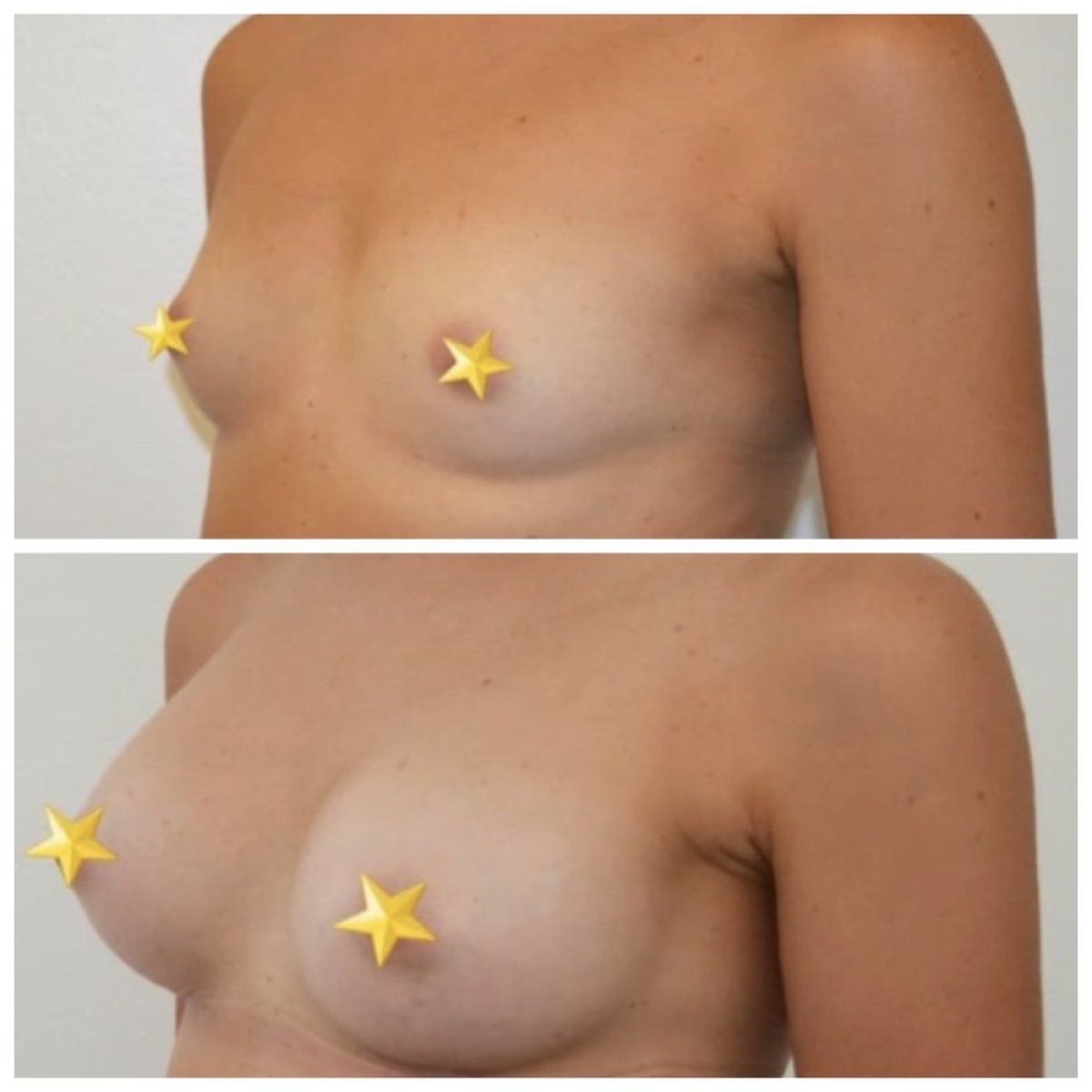
نتائج قبل وبعد تكبير الثدي في Esthétique du Nord، زيادة حجم الثدي
قبل وبعد تكبير الثدي في Esthétique du Nord، زيادة واضحة في حجم الثدي
نتائج قبل وبعد تكبير الثدي في Esthétique du Nord – زيادة حجم الثدي
نتائج قبل وبعد تكبير الثدي في Esthétique du Nord، زيادة حجم الثدي
20سنة خبره ١٦ سنة

تكبير الثدي الأساسي
  • التقنية: تكبير الثدي الأساسي دون استخدام غرسات.
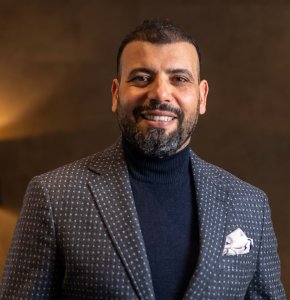
  • وليد الجابو حاصل على ثلاث شهادات بورد في الجراحة التجميلية التجميلية وجراحة اليد وجراحة الرضوض، مما يضمن خبرة تشريحية متقدمة.
  • يدير مركز Esthétique du Nord الدكتور وليد الجابو الذي تدرب في معاهد رائدة في السويد وتركيا في مجال الجراحات التجميلية.
  • الخدمات المشمولة: استشارة جراح تجميل.
  • معلومات الإقامة: إقامة لمدة يوم واحد في غرفة المستشفى، ولا يشمل السعر الإقامة في الفندق.
لقد شاهدتم 1 من 8 برامج

اكتشف أفضل تكبير الثدي العيادات في ألمانيا: 8 خيارات معتمدة والأسعار

تم تصنيف العيادات بواسطة نظام Bookimed الذكي، باستخدام تحليل علوم البيانات عبر 5 معايير رئيسية.

تكبير الثدي في ألمانيا: جدول زمني يومي

اليوم 1: الوصول إلى ألمانيا
  • عند وصولك إلى ألمانيا، يجب عليك التأكد من حصولك على جميع المستندات اللازمة، بما في ذلك جواز سفرك، وسجلاتك الطبية، وتأكيد الموعد.
  • تحقق من مكان إقامتك واسترح بعد رحلتك. سيساعدك ذلك على الاستعداد للإجراءات الطبية القادمة.
  • تعرّف على المنطقة المحلية وخيارات النقل إلى العيادة.
  • حافظ على رطوبة جسمك وتجنب تناول الكحول أو الوجبات الثقيلة. سيساعدك ذلك في الحفاظ على صحة مثالية قبل إجراء الفحص قبل الجراحة.
اليوم 2: استشارة وفحص ما قبل الجراحة
  • يجب عليك زيارة العيادة لإجراء الاستشارة المقررة قبل الجراحة. ويشمل ذلك فحص الثدي باستخدام الموجات فوق الصوتية وربما التصوير بالرنين المغناطيسي/التصوير المقطعي المحوسب للتحقق من وجود حالات مثل تكرار الورم.
  • ناقشي مع الجراح الأساليب المحددة التي يمكن استخدامها، مثل وضع الغرسة أو التقنيات المدمجة باستخدام أنسجتك الخاصة للحصول على شكل طبيعي للثدي.
  • اطرح أي أسئلة قد تكون لديك حول الإجراء والتعافي والرعاية اللاحقة.
  • تلقي خطة مفصلة قبل الجراحة وتعليمات حول كيفية الاستعداد للجراحة، بما في ذلك أي قيود غذائية أو أدوية يجب تجنبها.
اليوم 3-6: التحضير للجراحة
  • اتبع أي تعليمات محددة يقدمها لك الجراح، مثل التوقف عن تناول أدوية معينة أو تعديل نظامك الغذائي.
  • مارس الأنشطة الخفيفة وتجنب ممارسة التمارين الشاقة. سيحافظ ذلك على جسمك في حالة مثالية للجراحة.
  • قم بترتيب المواصلات من العيادة وإليها في يوم الجراحة.
  • جهز منطقة الإفاقة بعد الجراحة في مكان إقامتك. قم بتضمين أي مستلزمات ضرورية مثل الملابس الداخلية الخاصة (الصدرية) التي توفرها العيادة.
  • ابقَ على اتصال بالعيادة إذا كانت لديك أي أسئلة أو استفسارات خلال فترة التحضير هذه.
اليوم 7: يوم الجراحة
  • الوصول إلى العيادة في الوقت المحدد لجراحة تكبير الثدي المقررة لكِ.
  • قد تتضمن الجراحة تكبير الثدي الأيسر وشد الثدي الأيمن، حسب خطة ما قبل الجراحة.
  • الخضوع للتخدير والإجراء الجراحي الذي يستغرق عادةً بضع ساعات.
  • بعد الجراحة، ستخضعين للمراقبة في المستشفى لمدة 2-3 أيام لضمان التعافي الآمن.
  • اتبعي جميع تعليمات الرعاية بعد الجراحة التي يقدمها الفريق الطبي.
اليوم 8-9: الإقامة في المستشفى بعد الجراحة
  • خلال فترة إقامتك في المستشفى، ستتلقى إعادة التأهيل والرعاية المبكرة بعد الجراحة لتعزيز الشفاء.
  • استرح واسمح لجسمك بالتعافي، واتبع أي إرشادات خاصة بالحركة أو النشاط يقدمها لك فريق الرعاية الصحية الخاص بك.
  • ناقش تقدمك في التعافي مع جراحك وعالج أي مخاوف قد تكون لديك.
  • خطط لخروجك من المستشفى وتأكد من حصولك على جميع الأدوية وتعليمات الرعاية اللازمة لعودتك إلى مكان إقامتك.
اليوم 10: الخروج والتعافي
  • عودي إلى مكان إقامتك واستمري في التعافي باتباع إرشادات العيادة.
  • ارتدي الملابس الداخلية الخاصة (حمالات الصدر) المقدمة لكِ لدعم ثدييكِ أثناء التعافي.
  • مارسي الأنشطة الخفيفة وتجنبي رفع الأشياء الثقيلة أو ممارسة التمارين الشاقة.
  • حافظي على نظافة المنطقة الجراحية وجفافها. راقبي أي علامات للعدوى أو المضاعفات.
  • ابقي على اتصال بالعيادة وحددي أي مواعيد متابعة ضرورية قبل مغادرتك.
اليوم 11-12: المتابعة والاستعداد للمغادرة
  • احضر أي مواعيد متابعة مجدولة لتقييم مدى تقدمك في التعافي.
  • ناقش الرعاية طويلة الأجل وأي زيارات متابعة إضافية مطلوبة بعد العودة إلى المنزل.
  • تأكد من حصولك على جميع السجلات الطبية والوثائق الخاصة بالإجراء للرجوع إليها في المستقبل.
  • الاستعداد للعودة إلى المنزل. تأكد من حصولك على جميع متعلقاتك الشخصية وترتيبات السفر.
  • اتصل بالعيادة إذا كانت لديك أي أسئلة أخيرة أو تحتاج إلى مساعدة قبل المغادرة.
اليوم الثالث عشر: المغادرة من ألمانيا
  • مغادرة مكان إقامتك والسفر إلى المطار لرحلة العودة إلى الوطن.
  • استمر في اتباع تعليمات الرعاية بعد الجراحة أثناء سفرك لضمان التعافي السلس.
  • خطط لزيارات المتابعة وفقاً للجدول الزمني الذي قدمه الجراح

تلتزم Bookimed، وهي منصة عالمية رائدة في مجال السياحة الطبية، بمساعدة العملاء الذين يبحثون عن تكبير الثدي في ألمانيا من خلال تقديم مساعدة الخبراء والحلول الطبية الجديرة بالثقة لكل حالة. يُستخدم نظام التصنيف التلقائي الذكي لإنشاء قوائم عيادات شفافة، ويتم صيانتها بدقة بواسطة عالم بيانات يستخدم الذكاء الاصطناعي للتأكد من دقتها. تضمن المنصة الأصالة من خلال نشر مراجعات من مرضى حقيقيين بعد علاجهم. يقدم Bookimed حلولاً طبية شاملة، مع تحديثات من العيادات لضمان الثقة. المحتوى الخاص بتكبير الثدي في ألمانيا، والذي وضعه مؤلفون طبيون ذوو خبرة ومراجعته من قبل متخصصين، يلتزم بإرشادات التحرير الخاصة بـ Bookimed ، مما يعكس التزام المنصة بتقديم معلومات صحية واضحة وعالية الجودة. لمزيد من التفاصيل أو الاستفسارات، لا تتردد في الاتصال بنا على Marketing@bookimed.com أو معرفة المزيد عنا وعن مهمتنا هنا .

احصل على تقييم طبي لـ تكبير الثدي في ألمانيا: اختر أخصائيك من بين الأفضل في هذا المجال

عرض جميع الأطباء
يؤكد

Manuela Seifert

26سنة خبره ١٦ سنة

تقود الدكتورة مانويلا سايفرت مركز سرطان الثدي في عيادة سولينغن، وهي متخصصة في جراحات الحفاظ على الثدي وإعادة البناء التجميلية.

  • أكثر من 20 عامًا من الخبرة في أمراض النساء وصحة الثدي
  • خبيرة في تقنيات الحفاظ على الثدي لتحقيق نتائج تجميلية أفضل
  • تقدم رعاية شاملة بدءًا من التشخيص وحتى الدعم ما بعد الجراحة
  • رئيسة مركز سرطان الثدي في عيادة سولينغن
يؤكد

Walid Eljabu

20سنة خبره ١٦ سنة

الدكتور وليد الجعبو حاصل على ثلاث شهادات بورد في الجراحة التجميلية والجمالية، وجراحة اليد، وجراحة الإصابات. يمتلك خبرة واسعة في الجراحة الترميمية والميكروسكوبية. تدرّب في المملكة المتحدة وألمانيا، مع تدريب تخصصي إضافي في السويد وتركيا. وهو الرئيس التنفيذي والجرّاح الرئيسي في Esthétique du Nord في هامبورغ.

يتخصص في تجديد شباب الوجه (شد الوجه، تجميل الأنف)، وجراحة الثدي، ونحت القوام، بما في ذلك شد البطن العكسي.

الاعتماد: MRCSEd (عضوية الكلية الملكية للجراحين في إدنبرة). العضويات: الجمعية الأوروبية لتجميل الأنف؛ الجمعية الدولية للجراحة التجميلية والجمالية؛ الجمعية الألمانية للجراحة التجميلية والترميمية والجمالية؛ الجمعية الأميركية لجراحي التجميل؛ الكلية الملكية للجراحين في إدنبرة؛ الجمعية الأميركية لجراحة اليد؛ الجمعية الألمانية لجراحي اليد.

يؤكد

Mahdi Rezai

34سنة خبره ١٦ سنة

عالج الدكتور مهدي رضائي أكثر من 21,000 مريضة بسرطان الثدي، وهو أخصائي ثدي رائد في ألمانيا.

  • رئيس مركز الثدي في مستشفى لويزنكرانكنهاوس الجامعي بدوسلدورف منذ عام 1996
  • متخصص في العلاجات طفيفة التوغل والعلاجات التي تحافظ على الثدي
  • مؤسس مجموعة دراسة سرطان الثدي بألمانيا الغربية
  • حاصل على وسام الاستحقاق من جمهورية ألمانيا الاتحادية
  • عضو في العديد من المنظمات الدولية المرموقة لسرطان الثدي

قصص فيديو من مرضى Bookimed

Vika
في ساعات قليلة، تحولت من الخجل إلى حب مظهري الجديد.
إجراء: تكبير الثدي
مستشفى: Asyaesthetic Clinic
Alona
شكل وتناسق طبيعي وجميل. بالضبط ما كنت أريده!
إجراء: تكبير الثدي
مستشفى: Dr. MED Clinic
Alina
انتقلت من كوب A إلى B، وأنا متحمسة للنتائج!
إجراء: تكبير الثدي

تكبير الثدي: صور قبل/بعد

عرض جميع الصور قبل وبعد

مواد ذات صلة

مشاركة المحتوى

Twitter XLinkedinFacebookWhatsAppEmail
أحصل على الرابط
محدث: 05/27/2022
تأليف
Anna Leonova
Anna Leonova
رئيس فريق تسويق المحتوى
محررة طبية معتمدة لديها خبرة تزيد عن 10 سنوات، طوّرت محتوى Bookimed الموثوق، مدعومة بماجستير في علم اللغة ومقابلات مع خبراء طبيين من جميع أنحاء العالم.
تمت المراجعة من قبل المستشار الطبي في Bookimed
فهد مولود
محرر طبي وعالم بيانات
طبيب عام. حاصل على 4 جوائز علمية. خدم في غرب آسيا. رئيس الفريق الطبي الناطق بالعربية سابقا ومسؤول عن معالجة البيانات ودقة المحتوى الطبي حاليا.
فهد مولود Linkedin
قد تحتوي هذه الصفحة على معلومات تتعلق بمختلف الحالات الطبية والعلاجات وخدمات الرعاية الصحية المتوفرة في بلدان مختلفة. يرجى العلم أن المحتوى مقدم لأغراض إعلامية فقط ولا ينبغي تفسيره على أنه نصيحة أو إرشادات طبية. يرجى استشارة طبيبك أو أخصائي طبي مؤهل قبل البدء أو تغيير العلاج الطبي.

أسئلة متكررة حول تكبير الثدي في ألمانيا

هذه الأسئلة الشائعة مأخوذة من مرضى حقيقيين يبحثون عن رعاية طبية عبر Bookimed. يتم تقديم الإجابات من قبل منسقين طبيين ذوي خبرة وممثلين موثوقين من العيادات.

What incision and placement methods are most common in Germany?

German plastic surgeons primarily use inframammary incisions and dual-plane implant placement to ensure natural results. The inframammary approach offers precise surgical access, while dual-plane placement combines submuscular and subglandular techniques to optimize tissue coverage and minimize visible implant edges.

  • Inframammary incision: Most common method involving a 3–4 cm cut within the natural underbust crease.
  • Dual-plane placement: Preferred standard for natural teardrop silhouettes, placing the implant partially under the muscle.
  • Subfascial placement: Growing trend offering faster recovery by positioning implants directly under the muscle fascia.
  • Transaxillary approach: Niche armpit incision used at specialized centers to keep the breast tissue scar-free.

Bookimed Expert Insight: German clinics like Esthétique du Nord in Hamburg often utilize B-Lite lightweight implants paired with microsurgical techniques. This combination is a strategic choice for patients seeking long-term stability, as lighter implants reduce tissue sag over time compared to traditional silicone options.

Patient Consensus: Patients frequently report that the inframammary scar becomes nearly invisible within the breast fold. Most emphasize that consultations focus heavily on achieving a conservative, natural shape rather than dramatic volume.

Will German health insurance cover breast augmentation?

German health insurance generally excludes breast augmentation unless you document a physical medical necessity. Public and private insurers categorize purely cosmetic procedures as elective. You may secure coverage for reconstruction after cancer, severe congenital deformities like tubular breasts, or documented gender-affirming care transitions.

  • Reconstructive surgery: Full coverage is standard following mastectomy or trauma-related breast loss.
  • Congenital deformities: Insurers may approve cases involving Poland syndrome or severe breast asymmetry.
  • Gender-affirming care: Coverage requires completing hormone therapy and psychotherapy per insurance guidelines.
  • Psychological exclusion: German law typically denies coverage for psychological distress without physical malfunction.

Bookimed Expert Insight: Documentation wording is the deciding factor for German insurers. Using terms like reconstruction or correction of deformity rather than cosmetic enhancement significantly improves approval odds. Clinics like Esthétique du Nord in Hamburg provide detailed consultations that help clarify if your specific case meets these strict physical criteria.

Patient Consensus: Many patients find that obtaining pre-authorization is the only way to avoid full out-of-pocket costs. Most successful cases rely on a surgeon's official medical report detailing a physical anomaly rather than emotional suffering.

What is the typical recovery timeline after surgery?

Recovery after breast augmentation in Germany typically includes a 1 day hospital stay for monitoring. Most patients return to light work within 7 to 14 days, while physical activities and heavy lifting are restricted for 6 weeks to ensure proper tissue healing and implant positioning.

  • Initial phase: Expect tightness and chest soreness during the first 3 to 7 days post-surgery.
  • Hospital stay: German clinics like Esthétique du Nord provide 1 day of clinical observation.
  • Physical restrictions: Avoid lifting over 10 pounds or reaching overhead for at least 3 weeks.
  • Final results: Tissues fully settle and implants reach their final position after 3 to 6 months.

Bookimed Expert Insight: While basic packages focus on the surgery, premium options in Germany often include a 3 to 7 day 5-star hotel stay. This is strategic because local surgeons, like triple board-certified Dr. Walid Eljabu, prefer patients to remain nearby during the critical first week for immediate follow-up if needed.

Patient Consensus: Patients find the first week most challenging due to limited arm mobility and sleep discomfort. Many emphasize that while you may look recovered early on, the mental patience required for internal healing is often underestimated.

How can I verify a surgeon’s qualifications in Germany?

Verifying a surgeon in Germany requires checking regional medical chambers called Landesärztekammer. Since Germany lacks a central national registry, you must use state-specific Arzt-Suche directories to confirm an active license (Approbation) and Facharzt specialist designation in plastic and aesthetic surgery.

  • Regional registration: Every surgeon must register with the Landesärztekammer of their specific federal state.
  • Specialist titles: Confirm the title Facharzt für Plastische und Ästhetische Chirurgie for specialized training.
  • Insurance directories: Use Kassenärztliche Vereinigung (KV) portals to verify surgeons billing the public system.
  • Hospital reports: Access Qualitätsberichte via Deutsches Krankenhausverzeichnis to review department volumes and complication rates.

Bookimed Expert Insight: German surgeons often hold multiple certifications across different countries. For instance, Dr. Walid Eljabu at Esthétique du Nord is triple board-certified in plastic, hand, and trauma surgery with credentials from the Royal College of Surgeons of Edinburgh. Checking for international memberships like ISAPS or ASPS alongside German registration provides an extra layer of quality assurance.

Patient Consensus: Patients emphasize looking for a board-certified plastic surgeon rather than a cosmetic doctor. They recommend asking for specific annual caseload numbers and confirming the surgeon personally handles any potential follow-up care.

Can I still breastfeed or undergo breast-cancer screenings after the procedure?

You can safely undergo breast cancer screenings and breastfeed after augmentation in Germany. Surgeons prioritize submuscular placement and inframammary incisions to keep milk ducts and nerves intact. Modern German facilities use specialized displacement mammography and high-precision ultrasound to ensure implants do not compromise diagnostic accuracy.

  • Screening accuracy: Technologists use displacement views to push implants back, maximizing visible natural tissue.
  • Advanced imaging: Clinics like Medical Center Solingen utilize 3D mammography for superior diagnostic precision.
  • Breastfeeding safety: Inframammary incisions under the breast crease typically leave the milk delivery network untouched.
  • Implant placement: Submuscular positioning minimizes interference with glandular tissue compared to placement above the muscle.

Bookimed Expert Insight: While many focus on silicone versus saline, the incision site is actually the critical factor for future nursing. Data suggests that choosing a surgeon like Dr. Walid Eljabu at Esthétique du Nord, who specializes in advanced microsurgical techniques, reduces the risk of nerve damage that can impact milk let-down.

Patient Consensus: Individuals emphasize that while breastfeeding usually succeeds, you must alert mammogram technicians about implants beforehand. Some patients also recommend regular self-exams, noting that any new lumps or changes require immediate clinical evaluation.

What types of breast implants are permitted and considered safe in Germany?

Germany permits cohesive silicone gel and sterile saline implants as the only primary materials for breast augmentation. These devices are strictly regulated as CE Class III medical items under the European Medical Device Regulation. The Federal Institute for Drugs and Medical Devices monitors all permitted variants for safety.

  • Silicone gel implants: Use highly cross-linked, cohesive gel often called gummy bear implants for stability.
  • Saline solution implants: Feature a silicone shell filled with saltwater that the body absorbs if leakage occurs.
  • Surface safety standards: Smooth and nanotextured surfaces are permitted while macro-textured implants are restricted or banned.
  • Mandatory registry tracking: Every procedure must be legally recorded in the National Implant Registry for patient safety.

Bookimed Expert Insight: German clinics like Esthétique du Nord in Hamburg often prioritize premium B-lite implants, which are up to 30% lighter than traditional silicone. This focus on advanced technology aligns with German surgeons’ preference for long-term tissue health and reduced strain on breast ligaments.

Patient Consensus: Patients prioritize cohesive silicone gel for its natural feel and often ask for specific documentation like the official European Implant Passport. There is a strong preference for smooth surfaces to minimize long-term inflammation risks.

Do breast implants need to be replaced after 10 years?

Breast implants do not require automatic replacement after 10 years. While not lifetime devices, the decade mark is a monitoring milestone rather than an expiration date. Modern silicone and saline shells often remain structurally sound for 15 to 20 years without medical intervention or complications.

  • Replacement triggers: Surgery is only necessary for ruptures, capsular contracture, or desired cosmetic changes.
  • Rupture detection: Saline leaks cause visible deflation, while silicone requires ultrasound or MRI monitoring.
  • Shell durability: Modern implants typically retain over 90% of their original tensile strength after 10 years.
  • Monitoring protocol: Surgeons recommend imaging every 2 to 3 years starting at year 5.

Bookimed Expert Insight: German clinics like Esthétique du Nord often utilize lightweight B-lite implants, which reduce long-term tissue sagging compared to standard silicone. Choosing advanced materials or non-implant fat transfer, which averages $8,000 in Germany, can eliminate the need for future implant-related revision surgeries entirely.

Patient Consensus: Many patients regret believing the 10-year myth and wish they knew implants often last much longer. They emphasize choosing surgeons who provide clear, long-term follow-up plans to monitor for silent ruptures.

Where are the incisions typically made and how visible are the scars?

Breast augmentation incisions in Germany are typically placed in the inframammary fold or around the areolar edge to minimize visibility. Surgeons like Dr. Walid Eljabu use advanced techniques to ensure scars settle into natural skin creases, typically fading into thin, faint lines within 6 to 12 months after surgery.

  • Inframammary incision: Placed under the breast fold, hiding scars within the natural lower crease.
  • Periareolar incision: Made around the nipple edge, blending with the natural pigmentation transition.
  • Scar maturation: Initial redness fades over months, eventually becoming difficult to detect.
  • German standards: Clinics in Hamburg and Nuremberg utilize meticulous suturing for optimal healing.

Bookimed Expert Insight: While many focus on scar location, the choice of implant often dictates the incision length. Packages at Esthétique du Nord featuring B-Lite lightweight implants are popular because these implants can sometimes be inserted through slightly smaller, more refined incisions than traditional silicone, potentially reducing the final scar footprint.

Patient Consensus: Patients emphasize that the inframammary approach is the most discreet option for most body types. While scars appear red initially, they consistently report that the lines become nearly invisible once they reach the one-year mark.

Should the implant be placed over or under the chest muscle?

Choosing implant placement depends on your anatomy and desired look. Under the muscle placement provides natural results and reduces visible rippling for thin patients. Over the muscle placement offers a faster recovery and is ideal for women with sufficient natural tissue or active lifestyles.

  • Submuscular placement: Provides superior long-term support and masks implant edges in petite patients.
  • Subglandular placement: Sitting entirely above the muscle, this technique prevents distortion during heavy chest exercise.
  • Recovery time: Over the muscle placement leaves chest muscles intact, ensuring a faster return to work.
  • Advanced options: German clinics specialized in breast health also offer natural fat transfer and B-lite implants.

Bookimed Expert Insight: German surgeons like Walid Eljabu at Esthétique du Nord carry rare triple board certifications. This anatomical expertise is crucial when navigating complex dual-plane placements. We see many patients choosing Germany specifically for this high level of surgical precision and microsurgical background.

What is the typical recovery timeline after breast-augmentation surgery in Germany?

Recovery from breast augmentation in Germany typically requires 6 to 8 weeks for structural healing, with final aesthetic settling taking 12 months. Patients usually resume desk work within 5 to 7 days, though German surgeons strictly prohibit driving for 14 days and heavy lifting for 6 weeks.

  • Hospital stay: Most clinics require 1 night for observation following general anesthesia.
  • Activity restrictions: Heavy lifting over 3 kg and arm elevation are restricted for 4 weeks.
  • Support garments: A compression bra and Stuttgart belt are mandatory 24/7 for 6 weeks.
  • Final results: Breasts undergo drop and fluff maturation over 3 to 12 months.

Bookimed Expert Insight: German clinics like Esthétique du Nord often prioritize premium B-Lite implants, which are 30% lighter than standard silicone. This weight reduction can positively impact long-term recovery by reducing strain on breast tissue and potentially slowing natural sagging over time.

Patient Consensus: Many find the first 3 to 7 days surprisingly difficult for basic tasks like bathing or dressing. They recommend planning for help at home as limited arm mobility is standard during the first week.

Do breast implants need to be replaced every 10 years?

Modern breast implants do not require automatic replacement every 10 years. While the FDA labels them as non-lifetime devices, high-quality silicone and saline implants frequently last 20 years or longer. Revision is only necessary if medical complications arise or you desire an aesthetic change in size or shape.

  • Annual monitoring: Yearly physical exams by a surgeon help detect early signs of shell wear.
  • Imaging protocols: FDA guidelines recommend an initial ultrasound or MRI after 5 to 6 years.
  • Silent ruptures: Recurring screenings every 2 to 3 years identify leaks in cohesive silicone gels.
  • Replacement triggers: Immediate surgery is indicated for capsular contracture, implant rupture, or visible deflation.

Bookimed Expert Insight: German clinics like Esthétique du Nord often utilize B-Lite lightweight implants to reduce long-term tissue strain. Our data shows that high-volume centers led by triple board-certified surgeons like Dr. Walid Eljabu focus on advanced microsurgical techniques. This precision helps minimize early scar tissue formation, which is a primary reason for premature implant replacement.

Patient Consensus: Many patients report their implants remaining intact and comfortable well beyond the 10-year mark. The prevailing sentiment highlights that monitoring through regular imaging is more vital than a fixed surgical deadline.

احصل على استشارة مجانية

حدد أفضل طريقة للاتصال بك