إفصاح المعلن
آخر تحديث: 10/15/2026
علاج مرحلة سرطان الرئة 4 في إسرائيل — احصل على 3 عيادات مختارة خصيصاً لك
هل تريد استكشاف المزيد من الخيارات؟يمكنك أيضًا تصفح 6 عيادة أدناه.


تمت مراجعة المقالة طبيا من قبل
فهد مولود
تأليف Anna Leonova
رئيس فريق تسويق المحتوى
كيف نعمل؟
لقد قمنا بتحويل عملية البحث عن العيادة، وجعلناها بسيطة وسريعة وشخصية.
أجب عن بعض الأسئلة
املأوا استمارة قصيرة لتخبرونا عن حالتكم الصحية واحتياجاتكم الطبية.
احصل على عروض مخصصة٣ عيادات تم اختيارها بعناية بناءً على إجاباتك، ستقدّم خطط علاج وتقديرات تكلفة مخصصة لك.
اختر الخيار الأفضلقارن بين العروض واختر العيادة الأنسب لك.
يمكنك أيضًا تصفح 6 عيادة أدناه.
820К+ مريضًا حصلوا على المساعدة منذ عام 2014
50 دول
1,500
عيادات
6K+ تقييمات
3K+ طبيب مؤهل
ما هي تكلفة مرحلة سرطان الرئة 4 إجراءات التشخيص والعلاج في إسرائيل؟ اعرف الآن
من $700. تعتمد النفقات الإجمالية على الملف الجيني للورم، ودورات العلاج المناعي، واختيار المنشأة الطبية. غالباً ما يجد المرضى توفيراً يتراوح بين 30% إلى 80% مقارنة بالولايات المتحدة. تقع أفضل مراكز العلاج في تل أبيب والقدس وحيفا.
تكاليف علاج سرطان الرئة في المرحلة الرابعة المعتادة في إسرائيل
- استشارة طبيب الأورام: من $700
- تصوير مقطعي للصدر (CT): من $450
- استئصال الإسفين: من $16,000
رؤية خبراء Bookimed: يجب على المرضى في مراحل متقدمة الذين يحتاجون إلى الطب الجينومي التفكير في مركز سوراسكي الطبي (إيخيلوف). تبلغ هذه المنشأة الحاصلة على اعتماد اللجنة الدولية المشتركة (JCI) عن معدل نجاح في علاج الأورام بنسبة 90%. بالنسبة للحالات المعقدة، يقدم مركز هداسا الطبي خبرات من أطباء مدرجين في قائمة فوربس. غالباً ما يختار المرضى الذين يبحثون عن رعاية جراحية خاصة وعالية الكثافة مركز أسوتا الطبي. يجري هذا المركز أكثر من 92,000 عملية سنوياً باستخدام تقنيات حديثة مثل الجراحة الروبوتية.
| إسرائيل | تركيا | إسبانيا | |
|---|---|---|---|
| جراحة سرطان الرئة | ≈ $38,000 | من $8,500 | من $29,900 |
| جراحة التجسيمي | من $19,000 | من $6,400 | من $18,100 |
| العلاج الكيميائي لسرطان الثدي | ≈ $22,500 | من $3,000 | من $1,700 |
| العلاج الإشعاعي لسرطان القولون والمستقيم | ≈ $14,000 | من $5,000 | من $7,500 |
| استئصال الرئة | ≈ $42,000 | من $9,800 | من $22,000 |
إخلاء مسؤولية طبية: تم التحقق من البيانات بواسطة Bookimed اعتباراً من October 2026، استناداً إلى طلبات المرضى والعروض الرسمية من 85
عيادات حول العالم. التكاليف المتوسطة مستندة إلى فواتير حقيقية (2024–2026) ويتم تحديثها شهريًا. قد تختلف الأسعار الفعلية.
اكتشف أفضل مرحلة سرطان الرئة 4 العيادات في إسرائيل: 6 خيارات معتمدة والأسعار
تم تصنيف العيادات بواسطة نظام Bookimed الذكي، باستخدام تحليل علوم البيانات عبر 5 معايير رئيسية.





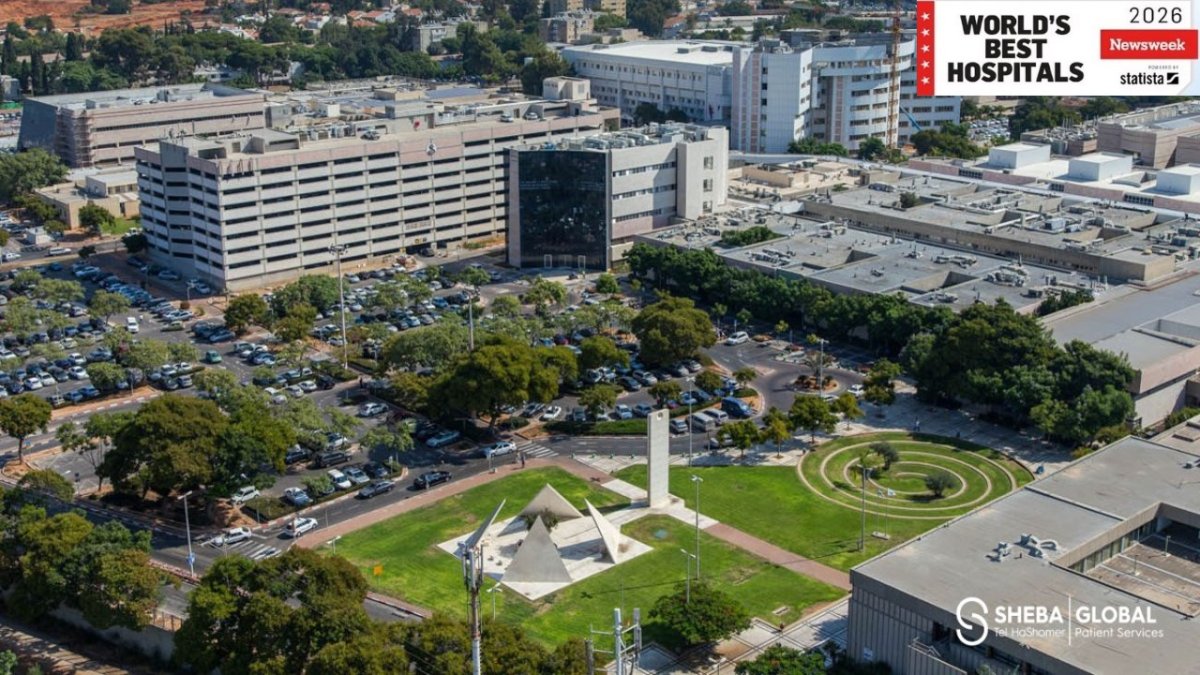








Herzliya Medical Center
إسرائيل, هرتسليا
احصل على تقييم طبي لـ في إسرائيل. استشر الآن 11 أطباء ذوي الخبرة.
عرض جميع الأطباء
يؤكد
Ari Raphael
29سنة خبره ١٦ سنة
يقود الدكتور آري رافائيل تجارب سريرية رائدة لسرطان الرئة في مركز سوراسكي الطبي، متخصصاً في التنميط الجيني والعلاج المناعي.
- باحث رئيسي في العديد من تجارب العلاج المناعي لسرطان الرئة غير صغير الخلايا (NSCLC)
- مدير المجلس الجزيئي للأورام التابع للجمعية الإسرائيلية لسرطان الرئة
- خبير في الخزعات السائلة والتنميط الجيني الشامل
- محاضر أول في كلية الطب بجامعة تل أبيب
- عضو في IASLC و ESMO – الجمعيات الرائدة في طب أورام الصدر

يؤكد
Ofer Merimsky
41سنة خبره ١٦ سنة
خبير رائد في سرطان الرئة مع أكثر من 41 سنة من الخبرة في مركز سوراسكي الطبي. متخصص في العلاجات المتقدمة لسرطان الرئة في المرحلة الرابعة.
- رئيس وحدة أورام الأنسجة الرخوة والعظام
- عضو في مجموعة ساركوما ESMO و IASLC
- أبحاث ومنشورات واسعة النطاق في علم الأورام
- زمالة في ساركوما الأنسجة الرخوة والعظام في معهد غوستاف روسي
يؤكد
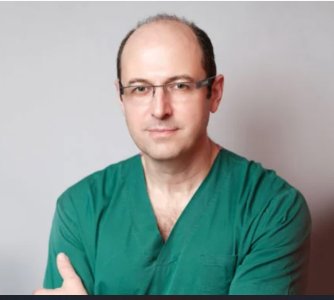
Yuri Goldes
28سنة خبره ١٦ سنة
الدكتور يوري غولدس جرّاح عام يتمتع بأكثر من 20 عامًا من الخبرة السريرية. يختص بجراحات الجهاز الهضمي العلوي وجراحة الأورام. يشغل منصب نائب مدير قسم الجراحة العامة وزراعة الأعضاء في مركز شيبا الطبي بتل أبيب، ويرأس وحدة جراحة الجهاز الهضمي العلوي. أُدرِج ضمن قائمة أفضل أطباء فوربس إسرائيل لعام 2025، ومُصنّف ضمن أفضل جراحي الجهاز الهضمي في إسرائيل بحسب فوربس. في 2019، نال جائزة «طبيب العام» من وزارة الصحة الإسرائيلية.
خبير في الجراحة طفيفة التوغل والمتقدمة والروبوتية. يعالج فتق الحجاب الحا

يؤكد
Menahem Ben-haim
32سنة خبره ١٦ سنة
الدكتور مناحيم بن حاييم هو جراح بارز يتمتع بخبرة تزيد عن 32 سنة، وهو متخصص في سرطانات الجهاز الهضمي في مركز سوراسكي الطبي (إيخيلوف).
- خبير في جراحة ويبل لسرطان البنكرياس
- متخصص في أورام الكبد والجهاز الهضمي
- يجري تدخلات جراحية معقدة للسرطانات المتقدمة
مشاركة المحتوى
قصص فيديو من مرضى Bookimed
Dayana
جمعت بين إجازتي في أنطاليا والفحص الطبي.
إجراء: فحص صحة الإناث (انظر فحص النساء)
مستشفى: Memorial Antalya Hospital
Marina
قام Bookimed بكل شيء من أجلي. لم أضطر للقلق بشأن أي شيء.
إجراء: فحص صحة الإناث (انظر فحص النساء)
مستشفى: Severance Hospital
محدث: 10/15/2026
تأليف
 Anna Leonova
Anna Leonova
رئيس فريق تسويق المحتوى
محررة طبية معتمدة لديها خبرة تزيد عن 10 سنوات، طوّرت محتوى Bookimed الموثوق، مدعومة بماجستير في علم اللغة ومقابلات مع خبراء طبيين من جميع أنحاء العالم.
تمت المراجعة من قبل المستشار الطبي في Bookimed

فهد مولود
محرر طبي وعالم بيانات
طبيب عام. حاصل على 4 جوائز علمية. خدم في غرب آسيا. رئيس الفريق الطبي الناطق بالعربية سابقا ومسؤول عن معالجة البيانات ودقة المحتوى الطبي حاليا.
فهد مولود Linkedinقد تحتوي هذه الصفحة على معلومات تتعلق بمختلف الحالات الطبية والعلاجات وخدمات الرعاية الصحية المتوفرة في بلدان مختلفة. يرجى العلم أن المحتوى مقدم لأغراض إعلامية فقط ولا ينبغي تفسيره على أنه نصيحة أو إرشادات طبية. يرجى استشارة طبيبك أو أخصائي طبي مؤهل قبل البدء أو تغيير العلاج الطبي.
كل ما تحتاج إلى معرفته حول مرحلة سرطان الرئة 4 في إسرائيل.
إخلاء المسؤولية الطبية: هذا المقال مخصص لأغراض إعلامية فقط وليس استشارة طبية. يُرجى دائماً استشارة مقدم رعاية صحية مؤهل قبل اتخاذ أي قرارات طبية. قد تختلف النتائج. اقرأ إخلاء المسؤولية الكامل
أسئلة متكررة حول علاج مرحلة سرطان الرئة 4 في إسرائيل
هذه الأسئلة الشائعة مأخوذة من مرضى حقيقيين يبحثون عن رعاية طبية عبر Bookimed. يتم تقديم الإجابات من قبل منسقين طبيين ذوي خبرة وممثلين موثوقين من العيادات.
ما هي العلاجات المتقدمة المتاحة في إسرائيل لسرطان الرئة غير صغير الخلايا (NSCLC) في المرحلة الرابعة؟
تقدم إسرائيل علاجات متقدمة لسرطان الرئة غير صغير الخلايا (NSCLC) في المرحلة الرابعة تركز على الطب الدقيق. تستخدم المراكز الرائدة المعتمدة من قبل اللجنة الدولية المشتركة (JCI) العلاج المناعي، والأدوية الموجهة من الجيل التالي، والابتكارات المحلية مثل Alpha DaRT. تهدف هذه التقنيات إلى إطالة فترة البقاء على قيد الحياة من خلال تكييف العلاج مع الملفات الجينية المحددة للورم.
- مثبطات نقاط التفتيش المناعية: تشمل الأجسام المضادة أحادية النسيلة بيمبروليزوماب ونيفولوماب للكشف عن الخلايا السرطانية.
- العلاج الموجه: يستخدم الأطباء تسلسل الجيل التالي لتحديد طفرات EGFR أو ALK أو ROS1.
- إشعاع Alpha DaRT: توفر هذه التقنية التي تم تطويرها في إسرائيل إشعاع ألفا خلالي مباشرة في أورام الرئة.
- الذكاء الاصطناعي التنبؤي: تقوم المنصات بتحليل بلازما الدم للتنبؤ باستجابة المريض لعلاجات مناعية محددة.
رؤية خبير Bookimed: بينما تقدم العديد من الدول العلاج المناعي القياسي، تعد المراكز الإسرائيلية مثل مركز شيبا الطبي رائدة عالمياً في علاج TIL (الخلايا الليمفاوية المتسللة للورم). يستخدم هذا النهج خلايا المريض المناعية الخاصة التي يتم جمعها من الورم نفسه. تظهر البيانات أن شيبا يخدم أكثر من 2 مليون مريض سنوياً ويتخصص في هذه البروتوكولات المناعية المعقدة والقائمة على الدقة قبل وصولها إلى العيادات التقليدية في أماكن أخرى.
إجماع المرضى: يلاحظ المرضى أن الحصول على مراجعة متعددة التخصصات لنتائج خزعاتهم في إسرائيل غالباً ما يكشف عن خيارات علاج موجهة لم تُعرض
ما هو الدور الذي تلعبه الاختبارات الجينية/اختبارات المؤشرات الحيوية قبل بدء العلاج؟
توفر الاختبارات الجينية واختبارات المؤشرات الحيوية خارطة طريق جزيئية لعلاج سرطان الرئة في المرحلة الرابعة. تحدد هذه الاختبارات طفرات مثل EGFR وALK وROS1. وهذا يسمح لأطباء الأورام باختيار علاجات موجهة. غالبًا ما توفر هذه الأدوية معدلات نجاح أعلى وآثارًا جانبية أقل من العلاج الكيميائي التقليدي.
- المطابقة الموجهة: تحدد الاختبارات طفرات مثل EGFR لمطابقة المرضى مع مثبطات محددة.
- اختيار العلاج المناعي: تحدد مستويات PD-L1 والحمل الطفري للورم ما إذا كانت مثبطات نقاط التفتيش المناعية فعالة.
- تجنب العلاج: تكشف المؤشرات الحيوية عن مقاومة محتملة. وهذا يمنع استخدام الأدوية السامة وغير الفعالة.
- الخرائط التنبؤية: تحسب التحليلات الجينومية احتمالية التكرار ومدى سرعة تقدم السرطان.
رؤية خبير Bookimed: غالبًا ما تجري المراكز الإسرائيلية مثل شيبا وسوراسكي هذه الاختبارات داخليًا. وهذا يقلل بشكل كبير من وقت التنفيذ مقارنة بالعيادات التي تستعين بمختبرات خارجية. حتى أن الدكتور آري رافائيل في سوراسكي يدير مجالس الأورام الجزيئية. يجتمع هؤلاء المتخصصون خصيصًا لتفسير هذه النتائج الجينية المعقدة لكل مريض. اختيار عيادة بها قسم جينوميات متكامل يضمن بدء علاجك قبل أيام.
إجماع المرضى: يؤكد المرضى أن الاختبارات الجينومية أصبحت الآن مطلبًا قياسيًا. يلاحظ الكثيرون أن التأخير في الحصول على النتائج غالبًا ما يؤخر البدء الفعلي للعلاج. يقترح المرضى طلب جدول زمني واضح للنتائج في اليوم الأول.
هل تُستخدم خيارات الجراحة أو الاستئصال الموضعي لسرطان الرئة في المرحلة الرابعة في إسرائيل؟
يستخدم الأخصائيون الإسرائيليون الجراحة والاستئصال الموضعي لسرطان الرئة في المرحلة الرابعة في حالات انتقائية للغاية. تستهدف هذه التدخلات عادةً المرض قليل النقائل حيث توجد 1 إلى 5 آفات فقط. تستخدم مرافق مثل مركز شيبا الطبي هذه الأدوات بعد أن يعمل العلاج الجهازي على استقرار السرطان.
- التثبيت قليل النقائل: يقوم الجراحون بإزالة النقائل المحدودة بعد أن تؤدي العلاجات المناعية أو الأدوية الموجهة إلى تقليص الأورام.
- تقنيات الاستئصال: يستخدم الأطباء الاستئصال بالترددات الراديوية (RFA) لتدمير الآفات العنيدة بالحرارة.
- الجراحة الإشعاعية التجسيمية: يقدم الأخصائيون إشعاعًا بؤريًا عالي الجرعة لتجميد أو حرق مواقع الأورام الموضعية.
- الجراحة التلطيفية: يقوم الجراحون بإجراء استئصال الفص أو وضع دعامات مجرى الهواء لتخفيف الأعراض الشديدة في الحالات المتقدمة.
رؤية خبير Bookimed: تكشف البيانات الواردة من مراكز إسرائيلية رفيعة المستوى مثل سوراسكي وشيبا عن تحول نحو التثبيت الموضعي القوي. يجمع خبراء مثل الدكتور عوفر ميريمسكي بين التنميط الجيني والتدخلات الموضعية لإدارة المرض قليل التطور. يسمح هذا النهج للمرضى بالبقاء على الأدوية الموجهة الفعالة لفترة أطول عن طريق استئصال النقاط المقاومة فقط. مع وجود أكثر من 200 طبيب مدرج في قائمة فوربس في شيبا وحدها، يستفيد المرضى من مجالس متعددة التخصصات توافق على الجراحة لما يقرب من 10% إلى 20% من حالات المرحلة الرابعة.
إجماع المرضى: يشير المرضى إلى أن الحصول على مراجعة متعددة التخصصات عبر التصوير المقطعي با
ما هي أفضل المستشفيات ومعاهد السرطان تقييماً لعلاج سرطان الرئة في المرحلة الرابعة في إسرائيل؟
يُعد مركز شيبا الطبي ومركز سوراسكي الطبي (إيخيلوف) الخيارين الأولين لعلاج سرطان الرئة في المرحلة الرابعة في إسرائيل. توفر هذه المرافق المعتمدة من قبل اللجنة الدولية المشتركة (JCI) تحليل الملف الجيني للأورام. تستخدم الفرق المتكاملة العلاج المناعي والتجارب السريرية لتحقيق معدل نجاح في العلاج الأورامي يصل إلى 90%.
- قيادة الخبراء: يقود البروفيسور عوفر ميريمسكي رعاية سرطان الرئة في مركز سوراسكي الطبي.
- العلاجات المتقدمة: يتخصص مركز شيبا الطبي في علاجات CAR-T و TIL المناعية الرائدة عالمياً.
- التشخيص الدقيق: تشمل بروتوكولات التشخيص اختبارات جزيئية لـ EGFR و ALK و ROS1 و PD-L1.
- سعة المرضى: يعالج مركز شيبا الطبي حوالي 1,900,000 مريض كل عام.
رؤية خبير Bookimed: تدير مراكز الأورام الإسرائيلية مثل شيبا وسوراسكي أعداداً هائلة من المرضى بأكثر من 1,800,000 زيارة سنوياً. يوفر هذا النطاق لأطباء مثل الدكتور يعقوب لورانس خبرة من خلال أكثر من 280 منشوراً علمياً. غالباً ما يؤدي الحجم الكبير في المراكز الأكاديمية إلى وصول أسرع إلى التجارب السريرية الجديدة للمراحل الأولى إلى الثالثة.
إجماع المرضى: يشير المرضى إلى أن المستشفيات العامة الكبرى تتفوق في حجم العلاج ولكنها قد تنطوي على انتظار بيروقراطي. يوصي الكثيرون باختيار مرافق خاصة مثل مركز أسوتا الطبي لتقليل التأخير بشكل كبير في حالات الرعاية العاجلة للمرحلة الرابعة.
كيف يتم هيكلة فريق رعاية المريض لسرطان الرئة في المرحلة الرابعة في إسرائيل؟
تتبع رعاية سرطان الرئة في المرحلة الرابعة في إسرائيل نموذج مجلس الأورام متعدد التخصصات. يقوم طبيب أورام طبي رئيسي بتنسيق فريق من المتخصصين لإدارة الانتشار النقيلي. تدمج هذه الهيكلية علماء الوراثة، وأطباء الأشعة، وأطباء الرئة لتخصيص العلاجات الجهازية مثل العلاج المناعي والأدوية البيولوجية الموجهة.
- القيادة الأساسية: يقود أطباء الأورام الطبيون مثل الدكتور آري رافائيل البروتوكولات الجهازية والدراسات الجينومية.
- التنميط الجزيئي: يقوم علماء الأمراض وعلماء الوراثة بتحليل طفرات EGFR و ALK و ROS1 للعلاج الموجه.
- خبرة الإشعاع: يستخدم أطباء الأورام الإشعاعي الجراحة الإشعاعية التجسيمية لعلاج الآفات النقلية وإدارة الألم.
- الدعم الجراحي: يقوم جراحو الصدر بإجراءات تلطيفية مثل التصريف بينما يدير أطباء الرئة وظائف مجرى الهواء.
- الرعاية الداعمة: يعالج منسقو التمريض وعلماء النفس وأخصائيو الرعاية التلطيفية الأعباء العاطفية والجسدية للأعراض.
رؤية خبير Bookimed: تكشف البيانات أن فرق الأورام الإسرائيلية يقودها بشكل فريد باحثون يسدون الفجوة بين الرعاية السريرية وابتكار المختبرات. على سبيل المثال، يرأس البروفيسور يائير بار في مركز شيبا الطبي مجموعة سرطان الرئة الإسرائيلية بينما يدير مختبرًا يركز على مقاومة العلاج المناعي. هذا الدور المزدوج يعني أن هيكل الفريق مصمم للتحول بسرعة إلى بروتوكولات تجريبية إذا توقفت العلاجات القياسية عن العمل.
إجماع المرضى: يؤكد المرضى أن وجود ممرض ملاح مخصص أمر ضروري لإدارة الجدول الزمني
ما هي الطفرات الجزيئية المحددة التي توجه خيارات الأدوية الموجهة في المراكز الإسرائيلية؟
تستخدم مراكز الأورام الإسرائيلية تسلسل الجيل التالي (NGS) للكشف عن طفرات EGFR، وإعادة ترتيب ALK، واندماج ROS1 لسرطان الرئة في المرحلة الرابعة. تحدد هذه العلامات الجزيئية استخدام الأدوية الموجهة مثل أوسيميرتينيب (Osimertinib)، وأليكتينيب (Alectinib)، وإنتريكتينيب (Entrectinib). تستخدم مرافق مثل مركز شيبا الطبي (Sheba Medical Center) الخزعات السائلة للتعرف السريع.
- طفرات EGFR: يؤدي الإكسون 19 وL858R إلى بدء العلاج من الخط الأول بمثبطات الجيل الثالث مثل أوسيميرتينيب.
- اندماج ALK/ROS1: تؤدي عمليات إعادة الترتيب إلى اختيار مثبطات قوية بما في ذلك أليكتينيب أو لورلاتينيب (Lorlatinib).
- KRAS G12C: توجه هذه الطفرة المحددة استخدام مثبطات متخصصة بعد تطور المرض أثناء العلاج المناعي.
- تغيرات MET/RET: تفضل العلامات النادرة مثل تخطي الإكسون 14 من MET أدوية مثل كابماتينيب (Capmatinib) أو سيلبيركاتينيب (Selpercatinib).
رؤية خبير Bookimed: تدمج مراكز الأورام الإسرائيلية مثل سوراسكي (Sourasky) وشيبا بين تحليل NGS والخزعات السائلة لتسريع بدء العلاج. حتى أن الدكتور آري رافائيل في سوراسكي يقود مبادرات جينومية وطنية تركز على مقاومة EGFR. تفسر هذه الخبرة الجزيئية العميقة سبب حفاظ هذه المراكز على معدل نجاح يصل إلى 90% في علاج الأورام من خلال المطابقة الدقيقة للأدوية.
إجماع المرضى: يؤكد المرضى على سرعة الاختبارات الجينية في إسرائيل. ويلاحظون أن الأطباء غالبًا ما يجمعون بين الخزعات السائلة والأنسجة لاكتشاف الطفرات النادرة التي قد تغفل عنها الف
ما هي الخدمات الشاملة الإضافية التي تقدمها المستشفيات لدعم المرضى الدوليين المصابين بسرطان الرئة في المرحلة الرابعة؟
توفر المستشفيات الإسرائيلية دعمًا لوجستيًا متخصصًا، ومساعدة لغوية، وتنسيقًا سريريًا للمرضى الدوليين المصابين بسرطان الرئة في المرحلة الرابعة. تدير المرافق طلبات التأشيرة، وخدمات النقل من وإلى المطار، والإقامة طويلة الأمد. تعطي الفرق متعددة التخصصات الأولوية للاختبارات الجينومية السريعة والآراء الطبية الثانية عن بُعد لتسريع خطط العلاج الدقيقة للأمراض النقيلية.
- التنسيق اللوجستي: يدير الموظفون التأشيرات الطبية، والاستقبال في المطار، والسكن المفروش للإقامات الطويلة.
- المساعدة اللغوية: يوفر مترجمون متخصصون دعمًا على مدار الساعة طوال أيام الأسبوع أثناء الاستشارات ودورات العلاج الكيميائي التي تستغرق 3 أشهر.
- الوصول إلى التجارب السريرية: يقوم الموجهون بمطابقة المرضى مع التجارب التي تتضمن علاجات مناعية جديدة ولقاحات مخصصة.
- التشخيص المتقدم: توفر المراكز تحليلًا جينوميًا سريعًا مثل EGFR وALK في غضون 3-5 أيام.
رؤية خبير Bookimed: تعطي مراكز الأورام الإسرائيلية مثل شيبا وسوراسكي الأولوية لمراجعات مجلس الأورام الجزيئي للحالات الدولية. تظهر البيانات أن الأطباء المتخصصين مثل الدكتور يائير بار يستخدمون الأبحاث الانتقالية للتغلب على مقاومة العلاج المناعي. يستفيد المرضى من المراكز التي يتولى فيها الموظفون جميع الخدمات اللوجستية، بما في ذلك الترتيبات المدرسية للأطفال أثناء العلاجات طويلة الأمد.
إجماع المرضى: يؤكد المرضى أن وجود مدير حالة مخصص يمنع الارتباك أثناء زيارات غرفة الطوارئ. ويشير الكثيرون إلى أن العلاج الجماعي باللغة الإنجليز
لماذا تُعد إسرائيل واحدة من الوجهات الرائدة في جراحة الأعصاب؟
تُعدّ إسرائيل مركزًا رائدًا في جراحة الأعصاب بفضل مزيجها من التطورات الطبية عالية التقنية والخبرات الجراحية المتميزة. وتستخدم مرافق متطورة مثل مركز شيبا الطبي أنظمة ملاحة تعتمد على الذكاء الاصطناعي والتصوير بالرنين المغناطيسي أثناء الجراحة في الوقت الفعلي. وتشير المراكز المتخصصة إلى نسبة نجاح تصل إلى 98% في العمليات الجراحية المعقدة، بما في ذلك جراحة الدماغ مع اليقظة وعلاج اضطرابات الحركة.
- التكنولوجيا المتقدمة: تستخدم العيادات الموجات فوق الصوتية المركزة الموجهة بالرنين المغناطيسي (MRgFUS) والأنظمة الروبوتية لإجراء الشقوق.
- الخبرة الجراحية: يقود جراحون مثل الدكتور تسفي رام جمعيات دولية بخبرة تزيد عن 25 عامًا.
- الوصول السريع: يمكن للمرضى الدوليين عادةً تحديد مواعيد لإجراء عمليات جراحية معقدة في الدماغ أو العمود الفقري في غضون 2-4 أسابيع.
- الرعاية الطبية المعتمدة: المراكز الكبيرة مثل سوراسكي (إيشيلوف) وأسوتا معتمدة من قبل اللجنة الدولية المشتركة، مما يؤكد سلامتها.
رأي خبراء بوكيمد: تُظهر البيانات فرقًا واضحًا بين خيارات العلاج في القطاعين العام والخاص في إسرائيل. تُجري المراكز الخاصة، مثل مركز أسوتا الطبي، أكثر من 92,000 عملية جراحية سنويًا، وتتيح للمرضى اختيار جراح را
ما هي أنواع الأمراض العصبية التي يتم علاجها في إسرائيل؟
يعالج جراحو الأعصاب الإسرائيليون طيفاً واسعاً من الحالات، بدءاً من أورام الدماغ والحبل الشوكي وصولاً إلى الاضطرابات الوظيفية المعقدة. وتستخدم المراكز المتخصصة أحدث التقنيات، مثل جهاز جاما نايف، والتحفيز العميق للدماغ، والتصوير بالرنين المغناطيسي أثناء الجراحة، لتشخيص دقيق للغاية لحالات الصرع، ومرض باركنسون، وأمراض الأوعية الدموية الدماغية.
- الأمراض السرطانية: علاج الأورام الدبقية والأورام السحائية وأورام الغدة النخامية باستخدام استئصال قاعدة الجمجمة.
- الاضطرابات الوظيفية: علاج مرض باركنسون والرعاش الأساسي باستخدام التحفيز العميق للدماغ.
- أمراض العمود الفقري: تصحيح الجنف، وانزلاق الغضروف، وأورام العمود الفقري باستخدام الأنظمة الروبوتية.
- علاج أمراض الأوعية الدموية الدماغية: العلاج الجراحي لتمدد الأوعية الدموية الدماغية والتشوهات الشريانية الوريدية باستخدام التدخلات داخل الأوعية الدموية.
- جراحة الأعصاب للأطفال: رعاية متخصصة لاستسقاء الرأس والتشوهات الخلقية في مراكز طب الأطفال المتخصصة.
رأي خبراء بوكيمد: غالبًا ما تجمع المستشفيات الإسرائيلية بين تخصصات طبية متعددة لمعالجة الحالات المعقدة. ففي مركز سوراسكي ا
ما هي المستشفيات في إسرائيل التي تشتهر بأقسام جراحة الأعصاب فيها؟
تضم إسرائيل مراكز جراحة أعصاب عالمية المستوى، مثل مركز سوراسكي الطبي، ومركز شيبا الطبي، ومركز هداسا الطبي. وتُعدّ هذه المؤسسات رائدة عالميًا في علاج أورام الدماغ المعقدة، وأمراض العمود الفقري، واضطرابات الحركة. وتستخدم أحدث التقنيات، مثل جهاز جاما نايف، والأنظمة الروبوتية، والتصوير بالرنين المغناطيسي أثناء الجراحة.
- سوراسكي (إيخيلوف): يجري أكثر من 2500 عملية جراحية عصبية سنوياً في تل أبيب بنسبة نجاح تبلغ 98%.
- مركز شيبا الطبي: مصنف ضمن أفضل عشرة مستشفيات في العالم، حيث يعالج 1.9 مليون مريض سنوياً.
- مركز هداسا الطبي: مرشح لجائزة نوبل للسلام. رائد في جراحة الأعصاب للأطفال والعلاج الجيني.
- مركز أسوتا الطبي: أكبر منشأة طبية خاصة في إسرائيل. متخصص في جراحات العمود الفقري والدماغ طفيفة التوغل.
- مستشفى شنايدر للأطفال: مركز رائد في جراحة الأعصاب للأطفال، يعالج 275000 طفل سنوياً.
رأي خبراء بوكيمد: تُظهر بياناتنا أنه بينما يلجأ معظم المرضى للعلاج في تل أبيب، يُقدّم مركز رامبام الطبي في حيفا رعايةً فريدةً لإصابات الدماغ. فهو يضم وحدةً متخصصةً للعناية المركزة العصبية تُعالج ما يقارب مليون مريض سنويًا. وهذا ما يجعله
جميع المحتوى الطبي في هذه الصفحة أعده مؤلفون من ذوي المؤهلات الطبية المتخصصة وتمت مراجعته من قبل أطباء معتمدين في المجال ذي الصلة. تمت مراجعة المحتوى الطبي من قبل فهد مولود، محرر طبي وعالم بيانات.
آخر تحديث: 10/15/2026.
- الإحصائيات: تستند الأرقام إلى قاعدة بيانات Bookimed الداخلية لشهر October 2026، والتي تتضمن تحليلاً لعدد 12,450 من طلبات المرضى في 6 من العيادات المعتمدة في إسرائيل.
- الأسعار: معلومات التكلفة مقدمة مباشرة من عيادات Bookimed الشريكة ويتم تحديثها بانتظام لتعكس ظروف السوق الحالية لعام 2026. قد تختلف النفقات الفعلية حسب تعقيد الحالة وخبرة الجراح وموقع العيادة.
- البيانات السريرية: يتم جمع نتائج العلاج وأرقام رضا المرضى من قاعدة بيانات العيادات المعتمدة على Bookimed وبدعم من بيانات مصادر طبية محكمة مثل PubMed وThe Lancet وJAMA وNEJM (2023–2026).
جميع البيانات المقدمة هي لأغراض إعلامية عامة فقط وقد لا تعكس النتائج أو التجارب الفردية.
جميع المحتوى الطبي في هذه الصفحة أعده مؤلفون من ذوي المؤهلات الطبية المتخصصة وتمت مراجعته من قبل أطباء معتمدين في المجال ذي الصلة. تمت مراجعة المحتوى الطبي من قبل فهد مولود، محرر طبي وعالم بيانات.
آخر تحديث: 10/15/2026.
- الإحصائيات: تستند الأرقام إلى قاعدة بيانات Bookimed الداخلية لشهر October 2026، والتي تتضمن تحليلاً لعدد 12,450 من طلبات المرضى في 6 من العيادات المعتمدة في إسرائيل.
- الأسعار: معلومات التكلفة مقدمة مباشرة من عيادات Bookimed الشريكة ويتم تحديثها بانتظام لتعكس ظروف السوق الحالية لعام 2026. قد تختلف النفقات الفعلية حسب تعقيد الحالة وخبرة الجراح وموقع العيادة.
- البيانات السريرية: يتم جمع نتائج العلاج وأرقام رضا المرضى من قاعدة بيانات العيادات المعتمدة على Bookimed وبدعم من بيانات مصادر طبية محكمة مثل PubMed وThe Lancet وJAMA وNEJM (2023–2026).
جميع البيانات المقدمة هي لأغراض إعلامية عامة فقط وقد لا تعكس النتائج أو التجارب الفردية.