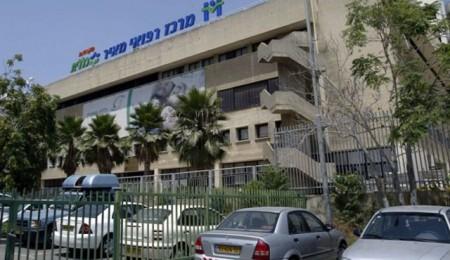
Sourasky Medical Center (Ichilov)
إسرائيل, Tel Aviv
Pelles Sharon
23سنة خبره ١٦ سنة

العيادة معتمدة من قبل : 





تمت مراجعة المقالة طبيا من قبل
فهد مولود
من $1,500
تكاليف علاج سرطان القولون السيني النموذجية في إسرائيل
رؤية خبراء Bookimed: بالنسبة لحالات أورام الجهاز الهضمي المعقدة، يُعد مركز سوراسكي الطبي (إيخيلوف) مثالياً نظراً لمعدل نجاحه البالغ 90%. يجب على المرضى الذين يبحثون عن رعاية شخصية التفكير في مركز أسوتا الطبي، وهو أكبر عيادة خاصة في إسرائيل. تستفيد الحالات الجراحية المتقدمة من رواد مثل الدكتور ألون بيكارسكي في مركز هداسا الطبي. تضمن الفرق متعددة التخصصات في هذه المراكز الحاصلة على اعتماد اللجنة الدولية المشتركة (JCI) معايير سلامة عالية للمرضى الدوليين.
| إسرائيل | تركيا | إسبانيا | |
|---|---|---|---|
| العلاج الكيميائي لسرطان الثدي | ≈ $22,500 | من $3,000 | من $1,700 |
| العلاج الإشعاعي لسرطان القولون والمستقيم | ≈ $14,000 | من $5,000 | من $7,500 |
| استئصال القولون | من $16,500 | من $5,000 | من $16,200 |
مديرة معهد أورام الجهاز الهضمي في مركز سوراسكي الطبي – الدكتورة شارون بيليد متخصصة في العلاج الجهازي لسرطانات الجهاز الهضمي.

البروفيسور عوفر ميريمسكي هو طبيب أورام رائد متخصص في أورام العظام والأنسجة الرخوة في مركز سوراسكي الطبي. تمتد خبرته لعقود، مع توليه مناصب قيادية في جمعيات الأورام العالمية.

الدكتور أرنون ناجلر هو طبيب أمراض دم في مركز شيبا الطبي في إسرائيل. وهو أستاذ في جامعة تل أبيب وخبير مشهور في زراعة الأعضاء. أسس الدكتور ناجلر أول بنك عام لدم الحبل السري في إسرائيل. كما أجرى أول عمليات زراعة لدم الحبل السري في البلاد. أكمل تدريبه بعد الدكتوراه في جامعة ستانفورد وهو حاصل على شهادة البورد في أمراض الدم.
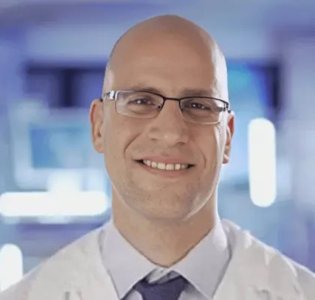
الدكتور ألموغ بن-يعقوب جرّاح استشاري في قسم الجراحة العامة وجراحة الأورام (Surgery C) في مركز شيبا الطبي. يختص في الجراحة الخافِضة للخلايا الورمية (CRS) مع العلاج الكيميائي داخل الصفاق بفرط الحرارة (HIPEC). يركّز سريريًا على سرطان المعدة والساركوما وأورام القولون والمستقيم المعقّدة. منذ 2018، أجرى أكثر من 200 إجراء HIPEC.
حاصل على درجة MD من جامعة سيميلويس عام 2006، مع مرتبة الشرف. تدريب في جراحة القلب والصدر في مركز شيبا الطبي. إقامة في الجراحة العامة في مونتيفيوري (Albert Einstein) و
 Anna Leonova
تعد جراحات استئصال القولون السيني الروبوتية وبالمنظار للسرطان إجراءات قياسية متاحة على نطاق واسع في المستشفيات الإسرائيلية. تستخدم المراكز المعتمدة من قبل اللجنة الدولية المشتركة (JCI) في تل أبيب والقدس نظام دافنشي لإزالة الأورام بدقة. هذه التقنيات طفيفة التوغل هي المعيار المفضل لعلاج سرطان الغدية السيني.
رؤية خبير Bookimed: تُظهر المراكز الطبية الإسرائيلية مستوى عالٍ من التخصص الجراحي حيث يتعاون أطباء الأورام مثل الدكتور عوفر ميريمسكي مع الفرق الجراحية في الحالات المعقدة. تتعامل المرافق الكبيرة مثل سوراسكي وأسوتا مع أكثر من 30,000 و92,000 عملية سنوياً على التوالي. يشير هذا الحجم الكبير إلى أن الفرق الجراحية تحافظ على درجة عالية من الكفاءة في التقنيات طفيفة التوغل.
إجماع المرضى: يلاحظ المرضى أن الشقوق الصغيرة تؤدي إلى ألم أقل بكثير مقارنة بالجراحة المفتوحة التقليدية. وغالباً ما يعبرون عن ارتياحهم لسرعة قدرتهم على المشي وتناول الطعام مرة أخرى بعد الإجراء.
يحدد استعادة وظيفة الأمعاء والتحرك المبكر الجدول الزمني للتعافي من استئصال القولون السيني في إسرائيل. يبقى المرضى عادة في المستشفى لمدة تتراوح بين 3 إلى 7 أيام. يحدث التعافي الوظيفي الكامل عادة في غضون 4 إلى 8 أسابيع. غالبًا ما تستخدم المراكز المتخصصة بروتوكولات التعافي المعزز بعد الجراحة لتسريع الشفاء.
رؤية خبير Bookimed: تبلغ مراكز الأورام الإسرائيلية مثل مركز سوراسكي الطبي عن معدل نجاح بنسبة 90% في علاجات الأورام. غالبًا ما يرتبط هذا الأداء العالي بالتخصص الشديد لجراحيهم. على سبيل المثال، يتمتع الدكتور جوزيف كلاوزنر بأكثر من 45 عامًا من الخبرة في إجراءات القولون والمستقيم. اختيار منشأة ذات قيادة جراحية راسخة يضمن غالبًا معالم تعافي أكثر قابلية للتنبؤ.
إجماع المرضى: يؤكد المرضى أن المشي المتكرر هو أفضل طريقة للتعامل مع آلام الغازات وإعادة تشغيل الهضم. يلاحظ الكثيرون موجة كبيرة من التعب تظهر بعد 2 إلى 4 أسابيع من العودة إلى المنزل.
تحافظ المراكز الطبية الإسرائيلية مثل سوراسكي وأسوتا وهداسا على اعتماد اللجنة الدولية المشتركة (Joint Commission International) لرعاية سرطان القولون. تعطي هذه المرافق الأولوية للعلاج متعدد التخصصات لسرطان الغدية السيني. يحصل المرضى على متخصصين مدربين في مؤسسات عالمية رائدة مثل رويال مارسدن وجامعة تورنتو.
رؤية خبير Bookimed: تدير مراكز الأورام الإسرائيلية مثل سوراسكي وهداسا أحجاماً هائلة من المرضى، تتجاوز 1,000,000 زيارة سنوياً. يسمح هذا التردد العالي للجراحين بصقل تقنياتهم لحالات سرطان الغدية السيني المعقدة. توفر عيادات مثل أسوتا مرونة القطاع الخاص. وهذا يتيح للمرضى اختيار جراحين كبار محددين لإجراءات استئصال القولون بمساعدة الروبوت.
إجماع المرضى: يلاحظ المرضى التنسيق السلس أثناء التشخيص، حيث يكملون غالباً الخزعات ومسح PET/CT في غضون أيام. يشعر الكثيرون بالاطمئنان من قبل الأطباء الذين يشرحون الخطوات الجراحية بلغة إنجليزية واضحة ومتعاطفة.
معظم المرضى الذين يخضعون لجراحة سرطان القولون السيني في إسرائيل لا يحتاجون إلى فغرة دائمة. يعطي الجراحون الإسرائيليون الأولوية للمفاغرة الأولية (primary anastomosis) لإعادة توصيل الأمعاء السليمة مباشرة. قد يتم استخدام فغرة مؤقتة لمدة 6 إلى 12 أسبوعاً لحماية التوصيلة الجديدة أثناء التئامها بشكل صحيح.
رؤية خبير Bookimed: تجري مراكز الأورام الإسرائيلية مثل مركز سوراسكي أكثر من 34,000 عملية سنوياً بنسبة نجاح تصل إلى 90%. غالباً ما تستخدم المراكز ذات الحجم الكبير بروتوكولات التعافي المعزز بعد الجراحة (ERAS). تساعد هذه البروتوكولات المرضى على تحقيق المفاغرة الأولية دون الحاجة إلى فغرة تحويلية من خلال إعطاء الأولوية للتحضير قبل الجراحة. اختيار جراح يتمتع بخبرة تزيد عن 20 عاماً، مثل الدكتور جدعون غولدمان، يحسن النتائج بشكل أكبر.
إجماع المرضى: يشير المرضى إلى أن الفغرات المؤقتة غالباً ما تكون جزءاً من عملية الشفاء لمنع التسرب. ويؤكدون أن الجراحة طفيفة التوغل جعلت تعافيهم أسرع وساعدتهم على تجنب الفغرة الدائمة.
تشمل المضاعفات المحتملة لاستئصال القولون السيني تسربات المفاغرة، والتهابات موقع الجراحة، والعلوص. تدير المستشفيات الإسرائيلية هذه المخاطر من خلال بروتوكولات التعافي المعزز بعد الجراحة. تستخدم فرق مدربة تدريباً عالياً في المرافق المعتمدة من قبل اللجنة الدولية المشتركة تقنيات تنظير البطن والجراحة الروبوتية لتقليل الصدمات بعد الجراحة وتحسين النتائج.
رؤية خبير Bookimed: تبلغ مراكز الأورام الإسرائيلية مثل مركز سوراسكي الطبي عن معدلات نجاح عالية من خلال الجمع بين الخبرة الجراحية والإشراف متعدد التخصصات. يتخصص جراحون كبار مثل الدكتور رون غرينبيرغ والدكتور جوزيف كلاوزنر في إجراءات القولون والمستقيم طفيفة التوغل. هذا التركيز على تنظير البطن يقلل بشكل كبير من تكرار التهابات الجروح مقارنة بالجراحة المفتوحة التقليدية.
إجماع المرضى: يؤكد المرضى على أهمية المشي بعد الجراحة بوقت قصير لإعادة تشغيل وظيفة الأمعاء. يوصي الكثيرون بطلب اختبارات البراز في حالة حدوث إسهال لاستبعاد الالتهابات أثناء التعافي.
تقوم مراكز الأورام الإسرائيلية بإجراء فحص تحديد المرحلة في غضون يوم إلى يومين من الوصول. تشمل بروتوكولات التشخيص التصوير المقطعي بالإصدار البوزيتروني (PET-CT)، والتصوير المقطعي للصدر والبطن، وتحاليل دم CEA. عادةً ما تتم جدولة جراحة سرطان الغدة القولونية السيني في غضون 7 إلى 14 يوماً بمجرد موافقة مجلس الأورام متعدد التخصصات على خطة العلاج.
رؤية خبير Bookimed: بينما يعتقد الكثيرون أن الجراحة هي الخطوة الفورية، تؤكد المراكز الإسرائيلية مثل مركز سوراسكي الطبي على المراجعة من قبل مجلس الأورام متعدد التخصصات أولاً. تظهر البيانات أن هذه المجالس، التي تضم خبراء مثل الدكتور رون جرينبيرج والدكتور إيدو وولف، غالباً ما تعمل على تحسين النهج الجراحي. يمكن أن يتراوح هذا من عمليات الاستئصال بمساعدة الروبوت إلى الجمع بين الجراحة وعلاج HIPEC للحالات المتقدمة، مما يؤثر بشكل كبير على معدلات النجاح على المدى الطويل.
إجماع المرضى: يشير المرضى إلى أنه من الضروري إحضار شرائح علم الأمراض الأصلية والتصوير الرقمي لتجنب خطوات التش
يجب على المرضى التخطيط لإقامة تتراوح بين 10 إلى 14 يوماً في إسرائيل لإجراء جراحة سرطان القولون السيني. تشمل هذه الفترة من 3 إلى 7 أيام في المستشفى وأسبوعاً من التعافي المحلي. تسمح معظم المراكز للمرضى بالسفر دولياً بعد حوالي 10 أيام من الإجراء.
رؤية خبير Bookimed: بينما يستغرق التعافي الأساسي 14 يوماً، فإن اختيار مراكز مثل Sourasky أو Assuta غالباً ما يسمح بإجراء جراحة بمساعدة الروبوت. تظهر البيانات أن هذه العيادات تتعامل مع أكثر من 30,000 عملية سنوياً. يرتبط هذا الحجم الكبير عادةً ببروتوكولات خروج أكثر كفاءة وعودة أسرع لوظيفة الأمعاء.
إجماع المرضى: يشير المرضى إلى أنه من الضروري البقاء في مكان قريب خلال الأسبوعين الأولين. ويؤكدون على أهمية بناء المرونة في خطط السفر في حال تطلبت نتائج علم الأمراض أو التئام الجروح وقتاً إضافياً.
تُعدّ إسرائيل مركزًا رائدًا في جراحة الأعصاب بفضل مزيجها من التطورات الطبية عالية التقنية والخبرات الجراحية المتميزة. وتستخدم مرافق متطورة مثل مركز شيبا الطبي أنظمة ملاحة تعتمد على الذكاء الاصطناعي والتصوير بالرنين المغناطيسي أثناء الجراحة في الوقت الفعلي. وتشير المراكز المتخصصة إلى نسبة نجاح تصل إلى 98% في العمليات الجراحية المعقدة، بما في ذلك جراحة الدماغ مع اليقظة وعلاج اضطرابات الحركة.
رأي خبراء بوكيمد: تُظهر البيانات فرقًا واضحًا بين خيارات العلاج في القطاعين العام والخاص في إسرائيل. تُجري المراكز الخاصة، مثل مركز أسوتا الطبي، أكثر من 92,000 عملية جراحية سنويًا، وتتيح للمرضى اختيار جراح را
يعالج جراحو الأعصاب الإسرائيليون طيفاً واسعاً من الحالات، بدءاً من أورام الدماغ والحبل الشوكي وصولاً إلى الاضطرابات الوظيفية المعقدة. وتستخدم المراكز المتخصصة أحدث التقنيات، مثل جهاز جاما نايف، والتحفيز العميق للدماغ، والتصوير بالرنين المغناطيسي أثناء الجراحة، لتشخيص دقيق للغاية لحالات الصرع، ومرض باركنسون، وأمراض الأوعية الدموية الدماغية.
رأي خبراء بوكيمد: غالبًا ما تجمع المستشفيات الإسرائيلية بين تخصصات طبية متعددة لمعالجة الحالات المعقدة. ففي مركز سوراسكي ا
تضم إسرائيل مراكز جراحة أعصاب عالمية المستوى، مثل مركز سوراسكي الطبي، ومركز شيبا الطبي، ومركز هداسا الطبي. وتُعدّ هذه المؤسسات رائدة عالميًا في علاج أورام الدماغ المعقدة، وأمراض العمود الفقري، واضطرابات الحركة. وتستخدم أحدث التقنيات، مثل جهاز جاما نايف، والأنظمة الروبوتية، والتصوير بالرنين المغناطيسي أثناء الجراحة.
رأي خبراء بوكيمد: تُظهر بياناتنا أنه بينما يلجأ معظم المرضى للعلاج في تل أبيب، يُقدّم مركز رامبام الطبي في حيفا رعايةً فريدةً لإصابات الدماغ. فهو يضم وحدةً متخصصةً للعناية المركزة العصبية تُعالج ما يقارب مليون مريض سنويًا. وهذا ما يجعله