علاج العصبية في إسرائيل — احصل على 3 عيادات مختارة خصيصاً لك


تمت مراجعة المقالة طبيا من قبل
فهد مولود
كيف نعمل؟
ما هي تكلفة العصبية إجراءات التشخيص والعلاج في إسرائيل؟ اعرف الآن
| إسرائيل | تركيا | إسبانيا | |
|---|---|---|---|
| علاج معقد من ورم الأرومة العصبية | من $74,500 | ≈ $38,000 | ≈ $70,000 |
اكتشف أفضل العصبية العيادات في إسرائيل: 5 خيارات معتمدة والأسعار










احصل على تقييم طبي لـ في إسرائيل. استشر الآن 13 أطباء ذوي الخبرة.
عرض جميع الأطباء
Ronit El Hasid
تم إجراء أكثر من 300 عملية زرع أورام للأطفال – تعمل رونيت إل حاسيد حصرياً مع الأطفال في مركز سوراسكي الطبي (إيخيلوف).
- رئيسة قسم أورام الدم للأطفال في مستشفى دانا دويك للأطفال
- عضو في الجمعية الأمريكية لأمراض الدم والجمعية الإسرائيلية لأورام الدم للأطفال
- تجري عمليات زرع نخاع العظم ودم الحبل السري لحالات الأطفال
- تدربت في مستشفى سيتي أوف هوب والمراكز الطبية الإسرائيلية
- نشرت أكثر من 50 ورقة بحثية حول طرق أورام الأطفال

Amos Toren
البروفيسور آموس تورين، MD، PhD، MHA، اختصاصي أمراض دم وأورام الأطفال وخبير زرع نخاع العظم. شغل منصب مدير أمراض دم وأورام الأطفال وزرع نخاع العظم في مركز شيبا الطبي.
حاصل على البورد في طب الأطفال، وأمراض دم وأورام الأطفال، وزرع نخاع العظم. يحمل دكتوراه في علم الوراثة البشرية. ترأس شعبة أمراض الدم في جامعة تل أبيب لولايتين. وهو عضو في ASH وCOG وESPHI وEBMT وCIBMTR، ويعمل أيضاً في لجنة دم الحبل السري بوزارة الصحة.
قاد أحد أكثر برامج أورام الأطفال وزرع نخاع العظم تقدماً في إسرائيل.
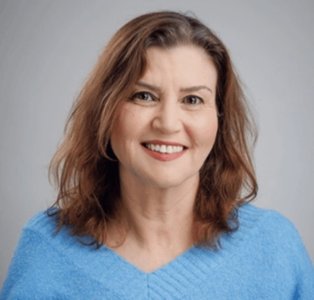
Hana Golan
الدكتورة هنا غولان، MD، ترأس قسم أمراض الدم والأورام لدى الأطفال وزراعة نخاع العظم (BMT) في مركز شيبا الطبي. تتخصص في سرطانات الطفولة، مع تركيز على الورم الأرومي العصبي وأورام الأنسجة الصلبة عالية الخطورة.
تقود أحد أكثر برامج أورام الأطفال تقدماً في المنطقة. تدير حالات معقدة وعالية الخطورة، وتمارس عملها في مستشفى مصنّف ضمن أفضل عشرة عالمياً.
هي الباحثة الرئيسية في بروتوكول ESIOP للورم الأرومي العصبي عالي الخطورة. وتشغل منصب باحثة في تجارب دولية من المرحلتين الأولى والثانية، والم
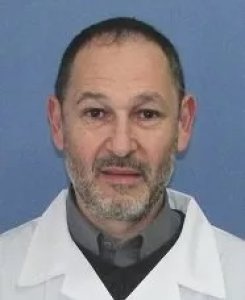
Zvi Cohen
البروفيسور زفي كوهين مدير قسم جراحة الأعصاب ووحدة الأورام العصبية في مركز شيبا الطبي. وهو جرّاح أعصاب وخبير في الأورام العصبية. اختير ضمن قائمة فوربس إسرائيل لأفضل الأطباء لعام 2025. يقود أبحاثًا سريرية حول العلاجات الدوائية لأورام الدماغ الخبيثة. كما أسّس بنك أنسجة أورام الدماغ في شيبا.
حاصل على شهادة البورد في جراحة الأعصاب، وتدرّب في جامعة تل أبيب. أكمل زمالتين: في الأشعة العصبية في بيث إسرائيل، وفي جراحة أورام الأعصاب في مركز إم دي أندرسون. تشمل ممارسته أورام الدماغ المعقّدة والغدة
مشاركة المحتوى
قصص فيديو من مرضى Bookimed
 Anna Leonova
أسئلة متكررة حول علاج العصبية في إسرائيل
ما هي معدلات البقاء على قيد الحياة والشفاء لمرضى الورم الأرومي العصبي عالي الخطورة الذين يتم علاجهم في المراكز الإسرائيلية؟
تُبلغ المراكز الطبية الإسرائيلية عن معدلات بقاء على قيد الحياة تصل إلى 85% لمرضى الورم الأرومي العصبي عالي الخطورة. تحقق مرافق الأورام المتخصصة معدل نجاح بنسبة 90% لحالات أورام الأطفال العامة. تنبع هذه النتائج من بروتوكولات متعددة الوسائط مكثفة. تدمج المراكز العلاج المناعي المتقدم والعلاج الإشعاعي بـ MIBG لاستهداف الأورام بدقة.
- معدلات النجاح: تُظهر الحالات عالية الخطورة بقاءً بنسبة 85%؛ وتصل نسبة البقاء في المرحلة الرابعة إلى 75%.
- العلاجات المتقدمة: تستخدم مراكز مثل شيبا وميض MIBG وبروتوكولات العلاج المناعي المتخصصة.
- الخبرة الجراحية: أجرت الدكتورة رونيت الحصيد أكثر من 300 عملية زرع نخاع عظم للأطفال.
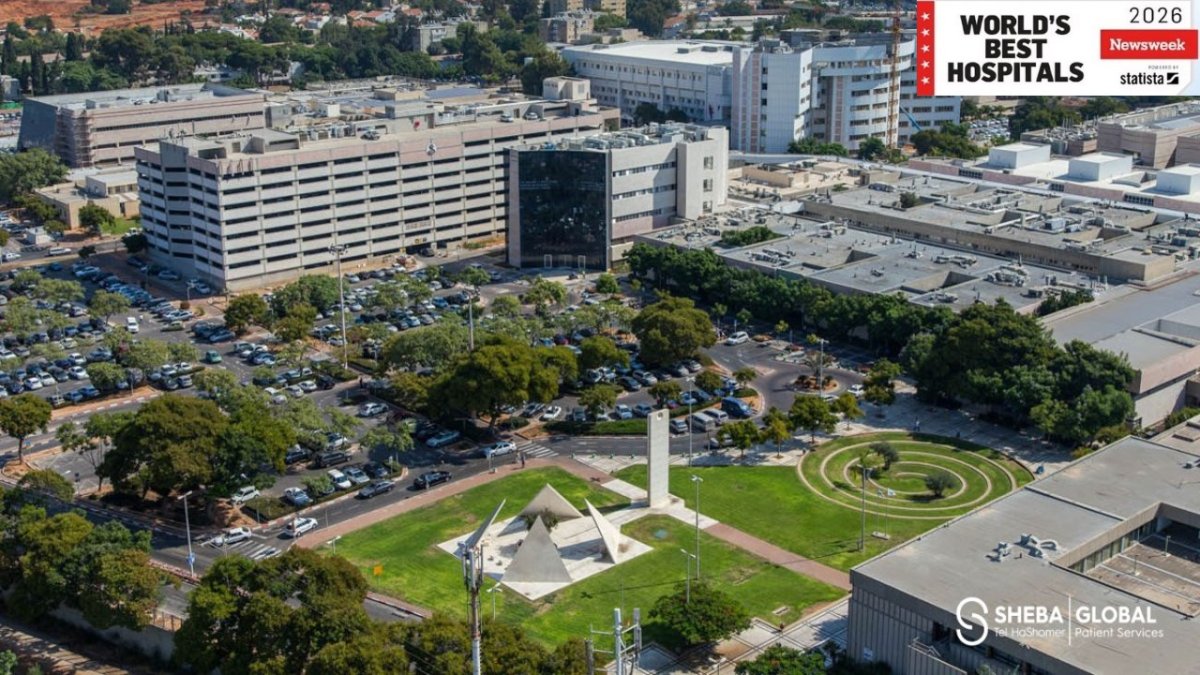
- التصنيف العالمي: تم تصنيف مركز شيبا الطبي في المرتبة السابعة عالمياً من قبل مجلة نيوزويك لعام 2026.
رؤية خبير Bookimed: في حين أن معدلات البقاء على قيد الحياة مرتفعة في جميع أنحاء إسرائيل، فإن الكثافة اللوجستية في مراكز مثل شيبا فريدة من نوعها. تشمل حزمة زرع نخاع العظم للورم الأرومي العصبي لديهم إقامة في المستشفى لمدة 30 يوماً. هذه الفترة الطويلة من الإقامة في المستشفى أطول بكثير من العديد من البروتوكولات الدولية. وهي تضمن أقصى درجات الأمان خلال مرحلة التعافي الحرجة بعد الزرع.
إجماع المرضى: غالباً ما يسلط الآباء الضوء على سرعة التشخيص والدقة المطمئنة لأدوات الطب النووي مثل MIBG. ويشيرون إلى أن الوصول إلى متخصصين مشهورين عالمياً مثل الدكتورة هانا جولان يوفر ثقة هائلة أثناء العلاجات المعقدة.
ما هي المستشفيات والأخصائيون في إسرائيل الذين يعالجون الورم الأرومي العصبي، وما هي الاعتمادات التي يحملونها؟
تشمل المستشفيات الإسرائيلية الرئيسية التي تعالج الورم الأرومي العصبي مركز شيبا الطبي، وسوراسكي (إيخيلوف)، وهداسا، ورمبام، ومركز شنايدر للأطفال. تحمل هذه المرافق اعتماد اللجنة الدولية المشتركة (JCI). ومن بين كبار الأخصائيين الدكتورة هانا جولان والبروفيسورة رونيت إل حاسيد، اللتان تتبعان البروتوكولات الدولية للحالات عالية الخطورة وتستخدمان زراعة نخاع العظم.
- مركز شيبا الطبي: احتل المرتبة السابعة عالمياً في عام 2026 مع شهادات JCI وISO.
- مركز سوراسكي (إيخيلوف): يبلغ عن معدل نجاح بنسبة 90% لعلاجات أورام الأطفال.
- مؤهلات الأخصائيين: تقود الدكتورة هانا جولان بروتوكولات ESIOP الدولية للورم الأرومي العصبي عالي الخطورة.
- العلاجات المتقدمة: تقدم المراكز علاج MIBG، وعلاج الخلايا التائية CAR-T، وإنقاذ الخلايا الجذعية.
رؤية خبير Bookimed: تُظهر المراكز الطبية الإسرائيلية نطاقاً كبيراً من الرعاية، حيث يعالج مركز شيبا الطبي وحده أكثر من 2 مليون مريض سنوياً. تُظهر بياناتنا أن الباقات عالية المستوى، مثل تلك الموجودة في شيبا، والتي يبلغ سعرها حوالي 160,000 دولار لعمليات زراعة نخاع العظم المعقدة، غالباً ما تشمل 30 يوماً من الإقامة في المستشفى. تُعد هذه الإقامة الطويلة في المستشفى عاملاً فارقاً رئيسياً مقارنة بالعيادات في مناطق أخرى التي قد تقدم فترات مراقبة أولية أقصر.
إجماع المرضى: يؤكد الآباء على أهمية التواصل مع المنسقين الدوليين في وقت مبكر لإدارة التأشيرات والترجمات. تشير العائلات إلى أنه على الرغم من ارتفاع معدل نجاح الجراحة، إلا أ
هل يتوفر علاج MIBG (131I-MIBG) في إسرائيل وكيف يتم التعامل مع السلامة الإشعاعية؟
يتوفر علاج MIBG (131I-MIBG) في إسرائيل في مراكز الرعاية الثالثية الكبرى مثل مركز شيبا الطبي وحرم رامبام للرعاية الصحية. تدير المرافق السلامة الإشعاعية من خلال غرف عزل مبطنة بالرصاص. تشمل البروتوكولات المتخصصة حماية الغدة الدرقية باستخدام يوديد البوتاسيوم. تضمن المراقبة الصارمة بقاء النشاط الإشعاعي ضمن الحدود الآمنة قبل خروج المريض.
- الدرع الإشعاعي: يبقى المرضى في غرف مبطنة بالرصاص لمنع الانبعاثات المشعة.
- حماية الغدة الدرقية: يمنع دواء يوديد البوتاسيوم الغدة الدرقية من امتصاص اليود المشع.
- بروتوكولات النفايات: تتعامل المرافق مع جميع سوائل الجسم والمواد التي تستخدم لمرة واحدة كنفايات مشعة.
- سلامة الاتصال: تتم مراقبة المرضى من قبل مقدمي الرعاية عبر نوافذ رصاصية في غرف انتظار نظيفة ومنفصلة.
- معايير الخروج: يغادر المرضى بمجرد انخفاض مستويات الإشعاع عن عتبات أمان محددة.
رؤية خبير Bookimed: غالبًا ما تدمج مراكز الأورام الإسرائيلية علاج MIBG في بروتوكولات شاملة لورم الأرومة العصبية عالي الخطورة. في مركز شيبا الطبي، على سبيل المثال، تعمل الدكتورة هنا جولان كباحثة رئيسية لبروتوكولات ESIOP عالية الخطورة. يعني هذا التكامل السريري رفيع المستوى أن المرضى يتلقون علاجًا جزيئيًا مستهدفًا مع البقاء ضمن أطر العلاج الأوروبية الموحدة. مثل هذا التنسيق يبسط الانتقال بين MIBG والمراحل المعقدة الأخرى مثل زراعة نخاع العظم.
إجماع المرضى: يجد الآباء أن الانفصال خلال فترة العزل التي تتراوح من 5 إلى 7 أيام صعب عاطفيًا لك
ما هو الجدول الزمني النموذجي للعلاج ومدة الإقامة في إسرائيل لطفل يخضع لعلاج الورم الأرومي العصبي عالي الخطورة؟
يستمر علاج الورم الأرومي العصبي عالي الخطورة في إسرائيل عادةً من 15 إلى 18 شهرًا. يخضع المرضى لمراحل مكثفة من التحريض والتوحيد والصيانة. عادةً ما تكمل المراكز المتخصصة مثل مركز شيبا الطبي التشخيص في غضون 3 إلى 5 أيام. يشمل العلاج العلاج الكيميائي، والاستئصال الجراحي، وزراعة الخلايا الجذعية الذاتية.
- مرحلة التحريض: تستمر من 3 إلى 5 أشهر مع 5 إلى 8 دورات علاج كيميائي مكثفة.
- الإقامة في المستشفى: توقع 30 يومًا لعمليات زراعة نخاع العظم في وحدات عزل متخصصة.
- التعافي الجراحي: يتطلب استئصال الورم الأولي عمومًا من 5 إلى 7 أيام من الاستشفاء.
- مرحلة الصيانة: تتضمن حوالي 6 أشهر من العلاج المناعي الذي يتم إجراؤه بشكل أساسي من خلال الرعاية الخارجية.
رؤية خبير Bookimed: غالبًا ما تدمج البروتوكولات الإسرائيلية زراعة الخلايا الجذعية الذاتية والعلاج المناعي في جدول زمني موحد. بينما تبلغ مدة الإقامة القياسية في المستشفى للزراعة 30 يومًا، تدير مراكز مثل مركز شيبا الطبي أكثر من مليوني مريض سنويًا. يسمح حجمهم الكبير بالانتقال السريع من الرعاية الداخلية المكثفة إلى المراقبة الخارجية اليومية.
إجماع المرضى: تؤكد العائلات على أهمية التخطيط لمدة لا تقل عن 12 إلى 18 شهرًا في إسرائيل لمراعاة فترات التعافي. يوصون بإحضار أغراض الراحة للطفل حيث يمكن تمديد فترات العزل أثناء الزراعة.
ما هي رعاية الدعم والخدمات باللغة الإنجليزية التي يتم تقديمها للعائلات الدولية؟
توفر إسرائيل دعمًا شاملاً للعائلات الدولية. توظف المراكز المعتمدة من قبل JCI مثل شيبا وسوراسكي فرقًا طبية تتحدث الإنجليزية. تشمل الرعاية متعددة التخصصات التغذية الشخصية والتمريض على مدار 24 ساعة. تتلقى العائلات مساعدة مخصصة في عمليات النقل من المطار إلى العيادة. يعمل المنسقون في الموقع على سد الفجوات اللغوية طوال رحلة علاج الورم الأرومي العصبي.
- التنسيق الطبي: يقود أطباء الأورام والمناعة الناطقون بالإنجليزية حالات الأطفال.
- دعم التمريض: تتمتع العائلات بإمكانية الوصول على مدار 24 ساعة إلى طاقم تمريض يتقن اللغة الإنجليزية.
- خدمات النظام الغذائي: يقدم أخصائيو التغذية المخصصون خطط وجبات شخصية للأطفال.
- النقل: غالبًا ما تتضمن الباقات عمليات نقل من المطار إلى العيادة لضمان وصول سلس.
- إقامة العائلة: تشمل بعض المراكز مثل شيبا 30 يومًا من الاستشفاء في باقات العلاج.
رؤية خبير Bookimed: بينما يفكر الكثيرون في الرعاية الطبية فقط، تشمل باقات مركز شيبا الطبي 30 ليلة في المستشفى. وهذا يوفر أساسًا مستقرًا للعائلات. غالبًا ما يبدأ التنسيق قبل الوصول من خلال استشارات باللغة الإنجليزية. يضمن اختيار العيادات المصنفة من قبل مجلة نيوزويك معايير دولية للدعم اللغوي والطبي. يقلل هذا الهيكل من العبء اللوجستي على الآباء بشكل كبير.
إجماع المرضى: يجد الآباء أن وجود منسق مخصص أمر ضروري للتنقل في الحياة اليومية بالمستشفى. وغالبًا ما يؤكدون أن وجود شخص لترجمة التفاصيل الطبية إلى لغة إنجليزية بسيطة يجعل الإجراءات المعقدة تبد
هل توجد تجارب سريرية إسرائيلية مفتوحة للأطفال الأجانب المصابين بالورم الأرومي العصبي المتكرر/المقاوم للعلاج؟
تجري إسرائيل بنشاط تجارب سريرية للأطفال الأجانب المصابين بالورم الأرومي العصبي المتكرر أو المقاوم للعلاج. وتشارك مراكز رائدة مثل مركز شيبا الطبي ومركز شنايدر للأطفال في اتحادات بحثية عالمية. غالبًا ما تمنح هذه التجارب المرضى الدوليين إمكانية الوصول إلى علاجات مناعية تجريبية، بما في ذلك علاج الخلايا التائية CAR-T وبروتوكولات الأدوية الجديدة.
- العلاجات المتاحة: تستخدم التجارب الأجسام المضادة وحيدة النسيلة ومجموعات الأدوية المخصصة للحالات عالية الخطورة.
- المؤسسات الرائدة: يقدم مركز شيبا الطبي تجارب المرحلة الأولى وتجارب العلاج المناعي المتخصصة.
- الوصول المبتكر: غالبًا ما يتوفر عقار ناكسيتاماب (Naxitamab) وإفلورنيثين (Eflornithine) من خلال بروتوكولات سريرية مبكرة.
- الخيارات التنظيمية: قد تسمح لوائح الاستخدام الرحيم بالوصول إلى الأدوية قيد البحث للأطفال.
رؤية خبير Bookimed: تخدم مراكز الأورام الإسرائيلية أكثر من 1.8 مليون مريض سنويًا وتحافظ على معدل نجاح في علاج الأورام بنسبة 90%. تظهر بياناتنا أن مركز شيبا الطبي مصنف ضمن أفضل 10 مراكز على مستوى العالم من قبل مجلة نيوزويك. تقود الدكتورة هانا جولان شخصيًا بروتوكولات الورم الأرومي العصبي الدولية في هذه المنشأة المعتمدة من اللجنة الدولية المشتركة (JCI). يضمن هذا المزيج من التصنيف العالمي والقيادة حصول المرضى المعرضين لمخاطر عالية على رعاية متخصصة وموثوقة.
إجماع المرضى: يؤكد الآباء أن بدء المراجعة الطبية مبكرًا أمر حيوي للأهلية للمشاركة في التجارب. ويشيرون إلى أن وجود مدير حا
ما مدى سرعة عودة طفلي إلى المنزل بالطائرة بعد إكمال العلاج، وما هي المتابعة الموصى بها؟
يمكن للأطفال عادةً السفر بالطائرة بعد أسبوع إلى أسبوعين من العلاج الكيميائي أو الجراحة البسيطة. تتطلب عمليات زرع الخلايا الجذعية إقامات أطول. تكون الرحلات الجوية آمنة بمجرد استقرار تعداد الدم وتأكيد الأطباء للجاهزية الطبية للسفر. يجب على المرضى حمل خطاب خروج رسمي وقائمة مفصلة بالأدوية.
- الجدول الزمني للسفر: يسافر معظم الأطفال بالطائرة بعد 7 إلى 14 يوماً من دورات العلاج الروتينية.
- التعافي من الزرع: تتطلب عمليات زرع نخاع العظم البقاء بالقرب من العيادة لمدة تتراوح بين 3 إلى 6 أشهر.
- فحوصات المتابعة: قم بجدولة فحوصات MIBG-scintigraphy والأشعة المقطعية كل شهر إلى 3 أشهر بعد العودة.
- مراقبة المؤشرات: تحقق من مستويات VMA و HVA في البول بانتظام لتتبع الاستجابة للعلاج.
- التنسيق المحلي: يجب أن ينسق طبيب الأورام المحلي الخاص بك مباشرة مع الفريق الطبي الإسرائيلي.
رؤية خبير Bookimed: غالباً ما تتضمن البروتوكولات الإسرائيلية علاج MIBG أو تجارب خلايا CAR-T لمرض الورم الأرومي العصبي عالي الخطورة. تتطلب هذه العلاجات المتقدمة فترات مراقبة محددة قبل المغادرة. في مركز شيبا الطبي، تشرف الدكتورة هانا جولان على هذه البروتوكولات الدولية المعقدة. نرى أن العديد من العائلات تختار شيبا لأنه يصنف ضمن أفضل 10 مستشفيات على مستوى العالم.
إجماع المرضى: يؤكد الآباء على أهمية طلب خطاب جاهزية للطيران لتقديمه لشركة الطيران. كما يقترحون حجز تذاكر مرنة في حال استغرق تعداد الدم وقتاً أطول للتعافي.
لماذا تُعد إسرائيل واحدة من الوجهات الرائدة في جراحة الأعصاب؟
تُعدّ إسرائيل مركزًا رائدًا في جراحة الأعصاب بفضل مزيجها من التطورات الطبية عالية التقنية والخبرات الجراحية المتميزة. وتستخدم مرافق متطورة مثل مركز شيبا الطبي أنظمة ملاحة تعتمد على الذكاء الاصطناعي والتصوير بالرنين المغناطيسي أثناء الجراحة في الوقت الفعلي. وتشير المراكز المتخصصة إلى نسبة نجاح تصل إلى 98% في العمليات الجراحية المعقدة، بما في ذلك جراحة الدماغ مع اليقظة وعلاج اضطرابات الحركة.
- التكنولوجيا المتقدمة: تستخدم العيادات الموجات فوق الصوتية المركزة الموجهة بالرنين المغناطيسي (MRgFUS) والأنظمة الروبوتية لإجراء الشقوق.
- الخبرة الجراحية: يقود جراحون مثل الدكتور تسفي رام جمعيات دولية بخبرة تزيد عن 25 عامًا.
- الوصول السريع: يمكن للمرضى الدوليين عادةً تحديد مواعيد لإجراء عمليات جراحية معقدة في الدماغ أو العمود الفقري في غضون 2-4 أسابيع.
- الرعاية الطبية المعتمدة: المراكز الكبيرة مثل سوراسكي (إيشيلوف) وأسوتا معتمدة من قبل اللجنة الدولية المشتركة، مما يؤكد سلامتها.
رأي خبراء بوكيمد: تُظهر البيانات فرقًا واضحًا بين خيارات العلاج في القطاعين العام والخاص في إسرائيل. تُجري المراكز الخاصة، مثل مركز أسوتا الطبي، أكثر من 92,000 عملية جراحية سنويًا، وتتيح للمرضى اختيار جراح را
ما هي أنواع الأمراض العصبية التي يتم علاجها في إسرائيل؟
يعالج جراحو الأعصاب الإسرائيليون طيفاً واسعاً من الحالات، بدءاً من أورام الدماغ والحبل الشوكي وصولاً إلى الاضطرابات الوظيفية المعقدة. وتستخدم المراكز المتخصصة أحدث التقنيات، مثل جهاز جاما نايف، والتحفيز العميق للدماغ، والتصوير بالرنين المغناطيسي أثناء الجراحة، لتشخيص دقيق للغاية لحالات الصرع، ومرض باركنسون، وأمراض الأوعية الدموية الدماغية.
- الأمراض السرطانية: علاج الأورام الدبقية والأورام السحائية وأورام الغدة النخامية باستخدام استئصال قاعدة الجمجمة.
- الاضطرابات الوظيفية: علاج مرض باركنسون والرعاش الأساسي باستخدام التحفيز العميق للدماغ.
- أمراض العمود الفقري: تصحيح الجنف، وانزلاق الغضروف، وأورام العمود الفقري باستخدام الأنظمة الروبوتية.
- علاج أمراض الأوعية الدموية الدماغية: العلاج الجراحي لتمدد الأوعية الدموية الدماغية والتشوهات الشريانية الوريدية باستخدام التدخلات داخل الأوعية الدموية.
- جراحة الأعصاب للأطفال: رعاية متخصصة لاستسقاء الرأس والتشوهات الخلقية في مراكز طب الأطفال المتخصصة.
رأي خبراء بوكيمد: غالبًا ما تجمع المستشفيات الإسرائيلية بين تخصصات طبية متعددة لمعالجة الحالات المعقدة. ففي مركز سوراسكي ا
ما هي المستشفيات في إسرائيل التي تشتهر بأقسام جراحة الأعصاب فيها؟
تضم إسرائيل مراكز جراحة أعصاب عالمية المستوى، مثل مركز سوراسكي الطبي، ومركز شيبا الطبي، ومركز هداسا الطبي. وتُعدّ هذه المؤسسات رائدة عالميًا في علاج أورام الدماغ المعقدة، وأمراض العمود الفقري، واضطرابات الحركة. وتستخدم أحدث التقنيات، مثل جهاز جاما نايف، والأنظمة الروبوتية، والتصوير بالرنين المغناطيسي أثناء الجراحة.
- سوراسكي (إيخيلوف): يجري أكثر من 2500 عملية جراحية عصبية سنوياً في تل أبيب بنسبة نجاح تبلغ 98%.
- مركز شيبا الطبي: مصنف ضمن أفضل عشرة مستشفيات في العالم، حيث يعالج 1.9 مليون مريض سنوياً.
- مركز هداسا الطبي: مرشح لجائزة نوبل للسلام. رائد في جراحة الأعصاب للأطفال والعلاج الجيني.
- مركز أسوتا الطبي: أكبر منشأة طبية خاصة في إسرائيل. متخصص في جراحات العمود الفقري والدماغ طفيفة التوغل.
- مستشفى شنايدر للأطفال: مركز رائد في جراحة الأعصاب للأطفال، يعالج 275000 طفل سنوياً.
رأي خبراء بوكيمد: تُظهر بياناتنا أنه بينما يلجأ معظم المرضى للعلاج في تل أبيب، يُقدّم مركز رامبام الطبي في حيفا رعايةً فريدةً لإصابات الدماغ. فهو يضم وحدةً متخصصةً للعناية المركزة العصبية تُعالج ما يقارب مليون مريض سنويًا. وهذا ما يجعله