العصبية العلاج في كوريا الجنوبية - التكاليف 2026


تمت مراجعة المقالة طبيا من قبل
فهد مولود
ما هي تكلفة العصبية إجراءات التشخيص والعلاج في كوريا الجنوبية؟ اعرف الآن
تتحدد تكلفة علاج الورم الأرومي العصبي في جمهورية كوريا بشكل عام بناءً على مدى تعقيد بروتوكول طب أورام الأطفال. تتراوح تكلفة التشخيصات الأساسية مثل استشارة طبيب الأورام من $50 إلى $75. تعتمد النفقات الإجمالية على مرحلة الورم، ودورات العلاج الكيميائي المطلوبة، وضرورة التدخل الجراحي. عادةً ما يوفر المرضى الدوليون ما بين 30% إلى 50% مقارنة بالولايات المتحدة. تقع أفضل مراكز العلاج في سيول وإنشيون.
تكاليف علاج الورم الأرومي العصبي النموذجية في جمهورية كوريا
- استشارة طبيب أورام: $50 – $75
- استشارة طبيب أطفال: من $80
- استشارة طبيب أشعة: من $55
رؤية خبراء Bookimed: بالنسبة لحالات الأطفال المعقدة، توفر المراكز الحاصلة على اعتماد اللجنة الدولية المشترية (JCI) مثل مستشفى سيفيرانس (Severance Hospital) معايير سلامة عالية المستوى. يجب على المرضى الذين يبحثون عن دقة جراحية متخصصة التفكير في مركز سامسونج الطبي (Samsung Medical Center)، الذي يستخدم نظام دافنشي الجراحي داخل مركز السرطان الشامل التابع له. وتعد المرافق التي تعتمد على الرقمنة في المقام الأول مثل مستشفى جامعة سيول الوطنية في بوندانغ (SNUBH) الأفضل لتقليل الأخطاء الطبية من خلال أنظمة BESTcare المتقدمة.
| كوريا الجنوبية | تركيا | إسبانيا | |
|---|---|---|---|
| علاج معقد من ورم الأرومة العصبية | ≈ $85,000 | ≈ $38,000 | ≈ $70,000 |
مزاياك وضماناتك مع Bookimed
أسعار مباشرة
Bookimed لا يضيف رسوماً إضافية على أسعار علاج العصبية. الأسعار مأخوذة من قوائم الأسعار الرسمية للعيادات. تدفع مباشرة في العيادة مقابل علاجك عند وصولك إلى البلد.
عيادات وأطباء معتمدون فقط
Bookimed ملتزم بسلامتك. نحن نعمل فقط مع المؤسسات الطبية التي تحافظ على معايير دولية عالية في علاج العصبية ولديها التراخيص اللازمة لخدمة المرضى الدوليين في جميع أنحاء العالم.
مساعدة مجانية على مدار الساعة
Bookimed يقدم مساعدة خبراء مجانية. منسق طبي شخصي يدعمك قبل وأثناء وبعد العلاج، ويحل أي مشاكل. لن تكون وحيداً أبداً في رحلة علاج العصبية.

منسقك الطبي الشخصي في Bookimed
- يدعمك في كل مرحلة
- المساعدة في اختيار العيادة الطبية المناسبة والطبيب المناسب
- يضمن الوصول السريع والمريح إلى المعلومات
اكتشف أفضل العصبية العيادات في كوريا الجنوبية: 4 خيارات معتمدة والأسعار








مشاركة المحتوى
قصص فيديو من مرضى Bookimed
 Anna Leonova
أسئلة متكررة حول علاج العصبية في كوريا الجنوبية
ما هي المستشفيات الكورية الجنوبية المعترف بها لعلاج الأورام الأرومية العصبية المتخصص؟
توفر المراكز الكورية الجنوبية مثل مركز سامسونج الطبي ومستشفى سيفيرانس علاجاً متطوراً للأورام الأرومية العصبية. تستخدم هذه المرافق وميض MIBG وفرق طب الأطفال متعددة التخصصات. تحافظ المستشفيات الجامعية ذات الحجم الكبير في سيول على تصنيفات نيوزويك واعتماد JCI. وغالباً ما تدمج خزعات نخاع العظم وتركيبات PORT-A-CATH المتخصصة.
- مركز سامسونج الطبي: مرفق مصنف من قبل نيوزويك يخدم أكثر من 2,000,000 مريض بتقنيات Novalis و IGRT.
- مستشفى سيفيرانس: مؤسسة معتمدة من JCI في سيول تدير 4,000,000 مريض خارجي من خلال عيادات أطفال متخصصة.
- SNUBH سيول: تطبق النظام الرقمي BESTcare لزيادة السلامة في بروتوكولات الأورام.
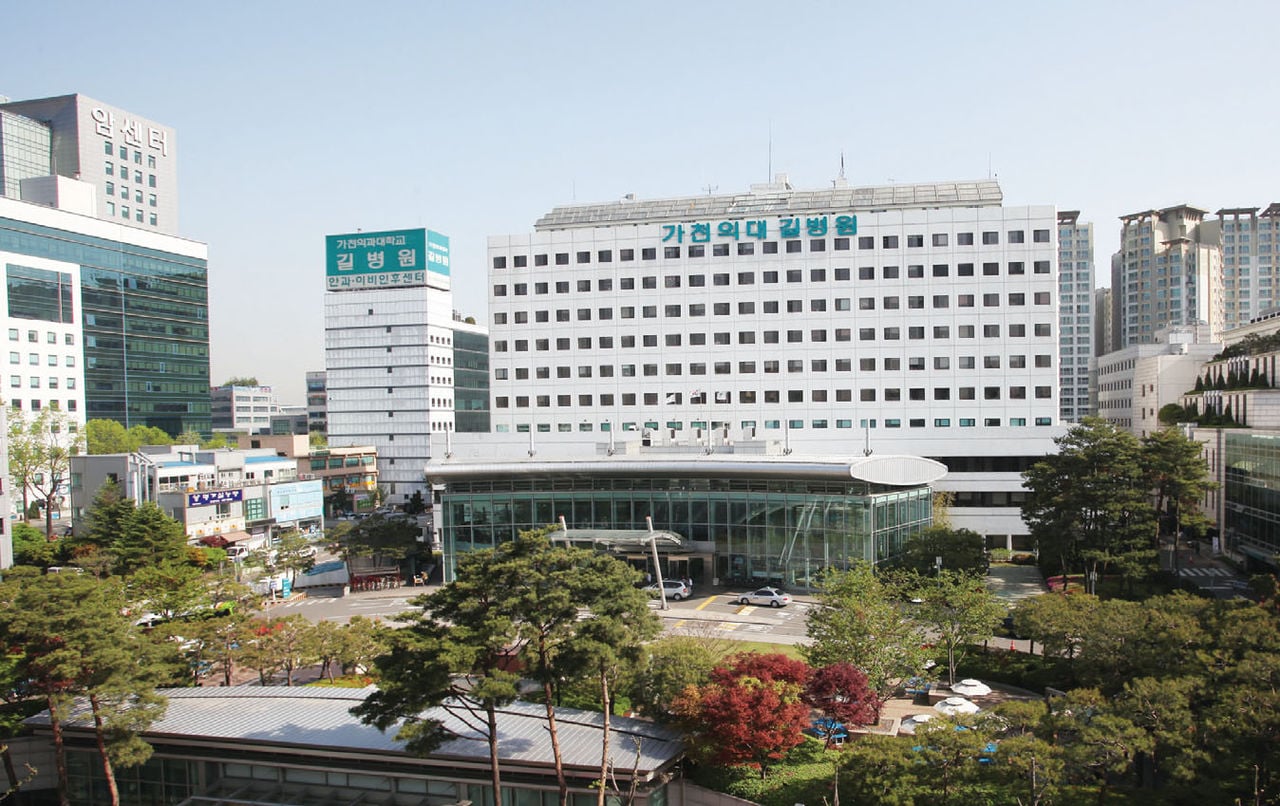
- جامعة غاشون جيل: مركز متعدد التخصصات رئيسي في إنتشون يوفر تشخيصات معقدة لسرطان الأطفال.
رؤية خبير Bookimed: يعد حجم المرضى مؤشراً موثوقاً للخبرة في سرطانات الأطفال النادرة. يتعامل مستشفى سيفيرانس ومركز سامسونج الطبي مع ملايين المرضى سنوياً. يضمن هذا النطاق احتفاظ فرقهم الجراحية بكفاءة عالية في استئصال الأورام الأرومية العصبية المعقدة. غالباً ما تتمتع هذه المراكز بوصول أكبر إلى أدوات تشخيصية محددة مثل وميض MIBG مقارنة بالعيادات الإقليمية.
إجماع المرضى: يؤكد الآباء على اختيار مراكز الأطفال الجامعية الكبيرة في سيول للحالات عالية الخطورة. ويشيرون إلى أن فرق الأورام المتخصصة في هذه المراكز الرئيسية توفر تنسيقاً أفضل للعلاج الكيميائي وعمليات الزرع.
ما هي العلاجات المتاحة في كوريا الجنوبية لورم الأرومة العصبية عالي الخطورة؟
توفر كوريا الجنوبية علاجاً متعدد الوسائط مكثفاً لورم الأرومة العصبية عالي الخطورة. تشمل البروتوكولات العلاج الكيميائي بجرعات عالية، والاستئصال الجراحي، وزراعة الخلايا الجذعية الذاتية المترادفة. تستخدم مراكز متخصصة مثل مركز سامسونج الطبي العلاج المناعي المتقدم باستخدام دينوتوكسيماب بيتا والعلاج الموجه بـ 131I-MIBG للحالات النقيلية.
- العلاج المناعي: أصبح دينوتوكسيماب بيتا (Qarziba) الآن معياراً ومغطى بالتأمين للمرضى ذوي الخطورة العالية.
- زراعة الخلايا الجذعية: تعمل عمليات الزراعة الذاتية المترادفة على تعزيز الهجوع بعد دورات العلاج الكيميائي التحريضي بجرعات عالية.
- الإشعاع المتقدم: تستخدم المستشفيات تقنية IGRT وومضان MIBG لاستهداف المرض النقيلي المتبقي بدقة.
- الجراحة الروبوتية: يستخدم الجراحون نظام دافنشي لاستئصال الأورام المعقدة عند الاقتضاء.
رؤية خبير Bookimed: كوريا الجنوبية رائدة في طب الأورام الرقمي. تعطي مراكز مثل مركز سامسونج الطبي ومستشفى جامعة سيول الوطنية في بوندانغ الأولوية لأنظمة منع الأخطاء مثل BESTcare. هذه البنية التحتية الرقمية بالغة الأهمية لحالات الأطفال عالية الخطورة حيث تتطلب جرعات الأدوية ومراقبة العدوى دقة متناهية خلال بروتوكولات طويلة تمتد لـ 15 شهراً.
إجماع المرضى: تشير العائلات إلى أن العلاج رحلة طويلة تتطلب دعماً محلياً كبيراً للتغذية ومكافحة العدوى. يؤكد الكثيرون أن الحصول على رأي ثانٍ من مركز طب أطفال كبير أمر ضروري قبل البدء في البروتوكول متعدد الخطوات.
هل يمكن للمرضى الدوليين التسجيل في التجارب السريرية للورم الأرومي العصبي في كوريا؟
يمكن للمرضى الدوليين التسجيل في التجارب السريرية للورم الأرومي العصبي في كوريا الجنوبية في المراكز الأكاديمية الكبرى. تشارك مرافق مثل مركز سامسونج الطبي في دراسات متعددة الجنسيات للحالات عالية الخطورة. يعتمد التسجيل على أهلية البروتوكول المحددة. تنظم وزارة سلامة الغذاء والدواء (MFDS) هذه التعاونات السريرية.
- العلاجات المتاحة: تقدم المراكز بروتوكولات متقدمة بما في ذلك علاج الخلايا التائية CAR-NK والعلاجات متعددة التخصصات المعقدة.
- الرقابة التنظيمية: تضمن وزارة سلامة الغذاء والدواء (MFDS) أن جميع التجارب تلبي معايير السلامة والأخلاق الدولية.
- التشخيص المتقدم: تستخدم التجارب وميض MIBG وخزعة نخاع العظم لتحديد مرحلة المريض بدقة.
- اعتمادات المرافق: تمتلك المستشفيات الرائدة اعتمادات JCI و KOIHA لضمان جودة رعاية عالية.
رؤية خبير Bookimed: يتركز الوصول إلى التجارب السريرية في كوريا في مراكز ذات حجم كبير مثل سيول. يخدم مستشفى سيفيرانس ومركز سامسونج الطبي أكثر من 2,000,000 مريض سنويًا. يسمح هذا النطاق الهائل لهذه المراكز باستضافة تجارب متنوعة لا تستطيع المرافق الأصغر القيام بها. يجب على المرضى التركيز على هذه المؤسسات واسعة النطاق للعثور على أكثر بروتوكولات الورم الأرومي العصبي نشاطًا.
إجماع المرضى: يؤكد الآباء أن المشاركة في التجربة تتطلب التزامًا طويل الأمد بالبقاء بالقرب من المستشفى. ويشيرون إلى أن تجهيز جميع سجلات علم الأمراض يسرع عملية الفحص بشكل كبير.
هل يتوفر علاج اليود-131-MIBG في كوريا لعلاج الورم الأرومي العصبي المتكرر أو المقاوم للعلاج؟
يتوفر علاج اليود-131-MIBG في مراكز أورام الأطفال المتخصصة في كوريا الجنوبية. توفر مرافق مثل مركز سامسونج الطبي في سيول هذا العلاج الإشعاعي الموجه للورم الأرومي العصبي عالي الخطورة. تبلغ المراكز الكورية الثالثية عن معدل بقاء على قيد الحياة لمدة 5 سنوات بنسبة 70% باستخدام بروتوكولات شاملة تتضمن MIBG وزراعة الخلايا الجذعية.
- المرافق المتاحة: يوفر مركز سرطان الأطفال في مركز سامسونج الطبي علاجاً متخصصاً.
- التطبيق السريري: يستخدم الأطباء MIBG للأورام التي تقاوم العلاج الكيميائي الأولي.
- النهج الإجرائي: غالباً ما يجمع العلاج بين العلاج الكيميائي بجرعات عالية وإنقاذ الخلايا الجذعية.
- معايير الاعتماد: تحمل المراكز الرئيسية في سيول اعتمادات JCI وتصنيفات أفضل المستشفيات في العالم من مجلة نيوزويك.
رؤية خبير Bookimed: يخدم مركز سامسونج الطبي أكثر من 2,100,000 مريض سنوياً ويحافظ على معايير رئاسية. يدعم هذا الحجم الكبير فرق الطب النووي المتخصصة المطلوبة لإشعاع الأطفال. تضمن أسرتهم التي يزيد عددها عن 1,900 سرير القدرة على استيعاب فترات العزل الإلزامية المطلوبة أثناء العلاجات المشعة.
إجماع المرضى: يشير الآباء إلى أن MIBG لا يوجد إلا في مستشفيات متخصصة معينة. ويؤكدون على ضرورة تأكيد امتصاص الورم والاستعداد لمتطلبات السلامة الإشعاعية أثناء العزل في المستشفى.
كم من الوقت يجب أن تخطط العائلات الدولية للبقاء في كوريا لعلاج كامل لورم الأرومة العصبية عالي الخطورة؟
يجب على العائلات الدولية التخطيط لإقامة تتراوح بين 12 إلى 18 شهراً في كوريا للحصول على علاج كامل لورم الأرومة العصبية عالي الخطورة. يغطي هذا الجدول الزمني الموسع العلاج الكيميائي التحريضي، والجراحة، وزراعة الخلايا الجذعية، والعلاج المناعي. يحتاج معظم المرضى إلى تأشيرة طبية من فئة G-1 للإقامات التي تتجاوز 90 يوماً.
- مدة المرحلة: يمتد العلاج عادةً لمدة 18 شهراً وفقاً للبروتوكولات الدولية القياسية لأورام الأطفال.
- الإقامة الأساسية: غالباً ما تبقى العائلات لعدة أشهر دون انقطاع لتلقي الرعاية المتعلقة بالزراعة والعزل.
- متطلبات التأشيرة: التأشيرة الطبية G-1 ضرورية للإقامات السريرية طويلة الأمد.
- النطاق السريري: يخدم مستشفى سيفيرانس 4,000,000 مريض سنوياً بمعايير سلامة معتمدة من JCI.
- الصحة الرقمية: يستخدم مستشفى SNU Bundang نظام BESTcare لمراقبة المرضى بكفاءة على المدى الطويل.
رؤية خبير Bookimed: يدير مركز سامسونج الطبي منشأة تضم 1,979 سريراً مع أحجام ضخمة من المرضى. يضمن هذا النطاق أن تكون بروتوكولات المخاطر العالية روتينية وليست تجريبية. يجب على العائلات إعطاء الأولوية للمستشفيات الحاصلة على اعتماد KOIHA لضمان السلامة خلال دورة العلاج التي تستغرق 18 شهراً.
إجماع المرضى: يشير الآباء إلى أن العلاج ليس دخولاً واحداً للمستشفى، بل مراحل مكثفة متعددة. البقاء بالقرب من المستشفى خلال مرحلة الزراعة أمر ضروري لإدارة احتياجات التعافي والعزل.
كيف يدعم نظام الرعاية الصحية الكوري الجنوبي المرضى الذين لا يتحدثون الكورية أثناء علاج الورم الأرومي العصبي؟
توفر المستشفيات الكورية الجنوبية من المستوى الثالث دعمًا متخصصًا للمرضى غير الكوريين من خلال مراكز رعاية صحية دولية مخصصة. تدير هذه المراكز التنسيق الطبي، والترجمة الفورية على مدار الساعة طوال أيام الأسبوع، والمساعدة اللوجستية. توفر مرافق مثل مركز سامسونج الطبي دعمًا خاصًا للأطفال واستشارات عائلية لحالات الورم الأرومي العصبي.
- خدمات اللغة: توفر المراكز المتخصصة مترجمين فوريين محترفين للاستشارات باللغات الإنجليزية والروسية والصينية.
- الاعتماد السريري: تحتفظ المراكز الرئيسية باعتماد اللجنة الدولية المشتركة (JCI) واعتماد الرعاية الصحية العالمية.
- دعم الأطفال: توفر عيادات الأطفال المخصصة التعليم، والدعم الغذائي، والاستشارات النفسية والاجتماعية المصممة خصيصًا.
- التكامل الرقمي: تستخدم مستشفيات مثل SNUBH أنظمة رقمية لتبسيط سجلات المرضى الدوليين.
رؤية خبير Bookimed: تتميز كوريا عالميًا لأن أفضل مستشفياتها عبارة عن مجمعات طبية ضخمة. يخدم كل من مركز سامسونج الطبي ومستشفى سيفيرانس أكثر من 1.5 مليون مريض سنويًا. هذا الحجم الكبير يعني أن أقسامهم الدولية تتمتع بموظفين ممتازين وفعالين للغاية. إنهم يتعاملون مع كل شيء، بدءًا من أوراق التأشيرة وحتى الاستقبال في المطار، بدقة سريرية.
إجماع المرضى: يوصي الآباء بإعطاء الأولوية للمستشفيات الجامعية لعلاج الورم الأرومي العصبي. ويشيرون إلى أن وجود منسق مخصص يتحدث الإنجليزية يجعل إدارة جداول أورام الأطفال المعقدة أسهل بكثير.