Desmoid ورم العلاج في إسرائيل - التكاليف 2026


تمت مراجعة المقالة طبيا من قبل
فهد مولود
ما هي تكلفة Desmoid ورم إجراءات التشخيص والعلاج في إسرائيل؟ اعرف الآن
مزاياك وضماناتك مع Bookimed
أسعار مباشرة
Bookimed لا يضيف رسوماً إضافية على أسعار علاج Desmoid ورم. الأسعار مأخوذة من قوائم الأسعار الرسمية للعيادات. تدفع مباشرة في العيادة مقابل علاجك عند وصولك إلى البلد.
عيادات وأطباء معتمدون فقط
Bookimed ملتزم بسلامتك. نحن نعمل فقط مع المؤسسات الطبية التي تحافظ على معايير دولية عالية في علاج Desmoid ورم ولديها التراخيص اللازمة لخدمة المرضى الدوليين في جميع أنحاء العالم.
مساعدة مجانية على مدار الساعة
Bookimed يقدم مساعدة خبراء مجانية. منسق طبي شخصي يدعمك قبل وأثناء وبعد العلاج، ويحل أي مشاكل. لن تكون وحيداً أبداً في رحلة علاج Desmoid ورم.

منسقك الطبي الشخصي في Bookimed
- يدعمك في كل مرحلة
- المساعدة في اختيار العيادة الطبية المناسبة والطبيب المناسب
- يضمن الوصول السريع والمريح إلى المعلومات
اكتشف أفضل Desmoid ورم العيادات في إسرائيل: 1 خيار معتمدة والأسعار



احصل على تقييم طبي لـ في إسرائيل. استشر الآن 6 أطباء ذوي الخبرة.
عرض جميع الأطباء
Arnon Nagler Md
الدكتور أرنون ناجلر هو طبيب أمراض دم في مركز شيبا الطبي في إسرائيل. وهو أستاذ في جامعة تل أبيب وخبير مشهور في زراعة الأعضاء. أسس الدكتور ناجلر أول بنك عام لدم الحبل السري في إسرائيل. كما أجرى أول عمليات زراعة لدم الحبل السري في البلاد. أكمل تدريبه بعد الدكتوراه في جامعة ستانفورد وهو حاصل على شهادة البورد في أمراض الدم.
- رائد في بروتوكولات زراعة الخلايا الجذعية الخيفية ذات الكثافة المنخفضة لسرطانات الدم.
- شغل منصب رئيس مجموعة عمل سرطان الدم الحاد في الجمعية الأوروبية لزراعة ال
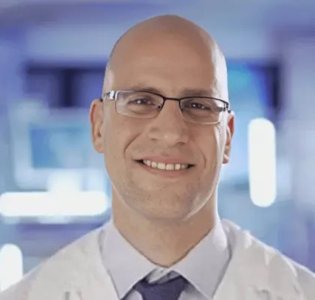
Almog Ben Yaacov
الدكتور ألموغ بن-يعقوب جرّاح استشاري في قسم الجراحة العامة وجراحة الأورام (Surgery C) في مركز شيبا الطبي. يختص في الجراحة الخافِضة للخلايا الورمية (CRS) مع العلاج الكيميائي داخل الصفاق بفرط الحرارة (HIPEC). يركّز سريريًا على سرطان المعدة والساركوما وأورام القولون والمستقيم المعقّدة. منذ 2018، أجرى أكثر من 200 إجراء HIPEC.
حاصل على درجة MD من جامعة سيميلويس عام 2006، مع مرتبة الشرف. تدريب في جراحة القلب والصدر في مركز شيبا الطبي. إقامة في الجراحة العامة في مونتيفيوري (Albert Einstein) و
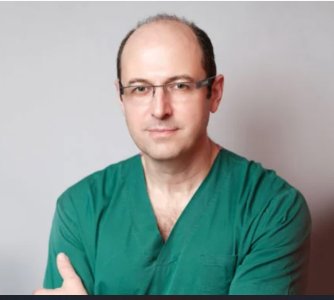
Yuri Goldes
الدكتور يوري غولدس جرّاح عام يتمتع بأكثر من 20 عامًا من الخبرة السريرية. يختص بجراحات الجهاز الهضمي العلوي وجراحة الأورام. يشغل منصب نائب مدير قسم الجراحة العامة وزراعة الأعضاء في مركز شيبا الطبي بتل أبيب، ويرأس وحدة جراحة الجهاز الهضمي العلوي. أُدرِج ضمن قائمة أفضل أطباء فوربس إسرائيل لعام 2025، ومُصنّف ضمن أفضل جراحي الجهاز الهضمي في إسرائيل بحسب فوربس. في 2019، نال جائزة «طبيب العام» من وزارة الصحة الإسرائيلية.
خبير في الجراحة طفيفة التوغل والمتقدمة والروبوتية. يعالج فتق الحجاب الحا
Beni Boursi
البروفيسور بن بورسي طبيب في قسم أورام الجهاز الهضمي بمركز شيبا الطبي. يختص بالطب الباطني وطب الأورام السريري وعلم وبائيات السرطان. حاصل على شهادة البورد في الطب الباطني وطب الأورام السريري. نال بكالوريوس في العلوم الطبية (مع مرتبة الشرف العليا) ودكتوراه في الطب (مع مرتبة الشرف الكبرى) من جامعة تل أبيب.
أتم زمالة سريرية وأخرى بحثية في أورام الجهاز الهضمي وعلم وبائيات السرطان بجامعة بنسلفانيا. كما أكمل تدريبات اختيارية في مركز إم دي أندرسون ومايو كلينك. أسس مجموعة عمل الميكروبيوم التابعة
مشاركة المحتوى
قصص فيديو من مرضى Bookimed
 Anna Leonova
أسئلة متكررة حول علاج Desmoid ورم في إسرائيل
هل الأورام الدسمويدية خبيثة، وما هو المعيار القياسي للعلاج في الخط الأول في إسرائيل؟
الأورام الدسمويدية حميدة لأنها لا تنتشر إلى أعضاء بعيدة. وهي عدوانية محلياً وتغزو الأنسجة المجاورة. في إسرائيل، المعيار القياسي للعلاج في الخط الأول هو المراقبة النشطة مع مراقبة التصوير بالرنين المغناطيسي كل 3 إلى 6 أشهر. يعطي هذا النهج الأولوية للمراقبة على الجراحة الفورية.
- نهج الخط الأول: يُفضل المراقبة النشطة للمرضى الذين لا يعانون من أعراض باستخدام فحوصات التصوير بالرنين المغناطيسي الدورية.
- معدل التراجع: حوالي 20% إلى 30% من الأورام الدسمويدية تتقلص أو تستقر تلقائياً.
- معايير الجراحة: يحتفظ الخبراء بالجراحة لحالات النمو السريع أو التهديدات لوظائف الأعضاء الحيوية.
- خطر التكرار: تتراوح معدلات التكرار بعد الجراحة من 25% إلى 60% بسبب النمو الارتشاحي.
- العلاجات البديلة: يستخدم الأطباء مثبطات تيروزين كيناز أو الاستئصال بالتبريد عندما تتطور الأورام أثناء المراقبة.
رؤية خبير Bookimed: تبلغ مراكز الأورام الإسرائيلية مثل مركز سوراسكي الطبي عن معدلات نجاح عالية من خلال الاستفادة من مجالس الساركوما متعددة التخصصات. غالباً ما تؤجل هذه المجالس الجراحة لصالح العلاجات الدوائية الموجهة. تظهر البيانات أن العيادات الحاصلة على اعتماد JCI وتصنيفات نيوزويك توفر إشرافاً أكثر تخصصاً لهذه الحالات النادرة. يركز الجراحون ذوو الخبرة مثل الدكتور ألموغ بن يعقوب على تقنيات الحفاظ على الأطراف والوظائف عندما يصبح التدخل ضرورياً.
إجماع المرضى: يشير المرضى إلى أن مصطلح حميد قد يكون مضللاً لأن هذه الأورام تتطلب مراقبة مدى
من هم كبار المتخصصين في الأورام الدسمويدية والساركوما في إسرائيل؟
يشمل كبار المتخصصين في الأورام الدسمويدية والساركوما في إسرائيل البروفيسور عوفر ميريمسكي في مركز سوراسكي الطبي والدكتور ألموج بن يعقوب في مركز شيبا الطبي. يستخدم هؤلاء الخبراء مجالس أورام متعددة التخصصات لإدارة الأورام الخبيثة النادرة في الأنسجة الرخوة. تبلغ مراكز العلاج في تل أبيب عن معدل نجاح بنسبة 90% في حالات الأورام.
- خبرة في جراحة الأورام: يقوم الدكتور ألموج بن يعقوب بإجراء عمليات استئصال الساركوما المعقدة والإجراءات الروبوتية في شيبا.
- طب الأورام المتقدم: يرأس البروفيسور عوفر ميريمسكي المركز الوطني لساركوما العظام والأنسجة الرخوة.
- الأشعة التداخلية: يقدم متخصصون مثل الدكتور إلداد إيلنافي العلاج بالتبريد والانصمام الدوائي للأورام الدسمويدية.
- التركيز على أورام المسالك البولية: يدير البروفيسور زوهار دوتان ساركوما الجهاز البولي التناسلي في مركز شيبا الطبي باستخدام تقنيات روبوتية.
رؤية خبير Bookimed: يعطي المتخصصون الإسرائيليون الأولوية لتقنيات الحفاظ على الأعضاء بدلاً من الجراحة العدوانية للأورام الدسمويدية. تظهر البيانات أن مراكز مثل مركز سوراسكي الطبي تعالج أكثر من 400,000 مريض سنوياً بمعدل نجاح في الأورام يبلغ 90%. تستخدم هذه المؤسسات ذات الحجم الكبير مجالس أورام مشتركة لمنع العمليات الجراحية غير الضرورية. هذا النهج التعاوني حيوي لأن الأورام الدسمويدية تتطلب مراقبة دقيقة وطويلة الأمد بدلاً من مجرد الاستئصال الفوري.
إجماع المرضى: يؤكد المرضى على أهمية العثور على مستشفى به وحدة مخصصة للساركوما بدلاً من اختيار جر
ما هي المستشفيات في إسرائيل التي تدير فرقاً متعددة التخصصات مخصصة للساركوما؟
تستضيف إسرائيل العديد من المراكز الثالثية التي تضم فرقاً متعددة التخصصات متخصصة في الساركوما. تدمج هذه الوحدات أطباء أورام العظام، وأخصائيي علم الأمراض، وأخصائيي الأشعة لإدارة أورام العظام والأنسجة الرخوة. تشمل المرافق البارزة مركز سوراسكي الطبي، ومركز شيبا الطبي، ومركز هداسا الطبي الجامعي. وهي تستخدم مجالس أورام متخصصة لتحديد بروتوكولات العلاج.
- مركز سوراسكي الطبي: يضم مركزاً وطنياً معترفاً به للساركوما لحالات الأطفال والبالغين.
- مركز شيبا الطبي: يتميز بقسم للساركوما متخصص في إجراءات الحفاظ على الأطراف المتقدمة.
- مركز هداسا الطبي: يوفر تقييمات شاملة تشمل العلاج الإشعاعي المتقدم وإعادة البناء الجراحي متعدد المراحل.
- مجمع رامبام للرعاية الصحية: يعمل كمركز مرجعي رئيسي للساركوما في شمال إسرائيل.
رؤية خبير Bookimed: تظهر البيانات أن مراكز مثل مركز شيبا الطبي تستعين بجراحين ذوي مؤهلات محددة من ميموريال سلون كيترينج. على سبيل المثال، أكمل كل من الدكتور ألموج بن يعقوب والدكتور زوهار دوتان زمالات هناك. يسلط هذا الضوء على اتجاه حيث يتم قيادة فرق الساركوما الإسرائيلية من قبل متخصصين ذوي خبرة عالية من مؤسسات الأورام الرائدة في الولايات المتحدة.
إجماع المرضى: يؤكد المرضى أن المراجعة متعددة التخصصات غالباً ما تغير خطة العلاج الأولية. ويوصون بشدة بطلب مراجعة مرضية من قبل خبير في الساركوما قبل بدء أي علاج.
ما هو العلاج الشرياني الفريد المتاح للأورام الدسمويدية في إسرائيل؟
تقدم إسرائيل علاجاً شريانياً فريداً للأورام الدسمويدية يسمى الانصمام الشرياني الانتقائي المطلق لعقار الدوكسوروبيسين. يستهدف هذا الإجراء المتخصص إمدادات الدم للأورام مباشرة. وهو يوصل العلاج الكيميائي عالي التركيز عبر القسطرة الدقيقة. تقلل هذه الطريقة من السمية الجهازية مع تقليص كتلة الورم بفعالية.
- آلية الإجراء: تطلق حبيبات مجهرية الدوكسوروبيسين مباشرة في الشرايين المغذية.
- تقليل السمية: تركيز الأدوية في الورم يمنع تلف القلب.
- النتائج السريرية: تظهر أبحاث المراكز الإسرائيلية انخفاضاً متوسطاً في حجم الورم بنسبة 59%.
- إدارة الأعراض: يسمح تخفيف الألم السريع للمرضى بتقليل الأدوية الثقيلة.
رؤية خبير Bookimed: تحافظ المراكز الطبية الإسرائيلية مثل سوراسكي (إيخيلوف) على معدل نجاح في الأورام بنسبة 90%. تشير بياناتنا إلى أن المرضى الذين يختارون إسرائيل غالباً ما يحصلون على بروتوكولات مثل الانصمام المطلق للأدوية قبل التفكير في الجراحة الجذرية. هذا أمر حيوي للأورام الدسمويدية في المواقع التشريحية المعقدة. تدير هذه المراكز حجماً كبيراً يزيد عن 400,000 مريض سنوياً. هذه الخبرة حاسمة لإدارة استجابات الورم البطيئة وغير المتكافئة بشكل صحيح.
إجماع المرضى: يقدر المرضى كيف يحافظ هذا التسريب المستهدف على الأنسجة والوظائف في المناطق الصعبة. يلاحظ الكثيرون أنه على الرغم من أن الانكماش بطيء، فإن تخفيف الألم والتورم يعد علامة فارقة في التعافي.
ما هي علاجات الاستئصال الموضعي غير الجراحية المتوفرة في المستشفيات الإسرائيلية؟
توفر المستشفيات الإسرائيلية علاجات استئصال متقدمة غير جراحية بما في ذلك الاستئصال بالتبريد (Cryoablation)، والموجات فوق الصوتية المركزة عالية الكثافة (HIFU)، والاستئصال بالترددات الراديوية (RFA). تدمر هذه التقنيات الدقيقة الأنسجة غير الطبيعية باستخدام درجات حرارة قصوى أو تيارات كهربائية. كما توفر المراكز المتخصصة تقنية التثقيب الكهربائي غير القابل للانعكاس (NanoKnife) للأورام القريبة من الهياكل الحساسة مثل الأعصاب أو الأوعية الدموية.
- الاستئصال بالتبريد: يستخدم البرودة الشديدة من النيتروجين السائل لتجميد وتدمير الخلايا الورمية.
- تقنية MRgFUS: تستخدم موجات فوق صوتية مركزة لتسخين الأنسجة العميقة دون أي شقوق جلدية.
- الاستئصال بالترددات الراديوية: يستخدم تيارات كهربائية عالية التردد لتوليد الحرارة وتحييد الآفات المستهدفة.
- علاج NanoKnife: يطبق نبضات كهربائية عالية الجهد للاستئصال غير الحراري بالقرب من الأوعية الدموية الحيوية.
- SBRT: يقدم حزم إشعاع مركزة كأداة غير جراحية لتدمير الأنسجة الموضعية.
رؤية خبير Bookimed: غالبًا ما يعطي المتخصصون الإسرائيليون الأولوية للاستئصال بالموجات الدقيقة (Microwave) وNanoKnife للحالات المعقدة في الجهاز الهضمي أو الكبد. الدكتور ألموج بن يعقوب في مركز شيبا الطبي مدرب خصيصًا على هذه الوسائل المتقدمة. هذه الخبرة المركزة حيوية عندما تكون الأورام قريبة من هياكل رئيسية حيث قد تسبب الحرارة أو البرودة التقليدية أضرارًا.
إجماع المرضى: غالبًا ما يختار المرضى الاستئصال بالتبر
ما هي العلاجات الدوائية الجهازية أو الموجهة الموصوفة للأورام الدسمويدية؟
تشمل العلاجات الجهازية والموجهة للأورام الدسمويدية مثبطات غاما سيكريتاز، ومثبطات تيروزين كيناز (TKIs)، والعلاج الكيميائي السام للخلايا. يصف الأخصائيون هذه العلاجات عندما تنمو الأورام بسرعة أو تسبب الألم. تستخدم مراكز الأورام الإسرائيلية مثل مركز سوراسكي الطبي هذه البروتوكولات للحالات التي لا تستجيب للمراقبة النشطة.
- مثبطات غاما سيكريتاز: نيروجاسيتات هو أول دواء موجه معتمد من إدارة الغذاء والدواء الأمريكية (FDA) للأورام الدسمويدية المتطورة.
- مثبطات تيروزين كيناز: يصف الأطباء مثبطات تيروزين كيناز الفموية مثل سورافينيب وبازوبانيب لقطع إمدادات الدم عن الورم.
- العلاج الكيميائي السام للخلايا: تُستخدم أنظمة فينبلستين أو ميثوتريكسات للأورام المصحوبة بأعراض أو الحرجة تشريحياً.
- العلاج الهرموني: تُستخدم أدوية مضادات الإستروجين أحياناً كخيارات ثانوية للحالات بطيئة النمو.
رؤية خبير Bookimed: بينما تقدم العديد من العيادات رعاية أورام عامة، فإن اختيار مركز يضم مجلساً متعدد التخصصات للأورام أمر حيوي. يستخدم مركز شيبا الطبي هذه المجالس لتخصيص الخطط العلاجية الجهازية. يتخصص خبراؤهم، مثل الدكتور رانان بيرجر، في الأبحاث الجزيئية. وهذا يضمن وصول المرضى إلى أحدث مثبطات تيروزين كيناز التي تعد أكثر تحديداً من العلاج الكيميائي التقليدي.
إجماع المرضى: يشير المرضى إلى أنه على الرغم من أن مضادات الالتهاب غير الستيرويدية غالباً ما تكون الخطوة الأولى ذات السمية المنخفضة، إلا أن مثبطات تيروزين كيناز الموجهة هي عادة ما يوقف نمو الورم في النهاية. ي
ما هي عملية التعافي المعتادة وجدول المتابعة بعد علاج الورم الدسمويدي في إسرائيل؟
يختلف التعافي بعد علاج الورم الدسمويدي في إسرائيل حسب الإجراء الذي يتم تنفيذه. يتطلب الاستئصال الجراحي عدة أسابيع إلى أشهر للشفاء. تتضمن العلاجات طفيفة التوغل مثل التجميد أو الموجات فوق الصوتية المركزة عالية الكثافة (HIFU) فترات تعافي قصيرة لمدة يومين. تركز العلاجات الجهازية على إدارة التعب ومشاكل الجهاز الهضمي.
- التعافي الجراحي: يستغرق الشفاء البدني عادةً عدة أسابيع إلى أشهر لاستقرار الأنسجة.
- التركيز على إعادة التأهيل: توفر المراكز الإسرائيلية علاجاً طبيعياً ووظيفياً مخصصاً للحركة.
- جدول المتابعة: تتم الزيارات السريرية وفحوصات الرنين المغناطيسي كل 3-6 أشهر في البداية.
- المراقبة طويلة الأمد: تستمر الفحوصات السنوية بعد السنة الخامسة لمراقبة التكرار مدى الحياة.
رؤية خبراء Bookimed: تستفيد مراكز الأورام الإسرائيلية مثل مركز سوراسكي الطبي (إيخيلوف) من أعداد المرضى الكبيرة لتحسين بروتوكولات الأورام النادرة. يبلغ قسم الأورام لديهم عن معدل نجاح بنسبة 90%. يركز متخصصون مثل الدكتور ألموج بن يعقوب في مركز شيبا الطبي على الساركوما المعقدة. عادةً ما يقوم الجراحون ذوو الخبرة العالية بتحويل المرضى إلى التصوير بالرنين المغناطيسي المعزز بالتباين للمراقبة عالية المخاطر خلال السنوات الثلاث الحرجة الأولى.
إجماع المرضى: يشير المرضى إلى أن التعافي البدني غالباً ما يستغرق أشهراً بدلاً من أسابيع. يؤكد الكثيرون أن ضغوط انتظار أول فحص رنين مغناطيسي للمتابعة غالباً ما تكون أصعب من العلاج البدني نفسه.
لماذا تُعد إسرائيل واحدة من الوجهات الرائدة في جراحة الأعصاب؟
تُعدّ إسرائيل مركزًا رائدًا في جراحة الأعصاب بفضل مزيجها من التطورات الطبية عالية التقنية والخبرات الجراحية المتميزة. وتستخدم مرافق متطورة مثل مركز شيبا الطبي أنظمة ملاحة تعتمد على الذكاء الاصطناعي والتصوير بالرنين المغناطيسي أثناء الجراحة في الوقت الفعلي. وتشير المراكز المتخصصة إلى نسبة نجاح تصل إلى 98% في العمليات الجراحية المعقدة، بما في ذلك جراحة الدماغ مع اليقظة وعلاج اضطرابات الحركة.
- التكنولوجيا المتقدمة: تستخدم العيادات الموجات فوق الصوتية المركزة الموجهة بالرنين المغناطيسي (MRgFUS) والأنظمة الروبوتية لإجراء الشقوق.
- الخبرة الجراحية: يقود جراحون مثل الدكتور تسفي رام جمعيات دولية بخبرة تزيد عن 25 عامًا.
- الوصول السريع: يمكن للمرضى الدوليين عادةً تحديد مواعيد لإجراء عمليات جراحية معقدة في الدماغ أو العمود الفقري في غضون 2-4 أسابيع.
- الرعاية الطبية المعتمدة: المراكز الكبيرة مثل سوراسكي (إيشيلوف) وأسوتا معتمدة من قبل اللجنة الدولية المشتركة، مما يؤكد سلامتها.
رأي خبراء بوكيمد: تُظهر البيانات فرقًا واضحًا بين خيارات العلاج في القطاعين العام والخاص في إسرائيل. تُجري المراكز الخاصة، مثل مركز أسوتا الطبي، أكثر من 92,000 عملية جراحية سنويًا، وتتيح للمرضى اختيار جراح را
ما هي أنواع الأمراض العصبية التي يتم علاجها في إسرائيل؟
يعالج جراحو الأعصاب الإسرائيليون طيفاً واسعاً من الحالات، بدءاً من أورام الدماغ والحبل الشوكي وصولاً إلى الاضطرابات الوظيفية المعقدة. وتستخدم المراكز المتخصصة أحدث التقنيات، مثل جهاز جاما نايف، والتحفيز العميق للدماغ، والتصوير بالرنين المغناطيسي أثناء الجراحة، لتشخيص دقيق للغاية لحالات الصرع، ومرض باركنسون، وأمراض الأوعية الدموية الدماغية.
- الأمراض السرطانية: علاج الأورام الدبقية والأورام السحائية وأورام الغدة النخامية باستخدام استئصال قاعدة الجمجمة.
- الاضطرابات الوظيفية: علاج مرض باركنسون والرعاش الأساسي باستخدام التحفيز العميق للدماغ.
- أمراض العمود الفقري: تصحيح الجنف، وانزلاق الغضروف، وأورام العمود الفقري باستخدام الأنظمة الروبوتية.
- علاج أمراض الأوعية الدموية الدماغية: العلاج الجراحي لتمدد الأوعية الدموية الدماغية والتشوهات الشريانية الوريدية باستخدام التدخلات داخل الأوعية الدموية.
- جراحة الأعصاب للأطفال: رعاية متخصصة لاستسقاء الرأس والتشوهات الخلقية في مراكز طب الأطفال المتخصصة.
رأي خبراء بوكيمد: غالبًا ما تجمع المستشفيات الإسرائيلية بين تخصصات طبية متعددة لمعالجة الحالات المعقدة. ففي مركز سوراسكي ا
ما هي المستشفيات في إسرائيل التي تشتهر بأقسام جراحة الأعصاب فيها؟
تضم إسرائيل مراكز جراحة أعصاب عالمية المستوى، مثل مركز سوراسكي الطبي، ومركز شيبا الطبي، ومركز هداسا الطبي. وتُعدّ هذه المؤسسات رائدة عالميًا في علاج أورام الدماغ المعقدة، وأمراض العمود الفقري، واضطرابات الحركة. وتستخدم أحدث التقنيات، مثل جهاز جاما نايف، والأنظمة الروبوتية، والتصوير بالرنين المغناطيسي أثناء الجراحة.
- سوراسكي (إيخيلوف): يجري أكثر من 2500 عملية جراحية عصبية سنوياً في تل أبيب بنسبة نجاح تبلغ 98%.
- مركز شيبا الطبي: مصنف ضمن أفضل عشرة مستشفيات في العالم، حيث يعالج 1.9 مليون مريض سنوياً.
- مركز هداسا الطبي: مرشح لجائزة نوبل للسلام. رائد في جراحة الأعصاب للأطفال والعلاج الجيني.
- مركز أسوتا الطبي: أكبر منشأة طبية خاصة في إسرائيل. متخصص في جراحات العمود الفقري والدماغ طفيفة التوغل.
- مستشفى شنايدر للأطفال: مركز رائد في جراحة الأعصاب للأطفال، يعالج 275000 طفل سنوياً.
رأي خبراء بوكيمد: تُظهر بياناتنا أنه بينما يلجأ معظم المرضى للعلاج في تل أبيب، يُقدّم مركز رامبام الطبي في حيفا رعايةً فريدةً لإصابات الدماغ. فهو يضم وحدةً متخصصةً للعناية المركزة العصبية تُعالج ما يقارب مليون مريض سنويًا. وهذا ما يجعله