تضيق القحف العلاج في إسرائيل - التكاليف 2026


تمت مراجعة المقالة طبيا من قبل
فهد مولود
ما هي تكلفة تضيق القحف إجراءات التشخيص والعلاج في إسرائيل؟ اعرف الآن
مزاياك وضماناتك مع Bookimed
أسعار مباشرة
Bookimed لا يضيف رسوماً إضافية على أسعار علاج تضيق القحف. الأسعار مأخوذة من قوائم الأسعار الرسمية للعيادات. تدفع مباشرة في العيادة مقابل علاجك عند وصولك إلى البلد.
عيادات وأطباء معتمدون فقط
Bookimed ملتزم بسلامتك. نحن نعمل فقط مع المؤسسات الطبية التي تحافظ على معايير دولية عالية في علاج تضيق القحف ولديها التراخيص اللازمة لخدمة المرضى الدوليين في جميع أنحاء العالم.
مساعدة مجانية على مدار الساعة
Bookimed يقدم مساعدة خبراء مجانية. منسق طبي شخصي يدعمك قبل وأثناء وبعد العلاج، ويحل أي مشاكل. لن تكون وحيداً أبداً في رحلة علاج تضيق القحف.

منسقك الطبي الشخصي في Bookimed
- يدعمك في كل مرحلة
- المساعدة في اختيار العيادة الطبية المناسبة والطبيب المناسب
- يضمن الوصول السريع والمريح إلى المعلومات
اكتشف أفضل تضيق القحف العيادات في إسرائيل: 3 خيارات معتمدة والأسعار







احصل على تقييم طبي لـ في إسرائيل. استشر الآن 9 أطباء ذوي الخبرة.
عرض جميع الأطباء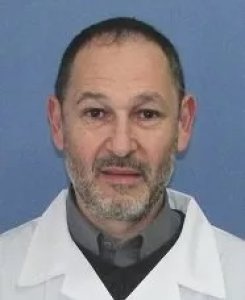
Zvi Cohen
البروفيسور زفي كوهين مدير قسم جراحة الأعصاب ووحدة الأورام العصبية في مركز شيبا الطبي. وهو جرّاح أعصاب وخبير في الأورام العصبية. اختير ضمن قائمة فوربس إسرائيل لأفضل الأطباء لعام 2025. يقود أبحاثًا سريرية حول العلاجات الدوائية لأورام الدماغ الخبيثة. كما أسّس بنك أنسجة أورام الدماغ في شيبا.
حاصل على شهادة البورد في جراحة الأعصاب، وتدرّب في جامعة تل أبيب. أكمل زمالتين: في الأشعة العصبية في بيث إسرائيل، وفي جراحة أورام الأعصاب في مركز إم دي أندرسون. تشمل ممارسته أورام الدماغ المعقّدة والغدة

Roth Jonathan
الدكتور روث هو جراح أعصاب رائد يتمتع بتدريب متخصص ومتقدم في التقنيات التنظيرية الدقيقة المطلوبة لجراحة جمجمة الرضع.
- زمالة في جراحة قاعدة الجمجمة بالمنظار في مركز كورنيل الطبي
- زمالة إضافية في جراحة أعصاب الأطفال في مركز NYU Langone Health
- عضو نشط في الجمعيتين الأوروبية والدولية لجراحة أعصاب الأطفال
- حاصل على تخصص مزدوج في جراحة الأعصاب وجراحة أعصاب الأطفال
- يجري العمليات في مركز سوراسكي الطبي (إيخيلوف)

Felix Bokstein
الدكتور بوكشتاين هو رئيس عيادة الأورام العصبية في مركز سوراسكي الطبي الشهير (إيخيلوف).
- يدير عيادة متخصصة داخل مستشفى من الدرجة الأولى
- يمتلك خبرة عميقة في حالات الجمجمة المعقدة
- إمكانية الوصول إلى فرق جراحة الأعصاب والأورام المتقدمة في المستشفى
- يركز على رعاية المرضى المتكاملة ومتعددة التخصصات

Shlomi Constantini
يُعد البروفيسور قسطنطيني رائداً في جراحة الأعصاب للأطفال، حيث يركز على الحالات الخلقية مثل تعظم الدروز الباكر في مركز سوراسكي الطبي.
- متخصص في العمليات الجراحية المجهرية والترميمية للجمجمة لدى الأطفال
- تدرب على تقنيات التنظير العصبي المتقدم وجراحة الأعصاب المجهرية في جميع أنحاء أوروبا
- حاصل على جائزة "ماهالي" المرموقة لأفضل بحث سريري من الجمعية الأمريكية لجراحي الأعصاب (AANS)
- عضو في الجمعية الأوروبية لجراحة أعصاب الأطفال (ESPN)
- يقدم خبرات بحثية في دراسات الدماغ والتنظير العصبي
مشاركة المحتوى
قصص فيديو من مرضى Bookimed
 Anna Leonova
أسئلة متكررة حول علاج تضيق القحف في إسرائيل
ما هي الخيارات الجراحية الأساسية لتضيق القحف (craniostenosis) في إسرائيل؟
تشمل الخيارات الجراحية الأساسية في إسرائيل استئصال الخياطة بالمنظار طفيف التوغل للرضع، وإعادة بناء قبة الجمجمة التقليدية المفتوحة للأطفال الأكبر سناً. تستخدم مراكز رائدة مثل مركز سوراسكي الطبي وهداسا تصويراً ثلاثي الأبعاد متطوراً لتخصيص الإجراءات. يعطي هؤلاء المتخصصون الأولوية للتدخل المبكر لدعم نمو الدماغ الصحي.
- جراحة المنظار: يوصى بها للرضع الذين تتراوح أعمارهم بين 2-6 أشهر لتقليل الندبات وفقدان الدم.
- إعادة بناء قبة الجمجمة: المعيار للحالات المعقدة أو الأطفال الذين تزيد أعمارهم عن 6 أشهر لإعادة تشكيل العظام.
- الجراحة بمساعدة النوابض: تعمل نوابض معدنية متخصصة على توسيع الجمجمة تدريجياً من خلال شقوق صغيرة للسماح بالنمو.
- علاج الخوذة: تعمل خوذات التشكيل المخصصة بعد الجراحة على توجيه شكل الجمجمة لمدة 6-12 شهراً بعد المنظار.
رؤية خبير Bookimed: تتميز جراحة الأعصاب للأطفال في إسرائيل بحجم الحالات المعقدة الكبير الذي يتعامل معه قادة أكاديميون. تخصص البروفيسور شلومي قسطنطيني في مركز سوراسكي الطبي في اضطرابات العظام عند حديثي الولادة. هذا العمق في الخبرة أمر بالغ الأهمية لأن المراكز ذات الحجم الكبير التي تجري أكثر من 20 إجراءً سنوياً تحافظ عادةً على معدلات نجاح أعلى. يستفيد المرضى من النهج متعدد التخصصات في المرافق التي تعالج أكثر من 11,000 طفل سنوياً.
إجماع المرضى: يؤكد الآباء أن بدء العلاج بين عمر 3 و 12 شهراً أمر حيوي لمنع تأخر النمو. يشير الكثيرون إلى أنه على الرغم من أن الجراحة المفتوحة تتضمن فترة تعافي أطول، إلا أن
ما هو العمر الأمثل للتدخل الجراحي؟
العمر الأمثل لجراحة تعظم الدروز الباكر هو ما بين 3 إلى 12 شهراً. يستفيد التدخل المبكر من نمو الدماغ السريع ومرونة الجمجمة العالية. الإصلاح بالمنظار مثالي في عمر 2 إلى 4 أشهر. عادة ما يتم إجراء إعادة البناء المفتوحة الأكثر توغلاً بين 9 و 12 شهراً للحصول على نتائج أفضل.
- نافذة المنظار: يتم إجراؤها بشكل مثالي بين 2 إلى 4 أشهر للإزالة طفيفة التوغل.
- مرونة الغرز: تستفيد الجراحة قبل 6 أشهر من ليونة العظام للحصول على نتائج تجميلية فائقة.
- مخاطر التعقيد: التأخير لأكثر من 12 شهراً يزيد من فقدان الدم ومتطلبات نقل الدم.
- توقيت التشخيص: يوصي الجراحون بإجراء فحوصات الأشعة المقطعية مبكراً لتخطيط التدخلات قبل تصلب الجمجمة.
رؤية خبراء Bookimed: تجري المراكز الطبية الإسرائيلية مثل سوراسكي أكثر من 34,000 عملية سنوياً بنجاح كبير. يتخصص البروفيسور الدكتور شلومي قسطنطيني في بنية عظام حديثي الولادة والتدخلات الترميمية. خبرته في التنظير العصبي المتقدم تسمح بشقوق أكثر أماناً وأصغر لدى الرضع دون سن 6 أشهر. اختيار مركز ذو حجم كبير في تل أبيب يضمن الوصول إلى جراحي أعصاب أطفال متخصصين يديرون نوافذ النمو الضيقة هذه.
إجماع المرضى: يؤكد الآباء أن الجراحة المبكرة تمنع مشاكل الرؤية المحتملة والصداع المزمن. يلاحظ الكثيرون أن التصرف قبل 6 أشهر يؤدي إلى تعافٍ أكثر سلاسة وتماثل وظيفي أفضل.
هل سيحتاج طفلي إلى خوذة بعد الجراحة؟
تعتمد متطلبات الخوذة على التقنية الجراحية المختارة لعلاج تعظم الدروز الباكر. يستخدم الجراحون في المراكز الإسرائيلية المعتمدة من قبل اللجنة الدولية المشتركة (JCI) خوذات التشكيل بشكل أساسي بعد الجراحة التنظيرية طفيفة التوغل. عادةً ما تحقق إعادة تشكيل قبو الجمجمة المفتوحة إعادة التشكيل أثناء العملية، مما يجعل الخوذات بعد الجراحة غير ضرورية في الغالب.
- جراحة طفيفة التوغل: تتطلب الإزالة بالمنظار خوذة لتوجيه نمو الجمجمة.
- الجراحة المفتوحة: تعمل إعادة تشكيل قبو الجمجمة على إعادة تشكيل العظام جسديًا دون الحاجة إلى خوذات.
- مدة ارتداء الخوذة: يستمر العلاج عادةً ما بين 3 إلى 12 شهرًا للأطفال.
- الجدول اليومي: يرتدي الأطفال عادةً الخوذة المخصصة لمدة 23 ساعة يوميًا.
رؤية خبراء Bookimed: يستفيد جراحو الأعصاب الإسرائيليون مثل البروفيسور شلومي قسطنطيني في مركز سوراسكي الطبي من التدريب المكثف في جميع أنحاء أوروبا والولايات المتحدة لتقديم عمليات إعادة البناء بالمنظار والمفتوحة. تظهر البيانات أنه على الرغم من أن حزم الجراحة بالمنظار قد تبدأ بتكاليف جراحية أولية أقل، إلا أنها تتطلب استثمارًا طويل الأجل في تقويم العظام المخصص. يضمن اختيار متخصص حاصل على زمالات دولية الوصول إلى تشكيل دقيق أثناء العملية، مما قد يقلل أحيانًا من المدة الإجمالية لعلاج الخوذة بعد الجراحة.
إجماع المرضى: يوصي الآباء بطلب إحصائيات نتائج شكل الرأس لكلتا التقنيتين قبل اتخاذ القرار. يقترح أولئك الذين اختاروا إجراءات التنظير الاستعداد لزيارات متابعة أكثر تكرارًا مع أخ
ما هي معدلات النجاح والسلامة المبلغ عنها في المراكز الإسرائيلية؟
تبلغ مراكز جراحة الأعصاب للأطفال في إسرائيل عن معدل سلامة يتراوح بين 95.5% إلى 95.6% للتدخلات الجراحية بناءً على المعايير الوطنية. تحافظ هذه المرافق على معدلات بقاء على قيد الحياة للإجراءات الطبية الكبرى تتجاوز متوسطات منظمة التعاون الاقتصادي والتنمية العالمية. حققت مراكز مثل مركز شيبا الطبي 100% من أهداف الجودة الوطنية.
- سلامة المرضى: تشير دراسة استقصائية أجريت عام 2025 إلى أن 86% من المرضى يشعرون بالأمان أثناء الاستشفاء.
- أهداف الجودة: حقق مركز شيبا الطبي مؤخراً 100% من مؤشرات الجودة الطبية الوطنية.
- تصنيف المستشفيات: يتم الاعتراف بمركز سوراسكي الطبي باستمرار ضمن أفضل المستشفيات في العالم.
- اعتمادات الخبراء: جراحون مثل الدكتور زفي كوهين هم متخصصون معتمدون ومدرجون في قوائم فوربس.
رؤية خبير Bookimed: تتميز جراحة الأعصاب الإسرائيلية بأن كبار المديرين غالباً ما يحصلون على زمالات مزدوجة من مراكز أمريكية كبرى. تلقى الدكتور زفي كوهين في مركز شيبا الطبي تدريباً في إم دي أندرسون وبيث إسرائيل. يفسر هذا التدريب الدولي رفيع المستوى سبب استيفاء المستشفيات الإسرائيلية باستمرار لـ 100% من أهداف الجودة الوطنية.
إجماع المرضى: يلاحظ الآباء أن بدء العلاج قبل سن 12 شهراً غالباً ما يؤدي إلى نتائج تجميلية شبه مثالية. ويؤكدون أنه على الرغم من وجود مخاطر تتعلق بحجم الدم، فإن الفرق متعددة التخصصات ضرورية لاكتشاف الحالات المتلازمية في وقت مبكر.
كم من الوقت سنبقى في المستشفى؟
عادة ما يبقى المرضى في المستشفيات الإسرائيلية لمدة تتراوح بين 3 إلى 7 أيام لإجراء جراحة تعظم الدروز الباكر. يقضي معظم الأطفال أول 24 إلى 48 ساعة في وحدة العناية المركزة للمراقبة. يعتمد الخروج من المستشفى على استقرار العلامات الحيوية، والتحكم الفعال في الألم، وقدرة الطفل على التغذية بشكل صحيح.
- العناية المركزة: تركز أول 1-2 يوم على مراقبة التورم والعلامات الحيوية بعد الجراحة.
- جراحة طفيفة التوغل: غالبًا ما تسمح الإجراءات التنظيرية بإقامة أقصر تقل عن 72 ساعة.
- إعادة تشكيل الجمجمة: تتطلب الجراحة الترميمية المفتوحة عادةً إقامة كاملة في المستشفى لمدة 5 أيام.
- مراحل التعافي: يتم الخروج بمجرد أن يؤكد الفريق الطبي استقرار التغذية والنشاط.
رؤية خبير Bookimed: بينما يركز العديد من الآباء على مدة الجراحة، غالبًا ما يعتمد الاختيار بين عيادات مثل Sourasky أو Hadassah على التخصص في التقنيات التنظيرية مقابل التقنيات المفتوحة. يتخصص البروفيسور شلومي كونستانتيني في Sourasky في اضطرابات العظام عند حديثي الولادة وجراحة الأعصاب بالمنظار. يمكن أن يؤدي اختيار جراح يتمتع بهذه الخبرة المزدوجة المحددة إلى تقليل فترات الإقامة في المستشفى بمقدار يومين مقارنة بالطرق المفتوحة التقليدية.
إجماع المرضى: يؤكد الآباء أنه على الرغم من أن الجراحة شاقة، إلا أن معظم الأطفال يكونون مستعدين للخروج في اليوم الرابع تقريبًا. وغالبًا ما يلاحظون أن التأخير يحدث عادةً إذا كانت هناك حمى طفيفة أو إذا استغرق تركيب الخوذة وقتًا أطول من المتوقع.
ما هي المستشفيات الإسرائيلية المتخصصة في علاج تعظم الدروز الباكر (craniostenosis)؟
تتخصص إسرائيل في علاج تعظم الدروز الباكر في مراكز معتمدة من قبل اللجنة الدولية المشتركة (JCI) مثل مركز سوراسكي الطبي ومركز شعاري تسيديك الطبي. تستخدم هذه المرافق نمذجة الدماغ ثلاثية الأبعاد للتخطيط الجراحي الدقيق. يقوم جراحو أعصاب خبراء بإجراء تدخلات ترميمية معقدة. ومن بين كبار المتخصصين الدكتور شلومي قسطنطيني والدكتور جوناثان روث.
- جراحة الأعصاب المتخصصة: يعالج مركز سوراسكي أكثر من 11,000 طفل سنويًا مع التركيز على اضطرابات العظام.
- مؤهلات الخبراء: جراحون مثل الدكتور شلومي قسطنطيني هم أعضاء في الجمعية الأوروبية لجراحة أعصاب الأطفال (ESPN) والجمعية الدولية لجراحة أعصاب الأطفال (ISPN).
- التشخيص المتقدم: تشمل البروتوكولات استشارات جراحة الأعصاب والأشعة المقطعية عالية الدقة للجيوب الأنفية.
- الدقة الجراحية: تقوم الفرق بإجراء عمليات جراحية مجهرية وتدخلات ترميمية معقدة للاضطرابات الولادية.
رؤية خبير Bookimed: بينما يبحث الكثيرون عن السمعة العامة للمستشفى، فإن التركيز المحدد للجراح على بنية العظام الولادية أكثر أهمية. يتخصص الدكتور شلومي قسطنطيني في مركز سوراسكي الطبي بشكل خاص في اضطرابات بنية العظام الخلقية. وهو حاصل على مؤشر H يبلغ 29. هذا المستوى من التركيز الأكاديمي والسريري نادر. وغالبًا ما يؤدي إلى دقة أعلى في إجراءات ترميم الجمجمة مقارنة بوحدات الأطفال العامة.
إجماع المرضى: يؤكد المرضى على أهمية العثور على أطباء لديهم حجم حالات شخصي مرتفع، وتحديدًا ما لا يقل عن 20 عملية سنويًا. كما يشيرون إلى أهمية التحقق من معدلات ال
هل يمكن للأطفال الذين عولجوا من تعظم الدروز الباكر (craniostenosis) توقع حياة طبيعية؟
يمكن للأطفال الذين عولجوا من تعظم الدروز الباكر توقع حياة طبيعية مع نمو بدني ومعرفي سليم. يسمح التدخل الجراحي المبكر للدماغ بالنمو دون قيود. يحقق معظم الأطفال المعالجين ذكاءً طبيعياً. وهم يشاركون في الأنشطة الرياضية ويتبعون المسارات التعليمية القياسية دون قيود طبية طويلة الأمد.
- التدخل المبكر: تضمن الجراحة قبل سن 12 شهراً أفضل النتائج الوظيفية والجمالية.
- طرق العلاج: تستخدم المراكز الإسرائيلية الاستئصال التنظيري طفيف التوغل أو بضع القحف الترميمي.
- حماية الدماغ: يعمل تصحيح الجمجمة في الوقت المناسب على تخفيف الضغط داخل الجمجمة لمنع تأخر النمو.
- جراحون خبراء: يركز متخصصون مثل البروفيسور شلومي كونستانتيني بشكل خاص على اضطرابات العظام الخلقية.
رؤية خبراء Bookimed: تدمج أقسام جراحة الأعصاب الإسرائيلية مثل مركز سوراسكي الطبي التصوير بالرنين المغناطيسي أثناء الجراحة وأنظمة الملاحة في حالات الأطفال. تسمح هذه التكنولوجيا للجراحين بالتحقق من تصحيح بنية الجمجمة في الوقت الفعلي. هذه الدقة هي السبب وراء إبلاغ المراكز المتخصصة عن معدلات نجاح عالية في التدخلات الترميمية المعقدة. بالنسبة للوالدين، هذا يعني فرصة أقل بكثير للحاجة إلى جراحات مراجعة مع نمو الطفل.
إجماع المرضى: يلاحظ الآباء أن التورم الأولي بعد الجراحة يزول في غضون 3 أسابيع. ويؤكدون أن العلاج المبكر يؤدي إلى أداء مدرسي طبيعي واندماج اجتماعي مع بقاء ندبات طفيفة فقط بحلول سن المدرسة.
لماذا تُعد إسرائيل واحدة من الوجهات الرائدة في جراحة الأعصاب؟
تُعدّ إسرائيل مركزًا رائدًا في جراحة الأعصاب بفضل مزيجها من التطورات الطبية عالية التقنية والخبرات الجراحية المتميزة. وتستخدم مرافق متطورة مثل مركز شيبا الطبي أنظمة ملاحة تعتمد على الذكاء الاصطناعي والتصوير بالرنين المغناطيسي أثناء الجراحة في الوقت الفعلي. وتشير المراكز المتخصصة إلى نسبة نجاح تصل إلى 98% في العمليات الجراحية المعقدة، بما في ذلك جراحة الدماغ مع اليقظة وعلاج اضطرابات الحركة.
- التكنولوجيا المتقدمة: تستخدم العيادات الموجات فوق الصوتية المركزة الموجهة بالرنين المغناطيسي (MRgFUS) والأنظمة الروبوتية لإجراء الشقوق.
- الخبرة الجراحية: يقود جراحون مثل الدكتور تسفي رام جمعيات دولية بخبرة تزيد عن 25 عامًا.
- الوصول السريع: يمكن للمرضى الدوليين عادةً تحديد مواعيد لإجراء عمليات جراحية معقدة في الدماغ أو العمود الفقري في غضون 2-4 أسابيع.
- الرعاية الطبية المعتمدة: المراكز الكبيرة مثل سوراسكي (إيشيلوف) وأسوتا معتمدة من قبل اللجنة الدولية المشتركة، مما يؤكد سلامتها.
رأي خبراء بوكيمد: تُظهر البيانات فرقًا واضحًا بين خيارات العلاج في القطاعين العام والخاص في إسرائيل. تُجري المراكز الخاصة، مثل مركز أسوتا الطبي، أكثر من 92,000 عملية جراحية سنويًا، وتتيح للمرضى اختيار جراح را
ما هي أنواع الأمراض العصبية التي يتم علاجها في إسرائيل؟
يعالج جراحو الأعصاب الإسرائيليون طيفاً واسعاً من الحالات، بدءاً من أورام الدماغ والحبل الشوكي وصولاً إلى الاضطرابات الوظيفية المعقدة. وتستخدم المراكز المتخصصة أحدث التقنيات، مثل جهاز جاما نايف، والتحفيز العميق للدماغ، والتصوير بالرنين المغناطيسي أثناء الجراحة، لتشخيص دقيق للغاية لحالات الصرع، ومرض باركنسون، وأمراض الأوعية الدموية الدماغية.
- الأمراض السرطانية: علاج الأورام الدبقية والأورام السحائية وأورام الغدة النخامية باستخدام استئصال قاعدة الجمجمة.
- الاضطرابات الوظيفية: علاج مرض باركنسون والرعاش الأساسي باستخدام التحفيز العميق للدماغ.
- أمراض العمود الفقري: تصحيح الجنف، وانزلاق الغضروف، وأورام العمود الفقري باستخدام الأنظمة الروبوتية.
- علاج أمراض الأوعية الدموية الدماغية: العلاج الجراحي لتمدد الأوعية الدموية الدماغية والتشوهات الشريانية الوريدية باستخدام التدخلات داخل الأوعية الدموية.
- جراحة الأعصاب للأطفال: رعاية متخصصة لاستسقاء الرأس والتشوهات الخلقية في مراكز طب الأطفال المتخصصة.
رأي خبراء بوكيمد: غالبًا ما تجمع المستشفيات الإسرائيلية بين تخصصات طبية متعددة لمعالجة الحالات المعقدة. ففي مركز سوراسكي ا
ما هي المستشفيات في إسرائيل التي تشتهر بأقسام جراحة الأعصاب فيها؟
تضم إسرائيل مراكز جراحة أعصاب عالمية المستوى، مثل مركز سوراسكي الطبي، ومركز شيبا الطبي، ومركز هداسا الطبي. وتُعدّ هذه المؤسسات رائدة عالميًا في علاج أورام الدماغ المعقدة، وأمراض العمود الفقري، واضطرابات الحركة. وتستخدم أحدث التقنيات، مثل جهاز جاما نايف، والأنظمة الروبوتية، والتصوير بالرنين المغناطيسي أثناء الجراحة.
- سوراسكي (إيخيلوف): يجري أكثر من 2500 عملية جراحية عصبية سنوياً في تل أبيب بنسبة نجاح تبلغ 98%.
- مركز شيبا الطبي: مصنف ضمن أفضل عشرة مستشفيات في العالم، حيث يعالج 1.9 مليون مريض سنوياً.
- مركز هداسا الطبي: مرشح لجائزة نوبل للسلام. رائد في جراحة الأعصاب للأطفال والعلاج الجيني.
- مركز أسوتا الطبي: أكبر منشأة طبية خاصة في إسرائيل. متخصص في جراحات العمود الفقري والدماغ طفيفة التوغل.
- مستشفى شنايدر للأطفال: مركز رائد في جراحة الأعصاب للأطفال، يعالج 275000 طفل سنوياً.
رأي خبراء بوكيمد: تُظهر بياناتنا أنه بينما يلجأ معظم المرضى للعلاج في تل أبيب، يُقدّم مركز رامبام الطبي في حيفا رعايةً فريدةً لإصابات الدماغ. فهو يضم وحدةً متخصصةً للعناية المركزة العصبية تُعالج ما يقارب مليون مريض سنويًا. وهذا ما يجعله