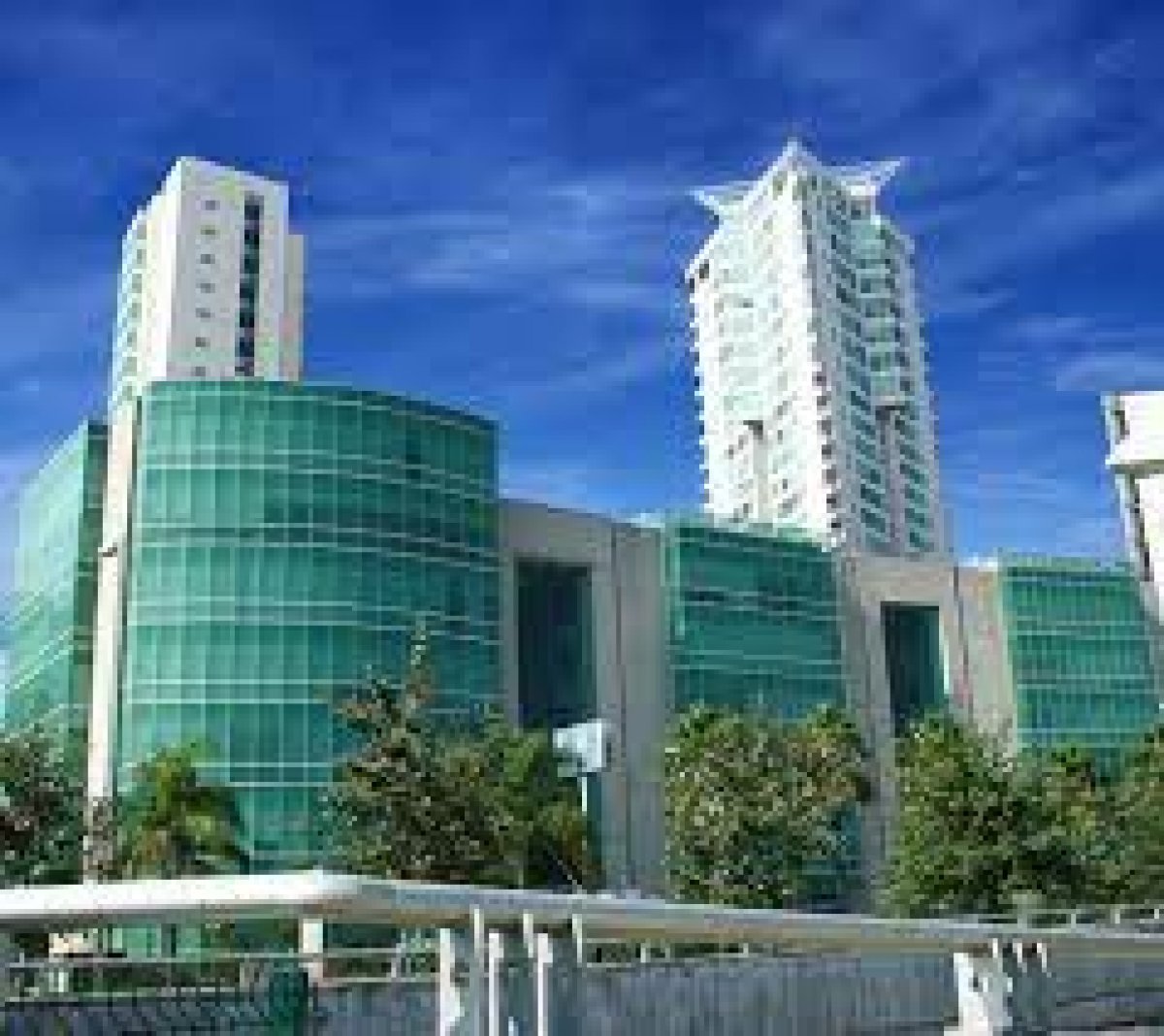
GDL High Specialty Neurosurgery
المكسيك, جوادالاخارا


تمت مراجعة المقالة طبيا من قبل
فهد مولود
Bookimed لا يضيف رسوماً إضافية على أسعار علاج تضيق القحف. الأسعار مأخوذة من قوائم الأسعار الرسمية للعيادات. تدفع مباشرة في العيادة مقابل علاجك عند وصولك إلى البلد.
Bookimed ملتزم بسلامتك. نحن نعمل فقط مع المؤسسات الطبية التي تحافظ على معايير دولية عالية في علاج تضيق القحف ولديها التراخيص اللازمة لخدمة المرضى الدوليين في جميع أنحاء العالم.
Bookimed يقدم مساعدة خبراء مجانية. منسق طبي شخصي يدعمك قبل وأثناء وبعد العلاج، ويحل أي مشاكل. لن تكون وحيداً أبداً في رحلة علاج تضيق القحف.


الدكتور كريم نو زامورا أميزكوا هو جراح أعصاب في مركز غوادالاخارا للجراحة العصبية عالية التخصص (GDL High Specialty Neurosurgery). يعالج حالات الدماغ والعمود الفقري لدى البالغين والأطفال. يجري الدكتور زامورا أميزكوا عمليات جراحة الأعصاب الوعائية وجراحة أورام الأعصاب. يعمل في عيادة تستقبل ما يقرب من 700 مريض سنوياً.
 Anna Leonova
تعد جراحة تعظم الدروز الباكر في المكسيك آمنة عند إجرائها في مراكز جراحة أعصاب الأطفال ذات الكثافة العالية. توظف العيادات المتخصصة مثل GDL High Specialty Neurosurgery جراحي أعصاب معتمدين. تعتمد السلامة على توفر وحدة العناية المركزة للأطفال وخبرة الفريق المحددة. تقدم العديد من المراكز تشخيصات متقدمة بالأشعة المقطعية وتقنيات تنظيرية طفيفة التوغل.
رؤية خبير Bookimed: تظهر البيانات أن العيادات المتخصصة في غوادالاخارا، مثل GDL High Specialty Neurosurgery، تركز حصرياً على الحالات عالية التعقيد. يعد هذا التركيز في الخبرة مؤشراً أقوى على السلامة من حجم المستشفى العام. يمثل الدكتور كريم نوي زامورا أميزكوا توجهاً محدداً للجراحين الذين يركزون فقط على التخصصات الفرعية لجراحة الأعصاب. غالباً ما يضمن اختيار عيادة تأسست قبل عام 2015 فريق تخدير للأطفال أكثر استقراراً.
إجماع المرضى: يؤكد الآباء أن اختيار جراح لديه مؤهلات خاصة في الجمجمة والوجه أكثر أهمية من الوجهة. تأكد من الحصول على خطة مكتوبة لرعاية الطوارئ بعد الجراحة قبل مغادرة المستشفى.
جراحو أعصاب الأطفال في المكسيك هم متخصصون مدربون تدريباً عالياً ولديهم ما بين 11 إلى 15 عاماً من التعليم الطبي المتقدم. غالباً ما يكمل خبراء مثل الدكتور كريم نوي زامورا أميزكوا برامج إقامة في جراحة الأعصاب لمدة 6 سنوات وزمالات في طب الأطفال. معظمهم معتمدون من قبل المجلس المكسيكي لجراحة الأعصاب لضمان السلامة.
رؤية خبير Bookimed: يشير حجم المرضى الكبير في العيادات المتخصصة في غوادالاخارا إلى خبرة عملية كبيرة. تتعامل GDL High Specialty Neurosurgery مع أكثر من 650 حالة سنوياً مع وجود طبيبين رئيسيين فقط. تشير هذه الكثافة العالية للحالات إلى مستوى من الخبرة لا يوجد إلا في المراكز الجراحية الكبرى.
إجماع المرضى: يوصي الآباء بالسؤال عن عدد مرات علاج الجراح للأطفال الرضع تحديداً واختيار المراكز التي توفر دعم وحدة العناية المركزة للأطفال. تشعر العائلات بمزيد من الثقة عندما يعمل الجراح ضمن فريق متوازن يضم جراحي تجميل وأطباء تخدير.
يجري جراحو الأعصاب في المكسيك جراحات تنظيرية طفيفة التوغل لعلاج تعظم الدروز الباكر في مراكز متخصصة. تستخدم هذه التقنية شقوقًا صغيرة لإزالة الدروز المندمجة. وهي الأكثر فعالية للرضع الذين تقل أعمارهم عن 6 أشهر. وعادة ما تؤدي إلى فقدان أقل للدم وتعافٍ أسرع.
رؤية خبير Bookimed: يخدم مركز GDL High Specialty Neurosurgery في غوادالاخارا 690 مريضًا سنويًا. يشير هذا الحجم إلى خبرة عالية في جراحة الأعصاب. يمثل الدكتور كريم نو زامورا أميزكوا الكفاءات المتخصصة المتاحة هنا. غالبًا ما يرتبط حجم المرضى المرتفع بنتائج أفضل في إجراءات الرضع المعقدة.
إجماع المرضى: التوقيت حاسم لأن الإصلاح بالمنظار يتطلب تدخلًا مبكرًا واستخدام خوذة بعد الجراحة. تؤكد العائلات على أهمية التأكد مما إذا كان الفريق الجراحي يوفر رعاية متابعة متكاملة.
يتم إجراء جراحة تضيق القحف (Craniostenosis) بشكل مثالي في مرحلة الرضاعة المبكرة، وتحديداً بين عمر 3 و 6 أشهر. تسمح هذه الفترة بإجراء تدخلات تنظيرية طفيفة التوغل. يستفيد التدخل المبكر من نمو الدماغ السريع للمساعدة في إعادة تشكيل الجمجمة بشكل طبيعي. يجب إجراء تقييم من قبل متخصص فور الاشتباه في الحالة لتأكيد التشخيص.
رؤية خبير Bookimed: على الرغم من أن المكسيك لديها عدد أقل من مراكز جراحة الأعصاب للأطفال المتخصصة، إلا أن مرافق مثل GDL High Specialty Neurosurgery في غوادالاخارا تعالج 690 مريضاً سنوياً. غالباً ما يشير حجم المرضى المرتفع في هذه العيادات المتخصصة إلى مسارات تشخيص مبسطة. اختيار مركز لديه جراح أعصاب متخصص، مثل الدكتور كريم نوي زامورا أميزكوا، يضمن مواءمة التوقيت مع الخياطة (suture) المحددة المعنية.
إجماع المرضى: يؤكد الآباء على ضرورة مراجعة متخصص فوراً إذا كان شكل الرأس يبدو غير معتاد. الانتظار حتى يستدير شكل الجمجمة بشكل طبيعي يؤدي غالباً إلى ضياع فرص إجراء جراحات أبسط.
يمكن للأطفال عيش حياة طبيعية بعد جراحة تعظم الدروز الباكر. يحقق معظم المرضى نمواً دماغياً قياسياً ويصلون إلى مراحل النمو المعتادة. يضمن التدخل في الوقت المناسب توسعاً صحياً للجمجمة. هذا يمنع الضغط على الدماغ ويدعم الصحة المعرفية. تستخدم مراكز جراحة الأعصاب المكسيكية تشخيصات الأشعة المقطعية المتقدمة للتخطيط لهذه الإجراءات.
رؤية خبير Bookimed: تدير عيادات جراحة أعصاب الأطفال المتخصصة مثل GDL High Specialty Neurosurgery في غوادالاخارا أحجاماً كبيرة من المرضى. إنهم يعالجون ما يقرب من 700 مريض سنوياً. يعد هذا التردد العالي في حالات جراحة الأعصاب المحددة مؤشراً رئيسياً على الكفاءة الجراحية. وغالباً ما يؤدي ذلك إلى النتائج المتسقة التي يبحث عنها الآباء عند السفر للحصول على الرعاية. يركز متخصصون مثل الدكتور كريم نو زامورا أميزكوا حصرياً على إجراءات الجمجمة المعقدة هذه.
إجماع المرضى: يلاحظ الآباء أن الأطفال يتكيفون بسرعة بعد الجراحة. وغالباً ما يقلقون أكثر من الطفل أثناء التعافي. يؤكد الكثيرون أن الندبة الجسدية تصبح أقل وضوحاً مع مرور الوقت. تشدد العائلات على أن الفحوصات الدورية ضرورية لراحة البال مع تطور نمو الطفل.
عادة ما يلاحظ الآباء شكلاً غير طبيعي للرأس يستمر أو يزداد سوءاً بمرور الوقت. تشمل العلامات الرئيسية نتوءات عظمية مرئية على طول دروز الجمجمة وعدم تناسق الوجه. غالباً ما يؤدي اختفاء اليافوخ (البقعة اللينة) أو بروز الجبهة غير المعتاد إلى استشارة المتخصصين مثل الدكتور كريم نو زامورا أميزكوا.
رؤية خبير Bookimed: تعالج مراكز جراحة الأعصاب المكسيكية مثل GDL High Specialty Neurosurgery ما يقرب من 700 مريض سنوياً. تشير البيانات إلى أن العيادات المتخصصة في غوادالاخارا تركز بشكل كبير على الأشعة المقطعية التشخيصية المبكرة. يساعد هذا في التمييز بين النقاط المسطحة البسيطة وبين اندماج الدروز المعقد قبل ارتفاع الضغط داخل الجمجمة.
إجماع المرضى: يخلط العديد من الآباء في البداية بين هذه العلامات وبين التسطح البسيط الناتج عن وضعيات النوم. ويلاحظون أن تعظم الدروز الباكر الحقيقي لا يتحسن مع تغيير وضعية الطفل ويشبه النتوء الصلب.