علاج سرطان اللسان في إسبانيا — احصل على 3 عيادات مختارة خصيصاً لك


تمت مراجعة المقالة طبيا من قبل
فهد مولود
كيف نعمل؟
ما هي تكلفة سرطان اللسان إجراءات التشخيص والعلاج في إسبانيا؟ اعرف الآن
تتضمن تكلفة علاج سرطان اللسان في إسبانيا عادةً خطوات تشخيصية أساسية مثل فحص PET-CT الذي تتراوح تكلفته من $1,100 إلى $3,000. من $24,000. تعتمد النفقات الإجمالية على مرحلة الورم، والحاجة إلى إعادة البناء، ومستوى المستشفى. وغالبًا ما يجد المرضى توفيرًا بنسبة 30-40% مقارنة بالولايات المتحدة. تقع أفضل مراكز العلاج في برشلونة ومدريد.
تكاليف علاج سرطان اللسان النموذجية في إسبانيا
- استشارة طبيب الأورام: $280 – $450
- فحص PET-CT: $1,100 – $3,000
- خزعة: من $1,700
- مراجعة الأنسجة المرضية: من $340
- تشخيص معقد لسرطان الفم: $1,100 – $2,600
- تصوير مقطعي للجيوب الأنفية: من $680
- تصوير ومضي (Scintigraphy): من $300
- تخطيط كهربية القلب (ECG): من $110
- جراحة سرطان اللسان: من $24,000
رؤية خبراء Bookimed: بالنسبة للحالات المعقدة التي تتطلب تكنولوجيا متقدمة، توفر المراكز المعتمدة من قبل اللجنة الدولية المشتركة (JCI) مثل مستشفى كيرون برشلونة (Hospital Quiron Barcelona) تصويرًا متكاملًا للمراحل باستخدام PET-CT وMRI. يستفيد المرضى الذين يبحثون عن خبرة دولية من التعاون مع معاهد الأورام الأمريكية الرائدة المتاحة في مراكز كيرون. بالنسبة للمهتمين بالعلاجات المبتكرة، يوفر مستشفى كيرون سالود مدريد (Quironsalud Madrid) وصولًا فريدًا إلى التجارب السريرية. يجب على المرضى في المراحل المبكرة إعطاء الأولوية للمراكز الجراحية ذات الكثافة العالية مثل مركز تكنون الطبي (Centro Médico Teknon) للحصول على أفضل النتائج.
| تركيا | إسبانيا | ألمانيا | |
|---|---|---|---|
| استئصال سرطان اللسان | من $8,300 | من $24,000 | من $15,000 |
| استئصال اللسان الجزئي | ≈ $4,500 | ≈ $7,500 | ≈ $9,500 |
| Halcyon (هالسيون) | ≈ $9,500 | ≈ $6,500 | ≈ $9,500 |
اكتشف أفضل سرطان اللسان العيادات في إسبانيا: 9 خيارات معتمدة والأسعار





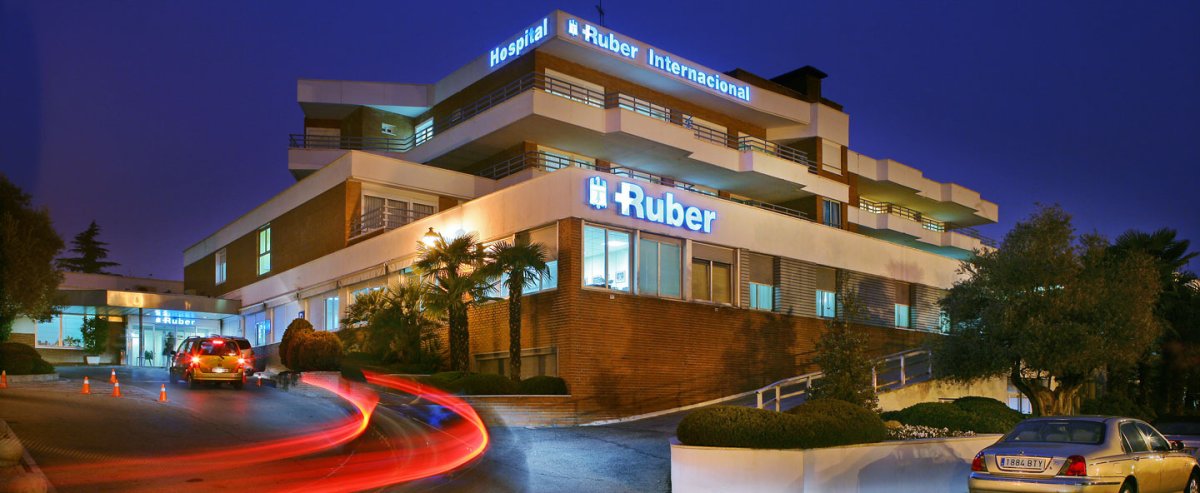


SJD Barcelona Children’s Hospital




GenesisCare Clinics

احصلوا على تقييم طبي لـ سرطان اللسان في إسبانيا: استشيروا أطباء ذوي خبرة الآن
عرض جميع الأطباء
Stephanie Lilianne E Bolle
الدكتورة ستيفاني ليليان إي. بولي اختصاصية علاج الأورام بالإشعاع ورئيسة قسم علاج الأورام بالإشعاع في مركز كيرونسالود للعلاج بالبروتون في مدريد. تتولى قيادة القسم منذ يوليو/تموز 2024. يُعد المركز أول مرفق للعلاج بالبروتون في إسبانيا.
دكتوراه في الطب، جامعة لييج (1998). حاصلة على البورد في علاج الأورام بالإشعاع (2003). عضو نشط في الجمعية الأوروبية لطب أورام الأطفال وتعمل مع مجموعة أورام الدماغ ومجموعة عمل علاج الأورام بالإشعاع التابعة لها.
نشرت أكثر من 120 مقالة علمية حول أورام دما
María José Morán Soto
الدكتورة ماريا خوسيه موران سوتو هي جراحة في الفم والرأس والرقبة في مستشفى بوبليو كوردون التذكاري في مدريد. تجري الدكتورة جراحات الأورام لسرطانات اللسان واللوزتين والحنجرة والغدة الدرقية. كما تقوم الدكتورة موران سوتو بإجراء عمليات ترميمية معقدة لاستعادة الوظائف بعد استئصال الأورام. يُعد المستشفى منشأة حاصلة على اعتماد اللجنة الدولية المشتركة (JCI) في إسبانيا ويضم طاقماً يتألف من أكثر من 110 أخصائيين.
Antonio Fernández García
الدكتور أنطونيو فرنانديز غارسيا هو جراح فم ووجه وفكين وجراح رأس ورقبة في مستشفى بوبليو كوردون التذكاري في مدريد. وهو متخصص في الأورام الجراحية والجراحة الترميمية.
يعالج الدكتور فرنانديز سرطانات الرأس والرقبة، بما في ذلك سرطان الحنجرة واللسان واللوزتين. يحمل المستشفى اعتماد اللجنة الدولية المشتركة (JCI) لمعايير السلامة والجودة.

Lopez Ibor
تتخصص الدكتورة لوبيز-إيبور في طب أورام الأطفال ولديها أكثر من 32 سنة من الخبرة، وتترأس حالياً وحدة أمراض الدم وأورام الأطفال في مستشفى HM Montepríncipe.
- خبير في علاج أورام العظام والدماغ لدى الأطفال
- متخصصة في أمراض الدم وأورام الأطفال من جامعة ميريلاند
- مؤلفة للعديد من المنشورات العلمية الوطنية والدولية
المراجعات
جميع المراجعاتمشاركة المحتوى
قصص فيديو من مرضى Bookimed
 Anna Leonova
أسئلة متكررة حول علاج سرطان اللسان في إسبانيا
ما هي طرق العلاج القياسية لسرطان اللسان في إسبانيا؟
تتضمن الرعاية القياسية لسرطان اللسان في إسبانيا جراحة استئصال اللسان، والعلاج الإشعاعي، وبروتوكولات العلاج الكيميائي متعدد الوسائط. تعطي الفرق متعددة التخصصات الأولوية لاستئصال الورم وإدارة العقد الليمفاوية. تستخدم المراكز المتخصصة التصوير المقطعي بالإصدار البوزيتروني (PET-CT) والرنين المغناطيسي لتحديد المرحلة. تحافظ تقنيات إعادة البناء على وظائف الكلام والبلع لحالات الأورام المتقدمة.
- النهج الجراحي: تعمل عمليات استئصال اللسان الجزئي أو الكلي على إزالة الأورام بهوامش مخططة.
- تشريح الرقبة: يقوم الجراحون بإزالة العقد الليمفاوية لمنع أو علاج الانتشار الإقليمي.
- العلاج الإشعاعي: يستهدف العلاج الإشعاعي المعدل الشدة (IMRT) المساعد بدقة المناطق عالية الخطورة مع حماية الأنسجة السليمة.
- العلاج الجهازي: يعالج العلاج الكيميائي الإشعاعي أو الأدوية البيولوجية الموجهة مثل سيتوكسيماب المراحل المتقدمة.
رؤية خبير Bookimed: توفر إسبانيا ميزة فريدة للحالات المعقدة التي تتطلب رعاية قائمة على الأبحاث. يوفر مستشفى Quironsalud Madrid للمرضى إمكانية الوصول إلى تجارب سريرية مبتكرة. وفي الوقت نفسه، تبلغ Clinica Universidad de Navarra عن معدلات نجاح عالية في طب الأورام المتخصص. وهذا يسمح ببروتوكولات مخصصة تجمع بين الجراحة القياسية والعلاجات التجريبية.
إجماع المرضى: يشير المرضى إلى أن التعافي يتضمن جدولًا زمنيًا طويلًا لإعادة التأهيل للكلام والتغذية. يؤكد الكثيرون على أهمية مناقشة إعادة البناء وجفاف الفم المحتمل مع الفريق الطبي قبل بدء العلاج.<
كيف تعالج العيادات الإسبانية القدرة على الكلام والبلع بعد جراحة سرطان اللسان؟
تستعيد العيادات الإسبانية القدرة على الكلام والبلع من خلال إعادة البناء المجهري المتكامل وإعادة التأهيل المبكر. تستخدم المراكز المعتمدة من JCI سدائل أنسجة وظيفية لإعادة بناء حجم اللسان. تبدأ فرق متعددة التخصصات، بما في ذلك أخصائيو النطق، علاجاً متخصصاً في غضون أيام لزيادة حركة الفم ومنع المضاعفات طويلة المدى.
- إعادة البناء الوظيفي: يستخدم الجراحون سدائل ALT أو سدائل الساعد الشعاعي لاستعادة كتلة اللسان اللازمة.
- علاج النطق المبكر: يبدأ أخصائيو أمراض النطق واللغة في إعادة المعايرة الصوتية في غضون 3 إلى 4 أيام بعد الجراحة.
- تشخيص البلع: يستخدم المتخصصون تقنية FEES أو دراسات البلع بالباريوم لضمان تناول الطعام عن طريق الفم بأمان.
- الأطراف الصناعية المتقدمة: تساعد أجهزة زيادة الحنك المخصصة اللسان المتبقي على ملامسة سقف الفم.
رؤية خبير Bookimed: تُظهر مراكز الأورام الإسبانية مثل Clinica Universidad de Navarra وCentro Médico Teknon ارتباطاً وثيقاً بين حجم العمليات الجراحية والنجاح الوظيفي. يجري مركز Teknon وحده أكثر من 23,500 عملية سنوياً. تسمح هذه الخبرة الهائلة للجراحين بحساب حجم الأنسجة اللازمة لإعادة البناء بدقة، مما يؤثر بشكل مباشر على قدرة المريض النهائية على النطق بوضوح والبلع دون استنشاق.
إجماع المرضى: يشير المرضى إلى أن التعافي عملية تدريجية حيث يعتمد وضوح الكلام على حجم الاستئصال. ويؤكدون أنه على الرغم من شيوع استخدام أنابيب التغذية في البداية، فإن تمارين البلع المستمرة بدعم من معالجين متخصصين ضرورية للعودة إلى نظا
هل تتوفر جراحة ترميمية إذا تمت إزالة جزء كبير من اللسان؟
تعد الجراحة الترميمية ممارسة قياسية في إسبانيا عند إزالة أجزاء كبيرة من اللسان. تقوم فرق جراحية متخصصة بإجراء عمليات السديلة الحرة المجهرية في نفس الجلسة. تستخدم هذه التقنية أنسجة من الساعد أو الفخذ لاستعادة وظائف البلع والكلام بفعالية.
- تقنية السديلة الحرة: يقوم الجراحون بحصاد الجلد والعضلات لإنشاء لسان جديد في حالات الاستئصال الكلي.
- الجراحة المجهرية: يقوم الأطباء بتوصيل الأوعية الدموية للمانح بأوعية الرقبة لضمان بقاء الأنسجة.
- مواقع المانحين: عادة ما تأتي الأنسجة من الساعد الكعبري أو الفخذ للحصول على حجم مثالي.
- الأهداف الوظيفية: يظل التركيز على الحفاظ على النطق والقدرة على تحريك الطعام بنجاح.
رؤية خبير Bookimed: تدمج مراكز الأورام الإسبانية مثل Centro Médico Teknon و Hospital Quiron Barcelona الترميم في خطط الجراحة الأولية. تظهر بياناتنا أن هذه المرافق تستخدم بروتوكولات سلامة معتمدة من JCI لحالات الرأس والرقبة المعقدة. اختيار عيادة ذات قدرات جراحية روبوتية يمكن أن يزيد من دقة المرحلة الأولية لاستئصال الورم.
إجماع المرضى: يشير المرضى إلى أنه من المهم إدراك أن التعافي بطيء وغالباً ما يتطلب علاجاً مكثفاً للنطق. يؤكد الكثيرون أنه على الرغم من أن الإحساس قد لا يعود بالكامل، فإن إعادة بناء حجم اللسان أمر حيوي لاستعادة القدرة على البلع.
ما هي المستشفيات في إسبانيا المعترف بها للغاية في مجال أورام الرأس والرقبة؟
تعد إسبانيا وجهة رائدة في مجال أورام الرأس والرقبة. تتخصص العديد من المراكز المعتمدة من قبل اللجنة الدولية المشتركة (JCI) في مدريد وبرشلونة في علاج سرطان اللسان. توفر مرافق مثل Centro Médico Teknon و Clínica Universidad de Navarra تشخيصات متقدمة مثل PET/CT. وهي توفر رعاية متعددة التخصصات للحالات المعقدة من خلال مجالس أورام متخصصة.
- وحدات متخصصة: يتميز مركز Teknon الطبي بفرق مخصصة لسرطان الرأس والرقبة.
- تشخيص متقدم: تستخدم المستشفيات PET/CT و scintigraphy لتحديد مرحلة الورم بدقة.
- نطاق العلاج: تشمل الخيارات استئصال اللسان الجزئي، والعلاج الإشعاعي Halcyon، والعلاج الكيميائي المخصص.
- مراكز الخبراء: تجري Quironsalud Madrid تجارب سريرية للبحوث التنكسية العصبية والأورام.
رؤية خبير Bookimed: تعتمد جودة الحياة بعد جراحة سرطان اللسان على التخطيط الترميمي المبكر. تحافظ Clinica Universidad de Navarra على معدل حفظ أطراف بنسبة 95% في الساركوما. تمتد هذه المبادئ الجراحية إلى حالات الرأس والرقبة. تدمج المراكز الإسبانية الرائدة جراحي الترميم مباشرة في فريق الأورام الأساسي. وهذا يضمن الحفاظ على وظائف الكلام والبلع فوراً أثناء إزالة الورم الأولية.
إجماع المرضى: يؤكد المرضى على أهمية العثور على مراكز تجمع بين الجراحة الترميمية وعلاج البلع في خطة واحدة. يركز العديد من المسافرين على عيادات مدريد وبرشلونة لخبرتهم الكبيرة في جراحات الأنف والأذن والحنجرة المعقدة.
هل تتوفر علاجات إشعاعية متقدمة وغير جراحية لسرطان اللسان في إسبانيا؟
تقدم إسبانيا علاجاً إشعاعياً متقدماً غير جراحي لسرطان اللسان في مراكز الأورام الرئيسية. تستخدم المرافق العلاج بحزمة البروتون، وCyberKnife، وIMRT لاستهداف الأورام بدقة مليمترية. تساعد هذه التقنيات في الحفاظ على وظائف الكلام والبلع مع حماية أنسجة الفك والغدد اللعابية السليمة.
- العلاج بالبروتون: يحد من تشتت الإشعاع لتقليل الآثار الجانبية المؤلمة مثل تقرحات الفم.
- تقنية CyberKnife: تستخدم التتبع الروبوتي لعلاج بجرعات عالية دون الحاجة إلى أي شقوق جراحية.
- IMRT وVMAT: تشكيل دقيق للحزمة يتطابق مع المخطط ثلاثي الأبعاد المحدد لآفات اللسان.
- التجارب السريرية: تقدم بعض المراكز مثل Quironsalud Madrid علاجات متقدمة من خلال برامج بحثية نشطة.
رؤية خبير Bookimed: بينما تقدم العديد من المراكز إشعاعاً قياسياً، فإن القليل منها فقط مثل Clinica Universidad de Navarra يدمج العلاج المتقدم بالبروتون مباشرة في بيئة المستشفى. عالج هذا المرفق المحدد أكثر من 700,000 مريض دولي وكان الأول في إسبانيا الذي يحصل على شهادة JCI. اختيار مركز بهذا الحجم غالباً ما يكون أكثر أماناً لحالات الرأس والرقبة المعقدة.
إجماع المرضى: يشير المرضى إلى أنه من المهم التأكد مما إذا كان المركز يستخدم مجلساً متعدد التخصصات للأورام لمراجعة الحالات. وغالباً ما يذكرون أنه على الرغم من أن الإشعاع يتجنب الجراحة، فإن التعامل مع جفاف الفم وتغيرات البلع يظل واقعاً عملياً أثناء التعافي.
هل الجراحة الروبوتية خيار لأورام اللسان في إسبانيا؟
تعد الجراحة الروبوتية خياراً شائعاً لعلاج أورام اللسان في مراكز الأورام الإسبانية الرائدة. يستخدم الجراحون الجراحة الروبوتية عبر الفم (TORS) لإزالة الأورام من خلال الفم دون الحاجة إلى شقوق خارجية. يُستخدم هذا النهج بشكل أساسي للأورام في مراحلها المبكرة الموجودة في قاعدة اللسان.
- النظام المستخدم: تستخدم معظم المراكز الإسبانية من الدرجة الثالثة نظام دافنشي الجراحي لإزالة الأورام بدقة عالية.
- دواعي الاستعمال السريرية: يوصى عادةً بـ TORS لأورام اللسان الموضعية في المرحلتين T1 و T2.
- فوائد التعافي: يتجنب النهج الروبوتي شق الفك، مما يساعد في الحفاظ على وظائف الكلام والبلع.
- المرافق الرئيسية: توفر المراكز المعتمدة من قبل اللجنة الدولية المشتركة (JCI) في برشلونة ومدريد منصات روبوتية متقدمة لعلم الأورام.
رؤية خبير Bookimed: تظهر البيانات تركيزاً عالياً للخبرة في برشلونة مع مراكز مثل Centro Médico Teknon و Hospital Quiron Barcelona. تجري هذه المرافق أكثر من 23,000 عملية جراحية سنوياً وتحتفظ باعتماد JCI. غالباً ما يختار المرضى هذه العيادات لأنها تجمع بين الأجهزة الروبوتية والبروتوكولات المتخصصة لمعهد بازيلغا للأورام. هذا المزيج فعال بشكل خاص للحالات المعقدة التي تتطلب دقة جراحية ودعماً صيدلانياً متكاملاً.
إجماع المرضى: يشير المرضى إلى أن اختيار الجراحة الروبوتية يساعد في تجنب ندبات الوجه المرئية ويقلل من الوقت الذي يقضونه في المستشفى. يؤكد الكثيرون أن الحفاظ على قدرتهم على البلع والتحدث بشكل طبيعي كان السبب الرئيسي لاختيارهم ال
ما مدى سرعة بدء المريض للعلاج في إسبانيا؟
يمكن للمرضى الوصول إلى علاج سرطان اللسان في القطاع الخاص في إسبانيا في غضون 1 إلى 15 يوماً. في حين أن فترات الانتظار في الرعاية الصحية العامة للمتخصصين غالباً ما تتجاوز 80 يوماً، توفر مراكز الأورام الخاصة استشارات فورية تقريباً. تعمل الأقسام الدولية المخصصة في أفضل المرافق على تبسيط التشخيص مثل التصوير المقطعي بالإصدار البوزيتروني (PET-CT) والخزعات للحالات العاجلة.
- الاستشارة الخاصة: عادة ما يرى المتخصصون المرضى في غضون 1 إلى 7 أيام من الطلب.
- جدولة الجراحة: عادة ما يتم إجراء عمليات مثل استئصال اللسان الجزئي في غضون 15 يوماً في العيادات الخاصة.
- سرعة التشخيص: غالباً ما تتوفر تقنيات التصوير المتقدمة بما في ذلك PET-CT والرنين المغناطيسي في غضون 48 ساعة.
- قوائم الانتظار العامة: قد تنطوي العمليات الجراحية العامة غير العاجلة على فترات انتظار تبلغ حوالي 112 يوماً.
رؤية خبير Bookimed: تظهر البيانات من مراكز رئيسية مثل Centro Médico Teknon وClinica Universidad de Navarra تركيزاً عالياً للمرافق المعتمدة من JCI في برشلونة ومدريد. تدير هذه المراكز أكثر من 10,000 مريض سنوياً وتحافظ على سياسات عدم وجود قائمة انتظار للإحالات الدولية. اختيار عيادة بها مركز سرطان متكامل، مثل HM Madrid، غالباً ما يقلل الوقت بين الخزعة الأولية والمراجعة النسيجية النهائية.
إجماع المرضى: يشير المرضى إلى أن العملية واضحة ومفهومة عند العمل مع متخصصين خاصين. ويؤكدون أن الوصول السريع إلى منسقين طبيين ثنائيي اللغة يساعد في سد فجوة التواصل خلال مراحل التشخيص