طب الأطفال في إسرائيل — التكاليف 2026


تمت مراجعة المقالة طبيا من قبل
فهد مولود
ما هي تكلفة طب الأطفال في إسرائيل؟ اكتشف الآن
تتراوح تكلفة طب الأطفال في إسرائيل عادةً ما بين $5,100 و $32,000. تعتمد النفقات النهائية على مدى تعقيد الحالة الطبية، ومدة الإقامة في المستشفى، والاختبارات التشخيصية المحددة المطلوبة للطفل. يمكن للمرضى الدوليين توفير ما يقرب من 20-30% مقارنة بالعلاجات الخاصة المماثلة في الولايات المتحدة.
تكاليف طب الأطفال النموذجية في إسرائيل
- التقييم التشخيصي للتوحد: من $4,500
- العلاج بالخلايا الجذعية: السعر عند الطلب
- علاج التوحد: من $7,500
- العلاج الدوائي للصرع: $1,800 – $3,400
تتركز معظم رعاية الأطفال المتخصصة في تل أبيب، ورمات غان، وبيتاح تكفا. وفي حين أن الأسعار موحدة بشكل عام عبر المؤسسات الكبرى، فقد توجد اختلافات طفيفة بين العيادات الخاصة والمراكز الطبية الكبيرة. استشر أخصائياً للحصول على تسعير دقيق للاحتياجات الطبية المحددة لطفلك.
| إسرائيل | تركيا | إسبانيا | |
|---|---|---|---|
| علاج مرض التوحد | من $7,500 | من $11,500 | من $20,200 |
| علاج فويتا - Vojta Therapy | ≈ $1,300 | من $230 | ≈ $600 |
| علاج الصرع (انظر العلاج الدوائي لمرض الصرع) | ≈ $1,800 | من $1,400 | من $340 |
| علاج الأطفال والمراهقين الذين يعانون من مرض انفصام الشخصية | ≈ $12,000 | ≈ $4,500 | ≈ $6,500 |
| تركيب القوقعة الصناعية | ≈ $38,000 | من $14,000 | من $22,000 |
مزاياك وضماناتك مع Bookimed
أسعار مباشرة
Bookimed لا يضيف رسوماً إضافية على أسعار علاج طب الأطفال. الأسعار مأخوذة من قوائم الأسعار الرسمية للعيادات. تدفع مباشرة في العيادة مقابل علاجك عند وصولك إلى البلد.
عيادات وأطباء معتمدون فقط
Bookimed ملتزم بسلامتك. نحن نعمل فقط مع المؤسسات الطبية التي تحافظ على معايير دولية عالية في علاج طب الأطفال ولديها التراخيص اللازمة لخدمة المرضى الدوليين في جميع أنحاء العالم.
مساعدة مجانية على مدار الساعة
Bookimed يقدم مساعدة خبراء مجانية. منسق طبي شخصي يدعمك قبل وأثناء وبعد العلاج، ويحل أي مشاكل. لن تكون وحيداً أبداً في رحلة علاج طب الأطفال.

منسقك الطبي الشخصي في Bookimed
- يدعمك في كل مرحلة
- المساعدة في اختيار العيادة الطبية المناسبة والطبيب المناسب
- يضمن الوصول السريع والمريح إلى المعلومات
اكتشف أفضل عيادات طب الأطفال: 18 خيارات معتمدة والأسعار









Assaf Harofeh Medical Center

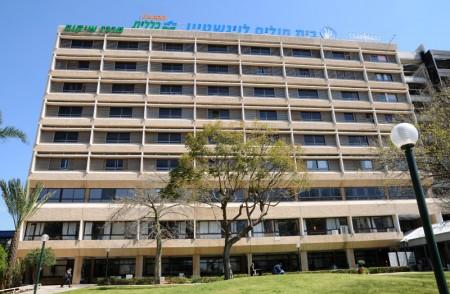
Loewenstein hospital Rehabilitation center

Soroka Medical Center
Child Development Center Beit Issie Shapiro
أفضل مراكز طب الأطفال في إسرائيل
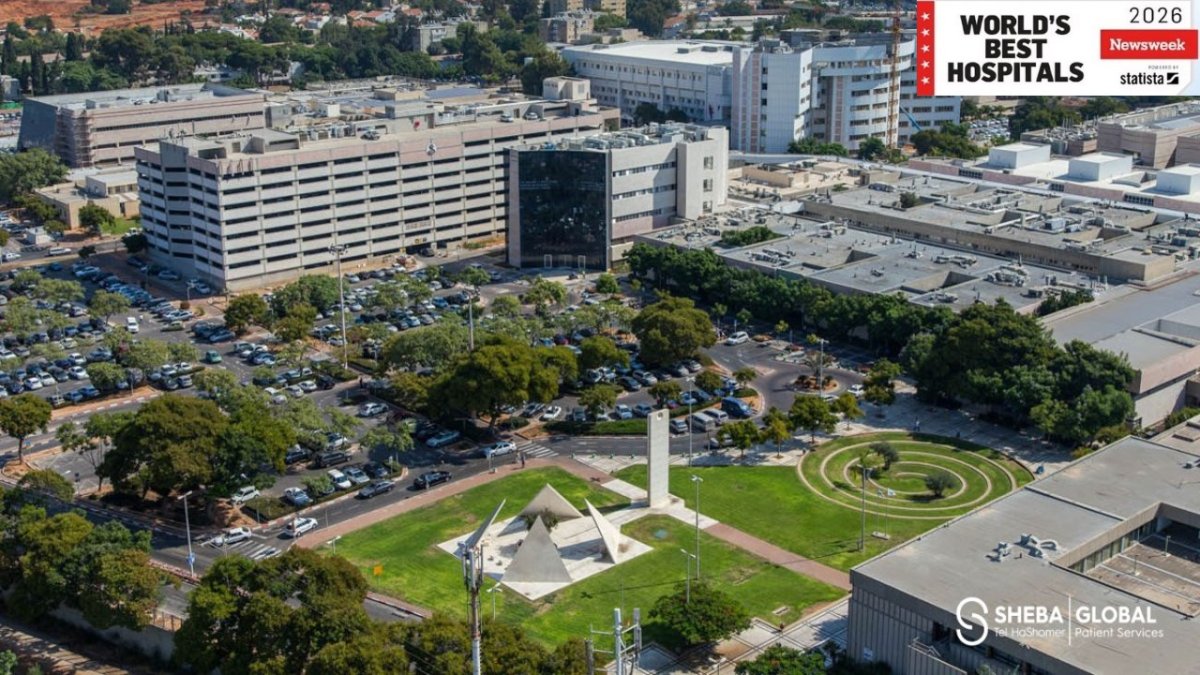
- مركز شيبا الطبي, إسرائيل
- Sourasky Medical Center (Ichilov), إسرائيل
- Assuta Medical Center, إسرائيل
- Hadassah Medical Center, إسرائيل
- Rambam Medical Center, إسرائيل
- Assaf Harofeh Medical Center, إسرائيل
- Schneider Center for Children Medicine, إسرائيل
- Loewenstein hospital Rehabilitation center, إسرائيل
- Soroka Medical Center, إسرائيل
- Child Development Center Beit Issie Shapiro, إسرائيل
احصل على تقييم طبي لـ طب الأطفال في إسرائيل. استشر الآن 17 أطباء ذوي الخبرة.
عرض جميع الأطباء
Amos Toren
البروفيسور آموس تورين، MD، PhD، MHA، اختصاصي أمراض دم وأورام الأطفال وخبير زرع نخاع العظم. شغل منصب مدير أمراض دم وأورام الأطفال وزرع نخاع العظم في مركز شيبا الطبي.
حاصل على البورد في طب الأطفال، وأمراض دم وأورام الأطفال، وزرع نخاع العظم. يحمل دكتوراه في علم الوراثة البشرية. ترأس شعبة أمراض الدم في جامعة تل أبيب لولايتين. وهو عضو في ASH وCOG وESPHI وEBMT وCIBMTR، ويعمل أيضاً في لجنة دم الحبل السري بوزارة الصحة.
قاد أحد أكثر برامج أورام الأطفال وزرع نخاع العظم تقدماً في إسرائيل.

Dror Levin
مدير قسم أمراض الدم والأورام لدى الأطفال في مركز سوراسكي الطبي - يتخصص الدكتور ليفين في اضطرابات الدم لدى الأطفال وسرطان العظام.
- خبير في علاج الساركوما واضطرابات تخثر الدم
- تدرب في معهد ريزولي لجراحة العظام - الرائد عالميًا في أورام العظام
- عضو في ISPHO - الجمعية الإسرائيلية لأمراض الدم والأورام لدى الأطفال
- ينسق رعاية أمراض الدم للرضع الخدج

Grisaro Galia
تدير الدكتورة غريسارو-سوين خدمة الأمراض المعدية لدى الأطفال في مستشفى دانا دويك للأطفال، مع تدريب متخصص من جامعة تورنتو.
- مدير قسم الأمراض المعدية للأطفال في مستشفى أطفال رئيسي
- متخصص في تشخيص وعلاج عدوى الأطفال المعقدة
- حاصل على درجة مرز بشير في الطب
- تدرب في مستشفى سفرا للأطفال وجامعة تورنتو

Oren-asaf
الدكتور عساف أورين هو أخصائي أول في غدد صماء الأطفال في مستشفى دانا دويك للأطفال، متخصص في رعاية الغدد الصماء والسكري للأطفال.
- تلقى تدريب الزمالة في مستشفى الأطفال المرضى (Hospital for Sick Children) في تورنتو - أحد أفضل مراكز طب الأطفال في العالم
- يدرس أطباء وممرضي المستقبل في جامعة تل أبيب
- يعمل في كل من المستشفيات وعيادات المجتمع
- يتعامل مع حالات غدد صماء الأطفال الطارئة وطويلة الأمد
مشاركة المحتوى
قصص فيديو من مرضى Bookimed
 Anna Leonova
أسئلة متكررة حول طب الأطفال في إسرائيل
ما هي أفضل مستشفيات الأطفال للعلاجات المعقدة؟
تستضيف إسرائيل مراكز طب أطفال معترف بها عالمياً ومتخصصة في الأورام وجراحة الأعصاب والأمراض النادرة. تمتلك مرافق رائدة مثل مركز سوراسكي الطبي ومركز هداسا الطبي اعتماد اللجنة الدولية المشتركة (JCI). تعالج هذه المستشفيات أكثر من 24,000 طفل سنوياً. وهي تقدم علاجات متقدمة بما في ذلك علاجات الخلايا الجذعية والجراحة الروبوتية.
- مركز سوراسكي الطبي: يسجل معدلات نجاح في الأورام تصل إلى 90%. يعالج 11,450 طفلاً سنوياً في تل أبيب.
- مركز هداسا الطبي: متخصص في الأمراض النادرة. معترف به من قبل مجلة نيوزويك كأحد أفضل المراكز الطبية.
- مركز شنايدر للأطفال: مخصص حصرياً لطب الأطفال. يتكامل مع مركز رابين الطبي لتوفير الموارد.
- مركز رمبام الطبي: يضم متخصصين حائزين على جائزة نوبل. يوفر رعاية شاملة لوحدات العناية المركزة لحديثي الولادة ورعاية الأطفال المعقدة.
رؤية خبير Bookimed: تظهر البيانات تركيزاً عالياً للخبرة في مركز سوراسكي الطبي، حيث يتمتع متخصصون مثل الدكتورة فيرونيكا تشيرنوها والدكتور درور ليفين بخبرة تزيد عن 20 عاماً. تدير هذه العيادة 34,000 عملية جراحية سنوياً، وغالباً ما تجمع بين الأقسام للحالات المعقدة. بالنسبة للعائلات الدولية، توفر هذه المراكز ذات الحجم الكبير عادةً الوصول الأكثر سلاسة إلى فرق متعددة التخصصات.
إجماع المرضى: يشير الآباء إلى أن المراكز الإسرائيلية الرائدة توفر بانتظام أطباء يتحدثون الإنجليزية، مما يبسط مناقشات العلاج المعقدة. غالباً ما تؤكد العائلات أن السفر إلى المدن الكبرى ضروري للوصول إلى بروتوكولات متخصصة لل
ما هي عيادة "تيفات هالاف" (Tipat Halav)؟
تيفات هالاف هي الشبكة الوطنية الإسرائيلية لمراكز صحة الأسرة التي تركز على الطب الوقائي للنساء الحوامل والأطفال حتى سن 6 سنوات. تقدم هذه العيادات، التي يديرها ممرضون، خدمات رعاية صحية أساسية. وهي تدير التطعيمات، ومراحل النمو، والتوجيه الغذائي لضمان نمو بدني وعقلي سليم.
- الخدمات الأساسية: توفر التحصينات الروتينية، ومراقبة النمو، وفحوصات الحواس للرضع.
- طاقم الخبراء: يقود ممرضو الصحة العامة الرعاية، مع انضمام أطباء الأطفال لإجراء فحوصات محددة.
- إمكانية الوصول: تظل الخدمات مجانية لجميع السكان، بما في ذلك أولئك الذين ليس لديهم وضع رسمي.
- التتبع طويل الأمد: يتلقى الآباء كتيب تطعيم مادي للمدرسة والسجلات الطبية.
- التدخل المبكر: تقدم المراكز فحوصات الأسنان وفحوصات تأخر النطق للأطفال الصغار.
رؤية خبير Bookimed: يتبع رعاية الأطفال في إسرائيل نظامًا مزدوج المسار حيث تتعامل تيفات هالاف مع الوقاية بينما تدير المستشفيات مثل مركز سوراسكي الطبي الحالات المعقدة. تظهر البيانات أن المراكز الكبرى مثل هداسا تجري أكثر من 40,000 عملية جراحية سنويًا، مما يوضح سبب استخدام الآباء لهذه العيادات العامة للقاحات الروتينية ولكنهم يبحثون عن مستشفيات متخصصة للعلاجات المكثفة.
إجماع المرضى: يقدر الآباء هذه المراكز بسبب التطعيمات الإلزامية المجانية ومخططات النمو. على الرغم من أن العيادات الحضرية قد تبدو وكأنها خط تجميع، إلا أن العديد من العائلات تقدر التوجيه المهني بشأن الرضاعة الطبيعية والتطور المبكر.
كيف يمكن للطفل الحصول على مساعدة تنموية مثل علاج النطق أو العلاج الوظيفي؟
يحصل الأطفال في إسرائيل على المساعدة التنموية من خلال مراكز متخصصة مثل مركز شنايدر لطب الأطفال أو مركز هداسا الطبي. تبدأ العملية باستشارة طب الأطفال للحصول على إحالة إلى عيادة التنمية. التقييم السريع أمر بالغ الأهمية لنجاح التدخل المبكر.
- إحالة طب الأطفال: ابدأ باستشارة في عيادات مثل مركز سوراسكي الطبي (إيخيلوف).
- مراكز متخصصة: يقدم بيت إيسي شابيرو طرق إعادة تأهيل فريدة للأطفال دون سن 14 عاماً.
- تشخيص شامل: تشمل التقييمات الفحص الجيني وتخطيط كهربية الدماغ (EEG) في مرافق معتمدة من JCI في تل أبيب.
- أطباء أعصاب خبراء: يقدم متخصصون مثل الدكتورة فيرونيكا تشيرنوها خبرة في نمو الطفل وطب الأعصاب.
رؤية خبير Bookimed: تتعامل المستشفيات الإسرائيلية مثل هداسا ومركز شنايدر لطب الأطفال مع أحجام هائلة من المرضى، وغالباً ما تتجاوز 275,000 طفل سنوياً. يسمح هذا التردد العالي لفرقهم متعددة التخصصات بتحديد تأخر النمو النادر بشكل أسرع من العيادات الإقليمية الأصغر. إذا كنت تبحث عن علاج فوري، فإن اختيار مرفق تابع لجامعة يوفر غالباً الوصول إلى معدات تشخيصية أكثر تخصصاً مثل تخطيط كهربية الدماغ المتقدم والاختبارات الجينية في موقع واحد.
إجماع المرضى: يلاحظ الآباء أن الدخول في قوائم انتظار المعالجين العامين قد يستغرق عدة أشهر. يختار الكثيرون دفع تكاليف جلسات خاصة في البداية لتجنب التأخير أثناء انتظار موافقات صناديق الصحة.
ما هو `Sharap` ومتى يتم استخدامه؟
Sharap هو اختصار طبي عبري للخدمات الطبية الخاصة المتاحة داخل مستشفيات عامة إسرائيلية محددة. تستخدم العائلات هذا المسار لاختيار أخصائيين كبار مثل الدكتورة فيرونيكا تشيرنوها لرعاية الأطفال. يتجاوز هذا المسار التعيينات العامة القياسية لضمان وصول أسرع إلى الاستشارات والعمليات الجراحية المعقدة.
- اختيار مقدم الخدمة: يختار المرضى أطباء كبار أو أساتذة محددين لعلاجات الأطفال المتخصصة.
- تقليل الانتظار: يقلل هذا المسار بشكل كبير من أوقات الانتظار للتشخيصات مثل تخطيط كهربية الدماغ (EEG) أو الفحص الجيني.
- الحالات المعقدة: تستخدم العائلات Sharap للإجراءات المعقدة التي تتطلب خبرة في طب أعصاب الأطفال أو الأورام.
- مواقع محددة: الخدمة متاحة بشكل أساسي في مرافق غير حكومية مثل مركز هداسا الطبي في القدس.
رؤية خبير Bookimed: بينما يربط الكثيرون Sharap فقط بمستشفيات القدس، تظهر بياناتنا حجمًا كبيرًا من طلبات الأطفال للأخصائيين في مركز سوراسكي الطبي في تل أبيب. على الرغم من أن سوراسكي مرفق حكومي، إلا أنه يقدم مسارات استشارة خاصة مماثلة للمرضى الدوليين. وهذا يسمح بالوصول إلى خبراء مدرجين في قائمة فوربس مثل الدكتور درور ليفين دون أوقات الانتظار المعتادة في النظام العام.
إجماع المرضى: يلاحظ الآباء أنه على الرغم من أن اختيار طبيب كبير محدد يوفر راحة البال، إلا أن العملية تنطوي على تكاليف أعلى من الجيب. يوصي الكثيرون بالتحقق مما إذا كان تأمينك التكميلي يغطي هذه الرسوم الخاصة قبل حجز استشارة أخصائي.
ما هو `Tofes 17`؟
نموذج Tofes 17 هو نموذج التزام مالي رسمي من صندوق صحي إسرائيلي. يضمن تغطية الخدمات الطبية في مرافق خارجية مثل المستشفيات أو المختبرات. يضمن هذا القسيمة أن يدفع المرضى فقط المدفوعات المشتركة القياسية بدلاً من التكاليف الكاملة غير المدعومة لرعاية الأطفال المتخصصة.
- الغرض المالي: يعمل كسند إذني لحالات الاستشفاء أو العمليات الجراحية أو التصوير المتخصص.
- المتطلبات: يجب على المرضى الحصول على إحالة طبية من طبيب قبل الإصدار.
- الوصول: متاح من خلال تطبيقات صناديق الصحة أو المواقع الإلكترونية أو المكاتب الفرعية المحلية في إسرائيل.
- الإعفاءات: في طب الأطفال، توثق النماذج المتخصصة أيضًا الإعفاءات الطبية للتطعيمات الإلزامية.
رؤية خبير Bookimed: تدير المراكز الطبية الإسرائيلية مثل Sourasky أو Hadassah أكثر من 1,000,000 مريض سنويًا وتتطلب هذا التصريح بصرامة. نظرًا لأن مراكز مثل مركز شنايدر لطب الأطفال تتخصص حصريًا في طب الأطفال، فإن تأمين Tofes 17 مبكرًا يمنع شرط الإيداع المعروف باسم pikadon. بالنسبة للمرضى الدوليين أو أولئك الذين ليس لديهم صناديق صحية إسرائيلية، تختلف هذه القواعد الإدارية بشكل كبير عن الإجراءات المحلية.
إجماع المرضى: يلاحظ الآباء أن جمع جميع تقارير المتخصصين في وقت مبكر أمر حيوي لأن عملية التصريح تتطلب غالبًا مواعيد متعددة. من المهم أيضًا تتبع تواريخ التجديد لأن هذه النماذج تنتهي عادةً كل عام أو عامين.
لماذا تُعد إسرائيل واحدة من الوجهات الرائدة في جراحة الأعصاب؟
تُعدّ إسرائيل مركزًا رائدًا في جراحة الأعصاب بفضل مزيجها من التطورات الطبية عالية التقنية والخبرات الجراحية المتميزة. وتستخدم مرافق متطورة مثل مركز شيبا الطبي أنظمة ملاحة تعتمد على الذكاء الاصطناعي والتصوير بالرنين المغناطيسي أثناء الجراحة في الوقت الفعلي. وتشير المراكز المتخصصة إلى نسبة نجاح تصل إلى 98% في العمليات الجراحية المعقدة، بما في ذلك جراحة الدماغ مع اليقظة وعلاج اضطرابات الحركة.
- التكنولوجيا المتقدمة: تستخدم العيادات الموجات فوق الصوتية المركزة الموجهة بالرنين المغناطيسي (MRgFUS) والأنظمة الروبوتية لإجراء الشقوق.
- الخبرة الجراحية: يقود جراحون مثل الدكتور تسفي رام جمعيات دولية بخبرة تزيد عن 25 عامًا.
- الوصول السريع: يمكن للمرضى الدوليين عادةً تحديد مواعيد لإجراء عمليات جراحية معقدة في الدماغ أو العمود الفقري في غضون 2-4 أسابيع.
- الرعاية الطبية المعتمدة: المراكز الكبيرة مثل سوراسكي (إيشيلوف) وأسوتا معتمدة من قبل اللجنة الدولية المشتركة، مما يؤكد سلامتها.
رأي خبراء بوكيمد: تُظهر البيانات فرقًا واضحًا بين خيارات العلاج في القطاعين العام والخاص في إسرائيل. تُجري المراكز الخاصة، مثل مركز أسوتا الطبي، أكثر من 92,000 عملية جراحية سنويًا، وتتيح للمرضى اختيار جراح را
ما هي أنواع الأمراض العصبية التي يتم علاجها في إسرائيل؟
يعالج جراحو الأعصاب الإسرائيليون طيفاً واسعاً من الحالات، بدءاً من أورام الدماغ والحبل الشوكي وصولاً إلى الاضطرابات الوظيفية المعقدة. وتستخدم المراكز المتخصصة أحدث التقنيات، مثل جهاز جاما نايف، والتحفيز العميق للدماغ، والتصوير بالرنين المغناطيسي أثناء الجراحة، لتشخيص دقيق للغاية لحالات الصرع، ومرض باركنسون، وأمراض الأوعية الدموية الدماغية.
- الأمراض السرطانية: علاج الأورام الدبقية والأورام السحائية وأورام الغدة النخامية باستخدام استئصال قاعدة الجمجمة.
- الاضطرابات الوظيفية: علاج مرض باركنسون والرعاش الأساسي باستخدام التحفيز العميق للدماغ.
- أمراض العمود الفقري: تصحيح الجنف، وانزلاق الغضروف، وأورام العمود الفقري باستخدام الأنظمة الروبوتية.
- علاج أمراض الأوعية الدموية الدماغية: العلاج الجراحي لتمدد الأوعية الدموية الدماغية والتشوهات الشريانية الوريدية باستخدام التدخلات داخل الأوعية الدموية.
- جراحة الأعصاب للأطفال: رعاية متخصصة لاستسقاء الرأس والتشوهات الخلقية في مراكز طب الأطفال المتخصصة.
رأي خبراء بوكيمد: غالبًا ما تجمع المستشفيات الإسرائيلية بين تخصصات طبية متعددة لمعالجة الحالات المعقدة. ففي مركز سوراسكي ا
ما هي المستشفيات في إسرائيل التي تشتهر بأقسام جراحة الأعصاب فيها؟
تضم إسرائيل مراكز جراحة أعصاب عالمية المستوى، مثل مركز سوراسكي الطبي، ومركز شيبا الطبي، ومركز هداسا الطبي. وتُعدّ هذه المؤسسات رائدة عالميًا في علاج أورام الدماغ المعقدة، وأمراض العمود الفقري، واضطرابات الحركة. وتستخدم أحدث التقنيات، مثل جهاز جاما نايف، والأنظمة الروبوتية، والتصوير بالرنين المغناطيسي أثناء الجراحة.
- سوراسكي (إيخيلوف): يجري أكثر من 2500 عملية جراحية عصبية سنوياً في تل أبيب بنسبة نجاح تبلغ 98%.
- مركز شيبا الطبي: مصنف ضمن أفضل عشرة مستشفيات في العالم، حيث يعالج 1.9 مليون مريض سنوياً.
- مركز هداسا الطبي: مرشح لجائزة نوبل للسلام. رائد في جراحة الأعصاب للأطفال والعلاج الجيني.
- مركز أسوتا الطبي: أكبر منشأة طبية خاصة في إسرائيل. متخصص في جراحات العمود الفقري والدماغ طفيفة التوغل.
- مستشفى شنايدر للأطفال: مركز رائد في جراحة الأعصاب للأطفال، يعالج 275000 طفل سنوياً.
رأي خبراء بوكيمد: تُظهر بياناتنا أنه بينما يلجأ معظم المرضى للعلاج في تل أبيب، يُقدّم مركز رامبام الطبي في حيفا رعايةً فريدةً لإصابات الدماغ. فهو يضم وحدةً متخصصةً للعناية المركزة العصبية تُعالج ما يقارب مليون مريض سنويًا. وهذا ما يجعله
من هم أبرز جراحي الأعصاب في إسرائيل؟
من بين أبرز جراحي الأعصاب الإسرائيليين البروفيسور تسفي رام، والبروفيسور شلومي كونستانتيني، والبروفيسور إسحاق فريد من مركز سوراسكي الطبي. ويشغل هؤلاء المتخصصون مناصب قيادية في الجمعية الأوروبية لجمعيات جراحة الأعصاب (EANS) والجمعية العالمية لجراحة الأعصاب التجسيمية والوظيفية (WSSFN). ويستخدمون تقنيات رسم الخرائط المتقدمة أثناء الجراحة وأنظمة الروبوتات.
- البروفيسور تسفي رام: خبير في جراحة أورام الدماغ طفيفة التوغل والعلاج الجيني للسرطان.
- الأستاذ شلومي كونستانتيني: متخصص في إجراءات التنظير العصبي المعقدة للأطفال والجراحة المجهرية لأورام الدماغ.
- الأستاذ إسحاق فريد: خبير في جراحة الصرع، ورسم خرائط الدماغ الوظيفية، وتحفيز الدماغ العميق.
- الدكتور إيلي أشكينازي: جراح عظام رائد في مستشفى أسوتا، متخصص في نظام TOPS المبتكر.
رأي خبراء بوكيمد: تشير بيانات مركز سوراسكي وشيبا إلى وجود علاقة وثيقة بين ارتفاع عدد العمليات الجراحية وسلامة المرضى. فعلى سبيل المثال، يُجري مركز سوراسكي أكثر من 34,000 عملية جراحية لعلاج الأورام سنويًا بنسبة نجاح تصل إلى 90%. لذا، ينبغي على المرضى الذين يحتاجون إلى استئصال أورام معقدة إعطاء الأولوية لمراكز كهذه، حيث يُجري الجراحون مئات العمليات الجراحية ا
ما هي متطلبات المرضى الدوليين القادمين الذين يسعون للحصول على رعاية جراحية عصبية؟
يجب على المرضى الأجانب الذين يحتاجون إلى علاج جراحي للأعصاب في إسرائيل تقديم وثائق طبية كاملة، بما في ذلك نتائج التصوير بالرنين المغناطيسي أو التصوير المقطعي المحوسب الحديثة، مترجمة إلى اللغة الإنجليزية. يتطلب دخول المستشفى فحصًا سريريًا من قبل أخصائيين للتأكد من ملاءمة المريض للعلاج. غالبًا ما تطلب المستشفيات دفعًا مسبقًا كاملًا أو دفعة مقدمة كبيرة قبل تأكيد مواعيد الجراحة أو إصدار وثائق التأشيرة.
- السجلات الطبية: تقديم تقارير مفصلة ونتائج التصوير مترجمة إلى اللغة الإنجليزية في غضون 48 ساعة للمراجعة السريرية.
- إثبات القدرة المالية: يرجى تقديم إثبات توفر الأموال بمبلغ تقريبي يتراوح بين _price_from_ و _price_to_ لتغطية تكاليف العلاج.
- دعم التأشيرة: تقوم عيادات مثل مركز سوراسكي الطبي (إيخيلوف) بإصدار خطابات رسمية للحصول على تأشيرة طبية من نوع B-2.
- مرحلة الاستشارة: غالبًا ما يتم إجراء التقييم الأولي عبر استشارة عبر الإنترنت مع جراحين مثل الدكتور شتراوس إيدو.
رأي خبراء بوكيمد: تُظهر البيانات أن المؤسسات الطبية الإسرائيلية الرائدة، مثل مركز شيبا الطبي ومركز هداسا الطبي، تستقبل عددًا هائلًا من المرضى، يتجاوز مليون مريض سنويًا. هذا الطلب المرتفع يعني أن العيادات تُعطي الأول