عيادات طب الأطفال في النمسا


تمت مراجعة المقالة طبيا من قبل
فهد مولود
ما هي تكلفة طب الأطفال في النمسا؟ اكتشف الآن
تتراوح تكلفة طب الأطفال في النمسا عادةً ما بين $4,400 و $26,000. تعتمد التكاليف النهائية بشكل أساسي على ما إذا كان المريض مشمولاً بالتأمين الوطني أو يسعى للحصول على رعاية خاصة، بالإضافة إلى مدى تعقيد الحالة الطبية المحددة ومدة الإقامة المطلوبة في المستشفى. يمكن للمرضى القادمين من الولايات المتحدة توقع وفورات متنوعة اعتماداً على نوع العلاج.
تكاليف طب الأطفال النموذجية في النمسا
- علاج فويتا (Vojta Therapy): $800 – $1,700
- العلاج بالخلايا الجذعية للتوحد: السعر عند الطلب
- العلاج بالخلايا الجذعية للشلل الدماغي: السعر عند الطلب
- الختان: $900 – $2,300
- زراعة القوقعة: $30,000 – $43,000
- العلاج الدوائي للصرع: $1,200 – $3,500
- التطعيم: $60 – $160
- علاج التوحد: $4,500 – $11,000
- العلاج بالخلايا الجذعية من الحبل السري: $3,800 – $7,800
تتركز مراكز طب الأطفال المتخصصة بشكل أساسي في فيينا وغراتس. تضم فيينا مرافق خاصة كبرى مثل مستشفى دوبلينغ (Döbling)، بينما تقدم غراتس أسعاراً تنافسية لبرامج العلاج المتخصصة. استشر أخصائياً للحصول على تسعير دقيق لحالة طفلك الطبية المحددة.
| النمسا | تركيا | إسبانيا | |
|---|---|---|---|
| علاج مرض التوحد | ≈ $4,500 | من $11,500 | من $20,200 |
| علاج فويتا - Vojta Therapy | ≈ $800 | من $230 | ≈ $600 |
| علاج الصرع (انظر العلاج الدوائي لمرض الصرع) | ≈ $1,200 | من $1,400 | من $340 |
| علاج الأطفال والمراهقين الذين يعانون من مرض انفصام الشخصية | ≈ $10,000 | ≈ $4,500 | ≈ $6,500 |
| تركيب القوقعة الصناعية | ≈ $30,000 | من $14,000 | من $22,000 |
مزاياك وضماناتك مع Bookimed
أسعار مباشرة
Bookimed لا يضيف رسوماً إضافية على أسعار علاج طب الأطفال. الأسعار مأخوذة من قوائم الأسعار الرسمية للعيادات. تدفع مباشرة في العيادة مقابل علاجك عند وصولك إلى البلد.
عيادات وأطباء معتمدون فقط
Bookimed ملتزم بسلامتك. نحن نعمل فقط مع المؤسسات الطبية التي تحافظ على معايير دولية عالية في علاج طب الأطفال ولديها التراخيص اللازمة لخدمة المرضى الدوليين في جميع أنحاء العالم.
مساعدة مجانية على مدار الساعة
Bookimed يقدم مساعدة خبراء مجانية. منسق طبي شخصي يدعمك قبل وأثناء وبعد العلاج، ويحل أي مشاكل. لن تكون وحيداً أبداً في رحلة علاج طب الأطفال.

منسقك الطبي الشخصي في Bookimed
- يدعمك في كل مرحلة
- المساعدة في اختيار العيادة الطبية المناسبة والطبيب المناسب
- يضمن الوصول السريع والمريح إلى المعلومات
اكتشف أفضل عيادات طب الأطفال: 5 خيارات معتمدة والأسعار
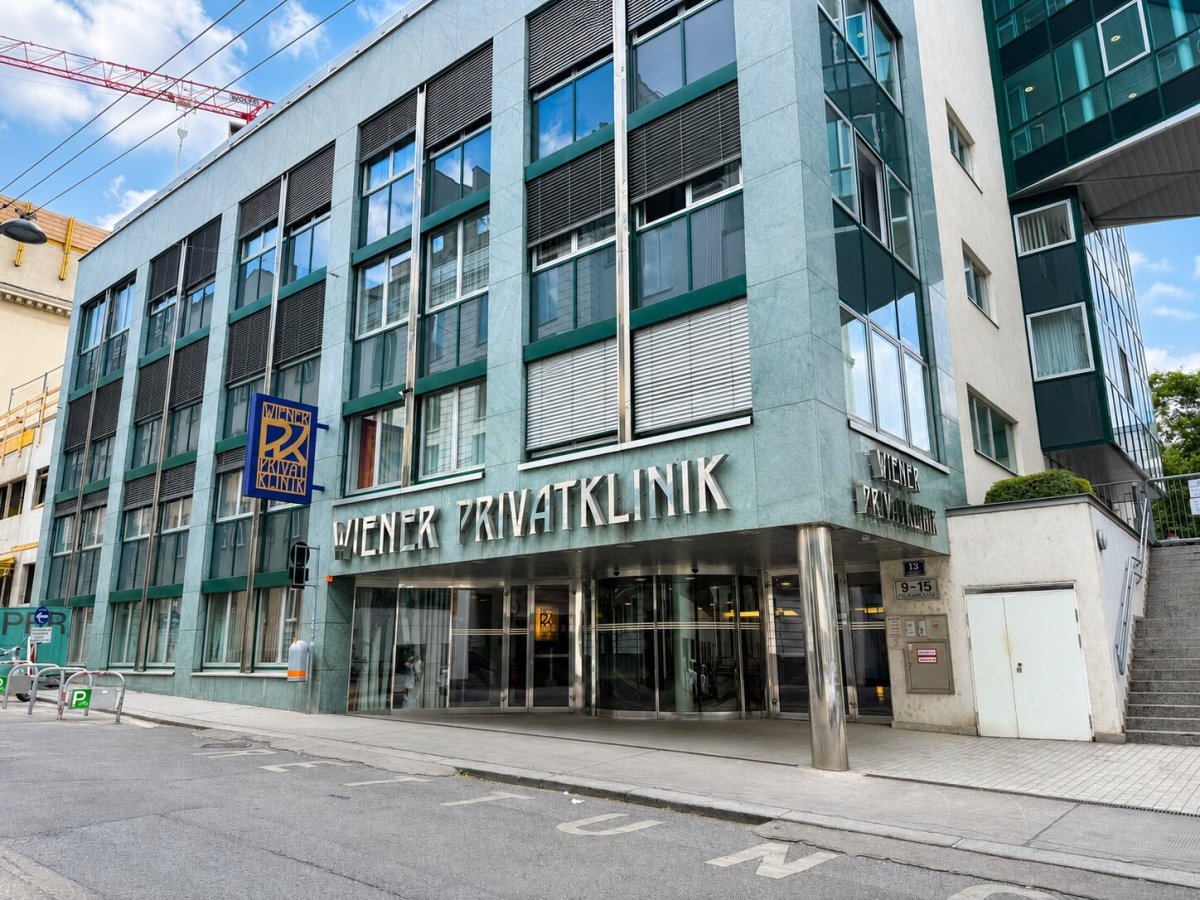



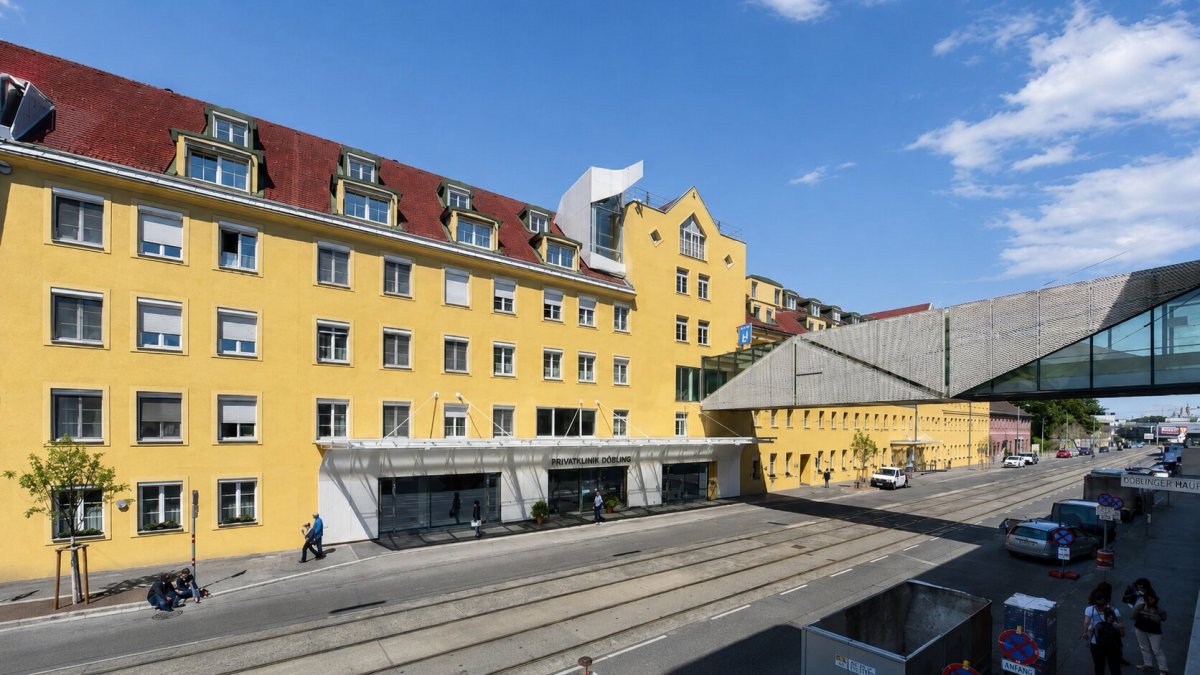


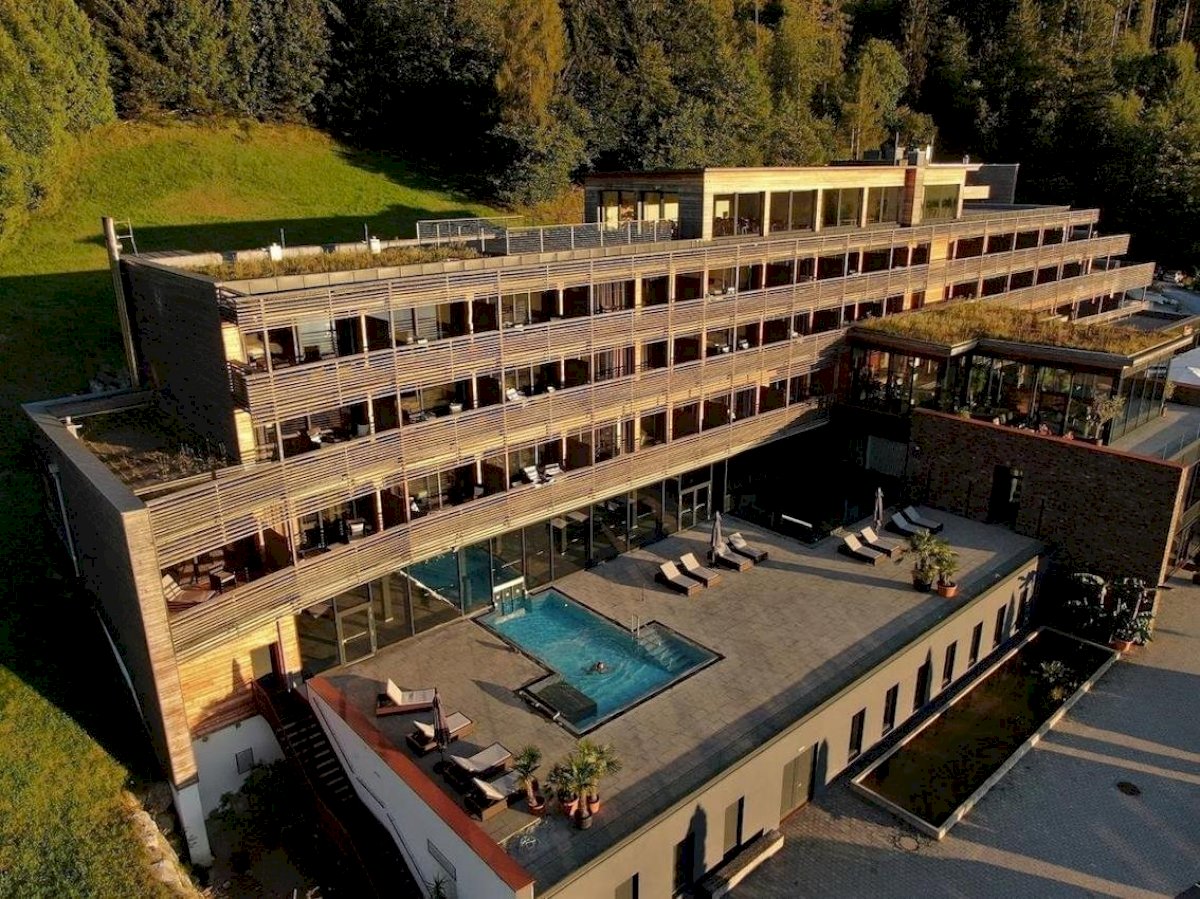
Leech Private Clinic
أفضل مراكز طب الأطفال في النمسا
- Wiener Privatklinik, النمسا
- Döbling Private Hospital, النمسا
- Vienna General Hospital (AKH), النمسا
- Leech Private Clinic , النمسا
- Armona Medical Alpinresort, النمسا
احصل على تقييم طبي لـ في النمسا: اختر أخصائيك من بين الأفضل في هذا المجال
عرض جميع الأطباء
Alexander Rokitansky
يتخصص البروفيسور ألكسندر روكيتانسكي، جراح العظام والصدمات الذي يتمتع بعقود من الخبرة، في جراحة العمود الفقري وإعادة بناء المفاصل في مستشفى فينير بريفاتكلينيك.
- خبير في الإصابات الرياضية وعلاج الكسور
- رائد في تقنيات تجمع بين الميكانيكا الحيوية وإعادة التأهيل الخاصة بكل مريض
- أستاذ جراحة العظام والصدمات في جامعة فيينا الطبية
- يركز على الإجراءات طفيفة التوغل لتعزيز الحركة
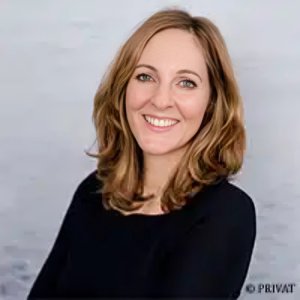
Christine Bangert
الدكتورة كريستين بانجيرت هي استشارية في الأمراض الجلدية والتناسلية في مركز "جوفينيس" (JUVENIS) في فيينا، وطبيبة أولى في قسم الأمراض الجلدية بالجامعة الطبية في فيينا. ترأس الدكتورة بانجيرت عيادة التهاب الجلد التأتبي الخارجية، وتتولى منذ عام 2011 إدارة مختبر المناعة المرضية لأمراض الجلد الفقاعية في مستشفى فيينا العام (AKH Vienna). تتمتع بخبرة تزيد عن 25 عاماً في المجال الطبي، وتشمل خبراتها التخصصية حالات الإكزيما الشديدة، وأمراض المناعة الذاتية الفقاعية، والحساسية المعقدة.
التعليم والاعت
مشاركة المحتوى
قصص فيديو من مرضى Bookimed
 Anna Leonova
أسئلة متكررة حول طب الأطفال في النمسا
هل الرعاية الصحية للأطفال مجانية في النمسا؟
تُقدم الرعاية الصحية للأطفال في النمسا مجانًا للمقيمين المشمولين بنظام الضمان الاجتماعي الوطني. أما القاصرون، فيتم تأمينهم جزئيًا عادةً من قِبل أحد الوالدين أو الوصي. ويغطي هذا التأمين الفحوصات الطبية، والإقامة في المستشفى، ومعظم خدمات طب الأطفال دون أقساط شهرية أو خصومات أو مساهمات مالية حتى بلوغهم سن 18 عامًا.
- جواز سفر الوالدين والطفل: يوفر 10 فحوصات طبية مجانية للأطفال دون سن 5 سنوات.
- برنامج التطعيم: يشمل التطعيم المجاني ضد 12 مرضًا معديًا حتى يبلغ الطفل 15 عامًا.
- خدمات طب الأسنان: تشمل الفحوصات الأساسية المجانية، والحشوات، والخلع للأطفال دون سن 18 عامًا.
- المستلزمات الطبية: لا يشترط التبرع الشخصي لشراء المستلزمات العلاجية للأطفال دون سن 15 عامًا.
رأي خبراء بوكيمد: تعالج المراكز الجامعية الكبيرة، مثل مستشفى فيينا العام (AKH)، ما يقارب 600 ألف مريض سنويًا. يُمكّنها هذا الحجم من الحفاظ على أقسام متخصصة تفتقر إليها العيادات الصغيرة. في الحالات المعقدة، غالبًا ما يتيح اختيار مؤسسة تابعة لجامعة الوصول إلى أدوات تشخيصية متخصصة للأطفال، مثل الفحص الجيني.
رأي المريض: يشير أولياء الأمور إلى أن الرعاية الطبية
كيف يمكن العثور على طبيب أطفال يتحدث الإنجليزية في النمسا؟
يتطلب العثور على طبيب أطفال ناطق باللغة الإنجليزية في النمسا استخدام سجلات طبية محلية، مثل براكسيس بلان أو دوك فايندر، مع إمكانية البحث حسب اللغة. كما توفر عيادات خاصة كبيرة في فيينا، مثل عيادة فيينا الخاصة ومستشفى دوبلينغ الخاص، رعاية طبية متخصصة للأطفال في بيئة متعددة اللغات للعائلات من مختلف البلدان.
- أدوات البحث: استخدم Praxisplan أو Docfinder لتصفية أطباء الأطفال حسب مستوى إتقان اللغة الإنجليزية.
- في عيادة فينر الخاصة ومستشفى دوبلينغ الخاص، يمكنك الحصول على استشارات من متخصصين يتحدثون اللغة الإنجليزية.
- المراكز الأكاديمية: يضم مستشفى مدينة فيينا (AKH) 1600 طبيب، والعديد منهم يجيدون اللغة الإنجليزية.
- الرعاية المتخصصة: الدكتور ألكسندر روكيتانسكي في عيادة فينر بريفاتكلينيك الخاصة متخصص في جراحة الأطفال والمراهقين.
رأي خبراء بوكيمد: تعالج المستشفيات الجامعية الكبيرة، مثل مستشفى فيينا العام (AKH)، ما يقارب 600,000 مريض سنويًا. وتتميز هذه المؤسسات الكبيرة بتوفير طاقم طبي ناطق باللغة الإنجليزية على مدار الساعة طوال أيام الأسبوع للحالات المعقدة، على عكس العيادات الإقليمية الصغيرة. إذا كان طفلك بحاجة إلى فحوصات تشخيصية متخصصة، مثل الفحص الجيني أو تخطيط الدماغ الكهربائي (
ما الفرق بين طبيب الأطفال العام (Kassenarzt) وطبيب الأطفال الخاص (Wahlarzt)؟
في النمسا، يعمل أطباء الأطفال الحكوميون (Kassenarzt) بموجب عقد مع شركة تأمين صحي حكومية، مثل OGK، ويقدمون خدماتهم عبر بطاقة إلكترونية دون دفع مسبق. أما أطباء الأطفال في القطاع الخاص (Wahlarzt) فيتطلبون الدفع المباشر، لكنهم يقدمون استشارات أطول، تتراوح عادةً بين 30 و60 دقيقة. كما أنهم غالباً ما يوفرون مواعيد في نفس اليوم وساعات عمل أكثر مرونة.
- طريقة الدفع: يقوم الأطباء الحكوميون بإرسال الفواتير مباشرة إلى شركات التأمين. أما المرضى الذين يتلقون العلاج في القطاع الخاص، فيدفعون لشركة التأمين أولاً ثم يطلبون استرداد المبلغ.
- مبلغ التعويض: عادةً ما يقوم التأمين الحكومي بتعويض 80% من تكلفة الزيارة الخاصة.
- مدة الانتظار: قد تستغرق الفحوصات الروتينية في العيادات الحكومية عدة أسابيع. أما الأطباء في العيادات الخاصة فيقدمون مواعيد في اليوم التالي.
- مدة الاستشارة: تستغرق المواعيد الخاصة ما يصل إلى 60 دقيقة. أما مواعيد العيادة العامة فتستغرق عادةً 10 دقائق في المتوسط.
رأي خبراء بوكيمد: تكشف بياناتنا عن فجوة واضحة في التخصص بين القطاعات. فبينما تخدم المستشفيات العامة، مثل مستشفى فيينا العام (AKH)، عددًا هائلًا من المرضى (595,000 مريض)، تتخصص مؤسسات خاصة، مثل عيادة فيينا الخاصة وعيا
ما هو نظام الرعاية الصحية للأطفال على مدار 24 ساعة في النمسا بعد ساعات العمل؟
في النمسا، يتلقى الأطفال رعاية طبية على مدار الساعة طوال أيام الأسبوع عبر الخط الساخن الصحي 1450. تقدم هذه الخدمة الوطنية فرزًا طبيًا مجانيًا. يقوم فريق من الموظفين المدربين تدريبًا خاصًا بتقييم الأعراض وربط المتصلين بأخصائيي طب الأطفال خلال عطلات نهاية الأسبوع والأعياد. كما يقومون بإحالة العائلات إلى المرافق الطبية أو المستشفيات المناسبة.
- الخط الساخن الصحي 1450: يقدم استشارات طبية مجانية على مدار الساعة وطوال أيام الأسبوع، بالإضافة إلى استشارات مع أخصائيي طب الأطفال.
- خدمة الطوارئ 141: تعمل من الساعة 19:00 إلى الساعة 07:00 لتقديم المساعدة للأطفال المصابين بأمراض غير مهددة للحياة.
- الرعاية الطارئة للرضع: بالنسبة للرضع الذين تقل أعمارهم عن سنة واحدة، يوصى بإحالتهم إلى أقسام الطوارئ المتخصصة للأطفال.
- أرقام الطوارئ: اتصل بالرقم 144 أو 112 على الفور في حالة حدوث ضيق تنفس يهدد حياة الأطفال.
رأي خبراء بوكيمد: تضم فيينا عددًا كبيرًا من مراكز طب الأطفال المتخصصة التي تعمل على مدار الساعة، مثل مستشفى فيينا العام (AKH) وعيادة دوناوستادت. ويخدم مستشفى فيينا العام وحده 595,000 مريض سنويًا. في الحالات غير الطارئة، يمكن للاتصال بالرقم 1450 توفير ساعات من الانتظار في غرف الانتظار.
ما هي التطعيمات الموصى بها للأطفال وهل يتم توفيرها مجاناً؟
في النمسا، يُنصح بتطعيم جميع الأطفال ضد 11 مرضًا رئيسيًا، تشمل الخناق، والكزاز، والسعال الديكي، وشلل الأطفال، والحصبة، والنكاف، والحصبة الألمانية. تُقدم معظم التطعيمات الأساسية مجانًا من خلال برنامج التطعيم الوطني. ويستخدم مقدمو الرعاية الصحية عادةً اللقاحات المركبة لتقليل عدد الحقن المطلوبة.
- التطعيمات المجانية: تشمل الخناق، والكزاز، والسعال الديكي، وشلل الأطفال، والتهاب الكبد ب، والمستدمية النزلية من النوع ب.
- لقاح الحصبة والنكاف والحصبة الألمانية: يوفر حماية مجانية ضد الحصبة والنكاف والحصبة الألمانية.
- لقاح فيروس الورم الحليمي البشري: متوفر مجاناً للأطفال الذين تتراوح أعمارهم بين 9 و 12 عاماً.
- التهاب الدماغ المنقول بالقراد: موصى به بشدة، ولكنه يتطلب عادةً رسومًا تتراوح بين 15 و40 يورو.
رأي خبراء بوكيميد: تُظهر البيانات السريرية أن المراكز الرئيسية في فيينا، مثل عيادة فيينا الخاصة، توظف أكثر من 400 طبيب تربطهم علاقات وثيقة بالمجتمع الأكاديمي. وغالبًا ما تُقدم هذه المؤسسات التطعيمات كجزء من الفحوصات الطبية الشاملة للأطفال. وتشير بياناتنا إلى أن العيادات التي تستقبل أعدادًا كبيرة من المرضى الدوليين، مثل مستشفى دوبلينغ الخاص الذي يعالج 16000 مريض سنويًا، تلتزم التزامً
ما هي بطاقة Mutter-Kind-Pass وهل يحتاجها السياح الطبيون؟
شهادة "موتر-كايند-باس" هي وثيقة طبية موحدة تُسجل نتائج الفحوصات الطبية للنساء الحوامل والأطفال دون سن الخامسة. لا يحتاجها السياح الطبيون لبعض الإجراءات، وإنما تُطلب فقط لمن يسعون للحصول على رعاية طبية طويلة الأمد للأطفال أو مزايا رعاية الأطفال ضمن برنامج الإقامة.
- الوظيفة الرئيسية: يتتبع جواز السفر 5 فحوصات طبية إلزامية أثناء الحمل ومراحل نمو الطفل حتى سن 5 سنوات.
- شرط إلزامي: غير مطلوب للحصول على تأشيرة طبية أو استشارات طبية خاصة للأطفال لمرة واحدة في النمسا.
- شروط الأهلية للحصول على المزايا: لا يمكن استخدام هذه المزايا إلا للمقيمين للحصول على إعانة رعاية الطفل النمساوية (Kinderbetreuungsgeld).
- الفائدة السريرية: تستخدمه مستشفيات مثل مستشفى دوبلينغ الخاص لسجلات التطعيم والفحص النمائي (1-9 سنوات).
رأي خبراء بوكيمد: تُظهر البيانات السريرية أنه على الرغم من أن جواز سفر الأمومة يُصدر مجانًا في النمسا، إلا أن العيادات الخاصة غالبًا ما تُقدم رعاية طبية عالية الجودة للمرضى الدوليين. عيادات مثل عيادة فيينا الخاصة (Wiener Privatklinik) توظف أساتذة من جامعة فيينا الطبية، والذين يُمكنهم الاحتفاظ بسجلات طبية مُفصلة. غالبًا ما تكون هذه السجلات أكثر فائدة للأطباء في بلد
هل تُقدم رعاية طبية مجانية للأطفال من السياح الطبيين في النمسا؟
تخضع خدمات طب الأطفال في النمسا لرسوم خاصة بالسياح الطبيين. يجب على الأجانب دفع تكاليف الخدمات بأنفسهم أو استخدام تأمين صحي خاص. وتختلف تكلفة خدمات طب الأطفال تبعًا لمدى تعقيد الحالة. يُنصح جميع الزوار من خارج الاتحاد الأوروبي بالحصول على تأمين سفر إلزامي.
- نطاق الأسعار: تتراوح أسعار خدمات طب الأطفال لغير المقيمين عادةً من _price_from_ إلى _price_to_.
- استثناءات لمواطني الاتحاد الأوروبي: يمكن للأطفال من دول الاتحاد الأوروبي استخدام بطاقات التأمين الصحي الأوروبية لتلقي الرعاية الصحية الحكومية.
- الرعاية الطبية الطارئة: يتم تقديم الرعاية الطارئة على الفور، ولكن يتم إصدار الفواتير للمرضى لاحقاً.
- التطعيم المجاني: يغطي البرنامج الوطني أنواعًا عديدة من التحصين لجميع الأطفال حتى سن 15 عامًا.
رأي خبراء بوكيمد: تعالج المراكز الطبية الكبيرة، مثل مستشفى فيينا العام (AKH)، أكثر من 595,000 مريض سنويًا. غالبًا ما تقدم هذه المؤسسات الكبيرة أسعارًا أكثر استقرارًا للمرضى الدوليين مقارنةً بالعيادات المتخصصة الأصغر حجمًا. يضمن اختيار منشأة حاصلة على شهادة ISO أن معايير الجودة تتوافق مع معايير نظام الرعاية الصحية الوطني.
ملاحظات المر
هل يتلقى أطفال السياح الذين لا يملكون تأمينًا صحيًا نمساويًا رعاية طبية طارئة أو روتينية للأطفال؟
يتلقى أطفال السياح غير المشمولين بالتأمين الصحي النمساوي رعاية طارئة في جميع المستشفيات العامة. ولا يُرفض علاج الحالات الخطيرة التي يمكن علاجها بسبب عدم القدرة على الدفع. كما تتوفر رعاية الأطفال الروتينية، ولكنها تتطلب دفعًا مسبقًا. يُنصح السياح بحمل نقود أو بطاقات ائتمان للاستشارات غير الطارئة.
- الوصول إلى الرعاية الطبية الطارئة: توفر المستشفيات والمؤسسات العامة الرعاية الطبية الإلزامية بغض النظر عن التغطية التأمينية.
- الفحوصات الروتينية: يقدم أطباء الأطفال الخاصون في مدن مثل فيينا مواعيد مقابل رسوم ثابتة.
- الوثائق: يستخدم الزوار من دول الاتحاد الأوروبي بطاقة التأمين الصحي الأوروبية (EHIC) للحصول على التغطية التأمينية القياسية.
- أرقام الاتصال: اتصل بالرقم 144 لطلب سيارة إسعاف أو بالرقم 1450 للحصول على استشارة طبية غير طارئة.
رأي خبراء بوكيمد: تعالج المراكز الطبية الكبيرة، مثل مستشفى فيينا العام (AKH)، أكثر من 595,000 مريض سنويًا. وبينما تركز هذه المراكز على الرعاية الطارئة، توفر العيادات الخاصة، مثل عيادة فيينا الخاصة (Wiener Privatklinik)، وصولًا أسرع إلى الأخصائيين. وغالبًا ما يُبلغ الآباء الذين يسعون للحصول على رعاية طبية روتينية عن فترات انتظار أقصر في هذه المراف
كيف يمكنني العثور على طبيب أطفال مؤهل أو مستشفى للأطفال في النمسا؟
ابحث عن طبيب أطفال مؤهل في النمسا باستخدام أدلة إلكترونية متخصصة مثل DocFinder أو Praxisplan للبحث حسب الموقع. تضم المدن الكبرى مثل فيينا وغراتس مرافق طبية تستوفي معايير اللجنة الدولية المشتركة (JCI). تشمل هذه المرافق مستشفى فيينا العام (AKH) ومستشفى فيينا الخاص (Wiener Privatklinik)، المعروفين بأقسام طب الأطفال المتميزة وأخصائييهم الناطقين باللغة الإنجليزية.
- المستشفيات الجامعية: يضم مستشفى فيينا العام (AKH) 42 مرفقًا متخصصًا وخدمة فرز سريعة لمرضى الطوارئ.
- الجراحة المتخصصة: البروفيسور ألكسندر روكيتانسكي من عيادة فينر بريفاتكلينيك الخاصة متخصص في جراحة الأطفال طفيفة التوغل.
- منصات البحث: استخدم DocFinder لتصفية نتائج البحث عن Kinderarzt (طبيب أطفال) وإثبات مهاراتك في اللغة الإنجليزية.
- الخطوط الساخنة الطبية: اتصل بالرقم 1450 للحصول على نصائح صحية على مدار 24 ساعة أو اتصل بالرقم 141 للتحدث مع طبيب مناوب في الحالات غير الطارئة.
رأي خبراء بوكيمد: تُظهر البيانات أن العيادات التي تستقبل أعدادًا كبيرة من المرضى الدوليين، مثل مستشفى دوبلينغ الخاص، تُسجّل معدلات مضاعفات أقل بكثير من المتوسط الوطني. في الحالات المعقدة، يضمن اختيار مؤسسة جامعية في فيينا الوصول إلى مختبرات بحثي
ما هو نطاق البرنامج الوقائي النمساوي للأطفال، وهل هو متاح للزوار الأجانب؟
يُعنى برنامج النمسا للوقاية من أمراض الأطفال، والمُفصّل في جواز سفر الوالدين والطفل، بمتابعة صحة الأطفال من الحمل وحتى سن الخامسة. ويشمل البرنامج عشر فحوصات دورية، وفحوصات متخصصة، واثنتي عشرة جرعة تطعيم مجانية. وبينما يتطلب الحصول على الخدمات العامة عادةً الإقامة في البلاد، يُمكن للسياح الأجانب الاستفادة من هذه الخدمات في العيادات الخاصة في فيينا.
- الفحوصات المقررة: تشمل 5 فحوصات في السنة الأولى من العمر و5 فحوصات أخرى قبل بلوغ سن 5 سنوات.
- الفحوصات المتخصصة: وتشمل هذه الفحوصات اختبارات العظام، وفحوصات السمع والبصر لتحديد مشاكل النمو.
- التطعيم المجاني: يحمي من 12 مرضًا معديًا، بما في ذلك الحصبة والنكاف والحصبة الألمانية والتهاب الكبد ب.
- الوصول إلى العيادات الخاصة: يمكن للأجانب حجز موعد للاستشارة الطبية للأطفال في عيادة فينر الخاصة أو مستشفى دوبلينغ الخاص.
رأي خبراء بوكيمد: تعالج مراكز طبية كبرى مثل مستشفى فيينا العام (AKH) أكثر من 595,000 مريض سنويًا، ما يوفر مستوى تشخيصيًا لا يُضاهى. بالنسبة للعائلات من جميع أنحاء العالم، يضمن اختيار العيادات الخاصة التي تضم أساتذة من جامعة فيينا الطبية الحصول على خبرة طبية رفيعة المستوى دون عناء تغطية التأمين خلال فترة الإقامة. وهذ