عيادات طب الأطفال في الهند


تمت مراجعة المقالة طبيا من قبل
فهد مولود
ما هي تكلفة طب الأطفال في الهند؟ اكتشف الآن
Pediatric care in India typically costs from $2,400 to $9,300. Final expenses depend on the type of facility, such as public hospitals, private clinics, or corporate centers, as well as the complexity of the treatment and length of stay. Patients often find 70-80% savings compared to the US.
Typical Pediatrics Costs in India
- Consultation with a pediatrician: من $30
- 25-Hydroxy Vitamin D Test: السعر عند الطلب
- Circumcision: $550 – $1,100
- Vaccination: من $10
- Autism treatment: $1,800 – $4,200
- Cochlear implant placement: $6,000 – $15,000
- Medication treatment for epilepsy: $450 – $900
- Umbilical cord stem cell therapy: $4,500 – $7,500
- Vojta Therapy: $450 – $900
- Treatment for children and teens with schizophrenia: $3,200 – $8,800
Major medical centers for pediatrics are located in Delhi, Mumbai, Chennai, and Bangalore. While corporate hospitals in Delhi and Mumbai represent the higher end of the scale, other cities can offer slightly lower rates. Consult with a specialist to get accurate pricing for your child's needs.
| الهند | تركيا | إسبانيا | |
|---|---|---|---|
| علاج مرض التوحد | ≈ $1,800 | من $11,500 | من $20,200 |
| علاج فويتا - Vojta Therapy | ≈ $450 | من $230 | ≈ $600 |
| علاج الصرع (انظر العلاج الدوائي لمرض الصرع) | ≈ $450 | من $1,400 | من $340 |
| علاج الأطفال والمراهقين الذين يعانون من مرض انفصام الشخصية | ≈ $3,200 | ≈ $4,500 | ≈ $6,500 |
| تركيب القوقعة الصناعية | من $6,000 | من $14,000 | من $22,000 |
مزاياك وضماناتك مع Bookimed
أسعار مباشرة
Bookimed لا يضيف رسوماً إضافية على أسعار علاج طب الأطفال. الأسعار مأخوذة من قوائم الأسعار الرسمية للعيادات. تدفع مباشرة في العيادة مقابل علاجك عند وصولك إلى البلد.
عيادات وأطباء معتمدون فقط
Bookimed ملتزم بسلامتك. نحن نعمل فقط مع المؤسسات الطبية التي تحافظ على معايير دولية عالية في علاج طب الأطفال ولديها التراخيص اللازمة لخدمة المرضى الدوليين في جميع أنحاء العالم.
مساعدة مجانية على مدار الساعة
Bookimed يقدم مساعدة خبراء مجانية. منسق طبي شخصي يدعمك قبل وأثناء وبعد العلاج، ويحل أي مشاكل. لن تكون وحيداً أبداً في رحلة علاج طب الأطفال.

منسقك الطبي الشخصي في Bookimed
- يدعمك في كل مرحلة
- المساعدة في اختيار العيادة الطبية المناسبة والطبيب المناسب
- يضمن الوصول السريع والمريح إلى المعلومات
اكتشف أفضل عيادات طب الأطفال: 61 خيارات معتمدة والأسعار




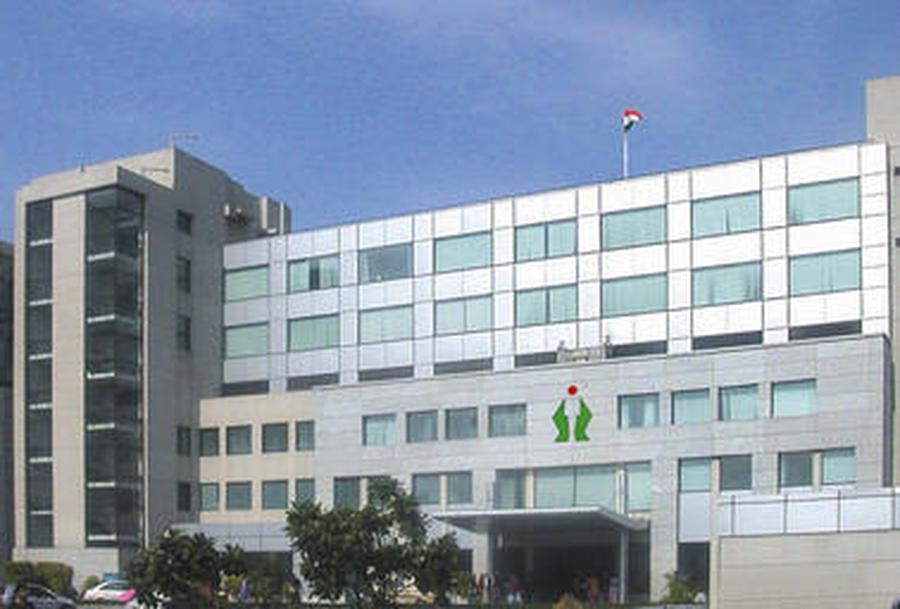



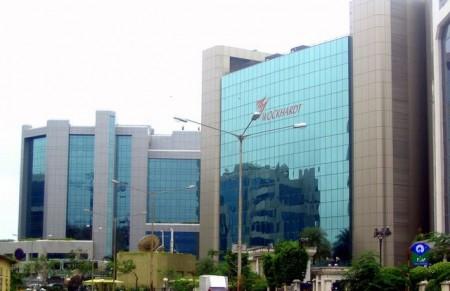
Wockhardt Hospital







أفضل مراكز طب الأطفال في الهند
- Artemis Hospitals, الهند
- Fortis Escorts Heart Institute, الهند
- Apollo Hospital Indraprastha, الهند
- Medanta Hospital, الهند
- Wockhardt Hospital, الهند
- Manipal Hospitals, الهند
- Global Hospital Chennai, الهند
- BLK Super Speciality Hospital, الهند
- Aster CMI Hospital, الهند
- Global Hospital Mumbai, الهند
احصل على تقييم طبي لـ طب الأطفال في الهند. استشر الآن 23 أطباء ذوي الخبرة.
عرض جميع الأطباء
Kanika Sabharwal
Malvika Parlikar
مشاركة المحتوى
قصص فيديو من مرضى Bookimed
 Anna Leonova
أسئلة متكررة حول طب الأطفال في الهند
كيف أختار أفضل مستشفى للأطفال أو طبيب أطفال في الهند لطفلي؟
يتطلب اختيار أفضل رعاية للأطفال في الهند التحقق من اعتمادات JCI أو NABH وشهادات البورد الطبي مثل MD أو DNB. توفر المرافق الرائدة مثل مستشفى أبولو إندرابراستا ومستشفيات مانيبال وحدات رعاية مركزة لحديثي الولادة متخصصة. أعط الأولوية للقرب في غضون 30 دقيقة لحالات الطوارئ.
- اعتمادات المستشفى: ابحث عن المراكز المعتمدة من JCI أو NABH لضمان معايير السلامة والنظافة الدولية.
- وحدات متخصصة: تأكد من أن المرفق يحتوي على أقسام NICU و PICU مخصصة لرعاية الأطفال الحرجة.
- خبرة الطبيب: ابحث عن متخصصين مثل الدكتور براشانت جاين لجراحة المسالك البولية أو جراحة الأطفال المعقدة.
- حجم الشبكة: تخدم مستشفيات مانيبال مليوني مريض سنويًا عبر 15 مستشفى و 3 عيادات.
رؤية خبير Bookimed: تظهر البيانات ميزة واضحة في المستشفيات التي تضم مراكز أبحاث متكاملة مثل ميدانتا أو أبولو. غالبًا ما تتعامل هذه المؤسسات مع أحجام أكبر، مثل مليون مريض سنويًا في أبولو. يترجم هذا الحجم إلى بروتوكولات أكثر دقة للحالات المعقدة مقارنة بالعيادات الصغيرة المستقلة.
إجماع المرضى: يؤكد الآباء على اختيار طبيب يستمع دون استعجال أو دفع نحو أدوية باهظة الثمن. يقترح الكثيرون الاعتماد على شبكات الآباء المحلية للعثور على أطباء أطفال ذوي خبرة يقدمون رعاية شاملة بدلاً من مجرد طلب فحوصات متكررة.
ما هي التطعيمات التي يحتاجها طفلي قبل الوصول إلى الهند؟
يحتاج الأطفال المسافرون إلى الهند إلى تطعيمات روتينية محدثة بالإضافة إلى لقاحات خاصة بالسفر مثل التيفوئيد والتهاب الكبد الوبائي (أ). يجب إكمال معظم التطعيمات قبل 30 يومًا على الأقل من الوصول. تنطبق متطلبات الدخول الخاصة بالحمى الصفراء أو شلل الأطفال على المسافرين القادمين من مناطق محددة عالية الخطورة.
- الجرعات المنشطة الروتينية: تأكد من اكتمال أو تسريع جداول لقاحات الحصبة والنكاف والحصبة الألمانية (MMR)، وشلل الأطفال، ولقاح DPT.
- التيفوئيد: ضروري لجميع المناطق حيث يواجه الأطفال مخاطر أعلى للأمراض المنقولة بالغذاء.
- التهاب الكبد الوبائي (أ): يوصى به لجميع الأطفال من عمر سنة واحدة فما فوق.
- تغطية متخصصة: التهاب الدماغ الياباني حيوي للإقامات في المناطق الريفية أو السفر خلال موسم الرياح الموسمية.
رؤية خبير Bookimed: تتركز رعاية الأطفال عالية الجودة في الهند في شبكات واسعة مثل مستشفيات مانيبال، التي تخدم 2,000,000 مريض سنويًا. في حين توفر المراكز الكبرى مثل مستشفى أبولو إندرابراستا تشخيصات متقدمة، يجب على الآباء التأكد من أن جميع سجلات التطعيم الدولية باللغة الإنجليزية. وهذا يمنع التأخير الإداري في المطارات أو أثناء التسجيل في المدارس في الهند.
إجماع المرضى: يؤكد الآباء على بدء عملية التطعيم قبل 3 أشهر لمراعاة الفواصل الزمنية بين اللقاحات الحية. يلاحظ الكثيرون أن لقاح التيفوئيد غالبًا ما يتم تجاهله ولكنه ضروري للأطفال الذين قد يجدون صعوبة في الالتزام بنظافة الطعام الصارمة.
ما هو جدول التطعيم الموصى به في الهند؟
تتبع الهند إطارين رئيسيين للتطعيم: الجدول الوطني للتحصين (NIS) وجدول الأكاديمية الهندية لطب الأطفال (IAP). يوفر NIS اللقاحات الأساسية مجانًا في المراكز العامة. أما جدول IAP، المستخدم في العيادات الخاصة، فيوفر حماية أوسع مع جرعات معززة ولقاحات إضافية.
- عند الولادة: يتم إعطاء لقاح BCG، وشلل الأطفال الفموي (OPV-0)، وجرعات التهاب الكبد B على الفور.
- سلسلة الرضع: يتم إعطاء الجرعات الأولية في الأسابيع 6 و10 و14 للعديد من الأمراض.
- الجرعات المعززة: يتلقى الأطفال جرعات معززة حاسمة في عمر 16-24 شهرًا و5-6 سنوات.
- رعاية المراهقين: يوصى بجرعات Tdap المعززة ولقاحات HPV بين سن 9 و14 عامًا.
رؤية خبير Bookimed: غالبًا ما توفر المستشفيات الخاصة مثل مستشفيات مانيبال ومستشفى أبولو إندرابراستا لقاحات مركبة مثل اللقاح السداسي. تقلل هذه اللقاحات من العدد الإجمالي للحقن المطلوبة خلال فترة الرضاعة. بينما تتبع المراكز الحكومية جدول NIS الأساسي، تدير هذه الشبكات الأكبر أكثر من 1,000,000 مريض سنويًا وعادة ما توفر اللقاحات الموسعة التي توصي بها IAP.
إجماع المرضى: يلاحظ الآباء أن العيادات الخاصة غالبًا ما تبدأ التطعيمات في وقت أبكر من المراكز الحكومية وتقدم لقاحات مركبة مفيدة. يختار الكثيرون استكمال الجدول الحكومي المجاني بزيارات خاصة للحصول على لقاحات اختيارية مثل جدري الماء أو فيروس الروتا.
متى تعتبر الحمى خطيرة عند الأطفال؟
تعتبر الحمى عند الأطفال خطيرة إذا وصلت إلى 38 درجة مئوية (100.4 درجة فهرنهايت) لدى الرضع الذين تقل أعمارهم عن 3 أشهر. بالنسبة للأطفال الذين تتراوح أعمارهم بين 3 إلى 6 أشهر، فإن درجة حرارة 38.9 مئوية (102 فهرنهايت) تدعو للقلق. فوق سن 6 أشهر، تتطلب درجة حرارة 39.4 مئوية (103 فهرنهايت) الانتباه. أي حمى تستمر لأكثر من 5 أيام أو تكون مصحوبة بضيق في التنفس تعتبر حالة طارئة.
- عتبة الرضع: أي حمى تصل إلى 38 درجة مئوية لدى الأطفال دون سن 3 أشهر تعتبر أولوية طبية.
- حدود المدة: اطلب التقييم إذا استمرت الحمى لأكثر من 24 ساعة لدى الأطفال دون سن الثانية.
- العلامات العصبية: الرعاية الفورية ضرورية في حالات التشنجات، أو الخمول الشديد، أو تصلب الرقبة.
- المؤشرات الجسدية: راقب ظهور طفح جلدي أرجواني، أو ازرقاق الشفاه، أو عدم التبول لمدة 8 ساعات.
رؤية خبراء Bookimed: تتعامل المراكز الطبية الهندية مثل مستشفيات مانيبال ومستشفيات أبولو مع ملايين حالات الأطفال سنويًا. تظهر البيانات أن الشبكات الكبيرة غالبًا ما توفر وحدات طوارئ متخصصة للأطفال. هذه المرافق مجهزة بشكل أفضل للكشف السريع عن الإنتان لدى الرضع المصابين بالحمى. اختيار المراكز المعتمدة من قبل اللجنة الدولية المشتركة (JCI) في دلهي أو بنغالورو يضمن بروتوكولات سلامة دولية للحمى المستمرة.
إجماع المرضى: غالبًا ما يلاحظ الآباء أن مستوى نشاط الطفل وترطيبه أكثر أهمية من قراءة ميزان الحرارة. ويؤكدون على أهمية جعل الطفل يشرب ماء جوز الهند أو المرق لمنع الجفاف خلال الـ 48 ساعة الأولى.
ما هي العلامات المبكرة لتأخر النمو؟
تشمل العلامات المبكرة لتأخر النمو فقدان المهارات المكتسبة سابقاً في أي عمر. يعد تيبس العضلات المستمر أو ارتخاؤها عند عمر 6 أشهر مؤشراً حركياً حرجاً. يشير عدم المناغاة عند عمر 9 أشهر أو عدم استخدام كلمات بسيطة عند عمر 15 شهراً إلى تأخر في النطق.
- الاستجابة الاجتماعية: يتطلب نقص التواصل البصري أو عدم الابتسام عند عمر 4 أشهر إجراء فحص.
- المعالم الحركية: عدم القدرة على الجلوس دون مساعدة عند عمر 9 أشهر يعد علامة تحذيرية.
- المهارات اللغوية: عدم استخدام الإيماءات مثل التلويح أو الإشارة عند عمر 12 شهراً يشير إلى تأخر.
- اللعب الإدراكي: عدم إظهار اهتمام بالألعاب التفاعلية مثل الغميضة عند عمر 12 شهراً.
رؤية خبير Bookimed: تظهر بيانات المرضى من شبكات هندية رائدة مثل مستشفيات مانيبال ومستشفى أبولو إندرابراستا نجاحاً أكبر مع العلاجات المركبة. عندما يحدث تأخر في النطق والحركة والتطور الاجتماعي معاً، يكون التدخل المبكر قبل عمر 30 شهراً أمراً حيوياً. غالباً ما تدمج العيادات الحاصلة على اعتماد JCI فحص التغذية للحديد وفيتامين B12 أثناء تقييمات النمو.
إجماع المرضى: غالباً ما يندم الآباء على انتظارهم حتى يلحق الطفل بالركب بناءً على خرافات شائعة. ويجدون أن استبعاد مشاكل السمع أو نقص التغذية هو خطوة أولى حاسمة لمخاوف النطق.
هل تنفس طفلي الثقيل أثناء النوم خطير؟
غالبًا ما يشير التنفس الثقيل المستمر لدى الأطفال أثناء النوم إلى مشكلة طبية كامنة. لا يعتبر هذا الأمر طبيعيًا إذا حدث أكثر من 3 ليالٍ في الأسبوع. قد تشير هذه الحالة إلى انقطاع النفس الانسدادي النومي (OSA) أو تضخم اللحمية. تتطلب هذه الحالات تقييمًا مهنيًا في مرافق معتمدة من اللجنة الدولية المشتركة (JCI) في الهند.
- علامات التحذير: اطلب الرعاية الفورية إذا لاحظت لهثًا أو توقفات في التنفس.
- المؤشرات الجسدية: يشير اللون المزرق حول الشفتين أو انكماش الأضلاع إلى ضيق في التنفس.
- المخاطر طويلة المدى: يمكن أن تؤدي مشاكل التنفس المزمنة غير المعالجة إلى ارتفاع ضغط الدم أو تأخر النمو.
- التأثير السلوكي: غالبًا ما يظهر الحرمان من النوم في شكل فرط نشاط أو صعوبة في التركيز خلال النهار.
رؤية خبير Bookimed: توفر البنية التحتية الطبية الهندية ميزة متميزة لتشخيص أمراض الجهاز التنفسي لدى الأطفال. تستخدم مرافق مثل مستشفى جلوبال في تشيناي ومستشفيات مانيبال أقسامًا متقدمة لأمراض الرئة للتعامل مع أعداد كبيرة من المرضى. في حين يفترض العديد من الآباء أن التنفس الثقيل هو عدوى مؤقتة، غالبًا ما تجد العيادات التي تتمتع بخبرة تزيد عن 30 عامًا أن العوامل البيئية مثل الغبار أو التلوث تؤدي إلى تفاقم هذه الأعراض. يمكن أن تؤدي استشارة أخصائي في وقت مبكر في شبكة كبيرة مثل مستشفيات أبولو إلى منع تأخر النمو على المدى الطويل.
إجماع المرضى: يلاحظ الآباء أن التنفس المزعج غالبًا ما يتم تجاهله في البداية، لكنه قد يتطور إلى تنفس فموي وضعف في التركيز. يجد الكثيرون
متى يمكنني إدخال الأطعمة الصلبة لطفلي؟
معظم الأطفال مستعدون للأطعمة الصلبة في عمر 6 أشهر تقريبًا. يظهر بعض الرضع علامات الاستعداد في عمر 4 أشهر. ومع ذلك، يوصي أطباء الأطفال بالانتظار حتى ينضج الجهاز الهضمي. إن إدخال الأطعمة الصلبة قبل 4 أشهر يزيد من المخاطر ولا ينصح به الخبراء الطبيون.
- التحكم في الرأس: يجب أن يكون الطفل قادرًا على إبقاء رأسه منتصبًا وثابتًا دون مساعدة.
- القدرة على الجلوس: يجب أن يكون طفلك قادرًا على الجلوس مع القليل من الدعم في كرسي مرتفع.
- فقدان المنعكسات: يجب أن يتوقف منعكس دفع اللسان حتى لا يدفع الطعام للخارج.
- الاهتمام بالطعام: يحاول الأطفال الوصول إلى طعامك أو يفتحون أفواههم أثناء تناولك للوجبات.
- النمو البدني: معظم الرضع المستعدين ضاعفوا وزن ولادتهم ليصل إلى حوالي 6 كجم.
رؤية خبراء Bookimed: تستقبل المستشفيات الهندية مثل مستشفيات مانيبال ومستشفى أبولو إندرابراستا ملايين المرضى. تظهر بياناتنا أن هذه المراكز المعتمدة من اللجنة الدولية المشتركة (JCI) تتبع بدقة إرشادات منظمة الصحة العالمية لمدة 6 أشهر. يتلقى الآباء في هذه المرافق ذات التصنيف العالي خطط تغذية محددة. تعطي هذه الخطط الأولوية للهروس المنزلية الغنية بالحديد على الحبوب التجارية لمنع السمنة في مرحلة الطفولة المبكرة.
إجماع المرضى: يلاحظ العديد من الآباء أن كبار السن في العائلة غالبًا ما يضغطون من أجل إدخال الأطعمة الصلبة مبكرًا مثل ماء الأرز. ومع ذلك، فإن الالتزام بقاعدة الـ 6 أشهر يساعد في تجنب مشاكل مثل الإمساك الشديد أو الأكزيما.
ما الذي يجب أن أطعمه لطفلي البالغ من العمر 6 أشهر؟
يجب أن يبدأ الطفل البالغ من العمر 6 أشهر بتناول مهروس ناعم وغني بالحديد، مع الاستمرار في الرضاعة الطبيعية أو الحليب الاصطناعي كمصدر رئيسي للتغذية. يحتاج معظم الرضع إلى 700-950 مل من الحليب يومياً. ابدئي بـ 1-2 ملعقة صغيرة من الأطعمة الصلبة المكونة من صنف واحد مثل ماء العدس، أو حبوب الأرز، أو الموز المهروس مرة واحدة يومياً.
- الأساس الغذائي: يظل حليب الأم أو الحليب الاصطناعي الجزء الأهم من النظام الغذائي.
- الأطعمة الصلبة الغنية بالحديد: أدخلي الحبوب المدعمة بالحديد، أو العدس، أو الدجاج المهروس لدعم مخزون الحديد الذي يتناقص.
- القوام الآمن: قدمي مهروساً ناعماً جداً وسائلاً قبل الانتقال تدريجياً إلى الأطعمة المهروسة ذات القوام الخشن.
- سلامة مسببات الحساسية: أدخلي الأطعمة الجديدة واحداً تلو الآخر مع فترة انتظار تتراوح بين 3-5 أيام.
رؤية خبراء Bookimed: تُظهر بيانات حجم المرضى من الشبكات الهندية الكبرى مثل مستشفيات مانيبال ومستشفيات أبولو طلباً مرتفعاً على استشارات التغذية للأطفال. توفر هذه المرافق، التي تخدم أكثر من 2 مليون مريض سنوياً، مراقبة نمو متكاملة. اختيار مركز معتمد من اللجنة الدولية المشتركة (JCI) يضمن الوصول إلى أطباء أطفال متخصصين مثل الدكتور براشانت جاين لإدارة حساسيات الطعام المبكرة.
إجماع المرضى: يؤكد المرضى على البدء بالخيارات التقليدية محلية الصنع مثل ماء العدس أو ماء الأرز. ينصح الكثيرون بمراقبة ظهور أي طفح جلدي لمدة 48 ساعة بعد تجربة أي مهروس فاكهة أو خضار جديد.
هل الحساسية وراثية؟
للحساسية مكون وراثي قوي يُعرف بالتأتب. في حين أن الحساسية المحددة لا تُورث، غالبًا ما يرث الأطفال استعدادًا وراثيًا. يواجه الطفل خطرًا يتراوح بين 30% إلى 50% إذا كان أحد الوالدين يعاني من الحساسية. يرتفع هذا الخطر إلى 80% إذا كان كلا الوالدين متأثرين.
- الخطر الوراثي: يرث الأطفال ميلًا في الجهاز المناعي بدلاً من مسببات محددة مثل الفول السوداني.
- الحالات الشائعة: الربو، والتهاب الأنف التحسسي، والأكزيما تظهر أقوى الأنماط الوراثية.
- التأثير الحضري: تبلغ المراكز الحضرية في الهند عن معدلات حساسية تصل إلى انتشار يتراوح بين 20% إلى 30%.
- المراكز السريرية: تقدم المرافق المعتمدة من JCI مثل مستشفيات Artemis ومستشفيات Apollo تشخيصات متقدمة.
رؤية خبير Bookimed: تُظهر البيانات من مستشفيات Manipal وApollo أن المراكز ذات الحجم الكبير تعالج أكثر من 1,000,000 مريض سنويًا. يسمح هذا الحجم لأطباء الأطفال الهنود بتحديد أنماط المسيرة التأتبية في العائلات بشكل أفضل. يستخدم مستشفى Global Hospital Chennai الذكاء الاصطناعي والتصوير الرقمي لتتبع هذه الحساسيات الوراثية مبكرًا. يجب على العائلات التي لديها تاريخ من التأتب البحث عن مراكز بها مختبرات معتمدة من NABL لإجراء اختبارات دم IgE دقيقة.
إجماع المرضى: غالبًا ما يلاحظ الآباء أن الحساسية يمكن أن تتخطى جيلاً ولكنها تظهر بشكل أكثر حدة لدى الأطفال. يؤكد الكثيرون على أهمية تتبع حتى الأعراض العائلية الخفيفة مثل حمى القش للاستعداد لمسببات الحساسية المحتملة لدى الطفل.