العودة إلى الصفحة الرئيسية
820К+ مريضًا حصلوا على المساعدة منذ عام 2014
50 دول
1,500 عيادات
6K+ تقييمات
3K+ طبيب مؤهل

ما هي تكلفة طب الأطفال في الصين؟ اكتشف الآن

The cost of pediatrics in China typically ranges from $5,600 to $28,600. Total expenses vary significantly based on the choice between public hospitals and international private clinics, as well as the complexity of the medical condition. Families can generally expect 40-60% savings compared to the United States.

Typical Pediatrics Costs in China

  • Stem cell therapy: السعر عند الطلب
  • Circumcision: $1,000 – $3,100
  • Stem cell therapy for autism: السعر عند الطلب
  • Vaccination: $100 – $400
  • Autism treatment: $4,800 – $13,500
  • Cochlear implant placement: $28,500 – $43,500
  • Medication treatment for epilepsy: $2,100 – $5,500
  • Stem cell therapy for cerebral palsy: السعر عند الطلب
  • Umbilical cord stem cell therapy: $16,500 – $32,500
  • Vojta Therapy: $1,800 – $4,800

Major pediatric hubs include Beijing, Shanghai, and Guangzhou. While public facilities are more uniform, international clinics in Shanghai and Beijing may have higher consultation fees. Consult with a specialist to get accurate pricing for your child's specific medical needs.

الصينتركياإسبانيا
علاج مرض التوحدمن $4,800من $2,000من $3,000
علاج فويتا - Vojta Therapyمن $1,800من $200من $150
علاج الصرع (انظر العلاج الدوائي لمرض الصرع)من $2,100من $500من $400
علاج الأطفال والمراهقين الذين يعانون من مرض انفصام الشخصيةمن $8,800من $3,200من $9,000
تركيب القوقعة الصناعيةمن $28,500من $21,642من $19,763
تم التحقق من البيانات بواسطة Bookimed اعتبارًا من May 2026، استنادًا إلى طلبات المرضى والعروض الرسمية من 3 عيادة حول العالم. تستند التكاليف المتوسطة إلى الفواتير الحقيقية (2025–2026) ويتم تحديثها شهريًا. قد تختلف الأسعار الفعلية.

مزاياك وضماناتك مع Bookimed

أسعار مباشرة

Bookimed لا يضيف رسوماً إضافية على أسعار علاج طب الأطفال. الأسعار مأخوذة من قوائم الأسعار الرسمية للعيادات. تدفع مباشرة في العيادة مقابل علاجك عند وصولك إلى البلد.

عيادات وأطباء معتمدون فقط

Bookimed ملتزم بسلامتك. نحن نعمل فقط مع المؤسسات الطبية التي تحافظ على معايير دولية عالية في علاج طب الأطفال ولديها التراخيص اللازمة لخدمة المرضى الدوليين في جميع أنحاء العالم.

مساعدة مجانية على مدار الساعة

Bookimed يقدم مساعدة خبراء مجانية. منسق طبي شخصي يدعمك قبل وأثناء وبعد العلاج، ويحل أي مشاكل. لن تكون وحيداً أبداً في رحلة علاج طب الأطفال.

لماذا نحن؟

منسقك الطبي الشخصي في Bookimed

  • يدعمك في كل مرحلة
  • المساعدة في اختيار العيادة الطبية المناسبة والطبيب المناسب
  • يضمن الوصول السريع والمريح إلى المعلومات

اكتشف أفضل عيادات طب الأطفال: 3 خيارات معتمدة والأسعار

تم تصنيف العيادات بواسطة نظام Bookimed الذكي، باستخدام تحليل علوم البيانات عبر 5 معايير رئيسية.
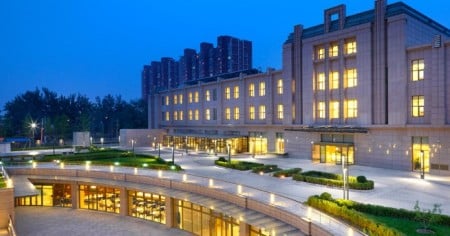
Yanda International Hospital
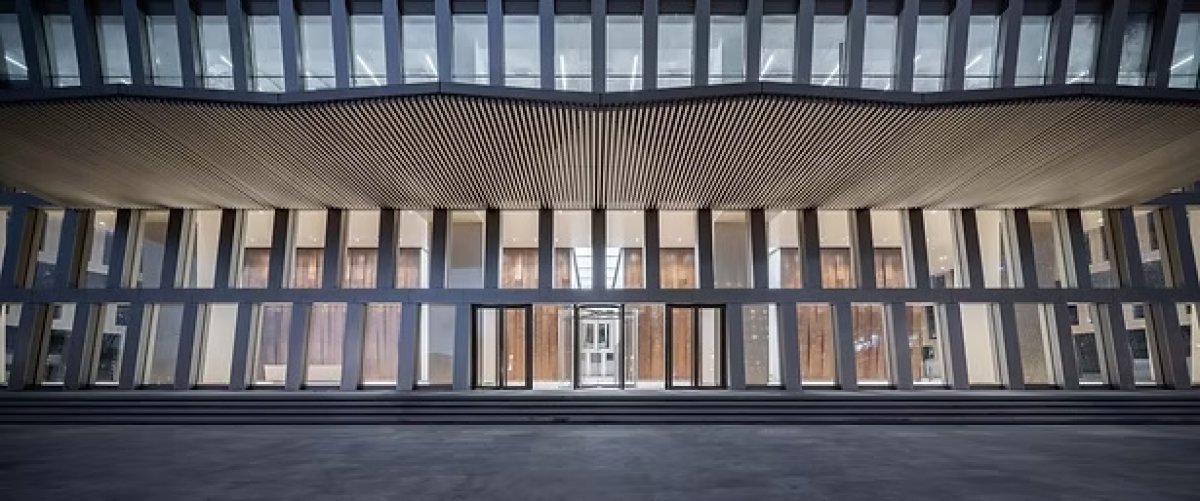
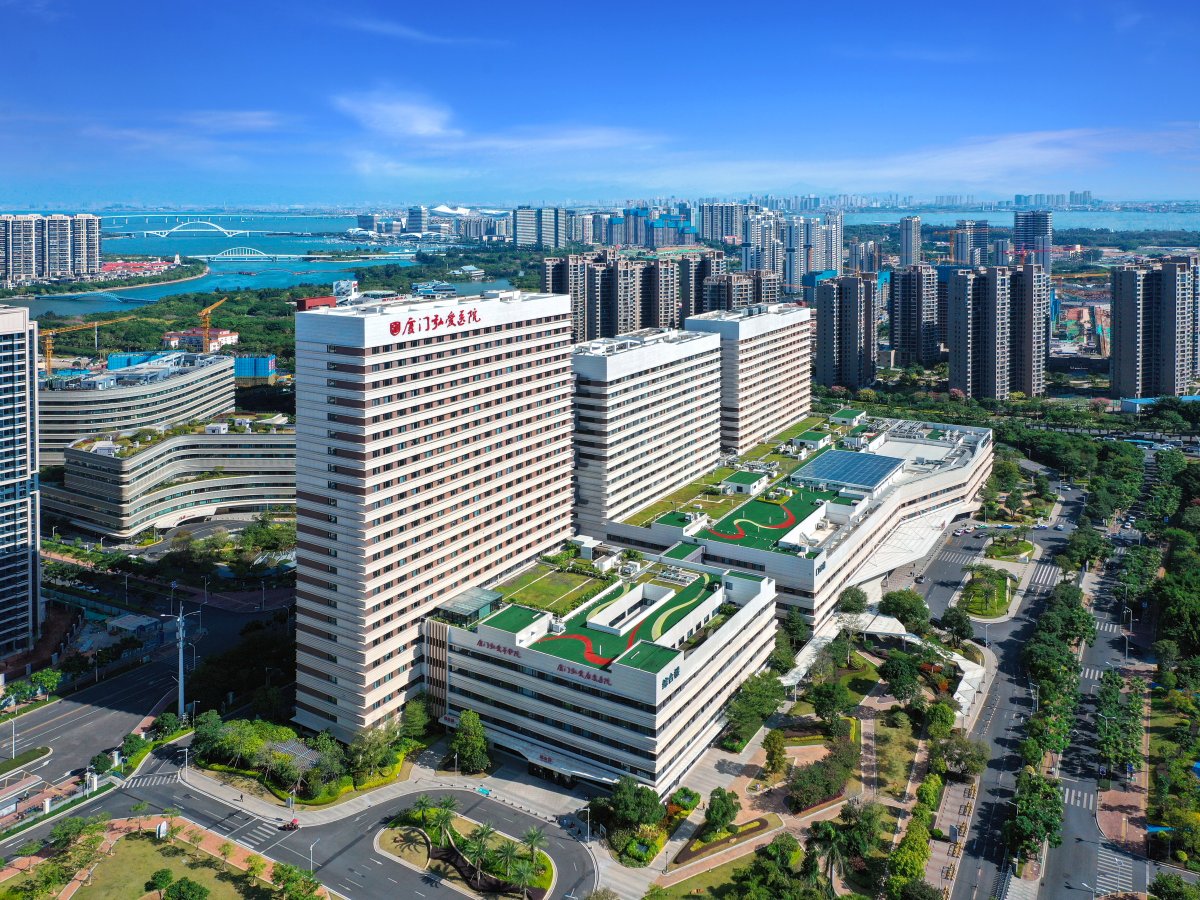
مستشفى شيامن هيومانيتي
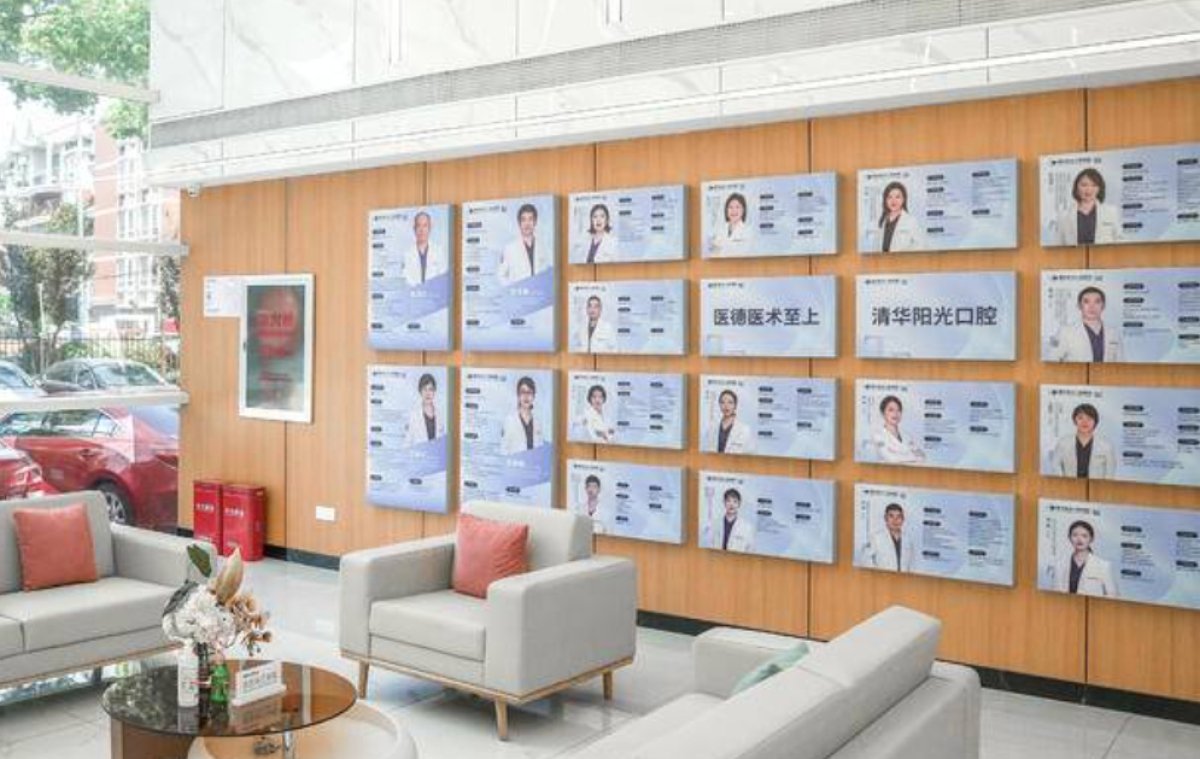
Beijing United Family Rehabilitation Hospital

أفضل مراكز طب الأطفال في الصين

  • Yanda International Hospital, الصين
  • مستشفى شيامن هيومانيتي, الصين
  • Beijing United Family Rehabilitation Hospital, الصين

احصل على تقييم طبي لـ في الصين: اختر أخصائيك من بين الأفضل في هذا المجال

عرض جميع الأطباء
يؤكد

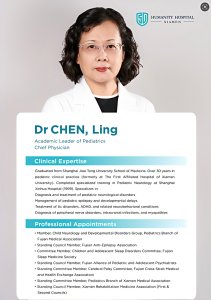
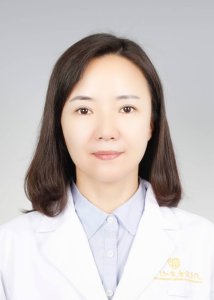
Chen Ling

36سنة خبره ١٦ سنة

الدكتور تشن لينغ اختصاصي طب أعصاب الأطفال بخبرة سريرية تزيد على 30 عاماً. عمل سابقاً في المستشفى الأول التابع لجامعة شيامن. تخرّج في كلية الطب بجامعة شانغهاي جياو تونغ، وأكمل تدريب طب أعصاب الأطفال في مستشفى شينخوا بشانغهاي عام 1999.

تشمل مجالات خبرته اضطرابات الأعصاب لدى الأطفال، والصرع، وتأخر النمو، واضطرابات العرّات، واضطراب فرط الحركة وتشتت الانتباه واضطرابات عصبية سلوكية أخرى، واضطرابات الأعصاب الطرفية، والالتهابات داخل القحف، واعتلالات العضلات.

تشمل المناصب المهنية: عضو مجموعة طب أعصاب الأطفال واضطرابات النمو (الجمعية الطبية بفوجيان، فرع طب الأطفال). عضو المجلس الدائم، جمعية مكافحة الصرع في فوجيان. عضو لجنة اضطرابات نوم الأطفال والمراهقين (جمعية طب النوم بفوجيان). عضو المجلس الدائم، اتحاد أطباء نفسية الأطفال والمراهقين بفوجيان.

مشاركة المحتوى

Twitter XLinkedinFacebookWhatsAppEmail
أحصل على الرابط

قصص فيديو من مرضى Bookimed

Dayana
جمعت بين إجازتي في أنطاليا والفحص الطبي.
إجراء: فحص صحة الإناث (انظر فحص النساء)
Igor
كان رائعاً! التنقلات والإقامة والعلاج - كل شيء مشمول.
إجراء: زرع الأسنان
مستشفى: WestDent Clinic
Marina
قام Bookimed بكل شيء من أجلي. لم أضطر للقلق بشأن أي شيء.
إجراء: فحص صحة الإناث (انظر فحص النساء)
مستشفى: Severance Hospital
محدث: 11/10/2025
تأليف
Anna Leonova
Anna Leonova
رئيس فريق تسويق المحتوى
محررة طبية معتمدة لديها خبرة تزيد عن 10 سنوات، طوّرت محتوى Bookimed الموثوق، مدعومة بماجستير في علم اللغة ومقابلات مع خبراء طبيين من جميع أنحاء العالم.
تمت المراجعة من قبل المستشار الطبي في Bookimed
فهد مولود
محرر طبي وعالم بيانات
طبيب عام. حاصل على 4 جوائز علمية. خدم في غرب آسيا. رئيس الفريق الطبي الناطق بالعربية سابقا ومسؤول عن معالجة البيانات ودقة المحتوى الطبي حاليا.
فهد مولود Linkedin
قد تحتوي هذه الصفحة على معلومات تتعلق بمختلف الحالات الطبية والعلاجات وخدمات الرعاية الصحية المتوفرة في بلدان مختلفة. يرجى العلم أن المحتوى مقدم لأغراض إعلامية فقط ولا ينبغي تفسيره على أنه نصيحة أو إرشادات طبية. يرجى استشارة طبيبك أو أخصائي طبي مؤهل قبل البدء أو تغيير العلاج الطبي.

أسئلة متكررة حول طب الأطفال في الصين

هذه الأسئلة الشائعة مأخوذة من مرضى حقيقيين يبحثون عن رعاية طبية عبر Bookimed. يتم تقديم الإجابات من قبل منسقين طبيين ذوي خبرة وممثلين موثوقين من العيادات.

What types of pediatric treatments are commonly sought by medical tourists in China?

Pediatric patients in China commonly seek advanced neurosurgery, oncology, and specialized orthopedics. Families prioritize high-volume centers for complex procedures like CAR-T cell therapy and congenital heart correction. Top facilities like Yanda International Hospital integrate international protocols with traditional approaches for chronic pediatric care and rehabilitation.

  • Specialized neurosurgery: Centers treat complex vascular malformations, severe epilepsy, and neurodevelopmental conditions.
  • Advanced oncology: China offers CAR-T cell therapy and proton therapy for pediatric cancers.
  • Orthopedic correction: Surgeons perform clubfoot repair, scoliosis surgery, and limb lengthening procedures.
  • Organ transplants: High-volume hospitals specialize in pediatric liver transplants and heart defect repairs.

Bookimed Expert Insight: Data shows a clear preference for JCI-accredited facilities in the Beijing area. Beijing United Family Rehabilitation Hospital and Yanda International Hospital both hold this accreditation. These clinics often serve over 1,000,000 patients annually. This massive volume allows surgeons to maintain high proficiency in rare pediatric cases. We recommend checking if a clinic is a Class A Level III facility. This is the highest medical ranking in China.

Patient Consensus: Parents value the availability of specialized surgeries but often worry about long flights during recovery. Many emphasize getting detailed post-operative protocols in their own language before traveling home.

How are pediatric patients and families supported during prolonged treatment stays in China?

Pediatric support in China combines family-centered nursing with evolving psychosocial programs and high government coverage. Most hospitals integrate relatives into daily care routines. Leading centers like Beijing Children's Hospital use Child Life specialists to provide play therapy and emotional support. JCI-accredited facilities offer international-standard private wards.

  • Family involvement: Relatives provide basic nursing care including feeding and daily hygiene.
  • Child Life programs: Specialists use art, music, and books to manage patient pain.
  • Insurance coverage: Basic medical insurance covers over 95% of children for serious conditions.
  • Clinical guidelines: Hubs in Shanghai and Beijing now standardize pediatric psychosocial care nationwide.
  • Facility standards: Class A level III clinics like Yanda International Hospital provide advanced care.

Bookimed Expert Insight: Data suggests a prestige gap in China where JCI-accredited centers in Beijing prioritize international protocols. Families at Beijing United Family Rehabilitation Hospital experience patient-to-doctor ratios of 120:1. This is significantly lower than at massive public tertiaries. Choosing these private-sector models usually ensures more personalized psychosocial support than high-volume public wards.

Patient Consensus: Parents note that formal therapy is rare, so they rely on hospital WeChat groups for peer support. Families often rotate care duties and cook homemade meals to manage the emotional strain of long stays.

What documentation and vaccines are required for a child entering China for medical care?

Children entering China for medical care require an S1 or S2 visa. Mandatory documentation includes a birth certificate, notarized parental consent, and an official invitation from a Grade A Level 3 hospital. While entry vaccines are rare, hospitals often require full immunization records for admission.

  • Visa types: Apply for S2 for stays under 180 days or S1 for longer.
  • Hospital invitation: Must be from a reputable facility detailing treatment type, costs, and duration.
  • Financial proof: Bank statements must demonstrate funds covering 120% of estimated medical and living costs.
  • Medical records: Provide a complete history with certified Chinese translations of all original health documents.
  • Notarized consent: Both parents must sign applications. Use notarized forms if only one parent travels.

Bookimed Expert Insight: Data shows that top-tier facilities like Yanda International Hospital and Xiamen Humanity Hospital operate as Class A Level III clinics. This is the highest designation in China. Choosing these accredited centers simplifies the visa invitation process. They are experienced in providing the specific documentation required by Chinese consulates for medical travelers.

Patient Consensus: Patients emphasize that simple summaries are often rejected. You should bring original vaccination certificates and complete medical records translated into Chinese. Many note that hospitals strictly verify guardianship through notarized birth certificates and look for proof of routine shots like MMR and Polio before starting treatment.

What is the typical length of stay and overall timeline for international pediatric cardiac surgery in China?

International patients typically stay in China for 2 to 6 weeks for pediatric cardiac surgery. Hospitalization for standard procedures lasts 3 to 10 days. Intensive care usually requires 2 to 4 days. Complex congenital repairs or neonatal cases can extend the total in-country stay to 6 weeks.

  • Pre-arrival phase: Clinical coordination and imaging reviews typically take 2 to 4 weeks.
  • Hospitalization stay: Patients transition from intensive care to general wards within 5 to 7 days.
  • Surgical timing: Procedures often occur within 3 to 5 days of arriving in China.
  • Recovery period: Full sternum healing in infants generally requires 4 to 6 weeks of care.

Bookimed Expert Insight: Yanda International Hospital and other JCI-accredited centers in Beijing manage massive patient volumes, reaching 2,500,000 annually. This high turnover allows these Class A Level III clinics to provide surgical dates much faster than Western centers. Choosing these high-capacity facilities can reduce your total travel timeline by eliminating pre-operative wait times.

Patient Consensus: Parents note that visa processing often takes longer than the medical stay itself, so they suggest starting paperwork immediately. Many families recommend staying near the hospital for a few weeks post-discharge to handle follow-up imaging and assessments.

How is language access managed for non-Mandarin-speaking pediatric families?

International clinics in China manage language access through on-site English-speaking staff and certified interpreters. Joint Commission International (JCI) accredited facilities ensure communication standards for pediatric patients. Families often use specialized mobile translation apps like Pleco for medical terminology. Many institutions employ bilingual nurses to assist during consultations.

  • On-site support: International hospitals provide English-speaking doctors and dedicated interpreters.
  • Accreditation standards: Facilities like Yanda International Hospital maintain JCI quality certifications.
  • Digital tools: Families utilize Baidu Translate or Pleco for real-time symptom translation.
  • Staffing: Selected pediatric departments informally pair patients with English-proficient nursing staff.

Bookimed Expert Insight: Data shows a clear divide between hospital types in Beijing. Elite tertiary centers like Yanda International Hospital serve over 2,500,000 patients annually with international certification. These large-scale centers prioritize international patient departments. In contrast, smaller private rehabilitation clinics often follow American standards to bridge communication gaps. Choosing a Class A Level III clinic ensures the highest level of administrative support for foreign families.

Patient Consensus: Parents recommend downloading translation packs before arriving at the hospital. They note that having printed scripts of a child’s symptoms helps speed up the process. Many families find that international hospitals offer much smoother experiences for complex procedures compared to local public clinics.

Which cities host the highest-ranked pediatric centers accessible to international patients?

Beijing and Shanghai host the most prominent pediatric centers in China for international families. These cities feature Joint Commission International (JCI) accredited facilities. They offer specialized care in neurology, oncology, and rehabilitation. Most top-tier centers provide English-speaking staff and streamlined logistics for foreign citizens.

  • Accreditation: JCI-accredited hospitals in Beijing ensure international safety and quality standards.
  • Clinical level: Class A level III clinics represent the highest hospital rating in China.
  • Specialized care: Beijing centers excel in pediatric neurology and complex rehabilitation services.
  • Service scope: Tier 1 cities provide 24/7 pediatric emergency rooms with Western-style services.

Bookimed Expert Insight: Beijing dominates the pediatric landscape with hospitals that manage massive patient volumes. Yanda International Hospital serves 2,500,000 patients annually using 28,500 modern technologies. This high volume allows clinics to maintain deep expertise in rare pediatric conditions. International families should look for centers that combine Western protocols with local rehabilitation methods.

Patient Consensus: Parents recommend prioritizing Beijing and Shanghai for their superior English-speaking support and billing systems. Many note that arranging translators through hospital mobile apps helps when managing complex pediatric cases.

احصل على استشارة مجانية

حدد أفضل طريقة للاتصال بك