سرطان الأطفال في إسرائيل — التكاليف 2026


تمت مراجعة المقالة طبيا من قبل
فهد مولود
ما هي تكلفة سرطان الأطفال في إسرائيل؟ اكتشف الآن
تتراوح تكلفة طب أورام الأطفال في إسرائيل عادةً ما بين $39,800 و $144,800. تعتمد النفقات الإجمالية على التشخيص المحدد، ومرحلة السرطان، وبروتوكول العلاج المطلوب مثل العلاج الكيميائي أو زراعة نخاع العظم. يمكن للمرضى الدوليين توقع توفير ما بين 30-80% مقارنة بالولايات المتحدة للحصول على إجراءات طبية مماثلة ورعاية متقدمة.
تكاليف طب أورام الأطفال النموذجية في إسرائيل
- استشارة طبيب أورام: السعر عند الطلب
- تصوير بالرنين المغناطيسي لمنطقة واحدة: $1,000 – $1,800
- الأشعة المقطعية (CT): من $550
- زراعة نخاع العظم: من $204,500
- استئصال ورم في المخ: من $25,000
- زراعة نخاع العظم الخيفي من متبرع غير قريب: السعر عند الطلب
تقع مراكز طب أورام الأطفال الرئيسية في تل أبيب وبيتاح تكفا. الأسعار متسقة بشكل عام عبر هذه المؤسسات رفيعة المستوى مثل شيبا وشنايدر. استشر أخصائياً للحصول على تسعير دقيق لخطة علاج طفلك المحددة واحتياجاته الطبية.
| إسرائيل | تركيا | إسبانيا | |
|---|---|---|---|
| سايبر نايف CyberKnife | ≈ $17,000 | من $4,900 | من $14,800 |
| زرع نخاع العظم | من $204,500 | من $30,000 | من $101,300 |
| زراعة نخاع العظم الذاتي | من $74,500 | من $25,000 | ≈ $48,000 |
| زراعة النخاع العظمي من متبرع قريب | ≈ $95,000 | من $55,000 | من $130,000 |
| العلاج بالإشعاع | من $53,000 | من $3,400 | من $12,500 |
جميع أمراض سرطان الأطفال
مزاياك وضماناتك مع Bookimed
أسعار مباشرة
Bookimed لا يضيف رسوماً إضافية على أسعار علاج سرطان الأطفال. الأسعار مأخوذة من قوائم الأسعار الرسمية للعيادات. تدفع مباشرة في العيادة مقابل علاجك عند وصولك إلى البلد.
عيادات وأطباء معتمدون فقط
Bookimed ملتزم بسلامتك. نحن نعمل فقط مع المؤسسات الطبية التي تحافظ على معايير دولية عالية في علاج سرطان الأطفال ولديها التراخيص اللازمة لخدمة المرضى الدوليين في جميع أنحاء العالم.
مساعدة مجانية على مدار الساعة
Bookimed يقدم مساعدة خبراء مجانية. منسق طبي شخصي يدعمك قبل وأثناء وبعد العلاج، ويحل أي مشاكل. لن تكون وحيداً أبداً في رحلة علاج سرطان الأطفال.

منسقك الطبي الشخصي في Bookimed
- يدعمك في كل مرحلة
- المساعدة في اختيار العيادة الطبية المناسبة والطبيب المناسب
- يضمن الوصول السريع والمريح إلى المعلومات
اكتشف أفضل عيادات سرطان الأطفال: 12 خيارات معتمدة والأسعار




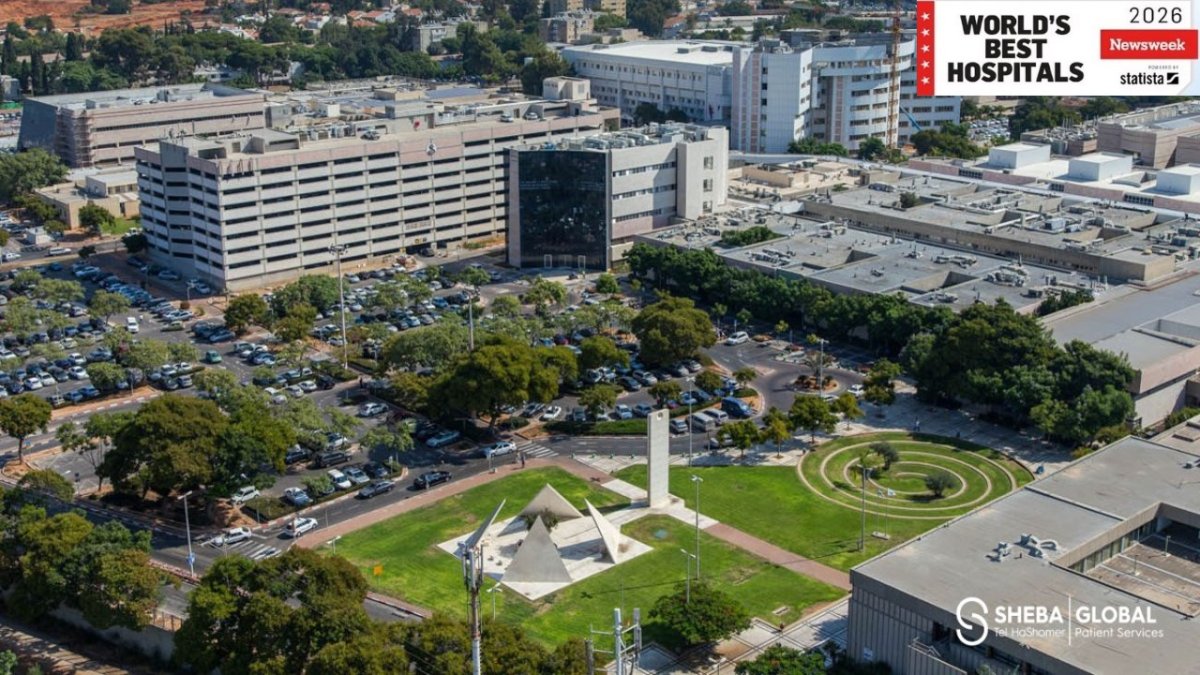






Herzliya Medical Center

Sheba Tel HaShomer

Melanoma Unit Clinica
أفضل مراكز سرطان الأطفال في إسرائيل
- مركز شيبا الطبي, إسرائيل
- Sourasky Medical Center (Ichilov), إسرائيل
- Assuta Medical Center, إسرائيل
- Hadassah Medical Center, إسرائيل
- Rambam Medical Center, إسرائيل
- Schneider Center for Children Medicine, إسرائيل
- Rabin Medical Center, إسرائيل
- Herzliya Medical Center , إسرائيل
- Sheba Tel HaShomer, إسرائيل
- Melanoma Unit Clinica, إسرائيل
احصل على تقييم طبي لـ سرطان الأطفال في إسرائيل. استشر الآن 21 أطباء ذوي الخبرة.
عرض جميع الأطباء
Ronit El Hasid
تم إجراء أكثر من 300 عملية زراعة نخاع عظم ودم الحبل السري للأطفال - يترأس الدكتور إيل حاسيد قسم أورام الدم للأطفال في مستشفى دانا دويك للأطفال.
- متخصص حصرياً في حالات زراعة الأعضاء للأطفال
- نشر أكثر من 50 ورقة بحثية و40 تقريراً للمؤتمرات حول أورام الأطفال
- عضو في الجمعية الأمريكية لأمراض الدم والجمعية الإسرائيلية لأمراض دم وأورام الأطفال
- تدرب في مستشفى سيتي أوف هوب (City of Hope) في لوس أنجلوس

Amos Toren
البروفيسور آموس تورين، MD، PhD، MHA، اختصاصي أمراض دم وأورام الأطفال وخبير زرع نخاع العظم. شغل منصب مدير أمراض دم وأورام الأطفال وزرع نخاع العظم في مركز شيبا الطبي.
حاصل على البورد في طب الأطفال، وأمراض دم وأورام الأطفال، وزرع نخاع العظم. يحمل دكتوراه في علم الوراثة البشرية. ترأس شعبة أمراض الدم في جامعة تل أبيب لولايتين. وهو عضو في ASH وCOG وESPHI وEBMT وCIBMTR، ويعمل أيضاً في لجنة دم الحبل السري بوزارة الصحة.
قاد أحد أكثر برامج أورام الأطفال وزرع نخاع العظم تقدماً في إسرائيل.
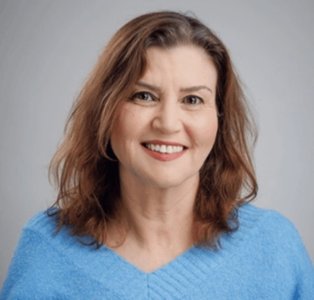
Hana Golan
الدكتورة هنا غولان، MD، ترأس قسم أمراض الدم والأورام لدى الأطفال وزراعة نخاع العظم (BMT) في مركز شيبا الطبي. تتخصص في سرطانات الطفولة، مع تركيز على الورم الأرومي العصبي وأورام الأنسجة الصلبة عالية الخطورة.
تقود أحد أكثر برامج أورام الأطفال تقدماً في المنطقة. تدير حالات معقدة وعالية الخطورة، وتمارس عملها في مستشفى مصنّف ضمن أفضل عشرة عالمياً.
هي الباحثة الرئيسية في بروتوكول ESIOP للورم الأرومي العصبي عالي الخطورة. وتشغل منصب باحثة في تجارب دولية من المرحلتين الأولى والثانية، والم
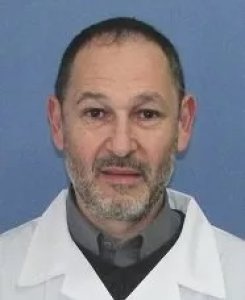
Zvi Cohen
البروفيسور زفي كوهين مدير قسم جراحة الأعصاب ووحدة الأورام العصبية في مركز شيبا الطبي. وهو جرّاح أعصاب وخبير في الأورام العصبية. اختير ضمن قائمة فوربس إسرائيل لأفضل الأطباء لعام 2025. يقود أبحاثًا سريرية حول العلاجات الدوائية لأورام الدماغ الخبيثة. كما أسّس بنك أنسجة أورام الدماغ في شيبا.
حاصل على شهادة البورد في جراحة الأعصاب، وتدرّب في جامعة تل أبيب. أكمل زمالتين: في الأشعة العصبية في بيث إسرائيل، وفي جراحة أورام الأعصاب في مركز إم دي أندرسون. تشمل ممارسته أورام الدماغ المعقّدة والغدة
مواد ذات صلة

أفضل 10 مستشفيات لسرطان الأطفال: تصنيف المرضى المحجوزين
كتب بواسطة Veronika Kazina
مشاركة المحتوى
قصص فيديو من مرضى Bookimed
 Anna Leonova
أسئلة متكررة حول سرطان الأطفال في إسرائيل
ما هي طرق العلاج الرئيسية للأطفال في إسرائيل؟
تتركز علاجات الأطفال الرئيسية في إسرائيل على بروتوكولات الأورام وأمراض الدم المتقدمة. توفر مستشفيات الأطفال عالية التخصص العلاج الكيميائي لسرطان الدم، وزراعة نخاع العظم، والجراحة الروبوتية للأورام الصلبة. تستخدم هذه المرافق معايير اللجنة الدولية المشتركة (JCI) لضمان رعاية سريرية عالية الجودة للحالات المعقدة.
- أورام الدم: تجري العيادات المتخصصة مثل "هداسا" أكثر من 3500 عملية زراعة نخاع عظم للأطفال.
- أورام الأعصاب: يقوم جراحون مثل الدكتور شلومي قسطنطيني بإجراء عمليات دقيقة لاستئصال أورام المخ.
- العلاج الإشعاعي المتقدم: توفر المراكز تقنيات "جاما نايف" و"سايبر نايف" لعلاج الأورام الموجه.
- علاج سرطان الدم: تتراوح بروتوكولات العلاج الكيميائي المكثف لسرطان الدم من السعر عند الطلب إلى السعر عند الطلب.
رؤية خبير Bookimed: تظهر مراكز الأطفال الإسرائيلية نمطاً فريداً من التعاون الجراحي. في مستشفى "سوراسكي"، يقوم جراحو الأعصاب وأخصائيو العظام بالإدارة المشتركة لحالات سرطان العظام. يسمح هذا النهج المتكامل بإزالة أكثر اكتمالاً للأورام في الحالات المعقدة. هذا التعاون شائع في المستشفيات التي تخدم أكثر من 11000 طفل سنوياً.
إجماع المرضى: يشير الآباء إلى أن بروتوكولات العلاج تتوافق مع أعلى المعايير الدولية. ويقدرون أن المراكز الكبرى توفر موظفين يتحدثون لغات متعددة وسكناً لدعم العائلات أثناء الإقامات الطويلة.
كيف يختلف تعامل الأطباء الإسرائيليين مع أورام الأطفال عن رعاية البالغين؟
تتميز طب أورام الأطفال في إسرائيل ببنية تحتية تتمحور حول الأسرة ومراقبة متخصصة طويلة الأمد. يعطي الأطباء الأولوية للرعاية الخارجية للحفاظ على النمو الطبيعي للطفل. تستخدم مراكز متخصصة مثل مركز شنايدر لطب الأطفال ومركز هداسا الطبي معايير سلامة أعلى، بما في ذلك مداخل ذات ضغط إيجابي، لحماية الأطفال الذين يعانون من نقص المناعة.
- الرعاية التي تتمحور حول الأسرة: يعمل الآباء كوسطاء أساسيين في اتخاذ القرار ويبقون طوال الليل أثناء العلاج.
- المراقبة طويلة الأمد: توفر مراكز مثل مركز رمبام الطبي برامج للناجين لإدارة الآثار المتأخرة للعلاج.
- الخبرة المتخصصة: أجرت الدكتورة بولينا ستيبينسكي في هداسا أكثر من 3500 عملية زرع نخاع عظمي للأطفال.
- الدعم الشامل: تضم فرق أورام الأطفال أخصائيين نفسيين واجتماعيين مدمجين للصحة العاطفية.
رؤية خبير Bookimed: تُظهر مراكز الأطفال الإسرائيلية نمطاً فريداً حيث يدير أطباء الأورام الأساسيون، مثل الدكتور غال غولدشتاين في هداسا، رحلة المريض بأكملها. وهذا يتناقض مع رعاية البالغين، حيث ينتقل المرضى غالباً بين العديد من المتخصصين. تضمن هذه الاستمرارية عدم ضياع التاريخ الطبي المعقد الذي يتضمن سرطانات الدم النادرة أو ورم أرومة الشبكية أثناء الانتقالات، وهي مشكلة شائعة في أجنحة البالغين ذات الكثافة العالية.
إجماع المرضى: يجد الآباء أن وحدات الأطفال تعاملهم كشركاء متساوين في الرعاية وتشرك الأطفال في المناقشات الطبية المناسبة لأعمارهم. يلاحظ الكثيرون أنه من المفيد أن تنسق المستشفيات مع المدارس لمنع الأطفال من ا
هل سيحصل طفلي على إمكانية الوصول إلى التجارب السريرية ذات المعايير الدولية؟
يتمتع الأطفال في إسرائيل بإمكانية الوصول المباشر إلى التجارب السريرية الدولية من خلال المستشفيات البحثية الكبرى. تشارك مرافق مثل مركز سوراسكي الطبي ومركز هداسا الطبي في شبكات عالمية. وتشمل هذه الشبكات مجموعة أورام الأطفال (COG). كما أنها تعمل مع الجمعية الدولية لأورام الأطفال (SIOP).
- الشبكات العالمية: تتعاون المستشفيات مع COG و SIOP لإجراء تجارب المرحلة الثانية والثالثة.
- التنسيق المتخصص: يقود الدكتور غال غولدشتاين تجارب في الطب الدقيق في هداسا.
- البحوث المتقدمة: يبلغ مركز سوراسكي عن معدل نجاح متوسط قدره 90% في علاجات الأورام.
- الوصول المتخصص: تجري الدكتورة رونيت إل حاسيد أبحاثاً في زراعة دم الحبل السري.
رؤية خبير Bookimed: غالباً ما تتصدر مراكز طب الأطفال الإسرائيلية في توفر التجارب بسبب أعداد المرضى الكبيرة. يخدم كل من هداسا وشيبا أكثر من 1,000,000 مريض سنوياً. يجذب هذا النطاق الرعاة الدوليين لدراسات الأمراض النادرة. غالباً ما يحصل المرضى في هذه المراكز على علاجات موجهة في وقت أبكر مما هو عليه في المستشفيات الإقليمية الأصغر. تحقق دائماً مما إذا كانت التجربة نشطة في تاريخ تشخيصك المحدد.
إجماع المرضى: يشير الآباء إلى أن المشاركة في التجارب انتقائية للغاية وتعتمد على توقيت صارم. يوصون بطلب قائمة واضحة بالتجارب النشطة فور التشخيص. وجد الكثيرون أن التعامل مع نماذج الموافقة قد يتطلب دعم الترجمة لأن بعض الوثائق باللغة العبرية.
ما هي خدمات الدعم غير الطبية المتاحة للعائلات الدولية؟
تحصل العائلات الدولية في إسرائيل على دعم غير طبي من خلال الأقسام الاجتماعية في المستشفيات، والمنظمات غير الحكومية، والمراكز المتخصصة للمرضى الدوليين. تشمل هذه الخدمات السكن المدعوم، والوساطة اللغوية، والتوجيه البيروقراطي. توفر مرافق مثل مركز هداسا الطبي ومركز سوراسكي الطبي منسقين مخصصين للمساعدة في الخدمات اللوجستية والاندماج.
- المساعدة في السكن: تقدم المنظمات غير الحكومية منازل عائلية مدعومة بالقرب من مراكز العلاج لتقليل تكاليف الإيجار المرتفعة.
- الدعم اللغوي: توفر الأقسام الدولية مترجمين فوريين للمواعيد الطبية والمهام الإدارية الأساسية.
- التوجيه القانوني: تساعد المنظمات المتخصصة العائلات في تمديد التأشيرات وتصاريح الإقامة اللازمة.
- الاندماج العاطفي: يسهل الأخصائيون الاجتماعيون التواصل بين الأقران ويوجهون العائلات عبر نظام الرعاية الصحية الإسرائيلي.
رؤية خبير Bookimed: تظهر البيانات من المراكز ذات الكثافة العالية مثل مركز هداسا الطبي، الذي يخدم 1,000,000 مريض سنوياً، وجود بنية تحتية متطورة للدعم. غالباً ما تغفل العائلات أن العيادات الخاصة مثل مركز أسوتا الطبي تسمح للمرضى باختيار أطباء محددين. تمتد هذه المرونة إلى بيئات التعافي، مما قد يقلل بشكل كبير من ضغوط الإقامة الطويلة في أقسام أورام الأطفال.
إجماع المرضى: يؤكد الآباء أن وجود شخص داعم محلي أمر ضروري للتعامل مع التأمين والتأخيرات البيروقراطية. يعد العثور على سكن تابع للمستشفى في وقت مبكر أولوية قصوى، حيث أن تكاليف الإيجار تشكل عبئاً مالياً كبيراً.
هل يمكن للوالد البقاء مع الطفل طوال فترة الإقامة في المستشفى؟
يتم تشجيع الآباء في إسرائيل على البقاء مع أطفالهم على مدار الساعة طوال أيام الأسبوع أثناء علاج أورام الأطفال. توفر مستشفيات مثل مركز سوراسكي الطبي ومركز هداسا الطبي أماكن إقامة داخل الغرفة. يدعم هذا النهج المتمحور حول الأسرة التعافي أثناء الإجراءات المكثفة مثل العلاج الكيميائي أو زراعة نخاع العظم.
- النوم داخل الغرفة: تحتوي الغرف عادةً على كراسي استرخاء أو أسرّة قابلة للطي للوالد المرافق.
- دعم الوجبات: غالبًا ما توفر مستشفيات الأطفال الكبرى قسائم وجبات أو صواني طعام للضيوف.
- مرافق الوالدين: تشمل الأجنحة صالات مخصصة ومرافق استحمام لإقامة مقدمي الرعاية لفترات طويلة.
- الوصول إلى القسم: يحافظ الآباء على وجودهم على مدار الساعة طوال أيام الأسبوع حتى أثناء العزل لمرضى الأطفال الذين يعانون من قلة العدلات.
رؤية خبير Bookimed: تعطي مراكز طب الأطفال الإسرائيلية الأولوية لوجود الوالدين كضرورة سريرية وليس كرفاهية. تدمج مرافق مثل مركز شنايدر لطب الأطفال، الذي يخدم 275,000 مريض سنويًا، مساحات عائلية مباشرة في تصميمات الأجنحة. تُظهر بياناتنا أن العيادات التي تستقبل أعدادًا كبيرة من المرضى الدوليين غالبًا ما تنسق هذه الخدمات اللوجستية من خلال أخصائيين اجتماعيين مخصصين لضمان انتقالات سلسة للعائلات المسافرة.
إجماع المرضى: يشير المرضى إلى أن البقاء طوال الليل أمر متوقع اجتماعيًا في إسرائيل، حيث يوفر الممرضون كراسي أسرّة مريحة للآباء. ذكر أحد الوالدين أنه من المفيد الاستعداد للبقاء على مدار الساعة طوال أيام الأسبوع حيث تقع مرافق مثل غسيل
هل يتم التحدث باللغة الإنجليزية على نطاق واسع في المستشفيات الإسرائيلية؟
يتم التحدث باللغة الإنجليزية على نطاق واسع من قبل المتخصصين الطبيين في أقسام أورام الأطفال الإسرائيلية. يحمل معظم الأطباء شهادات دولية أو تدربوا في الولايات المتحدة وأوروبا. وبينما يتمتع الأطباء بطلاقة في اللغة، فإن كفاءة اللغة الإنجليزية بين طاقم التمريض والموظفين الإداريين تختلف حسب المنشأة والموقع.
- طلاقة الأطباء: المتخصصون مثل الدكتور أوالا هوبرت حاصلون على شهادات البورد ويتحدثون الإنجليزية بطلاقة.
- المراكز الأكاديمية: تجري مستشفيات مثل مركز سوراسكي الطبي وهداسا أكثر من 35,000 عملية جراحية سنويًا.
- طاقم الدعم: قد يكون لدى الموظفين الإداريين وطاقم التمريض مستوى محدود من اللغة الإنجليزية مقارنة بكبار الأطباء.
- التوثيق: غالبًا ما توفر المرافق الإسرائيلية الكبرى التقارير الطبية ونتائج المختبر باللغة الإنجليزية.
رؤية خبير Bookimed: تظهر بياناتنا اتجاهًا واضحًا في عيادات تل أبيب مثل سوراسكي (إيخيلوف). تعالج هذه المراكز أكثر من 400,000 مريض سنويًا ولديها أقسام دولية مخصصة. هذا الحجم الكبير من الحالات الأجنبية يعني أن وحدات أورام الأطفال مجهزة بشكل أفضل بمنسقين يتحدثون الإنجليزية مقارنة بالمستشفيات الإقليمية الأصغر مثل تلك الموجودة في حيفا.
إجماع المرضى: يلاحظ الآباء أنه على الرغم من أن أطباء الأورام يشرحون التفاصيل المعقدة بوضوح باللغة الإنجليزية، إلا أن التفاعلات اليومية مع موظفي الاستقبال قد تكون صعبة. يقترح الكثيرون طلب منسق يتحدث الإنجليزية خلال الموعد الأول للتعامل مع المهام الإدارية وأوراق الخروج.
هل تتأثر خدمات المستشفيات بيوم السبت (شابات)؟
تظل خدمات المستشفيات الإسرائيلية تعمل خلال يوم السبت. تعطي الشريعة اليهودية الأولوية لإنقاذ الأرواح من خلال مبدأ "بيكواح نيفيش". وهذا يتجاوز المحظورات الدينية من أجل الرعاية الطبية. تواصل أجنحة أورام الأطفال في مراكز مثل مركز هداسا الطبي تقديم العلاج الكيميائي الأساسي والمراقبة على مدار الساعة طوال أيام الأسبوع.
- الرعاية الطارئة: تستمر العمليات الجراحية الحيوية والعلاج الكيميائي لسرطان الدم دون انقطاع أيام السبت.
- التشخيص المتقدم: غالبًا ما يتم نقل فحوصات الرنين المغناطيسي والأشعة المقطعية الروتينية إلى أيام الأسبوع لتحقيق الكفاءة.
- طاقم المستشفى: يساعد الموظفون غير اليهود والتقنيات المؤتمتة في المهام غير الطبية خلال يوم السبت.
- دعم المرضى الداخليين: توفر مرافق مثل مركز شيبا الطبي مصاعد السبت وخدمات الوجبات الكوشر.
رؤية خبير Bookimed: غالبًا ما تقوم المراكز الطبية الإسرائيلية بجدولة الإجراءات المعقدة مثل عمليات زرع نخاع العظم من الأحد إلى الخميس. تظهر بياناتنا أن هذا يضمن توفر الدعم الإداري والمخبري الكامل خلال الـ 48 ساعة الأولى الحرجة. تعطي مراكز مثل مركز سوراسكي الطبي الأولوية لهذا التوقيت للحفاظ على معدل نجاحها في علاج الأورام البالغ 90%.
إجماع المرضى: يشير المرضى إلى أنه على الرغم من ثبات الرعاية الطبية، إلا أن النقل يصبح صعبًا حيث تتوقف الحافلات العامة. يقترحون حجز سيارات أجرة خاصة أو البقاء بالقرب من المستشفى من بعد ظهر الجمعة حتى مساء السبت.
لماذا تُعد إسرائيل واحدة من الوجهات الرائدة في جراحة الأعصاب؟
تُعدّ إسرائيل مركزًا رائدًا في جراحة الأعصاب بفضل مزيجها من التطورات الطبية عالية التقنية والخبرات الجراحية المتميزة. وتستخدم مرافق متطورة مثل مركز شيبا الطبي أنظمة ملاحة تعتمد على الذكاء الاصطناعي والتصوير بالرنين المغناطيسي أثناء الجراحة في الوقت الفعلي. وتشير المراكز المتخصصة إلى نسبة نجاح تصل إلى 98% في العمليات الجراحية المعقدة، بما في ذلك جراحة الدماغ مع اليقظة وعلاج اضطرابات الحركة.
- التكنولوجيا المتقدمة: تستخدم العيادات الموجات فوق الصوتية المركزة الموجهة بالرنين المغناطيسي (MRgFUS) والأنظمة الروبوتية لإجراء الشقوق.
- الخبرة الجراحية: يقود جراحون مثل الدكتور تسفي رام جمعيات دولية بخبرة تزيد عن 25 عامًا.
- الوصول السريع: يمكن للمرضى الدوليين عادةً تحديد مواعيد لإجراء عمليات جراحية معقدة في الدماغ أو العمود الفقري في غضون 2-4 أسابيع.
- الرعاية الطبية المعتمدة: المراكز الكبيرة مثل سوراسكي (إيشيلوف) وأسوتا معتمدة من قبل اللجنة الدولية المشتركة، مما يؤكد سلامتها.
رأي خبراء بوكيمد: تُظهر البيانات فرقًا واضحًا بين خيارات العلاج في القطاعين العام والخاص في إسرائيل. تُجري المراكز الخاصة، مثل مركز أسوتا الطبي، أكثر من 92,000 عملية جراحية سنويًا، وتتيح للمرضى اختيار جراح را
ما هي أنواع الأمراض العصبية التي يتم علاجها في إسرائيل؟
يعالج جراحو الأعصاب الإسرائيليون طيفاً واسعاً من الحالات، بدءاً من أورام الدماغ والحبل الشوكي وصولاً إلى الاضطرابات الوظيفية المعقدة. وتستخدم المراكز المتخصصة أحدث التقنيات، مثل جهاز جاما نايف، والتحفيز العميق للدماغ، والتصوير بالرنين المغناطيسي أثناء الجراحة، لتشخيص دقيق للغاية لحالات الصرع، ومرض باركنسون، وأمراض الأوعية الدموية الدماغية.
- الأمراض السرطانية: علاج الأورام الدبقية والأورام السحائية وأورام الغدة النخامية باستخدام استئصال قاعدة الجمجمة.
- الاضطرابات الوظيفية: علاج مرض باركنسون والرعاش الأساسي باستخدام التحفيز العميق للدماغ.
- أمراض العمود الفقري: تصحيح الجنف، وانزلاق الغضروف، وأورام العمود الفقري باستخدام الأنظمة الروبوتية.
- علاج أمراض الأوعية الدموية الدماغية: العلاج الجراحي لتمدد الأوعية الدموية الدماغية والتشوهات الشريانية الوريدية باستخدام التدخلات داخل الأوعية الدموية.
- جراحة الأعصاب للأطفال: رعاية متخصصة لاستسقاء الرأس والتشوهات الخلقية في مراكز طب الأطفال المتخصصة.
رأي خبراء بوكيمد: غالبًا ما تجمع المستشفيات الإسرائيلية بين تخصصات طبية متعددة لمعالجة الحالات المعقدة. ففي مركز سوراسكي ا
ما هي المستشفيات في إسرائيل التي تشتهر بأقسام جراحة الأعصاب فيها؟
تضم إسرائيل مراكز جراحة أعصاب عالمية المستوى، مثل مركز سوراسكي الطبي، ومركز شيبا الطبي، ومركز هداسا الطبي. وتُعدّ هذه المؤسسات رائدة عالميًا في علاج أورام الدماغ المعقدة، وأمراض العمود الفقري، واضطرابات الحركة. وتستخدم أحدث التقنيات، مثل جهاز جاما نايف، والأنظمة الروبوتية، والتصوير بالرنين المغناطيسي أثناء الجراحة.
- سوراسكي (إيخيلوف): يجري أكثر من 2500 عملية جراحية عصبية سنوياً في تل أبيب بنسبة نجاح تبلغ 98%.
- مركز شيبا الطبي: مصنف ضمن أفضل عشرة مستشفيات في العالم، حيث يعالج 1.9 مليون مريض سنوياً.
- مركز هداسا الطبي: مرشح لجائزة نوبل للسلام. رائد في جراحة الأعصاب للأطفال والعلاج الجيني.
- مركز أسوتا الطبي: أكبر منشأة طبية خاصة في إسرائيل. متخصص في جراحات العمود الفقري والدماغ طفيفة التوغل.
- مستشفى شنايدر للأطفال: مركز رائد في جراحة الأعصاب للأطفال، يعالج 275000 طفل سنوياً.
رأي خبراء بوكيمد: تُظهر بياناتنا أنه بينما يلجأ معظم المرضى للعلاج في تل أبيب، يُقدّم مركز رامبام الطبي في حيفا رعايةً فريدةً لإصابات الدماغ. فهو يضم وحدةً متخصصةً للعناية المركزة العصبية تُعالج ما يقارب مليون مريض سنويًا. وهذا ما يجعله