علاج الشبكية في إسرائيل — احصل على 3 عيادات مختارة خصيصاً لك


تمت مراجعة المقالة طبيا من قبل
فهد مولود
كيف نعمل؟
ما هي تكلفة الشبكية إجراءات التشخيص والعلاج في إسرائيل؟ اعرف الآن
| إسرائيل | تركيا | إسبانيا | |
|---|---|---|---|
| قلع العين | ≈ $9,500 | من $1,800 | ≈ $6,800 |
| الموجات الفوق صوتية عالية التكثيف المركزة HIFU | ≈ $7,500 | من $10,000 | من $8,000 |
| العلاج بالتبريد | ≈ $2,200 | من $1,000 | من $10,100 |
| العلاج الكيميائي لسرطان الثدي | ≈ $22,500 | من $3,000 | من $1,700 |
| العلاج الكيميائي داخل الشريان | ≈ $14,000 | من $5,000 | ≈ $9,500 |
اكتشف أفضل الشبكية العيادات في إسرائيل: 4 خيارات معتمدة والأسعار


Sourasky Medical Center (Ichilov)
Ronit El Hasid








احصل على تقييم طبي لـ في إسرائيل. استشر الآن 12 أطباء ذوي الخبرة.
عرض جميع الأطباءRonit El Hasid
تتخصص الدكتورة رونيت إل حاسيد في عمليات زراعة نخاع العظم ودم الحبل السري للأطفال، حيث أجرت أكثر من 300 عملية.
- رئيسة قسم أورام الدم للأطفال في مستشفى دانا دويك للأطفال
- مؤلفة 50 منشوراً و40 تقريراً في المؤتمرات
- تدربت في مستشفى سيتي أوف هوب في لوس أنجلوس
- عضو في الجمعية الأمريكية لأمراض الدم
Zvi Cohen
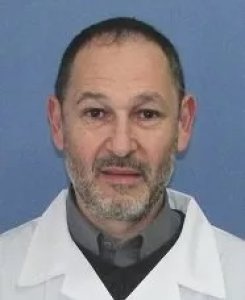
البروفيسور زفي كوهين مدير قسم جراحة الأعصاب ووحدة الأورام العصبية في مركز شيبا الطبي. وهو جرّاح أعصاب وخبير في الأورام العصبية. اختير ضمن قائمة فوربس إسرائيل لأفضل الأطباء لعام 2025. يقود أبحاثًا سريرية حول العلاجات الدوائية لأورام الدماغ الخبيثة. كما أسّس بنك أنسجة أورام الدماغ في شيبا.
حاصل على شهادة البورد في جراحة الأعصاب، وتدرّب في جامعة تل أبيب. أكمل زمالتين: في الأشعة العصبية في بيث إسرائيل، وفي جراحة أورام الأعصاب في مركز إم دي أندرسون. تشمل ممارسته أورام الدماغ المعقّدة والغدة
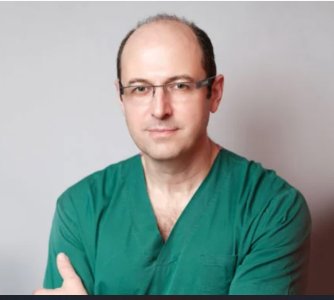
Yuri Goldes
الدكتور يوري غولدس جرّاح عام يتمتع بأكثر من 20 عامًا من الخبرة السريرية. يختص بجراحات الجهاز الهضمي العلوي وجراحة الأورام. يشغل منصب نائب مدير قسم الجراحة العامة وزراعة الأعضاء في مركز شيبا الطبي بتل أبيب، ويرأس وحدة جراحة الجهاز الهضمي العلوي. أُدرِج ضمن قائمة أفضل أطباء فوربس إسرائيل لعام 2025، ومُصنّف ضمن أفضل جراحي الجهاز الهضمي في إسرائيل بحسب فوربس. في 2019، نال جائزة «طبيب العام» من وزارة الصحة الإسرائيلية.
خبير في الجراحة طفيفة التوغل والمتقدمة والروبوتية. يعالج فتق الحجاب الحا

Haim Stolovich
يرأس قسم طب عيون الأطفال في مركز سوراسكي الطبي - وهو مستشفى إسرائيلي رئيسي.
- التخصص حصرياً في حالات عيون الأطفال
- شغل منصب رئيس قسم طب عيون الأطفال
- الممارسة في مركز تل أبيب سوراسكي الطبي (إيخيلوف)
مشاركة المحتوى
قصص فيديو من مرضى Bookimed
 Anna Leonova
أسئلة متكررة حول علاج الشبكية في إسرائيل
ما هو معدل نجاح علاج ورم أرومة الشبكية في إسرائيل؟
تُبلغ مراكز الأورام الإسرائيلية عن معدلات بقاء مرتفعة للغاية لورم أرومة الشبكية، وعادة ما تتجاوز 95%. وتصل معدلات البقاء في الحالات الموضعية تحديداً إلى 98%. تعطي المؤسسات الرائدة الأولوية لإنقاذ مقلة العين والحفاظ على الرؤية. تساعد بروتوكولات العلاج الكيميائي الشرياني المتقدمة في تجنب إزالة العين لدى 70% إلى 90% من المرضى.
- معدل البقاء الإجمالي: تُبلغ المراكز الطبية الإسرائيلية الكبرى عن معدلات شفاء تتراوح بين 95% و99.5%.
- النجاح في علاج الأورام: يحافظ مركز سوراسكي الطبي (إيخيلوف) على معدل نجاح متوسط في علاج الأورام يبلغ 90%.
- الحفاظ على الرؤية: يعود حوالي 90% من الأطفال إلى منازلهم بصحة جيدة مع الحفاظ على رؤيتهم.
- المرض الموضعي: تصل معدلات البقاء على قيد الحياة للأورام المحصورة داخل العين إلى ما يقرب من 98%.
رؤية خبير Bookimed: يركز المتخصصون الإسرائيليون مثل الدكتور جال غولدشتاين في مركز هداسا الطبي بشكل كبير على الطب الدقيق واختبارات الطفرات الجينية RB1. هذا النهج حيوي لأنه حتى مع ارتفاع معدل البقاء على قيد الحياة، هناك خطر تكرار بنسبة 20% إلى 30% في الحالات الثنائية المتقدمة إذا تم استخدام العلاج البؤري فقط. يساعد اختيار مركز لديه أبحاث جينية متكاملة في تخصيص المراقبة طويلة المدى لطفلك.
إجماع المرضى: يؤكد الآباء على أهمية طلب تقييم الأهلية للعلاج الكيميائي الشرياني على الفور لزيادة فرص إنقاذ العين. كما يلاحظون أهمية تتبع مقاييس وظائف الرؤية طويلة المدى جنباً إلى جنب مع نتائج البقاء على قيد الحياة.
ما هي طرق العلاج المتقدمة المتاحة في إسرائيل؟
تقدم إسرائيل علاجات متقدمة لورم الأرومة الشبكية بما في ذلك العلاج الكيميائي داخل الشريان والعلاج بالتبريد. توفر مراكز متخصصة مثل مركز شيبا الطبي ومركز سوراسكي الطبي علاجات بؤرية دقيقة. تعطي هذه الطرق الأولوية للحفاظ على العين وإنقاذ الرؤية باستخدام بروتوكولات الأورام المتكاملة. تحتفظ معظم المستشفيات الرائدة باعتماد JCI للسلامة.
- العلاج البؤري: يدمر العلاج بالتبريد وعلاجات الليزر الأورام الصغيرة دون سمية جهازية.
- أطباء الأورام الخبراء: يقود الدكتور غال غولدشتاين قسم أورام الأطفال في مركز هداسا الطبي.
- العلاج الكيميائي المتقدم: يوصل العلاج الكيميائي داخل الشريان (IAC) الأدوية مباشرة إلى الشريان العيني.
- الدقة الجراحية: يتم حجز استئصال العين للحالات المتقدمة التي تتطلب إعادة بناء مدارية اصطناعية معقدة.
رؤية خبير Bookimed: تشير البيانات إلى أن وحدات الأطفال المتخصصة مثل تلك الموجودة في مركز سوراسكي الطبي تبلغ عن معدل نجاح في علاج الأورام بنسبة 90%. يجب على المرضى الذين يسعون لإنقاذ العين البحث عن مراكز لديها برامج راسخة للعلاج الكيميائي داخل الشريان. في حين تخدم 26 عيادة الطلبات الدولية، فإن تلك التي لديها أقسام مخصصة لأورام وأمراض دم الأطفال هي فقط التي توفر الخبرة متعددة التخصصات اللازمة.
إجماع المرضى: يفيد الآباء أن اختيار العلاج الكيميائي داخل الشريان في وقت مبكر يساعد غالبًا في تجنب إزالة العين ويقلص الأورام بشكل كبير. يلاحظ الكثيرون أنه على الرغم من أن إجراءات مثل العلاج بالتبريد تسبب تورمًا مؤقتًا، فإن فائدة الحفا
كيف يقوم الأطباء بإنشاء خطة علاج مخصصة؟
يقوم الأطباء في إسرائيل بإنشاء خطط علاج مخصصة من خلال دمج التشخيص الدقيق مع نهج متعدد التخصصات. يستخدم المتخصصون تسلسل الحمض النووي والتصوير المتقدم لتحديد علامات ورم محددة. تسمح هذه البيانات لأطباء الأورام باختيار علاجات موجهة مثل العلاج الكيميائي داخل الشرايين أو العلاج بالتبريد للحفاظ على الرؤية والصحة.
- دقة التشخيص: يستخدم المتخصصون الأشعة المقطعية والتشخيصات العينية المعقدة لتحديد موقع الورم.
- الخبرة المتخصصة: تستخدم المراكز ذات الحجم الكبير مثل مركز شيبا الطبي الطب الدقيق لحالات الأطفال.
- الإجراءات المتقدمة: قد تشمل الخطط استئصال بالموجات فوق الصوتية المركزة عالية الكثافة أو بروتوكولات علاج كيميائي محددة.
- الرعاية التعاونية: تشمل الفرق أطباء أورام الأطفال، وأطباء العيون، والجراحين لضمان الحفاظ على الرؤية.
رؤية خبير Bookimed: تظهر البيانات من المراكز الإسرائيلية الرائدة مثل سوراسكي ورمبام طلباً مرتفعاً على أخصائيي الأطفال الحاصلين على شهادات دولية. على سبيل المثال، يركز الدكتور غال غولدشتاين في مركز هداسا الطبي بشكل خاص على ورم أرومة الشبكية والطب الدقيق. يعد هذا التخصص مؤشراً رئيسياً على الجودة، حيث يدير هؤلاء الأطباء غالباً أكثر من 400,000 مريض سنوياً في مرافقهم.
إجماع المرضى: يلاحظ المرضى أن سرعة النتائج التشخيصية في إسرائيل تمثل ارتياحاً كبيراً. وغالباً ما يسلطون الضوء على الراحة التي يوفرها وجود فريق أطفال متخصص يشرح بوضوح كل خطوة من عملية الحفاظ على الرؤية.
ما هي المستشفيات المعترف بها دولياً لعلاج ورم أرومة الشبكية في إسرائيل؟
تضم إسرائيل العديد من المراكز المعترف بها دولياً لعلاج ورم أرومة الشبكية. يقود مركز شيبا الطبي ومركز سوراسكي الطبي تقنيات الحفاظ على العين. تحافظ هذه المرافق المعتمدة من قبل اللجنة الدولية المشتركة (JCI) على معدلات نجاح عالية. تستخدم وحدات الأطفال المتخصصة العلاج الكيميائي داخل الشرايين والعلاج الإشعاعي الموضعي المتقدم لإنقاذ البصر.
- مركز شيبا الطبي: يدير مركزاً لأورام العين يعالج أكثر من 1.9 مليون مريض سنوياً.
- مركز سوراسكي الطبي: يوفر نمذجة الأورام ثلاثية الأبعاد في مستشفى دانا-دويك للأطفال.
- مركز هداسا الطبي: يتميز بالخدمة الوطنية لأورام العين مع علاج إشعاعي موضعي متخصص.
- حرم رامبام الصحي: يدمج فرقاً متعددة التخصصات تركز على أمراض الدم والأورام لدى الأطفال والبحث السريري.
رؤية خبير Bookimed: تظهر البيانات تركيزاً عالياً للخبرة في تل أبيب ورمات غان. يدير كل من شيبا وسوراسكي أكثر من 1.8 مليون مريض سنوياً. يسمح هذا الحجم الهائل للجراحين مثل الدكتورة رونيت إل حاسيد بالتخصص بعمق. لقد أجرت وحدها أكثر من 300 عملية زراعة لحالات الأطفال المعقدة. غالباً ما توفر المراكز ذات الحجم الكبير وصولاً أفضل إلى بروتوكولات العلاج الكيميائي المتخصصة داخل الشرايين.
إجماع المرضى: يلاحظ الآباء أن الأورام يمكن أن تتقلص بشكل كبير بعد دورتين فقط من العلاج الكيميائي. تؤكد العديد من العائلات أن الفرق المتكاملة من الجراحين وأطباء الأورام توفر تعافياً أسرع من المرافق في البلدان الأخرى.
ما هي التخصصات التي ستشارك في رعاية طفلي؟
تتضمن رعاية الورم الأرومي الشبكي في إسرائيل فريقاً متعدد التخصصات بقيادة أطباء أورام العيون للأطفال وأطباء أمراض الدم. يقوم المتخصصون بتنسيق العلاجات الموجهة مثل العلاج الكيميائي بالصفائح أو العلاج بالتبريد داخل مرافق معتمدة من قبل JCI. يضمن هذا النهج المتكامل الحفاظ على الرؤية مع إدارة الصحة الجهازية من خلال الفحص الجيني والتصوير الدقيق.
- أخصائي أورام العيون: يدير متخصصون مثل الدكتور جال غولدشتاين العلاجات الموجهة للعين ومراقبة الأورام المعقدة.
- أخصائي أمراض الدم للأطفال: يشرف خبراء مثل الدكتورة رونيت الحصيد على بروتوكولات العلاج الكيميائي ونخاع العظم.
- جراح العيون: يقوم أطباء مثل البروفيسور دانيال بريسكو بإجراء جراحات ترميم الحجاج وجراحات العيون المتعلقة بالسرطان.
- أخصائي الشبكية: يركز خبراء بمن فيهم الدكتور باراك جور على أمراض الشبكية والأبحاث داخل العين.
رؤية خبير Bookimed: غالباً ما تعين المراكز الطبية الإسرائيلية طبيب أورام أطفال كمنسق رئيسي للحالة. هذا الدور حيوي لأن علاجات الورم الأرومي الشبكي تتطلب غالباً فحوصات تحت التخدير. وجود طبيب رئيسي واحد متزامن مع قسم التخدير يمنع تأخير المواعيد ويبسط لوجستيات السفر المعقدة للعائلات الدولية.
إجماع المرضى: يؤكد الآباء على أهمية تسمية طبيب واحد كجهة اتصال رئيسية لتجنب ضياع الرسائل بين الأقسام. كما يوصون بطلب صور الأشعة على وحدة تخزين USB بعد كل فحص للحفاظ على سجل طبي محمول.
ما هو الدعم اللوجستي المقدم للعائلات الدولية؟
تتلقى العائلات الدولية مساعدة إدارية فيما يتعلق بالتأشيرات الطبية وتنسيق العلاج من خلال أقسام دولية مخصصة. توفر المستشفيات الإسرائيلية خطابات دعوة رسمية لتسهيل عملية الحصول على التأشيرة. يساعد المترجمون المحترفون ومنسقو التمريض في المواعيد. تساعد المراكز متعددة التخصصات في إدارة الخدمات اللوجستية للحالات المعقدة، بما في ذلك تصوير الشبكية والعلاج الكيميائي.
- المساعدة في التأشيرة: تصدر العيادات خطابات دعوة رسمية مطلوبة لطلبات التأشيرة الطبية.
- الدعم اللغوي: توفر المراكز الطبية مترجمين محترفين لاستشارات الأطباء والتشخيصات.
- التنسيق السريري: يدير منسقون مخصصون جدولة المواعيد وخطط العلاج متعددة التخصصات.
- الخدمات اللوجستية المحلية: يقدم الموظفون إرشادات حول العثور على سكن مؤقت بالقرب من المرافق الطبية.
رؤية خبير Bookimed: على الرغم من أن المراكز الكبرى مثل مركز شيبا الطبي ومركز سوراسكي الطبي تخدم أكثر من مليون مريض سنويًا، إلا أن الدعم اللوجستي يظل لا مركزيًا. يجب على العائلات الاستعداد لإقامة ممولة ذاتيًا لمدة تتراوح من شهر إلى 3 أشهر. غالبًا ما تدمج المؤسسات الرائدة الرعاية الاجتماعية في برامج الأورام. وهذا يساعد في سد الفجوة بين العلاج الطبي والاحتياجات العملية للعائلات المسافرة.
إجماع المرضى: تشير العائلات إلى أنه على الرغم من أن المستشفيات توفر التنسيق والمترجمين، إلا أنه يجب عليك التعامل مع رحلات الطيران والسكن الخاصة بك. يقترح الكثيرون الانضمام إلى مجموعات المجتمع المحلي على وسائل التواصل الاجتماعي للعثور على إيجار
لماذا تُعد إسرائيل واحدة من الوجهات الرائدة في جراحة الأعصاب؟
تُعدّ إسرائيل مركزًا رائدًا في جراحة الأعصاب بفضل مزيجها من التطورات الطبية عالية التقنية والخبرات الجراحية المتميزة. وتستخدم مرافق متطورة مثل مركز شيبا الطبي أنظمة ملاحة تعتمد على الذكاء الاصطناعي والتصوير بالرنين المغناطيسي أثناء الجراحة في الوقت الفعلي. وتشير المراكز المتخصصة إلى نسبة نجاح تصل إلى 98% في العمليات الجراحية المعقدة، بما في ذلك جراحة الدماغ مع اليقظة وعلاج اضطرابات الحركة.
- التكنولوجيا المتقدمة: تستخدم العيادات الموجات فوق الصوتية المركزة الموجهة بالرنين المغناطيسي (MRgFUS) والأنظمة الروبوتية لإجراء الشقوق.
- الخبرة الجراحية: يقود جراحون مثل الدكتور تسفي رام جمعيات دولية بخبرة تزيد عن 25 عامًا.
- الوصول السريع: يمكن للمرضى الدوليين عادةً تحديد مواعيد لإجراء عمليات جراحية معقدة في الدماغ أو العمود الفقري في غضون 2-4 أسابيع.
- الرعاية الطبية المعتمدة: المراكز الكبيرة مثل سوراسكي (إيشيلوف) وأسوتا معتمدة من قبل اللجنة الدولية المشتركة، مما يؤكد سلامتها.
رأي خبراء بوكيمد: تُظهر البيانات فرقًا واضحًا بين خيارات العلاج في القطاعين العام والخاص في إسرائيل. تُجري المراكز الخاصة، مثل مركز أسوتا الطبي، أكثر من 92,000 عملية جراحية سنويًا، وتتيح للمرضى اختيار جراح را
ما هي أنواع الأمراض العصبية التي يتم علاجها في إسرائيل؟
يعالج جراحو الأعصاب الإسرائيليون طيفاً واسعاً من الحالات، بدءاً من أورام الدماغ والحبل الشوكي وصولاً إلى الاضطرابات الوظيفية المعقدة. وتستخدم المراكز المتخصصة أحدث التقنيات، مثل جهاز جاما نايف، والتحفيز العميق للدماغ، والتصوير بالرنين المغناطيسي أثناء الجراحة، لتشخيص دقيق للغاية لحالات الصرع، ومرض باركنسون، وأمراض الأوعية الدموية الدماغية.
- الأمراض السرطانية: علاج الأورام الدبقية والأورام السحائية وأورام الغدة النخامية باستخدام استئصال قاعدة الجمجمة.
- الاضطرابات الوظيفية: علاج مرض باركنسون والرعاش الأساسي باستخدام التحفيز العميق للدماغ.
- أمراض العمود الفقري: تصحيح الجنف، وانزلاق الغضروف، وأورام العمود الفقري باستخدام الأنظمة الروبوتية.
- علاج أمراض الأوعية الدموية الدماغية: العلاج الجراحي لتمدد الأوعية الدموية الدماغية والتشوهات الشريانية الوريدية باستخدام التدخلات داخل الأوعية الدموية.
- جراحة الأعصاب للأطفال: رعاية متخصصة لاستسقاء الرأس والتشوهات الخلقية في مراكز طب الأطفال المتخصصة.
رأي خبراء بوكيمد: غالبًا ما تجمع المستشفيات الإسرائيلية بين تخصصات طبية متعددة لمعالجة الحالات المعقدة. ففي مركز سوراسكي ا
ما هي المستشفيات في إسرائيل التي تشتهر بأقسام جراحة الأعصاب فيها؟
تضم إسرائيل مراكز جراحة أعصاب عالمية المستوى، مثل مركز سوراسكي الطبي، ومركز شيبا الطبي، ومركز هداسا الطبي. وتُعدّ هذه المؤسسات رائدة عالميًا في علاج أورام الدماغ المعقدة، وأمراض العمود الفقري، واضطرابات الحركة. وتستخدم أحدث التقنيات، مثل جهاز جاما نايف، والأنظمة الروبوتية، والتصوير بالرنين المغناطيسي أثناء الجراحة.
- سوراسكي (إيخيلوف): يجري أكثر من 2500 عملية جراحية عصبية سنوياً في تل أبيب بنسبة نجاح تبلغ 98%.
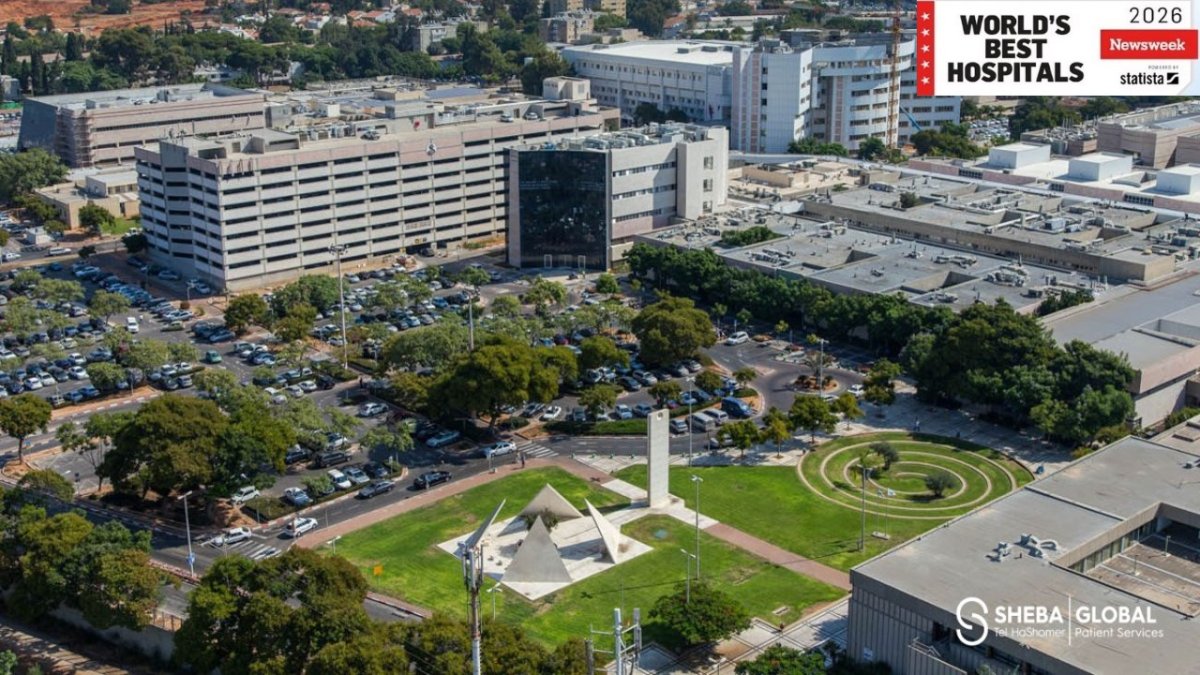
- مركز شيبا الطبي: مصنف ضمن أفضل عشرة مستشفيات في العالم، حيث يعالج 1.9 مليون مريض سنوياً.
- مركز هداسا الطبي: مرشح لجائزة نوبل للسلام. رائد في جراحة الأعصاب للأطفال والعلاج الجيني.
- مركز أسوتا الطبي: أكبر منشأة طبية خاصة في إسرائيل. متخصص في جراحات العمود الفقري والدماغ طفيفة التوغل.
- مستشفى شنايدر للأطفال: مركز رائد في جراحة الأعصاب للأطفال، يعالج 275000 طفل سنوياً.
رأي خبراء بوكيمد: تُظهر بياناتنا أنه بينما يلجأ معظم المرضى للعلاج في تل أبيب، يُقدّم مركز رامبام الطبي في حيفا رعايةً فريدةً لإصابات الدماغ. فهو يضم وحدةً متخصصةً للعناية المركزة العصبية تُعالج ما يقارب مليون مريض سنويًا. وهذا ما يجعله
من هم أبرز جراحي الأعصاب في إسرائيل؟
من بين أبرز جراحي الأعصاب الإسرائيليين البروفيسور تسفي رام، والبروفيسور شلومي كونستانتيني، والبروفيسور إسحاق فريد من مركز سوراسكي الطبي. ويشغل هؤلاء المتخصصون مناصب قيادية في الجمعية الأوروبية لجمعيات جراحة الأعصاب (EANS) والجمعية العالمية لجراحة الأعصاب التجسيمية والوظيفية (WSSFN). ويستخدمون تقنيات رسم الخرائط المتقدمة أثناء الجراحة وأنظمة الروبوتات.
- البروفيسور تسفي رام: خبير في جراحة أورام الدماغ طفيفة التوغل والعلاج الجيني للسرطان.
- الأستاذ شلومي كونستانتيني: متخصص في إجراءات التنظير العصبي المعقدة للأطفال والجراحة المجهرية لأورام الدماغ.
- الأستاذ إسحاق فريد: خبير في جراحة الصرع، ورسم خرائط الدماغ الوظيفية، وتحفيز الدماغ العميق.
- الدكتور إيلي أشكينازي: جراح عظام رائد في مستشفى أسوتا، متخصص في نظام TOPS المبتكر.
رأي خبراء بوكيمد: تشير بيانات مركز سوراسكي وشيبا إلى وجود علاقة وثيقة بين ارتفاع عدد العمليات الجراحية وسلامة المرضى. فعلى سبيل المثال، يُجري مركز سوراسكي أكثر من 34,000 عملية جراحية لعلاج الأورام سنويًا بنسبة نجاح تصل إلى 90%. لذا، ينبغي على المرضى الذين يحتاجون إلى استئصال أورام معقدة إعطاء الأولوية لمراكز كهذه، حيث يُجري الجراحون مئات العمليات الجراحية ا