العودة إلى الصفحة الرئيسية
820К+ مريضًا حصلوا على المساعدة منذ عام 2014
50 دول
1,500 عيادات
6K+ تقييمات
3K+ طبيب مؤهل

ما هي تكلفة سرطان الأطفال في الصين؟ اكتشف الآن

Pediatric oncology in China typically costs from $31,200 to $139,500. Total expenses depend on the cancer type, whether the facility is a state-run or international-standard hospital, and the need for advanced therapies like CAR-T cell treatment. Families often save 40-60% compared to the US for complex oncological procedures.

Typical Pediatric Oncology Costs in China

  • Biopsy: $1,200 – $1,200
  • CT (computer tomography): $400 – $400
  • Tumor Marker Blood Test: $100 – $200
  • Bone marrow transplantation: $55,000 – $115,000
  • CyberKnife: $9,200 – $18,000
  • Radiotherapy: $9,500 – $23,500
  • Brain tumor removal: $22,000 – $52,000
  • Cryotherapy: $5,800 – $14,200
  • Enucleation of eye: $4,500 – $9,500
  • Stereotaxic radiosurgery: $8,500 – $15,800

Specialized pediatric cancer centers are primarily located in Beijing, Shanghai, and Guangzhou. Costs in international-standard facilities in these cities can be significantly higher than in municipal hospitals. Consult with a specialist to get accurate pricing for your specific medical case.

الصينتركياإسبانيا
معالجة معقدة من ساركوما إوينجمن $75,000من $30,000من $35,000
قلع العينمن $4,500من $5,400من $8,500
علاج معقد من ورم الأرومة العصبيةمن $145,000من $28,000من $70,000
سايبر نايف CyberKnifeمن $9,200من $4,750من $30,000
زرع نخاع العظممن $55,000من $36,000من $71,782
تم التحقق من البيانات بواسطة Bookimed اعتبارًا من June 2026، استنادًا إلى طلبات المرضى والعروض الرسمية من 3 عيادة حول العالم. تستند التكاليف المتوسطة إلى الفواتير الحقيقية (2025–2026) ويتم تحديثها شهريًا. قد تختلف الأسعار الفعلية.

مزاياك وضماناتك مع Bookimed

أسعار مباشرة

Bookimed لا يضيف رسوماً إضافية على أسعار علاج سرطان الأطفال. الأسعار مأخوذة من قوائم الأسعار الرسمية للعيادات. تدفع مباشرة في العيادة مقابل علاجك عند وصولك إلى البلد.

عيادات وأطباء معتمدون فقط

Bookimed ملتزم بسلامتك. نحن نعمل فقط مع المؤسسات الطبية التي تحافظ على معايير دولية عالية في علاج سرطان الأطفال ولديها التراخيص اللازمة لخدمة المرضى الدوليين في جميع أنحاء العالم.

مساعدة مجانية على مدار الساعة

Bookimed يقدم مساعدة خبراء مجانية. منسق طبي شخصي يدعمك قبل وأثناء وبعد العلاج، ويحل أي مشاكل. لن تكون وحيداً أبداً في رحلة علاج سرطان الأطفال.

لماذا نحن؟

منسقك الطبي الشخصي في Bookimed

  • يدعمك في كل مرحلة
  • المساعدة في اختيار العيادة الطبية المناسبة والطبيب المناسب
  • يضمن الوصول السريع والمريح إلى المعلومات

اكتشف أفضل عيادات سرطان الأطفال: 3 خيارات معتمدة والأسعار

تم تصنيف العيادات بواسطة نظام Bookimed الذكي، باستخدام تحليل علوم البيانات عبر 5 معايير رئيسية.
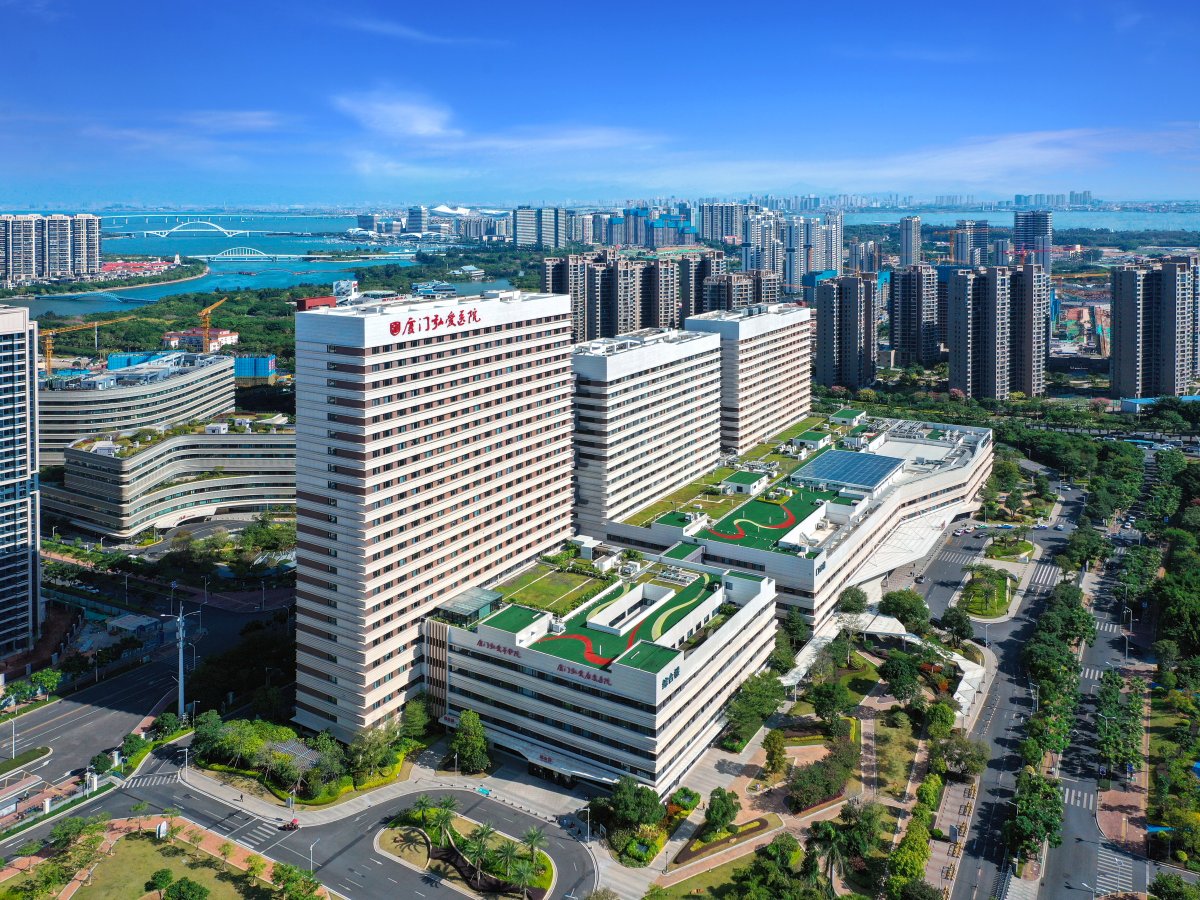
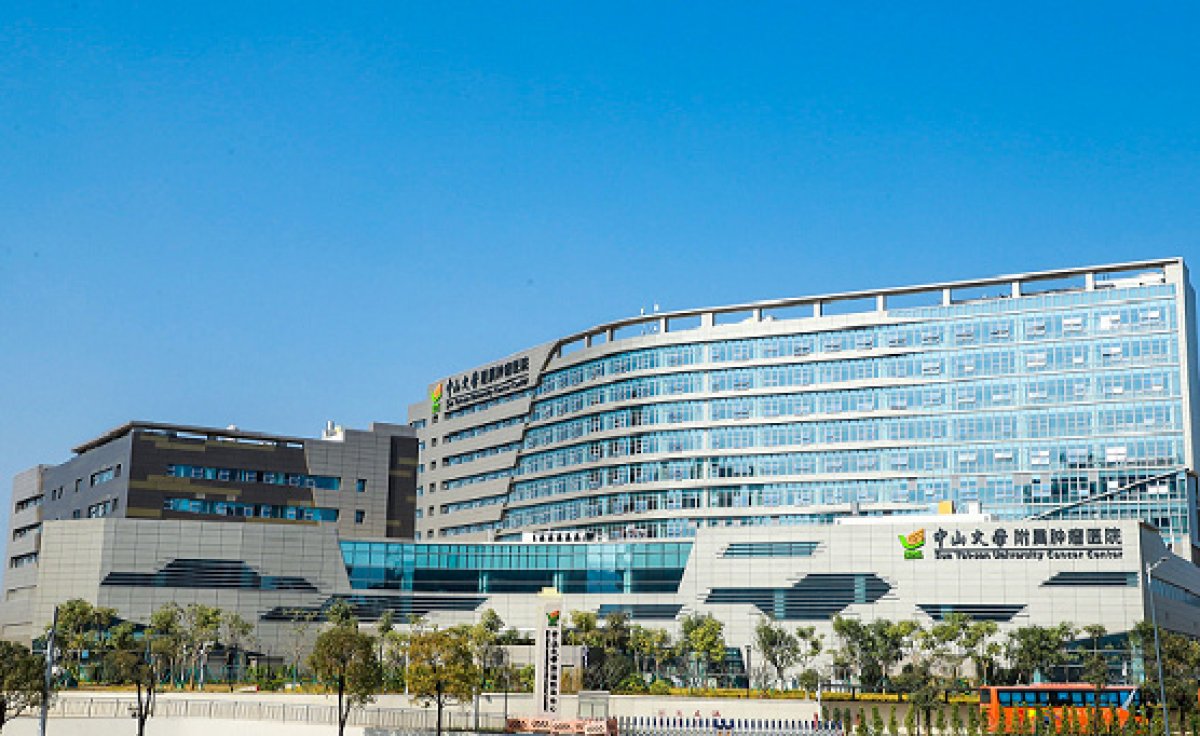
مستشفى شيامن هيومانيتي
Fuda Hospital
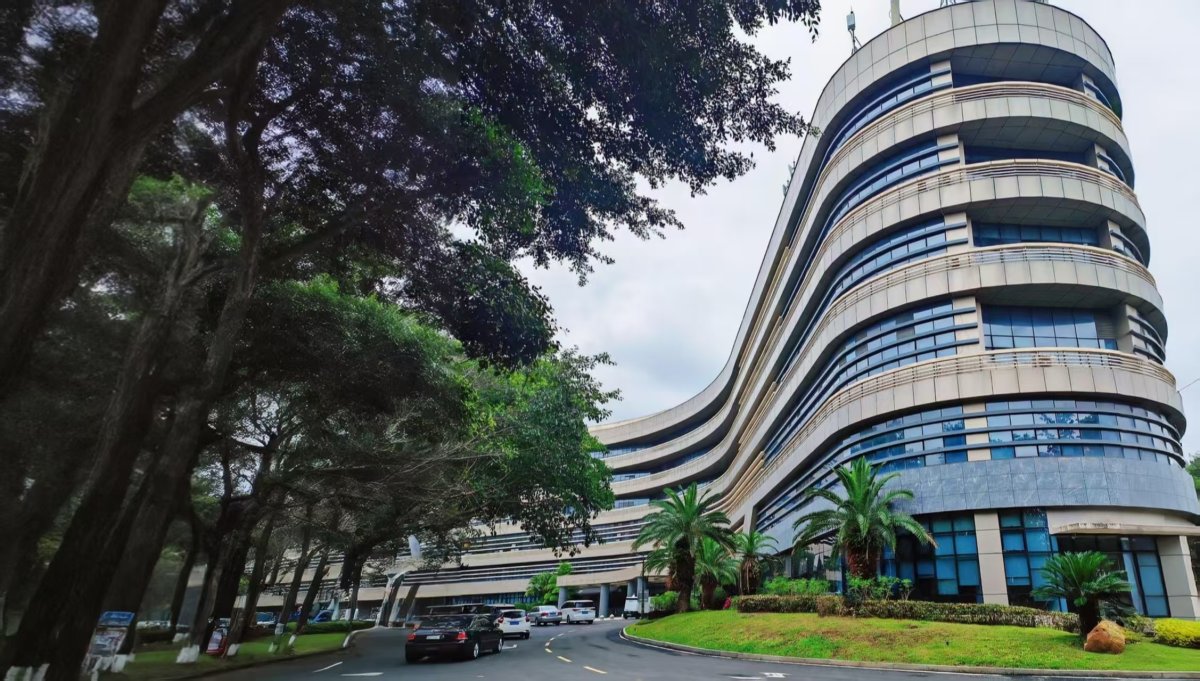
Yanda International Hospital

أفضل مراكز سرطان الأطفال في الصين

  • مستشفى شيامن هيومانيتي, الصين
  • Fuda Hospital, الصين
  • Yanda International Hospital, الصين

احصل على تقييم طبي لـ في الصين: اختر أخصائيك من بين الأفضل في هذا المجال

عرض جميع الأطباء
يؤكد

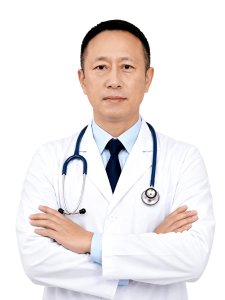
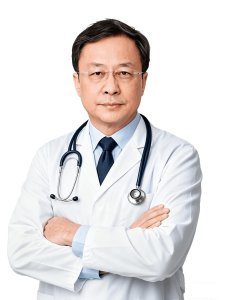
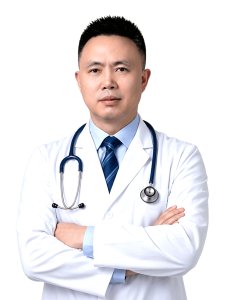
Liu Shi Xin

40سنة خبره ١٦ سنة

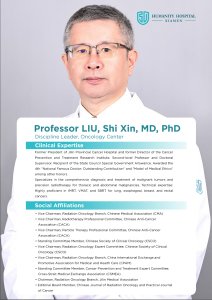
الأستاذ شيشين ليو، دكتور في الطب (MD) ودكتوراه (PhD)، قائد التخصص بمركز الأورام. شغل سابقًا منصب رئيس مستشفى سرطان مقاطعة جيلين ومدير معهد أبحاث الوقاية من السرطان وعلاجه. وهو أستاذ من الدرجة الثانية ومشرف دكتوراه. حصل على العلاوة الحكومية الخاصة من مجلس الدولة، وجائزة الطبيب الوطني الشهير (إسهام بارز) في دورتها الرابعة، وتكريم قدوة في أخلاقيات المهنة الطبية.

يختص بالتشخيص والعلاج الشامل للأورام الخبيثة، ويركز على العلاج الإشعاعي الدقيق لأورام الصدر والبطن. متمرّس في IMRT وVMAT وSBRT لعلاج سرطانات الرئة والمريء والثدي والمستقيم.

تشمل مناصبه القيادية نائب رئيس فرع علاج الأورام الإشعاعي في CMA، ونائب رئيس فرع العلاج الإشعاعي في CACA، ونائب رئيس فرع العلاج بالجسيمات في CACA. وهو عضو اللجنة الدائمة في CSCO ونائب رئيس لجنة خبراء علاج الأورام الإشعاعي في CSCO. كما يشغل منصب نائب رئيس فرع علاج الأورام الإشعاعي في CPAM وعضو اللجنة الدائمة في CSMEA. ويرأس فرع علاج الأورام الإشعاعي بجمعية جيلين الطبية، وهو عضو هيئتي تحرير مجلة الأورام الإشعاعية الصينية ومجلة السرطان العملية.

مشاركة المحتوى

Twitter XLinkedinFacebookWhatsAppEmail
أحصل على الرابط

قصص فيديو من مرضى Bookimed

Dayana
جمعت بين إجازتي في أنطاليا والفحص الطبي.
إجراء: فحص صحة الإناث (انظر فحص النساء)
Igor
كان رائعاً! التنقلات والإقامة والعلاج - كل شيء مشمول.
إجراء: زرع الأسنان
مستشفى: WestDent Clinic
Marina
قام Bookimed بكل شيء من أجلي. لم أضطر للقلق بشأن أي شيء.
إجراء: فحص صحة الإناث (انظر فحص النساء)
مستشفى: Severance Hospital
محدث: 11/10/2025
تأليف
Anna Leonova
Anna Leonova
رئيس فريق تسويق المحتوى
محررة طبية معتمدة لديها خبرة تزيد عن 10 سنوات، طوّرت محتوى Bookimed الموثوق، مدعومة بماجستير في علم اللغة ومقابلات مع خبراء طبيين من جميع أنحاء العالم.
تمت المراجعة من قبل المستشار الطبي في Bookimed
فهد مولود
محرر طبي وعالم بيانات
طبيب عام. حاصل على 4 جوائز علمية. خدم في غرب آسيا. رئيس الفريق الطبي الناطق بالعربية سابقا ومسؤول عن معالجة البيانات ودقة المحتوى الطبي حاليا.
فهد مولود Linkedin
قد تحتوي هذه الصفحة على معلومات تتعلق بمختلف الحالات الطبية والعلاجات وخدمات الرعاية الصحية المتوفرة في بلدان مختلفة. يرجى العلم أن المحتوى مقدم لأغراض إعلامية فقط ولا ينبغي تفسيره على أنه نصيحة أو إرشادات طبية. يرجى استشارة طبيبك أو أخصائي طبي مؤهل قبل البدء أو تغيير العلاج الطبي.

أسئلة متكررة حول سرطان الأطفال في الصين

هذه الأسئلة الشائعة مأخوذة من مرضى حقيقيين يبحثون عن رعاية طبية عبر Bookimed. يتم تقديم الإجابات من قبل منسقين طبيين ذوي خبرة وممثلين موثوقين من العيادات.

What are the evidence-based survival outcomes and cure rates for pediatric oncology patients treated in leading Chinese centers compared with international benchmarks?

Pediatric oncology survival rates in leading Chinese centers now reach 77.2% overall. Top facilities in Beijing and Shanghai report 90% survival for acute lymphoblastic leukemia. This matches international standards. These outcomes stem from standardized protocols and rapid treatment starts within days of diagnosis.

  • Survival rates: Leading centers achieve 90% survival for acute lymphoblastic leukemia cases.
  • Retinoblastoma outcomes: China reports 91.2% survival for these cases, reaching developed nation levels.
  • Clinical volume: Xiamen Humanity Hospital serves 1,000,000 patients annually with specialized pediatric care.
  • Accreditation: Fuda Cancer Hospital and Yanda International Hospital maintain Joint Commission International (JCI) standards.

Bookimed Expert Insight: Data from Yanda International Hospital shows that Class A Level III clinics often blend international protocols with traditional approaches. This combination frequently accommodates over 2,500,000 patients annually. High patient volumes in these top-tier Beijing facilities allow surgeons to gain more practical experience in months than many Western specialists see in years.

Patient Consensus: Parents often choose top Chinese centers because treatment starts almost immediately compared to long Western wait times. While families worry about language barriers, they value hitting 95% cure rates for low-risk cases at specialized oncology units.

Which board certifications and international accreditations do pediatric oncologists at top Chinese centers hold?

Pediatric oncologists at top Chinese centers hold National Health Commission (NHC) certifications and advanced academic titles like Chief Physician. Leading institutions like Fuda Cancer Hospital and Yanda International Hospital maintain Joint Commission International (JCI) accreditation. This ensures adherence to rigorous global safety and treatment standards.

  • Hospital accreditation: JCI-accredited facilities include Fuda Cancer Hospital and Yanda International Hospital.
  • Clinical titles: Top specialists hold Chief Physician or Deputy Chief Physician board rankings.
  • Transplant standards: Centers like Xiamen Humanity Hospital align with EBMT (European Society) protocols.
  • Research credentials: Key staff often hold Society of Clinical Research Associates (SOCRA) certifications.

Bookimed Expert Insight: Data from Yanda International Hospital and Fuda Cancer Hospital indicates a trend toward high-volume specialization. Yanda serves 2,500,000 patients annually and holds Class A Level III status. This volume allows clinicians to gain experience in rare pediatric cases faster than in smaller regional centers.

Patient Consensus: Families often suggest requesting a written credential summary in English before beginning treatment. They note that institutional JCI accreditation is a reliable indicator of quality when individual physician records are hard to verify.

How are chemotherapy doses calculated for children and how is toxicity minimized?

Pediatric oncology centers in China calculate chemotherapy doses using body surface area or weight-based formulas. Methods vary by age, size, and physiological maturity to ensure precision. Doctors at facilities like Fuda Cancer Hospital use these metrics alongside intensive supportive care to minimize systemic toxicity during treatment.

  • Dose calculation: Standard dosing uses body surface area calculated from height and weight.
  • Infant protocols: Children under 10 kg often receive weight-based dosing to prevent overexposure.
  • Toxicity prevention: Hydration protocols and antiemetics like ondansetron manage side effects during administration.
  • Organ protection: Amifostine pre-treatment is frequently used to shield hearing from cisplatin-induced damage.
  • Safety standards: JCI-accredited hospitals like Yanda International follow strict dual-verification for medication safety.

Bookimed Expert Insight: Leading Chinese oncology hospitals often combine international protocols with unique protective strategies. For example, some centers cap cumulative anthracycline doses at 300mg/m² to prioritize long-term heart health. This conservative approach provides a higher safety margin compared to some Western standards. Choosing a Class A Level III clinic ensures access to these rigorous monitoring technologies and specialized pediatric safety protocols.

Patient Consensus: Parents emphasize the importance of tracking daily side effects in a log for the medical team. Collective experiences suggest joining local support groups helps navigate hospital-specific tips and managing the emotional reality of treatment.

Can a child receive advanced CAR-T cell or proton-beam therapy during the same visit without long waiting times?

Children can receive both therapies during one multi-week medical stay. China offers rapid access to proton-beam treatment. However, biological timelines define the process. CAR-T cell manufacturing requires at least 10 days. Proton planning takes several days after the initial simulation scan.

  • CAR-T timeline: Cell collection and engineering require 10 to 14 days.
  • Proton access: Top centers can start sessions within 3 to 5 days.
  • Facility capacity: Xiamen Humanity Hospital serves 1,000,000 patients annually with 47 departments.
  • Accreditation: Fuda Cancer Hospital maintains JCI standards for pediatric and advanced care.

Bookimed Expert Insight: Clinical data shows Chinese centers like Yanda International and Xiamen Humanity manage massive patient volumes. This high throughput often results in more efficient diagnostic pipelines. While CAR-T manufacturing is a fixed biological wait, these hospitals use integrated clinical departments to run proton simulations simultaneously. This overlaps the waiting periods and reduces the total stay by several days.

Patient Consensus: Parents note that starting the approval process via remote hospital groups can cut in-person waiting times. They emphasize that while proton therapy starts quickly, the 10-day lab phase for CAR-T cells is unavoidable.

What kind of molecular and genetic testing is performed on the tumor to guide therapy and how long does it take?

Pediatric oncology centers in China use next-generation sequencing, PCR analysis, and FISH testing to identify actionable mutations. These genomic profiles help doctors select targeted therapies like larotrectinib for specific gene fusions. Standard molecular results typically take 1 to 3 weeks depending on panel complexity.

  • Next-generation sequencing: Panels scan 500+ genes for mutations like ALK, BRAF, and NTRK.
  • FISH and PCR: These rapid tests detect MYCN amplification or TP53 in 7–10 days.
  • Liquid biopsy: Blood-based testing identifies circulating tumor DNA when tissue samples are limited.
  • Full exome sequencing: Comprehensive analysis of all protein-coding genes generally requires 2–3 weeks.
  • Specialized panels: Pediatric 21-gene tests analyze fusion genes and immunotherapy markers like PD-L1.

Bookimed Expert Insight: Chronic disease centers like Xiamen Humanity Hospital manage nearly 1,000,000 patients annually. Their high volume often supports on-site clinical trial capabilities for new cancer drugs. Patients at such large-scale facilities may gain faster access to advanced IVD diagnostic products compared to smaller regional centers.

Patient Consensus: Families often find that major city hospitals deliver results much faster than labs abroad. Some note that ensuring a high-quality tissue sample is the most critical step for successful molecular profiling.

What is the typical inpatient stay and recovery time required to complete the full treatment plan, including stem-cell transplant if needed?

Pediatric oncology treatment in China typically requires 2 to 6 weeks of inpatient care. Autologous transplants usually involve 2 to 3 weeks of hospitalization. Allogeneic procedures often extend stays to 4 or 6 weeks. Full recovery for children takes 3 to 18 months depending on the transplant type.

  • Inpatient stay: Most pediatric patients remain hospitalized for 2 to 6 weeks per cycle.
  • Critical recovery: The first 100 days post-transplant require staying near the medical center.
  • Immune rebuilding: A fragile immune system persists for 3 to 6 months after discharge.
  • Long-term healing: Full stabilization of a new immune system takes 12 to 18 months.
  • Clinic capacity: Yanda International Hospital operates with 3,000 beds and 39 specialized departments.

Bookimed Expert Insight: Chinese tertiary hospitals like Yanda International and Xiamen Humanity Hospital manage massive patient volumes, often exceeding 1,000,000 annually. This high frequency allows clinicians to streamline discharge protocols. Some centers use outpatient NK cell infusions to shorten inpatient stays to 4 weeks, significantly faster than many Western protocols.

Patient Consensus: Parents suggest budgeting 6 to 10 weeks for the inpatient phase and emphasize staying close to the clinic for daily bloodwork. They note that while initial discharge may happen quickly, keeping a strict stock of masks and antivirals is essential for home recovery.

Which cities and hospitals are most preferred for international pediatric oncology patients and why?

International families prefer Beijing and Guangzhou for pediatric oncology due to advanced treatment infrastructure. Beijing hosts Class A Level III centers like Yanda International Hospital, which is JCI-accredited. Guangzhou's Fuda Cancer Hospital attracts patients from 100+ countries with specialized minimally invasive therapies for advanced cases.

  • Specialized technology: Centers offer cryosurgery, NanoKnife, and vascular interventional therapy for pediatric tumors.
  • Clinical volume: Yanda International Hospital serves 2,500,000 patients annually and follows international protocols.
  • Language support: Preferred hospitals in major hubs provide English-speaking coordinators for seamless communication.
  • Accreditation standards: JCI-accredited facilities ensure safety and quality for complex bone marrow transplants.

Bookimed Expert Insight: A clear pattern emerges where high-volume centers leverage massive scale to refine specialized care. Yanda International Hospital performs 9,000 operations annually, while Xiamen Humanity Hospital manages 1,000,000 patients. This immense procedural volume often leads to highly efficient diagnostic timelines for international families.

Patient Consensus: Parents often choose Beijing because international departments handle essential visas very quickly. They note that choosing JCI-accredited facilities in major cities helps avoid common language barriers and ensures better follow-up care.

احصل على استشارة مجانية

حدد أفضل طريقة للاتصال بك