جراحة اليد في الهند — التكاليف 2026


تمت مراجعة المقالة طبيا من قبل
فهد مولود
ما هي تكلفة جراحة اليد في الهند؟ اكتشف الآن
Hand surgery in India typically costs from $2,600 to $4,800. The total expense depends on the specific procedure type, surgical complexity, and the hospital's tier. Patients choosing India for these treatments often benefit from 60-80% savings compared to the cost of similar medical care in the US.
Typical Hand Surgery Costs in India
- Consultation with creation of treatment plan: من $60
- Carpal tunnel syndrome surgery: $850 – $1,500
Medical centers in cities like Mumbai, Delhi, and Bangalore are the primary hubs for hand microsurgery. While prices are generally consistent, regional clinics in cities like Chennai may offer slightly lower rates. Consult with a specialist to get accurate pricing for your specific condition.
| الهند | تركيا | إسبانيا | |
|---|---|---|---|
| فك ضغط العصب الزندي | ≈ $1,900 | ≈ $1,800 | ≈ $2,600 |
| جراحة متلازمة النفق الرسغي | من $850 | من $4,000 | من $3,000 |
| جراحة إعادة بناء اليد | ≈ $3,800 | من $11,700 | ≈ $4,800 |
مزاياك وضماناتك مع Bookimed
أسعار مباشرة
Bookimed لا يضيف رسوماً إضافية على أسعار علاج جراحة اليد. الأسعار مأخوذة من قوائم الأسعار الرسمية للعيادات. تدفع مباشرة في العيادة مقابل علاجك عند وصولك إلى البلد.
عيادات وأطباء معتمدون فقط
Bookimed ملتزم بسلامتك. نحن نعمل فقط مع المؤسسات الطبية التي تحافظ على معايير دولية عالية في علاج جراحة اليد ولديها التراخيص اللازمة لخدمة المرضى الدوليين في جميع أنحاء العالم.
مساعدة مجانية على مدار الساعة
Bookimed يقدم مساعدة خبراء مجانية. منسق طبي شخصي يدعمك قبل وأثناء وبعد العلاج، ويحل أي مشاكل. لن تكون وحيداً أبداً في رحلة علاج جراحة اليد.

منسقك الطبي الشخصي في Bookimed
- يدعمك في كل مرحلة
- المساعدة في اختيار العيادة الطبية المناسبة والطبيب المناسب
- يضمن الوصول السريع والمريح إلى المعلومات
اكتشف أفضل عيادات جراحة اليد: 22 خيارات معتمدة والأسعار
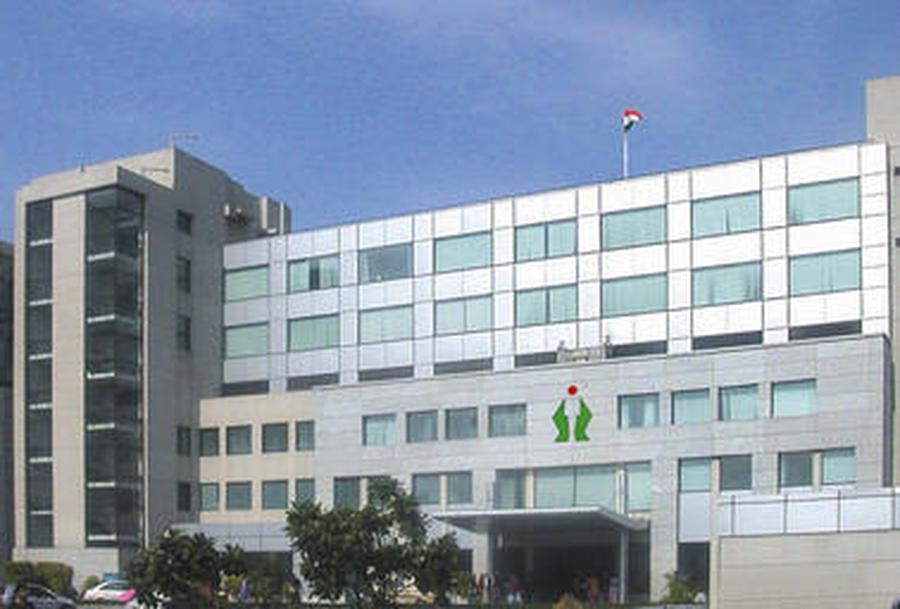






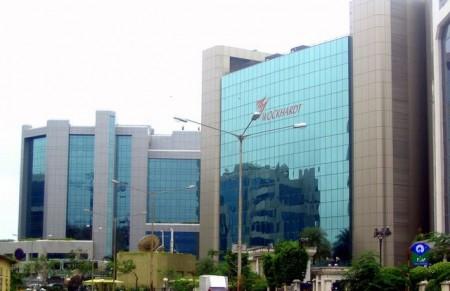
Wockhardt Hospital



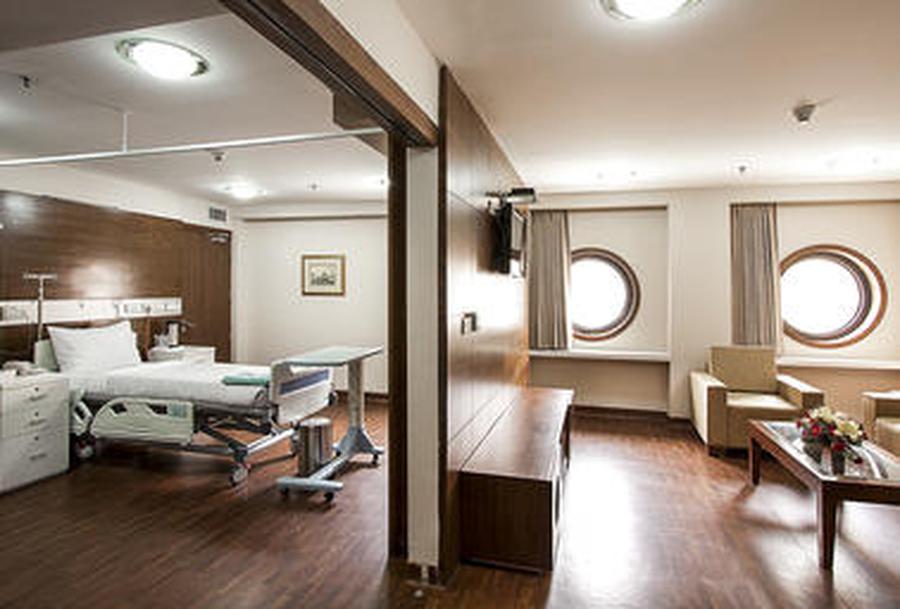
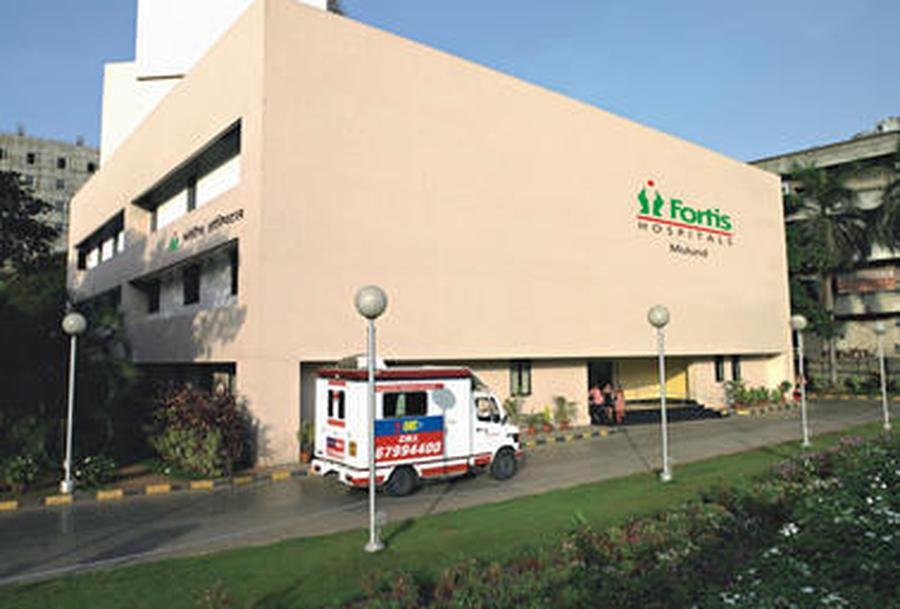


أفضل مراكز جراحة اليد في الهند
- Fortis Escorts Heart Institute, الهند
- Apollo Hospital Indraprastha, الهند
- Wockhardt Hospital, الهند
- BLK Super Speciality Hospital, الهند
- Wockhardt Hospital South Mumbai, الهند
- Kohinoor Hospitals, الهند
- SevenHills Hospital, الهند
- Apollo Hospital Indraprastha, الهند
- Fortis Hospital Mulund, الهند
- Asian Heart Institute, الهند
احصل على تقييم طبي لـ في الهند: اختر أخصائيك من بين الأفضل في هذا المجال
عرض جميع الأطباء
Preeti Yadav
تجمع الدكتورة بريتي ياداف بين الدقة التجميلية والخبرة الترميمية في جراحة اليد في كونارك إستيتكس (Konarc Aesthetics)، مع أكثر من 10 سنوات من الخبرة.
- متخصصة في جراحة ترميم الوجه واليد
- تستخدم تقنيات متقدمة للحصول على نتائج تبدو طبيعية
- نهج شامل مصمم خصيصاً لاحتياجات كل مريض

مشاركة المحتوى
قصص فيديو من مرضى Bookimed
 Anna Leonova
أسئلة متكررة حول جراحة اليد في الهند
ما هي أنواع جراحات اليد الأكثر شيوعاً في الهند؟
تتعامل جراحة اليد في الهند بشكل أساسي مع الإصابات الرضحية والحالات المزمنة. وتعد عمليات تثبيت الكسور وإصلاح الأوتار هي الأكثر تكراراً. وتمثل هذه الإجراءات حوالي 55% من الحالات في المستشفيات الهندية الكبرى. كما تجري المرافق المتخصصة جراحات مجهرية معقدة مثل إعادة توصيل الأعصاب وإعادة زرع الأصابع.
- إصلاح الإصابات: يستخدم الجراحون دبابيس وصفائح لتثبيت كسور الأصابع والمعصم.
- جراحة الأوتار: يقوم الأطباء بإجراء إصلاحات حادة وترقيع معقد للجروح العميقة في اليد.
- الإجراءات الاختيارية: تعد عمليات تحرير النفق الرسغي وإصبع الزناد جراحات قياسية تُجرى في يوم واحد.
- الجراحة المجهرية المتقدمة: تقوم المراكز المتخصصة بإعادة ربط الأصابع المبتورة وإجراء عمليات زراعة يد ناجحة.
- تصحيح العيوب الخلقية: يعالج جراحو الأطفال حالات مثل الأصابع الملتصقة واليد المخلبية الكعبرية.
رؤية خبير Bookimed: تدير العيادات الهندية الحاصلة على اعتمادات JCI وNABH، مثل مستشفى أبولو إندرابراستا ومستشفى BLK Super Speciality، أعداداً هائلة من المرضى. يسمح هذا النطاق للجراحين بصقل التقنيات الجراحية المجهرية. غالباً ما توفر المراكز ذات الحجم الكبير نتائج أفضل لإصلاحات الأعصاب الدقيقة بسبب هذه الممارسة السريرية المستمرة.
إجماع المرضى: يشير المرضى إلى أن تحرير النفق الرسغي إجراء روتيني جداً للعاملين في مجال تكنولوجيا المعلومات في المدن الكبرى. ويؤكد أولئك الذين يتعافون من الصدمات على أهمية التصرف في غضون 48 ساعة واستخدام الجبائر بعد العملية لم
ما هي معدلات النجاح التي يمكن أن يتوقعها السياح الطبيون لجراحات اليد في الهند؟
تحقق جراحة اليد في الهند معدلات نجاح تتراوح بين 90% و98% لمعظم الإجراءات الترميمية. وتبلغ المراكز المتخصصة عن نجاح يزيد عن 95% في إصلاح الكسور وإعادة بناء الأوتار. وتتراوح نتائج الجراحة المجهرية عادةً بين 80% و95%. وتطابق هذه النتائج المعايير الموجودة في الولايات المتحدة وأوروبا.
- نجاح الإجراء: تصل إصلاحات الكسور والأوتار إلى نجاح يزيد عن 95% في المراكز الكبرى.
- مكافحة العدوى: تحافظ المستشفيات المعتمدة من قبل اللجنة الدولية المشتركة (JCI) في الهند على معدلات عدوى أقل من 0.5%.
- الخبرة المتخصصة: غالبًا ما يحصل الجراحون في مستشفى أبولو إندرابراسثا على تدريب دولي فائق التخصص.
- نتائج الجراحة المجهرية: تظهر الإصلاحات الدقيقة للأعصاب والأوعية الدموية استعادة وظيفية بنسبة 80% إلى 95%.
رؤية خبير Bookimed: يعتمد النجاح في الهند بشكل كبير على حجم المرضى في المستشفى والاعتماد. يخدم مستشفى أبولو إندرابراسثا أكثر من 1,000,000 مريض سنويًا. وتطور هذه المراكز ذات الحجم الكبير بروتوكولات جراحية أكثر كفاءة. يرتبط هذا الحجم بشكل مباشر بمعدل النجاح البالغ 98% الذي يظهر في إجراءات اليد الاختيارية. يعد اختيار المرافق المعتمدة من قبل NABH أو JCI الطريقة الأكثر موثوقية لضمان هذه النتائج.
إجماع المرضى: يشير المرضى إلى أن نسبة نجاح 80-90% شائعة في المراكز المتميزة. ويؤكدون أن البقاء لفترة تعافي مدتها أسبوعين يحسن بشكل كبير من القدرة على الحركة النهائية.
ما هي المستشفيات المعترف بها دوليًا لتميزها في جراحة اليد في الهند؟
تشمل المستشفيات الهندية الرائدة في تميز جراحة اليد المرافق المعتمدة من قبل اللجنة الدولية المشتركة (JCI) مثل مستشفى أبولو إندرابراستا ومستشفى BLK التخصصي الفائق. تتخصص هذه المراكز في الجراحة المجهرية المعقدة، وتصحيح تشوهات اليد الخلقية، وإعادة زرع الأطراف. وهي تتبع بروتوكولات السلامة الدولية لضمان معدلات نجاح عالية في إصلاح الأعصاب والأوعية الدموية.
- معايير الاعتماد: يحمل مستشفى أبولو إندرابراستا ومستشفى BLK التخصصي الفائق شهادات JCI و NABH.
- الحجم السريري: يعالج مستشفى أبولو إندرابراستا أكثر من 1,000,000 مريض دولي ومحلي كل عام.
- الجراحة المجهرية المتقدمة: تجري المراكز الإقليمية إجراءات معقدة مثل عمليات زراعة اليد المزدوجة وإعادة زرع الأصابع.
- الخبرة المتخصصة: غالبًا ما يحمل الجراحون درجات الماجستير في الجراحة (MCh) في الجراحة التجميلية والترميمية مثل الدكتورة بريتي ياداف.
رؤية خبير Bookimed: يعد حجم المرضى مؤشرًا رئيسيًا للجودة في الهند. تستفيد الشبكات الكبيرة مثل مستشفيات أبولو من نطاقها الهائل للحفاظ على مختبرات تشخيصية متخصصة. تسمح هذه البنية التحتية للجراحين بإجراء عمليات ترميم معقدة لليد قد لا تكون المرافق الأصغر مجهزة للتعامل معها.
إجماع المرضى: يؤكد المرضى على ضرورة التحقق مما إذا كان الجراح قد أكمل زمالة محددة في جراحة اليد. كما يوصون بترتيب العلاج الطبيعي بعد الجراحة محليًا قبل السفر لضمان تعافٍ سلس بعد العودة إلى الوطن.
كم تستغرق فترة الاستشفاء والتعافي الكامل عادةً لمرضى جراحة اليد في الهند؟
تتطلب جراحة اليد في الهند عادةً الاستشفاء لمدة يوم إلى 3 أيام. الإجراءات البسيطة مثل تحرير النفق الرسغي تسمح غالباً بالخروج في نفس اليوم. قد تتطلب حالات الترميم الكبيرة من 5 إلى 7 أيام. يستغرق التعافي الوظيفي عادةً من 3 إلى 6 أشهر. تعود القوة الكاملة غالباً بعد 12 شهراً.
- الإقامة في المستشفى: الجراحات البسيطة تكون في العيادات الخارجية، بينما تتطلب إصلاحات العظام أو الأوتار من يوم إلى 3 أيام.
- الشفاء الأولي: تُزال الجبائر والغرز عادةً بعد 10 إلى 14 يوماً من التعافي.
- بدء التأهيل: تبدأ تمارين نطاق الحركة المبكرة والعلاج الطبيعي عادةً في غضون أسبوعين إلى 6 أسابيع.
- العودة الوظيفية: يستأنف معظم المرضى الأنشطة اليومية الخفيفة والعمل المكتبي بعد 6 إلى 12 أسبوعاً.
رؤية خبير Bookimed: غالباً ما تستخدم المراكز الهندية مثل مستشفى أبولو إندرابراستا ومستشفى BLK Super Speciality بروتوكولات الخروج السريع. تركز هذه المرافق المعتمدة من JCI على التحريك المبكر لتسريع التعافي. تُظهر بياناتنا أن المرضى في المراكز ذات الحجم الكبير يبدأون العلاج الطبيعي في وقت أقرب. هذا التركيز على التأهيل المبكر يمكن أن يقلل الجدول الزمني الإجمالي للتعافي بعدة أسابيع.
إجماع المرضى: يشير المرضى إلى أن الخروج من المستشفى لا يعني الشفاء التام. يوصي الكثيرون بترتيب المساعدة في المهام اليومية لمدة 4 أسابيع على الأقل بينما تظل اليد في الجبيرة.
ما هي الأسئلة الرئيسية التي يجب على المرضى طرحها أثناء استشارة ما قبل الجراحة مع جراح يد هندي؟
يجب على المرضى السؤال عن خبرة الجراح المحددة في تشخيصهم والجدول الزمني المتوقع للتعافي الوظيفي. استفسر عن شهادات اللجنة الدولية المشتركة (JCI) أو المجلس الوطني لاعتماد المستشفيات ومقدمي الرعاية الصحية (NABH). تأكد مما إذا كان الجراح الرئيسي يقوم بإجراء العملية بأكملها شخصياً.
- الخبرة السريرية: اسأل عن معدلات المضاعفات وإعادة العمليات الجراحية الخاصة بالجراح لإجراءك.
- تفاصيل التعافي: اطلب جدولاً زمنياً متشائماً للعودة إلى الكتابة أو القيادة أو ممارسة الرياضة.
- معايير المنشأة: تحقق مما إذا كان المستشفى حاصلاً على اعتماد NABH أو JCI لسلامة المرضى.
- خطة العلاج الطبيعي: تأكد مما إذا كانت العيادة توفر علاجاً يدوياً معتمداً داخلياً أو إحالات خارجية.
رؤية خبير Bookimed: تتعامل المراكز ذات الحجم الكبير مثل مستشفى أبولو إندرابراستا مع أكثر من 1,000,000 مريض دولي سنوياً. تظهر البيانات أن هذه المؤسسات الكبيرة غالباً ما تمتلك مختبرات تشخيصية متخصصة توفر تصاريح ما قبل الجراحة بشكل أسرع. يمكن لهذه الكفاءة أن تقلل من إجمالي إقامتك في الهند بعدة أيام مقارنة بالعيادات الأصغر.
إجماع المرضى: يحذر المرضى من قبول تقديرات التعافي الغامضة ويقترحون السؤال بدقة عن متى يمكنك القيام بالمهام اليومية مثل الاستحمام. كما يوصون بطلب تفصيل دقيق للتكاليف لتجنب المفاجآت المتعلقة بالعلاج بعد الجراحة أو الأدوية.