العودة إلى الصفحة الرئيسية
820К+ مريضًا حصلوا على المساعدة منذ عام 2014
50 دول
1,500 عيادات
6K+ تقييمات
3K+ طبيب مؤهل

ما هي تكلفة جراحة اليد في الصين؟ اكتشف الآن

Hand surgery in China typically costs from $1,800 to $5,400. The final price depends on the complexity of the procedure, whether you choose a public hospital or a private international clinic, and the length of your hospital stay. Patients can expect 50-70% savings compared to the US.

Typical Hand surgery Costs in China

  • Carpal tunnel syndrome surgery: $1,800 – $5,400

Most specialized hand surgery centers are located in Beijing and Shanghai, where prices are generally higher than in cities like Dalian. Costs in Tier 1 cities often reflect the availability of English-speaking staff. Consult with a specialist to get accurate pricing for your specific condition.

الصينتركياإسبانيا
جراحة متلازمة النفق الرسغيمن $1,800من $1,500من $2,100
تم التحقق من البيانات بواسطة Bookimed اعتبارًا من June 2026، استنادًا إلى طلبات المرضى والعروض الرسمية من 1 عيادة حول العالم. تستند التكاليف المتوسطة إلى الفواتير الحقيقية (2025–2026) ويتم تحديثها شهريًا. قد تختلف الأسعار الفعلية.

مزاياك وضماناتك مع Bookimed

أسعار مباشرة

Bookimed لا يضيف رسوماً إضافية على أسعار علاج جراحة اليد. الأسعار مأخوذة من قوائم الأسعار الرسمية للعيادات. تدفع مباشرة في العيادة مقابل علاجك عند وصولك إلى البلد.

عيادات وأطباء معتمدون فقط

Bookimed ملتزم بسلامتك. نحن نعمل فقط مع المؤسسات الطبية التي تحافظ على معايير دولية عالية في علاج جراحة اليد ولديها التراخيص اللازمة لخدمة المرضى الدوليين في جميع أنحاء العالم.

مساعدة مجانية على مدار الساعة

Bookimed يقدم مساعدة خبراء مجانية. منسق طبي شخصي يدعمك قبل وأثناء وبعد العلاج، ويحل أي مشاكل. لن تكون وحيداً أبداً في رحلة علاج جراحة اليد.


لماذا نحن؟

منسقك الطبي الشخصي في Bookimed

  • يدعمك في كل مرحلة
  • المساعدة في اختيار العيادة الطبية المناسبة والطبيب المناسب
  • يضمن الوصول السريع والمريح إلى المعلومات

مشاركة المحتوى

Twitter XLinkedinFacebookWhatsAppEmail
أحصل على الرابط

قصص فيديو من مرضى Bookimed

Dayana
جمعت بين إجازتي في أنطاليا والفحص الطبي.
إجراء: فحص صحة الإناث (انظر فحص النساء)
Igor
كان رائعاً! التنقلات والإقامة والعلاج - كل شيء مشمول.
إجراء: زرع الأسنان
مستشفى: WestDent Clinic
Marina
قام Bookimed بكل شيء من أجلي. لم أضطر للقلق بشأن أي شيء.
إجراء: فحص صحة الإناث (انظر فحص النساء)
مستشفى: Severance Hospital
محدث: 11/10/2025
تأليف
Anna Leonova
Anna Leonova
رئيس فريق تسويق المحتوى
محررة طبية معتمدة لديها خبرة تزيد عن 10 سنوات، طوّرت محتوى Bookimed الموثوق، مدعومة بماجستير في علم اللغة ومقابلات مع خبراء طبيين من جميع أنحاء العالم.
تمت المراجعة من قبل المستشار الطبي في Bookimed
فهد مولود
محرر طبي وعالم بيانات
طبيب عام. حاصل على 4 جوائز علمية. خدم في غرب آسيا. رئيس الفريق الطبي الناطق بالعربية سابقا ومسؤول عن معالجة البيانات ودقة المحتوى الطبي حاليا.
فهد مولود Linkedin
قد تحتوي هذه الصفحة على معلومات تتعلق بمختلف الحالات الطبية والعلاجات وخدمات الرعاية الصحية المتوفرة في بلدان مختلفة. يرجى العلم أن المحتوى مقدم لأغراض إعلامية فقط ولا ينبغي تفسيره على أنه نصيحة أو إرشادات طبية. يرجى استشارة طبيبك أو أخصائي طبي مؤهل قبل البدء أو تغيير العلاج الطبي.

أسئلة متكررة حول جراحة اليد في الصين

هذه الأسئلة الشائعة مأخوذة من مرضى حقيقيين يبحثون عن رعاية طبية عبر Bookimed. يتم تقديم الإجابات من قبل منسقين طبيين ذوي خبرة وممثلين موثوقين من العيادات.

What are the risks and safety profile of hand surgery in Chinese hospitals?

Hand surgery in China offers high safety for traumatic injuries, with limb replantation success rates exceeding 97%. Modern facilities utilize microsurgery and wide-awake local anesthesia for tendon repairs. Leading centers in Beijing and Shanghai maintain strict sterilization protocols. Top-tier hospitals manage high patient volumes efficiently.

  • Expert credentials: Specialists like Dr. Bo Liu possess 20+ years of wrist surgery experience.
  • Surgical mastery: High-volume centers perform complex microvascular nerve repairs and skin flap transplantations daily.
  • Safety protocols: Major hospitals have improved surgical safety checklist completion rates to over 80%.
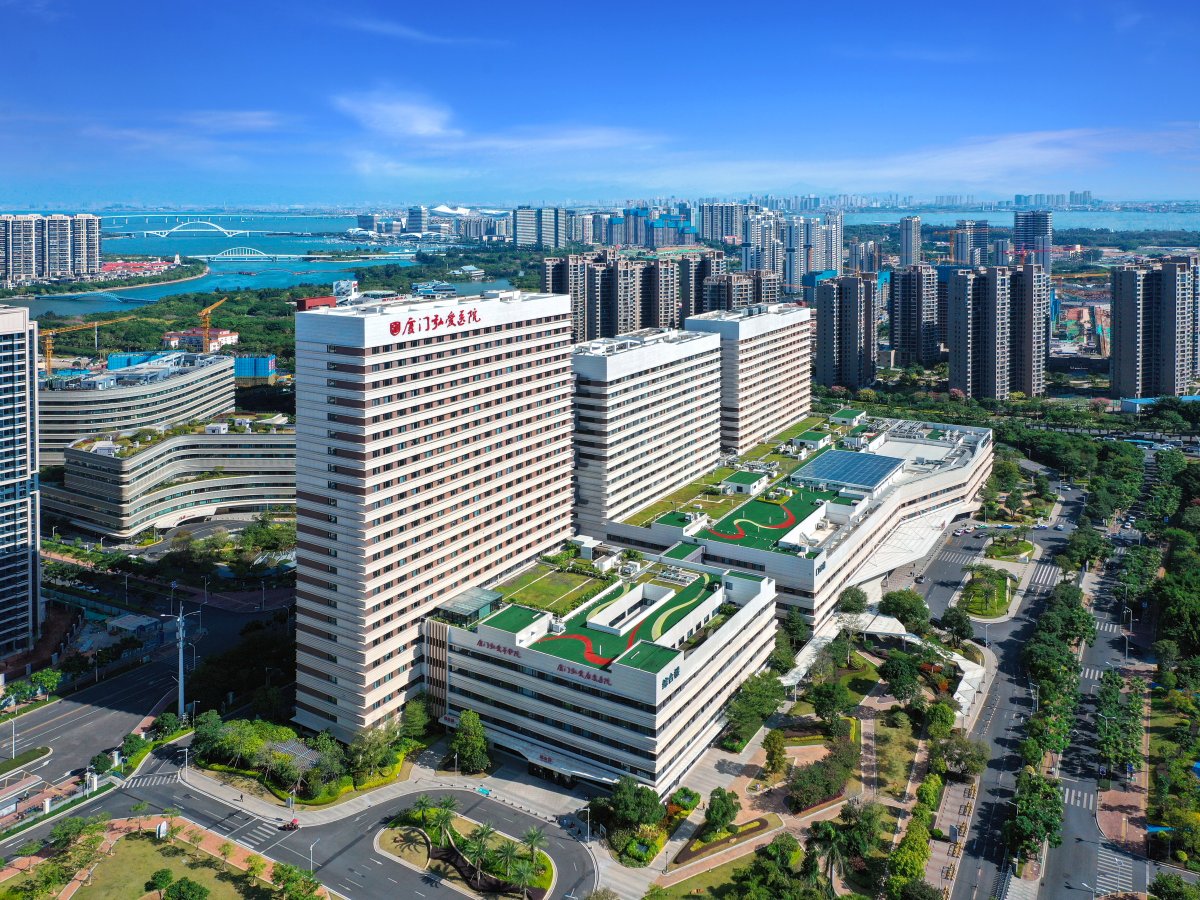
  • Facility capacity: Large institutions like Xiamen Humanity Hospital operate with 1,000 inpatient beds.

Bookimed Expert Insight: Clinical volume is the strongest indicator of safety for hand procedures in China. Large hospitals with over 40 departments, such as Xiamen Humanity Hospital, manage 1,000,000 patients annually. This massive caseload ensures surgeons maintain peak technical proficiency in microsurgery. Patients should choose these high-capacity centers to ensure rapid intervention if complications occur.

Patient Consensus: Patients note that sticking to top-tier facilities in major cities reduces risks. They often recommend verifying all medications and pre-operative bloodwork to ensure the best results.

What qualifications do Chinese hand surgeons have?

Chinese hand surgeons must complete 5 to 8 years of medical education and specialized training. They progress through a strict ranking system from Resident to Professor. Leading specialists often hold PhD degrees. Many achieve certification through national exams and clinical publications in scientific journals.

  • Medical education: Surgeons complete 5-year Bachelor's degrees or 8-year integrated doctoral programs.
  • Specialized training: Graduates undergo 3 to 5 years of rigorous surgical specialist training.
  • Certification exams: Candidates must pass provincial milestones and a final national specialist examination.
  • Clinical ranking: Qualified specialists serve as Attending Doctors, Associate Professors, or Chief Physicians.

Bookimed Expert Insight: Seniority in Chinese hand surgery is often defined by hospital tier and publication records. Prof. Bo Liu at Beijing Jishuitan Hospital holds a PhD and tutors Master's students. This level of academic involvement usually correlates with high surgical volumes. Patients should look for surgeons who serve as committee members in the Chinese Medical Association. These roles signify national recognition of their surgical expertise and clinical results.

Patient Consensus: Patients emphasize that top Chinese surgeons excel at complex limb salvage and replantation procedures. They recommend choosing specialists at large tier-3 hospitals who have completed international fellowships in the US or Europe.

Which procedures are most commonly offered to medical tourists?

Medical tourists in China commonly seek advanced hand and wrist procedures. These include diagnostic wrist arthroscopy, microvascular nerve repair, and reconstruction for congenital defects. Specialized centers like Xiamen Humanity Hospital provide intensive microsurgical treatments. Procedures often focus on restoring complex functionality through tendon transfers and skin flap transplantation.

  • Minimally invasive options: Surgeons perform arthroscopic TFCC repair and wrist arthroscopy.
  • Functional reconstruction: Specialists offer tendon transfer surgery and peripheral nerve repair.
  • Congenital care: Clinics provide dedicated reconstruction for congenital hand and limb deformities.
  • Trauma recovery: Facilities prioritize fracture internal fixation and microsurgical skin flap repair.

Bookimed Expert Insight: Leading Chinese hand surgeons often have deep academic roots. Dr. Bo Liu at Beijing Jishuitan Hospital serves as the Secretary General for the Chinese Medical Association's Wrist Joint Group. Choosing a surgeon who also translates or edits medical textbooks reflects a high level of technical mastery. This expertise is vital for complex microvascular procedures where precision determines long-term mobility.

Patient Consensus: Patients emphasize that while surgical skill is high, language barriers can make explaining pain levels difficult. It is vital to coordinate a rehabilitation plan with a local therapist before traveling for surgery.

How will scars look, and what scar management is provided?

Hand surgery scars in China typically appear as thin linear lines. These marks generally fade from red to skin-toned over 12 to 18 months. Specialized techniques like microsurgery and wrist arthroscopy minimize incision size. Surgeons often use intradermal sutures to ensure finer, less noticeable results.

  • Incision appearance: Palm-side incisions are often 2–4 cm and eventually become faint white lines.
  • Specialized techniques: Prof. Dr. Bo Liu utilizes wrist arthroscopy to perform complex repairs through tiny ports.
  • Scar management: Clinics provide silicone gel and pressure garments for 3–6 months to flatten tissue.
  • Advanced therapies: Some centers offer laser therapy during follow-up to reduce redness and improve texture.

Bookimed Expert Insight: High-volume centers like Xiamen Humanity Hospital, treating 1,000,000 patients annually, often standardize post-operative care. This volume allows surgeons to refine microsurgical nerve and tendon repairs. Patients should check if their package includes premium silicone products or basic hospital brands.

Patient Consensus: Patients note that back-of-hand scars heal quickly but emphasize daily massage from week 4. Many recommend bringing high-quality SPF 50+ sunscreen to prevent the new scar tissue from darkening.

When can I fly home and resume daily activities?

Patients typically fly home 2 to 7 days after hand surgery in China. Minor procedures like carpal tunnel release allow travel within 48 hours. Complex nerve repairs or bone fixations require 5 to 7 days of local monitoring. Full recovery for daily tasks takes 6 to 8 weeks.

  • Travel window: Flight readiness usually occurs 2 to 5 days after most outpatient hand procedures.
  • Daily activities: Typing and light desk work often resume within 7 to 10 days post-op.
  • Physical therapy: Intensive hand rehabilitation typically begins 1 to 2 weeks after the initial surgery.
  • Heavy lifting: Patients must avoid strenuous activities and heavy lifting for 4 to 6 weeks.

Bookimed Expert Insight: Hand surgery specialists in Beijing often use microsurgical techniques that minimize tissue trauma. This approach helps domestic and international patients stabilize faster for travel. At centers like Xiamen Humanity Hospital, high patient volumes lead to very streamlined discharge protocols. This efficiency allows many travelers to begin their return journey sooner than in many Western clinics.

Patient Consensus: Patients note that flying with a splinted hand is manageable but requires keeping the arm elevated during the flight. Most recommend bringing official surgeon notes to quickly clear airport security scans without issues.

What is the standard length of stay for hand surgery in China?

Standard recovery for hand surgery in China ranges from 24 hours to 10 days. Simple procedures like carpal tunnel release often require only 1 to 2 days. Complex microsurgery or nerve reconstruction can extend stays to 9 days in most Chinese public hospitals.

  • Minor procedures: Routine surgeries typically allow for discharge within 1 to 2 days.
  • Complex reconstruction: Nerve and tendon repairs often require 8 to 10 hospital days.
  • Day surgery: Modern ambulatory programs in major cities aim for discharge within 24 hours.
  • Advanced microsurgery: Large-scale trauma or limb reattachment can require over 30 days.

Bookimed Expert Insight: High-volume centers like Xiamen Humanity Hospital manage 1,000,000 patients annually across 47 departments. This massive scale drives extreme efficiency in surgical turnover. Patients can expect faster discharge in these tertiary hubs compared to smaller regional clinics. Expert surgeons such as Dr. Bo Liu at Beijing Jishuitan Hospital prioritize minimally invasive wrist arthroscopy. These techniques are specifically designed to reduce hospital stays and accelerate physical therapy starts.

Patient Consensus: Patients note that major city hospitals prioritize very fast turnover for straightforward cases. It is important to arrange home support early since rehab usually begins immediately after discharge.

Which Chinese cities are best known for hand surgery for international patients?

Shanghai and Beijing are the primary hubs for hand surgery in China for international patients. These cities feature specialized departments for complex microsurgery and wrist reconstruction. Facilities there often hold JCI accreditation. They provide multilingual services and expert care for peripheral nerve repair and congenital deformities.

  • Specialized centers: Shanghai hospitals perform thousands of replantations annually with high success rates.
  • Expert surgeons: Dr. Bo Liu in Beijing specializes in minimally invasive wrist arthroscopy.
  • Advanced techniques: Clinics offer TFCC repair, skin flap transplantation, and microvascular nerve repair.
  • International standards: JCI-accredited facilities in Beijing integrate Western surgery with advanced rehabilitation protocols.

Bookimed Expert Insight: Choosing a specialist with international training in Beijing or Shanghai significantly improves the experience. For instance, Dr. Bo Liu at Beijing Amcare Hospital served as a visiting scholar at the Mayo Clinic. Surgeons with this global exposure typically offer better communication and understand international medical protocols.

Patient Consensus: Patients recommend choosing VIP wards in major cities to bypass long waits and language barriers. While technical skills are excellent in provincial centers, communication is much smoother in Beijing and Shanghai hospitals.

احصل على استشارة مجانية

حدد أفضل طريقة للاتصال بك

