عيادات طب الأسنان في الهند


تمت مراجعة المقالة طبيا من قبل
فهد مولود
ما هي تكلفة طب الأسنان في الهند؟ اكتشف الآن
Dental treatment in India typically costs from $300 to $3,200, depending on the complexity of the procedure and the materials used. Factors such as the dentist's expertise and clinic technology also influence the final price. Patients can often achieve 70-85% savings compared to prices in the United States.
Typical Dentistry Costs in India
- Consultation with creation of treatment plan: السعر عند الطلب
- Skull CT scan: السعر عند الطلب
- All-on-4 Dental Implants: من $4,800
- Braces: السعر عند الطلب
- Veneers: السعر عند الطلب
- All-on-6 Dental Implants: من $4,300
- Tooth Whitening: من $150
- Tooth Extraction: $40 – $100
- Root canal treatment: السعر عند الطلب
- Invisalign: السعر عند الطلب
Major dental hubs include New Delhi, Mumbai, Bengaluru, and Hyderabad. While Tier-1 cities house advanced accredited centers, smaller cities may offer lower overhead costs. Consult with a dental specialist to receive a detailed treatment plan and accurate pricing for your specific needs.
| الهند | تركيا | تايلاند | |
|---|---|---|---|
| لومينير | من $400 | من $220 | من $300 |
| قلع الأسنان | ≈ $40 | من $40 | من $30 |
| قشرة البورسلين | ≈ $230 | من $160 | من $310 |
| زراعة الأسنان برنامج شامل - 6 | من $4,300 | من $4,200 | من $10,200 |
| زراعة الأسنان برنامج شامل - 4 | من $4,800 | من $3,200 | من $9,500 |
جميع أمراض طب الأسنان
مزاياك وضماناتك مع Bookimed
أسعار مباشرة
Bookimed لا يضيف رسوماً إضافية على أسعار علاج طب الأسنان. الأسعار مأخوذة من قوائم الأسعار الرسمية للعيادات. تدفع مباشرة في العيادة مقابل علاجك عند وصولك إلى البلد.
عيادات وأطباء معتمدون فقط
Bookimed ملتزم بسلامتك. نحن نعمل فقط مع المؤسسات الطبية التي تحافظ على معايير دولية عالية في علاج طب الأسنان ولديها التراخيص اللازمة لخدمة المرضى الدوليين في جميع أنحاء العالم.
مساعدة مجانية على مدار الساعة
Bookimed يقدم مساعدة خبراء مجانية. منسق طبي شخصي يدعمك قبل وأثناء وبعد العلاج، ويحل أي مشاكل. لن تكون وحيداً أبداً في رحلة علاج طب الأسنان.

منسقك الطبي الشخصي في Bookimed
- يدعمك في كل مرحلة
- المساعدة في اختيار العيادة الطبية المناسبة والطبيب المناسب
- يضمن الوصول السريع والمريح إلى المعلومات
اكتشف أفضل عيادات طب الأسنان: 42 خيارات معتمدة والأسعار




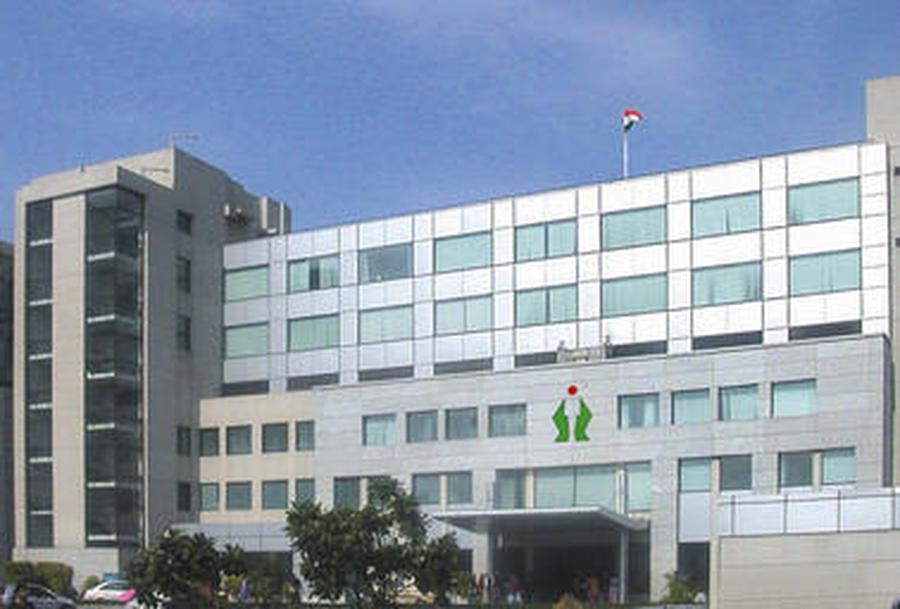



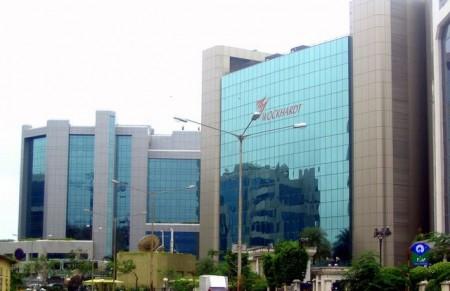
Wockhardt Hospital







أفضل مراكز طب الأسنان في الهند
- Artemis Hospitals, الهند
- Fortis Escorts Heart Institute, الهند
- Apollo Hospital Indraprastha, الهند
- Medanta Hospital, الهند
- Wockhardt Hospital, الهند
- Manipal Hospitals, الهند
- Global Hospital Chennai, الهند
- BLK Super Speciality Hospital, الهند
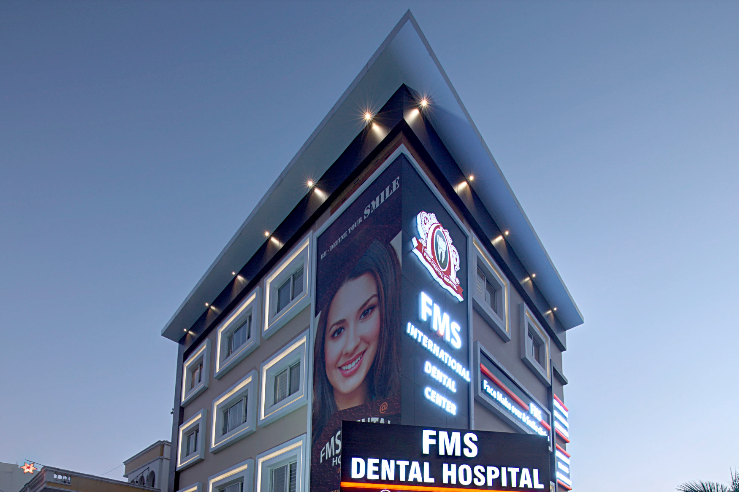
- FMS International Dental Center, الهند
- Global Hospital Mumbai, الهند
احصل على تقييم طبي لـ طب الأسنان في الهند. استشر الآن 53 أطباء ذوي الخبرة.
عرض جميع الأطباء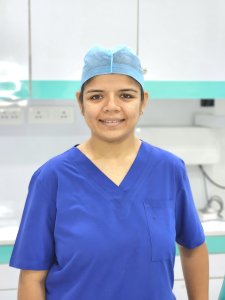
Dr. Burute
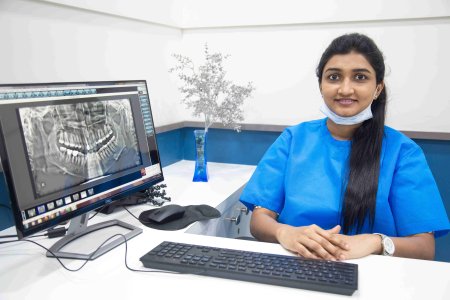
Priyal Virani
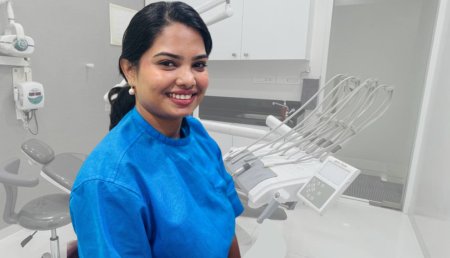
Kiran Kapde Dadhe
Rohan Virani
قصص فيديو من مرضى Bookimed
مواد ذات صلة
عرض المزيد من التفاصيل
شرح أسنان تركيا: علاجات الأسنان ذات المستوى العالمي بأقل تكلفة
كتب بواسطة Kateryna Zamkovska

أفضل 7 عيادات أسنان كورية في 2025
كتب بواسطة Mariia Mytrofankina

ابتسامة أكثر إشراقاً بأقل تكلفة في عام 2025: دليل عمل الأسنان الخاص بك في تركيا
كتب بواسطة Anna Leonova

تكلفة زراعة الأسنان لكامل الفم: ما يمكن توقعه في عام 2025
كتب بواسطة Mariia Mytrofankina

أسعار باقة فينيرز تركيا طب الأسنان التجميلي بأسعار معقولة
كتب بواسطة Kateryna Zamkovska
مشاركة المحتوى
 Anna Leonova
أسئلة متكررة حول طب الأسنان في الهند
هل رعاية الأسنان في الهند آمنة ومنظمة؟
تعد رعاية الأسنان في الهند آمنة عند اختيار المرافق المعتمدة من قبل المجلس الوطني للاعتماد للمستشفيات ومقدمي الرعاية الصحية (NABH). ينظم مجلس طب الأسنان في الهند (DCI) الممارسين. تتبع أفضل العيادات في دلهي ومومباي بروتوكولات التعقيم الدولية وتستخدم علامات تجارية عالمية للزرعات.
- الرقابة التنظيمية: يجب على جميع أطباء الأسنان الممارسين التسجيل في مجلس طب الأسنان في الهند (DCI).
- المعايير السريرية: تحافظ المراكز الرائدة مثل مستشفيات أرتميس على اعتماد اللجنة الدولية المشتركة (JCI).
- التكنولوجيا المتقدمة: تستخدم العيادات ترميمات CAD/CAM، وتصميم الابتسامة الرقمي، وتخطيط الزرعات الموجه بـ CBCT.
- التدريب المهني: غالبًا ما يتمتع متخصصون مثل الدكتور أنوبام سينها بتدريب سريري دولي متقدم.
رؤية خبير Bookimed: تظهر البيانات أن المراكز ذات الحجم الكبير في المدن الكبرى توفر الأمان الأكثر اتساقًا. على سبيل المثال، يخدم مركز FMS الدولي لطب الأسنان 1,000,000 مريض سنويًا ويتمتع بتصنيفات عالمية. يسمح هذا الحجم السريري لهذه المراكز بالاستثمار في تكنولوجيا تعقيم باهظة الثمن قد تفتقر إليها العيادات الريفية الصغيرة.
إجماع المرضى: يؤكد المرضى أن النتائج ذات المستوى العالمي شائعة في المدن الكبرى مثل بنغالورو أو دلهي. ويشيرون إلى أنه من الضروري التحقق من تسجيل طبيب الأسنان المحدد في سجل DCI والإصرار على رؤية جهاز التعقيم (الأوتوكلاف) قبل بدء العلاج.
ماذا لو حدث خطأ ما بعد عودتي إلى المنزل؟
تتم إدارة مشاكل ما بعد العلاج في الهند من خلال الاستشارات عن بُعد والمتابعات المحلية. توفر مراكز طب الأسنان الهندية مثل مركز FMS الدولي لطب الأسنان مراسلة مع الجراحين على مدار الساعة طوال أيام الأسبوع للحصول على توجيه فوري. يجب على المرضى تأمين طبيب أسنان محلي لإجراء تعديلات بسيطة قبل السفر. تقدم معظم العيادات إعادة تصنيع مجانية في حالة فشل المواد.
- الدعم عن بُعد: يقدم المتخصصون استشارات عبر الفيديو وتخطيط علاج رقمي ثلاثي الأبعاد.
- الجودة السريرية: تمتلك مرافق مثل مستشفيات مانيبال اعتمادات رعاية صحية دولية من JCI و NABH.
- رعاية الطوارئ: يجب أن يكون لدى المرضى طبيب أسنان محلي جاهز للتعامل مع المضاعفات الفورية بعد الرحلة.
- إصلاحات الضمان: تغطي أفضل العيادات غالبًا قطع الغيار إذا فشلت التيجان أو القشور الخزفية في وقت مبكر.
رؤية خبير Bookimed: تتبع العيادات ذات حجم المرضى المرتفع، مثل مركز FMS الدولي لطب الأسنان الذي يخدم مليون مريض سنويًا، بروتوكولات دولية موحدة. تظهر بياناتنا أن هذه المراكز واسعة النطاق تقدم عادةً أنظمة دعم طويلة الأجل أكثر قوة. وغالبًا ما توفر وصولاً مباشرًا إلى كبار الجراحين مثل الدكتور دوشيانت بول للمخاوف بعد الجراحة.
إجماع المرضى: يؤكد المرضى على الحاجة إلى وضع ميزانية للمتابعات المحلية. ويشيرون إلى أن الالتهابات يمكن أن تشتعل بعد الرحلات الطويلة بسبب هواء المقصورة وتغيرات الضغط. يوصي الكثيرون بأن يقوم طبيب أسنان محلي بمراجعة خطة العلاج الخارجية قبل المغادرة إلى الهند.
كم من الوقت أحتاج للبقاء من أجل الغرسات؟
عادةً ما يبقى المرضى في الهند لمدة تتراوح بين 7 إلى 14 يومًا للمرحلة الأولية لزراعة الأسنان. تتضمن الغرسات الفردية جراحة تستغرق من ساعة إلى ساعتين. تتطلب إجراءات تقويم الأسنان الكاملة مثل All-on-4 أو All-on-8 مزيدًا من الوقت للتعديلات. تليها رحلة قصيرة ثانية بعد 3 إلى 6 أشهر.
- الجراحة الأولية: يتم وضع الغرسات في غضون 1 إلى 3 أيام من الوصول إلى الهند.
- فترة التعافي: يعود المرضى عادةً إلى روتينهم الطبيعي بعد يومين إلى 3 أيام من الجراحة.
- مرحلة الشفاء: يستغرق اندماج العظام، المعروف باسم الاندماج العظمي، من 3 إلى 6 أشهر ليكتمل.
- الترميم النهائي: يلزم إجراء زيارة ثانية لمدة 3 إلى 5 أيام لوضع التاج الدائم.
رؤية خبير Bookimed: غالبًا ما تستخدم المراكز ذات الحجم الكبير مثل مركز FMS الدولي لطب الأسنان، الذي يخدم 1,000,000 مريض سنويًا، تقنية CAD/CAM. يمكن لسير العمل الرقمي هذا تقليل الرحلة الأولى بمقدار يومين. فهو يسمح بإنتاج أسرع للتيجان المؤقتة وتخطيط جراحي أكثر دقة.
إجماع المرضى: يقترح المرضى حجز إقامات مرنة لمدة 10 إلى 14 يومًا لحالات الفم الكامل لمراعاة التورم المحتمل. يجد معظمهم أن البقاء بالقرب من المطار في مدن مثل دلهي أو مومباي يجعل زيارات المتابعة أسهل بكثير.
هل يتحدث أطباء الأسنان الهنود اللغة الإنجليزية؟
يتحدث معظم أطباء الأسنان الهنود اللغة الإنجليزية بطلاقة لأنها الوسيلة الأساسية للتعليم الطبي. تعد الكفاءة في اللغة الإنجليزية معياراً قياسياً في العيادات الحضرية والمرافق الكبرى. غالباً ما يحمل المهنيون عضويات دولية أو تلقوا تدريباً في الخارج في دول مثل الولايات المتحدة أو إسرائيل أو إيطاليا.
- المعيار التعليمي: التدريب في طب الأسنان والكتب المدرسية في الهند باللغة الإنجليزية حصراً.
- السجلات السريرية: يكتب الأطباء جميع الوصفات الطبية والتقارير الطبية باللغة الإنجليزية كمعيار قياسي.
- المرافق المتخصصة: تلبي عيادات مثل مركز FMS الدولي لطب الأسنان احتياجات المرضى العالميين بشكل خاص.
- كفاءة الموظفين: تحافظ فرق الدعم في المستشفيات المعتمدة من قبل JCI عادةً على معايير عالية في التواصل باللغة الإنجليزية.
رؤية خبير Bookimed: العيادات التي تستقبل عدداً كبيراً من المرضى الدوليين، مثل مستشفى أبولو إندرابراستا، غالباً ما تضم أطباء مثل الدكتور أنوبام سينها المتخصصين في علاج العملاء العالميين. تظهر البيانات أن هذه المراكز توظف بشكل متكرر موظفين متعددي اللغات أو توفر دعماً مخصصاً للغات الأجنبية. في مدن مثل دلهي وحيدر أباد، غالباً ما يحمل خبراء طب الأسنان زمالات من هيئات دولية مثل ICOI أو الكليات الملكية.
إجماع المرضى: يشير المرضى إلى أنه على الرغم من شيوع اللغة الإنجليزية في المدن الكبرى، فمن المفيد طلب تعليمات الرعاية المكتوبة باللغة الإنجليزية. يجد الكثيرون أن أطباء الأسنان الأصغر سناً في العيادات الخاصة غالباً ما يتمتعون بأقوى مها
ما هي أفضل المدن للعلاج بالأسنان؟
تعد دلهي ومومباي وبنغالور المدن الرائدة للعلاج بالأسنان في الهند. تتميز هذه المراكز بمستشفيات معتمدة من اللجنة الدولية المشتركة (JCI) ومراكز متخصصة مثل مركز FMS الدولي للأسنان. يحصل المرضى على إجراءات متقدمة بما في ذلك زراعة الأسنان بتقنية All-on-4 وتصميم الابتسامة بتكاليف أقل بنسبة 40% إلى 70% مقارنة بالدول الغربية.
- دلهي وجورجاون: تستضيف هذه المدن مرافق معتمدة من JCI مثل مستشفيات أرتميس ومستشفى أبولو إندرابراستا.
- الخبرة في مومباي: معروفة باستوديوهات الأسنان ذات المستوى العالمي ومعدلات النجاح العالية في إعادة تأهيل الفم بالكامل.
- التكنولوجيا في بنغالور: تضم عيادات متطورة تقنيًا مثل مستشفيات مانيبال التي تتمتع بخبرة واسعة في رعاية تقويم الأسنان.
- القيمة في حيدر أباد: موطن مركز FMS الدولي للأسنان، المصنف ضمن أفضل مرافق الأسنان على مستوى العالم.
رؤية خبير Bookimed: تظهر البيانات أن أقسام الأسنان الهندية من الدرجة الأولى غالبًا ما تكون مدمجة ضمن شبكات متعددة التخصصات ضخمة مثل مانيبال أو أبولو. تخدم هذه المستشفيات أكثر من 1,000,000 مريض دولي سنويًا. تسمح هذه البنية التحتية بالتعاون الفوري مع متخصصين طبيين آخرين. إنها شبكة أمان حيوية للمرضى الذين لديهم تاريخ طبي معقد مثل أمراض القلب أو السكري.
إجماع المرضى: يؤكد المرضى أن الجراحين في المراكز الرئيسية مثل مومباي أو دلهي عادة ما يكون لديهم تدريب دولي. ويوصون بالإصرار على رؤية معدات التعقيم بالأوتوكلاف قبل بدء أي إجراء.
هل علاج الأسنان في الهند آمن للمرضى الدوليين؟
يعد علاج الأسنان في الهند آمناً للمرضى الدوليين في المرافق المعتمدة مثل مستشفى أبولو إندرابراستا أو مستشفيات مانيبال. تتبع هذه المراكز معايير اللجنة الدولية المشتركة (JCI). غالباً ما يتمتع الجراحون بخبرة تزيد عن 20 عاماً وشهادات دولية. البيئات المعقمة والموظفون الذين يتحدثون الإنجليزية هم المعيار في المراكز الطبية الرئيسية.
- الاعتمادات: تمتلك أفضل العيادات شهادات المجلس الوطني للمستشفيات والرعاية الصحية (NABH) وشهادات اللجنة الدولية المشتركة (JCI).
- التكنولوجيا: تستخدم المرافق تخطيط الزرع الموجه بواسطة CBCT، وترميمات CAD/CAM، وأدوات تصميم الابتسامة الرقمية.
- الخبرة: يتمتع أطباء مثل الدكتور أنوبام سينها بخبرة تزيد عن 20 عاماً في الترميمات المعقدة.
- التخصصات: تقدم المراكز إجراءات متقدمة بما في ذلك تقنية All-on-4، وزراعة الوجنة، وإعادة تأهيل الفم بالكامل.
رؤية خبير Bookimed: تُظهر بيانات المرضى ميزة أمان واضحة عند اختيار أقسام الأسنان في المستشفيات متعددة التخصصات بدلاً من العيادات المستقلة. تعالج الشبكات الكبيرة مثل مستشفيات مانيبال أو مستشفيات أرتميس ملايين المرضى سنوياً. تحافظ هذه المؤسسات على بروتوكولات تعقيم أعلى وغير قابلة للتفاوض بسبب وضعها كمستشفيات معتمدة من JCI وNABH. توفر هذه البنية التحتية شبكة أمان مدمجة للمرضى الذين لديهم تاريخ طبي معقد.
إجماع المرضى: يؤكد الزوار أن المرافق الراقية تضاهي المعايير الغربية من حيث النظافة والمعدات الحديثة. بينما يبلغ معظمهم عن نتائج ناجحة وخالية من العدوى لعمليات الزرع والقشو
ما هي المؤهلات والشهادات التي يحملها أطباء الأسنان الهنود عادةً؟
يجب على أطباء الأسنان الهنود إكمال درجة بكالوريوس جراحة الأسنان (BDS) لمدة 5 سنوات والتسجيل في مجلس طب الأسنان الهندي (DCI). يحمل المتخصصون درجة ماجستير جراحة الأسنان (MDS) لمدة 3 سنوات. كما يحتفظ العديد من الممارسين البارزين بعضويات في المؤتمر الدولي لأطباء زراعة الأسنان (ICOI).
- التعليم الأساسي: تتضمن درجة BDS 4 سنوات أكاديمية بالإضافة إلى سنة تدريب إلزامي.
- التدريب المتخصص: تتطلب درجة MDS 3 سنوات من التركيز على مجالات مثل تقويم الأسنان أو أمراض اللثة.
- الترخيص القانوني: التسجيل في مجلس طب الأسنان الهندي (DCI) إلزامي للممارسة.
- الزمالات العالمية: غالبًا ما يحمل الخبراء زمالات من ICOI أو الكليات الملكية في المملكة المتحدة.
رؤية خبير Bookimed: تُظهر البيانات الواردة من مراكز رائدة مثل مركز FMS الدولي لطب الأسنان اتجاهًا حيث يحمل كبار الجراحين كلاً من درجات MDS الهندية وشهادات دبلوماسية دولية. على سبيل المثال، يوازن الدكتور سوريش كومار في The Dental Port بين جذوره في BDS الهندية ودرجة الماجستير في زراعة الأسنان من اليابان. غالبًا ما يشير هذا المزيج من الحجم السريري المحلي والشهادات العالمية إلى أعلى مستوى من الخبرة للمرضى الدوليين.
إجماع المرضى: يؤكد المرضى على أهمية التحقق من تسجيل DCI في قواعد البيانات الرسمية قبل الحجز. يلاحظ الكثيرون أنه بالنسبة للأعمال المعقدة مثل الغرسات، فإن اختيار متخصص لديه أكثر من 15 عامًا من الخبرة ودرجة MDS يوفر راحة بال أكبر من مؤهل BDS الأساسي.
ما هي المدن والعيادات الهندية الأكثر شهرة في تقديم رعاية أسنان عالية الجودة؟
تعد نيودلهي ومومباي وحيدر أباد المراكز الرئيسية في الهند لرعاية الأسنان عالية الجودة. تضم هذه المدن مرافق معتمدة من اللجنة الدولية المشتركة (JCI) مثل مستشفى أبولو إندرابراستا ومركز FMS الدولي لطب الأسنان. وهي تقدم علاجات متقدمة بما في ذلك زراعة الأسنان بتقنية All-on-4 وتصميم الابتسامة الرقمي. غالبًا ما يحمل الجراحون الخبراء مؤهلات دولية من المملكة المتحدة والولايات المتحدة.
- اعتمادات العيادة: تم تصنيف مركز FMS الدولي لطب الأسنان في المرتبة الخامسة عالميًا من قبل Global Clinic Ranking.
- التكنولوجيا المتقدمة: تستخدم المرافق التخطيط الموجه بالأشعة المقطعية المخروطية (CBCT)، وترميمات CAD/CAM، وتخطيط العلاج ثلاثي الأبعاد.
- خبرة المتخصصين: أجرت الدكتورة نامراثا تشاندراهاري أكثر من 10,000 عملية زراعة أسنان ناجحة.
- معايير الاعتماد: تحافظ المراكز الكبرى على اعتمادات NABH وJCI لضمان سلامة المرضى الدوليين.
رؤية خبير Bookimed: غالبًا ما تعمل العيادات في جورجاون ودلهي، مثل مستشفيات أرتميس، كأنظمة بيئية ضخمة متعددة التخصصات. يضمن استخدام هذه `المدن الطبية` الوصول الفوري إلى تصاريح أمراض القلب أو الغدد الصماء. وهذا أمر حيوي لإعادة تأهيل الفم بالكامل والمعقدة للمرضى الذين يعانون من حالات صحية موجودة مسبقًا.
إجماع المرضى: يشير المرضى إلى أن اختيار العيادات في المدن الكبرى يضمن مستويات خدمة 5 نجوم. ويوصون بالحصول على عروض أسعار افتراضية متعددة والتخطيط لمدة 7-10 أيام للأعمال الترميمية المعقدة.
كم من الوقت سأحتاج للبقاء في الهند للحصول على تغيير كامل لابتسامتي؟
يتطلب تغيير الابتسامة الكامل في الهند عادةً إقامة تتراوح من 10 إلى 21 يومًا. يعتمد الإطار الزمني الدقيق على ما إذا كنت ستتلقى قشورًا (فينير) أو تيجانًا أو زراعة أسنان. غالبًا ما تتطلب الحالات المعقدة التي تنطوي على إعادة تأهيل كامل للفم أو تطعيم العظام فترة الثلاثة أسابيع الكاملة للتعافي الآمن.
- القشور والتيجان: خطط لمدة 7-14 يومًا للتحضير والتصنيع في المختبر والربط النهائي.
- زراعة الأسنان ذات التحميل الفوري: تسمح الإقامات من 7 إلى 12 يومًا بوضع الغرسة وتركيب الأسنان الثابتة.
- الزراعة التقليدية: تتطلب رحلتين، حيث تستغرق الزيارة الأولى 3-6 أيام للجراحة.
- إعادة التأهيل الكامل: تستغرق الحالات الموسعة عادةً من 14 إلى 21 يومًا لضمان محاذاة العضة بشكل صحيح.
رؤية خبير Bookimed: غالبًا ما تدير العيادات ذات الحجم الكبير من المرضى، مثل مركز FMS الدولي لطب الأسنان الذي يخدم مليون مريض سنويًا، مختبرات CAD/CAM في الموقع. يمكن لهذه المرافق تقليل الجدول الزمني المعتاد للقشور لمدة 10 أيام إلى 3-5 أيام فقط. إن اختيار مركز بهذه التقنيات المتكاملة يقلل بشكل كبير من إقامتك المطلوبة دون المساس بدقة ترميمك النهائي.
إجماع المرضى: يوصي المرضى بالوصول في منتصف الأسبوع لتبسيط الاستشارات الأولية وينصحون بالحفاظ على مرونة رحلات العودة. يؤكد معظمهم أن إضافة فترة احتياطية من 3 إلى 5 أيام يمنع التوتر إذا كانت التعديلات الإطباقية النهائية أو مطابقة الألوان تتطلب وقتًا إضافيًا في المختبر.
هل هناك أي مخاطر صحية خطيرة أو موانع يجب أن أناقشها قبل العلاج؟
تشمل المخاطر الصحية الخطيرة لعلاج الأسنان في الهند مرض السكري غير المنضبط، واضطرابات النزيف، والتعرض الحديث لإشعاع الفك. يجب على المرضى الإفصاح عن استخدام البايفوسفونيت لعلاج هشاشة العظام لتجنب مضاعفات العظام. إن تحديد هذه الحالات أثناء فحوصات الدم قبل الجراحة يضمن معدل نجاح للإجراء بنسبة 95% أو أكثر دون مضاعفات كبيرة.
- التاريخ الطبي: الإفصاح عن الحالات المزمنة مثل أمراض القلب أو الربو الحاد قبل الجراحة.
- صحة العظام: يمكن أن يؤدي الإشعاع الحديث للفك إلى موت العظام بعد زراعة الأسنان.
- تنبيهات الأدوية: اذكر استخدام مميعات الدم أو البايفوسفونيت لمنع النزيف الجراحي.
- مكافحة العدوى: اختر العيادات المعتمدة من قبل المجلس الوطني لاعتماد المستشفيات ومقدمي الرعاية الصحية (NABH).
رؤية خبير Bookimed: تعالج المراكز ذات الحجم الكبير مثل مركز FMS الدولي لطب الأسنان مليون مريض سنوياً. يسمح هذا الحجم لهم بالحفاظ على بروتوكولات متخصصة للحالات المعقدة. تظهر بياناتنا أن عيادات مثل مستشفى أبولو إندرابراستا تتطلب غالباً فترة تعافي لمدة أسبوعين. يساعد التخطيط لهذا الوقت الإضافي الأطباء على مراقبة الشفاء ويمنع المضاعفات المتعلقة بالسفر.
إجماع المرضى: يشير المرضى إلى أنه من الضروري الإفصاح عن حساسية البنسلين وعادات التدخين في وقت مبكر. أكد أحد المرضى على أهمية إجراء فحوصات دم مستقلة للجلوكوز والتجلط قبل البدء في أعمال ترميم كبيرة.