طب الأسنان في الصين — التكاليف 2026


تمت مراجعة المقالة طبيا من قبل
فهد مولود
ما هي تكلفة طب الأسنان في الصين؟ اكتشف الآن
تتراوح تكلفة علاج الأسنان في الصين عادةً ما بين $640 و $3,500. تعتمد التكلفة الإجمالية على نوع المنشأة، مثل المستشفيات العامة أو العيادات الدولية الخاصة، والمواد المحددة المستخدمة في الترميمات. وغالباً ما يجد المرضى توفيراً يتراوح بين 50-70% مقارنة بمتوسط الأسعار في الولايات المتحدة.
تكاليف علاج الأسنان النموذجية في الصين
- تصوير الأشعة حول الذروية: من $15
- زراعة الأسنان بتقنية الكل على 4 (All-on-4): من $4,600
- تقويم الأسنان: السعر عند الطلب
- عدسات الأسنان (فينير): السعر عند الطلب
- زراعة الأسنان بتقنية الكل على 6 (All-on-6): من $4,500
- تبييض الأسنان: من $200
- خلع الأسنان: من $50
- علاج قناة الجذر: السعر عند الطلب
- تقويم إنفزلاين (Invisalign): السعر عند الطلب
تشمل المراكز الطبية الرئيسية بكين، وشنغهاي، وشينزين، وقوانغتشو. وفي حين أن بكين وشنغهاي غالباً ما تكون تكاليف التشغيل فيهما أعلى، فإن مدناً مثل شينزين أو شيان تقدم عادةً أسعاراً أكثر تنافسية. نوصي باستشارة طبيب أسنان للحصول على عرض سعر دقيق لاحتياجاتك السريرية.
جميع أمراض طب الأسنان
مزاياك وضماناتك مع Bookimed
أسعار مباشرة
Bookimed لا يضيف رسوماً إضافية على أسعار علاج طب الأسنان. الأسعار مأخوذة من قوائم الأسعار الرسمية للعيادات. تدفع مباشرة في العيادة مقابل علاجك عند وصولك إلى البلد.
عيادات وأطباء معتمدون فقط
Bookimed ملتزم بسلامتك. نحن نعمل فقط مع المؤسسات الطبية التي تحافظ على معايير دولية عالية في علاج طب الأسنان ولديها التراخيص اللازمة لخدمة المرضى الدوليين في جميع أنحاء العالم.
مساعدة مجانية على مدار الساعة
Bookimed يقدم مساعدة خبراء مجانية. منسق طبي شخصي يدعمك قبل وأثناء وبعد العلاج، ويحل أي مشاكل. لن تكون وحيداً أبداً في رحلة علاج طب الأسنان.

منسقك الطبي الشخصي في Bookimed
- يدعمك في كل مرحلة
- المساعدة في اختيار العيادة الطبية المناسبة والطبيب المناسب
- يضمن الوصول السريع والمريح إلى المعلومات
اكتشف أفضل عيادات طب الأسنان: 19 خيارات معتمدة والأسعار
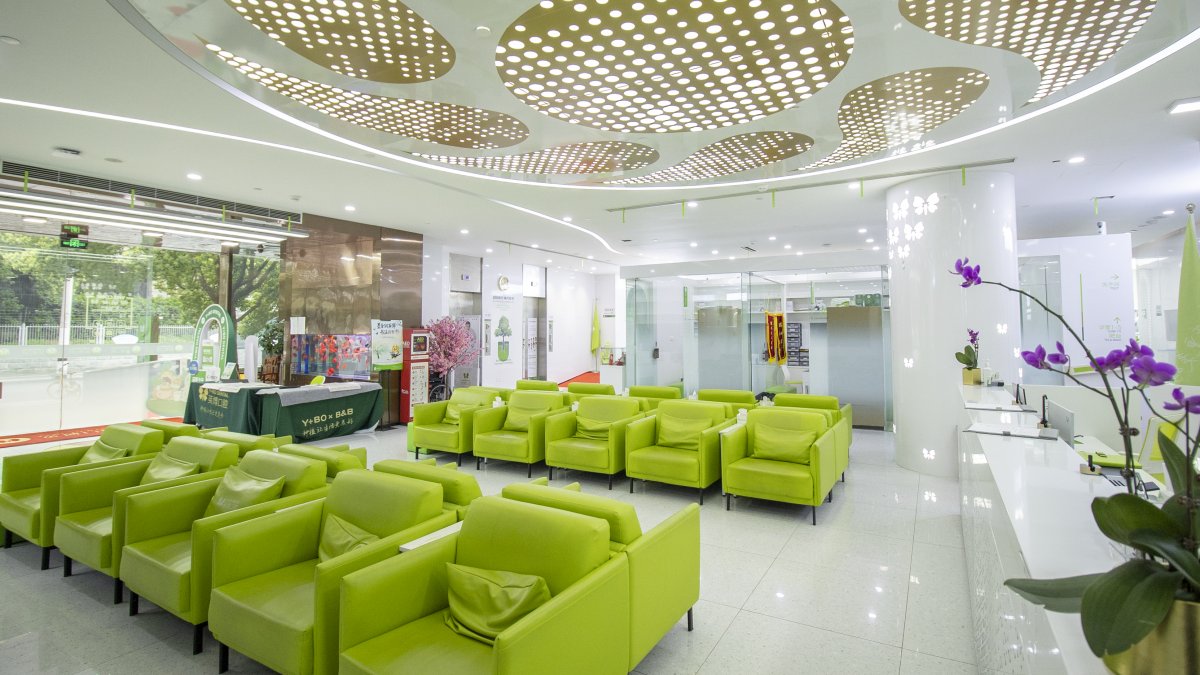



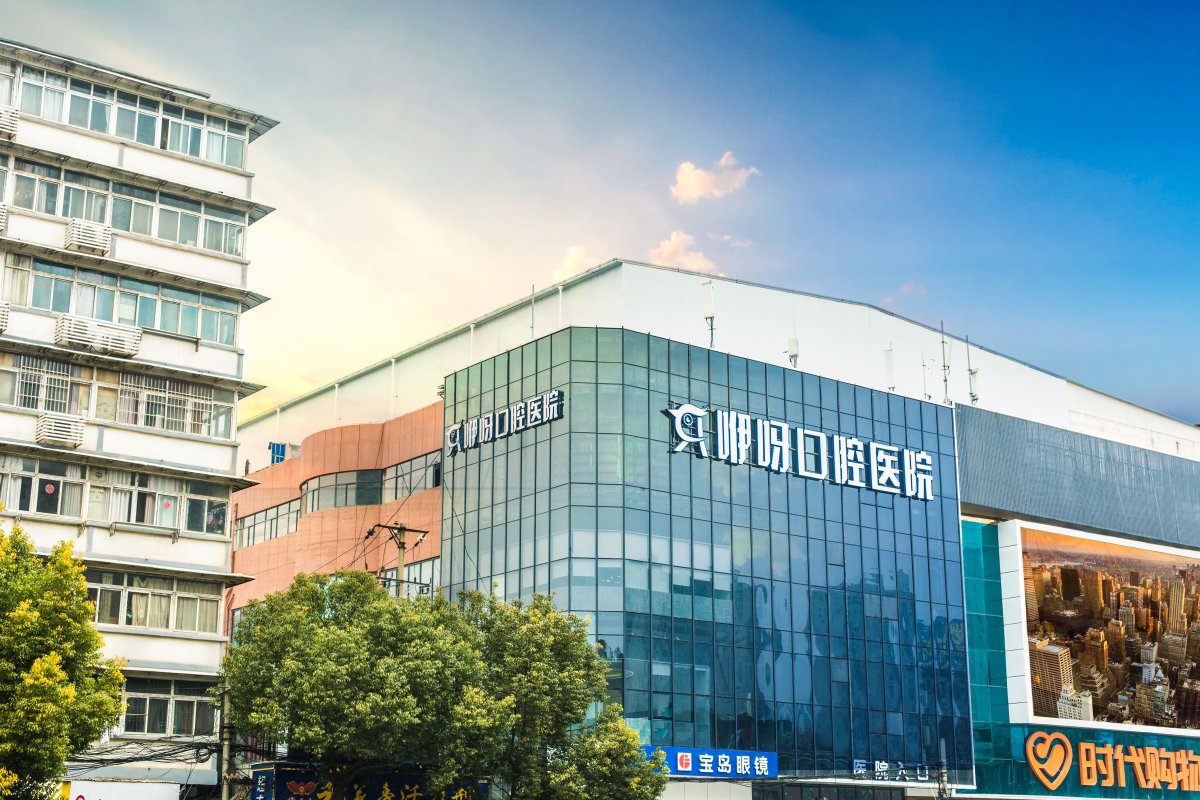
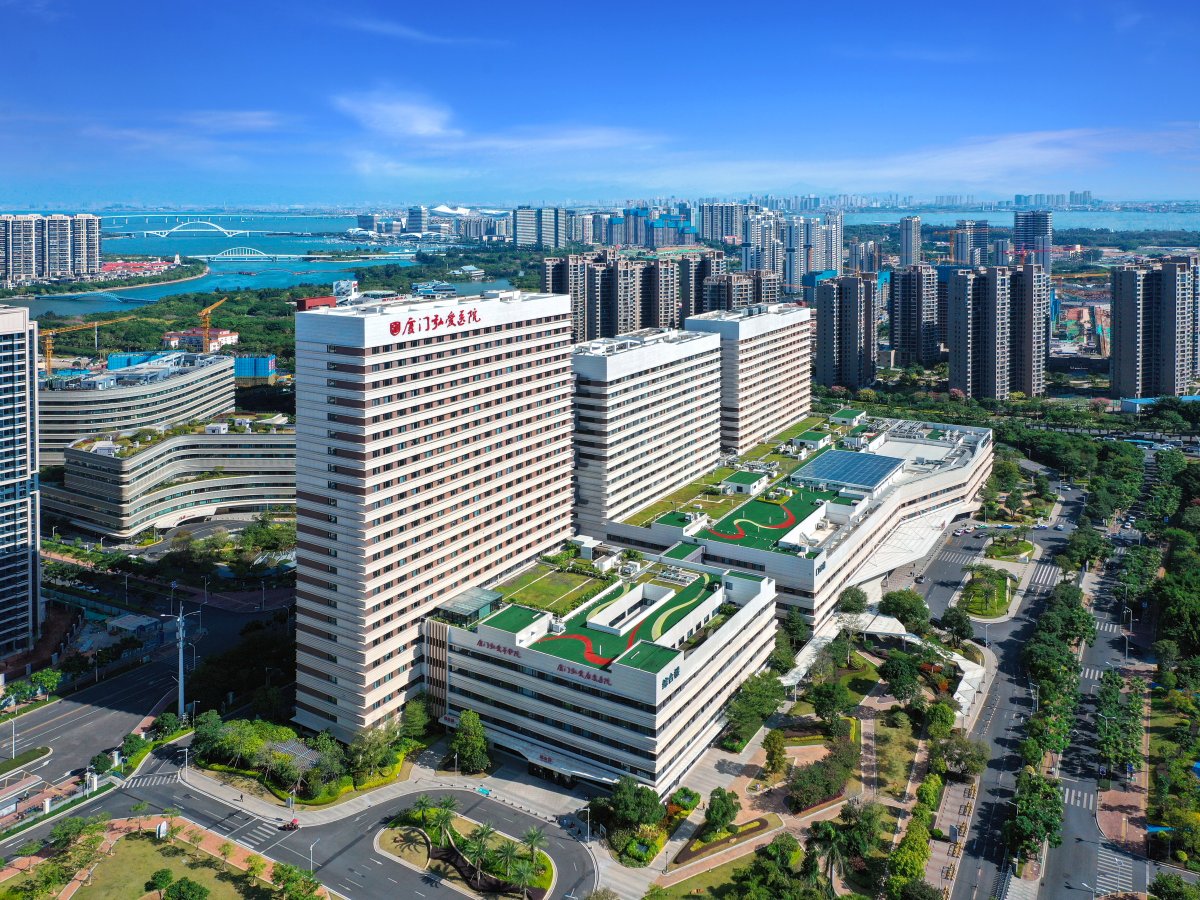
مستشفى شيامن هيومانيتي

Fuda Hospital
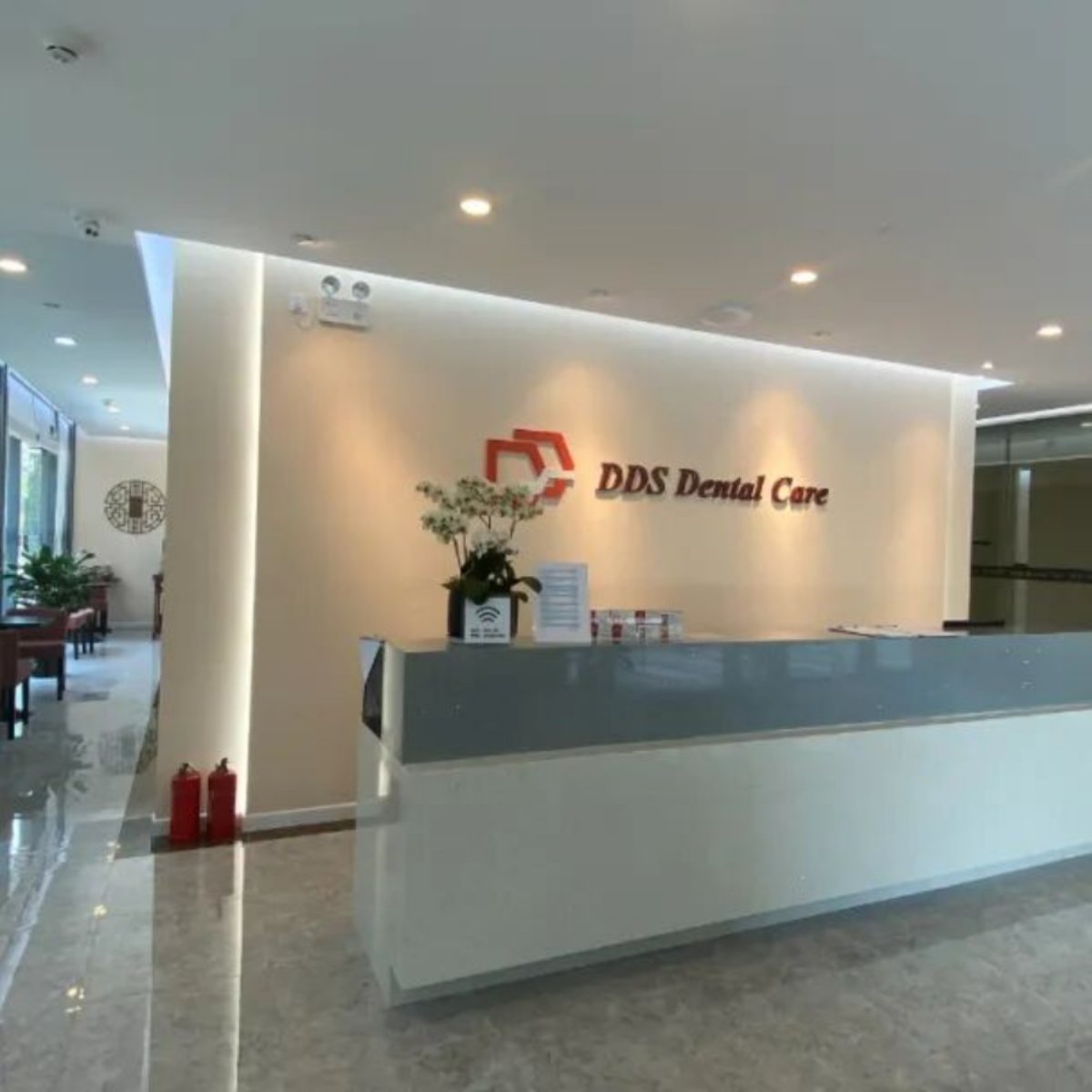
DDS Dental Care
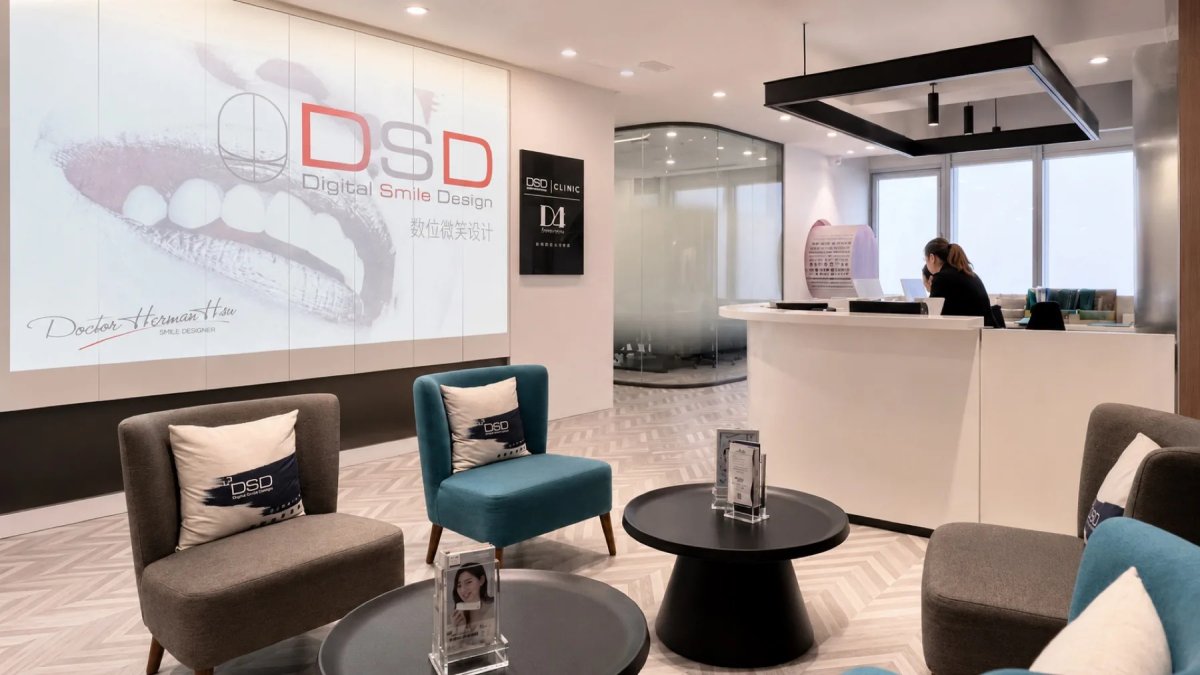
D4 Dental Clinic
Xiaoshan Dental Hospital
Aidencare Dental Clinic
أفضل مراكز طب الأسنان في الصين
- عيادة Shanghai Y+bo لطب الأسنان, الصين
- VBright Dental, الصين
- مستشفى ووهان ييا سيمَي لطب الأسنان, الصين
- مستشفى شيامن هيومانيتي, الصين
- Fuda Hospital, الصين
- DDS Dental Care, الصين
- D4 Dental Clinic, الصين
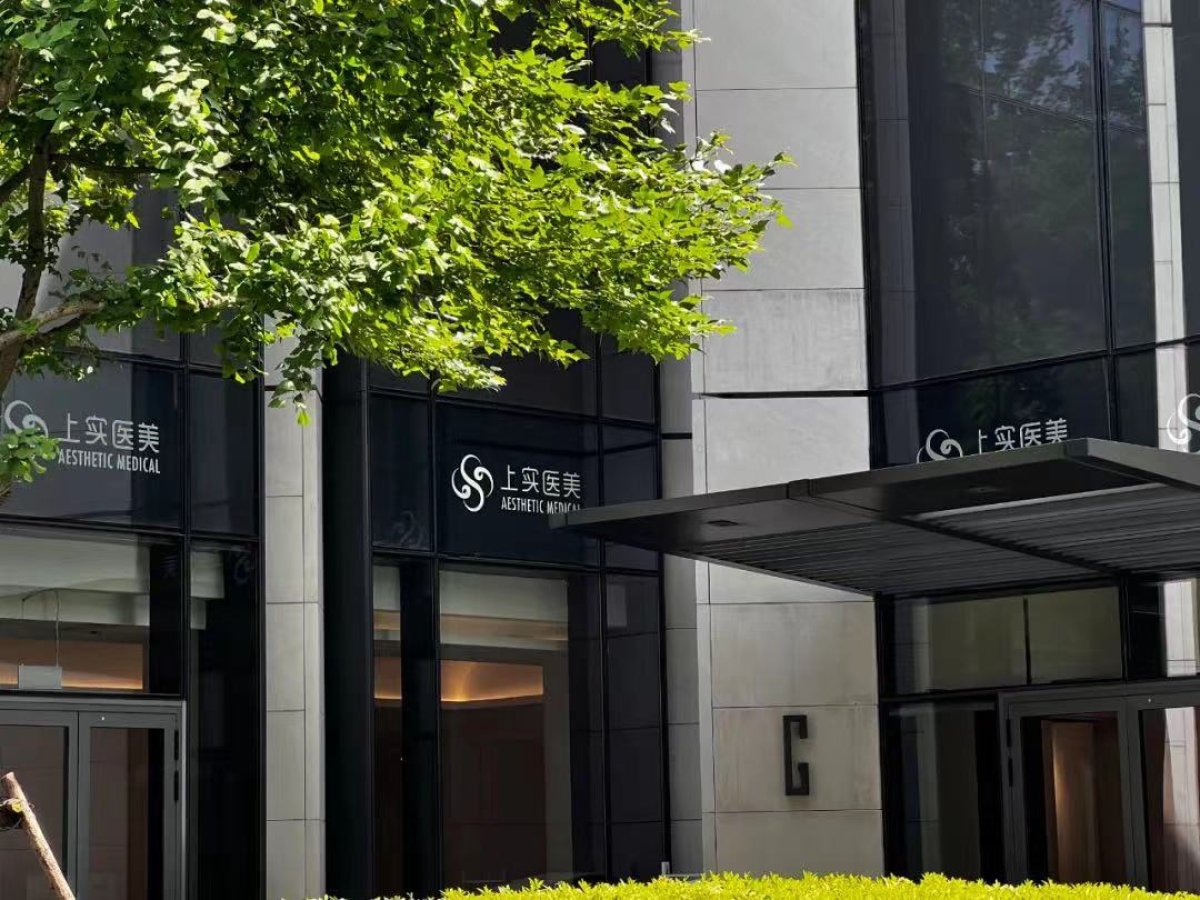
- Shanghai SIIC Medical Cosmetology Hospital, الصين
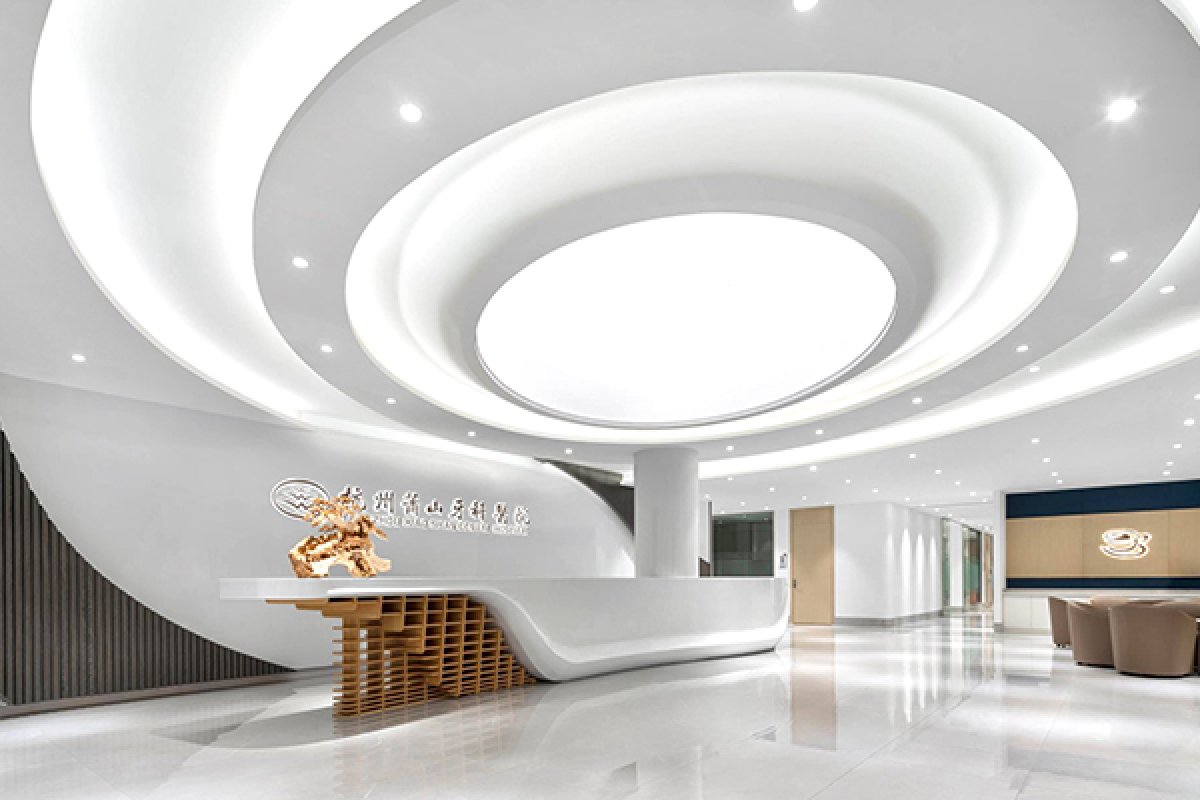
- Xiaoshan Dental Hospital, الصين
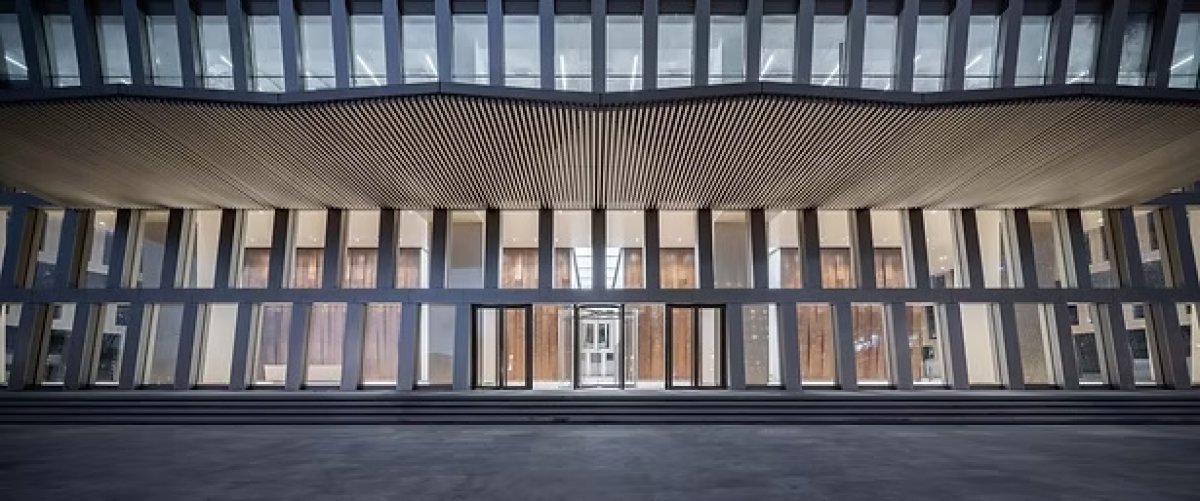
- Aidencare Dental Clinic, الصين
احصل على تقييم طبي لـ طب الأسنان في الصين. استشر الآن 116 أطباء ذوي الخبرة.
عرض جميع الأطباء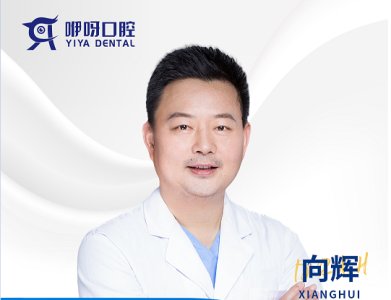
Xiang Hui
الدكتور شيانغ هوي استشاري أول يتمتع بخبرة سريرية في طب الأسنان تقارب 30 عاماً. يرأس لجنة جراحة الزرعات بالمجموعة ومركز المجموعة لزراعة الأسنان المعقدة. يشغل منصب مستشار تقني لشركة سترومان (ITI) في سويسرا. عضو جمعية زراعة الأسنان بمقاطعة هوبي. شغل سابقاً منصب رئيس قسم طب الفم في مستشفى ثالثي.
تشمل خبراته السريرية الزرعات الفورية بالتحميل في اليوم نفسه (Load-on-the-Day)، والزرعات الوجنية VIIV بالتحميل الفوري. يركز أيضاً على إعادة التأهيل بالزرعات لعيوب العظم المعقدة، والترقيع العظمي لاست
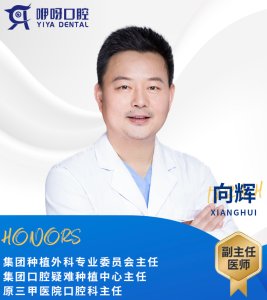
Hui Xiang
الدكتور هوي شيانغ جرّاح زراعة أسنان ومستشار تقني لشركة سترومان (ITI، سويسرا). يدير مركز زراعة الأسنان المعقّدة في مستشفى ووهان ييا سيمي لطب الأسنان، ويزاول عمله في الفرع الرئيسي لعيادة شنغهاي ينغبو دنتال على البوند. يترأس لجنة جراحة زراعة الأسنان بمجموعة ييا لطب الأسنان، وقد ترأس سابقاً أقسام طب الفم في مستشفيات من المستوى الثالث.
يتخصص في إعادة التأهيل الفموي المتقدّم. يجري زراعات فورية بتحميل في اليوم نفسه تمنح أسناناً ثابتة خلال 24 ساعة، ويجري الزرعات الوجنية VIIV لحالات الفقد العظم
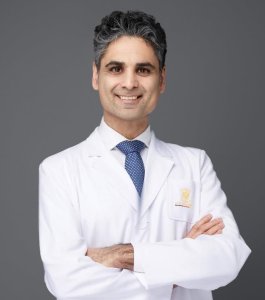
Schahram Schamsawary
د. د. Schahram Schamsawary يحمل مؤهلين (MD و Dr. med. dent.). يختص بجراحة الرأس والعنق والوجه والفكين، والجراحة الفموية والتجميلية، وجراحة تقويم الفك، وزراعة الأسنان، وسرطان الجلد، وإعادة بناء الوجه بعد الأورام. وهو مؤسس ومدير عيادة الجراحة الفموية والوجه والفكين والتجميلية في Meerbusch (منذ 2013). عمل سابقًا استشاريًا في Fachklinik Hornheide، Münster.
الاعتمادات: خبير زراعة معتمد (Hangzhou 2017؛ Kunming 2021). جرّاح وجه وفكين معتمد (Dubai 2016). جرّاح فم معتمد، GDC المملكة المتحدة (20
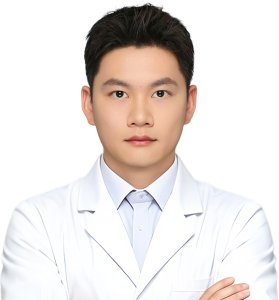
Tao Wang
الدكتور تاو وانغ حاصل على شهادة اعتماد من الجمعية الصينية لطب الأسنان (CSA)، ويحمل درجة الماجستير في طب الأسنان (طب الفم). وقد نشر مقالاً علمياً في مجلة رئيسية متخصصة هي "المجلة الصينية للتشريح والعيادات".
يغطي نطاقه السريري زراعة الأسنان، وطب الاستعاضات السنية، وعلاج جذور الأسنان، وعلاج اللثة. يركز الدكتور وانغ على تجميل الأسنان، بما في ذلك طب الأسنان التجميلي طفيف التوغل (MICD)، وتصميم الابتسامة الرقمي (DSD)، والرعاية متعددة التخصصات، والترميمات التي تحافظ على بنية الأسنان. يلتزم بمب
قصص فيديو من مرضى Bookimed
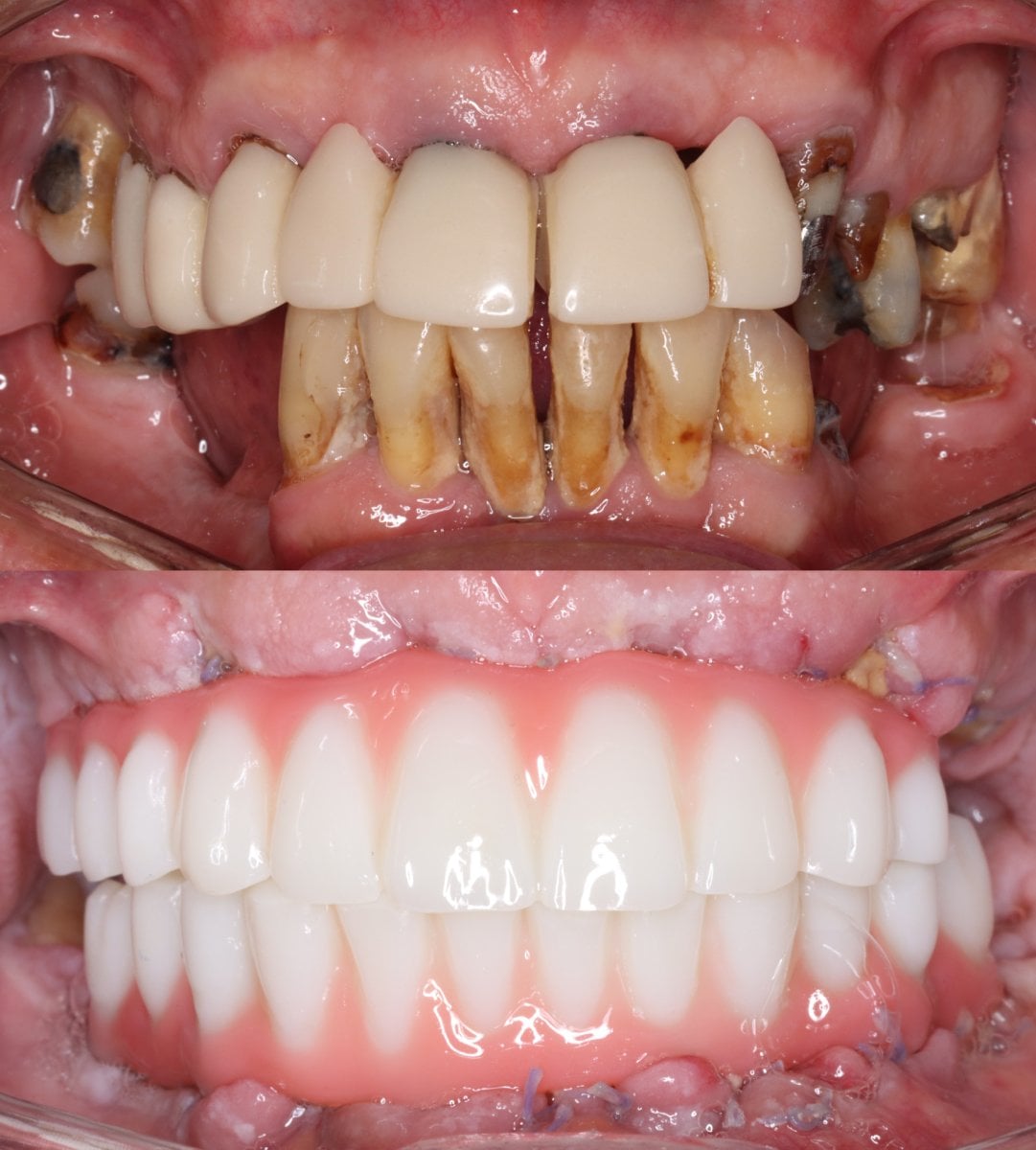
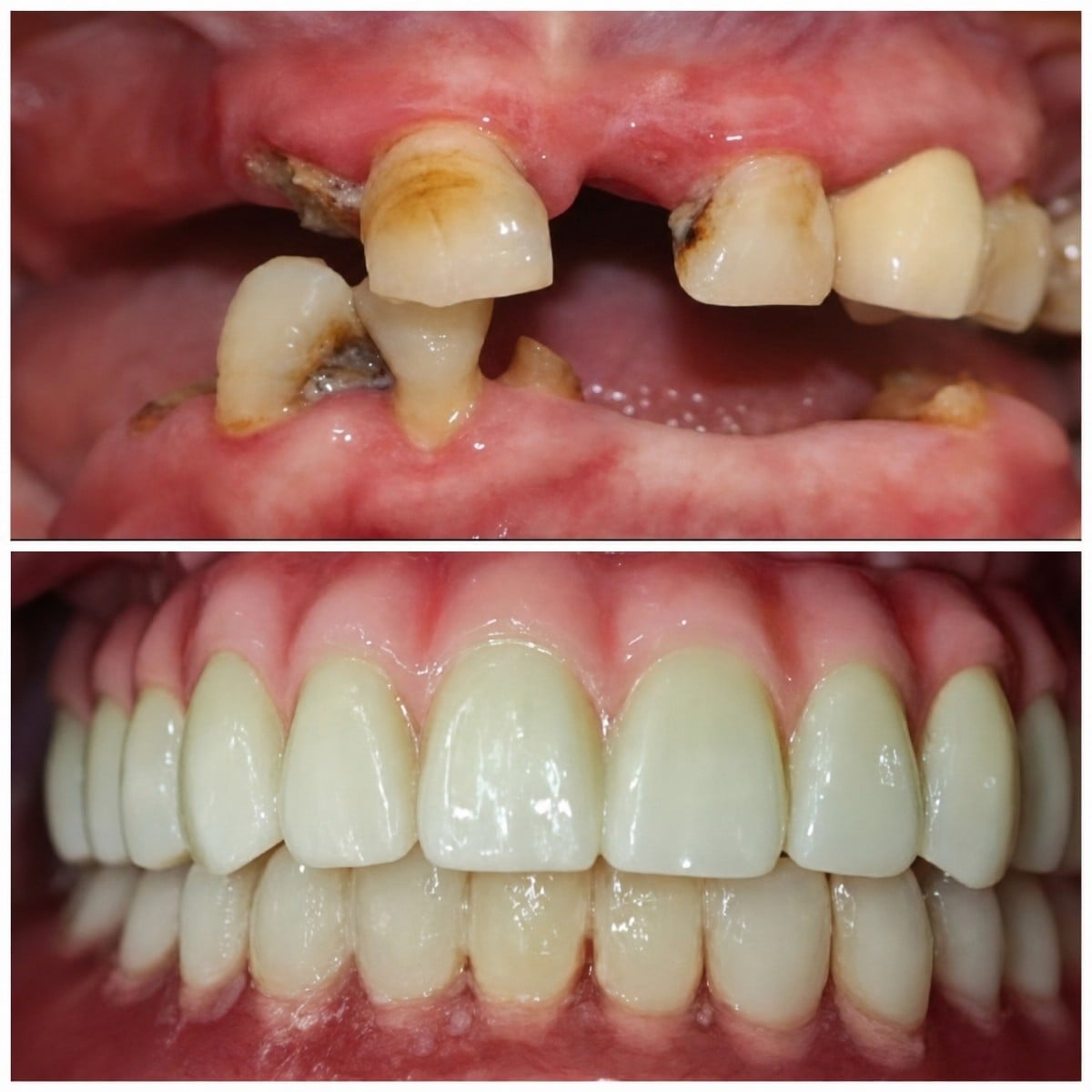
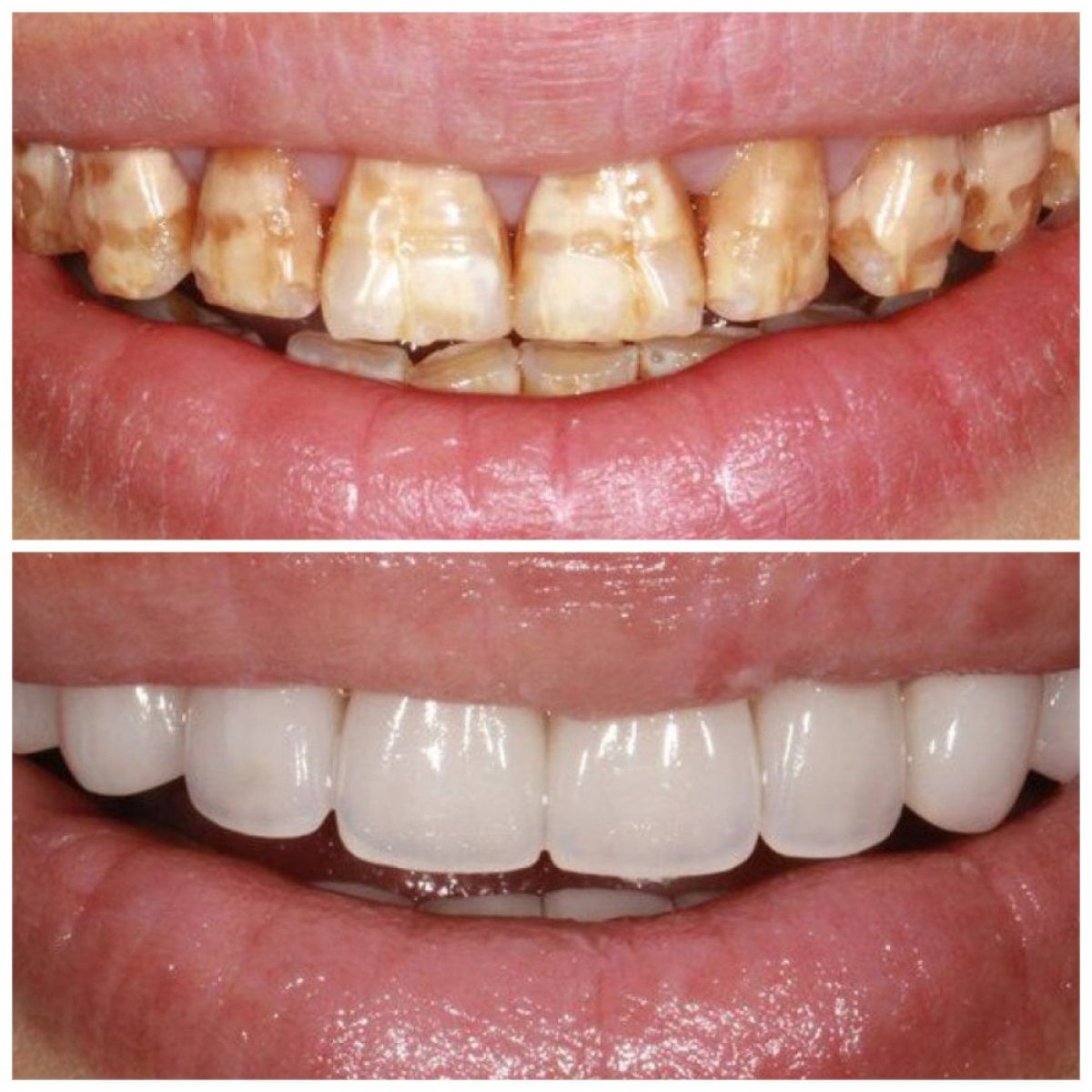
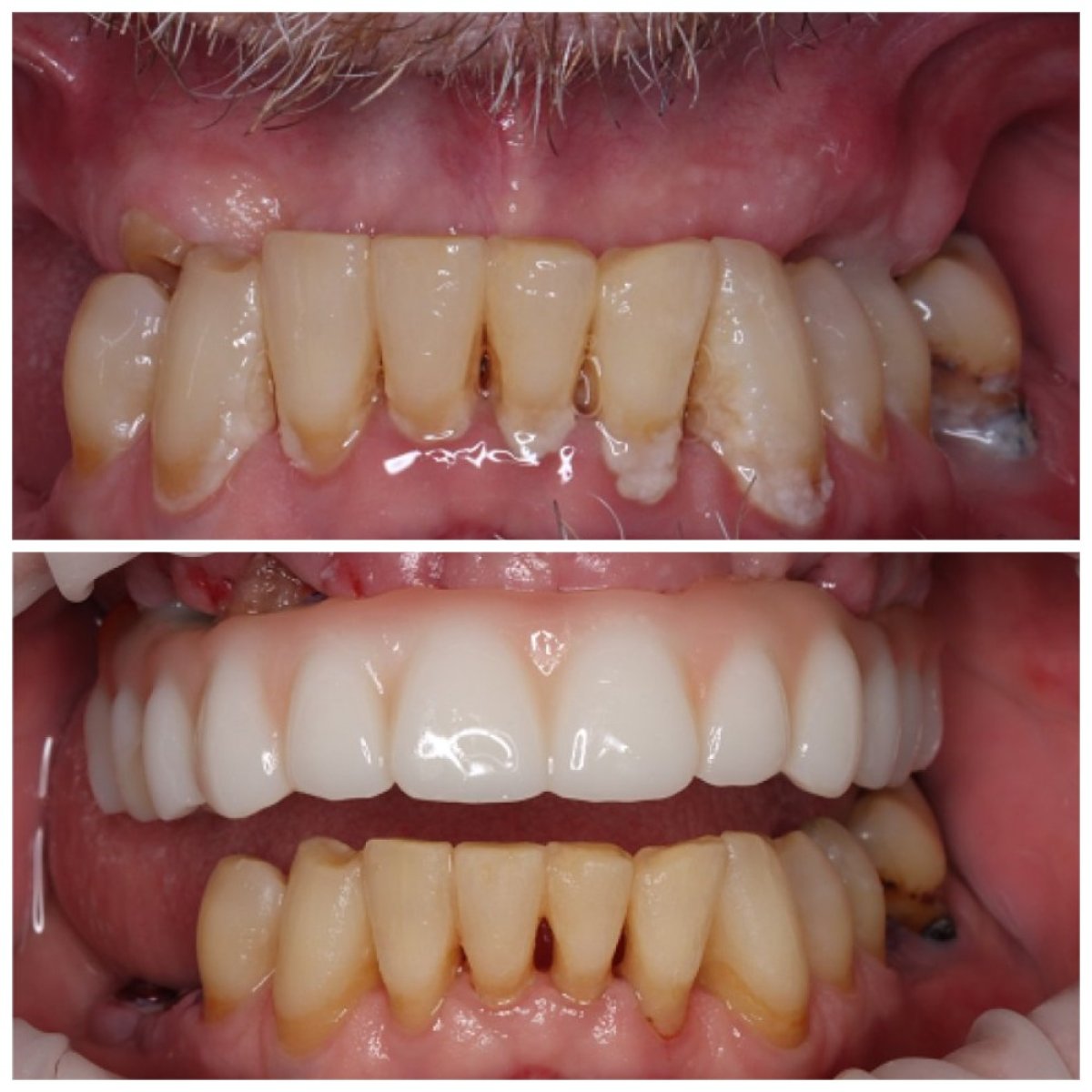
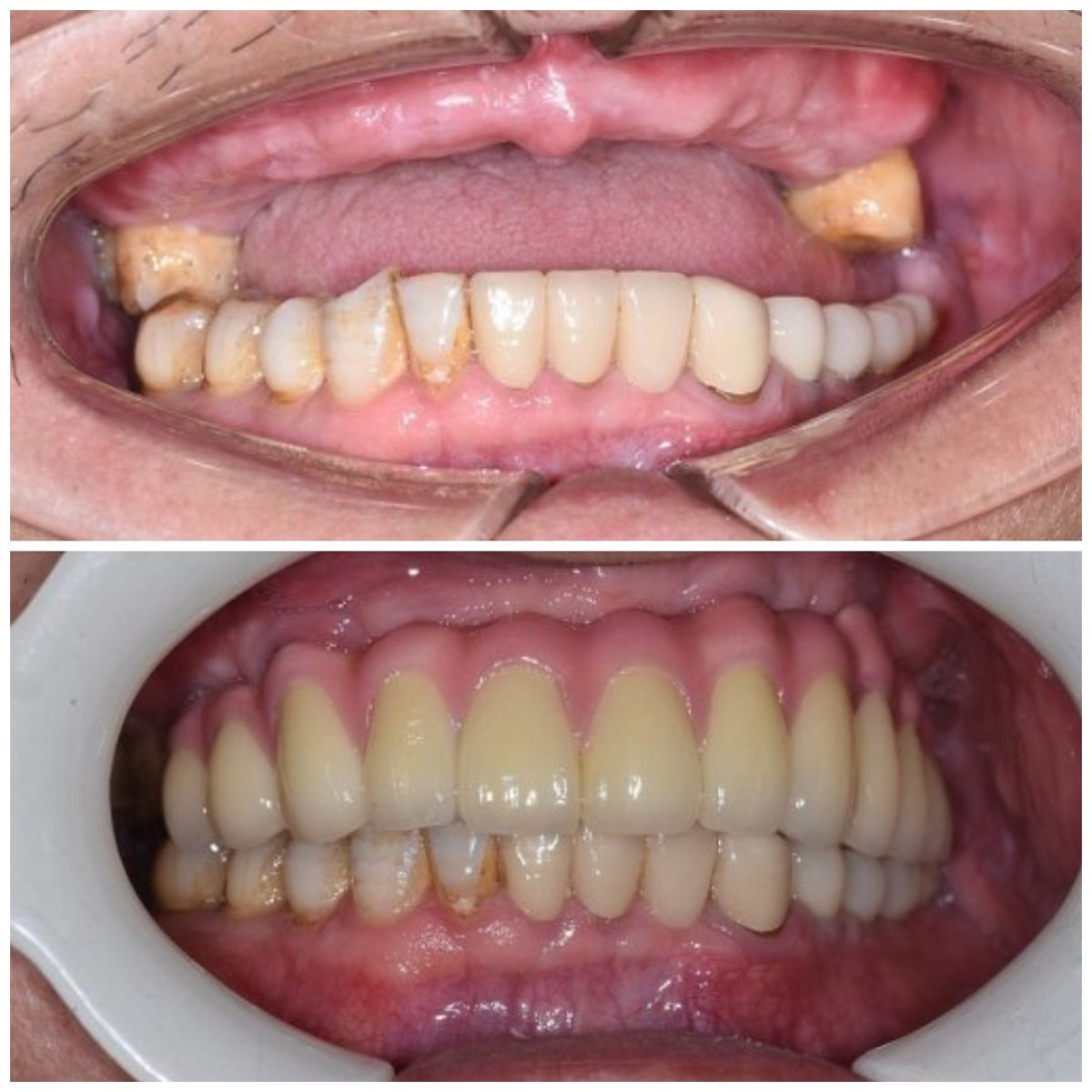
طب الأسنان: صور قبل/بعد
عرض جميع الصور قبل وبعد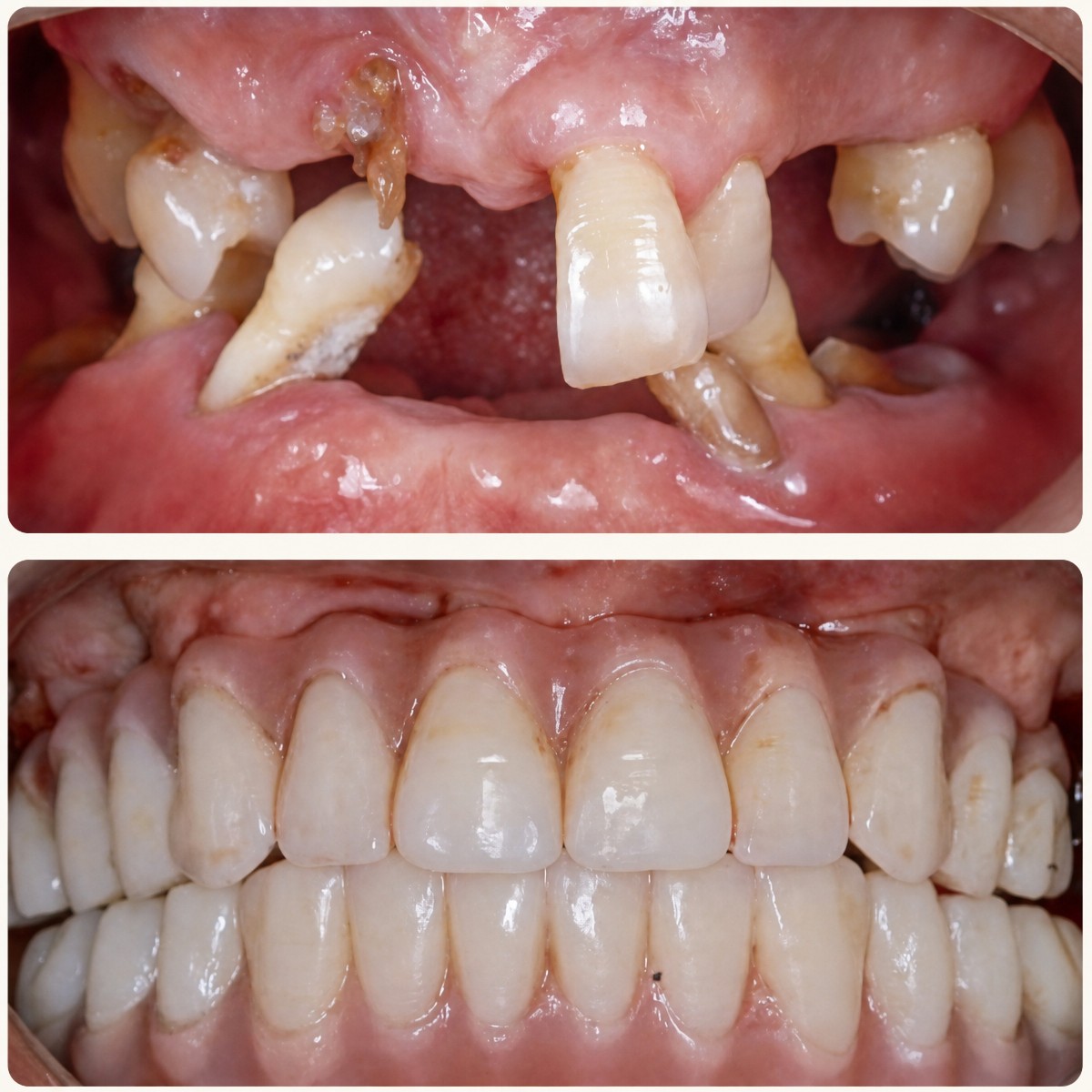
مواد ذات صلة
عرض المزيد من التفاصيل
شرح أسنان تركيا: علاجات الأسنان ذات المستوى العالمي بأقل تكلفة
كتب بواسطة Kateryna Zamkovska

أفضل 7 عيادات أسنان كورية في 2025
كتب بواسطة Mariia Mytrofankina

ابتسامة أكثر إشراقاً بأقل تكلفة في عام 2025: دليل عمل الأسنان الخاص بك في تركيا
كتب بواسطة Anna Leonova

تكلفة زراعة الأسنان لكامل الفم: ما يمكن توقعه في عام 2025
كتب بواسطة Mariia Mytrofankina

أسعار باقة فينيرز تركيا طب الأسنان التجميلي بأسعار معقولة
كتب بواسطة Kateryna Zamkovska
مشاركة المحتوى
 Anna Leonova
أسئلة متكررة حول طب الأسنان في الصين
هل إجراء عمليات طب الأسنان في الصين آمن؟
في الصين، تُجرى عمليات طب الأسنان الآمنة في عيادات معتمدة من اللجنة الدولية المشتركة (JCI) ومستشفيات متخصصة في المدن الكبرى مثل بكين وقوانغتشو. تلتزم هذه المراكز ببروتوكولات التعقيم الدولية وتستخدم التصوير الرقمي ثلاثي الأبعاد. يساعد اختيار العيادات ذات السمعة الطيبة على ضمان استخدام مواد عالية الجودة وتجنب المخاطر المرتبطة بالمختبرات غير المرخصة.
- جودة المستشفيات: المستشفيات المعتمدة من المستوى الثالث مثل مستشفى شيامن الإنساني تخدم مليون مريض سنوياً.
- معايير السلامة: المراكز الرائدة معتمدة من قبل اللجنة الدولية المشتركة (JCI) لسلامة المرضى.
- التكنولوجيا المتقدمة: تستخدم المرافق الطبية الرائدة أساليب تشخيصية حديثة، بما في ذلك التصوير الشعاعي الرقمي والتصوير ثلاثي الأبعاد.
- خبرة الأطباء: يعمل أكثر من 460 طبيباً من مختلف الأقسام المتخصصة في عيادات ذات مستوى عالمي، مما يضمن أعلى مستوى من الجودة.
رأي خبراء بوكيمد: يُعدّ عدد المرضى مؤشراً هاماً على موثوقية نظام الرعاية الصحية الصيني. تعالج مستشفيات مثل مستشفى شيامن الإنساني مليون مريض سنوياً، مما يُتيح لها اكتساب خبرة سريرية واسعة. غالباً ما تمتلك المراكز الكبيرة موارد أكبر للتعقيم الحديث واستخدام المواد المعتمدة مقارنةً ب
هل يتحدث طبيب الأسنان اللغة الإنجليزية؟
في الصين، يتحدث أطباء الأسنان العاملون في العيادات الدولية أو المستشفيات الكبيرة في المدن الرئيسية اللغة الإنجليزية عادةً. وتستقبل مؤسسات مثل مستشفى فودا للسرطان في قوانغتشو مرضى من أكثر من 100 دولة، وغالبًا ما توفر خدمات الترجمة. أما العيادات المحلية الصغيرة فنادرًا ما تضم أخصائيين يتحدثون الإنجليزية.
- عامل الموقع: اللغة الإنجليزية هي الأكثر شيوعاً في المراكز الطبية في بكين وشنغهاي وقوانغتشو.
- نوع العيادة: عيادات خاصة متميزة تركز على المرضى الدوليين، وتقدم خدماتها بلغتين.
- أدوات الترجمة: غالباً ما يستخدم المرضى تطبيق WeChat أو تطبيقات الترجمة أثناء استشارات طب الأسنان.
- القدرة الاستيعابية للخدمة: يقدم مستشفى شيامن الإنساني خدماته لمليون مريض من أوروبا وآسيا كل عام.
رأي خبراء بوكيمد: تُظهر البيانات السريرية اتجاهاً نحو تمتع المستشفيات المعتمدة من قبل اللجنة الدولية المشتركة (JCI)، مثل مستشفى فودا للسرطان، بمستويات أعلى من إتقان اللغة الإنجليزية. تعالج هذه المؤسسات آلاف المرضى الدوليين سنوياً، مما يُجبرها على توحيد أساليب التواصل. غالباً ما يُغني اختيار مستشفى معتمد عن الحاجة إلى مترجمين فوريين.
ملاحظات المرضى:
هل من الممكن إجراء عمليات معقدة مثل عمليات الزرع في زيارة واحدة؟
في الصين، تتطلب إجراءات طب الأسنان المعقدة، كزراعة الأسنان، عادةً زيارتين منفصلتين. يمكن إجراء عملية الزرع الجراحي وتركيب التيجان المؤقتة في زيارة واحدة. أما التيجان الدائمة، فتتطلب عادةً زيارة ثانية بعد ثلاثة إلى ستة أشهر من التئام العظم.
- فترة الشفاء: يجب أن يندمج عظم الفك مع دعامة التيتانيوم قبل وضع الأسنان الدائمة.
- المدة النموذجية للإقامة: خطط للبقاء في الصين لمدة 10-14 يومًا لإجراء الجراحة الأولية والمراقبة.
- التركيب الفوري: تقدم بعض العيادات تركيبات مؤقتة للأسنان لأغراض تجميلية خلال الزيارة الأولى.
- الزيارة الثانية: يعود المرضى بعد بضعة أشهر لأخذ الطبعات النهائية وصنع تيجان البورسلين المتينة.
رأي خبراء بوكيمد: في العيادات الكبيرة مثل بكين، غالبًا ما تستخدم المراكز الطبية الراقية أنظمة الحجز الرقمية لتسريع الإجراءات. وبينما يخدم مستشفى شيامن الإنساني مليون مريض سنويًا كمركز رعاية صحية من الدرجة الثالثة، فإن أقسام طب الأسنان المتخصصة في هذه المؤسسات الكبيرة تولي أهمية قصوى للتعقيم الصارم. ويتطلب هذا الحجم الكبير من العمل في كثير من الأحيان جراحين ذوي خبرة واسعة في بروتوكولات التحميل الفوري المعقدة.
آراء المرض