عيادات علاج قناة الجذر في إسبانيا


تمت مراجعة المقالة طبيا من قبل
فهد مولود
كيف نعمل؟
ما هي تكلفة علاج قناة الجذر في إسبانيا؟ اكتشف الآن
من $340. يعتمد السعر النهائي على نوع السن، ومدى تعقيد الحالة، وموقع العيادة. تشمل معظم عيادات الأسنان الإسبانية الاستشارة الأولية، والتخدير الموضعي، والأشعة التشخيصية ضمن هذا السعر.
- علاج التهاب لب السن: من $140 إلى $320 لعلاج التهابات لب السن.
- إزالة جسم غريب: من $180 إلى $380 باستخدام مجهر الأسنان.
- إزالة كيس الأسنان: من $280 إلى $750 للتخلص من العدوى عند الجذور.
- تنوع المدن: تشمل المراكز البارزة برشلونة ومدريد ومالقة لتقديم رعاية أسنان فائقة الجودة.
رأي خبراء Bookimed: تقدم إسبانيا رعاية أسنان متميزة في مؤسسات مرموقة مثل مركز تيكنون الطبي في برشلونة. يحمل هذا المركز اعتماد اللجنة الدولية المشتركة (JCI). كما يقدم خدماته لنخبة الرياضيين والمشاهير، مما يضمن معايير سريرية عالمية. توفر المستشفيات متعددة التخصصات تقنيات تصوير متطورة لا تتوفر في العيادات الصغيرة. هذا الإجراء ضروري للتعامل مع الحالات المعقدة أو العدوى المزمنة.
| إسبانيا | تركيا | تايلاند | |
|---|---|---|---|
| علاج قناة الجذر | من $340 | من $80 | من $150 |
| علاج التهاب اللب | ≈ $140 | من $130 | ≈ $220 |
| إزالة كيس الأسنان | ≈ $280 | من $140 | ≈ $450 |
| إزالة الجسم الغريب في القنوات الجذرية باستخدام المجهر | ≈ $180 | ≈ $280 | ≈ $200 |
اكتشف أفضل علاج قناة الجذر العيادات في إسبانيا: 7 خيارات معتمدة والأسعار




عيادة الأسنان Clínica Dental Raíces


SJD Barcelona Children’s Hospital
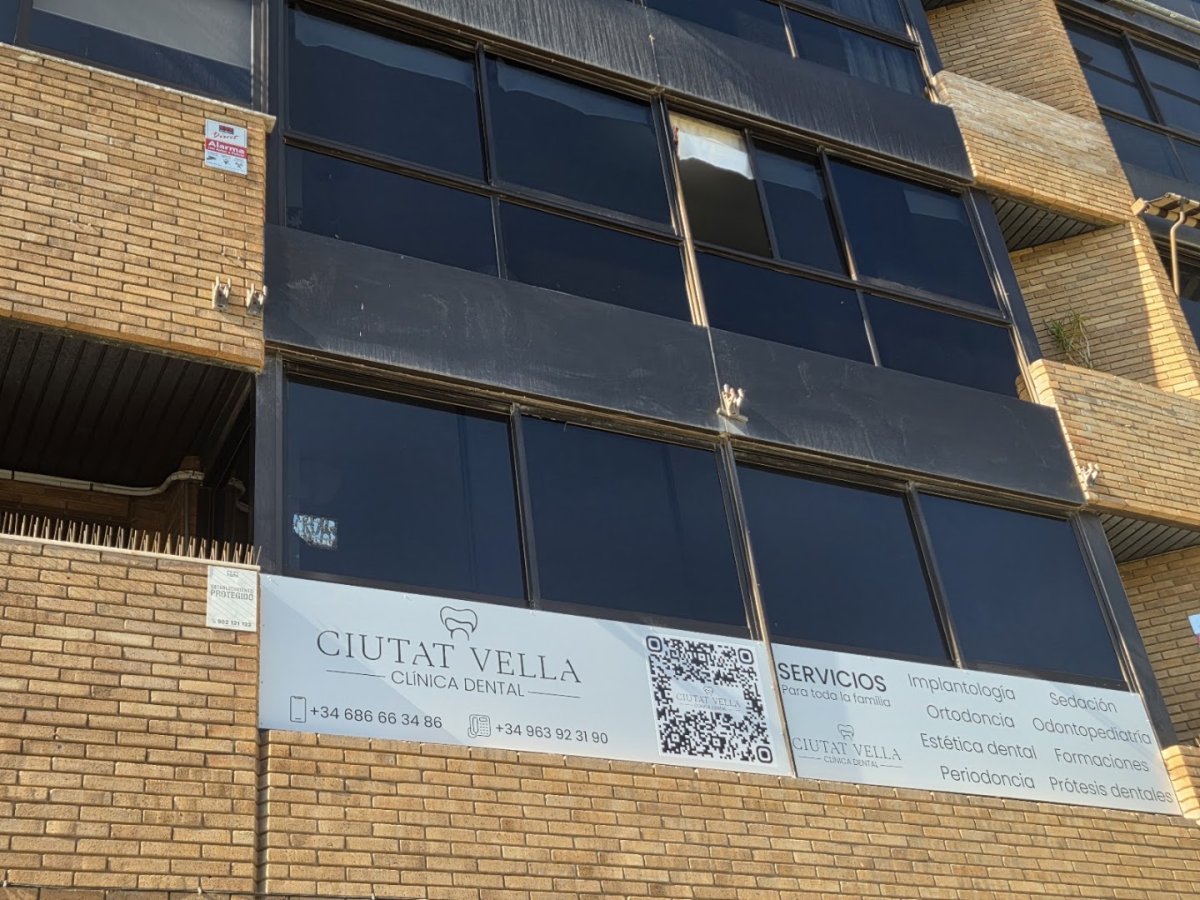
clinic Dental Ciutat Vella
نظرة عامة على علاج قناة الجذر في إسبانيا
- علاج قناة الجذر - من $340
يعالج هذا الإجراء التهابات التجاويف العميقة ، وإزالة اللب من الأسنان ، وتطهيرها ، ثم إغلاقها.
- علاج التهاب اللب - من $140
يهدف هذا العلاج إلى التحكم في التهاب الأسنان ، بما في ذلك التنظيف والتطهير والحشو ، وبالتالي تخفيف الألم.
- إزالة كيس الأسنان - من $280
يقوم هذا الإجراء باستخراج كيس مملوء بسائل من الأسنان ، مما يعزز صحة الفم ويمنع المضاعفات.
يقوم هذا الإجراء بإزالة الحطام غير المرئي من جذور الأسنان ، مما يعزز الدقة والتعافي من خلال التصور المكبر.
اليوم 1
- الوصول إلى مطار الدولة.
- نقل الشخصيات المهمة إلى العيادة.
- استشارة أولية مع أخصائي طب الأسنان.
- تسجيل الوصول في فندق 4 نجوم طوال مدة العلاج.
اليوم الثاني
- اختبارات ما قبل العملية بما في ذلك الأشعة السينية للأسنان.
- مناقشة مع الطبيب حول خطة العلاج.
- التحضير لعلاج قناة الجذر.
يوم 3
- اخضع لعلاج قناة الجذر تحت التخدير الموضعي.
- قد يستمر الإجراء من ساعة إلى ساعتين حسب الحالة.
- الراحة بعد العملية في العيادة.
اليوم الرابع
- فحص ما بعد الجراحة مع أخصائي الأسنان.
- مناقشة حول الحاجة إلى تاج أو حشو الأسنان.
الأسبوع 1
- الراحة والانتعاش في الفندق.
- يوصى باتباع نظام غذائي ناعم في الأيام القليلة الأولى.
- مسكنات الألم العادية كما هو موصوف.
الأسبوع 2
- العودة إلى النظام الغذائي والنشاط الطبيعي.
- استشارة متابعة مع طبيب أسنان محلي إذا لزم الأمر.
- النتيجة النهائية التي تحققت بسن ملتئم بالكامل.
يرجى ملاحظة أن حالة كل مريض فريدة من نوعها وقد يختلف الجدول الزمني قليلاً بناءً على الحالة الصحية للفرد وسرعة الشفاء.
- إيداع Bookimed: 200 دولار أو 200 يورو.
- وديعة العيادة: ادفع نسبة محددة مقدمًا.
احصل على تقييم طبي لـ علاج قناة الجذر في إسبانيا. استشر الآن 8 أطباء ذوي الخبرة.
عرض جميع الأطباء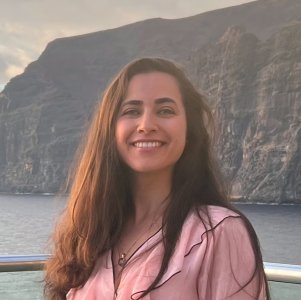
Dr Alaa Ghuzlan
الدكتورة آلاء غزلان طبيبة أسنان بخبرة تزيد على عشر سنوات. عالجت آلاف المرضى في عدة بلدان. حاصلة على تخصص في زراعة الأسنان من جامعة برشلونة، وتواصل تدريبها لتقديم علاجات حديثة.
تستخدم عيادتها الأشعة ثنائية وثلاثية الأبعاد وماسح داخل الفم ثلاثي الأبعاد. تُحسّن هذه الأدوات تجربة المريض وتُسهّل سير العمل، كما تُسهم في تقديم الرعاية بسرعة أكبر.
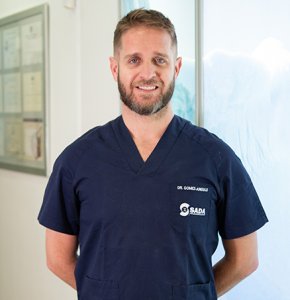
José Manuel Gómez-Angulo Páez
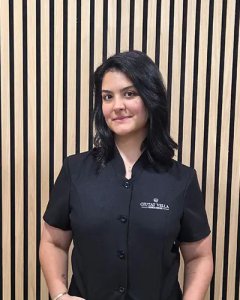
Heidy Betancourt Lobaina
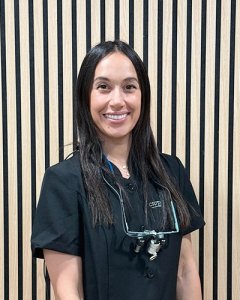
Mayte Lerma
قصص فيديو من مرضى Bookimed
المراجعات
جميع المراجعاتمشاركة المحتوى
 Anna Leonova
أسئلة متكررة حول علاج قناة الجذر في إسبانيا
ما مدى أمان رعاية الأسنان وعلاج قناة الجذر في إسبانيا؟
تعد رعاية الأسنان وعلاج قناة الجذر في إسبانيا آمنة للغاية. يتم الحفاظ على معايير عالية من خلال لوائح الاتحاد الأوروبي الصارمة ومراقبة المجلس الوطني لطب الأسنان. يستفيد المرضى من معدل نجاح يصل إلى 95%، وذلك باستخدام التصوير الرقمي المتقدم وعلاج الجذور المجهري في مرافق معتمدة من قبل اللجنة الدولية المشتركة (JCI).
- الرقابة التنظيمية: يجب على كل طبيب أسنان التسجيل في المجلس العام لأطباء الأسنان (Consejo General de Dentistas) للممارسة القانونية.
- معايير الاتحاد الأوروبي: تتبع العيادات التفويضات الأوروبية للتحكم في العدوى المتبادلة وبروتوكولات التعقيم الصارمة.
- التكنولوجيا المتقدمة: يستخدم المتخصصون ماسحات ضوئية داخل الفم ثلاثية الأبعاد والأشعة الرقمية لتنظيف القنوات بدقة.
- جودة المواد: يجب أن تحمل جميع مواد الأسنان والغرسات علامة CE الأوروبية الرسمية.
رؤية خبير Bookimed: بينما تحتل إسبانيا المرتبة الثامنة عالمياً في الطلبات الطبية، يتم تعزيز ملف الأمان من خلال حجم الجراحين الكبير. في مركز Centro Médico Teknon، يجري الأطباء أكثر من 23,500 عملية سنوياً. يضمن هذا التردد العالي في المراكز المعتمدة من JCI أن يحافظ الأطباء على أعلى مستوى من الكفاءة التقنية في حالات علاج قناة الجذر المعقدة.
إجماع المرضى: يؤكد المرضى أن العيادات الخاصة توفر كفاءة أكبر وموظفين يتحدثون الإنجليزية مقارنة بالخيارات العامة. يوصون بالتأكد من استخدام السدود المطاطية (rubber dams) والتصوير ثلاثي الأبعاد لضمان التنظيف الشامل لجميع القنوات.
هل يمكنني السفر إلى المنزل مباشرة بعد علاج قناة الجذر؟
يمكنك السفر إلى المنزل مباشرة بعد الانتهاء من علاج قناة الجذر في إسبانيا. لا توجد قيود طبية تمنع السفر الجوي. ومع ذلك، يوصي أطباء الأسنان بالانتظار من 24 إلى 48 ساعة. يسمح هذا الإطار الزمني لزوال مفعول التخدير ويساعد في إدارة الانزعاج المحتمل الناتج عن تغيرات ضغط المقصورة.
- الحساسية للضغط: يمكن أن تؤدي تغيرات الارتفاع إلى تحفيز ألم الأسنان الجوي (barodontalgia)، مما يتسبب في تمدد الغاز داخل السن بشكل مؤلم.
- سلامة التخدير: انتظر حتى يزول التنميل قبل الأكل أثناء الرحلة لتجنب إصابات الخد.
- الانزعاج بعد العملية: قد يحاكي ضغط الجيوب الأنفية بالقرب من الأسنان العلوية ألم الأسنان أثناء الإقلاع والهبوط.
- حالة العلاج: تأكد من إغلاق السن بالكامل بحشوة دائمة أو مؤقتة آمنة.
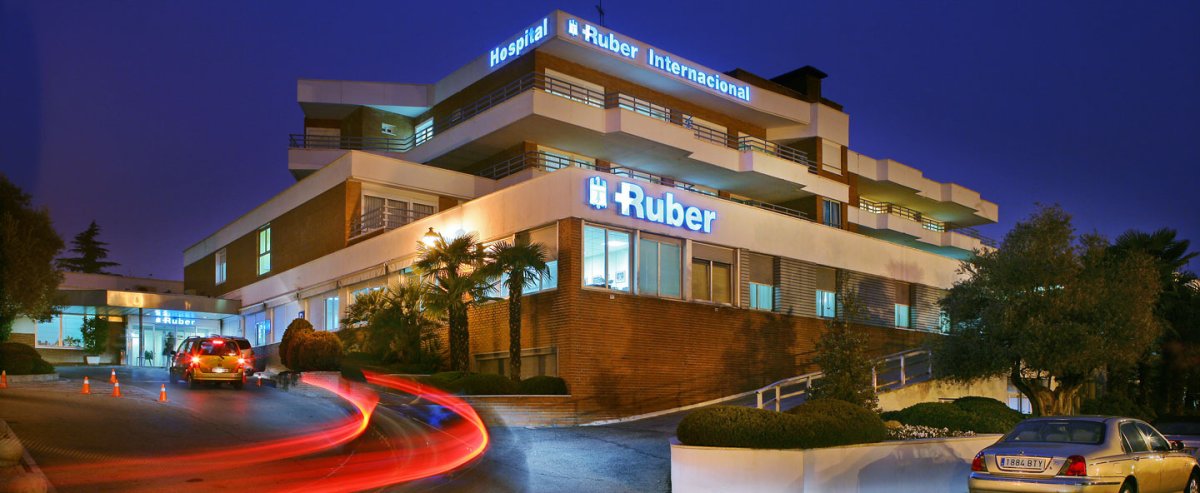
تحافظ العيادات مثل مستشفى روبير الدولي (Hospital Ruber Internacional) في مدريد على اعتماد JCI، مما يضمن معايير إغلاق عالية. احجز رحلتك في اليوم التالي للعلاج لضمان إدارة أي حساسية فورية بعد الإجراء محليًا.
إجماع المرضى: يقترح المسافرون البقاء بالقرب من العيادة حتى يزول مفعول التخدير لتقييم مستويات الألم. احزم وجبات خفيفة طرية ومسكنات للألم لتجنب الاعتماد على خيارات الطعام المحدودة في المطار أثناء التعافي.
هل التاج ضروري بعد علاج قناة الجذر في إسبانيا؟
لا يُعد تاج الأسنان مطلوباً قانونياً في إسبانيا بعد علاج قناة الجذر. ومع ذلك، يوصي أطباء الأسنان الإسبان بشدة بالتيجان للأضراس والضواحك. تواجه هذه الأسنان الخلفية ضغط مضغ شديد. يمنع التاج كسور بنية السن المعالجة الهشة لضمان بقائها على المدى الطويل.
- الأسنان الخلفية: عادة ما تتطلب الأضراس تيجانًا أو حشوات تراكبية (overlays) لمنع الكسر الهيكلي تحت الضغط.
- الأسنان الأمامية: غالبًا ما تحتاج القواطع فقط إلى حشوة تجميلية إذا كان هناك ما يكفي من المينا.
- الضرر الهيكلي: الأسنان التي فقدت أكثر من 50% من بنيتها بسبب التسوس تتطلب قانونًا حماية كاملة.
- خيارات بديلة: توفر الحشوات المصبوبة (onlays) حلاً وسطًا من خلال الحفاظ على المزيد من السن الطبيعي مقارنة بالتيجان.
من $340. نرى العديد من المرضى يختارون عيادات في تينيريفي أو برشلونة لهذه الإجراءات. غالبًا ما يغطي فرق السعر هذا تكلفة تاج الزركونيوم عالي الجودة محليًا. لا تترك الحشوة المؤقتة في مكانها لفترة طويلة أبدًا. تحدث معظم الكسور أثناء انتظار الترميم الدائم.
إجماع المرضى: يجد العديد من المرضى أن الأسنان الخلفية تشعر بأمان أكبر بشكل ملحوظ بمجرد تركيب التاج. غالبًا ما يندمون على تأخير الترميم النهائي لأن السن يشعر بالهشاشة بعد الإجراء الأولي.
من الذي يقوم فعلياً بإجراء علاج قنوات الجذور - أطباء الأسنان العامون أم المتخصصون؟
يقوم كل من أطباء الأسنان العامين وأخصائيي الأسنان بإجراء علاج قنوات الجذور بناءً على تعقيد الحالة. يتعامل أطباء الأسنان العامون مع الإجراءات المباشرة في الأسنان الأمامية. بينما يتخصص أخصائيو علاج الجذور في تشريح الأضراس المعقد، وإعادة العلاج، والجراحة المجهرية. في إسبانيا، غالباً ما توظف العيادات الخاصة كلاً منهما لضمان رعاية دقيقة للعدوى المتقدمة.
- أطباء الأسنان العامون: يديرون العلاجات الأولية للأسنان الأمامية ذات قنوات الجذور الواحدة والمستقيمة.
- أخصائيو علاج الجذور: يعالجون الأضراس متعددة الجذور أو الأسنان التي تتطلب مجاهر تشغيلية متقدمة.
- الحالات المعقدة: يتعامل المتخصصون مع العلاجات السابقة الفاشلة، أو القنوات المتكلسة، أو إصابات الأسنان الشديدة.
- التشخيص المتقدم: تستخدم عيادات مثل Clínica Dental Raíces ماسحات ضوئية داخل الفم ثلاثية الأبعاد لرسم خرائط دقيقة.
رؤية خبير Bookimed: تختلف مؤشرات الجودة في إسبانيا حسب نوع المنشأة. توفر المراكز الكبيرة المعتمدة من اللجنة الدولية المشتركة (JCI) مثل Centro Médico Teknon أو Hospital Ruber Internacional فرقاً متعددة التخصصات. غالباً ما تكون هذه المستشفيات مجهزة بشكل أفضل للمرضى الذين يعانون من قلق شديد أو تعقيدات طبية تتطلب التخدير. بالنسبة لعلاجات قنوات الجذور الروتينية، توفر العيادات المتخصصة في تينيريفي أو مدريد وصولاً أسرع إلى التصوير المتخصص مثل مسح CBCT.
إجماع المرضى: يؤكد المرضى أن شدة الألم لا تملي الحاجة إلى متخصص. يوصي الكثيرون بالسؤال عما إذا كان طبيب الأسنان ي
هل يمكنني التواصل بفعالية مع طبيب الأسنان الخاص بي إذا كنت أتحدث الإنجليزية فقط؟
يمكنك التواصل بفعالية مع أطباء الأسنان الإسبان باستخدام اللغة الإنجليزية، حيث إنها اللغة الدولية الأساسية في الرعاية الصحية. توظف معظم العيادات الخاصة في المدن الكبرى مثل برشلونة ومدريد منسقين طبيين وأخصائيي أسنان يتحدثون الإنجليزية لمساعدة المرضى الدوليين طوال إجراءات علاج قناة الجذر.
- المنسقون الطبيون: يساعد الموظفون المتخصصون في عيادات مثل Centro Médico Teknon في التواصل.
- التدريب التخصصي: غالبًا ما يحمل أطباء الأسنان الإسبان مؤهلات دولية من مؤسسات مثل جامعة برشلونة.
- المساعدات البصرية: يستخدم الأطباء ماسحات ضوئية داخل الفم ثلاثية الأبعاد والأشعة لشرح تلف القناة.
- التعليمات المكتوبة: توفر العيادات خطوات الرعاية اللاحقة مكتوبة لضمان الوضوح بمجرد مغادرتك.
رؤية خبير Bookimed: تحافظ المراكز ذات الحجم الكبير مثل Hospital Ruber Internacional وCentro Médico Teknon على اعتماد JCI، الذي يفرض معايير واضحة للتواصل مع المرضى. على الرغم من تفاوت طلاقة موظفي الدعم، فإن العيادات التي تخدم أكثر من 10,000 مريض دولي سنويًا تعطي الأولوية للأخصائيين الذين يتحدثون الإنجليزية لضمان الدقة أثناء إجراءات قناة الجذر المعقدة أو إزالة الأكياس.
إجماع المرضى: يوصي المرضى بالسؤال تحديدًا عما إذا كان طبيب الأسنان يتحدث الإنجليزية قبل الحجز. ويقترحون إحضار الأعراض مكتوبة وطلب تعليمات الرعاية اللاحقة كتابةً لتجنب أي سوء فهم أثناء التعافي.