رأب القرنية في ألمانيا — احصل على 3 عيادات مطابقة مع التكاليف


تمت مراجعة المقالة طبيا من قبل
فهد مولود
ما هي تكلفة رأب القرنية في ألمانيا؟ اكتشف الآن
تتراوح تكلفة جراحة ترقيع القرنية في ألمانيا عادةً بين $4,800 و $8,000. يعتمد السعر النهائي على تقنية الجراحة، المستخدمة مثل DMEK أو DSAEK، وموقع المركز الطبي. تشمل التكاليف عادةً التشخيص قبل الجراحة، وقرنية المتبرع، والعملية، والإقامة في المستشفى.
- ترقيع القرنية النافذ: تبلغ التكلفة $4,800 إلى $8,000 لجراحة استبدال كامل سُمك القرنية.
- تباين الأسعار حسب المدينة: قد تزيد تكلفة الباقات في هامبورغ أو دريسدن بنحو 15-20 % للحالات المعقدة.
- التقنيات المتقدمة: تتطلب الطرق الطبقية الحديثة عادةً تكلفة إضافية مقارنة بعمليات الزرع التقليدية كاملة السُمك.
- رسوم التخدير: يؤدي التخدير العام والإقامة لعدة أيام في المستشفى إلى زيادة إجمالي الفاتورة الطبية بشكل ملحوظ.
رأي خبراء Bookimed: يوفر اختيار مركز متخصص في هامبورغ قيمة استثنائية للمرضى الدوليين. صُنِّف مستشفى أسكليبيوس بارمبيك كأفضل مستشفى للمرضى الأجانب من قِبَل MTQA. تبلغ تكلفة عملية الزرع في أسكليبيوس بارمبيك حوالي 16,000 $، وتشمل إقامة لمدة 6 ليالٍ. يُعد هذا خياراً موفقاً لمن ينشدون مستوى أمان JCI ودعماً منظماً للمرضى الدوليين.
المزايا الرئيسية
لماذا يختار المرضى ألمانيا لإجراء زراعة القرنية؟
- عيادات معتمدة: العديد من العيادات في ألمانيا معتمدة من قبل KTQ (التعاون من أجل الشفافية والجودة في الرعاية الصحية). يضمن هذا الاعتماد معايير عالية من الرعاية وسلامة المرضى.
- أحدث التقنيات: تستخدم ألمانيا تقنيات مثل DMEK (زراعة غشاء ديسيميت البطاني) وDALK (زراعة الطبقة الأمامية العميقة للقرنية). كما يستخدمون أجهزة مبتكرة مثل الليزر الفيمتوثانية لقطع دقيق.
- نسب نجاح عالية: تتمتع عمليات زراعة القرنية في ألمانيا بمعدل نجاح يصل إلى 95%. وهذا فعال بشكل خاص في تحسين الرؤية لدى المرضى الذين يعانون من حالات مثل القرنية المخروطية وتندب القرنية.
- جراحون خبراء: تضم ألمانيا كبار أطباء العيون، والعديد منهم معتمدون من قبل المجلس الأوروبي لطب العيون (EBO). هؤلاء الخبراء أجروا آلاف العمليات الناجحة لزراعة القرنية.
احصل على حلول متقدمة لزراعة القرنية في عيادات موثوقة من $4,800.
| تركيا | إسبانيا | ألمانيا | |
|---|---|---|---|
| رأب القرنية | من $9,200 | من $19,200 | ≈ $4,800 |
مزاياك وضماناتك مع Bookimed
أسعار مباشرة
Bookimed لا يضيف رسوماً إضافية على أسعار رأب القرنية. الأسعار مأخوذة من قوائم الأسعار الرسمية للعيادات. تدفع مباشرة في العيادة مقابل رأب القرنية عند وصولك.
عيادات وأطباء معتمدون فقط
Bookimed ملتزم بسلامتك. نحن نعمل فقط مع المؤسسات الطبية التي تحافظ على معايير دولية عالية في رأب القرنية ولديها التراخيص اللازمة لخدمة المرضى الدوليين في جميع أنحاء العالم.
مساعدة مجانية على مدار الساعة
Bookimed يقدم مساعدة خبراء مجانية. منسق طبي شخصي يدعمك قبل وأثناء وبعد العلاج، ويحل أي مشاكل. لن تكون وحيداً أبداً في رحلة رأب القرنية.

منسقك الطبي الشخصي في Bookimed
- يدعمك في كل مرحلة
- المساعدة في اختيار العيادة الطبية المناسبة والطبيب المناسب
- يضمن الوصول السريع والمريح إلى المعلومات
اكتشف أفضل رأب القرنية العيادات في ألمانيا: 1 خيار معتمدة والأسعار
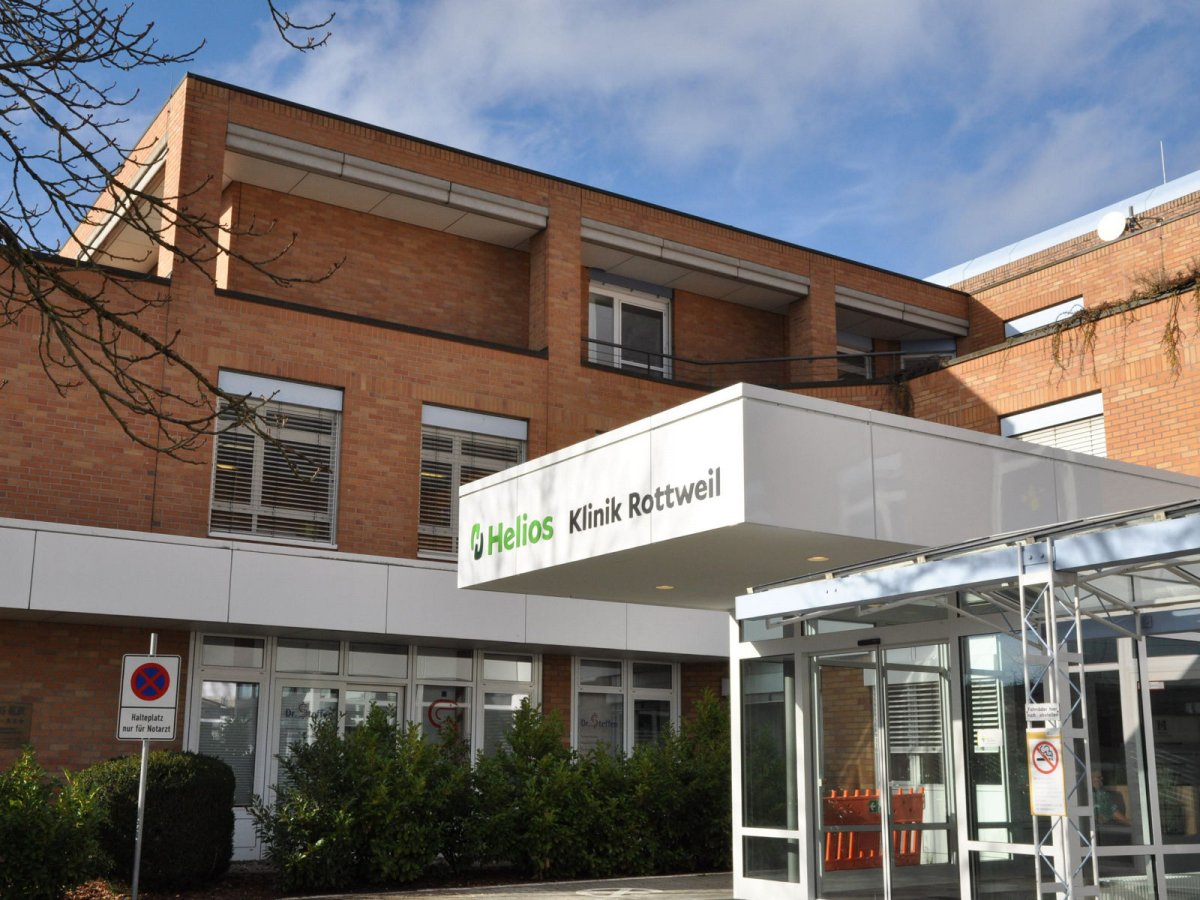

نظرة عامة على رأب القرنية في ألمانيا
- ربط القرنية (CCL) (عين واحدة) - من $1,500
يقوي العلاج القرنية من خلال الأشعة فوق البنفسجية والريبوفلافين ، مما يمنع حالات العين التقدمية.
- رأب القرنية - من $4,800
تُزرع هذه الجراحة أنسجة القرنية ، مما يحسن الرؤية أو يخفف الألم ، وغالبًا ما يتميز بالشفاء السريع مع الحد الأدنى من التندب.
- زرع القرنية - من $6,800
تستبدل هذه الجراحة سطح العين التالف بأنسجة متبرع صحية لتحسين الرؤية أو تخفيف الألم.
- زرع حلقات ضمن القرنية - من $2,500
يتضمن الإجراء وضع حلقات صغيرة في العين لإعادة تشكيل القرنية وتحسين الرؤية والراحة.
اليوم الأول: الوصول
- الوصول إلى البلاد.
- الانتقال إلى السكن (غير مشمول في العرض).
- الراحة والتأقلم مع البيئة الجديدة.
اليوم الثاني: ما قبل العملية
- التشاور مع طبيب العيون لمراجعة التاريخ الطبي.
- يتم إجراء فحوصات العين والاختبارات التشخيصية.
- اختبارات البول لضمان الصحة العامة.
- احصل على مساعدة لغوية إذا لزم الأمر.
اليوم الثالث: عملية شد القرنية
- الوصول إلى العيادة.
- التحضير للجراحة (صيام ، إستحمام).
- إعطاء التخدير الموضعي أو العام.
- يتم إجراء عملية زراعة القرنية (رأب القرنية) (1-2 ساعة).
- التعافي من التخدير ، المراقبة الأولية بعد الجراحة.
اليوم 4-7: ما بعد العملية
- المتابعات اليومية مع طبيب العيون.
- الأدوية المنتظمة وقطرات العين.
- مراقبة عملية الشفاء والتحقق من المضاعفات.
الأسبوع 2-8: إعادة التأهيل
- الاستئناف البطيء للأنشطة العادية.
- فحوصات العين المنتظمة واستمرار العلاج.
- العودة إلى العمل بحلول الأسبوع الثالث ، مع ارتداء نظارات واقية.
- الأنشطة الرياضية الخفيفة في الأسبوع السادس.
- تظهر النتيجة النهائية بحلول الأسبوع 8.
تذكر أن شفاء كل مريض فردي وقد يختلف.
- إيداع Bookimed: 200 دولار أو 200 يورو.
- وديعة العيادة: ادفع نسبة محددة مقدمًا.
بصفتنا المنصة العالمية الرائدة في مجال السياحة العلاجية ، فإننا نتحمل مسؤولية كبيرة أمام عملائنا - المرضى والمراكز الطبية على حد سواء. تستند جميع المعلومات المقدمة على Bookimed.com إلى البحث والاستبصار والخبرة وتفي بالاهتمام الكبير المتعلق بالمنتج وما يلي:
نظام التصنيف التلقائي الذكي
نحن نشكل قوائمنا للعيادات والأطباء مع لوائح صارمة لنظام التصنيف التلقائي الذكي الخاص بنا. يعتمد النظام على أسعار Bookimed الحقيقية للمرضى لتوفير المعلومات الأكثر موضوعية وشفافية حول العيادات والخدمات الطبية في ألمانيا.
يجمع عالم البيانات ذو الخبرة لدينا البيانات يوميًا ، ويراقب ويحسن نظام التصنيف باستخدام التعلم الآلي والذكاء الاصطناعي لضمان تحديث نظام التصنيف وتوفير نتائج دقيقة لعملية رأب القرنية في ألمانيا.
تجربة الناس الحقيقية فقط
نحن نجمع آراء عملاء Bookimed فقط بعد الحصول على خبرة طبية من عيادة جراحة رأب القرنية في ألمانيا - لذلك يمكن لأي شخص على المنصة الوثوق بالمنشأة التي يختارونها. نحن نسعى جاهدين لجعل المحتوى على منصتنا مفيدًا قدر الإمكان ونضمن حرية التعبير عن الآراء النقدية. وبالتالي ، ننشر مراجعات إيجابية وسلبية ، بهدف أن نكون مصدرًا لاتخاذ قرارات مستنيرة لعملائنا في المستقبل.
مواضيع ذات مستويات عالية من الخبرة والسلطة والجدارة بالثقة
قد تجد على Bookimed.com الاختيار والراحة للعثور على أفضل الحلول الطبية من أفضل مزودي الخدمات الطبية لجراحة رأب القرنية في ألمانيا في مكان واحد فقط ، وغالبًا بأسعار تنافسية. للتأكد من تقديم أحدث المعلومات ، يقوم ممثلو العيادة بتحديث السير الذاتية للأطباء ، وقدرات العيادات ، والصور قبل وبعد ، والأسعار ، والحزم ، والعروض الخاصة بأنفسهم قريبًا. يمكنك مقابلة ممثل العيادة والتحقق من تاريخ المحتوى المحدث في صفحة كل عيادة للتأكد من مصداقيتها لعملية تجميل القرنية في ألمانيا.
تم إنشاء مدونتنا والقطع الداعمة من قبل مؤلفين محترفين يتمتعون بخبرة لا تقل عن 3 سنوات في الكتابة الطبية ويتم تحريرها بواسطة متخصصين طبيين يتمتعون بخبرة إكلينيكية وبحثية ذات صلة - تم تعيينهم جميعًا بعناية في الفريق. نحن نسعى جاهدين لتعزيز وصول المريض إلى المعلومات الصحية لعملية رأب القرنية في ألمانيا ، مما يجعلها متخصصة وسهلة الفهم. تتبع جميع القطع إرشادات التحرير الخاصة بـ Bookimed.
القيم المحجوزة
نحن مصنوعون من الناس ومن أجلهم - وهذه هي قيمتنا الأساسية. هذا هو السبب في أن جميع البيانات المقدمة على المنصة يتم جمعها وتحريرها ومراجعتها وتحديثها بانتظام من قبل مرضانا وعياداتنا الشريكة وفريقنا ، بما في ذلك المجلس الاستشاري الطبي Bookimed ، الذي يتكون من أطباء مشهورين عالميًا يتمتعون بخبرة قيمة في أكثر من 20 عامًا من الممارسة ، وسمعة طيبة في مجال جراحة رأب القرنية في ألمانيا. تعلم المزيد عنا وعن مهمتنا .
في حال وجدت أي خطأ أو لديك أي أسئلة حول المعلومات المقدمة على Bookimed.com ، فلا تتردد في الاتصال بنا على marketing@bookimed.com .
احصل على تقييم طبي لـ رأب القرنية في ألمانيا: اختر أخصائيك من بين الأفضل في هذا المجال
عرض جميع الأطباء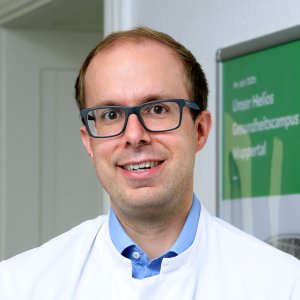
André Rosentreter Chief Of Ophthalmology
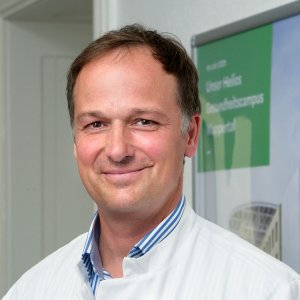
Ansgar Neußer
قصص فيديو من مرضى Bookimed
المراجعات
جميع المراجعاتمشاركة المحتوى
 Anna Leonova
حقائق سريعة عن رأب القرنية
رأب القرنية
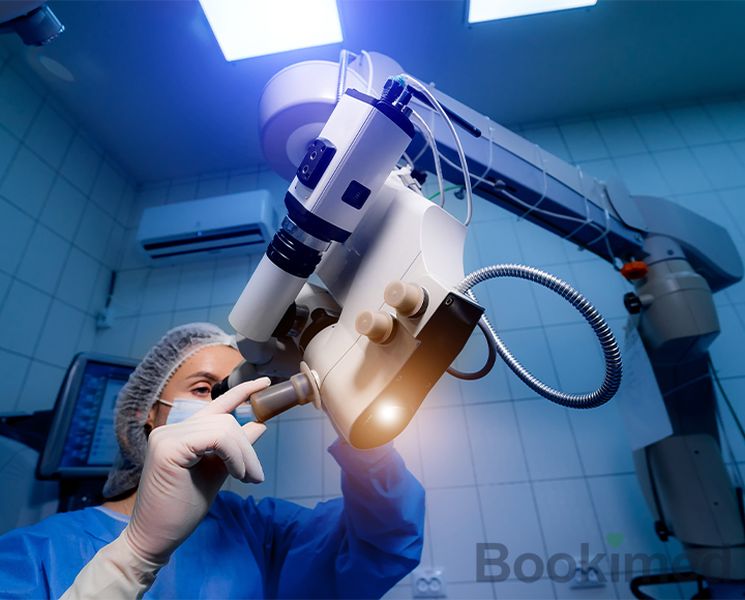
ينطوي رأب القرنية على استبدال أنسجة القرنية التالفة بأنسجة قرنية سليمة من متبرع لاستعادة الرؤية.
أسئلة متكررة حول رأب القرنية في ألمانيا
ما هو متوسط معدل نجاح رأب القرنية في العيادات الألمانية؟
تُبلغ العيادات الألمانية عن متوسط معدل نجاح لرأب القرنية يتراوح بين 92% و95%. يعتمد النجاح على التقنية المستخدمة، حيث تحقق الإجراءات الصفائحية الحديثة مثل DMEK استعادة الرؤية بنسبة تصل إلى 100%. تستخدم المستشفيات الجامعية الرائدة سجل رأب القرنية الألماني للحفاظ على معايير الفعالية العالية هذه.
- تقنية الإجراء: تصل معدلات نجاح DMEK إلى 95% إلى 100% لدى المرضى المثاليين.
- تأثير الحالة: يحقق مرضى القرنية المخروطية نجاحاً في 97% إلى 98% من الحالات.
- بقاء الطعم: تحافظ عمليات زرع القرنية كاملة السماكة على معدل بقاء بنسبة 91% خلال السنة الأولى.
- بيانات السجل: يعمل سجل رأب القرنية الألماني على تحسين الجودة الجراحية عبر 28 قسماً متخصصاً.
رؤية خبير Bookimed: على الرغم من أن النجاح الإجمالي مرتفع، إلا أن المراكز الجامعية مثل هيليوس فوبرتال (Helios Wuppertal) توفر مزايا متميزة. يقدم فريقهم المكون من 500 طبيب رعاية متعددة التخصصات لا يمكن للعيادات الأصغر مطابقتها. هذا النطاق حيوي لأن معدلات النجاح في عمليات الزرع المتكررة تنخفض إلى 84%. إن اختيار مركز أكاديمي عالي الحجم لجراحتك الأولى هو أفضل طريقة لضمان بقاء الطعم على المدى الطويل.
إجماع المرضى: يؤكد المرضى أن النجاح هو التزام طويل الأمد يتضمن سنوات من رعاية المتابعة. يسلط الكثيرون الضوء على أنه على الرغم من بقاء الطعم، غالباً ما تظل هناك حاجة إلى عدسات لاصقة خاصة للحصول على رؤية واضحة.
ما هي مخاطر رفض زراعة القرنية في ألمانيا؟
تختلف مخاطر رفض زراعة القرنية في ألمانيا حسب التقنية الجراحية، وتتراوح من أقل من 2% للإجراءات الصفائحية المتقدمة إلى 30% لعمليات الزرع كاملة السماكة. تجري العيادات الألمانية 9000 عملية سنويًا، مع إعطاء الأولوية لرأب القرنية البطاني الغشائي لديسيميت (DMEK) والنهج الطبقي الأخرى لتقليل المضاعفات المناعية.
- نوع الإجراء: تحمل عملية DMEK أقل مخاطر للرفض، وعادة ما تتراوح بين 1% و 2.3%.
- المخاطر السريرية: التوعي الوعائي القرني الموجود مسبقًا يضاعف احتمالية رفض الطعم بأكثر من الضعف.
- إدارة المخاطر العالية: تستخدم المراكز الألمانية مثبطات المناعة الجهازية مثل ميكوفينولات موفيتيل لحالات إعادة الزرع المعقدة.
- التدخل المبكر: يجب الإبلاغ عن التغيرات البصرية أو الألم على الفور لعكس نوبات الرفض.
رؤية خبير Bookimed: يركز طب العيون الألماني على المعالجة المسبقة التراجعية للأوعية الدموية. يستخدم الجراحون في مرافق مثل مستشفى هيليوس الجامعي في فوبرتال الكي بالإبرة الدقيقة قبل الزرع. وهذا يقلل من نمو الأوعية الدموية، ويحول الحالات عالية المخاطر إلى إجراءات ذات مخاطر قياسية مع معدلات نجاح أعلى بكثير.
إجماع المرضى: يمكن السيطرة على الرفض إذا لم تفوت أبدًا جدول قطرات الستيرويد طويل الأمد. يؤكد المرضى أن حتى الرؤية `الضبابية` الطفيفة بعد سنوات تتطلب تقييمًا سريريًا عاجلاً.
ما هي التقنيات الجراحية التي يستخدمها أطباء العيون الألمان بشكل أكثر شيوعاً؟
يستخدم أطباء العيون الألمان بشكل أكثر شيوعاً تقنية استحلاب العدسة بالموجات فوق الصوتية لعلاج المياه البيضاء (الكاتاراكت) وتقنية ReLEx SMILE لتصحيح الإبصار. وتقوم المراكز المتخصصة بشكل متكرر بإجراء تقنيات رأب القرنية الصفائحي مثل DMEK و DALK. تحافظ هذه الطرق طفيفة التوغل على الأنسجة السليمة لتحسين النتائج البصرية وتسريع التعافي عبر رعاية العيون متعددة التخصصات.
- جراحة القرنية: يعطي الجراحون الأولوية للتقنيات الصفائحية مثل DMEK على رأب القرنية النافذ كامل السماكة.
- معيار المياه البيضاء: تُستخدم تقنية استحلاب العدسة بالموجات فوق الصوتية في 96% من حالات المياه البيضاء السنوية.
- تصحيح الرؤية: كانت ألمانيا رائدة في تقنية ReLEx SMILE بدون شريحة لتصحيح قصر النظر بأقل قدر من التدخل الجراحي.
- رعاية الجلوكوما: يفضل الأطباء جراحة الجلوكوما طفيفة التوغل (MIGS) باستخدام دعامات تصريف دقيقة.
رؤية خبراء Bookimed: بينما لا تزال العديد من البلدان تعتمد على عمليات الزرع كاملة السماكة، تستخدم الوحدات الألمانية المتخصصة مثل مستشفى هيليوس الجامعي في فوبرتال تقنية DMEK بشكل روتيني. تسمح هذه التقنية بتعافي بصري أسرع. ومع ذلك، يجب على المرضى التأكد من حجم عمليات الجراح لهذه الطريقة المحددة. تُظهر بيانات Bookimed أن هذه المراكز تدير أكثر من 150,000 مريض سنوياً، مما يضمن كفاءة عالية في الإجراءات الصفائحية المعقدة.
إجماع المرضى: يقدر المرضى التعافي السريع لتقنيتي DMEK و DALK ولكنهم غالباً ما يتفاجأون بالحاجة إلى متابعة دقيقة. يؤكد الكثيرون على أ
كم تستغرق فترة التعافي الكامل بعد عملية ترقيع القرنية؟
يستغرق التعافي الكامل بعد عملية ترقيع القرنية عادةً من 3 إلى 24 شهراً. يعتمد إجمالي وقت الشفاء على ما إذا كان الجراحون يستبدلون طبقات كاملة أو جزئية. في حين أن التئام الجروح الأولي يحدث في غضون أسابيع، فإن الاستقرار البصري يتطلب وقتاً كبيراً حتى تستقر الغرز وتعود انحناءة القرنية إلى طبيعتها.
- التعافي من عمليات DMEK/DSEK: توفر هذه العمليات الجزئية أسرع النتائج البصرية في غضون 3 إلى 6 أشهر.
- الجدول الزمني لعمليات PK/DALK: تتطلب إجراءات السماكة الكاملة أو الطبقية العميقة من سنة إلى سنتين للاستقرار.
- إزالة الغرز: يقوم الجراحون بإزالة الغرز تدريجياً على مدى عدة أشهر للتحكم في الاستجماتيزم وتحسين الوضوح.
- قيود النشاط: يجب على المرضى تجنب رفع الأثقال أو السباحة لمدة 4 أسابيع على الأقل بعد الجراحة.
رؤية خبير Bookimed: تُصنف ألمانيا من بين أفضل الوجهات العالمية لجراحات العيون مع توفر 82 عيادة متخصصة. تدير مراكز مثل مستشفى هيليوس الجامعي في فوبرتال أكثر من 150,000 مريض سنوياً. هذا الحجم الكبير ضروري لأن الاستقرار غالباً ما يتطلب تعديلات متابعة متعددة في مختبرات ألمانية عالية الدقة.
إجماع المرضى: يجد العديد من المرضى أن أصعب مرحلة هي انتظار استقرار الرؤية. يبدو الشفاء الأولي سريعاً، لكن التغيرات البصرية النهائية تستمر حتى إزالة الغرز الأخيرة.
ما هي الحالات السريرية التي تؤدي في الغالب إلى جراحة ترقيع القرنية (Keratoplasty) في ألمانيا؟
تعد ضمور فوكس البطاني (FECD) الحالة السريرية الأساسية التي تؤدي إلى ترقيع القرنية في ألمانيا، حيث تمثل ما يصل إلى 46% من الحالات. تشمل المؤشرات الرئيسية الأخرى تعويض القرنية الكاذب، وفشل الطعم المتكرر، والتهاب القرنية المعدي الناجم عن البكتيريا أو الفيروسات مثل فيروس الهربس البسيط.
- ضمور فوكس البطاني: تسبب هذه الحالة الوراثية فقدان الخلايا وتغيم القرنية المؤلم لدى معظم المرضى.
- اعتلال القرنية الفقاعي الكاذب: غالبًا ما يتبع التورم الدائم جراحة سابقة لإزالة المياه البيضاء أو صدمة ميكانيكية ثانوية للعين.
- ترقيع القرنية المتكرر: تعد جراحة المراجعة ضرورية إذا تسبب الرفض المناعي في فشل طعم سابق.
- التهاب القرنية المعدي: تتطلب القرح المزمنة أو ذوبان الأنسجة الناتج عن الالتهابات البكتيرية أو الفطرية أو الفيروسية تدخلاً جراحياً.
- القرنية المخروطية: تشوه هيكلي متقدم حيث تصبح القرنية رقيقة وتبرز على شكل مخروط.
رؤية خبراء Bookimed: تظهر العيادات الألمانية مثل مستشفى هيليوس الجامعي في فوبرتال تحولاً قوياً نحو التقنيات الصفائحية. يعطي الجراحون المتخصصون مثل الدكتور أندريه روزنتريتر الأولوية لتقنية DMEK لأمراض البطانة. يستبدل هذا النهج طبقات محددة فقط، مما يساعد في تقليل مخاطر الرفض على المدى الطويل مقارنة بعمليات الزرع كاملة السماكة.
إجماع المرضى: يوصي العديد من المرضى بمناقشة جراحة ترقيع القرنية البطانية بغشاء ديسيميه (DMEK) مبكراً لمشاكل التورم. وغالباً ما يلاحظون أن الرؤية تكون في أسوأ حالاتها في الصباح
كم من الوقت يجب أن يخطط المرضى الدوليون للبقاء في ألمانيا بعد عملية ترقيع القرنية؟
يجب على المرضى الدوليين التخطيط للبقاء في ألمانيا لمدة 14 إلى 21 يوماً بعد عملية ترقيع القرنية. تسمح هذه الفترة للجراحين بمراقبة الطعم بحثاً عن علامات الرفض المبكرة. كما أنها تضمن استقرار عملية الزرع قبل تغيرات الضغط الجوي أثناء الرحلة الجوية.
- عمليات الزرع الجزئي (DMEK): خطط لإقامة لمدة 10 إلى 14 يوماً في ألمانيا.
- عمليات الزرع الكامل (PKP): ابقَ لمدة 14 إلى 21 يوماً بسبب تعقيد الخياطة الجراحية.
- الإقامة في المستشفى: توقع من 1 إلى 7 أيام من الرعاية الداخلية حسب التعقيد.
- سلامة السفر: يطلب الطيارون شهادة اللياقة للطيران (Fit to Fly) بعد جراحة العين.
رؤية خبير Bookimed: بينما تعالج العديد من المراكز ذات الحجم الكبير مثل مستشفى هيليوس الجامعي في فوبرتال آلاف المرضى، فإن التنسيق الدولي هو المفتاح. غالباً ما تتطلب العيادات الألمانية وضعية رأس محددة بعد عملية DMEK. وهذا يجعل اختيار فندق بخدمة غرف عالية الجودة أمراً ضرورياً خلال الـ 48 ساعة الأولى.
إجماع المرضى: يؤكد المرضى أن البقاء بالقرب من العيادة يجعل فحوصات اليوم السابع واليوم الرابع عشر الإلزامية أسهل بكثير. يقترح معظمهم ترتيب وجود مقدم رعاية للأيام الأولى عندما تكون الرؤية ضبابية ويكون الالتزام بالوضعية صارماً.
هل تتوفر قرنيات المتبرعين بسهولة للمرضى الأجانب؟
تتوفر قرنيات المتبرعين للمرضى الأجانب في ألمانيا من خلال شبكات أنسجة دولية راسخة ومراكز طب عيون متخصصة. على الرغم من وجود نقص عالمي، تنسق المستشفيات الجامعية الألمانية مع بنوك العيون لتأمين الأنسجة، مما يؤدي غالبًا إلى فترات انتظار تتراوح بين 4 إلى 5 أيام فقط للمرضى المسافرين.
- مطابقة الأنسجة: لا يلزم مطابقة فصيلة الدم لأن القرنيات لا تحتوي على أوعية دموية.
- لوجستيات الوصول: تدير مستشفيات مثل مستشفى هيليوس الجامعي في فوبرتال عمليات شراء الأنسجة الدولية.
- أولوية الاستعجال: تحصل حالات رأب القرنية العلاجي على وصول أسرع لحماية سلامة مقلة العين.
- المعايير التنظيمية: تلبي المرافق معايير الجمعية الألمانية للسرطان الصارمة والمعايير الأوروبية للأورام.
رؤية خبير Bookimed: تحتل ألمانيا المرتبة الثانية في شبكتنا العالمية لطلبات طب العيون المعقدة. تخدم المراكز ذات الحجم الكبير مثل مستشفى هيليوس الجامعي في فوبرتال 150,000 مريض سنويًا. يسمح هذا النطاق الهائل لجراحيها، بما في ذلك جراحين مثل الدكتور أندريه روزنتريتر، بالحفاظ على روابط أولوية أقوى مع بنوك العيون المركزية مقارنة بالعيادات الخاصة الأصغر.
إجماع المرضى: يفيد المرضى أنه على الرغم من أن الأنسجة ليست منتجًا جاهزًا، فإن تأمين التزام الجراح هو العقبة الرئيسية. بمجرد القبول، يتحرك المسار الإداري ولوجستيات الدفع بسرعة لتتناسب مع توفر المتبرعين.
ما هي المستشفيات في ألمانيا التي تحظى بأعلى التقييمات في جراحة الأعصاب؟
تضم ألمانيا بعضًا من أرقى أقسام جراحة الأعصاب في العالم، بقيادة مستشفى شاريتيه الجامعي في برلين ومستشفى جامعة هايدلبرغ. وتتميز هذه المراكز بخبرتها الواسعة في علاج أورام الدماغ المعقدة وأمراض الأوعية الدموية الدماغية. ولتحقيق أقصى قدر من الفعالية في عملياتها، تستخدم هذه المراكز أحدث التقنيات، مثل التصوير بالرنين المغناطيسي أثناء الجراحة والتوجيه العصبي بمساعدة الحاسوب.
- مستشفى شاريتيه برلين: يُجري أكثر من 5000 عملية جراحية سنوياً. ويرأس العيادة جراح الأعصاب الشهير الدكتور بيتر فايكوتشي.
- المركز الطبي في سولينجن: أجرى الدكتور رالف بوهل أكثر من 4000 عملية جراحية، بما في ذلك جراحات العمود الفقري طفيفة التوغل.
- عيادة أسكليبيوس نورد: مجهزة بنظام التصوير بالرنين المغناطيسي الثنائي الوحيد في ألمانيا أثناء الجراحة لضمان الدقة الجراحية في الوقت الحقيقي أثناء إزالة الورم.
- عيادة نوردويست: تم الاعتراف بها من قبل مجلة نيوزويك كمستشفى رائد في مجال الابتكار في تكنولوجيا الموجات فوق الصوتية ثلاثية الأبعاد.
رأي خبراء بوكيمد: تشير البيانات إلى أن اختيار المراكز ذات الحجم الجراحي الكبير غالبًا ما يؤدي إلى توصيات علاجية أكثر تحفظًا. ففي مركز سولينجن الطبي، الذي يعالج أكثر من 60,000 مريض
ما هي نسب نجاح العمليات الجراحية العصبية المعقدة في ألمانيا؟
في ألمانيا، تتميز العمليات الجراحية العصبية بالغة التعقيد بمستوى أمان استثنائي. تصل نسبة نجاح عمليات دمج الفقرات إلى 99%، بينما تبلغ نسبة النجاة بعد استئصال أورام الدماغ الأولية 97%. كما يتمتع المرضى بقدرة عالية على الاعتماد على أنفسهم في أداء وظائفهم اليومية، حيث يغادر أكثر من 82% منهم المستشفى مباشرةً بعد العلاج. وتولي المراكز الألمانية اهتماماً بالغاً بالحفاظ على الوظائف العصبية باستخدام أحدث تقنيات التخطيط العصبي.
- استئصال الورم: يحقق الجراحون استئصالًا كاملاً للورم في 87.2% من حالات النقائل الدماغية.
- النجاح في علاج أمراض الأوعية الدموية: أفادت المستشفيات الألمانية بنسبة نجاة بلغت 98.7% لحالات تمدد الأوعية الدموية غير الممزقة.
- تحسن الحالة العصبية: يشهد ما يقرب من 43% من المرضى تحسناً في المعايير الوظيفية بعد عمليات الاستئصال المعقدة.
- سلامة التدخلات الجراحية: في المراكز الجراحية الكبيرة، تتراوح معدلات بقاء المرضى على قيد الحياة بعد جراحة العمود الفقري بين 98-99%.
رأي خبراء بوكيمد: يُجري جراحون ذوو خبرة، مثل الدكتور أوفه كولر من عيادة أسكليبيوس ألتونا، أكثر من 2000 عملية جراحية سنويًا. تُشير البيانات إلى أن هؤلاء المتخصصين يحافظون على معدلات نجاح تصل إلى 90%، حتى
ما هي التقنيات المتقدمة المتوفرة عادةً في عيادات جراحة الأعصاب الألمانية؟
تُدخل عيادات جراحة الأعصاب الألمانية بانتظام أدوات رقمية عالية الدقة وتقنيات تصوير فوري في الممارسة الجراحية. تشمل التقنيات الرئيسية الملاحة العصبية الحاسوبية لجراحات الدماغ والحبل الشوكي. تستخدم مؤسسات مثل عيادة أسكليبيوس نورد التصوير بالرنين المغناطيسي أثناء الجراحة للتحقق من استئصال الورم في الوقت الفعلي. توفر هذه الأنظمة للجراحين نظام ملاحة ثلاثي الأبعاد.
- الملاحة العصبية: توفر تصورًا ثلاثي الأبعاد وتتبعًا فوريًا للأدوات لتحقيق دقة جراحية تصل إلى مستوى أقل من المليمتر.
- التصوير أثناء العملية: تسمح أنظمة مثل التصوير بالرنين المغناطيسي أثناء العملية (iMRI) والتصوير المقطعي المحوسب ذي الذراع O (O-arm CT) بالتأكيد الفوري على نجاح عملية الاستئصال.
- المراقبة العصبية: تراقب الوظائف الحركية والحسية أثناء الجراحة لحماية الجهاز العصبي.
- التشخيص الفلوري: يتم استخدام صبغة 5-ALA لتسليط الضوء على حدود الورم من أجل إزالته بشكل أكثر اكتمالاً.
- المساعدة الروبوتية: تعمل أنظمة مثل نظام دافنشي على تحسين الدقة في الإجراءات المعقدة ذات التدخل الجراحي البسيط.
رأي خبراء بوكيمد: تُجري مراكز طبية كبيرة، مثل مستشفى شاريتيه الج