عيادات العلاج في ألمانيا


تمت مراجعة المقالة طبيا من قبل
فهد مولود
ما هي تكلفة العلاج في ألمانيا؟ اكتشف الآن
تتراوح تكلفة العلاج في ألمانيا عادةً ما بين $2,600 و $82,300 للمرضى الدوليين أو أولئك الذين يدفعون التكاليف من حسابهم الخاص. تعتمد الأسعار النهائية على نوع العلاج المحدد، ومؤهلات الممارس، وما إذا كانت الخدمة تتعلق برعاية طبية متخصصة أو علاجات العافية البديلة. وغالباً ما يحقق المرضى القادمون من الخارج وفورات تتراوح بين 20-40% مقارنة بالتكاليف في الولايات المتحدة.
تكاليف العلاج النموذجية في ألمانيا
- مراجعة نتائج التصوير بالرنين المغناطيسي: من $340
- العلاج بالأوزون: $350 – $1,100
- العلاج بفيتامين سي عن طريق الوريد: السعر عند الطلب
- علاج تحليل السلوك التطبيقي (ABA): السعر عند الطلب
- حقن الفيتامينات: السعر عند الطلب
- العلاج بالخلايا الجذعية الوسيطة: السعر عند الطلب
- العلاج بالخلايا الجذعية لمرض الزهايمر: السعر عند الطلب
- دورة علاجية بالخلايا الجذعية المانحة: $120,000 – $185,000
- العلاج بالخلايا الجذعية من الحبل السري: $4,500 – $10,500
- التطعيم: $60 – $190
تقع المراكز الطبية الرئيسية لهذه العلاجات في ميونخ وبرلين وفرانكفورت. غالباً ما تكون الأسعار في مدن مثل ميونخ أعلى بنسبة 15-20% مقارنة بالمناطق الأخرى. استشر أخصائياً طبياً للحصول على تسعير دقيق مصمم خصيصاً لاحتياجاتك السريرية للحصول على خطة علاج شخصية.
| تركيا | إسبانيا | ألمانيا | |
|---|---|---|---|
| علاج المرضى الداخليين في اليوم الواحد | من $850 | من $10,500 | ≈ $650 |
| علاج الأعراض | من $230 | من $20,200 | ≈ $1,800 |
| برنامج علاج بالخلايا الجذعية المانحة | ≈ $40,000 | ≈ $95,000 | ≈ $120,000 |
| برنامج علاج بالخلايا الجذعية الخاصة | ≈ $4,500 | ≈ $4,500 | ≈ $6,500 |
| المعالجة بالدم السري | ≈ $3,500 | ≈ $3,800 | ≈ $4,500 |
مزاياك وضماناتك مع Bookimed
أسعار مباشرة
Bookimed لا يضيف رسوماً إضافية على أسعار علاج العلاج. الأسعار مأخوذة من قوائم الأسعار الرسمية للعيادات. تدفع مباشرة في العيادة مقابل علاجك عند وصولك إلى البلد.
عيادات وأطباء معتمدون فقط
Bookimed ملتزم بسلامتك. نحن نعمل فقط مع المؤسسات الطبية التي تحافظ على معايير دولية عالية في علاج العلاج ولديها التراخيص اللازمة لخدمة المرضى الدوليين في جميع أنحاء العالم.
مساعدة مجانية على مدار الساعة
Bookimed يقدم مساعدة خبراء مجانية. منسق طبي شخصي يدعمك قبل وأثناء وبعد العلاج، ويحل أي مشاكل. لن تكون وحيداً أبداً في رحلة علاج العلاج.

منسقك الطبي الشخصي في Bookimed
- يدعمك في كل مرحلة
- المساعدة في اختيار العيادة الطبية المناسبة والطبيب المناسب
- يضمن الوصول السريع والمريح إلى المعلومات
اكتشف أفضل عيادات العلاج: 38 خيارات معتمدة والأسعار





Hospital Havelhoehe




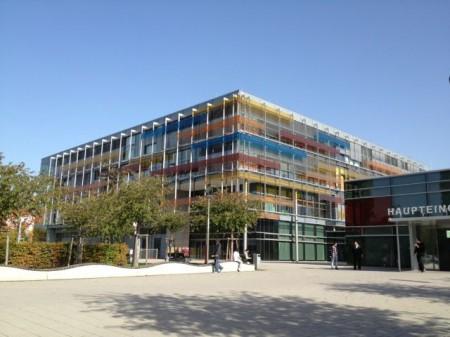
University Hospital in Haydelberge

Kerckhoff clinic


أفضل مراكز العلاج في ألمانيا
- Medical Center in Solingen, ألمانيا
- Nordwest Clinic (Krankenhaus), ألمانيا
- Nordrhein-Westfalen Clinic Complex, ألمانيا
- Hospital Havelhoehe, ألمانيا
- Charité - Universitätsmedizin Berlin, ألمانيا
- University Hospital Carl Gustav Carus Dresden, ألمانيا
- University Hospital in Haydelberge, ألمانيا
- Kerckhoff clinic, ألمانيا
- Medical Center Rechts der Isar , ألمانيا
- University Hospital in Erlangen, ألمانيا
احصل على تقييم طبي لـ العلاج في ألمانيا. استشر الآن 25 أطباء ذوي الخبرة.
عرض جميع الأطباء
Manuela Seifert
تقود الدكتورة مانويلا سايفرت مركز سرطان الثدي في مستشفى سولينغن، وهي متخصصة في جراحات الحفاظ على الثدي وتقنيات إعادة البناء.
- أكثر من 20 عاماً من الخبرة في أمراض النساء وصحة الثدي
- خبيرة في إعادة بناء الثدي الجمالية بعد جراحة السرطان
- تستخدم وسائل تشخيص متقدمة مثل التصوير الشعاعي للثدي ثلاثي الأبعاد والتصوير بالرنين المغناطيسي
- توفر الدعم النفسي طوال فترة العلاج

Séverine Iborra
ترأس الدكتورة سيفيرين إيبورا قسم أمراض النساء والتوليد في مستشفى شتاتيشس كلينيكوم زولينغن، وتتخصص في العلاجات طفيفة التوغل والأورام.
- حاصلة على شهادة في أورام النساء والتوليد الخاص
- خبير في المسالك البولية النسائية وجراحة إعادة بناء الحوض
- عضو نشط في الجمعيات الطبية الألمانية الرائدة
- تستخدم جراحة المناظير ونظام دا فينشي الروبوتي في العمليات

Viktor Alexander Krol
يقود الدكتور فيكتور ألكسندر كرول أقسام أمراض الجهاز الهضمي والطب الباطني في مستشفى سانت مارتينوس دوسلدورف، وهو متخصص في العلاجات المتقدمة للسمنة واضطرابات التمثيل الغذائي.
- مدير مركز معتمد لعلاج السمنة مع خيارات جراحية وتنظيرية
- خبير في جراحة السمنة وتقنيات إنقاص الوزن بالمنظار
- نهج شامل لأمراض الجهاز الهضمي والقلب والأوعية الدموية والجهاز التنفسي
- يستخدم أحدث طرق التشخيص والعلاج لتحقيق أفضل النتائج للمرضى

Marc Ulrich Becher
يقود الدكتور مارك أولريش بيشر وحدة أمراض قلب ذات حجم عمل مرتفع، حيث تُجرى فيها 3000-4000 عملية سنويًا في مستشفى شتادتشيس كلينيكوم زولينغن.
- يتخصص في التدخلات التاجية طفيفة التوغل مثل تركيب الدعامات وإعادة فتح الانسدادات التاجية المزمنة (CTO)
- يستخدم تقنيات تصوير متقدمة بما في ذلك الموجات فوق الصوتية داخل الأوعية (IVUS) والتصوير المقطعي المتماسك البصري (OCT) للتشخيص الدقيق
- يجري عمليات هيكلية معقدة للقلب تشمل تغيير صمام الأورطي عبر القسطرة (TAVI) وتدخلات الصمام المترالي
- يقدم خدمات القسطرة الطارئة على مدار الساعة طوال أيام الأسبوع لمتلازمات الشرايين التاجية الحادة
مشاركة المحتوى
قصص فيديو من مرضى Bookimed
 Anna Leonova
أسئلة متكررة حول العلاج في ألمانيا
ما هي الشهادات والمؤهلات التي تمتلكها عيادات العلاج الألمانية لضمان رعاية آمنة وعالية الجودة؟
تضمن عيادات العلاج الألمانية رعاية عالية الجودة من خلال تراخيص حكومية إلزامية وأنظمة صارمة لإدارة الجودة. غالبًا ما تحمل المرافق شهادات KTQ (التعاون من أجل الشفافية والجودة في الرعاية الصحية) أو ISO 9001. يجب أن يمتلك الممارسون ترخيصًا حكوميًا رسميًا يُعرف باسم Approbation لممارسة العلاج السريري بشكل مستقل.
- شهادة المنشأة: تقيم KTQ توجه المريض، والسلامة، ومعايير القيادة في العيادات الألمانية.
- إدارة الجودة: تضمن معايير ISO 9001 عمليات تنظيمية وطبية موثوقة للعلاج.
- الترخيص الحكومي: Approbation هو ترخيص إلزامي للممارسين والمعالجين المستقلين.
- الألقاب المنظمة: المعالج النفسي هو لقب محمي يتطلب خمس سنوات من التدريب الجامعي المتخصص.
- التعليم المستمر: يجب على الممارسين المرخصين كسب 250 نقطة CME كل خمس سنوات للبقاء على اطلاع.
رؤية خبير Bookimed: تعطي التسلسل الهرمي الطبي الألماني الأولوية لحجم العمل والانتماء الأكاديمي كمؤشرات للجودة. تخدم عيادات مثل Charité - Universitätsmedizin Berlin أكثر من 800,000 مريض سنويًا، بينما يعمل المركز الطبي في سولينغن كمستشفى أكاديمي لجامعة كولونيا. غالبًا ما تعني هذه الروابط مع معاهد الأبحاث أن المرضى يصلون إلى بروتوكولات علاجية قبل وقت طويل من أن تصبح معيارًا في العيادات الخاصة الصغيرة.
إجماع المرضى: يؤكد المرضى أن التحقق من تسجيل المعالج لدى السلطة الصحية المحلية (Gesundheitsamt) هو خطوة السلامة الأكثر أهمية. كما يلاحظون أن العيادات العامة التي تحمل أختام KTQ توفر م
ما نوع السجلات الطبية أو وثائق ما قبل العلاج التي أحتاج إلى تحضيرها للعلاج في ألمانيا؟
يتطلب التحضير للعلاج في ألمانيا تقديم إثبات هوية شخصية وتاريخ طبي إلزامي. يجب عليك تقديم جواز سفر ساري المفعول، وتصريح إقامة، وبطاقة التأمين الصحي الألمانية الخاصة بك. غالبًا ما تتطلب العيادات المتخصصة إحالة من طبيب وتقارير تشخيصية حديثة لصياغة خطة علاجك المحددة.
- الهوية: احمل جواز سفر ساري المفعول أو تصريح إقامة لزيارتك السريرية الأولى.
- تسجيل التأمين: قدم بطاقة التأمين الصحي الألمانية أو بطاقة التأمين الصحي الأوروبية الخاصة بك.
- إحالة الطبيب: احصل على إحالة من ممارس عام لضمان تغطية التأمين.
- التاريخ الطبي: قدم ملخصات الخروج وقوائم الأدوية من الأشهر الـ 12 الماضية.
رؤية خبير Bookimed: غالبًا ما تعالج العيادات التي تستقبل أعدادًا كبيرة من المرضى الدوليين، مثل مستشفى أسكليبيوس بارمبيك، المستندات بشكل أسرع من خلال البوابات الرقمية. تُظهر بياناتنا أن تقديم إحالة طبيبك العام واستبيانات الفحص إلكترونيًا يمكن أن يقلل بشكل كبير من فترة الانتظار المعتادة للاستشارة الأولية. هذا فعال بشكل خاص في الشبكات الكبيرة حيث تنسق الفرق الإدارية مباشرة مع الأقسام المتخصصة.
إجماع المرضى: يؤكد المرضى أن زيارة سريعة لطبيب محلي للحصول على إحالة هي أسرع طريقة للبدء. يلاحظ الكثيرون أن إرسال السجلات السابقة بالفاكس مسبقًا يمكن أن يوفر أسابيع من الانتظار لموعد القبول.
كيف يبدو جدول المتابعة النموذجي بعد العلاج بمجرد عودتي إلى بلدي الأصلي؟
يتضمن جدول المتابعة النموذجي إخطارًا محليًا فوريًا في غضون 24 ساعة من العودة. يحضر المرضى فحوصات محلية شخصية بعد أسبوع إلى أسبوعين لتقييم الجرح. غالبًا ما توفر العيادات الألمانية دعمًا رقميًا من خلال مكالمات الفيديو الأسبوعية أو تسجيلات الوصول عبر البريد الإلكتروني خلال الشهر الأول. تتم المراقبة طويلة المدى في الأشهر 3 و 6 و 12.
- العودة الأولية: أبلغ طبيبك الأساسي في غضون 24 ساعة لتنسيق الرعاية.
- السجلات الطبية: شارك ملخصات الخروج الألمانية والتصوير مع مقدمي الخدمة المحليين على الفور.
- التعافي قصير المدى: قم بزيارة أخصائي محلي بعد أسبوعين لإجراء التقييمات البدنية اللازمة.
- المراقبة المتخصصة: حدد مواعيد مراجعات الطب عن بعد مع خبراء ألمان في الشهرين 3 و 6.
- معلم طويل المدى: قم بإجراء فحص نهائي لمدة 12 شهرًا لتأكيد نجاح العلاج.
رؤية خبير Bookimed: غالبًا ما تستخدم العيادات الألمانية مثل عيادة نوردويست أو المركز الطبي في سولينجن تشخيصات متقدمة مثل الموجات فوق الصوتية ثلاثية الأبعاد أو الأنظمة الموجهة بالرنين المغناطيسي. تعني هذه الدقة أن متابعتك تتطلب عادةً تصويرًا محددًا عالي الجودة من بلدك الأصلي ليتناسب مع بياناتهم الأساسية. تأكد دائمًا مما إذا كان أخصائي الأشعة المحلي لديك يمكنه توفير أنواع الفحص الدقيقة التي طلبها المتخصصون الألمان قبل مغادرة العيادة.
إجماع المرضى: يشير المرضى إلى أنه من الضروري العثور على أخصائي محلي مستعد للتعاون مع فرق دولية قبل بدء العلاج. وجد الكثيرون أن دعم العيادة قد
كم من الوقت وأين سأقيم أثناء إعادة التأهيل العصبي أو العلاج التقويمي في ألمانيا؟
عادةً ما يقيم المرضى من 3 إلى 4 أسابيع للتعافي العظمي في ألمانيا. غالبًا ما يتطلب إعادة التأهيل العصبي من 45 إلى 60 يومًا للحالات المعقدة مثل السكتة الدماغية. يتم العلاج في عيادات متخصصة للمرضى الداخليين مثل مجمع عيادات شمال الراين-وستفاليا أو مراكز أكاديمية مثل مستشفى شاريتيه الجامعي في برلين.
- المدة العصبية: غالبًا ما تتطلب الحالات الشديدة إقامة لا تقل عن 8 أسابيع.
- المدة التقويمية: يستمر التعافي بعد الجراحة عادةً ما بين 3 و 4 أسابيع.
- أنواع المرافق: تتم الإقامات في مستشفيات معتمدة من اللجنة الدولية المشتركة (JCI) أو عيادات متخصصة على طراز الفنادق.
- الكثافة اليومية: تشمل البرامج من 3 إلى 5 ساعات من العلاج الهيكلي اليومي الإلزامي.
رؤية خبير Bookimed: تعطي مراكز إعادة التأهيل الألمانية الأولوية للحجم السريري والتخصص على المواقع المركزية. على سبيل المثال، يعالج مجمع عيادات شمال الراين-وستفاليا 145,000 مريض سنويًا عبر 5 مستشفيات متخصصة. غالبًا ما يوفر اختيار مركز ذو حجم كبير إمكانية الوصول إلى معدات روبوتية أكثر كثافة. غالبًا ما تكون لهذه المرافق قوائم انتظار أقصر من العيادات الأصغر في المراكز السياحية الرئيسية.
إجماع المرضى: يؤكد المرضى على ضرورة ترتيب إعادة التأهيل قبل الخروج من المستشفى للحفاظ على أهلية التأمين. كما يلاحظون أن تحقيق الأهداف الوظيفية بشكل أسرع يمكن أن يؤدي أحيانًا إلى تقصير الإقامة المخطط لها.
ما هي معايير السلامة وشهادات الجودة المطبقة لمراكز العلاج في ألمانيا؟
تلتزم مراكز العلاج في ألمانيا بأطر قانونية صارمة بموجب القانون الاجتماعي الألماني (SGB). تشمل المعايير الإلزامية أنظمة إدارة الجودة (QM) التي يتم التحقق منها من قبل الرابطة الفيدرالية لإعادة التأهيل (BAR). غالبًا ما تحمل المرافق شهادات ISO 9001:2015 أو KTQ (التعاون من أجل الشفافية والجودة) لضمان مستوى عالٍ من سلامة المرضى.
- التفويض القانوني: يتطلب القانون الاجتماعي التاسع (SGB IX) من جميع عيادات إعادة التأهيل تنفيذ أنظمة رسمية لإدارة الجودة.
- التميز السريري: تحدد تصنيفات مجلة Focus المراكز الرائدة مثل مستشفى أسكليبيوس بارمبيك للرعاية المتخصصة.
- عمليات التفتيش على السلامة: يقوم خبراء TÜV (رابطة الفحص الفني) بالتحقق من المعدات التقنية وبروتوكولات السلامة البيئية.
- الإشراف المتخصص: تقوم هيئات متخصصة مثل الجمعية الألمانية للسرطان باعتماد أقسام الأورام للعلاج.
رؤية خبير Bookimed: بينما يبحث الكثيرون عن ملصقات ISO العامة، فإن مؤشر الجودة الأكثر موثوقية في ألمانيا هو تصنيف 'أفضل عيادة' في مجلة Focus. تظهر مرافق مثل عيادة نوردويست أو شاريتيه برلين باستمرار لأنها تدمج معاهد البحوث مباشرة في العلاج. وهذا يضمن حصول المرضى على أحدث البروتوكولات قبل وصولها إلى المراكز الأصغر غير الأكاديمية.
إجماع المرضى: يشير المرضى إلى أنه على الرغم من أن الشهادات الإدارية مثل ISO شائعة، فإن التحقق من الترخيص الحكومي الفردي للمعالج أمر حيوي. يقترح الكثيرون حجز جلسات تجريبية مبكرًا لأن أوقات الانتظار لمقدمي الخدمات المرخصين تتراوح غالبًا من 3 إلى
ما هي معايير الأهلية وخطوات الفحص المسبق قبل بدء إعادة التأهيل الطبي للمرضى الداخليين في ألمانيا؟
تتطلب الأهلية لإعادة التأهيل للمرضى الداخليين في ألمانيا حاجة طبية موثقة تقيد الحياة اليومية أو العمل. يجب أن يكون المرضى مرنين جسديًا بما يكفي للعلاج المكثف. يجب أن يُظهر التشخيص الإيجابي أن أهداف العلاج، مثل استعادة الاستقلالية، قابلة للتحقيق خلال إطار زمني محدد.
- الضرورة الطبية: يجب أن تكون العلاجات الخارجية غير كافية لضعفك الجسدي أو العقلي الحالي.
- القدرة الوظيفية: يجب أن تكون مستقرًا بما يكفي للمشاركة في 3-6 ساعات من العلاج.
- تقييم الطبيب: يجب على الطبيب العام أو الأخصائي تقديم تقرير طبي مفصل (Befundbericht).
- جهة تحمل التكاليف: يجب أن يوافق تأمين المعاشات التقاعدية أو التأمين الصحي القانوني على الطلب أولاً.
- الاختيار القانوني: يتمتع المرضى بحق قانوني في اقتراح عيادات معتمدة محددة في الطلبات.
رؤية خبير Bookimed: تتعامل العيادات الألمانية مثل مستشفى أسكليبيوس بارمبيك مع أكثر من 80,000 مريض سنويًا وتعطي الأولوية لأولئك الذين لديهم وثائق كاملة. تُظهر بياناتنا أن تضمين قيود وظيفية محددة، مثل عدم القدرة على صعود السلالم، يسرع من موافقة التأمين. غالبًا ما تمتلك المستشفيات التي تعالج أكثر من 60,000 حالة سنويًا خدمات اجتماعية مخصصة لتسريع هذه المسارات التي تستغرق 14 يومًا.
إجماع المرضى: من الضروري تقديم الطلب بشكل صحيح من المرة الأولى لأن حوالي 20% من الطلبات الأولية تواجه الرفض. يشير المرضى إلى أن تقديم أدلة واضحة على الصعوبات اليومية يساعد في تجنب التأخير الطويل أو الزيارات المنزلية من خدمة ال
هل أنا مؤهل لبرامج العلاج في ألمانيا كمواطن من خارج الاتحاد الأوروبي، وما هي الحالات الطبية المقبولة عادةً؟
مواطنو دول خارج الاتحاد الأوروبي مؤهلون للحصول على العلاج في ألمانيا إذا كانوا يحملون تصريح إقامة ساري المفعول وتأميناً صحياً ألمانياً. تعالج البرامج النموذجية الاكتئاب، والقلق، واضطراب ما بعد الصدمة، واضطراب نقص الانتباه مع فرط النشاط (ADHD). توفر العيادات المتخصصة أيضاً إعادة التأهيل العظمي، والتعافي العصبي، وعلاجات الخلايا الجذعية المتقدمة للحالات المزمنة.
- أنواع العلاج: تقدم المرافق الألمانية علاج ABA، والعلاج بالأوزون، وعلاجات الخلايا الجذعية الوسيطة.
- التشخيصات المشمولة: تبدأ البرامج باستشارات الأطباء، وتخطيط العلاج، ومراجعة نتائج التصوير بالرنين المغناطيسي.
- الحالات المقبولة: تشمل التغطية مرض الزهايمر، والألم المزمن، والتعافي من السكتة الدماغية، ومشاكل الجهاز العضلي الهيكلي.
- اعتمادات العيادات: تمتلك المراكز الرائدة مثل مستشفى أسكليبيوس بارمبيك شهادات الجودة ISO وMTQUA.
رؤية خبير Bookimed: تكشف البيانات الواردة من المرافق الألمانية الرائدة عن طلب مرتفع على إعادة التأهيل المكثف للمرضى الداخليين. على سبيل المثال، تخدم عيادة نوردويست والمركز الطبي في سولينغن أكثر من 60,000 مريض سنوياً من خلال الجمع بين العلاج التقليدي والابتكارات مثل الموجات فوق الصوتية ثلاثية الأبعاد. يمكن للمرضى الذين ليس لديهم تأمين عام ألماني غالباً تجاوز فترات الانتظار التي تتراوح من 3 إلى 6 أشهر عن طريق اختيار باقات الدفع الخاص في هذه المستشفيات ذات القدرة العالية.
إجماع المرضى: يشير المرضى إلى أن الحصول على تشخيص رسمي وفقاً للتصنيف الدولي
ما هو الدعم اللغوي والمساعدة داخل الدولة المقدمة للمرضى الدوليين؟
توفر العيادات الدولية في ألمانيا دعمًا لغويًا ولوجستيًا منظمًا من خلال أقسام مخصصة للمرضى الدوليين. يحصل المرضى على إمكانية الوصول إلى الترجمة الطبية الاحترافية، وترجمة المستندات، وتنسيق السفر. تستخدم المراكز ذات السمعة الطيبة مثل مستشفى أسكليبيوس بارمبيك موظفين ثنائيي اللغة لسد فجوات التواصل أثناء العلاج والتشخيص المعقد.
- الدعم اللغوي: عادة ما يتحدث الأطباء والممرضون في المستشفيات الجامعية الكبرى اللغة الإنجليزية بطلاقة.
- ترجمة المستندات: توفر المراكز ترجمات احترافية لنماذج الموافقة وتعليمات الخروج.
- المساعدة اللوجستية: غالبًا ما توفر العيادات الخاصة خدمات النقل من المطار، وحجوزات الفنادق، وبطاقات SIM.
- معايير الاعتماد: يتم التحقق من الجودة من قبل هيئات مثل تحالف جودة السفر الطبي (MTVA).
رؤية خبير Bookimed: تُظهر البيانات تمييزًا واضحًا بين خدمات المرضى العامة والخاصة في ألمانيا. تمتلك المراكز ذات الحجم الكبير مثل مستشفى أسكليبيوس بارمبيك أو المركز الطبي في سولينغن فرقًا مخصصة للأجانب. في المقابل، تشير مستشفى شاريتيه برلين إلى أنه يجب على المرضى الدوليين توقع أوقات معالجة أطول. غالبًا ما يضمن اختيار عيادة ذات تصنيف عالٍ، مثل مجمع عيادات شمال الراين-وستفاليا (5.0)، دعمًا إداريًا أكثر سلاسة.
إجماع المرضى: على الرغم من أن الطاقم الطبي في مدن مثل فرانكفورت أو هامبورغ يتحدث الإنجليزية بشكل ممتاز، إلا أن المرضى يشيرون إلى أن الأوراق الأساسية قد تكون صعبة. يوصي الكثيرون بتعيين مرافق محلي للمهام الإدارية واستخدام التطبيقات
ما الذي تتضمنه حزمة العلاج التأهيلي القياسية، وكم تستغرق البرامج من الوقت؟
يوفر التأهيل القياسي في ألمانيا رعاية طبية منظمة، وعلاجاً طبيعياً، وعلاجاً وظيفياً لاستعادة الاستقلالية. تستغرق البرامج عادةً ما بين 3 إلى 21 يوماً للحالات الحادة. أما الحالات المكثفة، مثل التعافي من السكتة الدماغية أو الجراحات المعقدة، فغالباً ما تمتد إلى 4 أو 6 أسابيع.
- الخدمات الأساسية: تشمل الباقات فحوصات طبية يومية، وجلسات علاج طبيعي، وإدارة متخصصة للألم.
- مدة البرنامج: تستمر البرامج قصيرة المدى من 7 إلى 21 يوماً، بينما تتطلب الحالات المعقدة من شهر إلى 3 أشهر.
- فريق متعدد التخصصات: تشمل الرعاية أخصائيي العلاج الطبيعي، وأخصائيي العلاج الوظيفي، والأطباء لضمان تعافٍ شامل.
- كثافة العلاج: يتلقى المرضى عادةً جلسة أو جلستين يومياً تركزان على الحركة والقوة.
- الدعم التشخيصي: تشمل التقييمات الأولية استشارة الطبيب ووضع خطة علاج مخصصة.
رؤية خبير Bookimed: تتعامل العيادات الألمانية مثل Charité - Universitätsmedizin Berlin أو Nordwest Clinic مع أعداد هائلة من المرضى، تتجاوز غالباً 60,000 مريض سنوياً. هذا المعدل المرتفع يعني أن فرقهم تواجه مضاعفات نادرة يومياً، مما يجعلهم سريعين بشكل استثنائي في تعديل خطط العلاج. إذا كنت تتعافى من إجراء معقد، ابحث عن عيادات تضم أكثر من 1,000 سرير، حيث أنها عادةً ما توفر معدات تأهيل متخصصة أكثر في الموقع.
إجماع المرضى: يشير المرضى إلى أنه على الرغم من أن 3 أسابيع هي البداية القياسية، يجب عليك مناقشة معالم التمديد مع طبيبك بحلول الأسبوع الثاني. الحصول على ملخص خروج مكتوب
ما هو الجدول الزمني المتوقع للتعافي، ومتى يمكنني السفر إلى المنزل بعد اكتمال العلاج؟
تختلف جداول التعافي في ألمانيا حسب نوع العلاج، وتتراوح عادةً من 1 إلى 14 يومًا للحركة الأولية. السفر إلى المنزل ممكن عمومًا في غضون 3 إلى 14 يومًا بعد العلاج. غالبًا ما تتطلب الرحلات الجوية الطويلة فترة انتظار مدتها 10 أيام لتقليل خطر الإصابة بجلطات الدم.
- الإجراءات البسيطة: غالبًا ما يسافر المرضى إلى المنزل في غضون 2 إلى 7 أيام بعد العلاج غير الجراحي.
- الجراحة الكبرى: تتطلب إجراءات البطن أو المفاصل عادةً من 7 إلى 14 يومًا قبل الطيران.
- علاج العمود الفقري: قد تسمح علاجات العمود الفقري طفيفة التوغل بالسفر بعد 48 ساعة فقط من الخروج من المستشفى.
- تصريح العيادة: توفر المرافق الألمانية مثل مستشفى أسكليبيوس بارمبيك ملاحظات سفر رسمية لشركات الطيران.
رؤية خبير Bookimed: تُظهر البيانات الواردة من المراكز ذات الحجم الكبير مثل المركز الطبي في سولينجن، الذي يخدم أكثر من 60,000 مريض سنويًا، بروتوكول خروج صارم. غالبًا ما تتطلب العيادات الحاصلة على اعتماد الجمعية الألمانية للسرطان معالم حركية محددة قبل السماح بالسفر الدولي. إذا كان إجراءك يتضمن مواد بيولوجية، فتأكد من أن العيادة تقدم وثائق جمركية مختومة. هذا يمنع تأخيرات العبور الشائعة لمدة 24 ساعة التي يواجهها المرضى الدوليون.
إجماع المرضى: يقترح المرضى إحضار جوارب ضاغطة والتخطيط لذروة التورم حول اليوم الخامس. يوصي الكثيرون بحجز بضعة أيام إضافية في الفندق للتأكد من أنك تشعر بالقوة الكافية لرحلة العودة.