العلاج في الهند — التكاليف 2026


تمت مراجعة المقالة طبيا من قبل
فهد مولود
ما هي تكلفة العلاج في الهند؟ اكتشف الآن
Therapy in India typically costs from $1,700 to $21,500 per session or treatment course. Final pricing depends on the practitioner's specialization, the duration of the sessions, and the specific therapeutic modality used. International patients often find 70-85% savings compared to prices in the United States.
Typical Therapy Costs in India
- Consultation with creation of treatment plan: من $60
- ABA therapy: السعر عند الطلب
- Ozone therapy: $250 – $650
- Intravenous vitamin C therapy: السعر عند الطلب
- Mesenchymal stem cell therapy: السعر عند الطلب
- Umbilical cord stem cell therapy: $4,500 – $7,500
- Vitamin infusions: السعر عند الطلب
- Inpatient treatment per day: $280 – $450
- Vitamin B12 test: السعر عند الطلب
Major medical hubs for specialized therapy include Mumbai, Delhi, and Bangalore. Prices in metropolitan centers can vary based on the clinic's facility level. You should consult with a specialist to get accurate pricing and a tailored treatment plan for your specific needs.
| الهند | تركيا | إسبانيا | |
|---|---|---|---|
| علاج المرضى الداخليين في اليوم الواحد | ≈ $280 | من $600 | من $10,400 |
| علاج الأعراض | ≈ $450 | من $220 | من $20,200 |
| برنامج علاج بالخلايا الجذعية المانحة | ≈ $28,000 | ≈ $40,000 | ≈ $95,000 |
| برنامج علاج بالخلايا الجذعية الخاصة | ≈ $4,500 | ≈ $4,500 | ≈ $4,500 |
| المعالجة بالدم السري | ≈ $4,500 | ≈ $3,500 | ≈ $3,800 |
مزاياك وضماناتك مع Bookimed
أسعار مباشرة
Bookimed لا يضيف رسوماً إضافية على أسعار علاج العلاج. الأسعار مأخوذة من قوائم الأسعار الرسمية للعيادات. تدفع مباشرة في العيادة مقابل علاجك عند وصولك إلى البلد.
عيادات وأطباء معتمدون فقط
Bookimed ملتزم بسلامتك. نحن نعمل فقط مع المؤسسات الطبية التي تحافظ على معايير دولية عالية في علاج العلاج ولديها التراخيص اللازمة لخدمة المرضى الدوليين في جميع أنحاء العالم.
مساعدة مجانية على مدار الساعة
Bookimed يقدم مساعدة خبراء مجانية. منسق طبي شخصي يدعمك قبل وأثناء وبعد العلاج، ويحل أي مشاكل. لن تكون وحيداً أبداً في رحلة علاج العلاج.

منسقك الطبي الشخصي في Bookimed
- يدعمك في كل مرحلة
- المساعدة في اختيار العيادة الطبية المناسبة والطبيب المناسب
- يضمن الوصول السريع والمريح إلى المعلومات
اكتشف أفضل عيادات العلاج: 55 خيارات معتمدة والأسعار


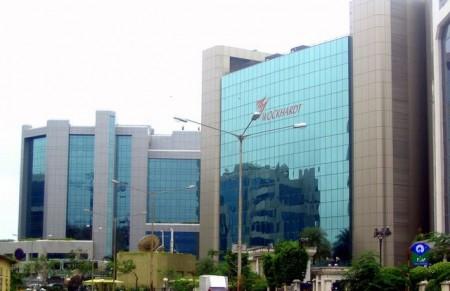
Wockhardt Hospital










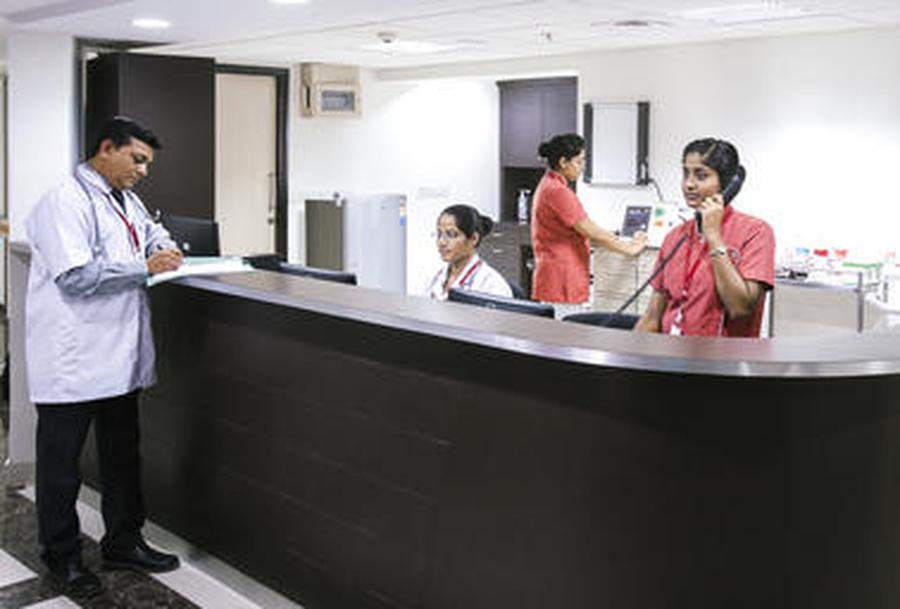
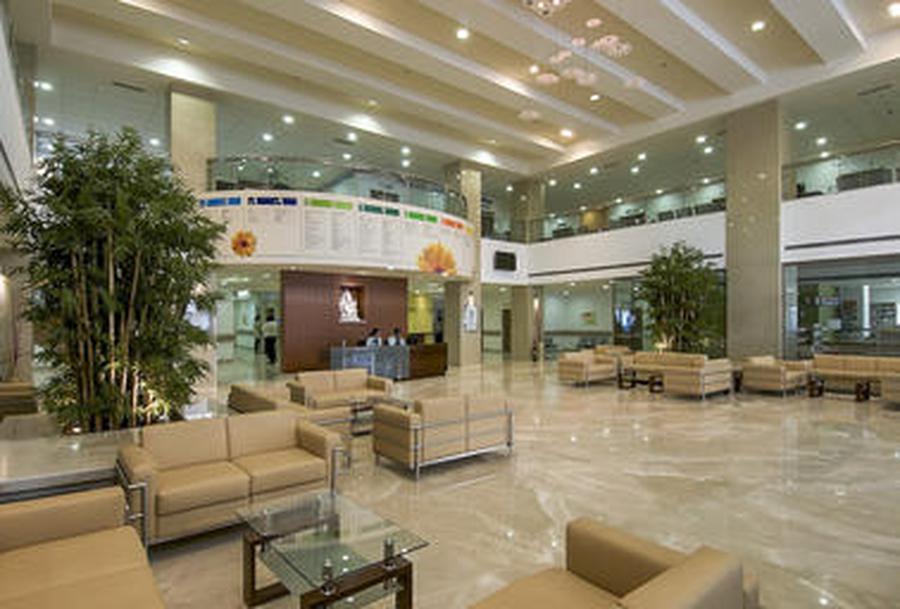

أفضل مراكز العلاج في الهند
- Medanta Hospital, الهند
- Wockhardt Hospital, الهند
- Kokilaben Dhirubhai Ambani , الهند
- Manipal Hospitals, الهند
- Global Hospital Chennai, الهند
- Global Hospital Mumbai, الهند
- Manipal Goa Hospital, الهند
- Wockhardt Hospital South Mumbai, الهند
- Kohinoor Hospitals, الهند
- SevenHills Hospital, الهند
احصل على تقييم طبي لـ العلاج في الهند. استشر الآن 36 أطباء ذوي الخبرة.
عرض جميع الأطباء

Kanika Sabharwal
مشاركة المحتوى
قصص فيديو من مرضى Bookimed
 Anna Leonova
أسئلة متكررة حول العلاج في الهند
هل العلاج عبر الإنترنت فعال مثل العلاج الشخصي؟
العلاج عبر الإنترنت فعال مثل الجلسات الشخصية لعلاج الاكتئاب والقلق واضطراب ما بعد الصدمة. تظهر الأبحاث تحسناً مكافئاً في الأعراض ورضا المرضى في كلا التنسيقين. إنه يوفر إمكانية وصول عالية لأولئك الذين لديهم جداول مزدحمة. يعتمد النجاح على التحالف العلاجي والتشخيص السريري.
- الفعالية: النتائج السريرية متكافئة للاكتئاب المعتدل والقلق العام.
- إمكانية الوصول: تلغي الرعاية الافتراضية وقت السفر وتفيد المرضى في المناطق الريفية.
- الملاءمة السريرية: تظل الرعاية الشخصية هي المعيار للأزمات النفسية الحادة أو الذهان.
- الاتساق: غالباً ما تظهر التنسيقات عبر الإنترنت حضوراً أعلى من خلال إزالة الحواجز اللوجستية مثل حركة المرور.
رؤية خبير Bookimed: غالباً ما تجمع المراكز الطبية الرائدة في الهند بين البنية التحتية الرقمية والمادية. على سبيل المثال، تخدم مستشفيات مانيبال 2,000,000 مريض سنوياً باستخدام نماذج رعاية شاملة. يشير هذا الحجم إلى أن المؤسسات الكبيرة توفر المنصات الأكثر استقراراً للعلاج طويل الأمد المتسق. غالباً ما تمتلك المستشفيات القائمة بروتوكولات خصوصية أفضل من التطبيقات المستقلة.
إجماع المرضى: يجد المرضى الذين يعانون من مشاكل خفيفة أن الجلسات عبر الإنترنت تعمل بشكل جيد. غالباً ما يجد أولئك الذين يعيشون في منازل عائلية مشتركة صعوبة في العثور على المساحة الخاصة اللازمة للعمل العاطفي العميق.
كيف يمكنني التحقق مما إذا كان المعالج في الهند مؤهلاً بشكل صحيح؟
يتطلب التحقق من المعالج في الهند فحص تسجيله الإلزامي لدى مجلس إعادة التأهيل في الهند (RCI). يجب أن يحمل الأخصائيون النفسيون السريريون درجة الماجستير في الفلسفة (M.Phil) في علم النفس السريري ورقم تسجيل نشط في السجل المركزي لإعادة التأهيل (CRR). يجب أن يكون الأطباء النفسيون مسجلين لدى اللجنة الطبية الوطنية (NMC).
- تسجيل RCI: يجب أن يظهر الأخصائيون النفسيون السريريون في بوابة السجل المركزي لإعادة التأهيل (CRR).
- المؤهلات الطبية: يتطلب الأطباء النفسيون درجة بكالوريوس الطب والجراحة (MBBS) ودرجة دكتوراه في الطب (MD) أو دبلوم المجلس الوطني (DNB) في الطب النفسي.
- الحد الأدنى الأكاديمي: يجب أن يحمل المستشارون العامون على الأقل درجة الماجستير (MA أو MSc) في علم النفس.
- الارتباط بالمستشفى: يعمل الخبراء المؤهلون غالبًا في مراكز معتمدة مثل مستشفيات مانيبال (Manipal Hospitals) أو ميدانتا (Medanta).
رؤية خبراء Bookimed: تظهر بياناتنا اتجاهًا حيث يحمل كبار المتخصصين الهنود في المرافق المعتمدة من قبل اللجنة الدولية المشتركة (JCI)، مثل مستشفى سيفن هيلز (SevenHills) أو كوكيلابين ديروباي أمباني (Kokilaben Dhirubhai Ambani)، غالبًا شهادات دولية مزدوجة. عند اختيار معالج في مومباي أو بنغالورو، ابحث عن أولئك التابعين للمستشفيات التي تحمل أختام المجلس الوطني لاعتماد المستشفيات ومقدمي الرعاية الصحية (NABH). تقوم هذه المؤسسات بالتحقق المسبق من أوراق اعتماد الأطباء، مما يضيف طبقة من الأمان للمرضى الدوليين.
إجماع المرضى: يحذر المرضى من أن العديد
هل العلاج النفسي في الهند سري؟
العلاج النفسي في الهند سري بموجب قانون الرعاية الصحية العقلية (2017). يمنح هذا القانون المرضى حقاً قانونياً في الخصوصية فيما يتعلق بعلاجهم. يجب على المهنيين في مراكز مثل مستشفيات مانيبال (Manipal Hospitals) أو مستشفى ميدانتا (Medanta Hospital) اتباع قواعد أخلاقية صارمة. تظل المعلومات خاصة ما لم ينطبق استثناء قانوني محدد.
- الحماية القانونية: يفرض قانون الرعاية الصحية العقلية (2017) الخصوصية لجميع مرضى الصحة العقلية.
- عقوبة الانتهاك: يمكن أن تؤدي الانتهاكات إلى غرامات تصل إلى 5 لاك أو السجن.
- الإبلاغ الإلزامي: لا يُطلب الإفصاح إلا في حالات إيذاء النفس الوشيك، أو إساءة معاملة الأطفال، أو بأوامر قضائية.
- معايير الاعتماد: تتبع المرافق المعتمدة من NABH و JCI بروتوكولات دولية لأمن البيانات والخصوصية.
رؤية خبير Bookimed: تشير البيانات الواردة من مرافق رفيعة المستوى مثل مستشفى كوكيلابين ديروبهاي أمباني (Kokilaben Dhirubhai Ambani Hospital) إلى أن المراكز الحضرية توفر طبقات خصوصية أعلى. تستخدم هذه المستشفيات الكبيرة أنظمة متكاملة للمتخصصين بدوام كامل. غالباً ما يمنع هذا الهيكل المشكلة الشائعة المتمثلة في وصول الموظفين المحليين أو أفراد المجتمع إلى الملفات الخاصة. اختيار المستشفيات الحضرية الكبرى في مومباي أو بنغالورو يضمن عادةً حدوداً مهنية أكثر صرامة من العيادات الصغيرة.
إجماع المرضى: يلاحظ المرضى أنه على الرغم من قوة القانون، إلا أن الضغط العائلي يمكن أن يؤدي إلى مشاكل في حدود الخصوصية. يوصي الكثيرون بتأكيد سياسة صارمة بعدم
هل يغطي التأمين الصحي في الهند العلاج النفسي أو العلاج النفسي السريري؟
يجب أن يغطي التأمين الصحي في الهند الأمراض العقلية على نفس أساس الأمراض الجسدية بموجب قانون الرعاية الصحية العقلية لعام 2017. تغطي السياسات القياسية عادةً الإقامة في المستشفى للأمراض النفسية. غالبًا ما يتطلب العلاج النفسي في العيادات الخارجية ملحقات محددة (OPD) أو إضافات للصحة العقلية لتوفير تغطية شاملة.
- تغطية الإقامة في المستشفى: تغطي السياسات العلاجات النفسية التي تتطلب دخول المستشفى لمدة 24 ساعة في مرافق معتمدة من NABH.
- الامتثال الإلزامي: تطلب IRDAI من شركات التأمين معاملة الصحة العقلية مثل أي مرض جسدي.
- فترات الانتظار: عادة ما تواجه حالات الصحة العقلية الموجودة مسبقًا فترة انتظار تتراوح من سنتين إلى 4 سنوات.
- حدود العيادات الخارجية: غالبًا ما تكون جلسات العلاج محدودة أو مستبعدة بدون ملحقات محددة للصحة في العيادات الخارجية.
رؤية خبير Bookimed: ترتبط جودة الرعاية النفسية غالبًا بالبنية التحتية للمستشفيات في المراكز الرئيسية. تدير المؤسسات المعتمدة من NABH مثل مستشفيات مانيبال ومستشفى ميدانتا أعدادًا كبيرة من المرضى وتحتفظ بأقسام مخصصة للعلاجات المعقدة. يستفيد المرضى في هذه المراكز من العمليات الإدارية الراسخة التي تساعد في تبسيط مطالبات التأمين للإقامات النفسية في المستشفى.
إجماع المرضى: يشير المرضى إلى أنه على الرغم من أن المستشفيات تغطي الفواتير الكبيرة لدخول المستشفى، فإن جلسات العلاج هي دائمًا تقريبًا نفقة يتحملها المريض. يقترح الكثيرون التحقق من التأمين الجماعي الذي يوفره صاحب العمل لأن هذه السياسات غالبًا م