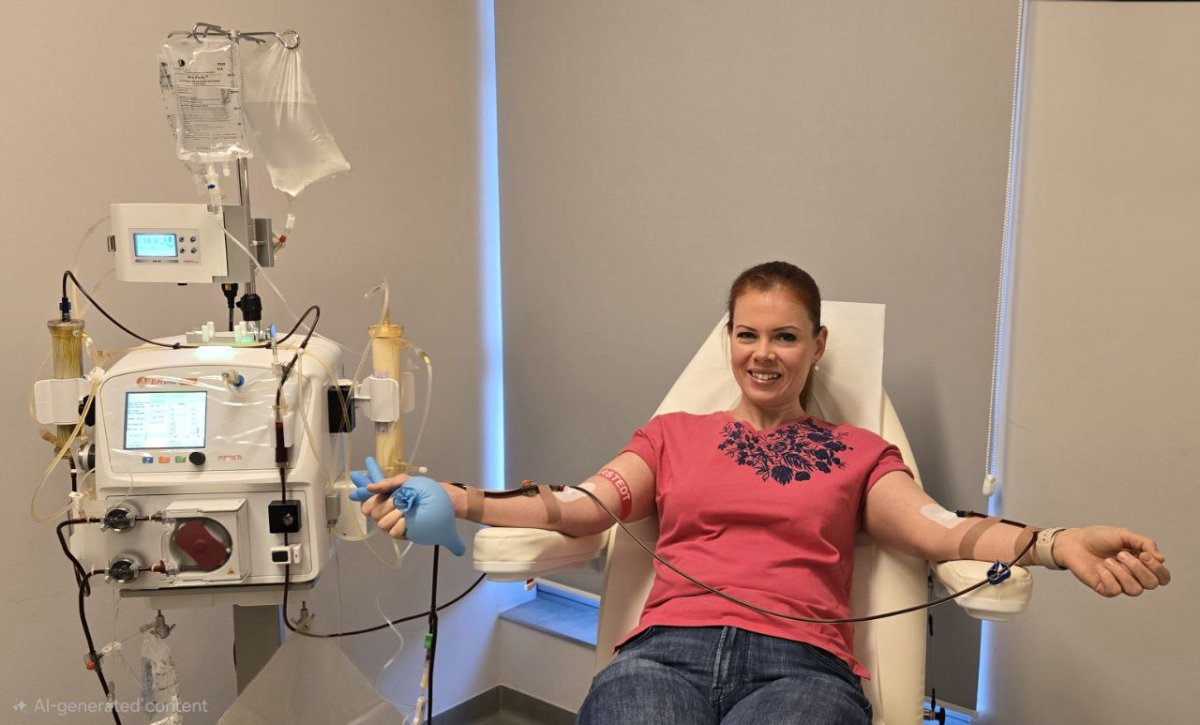
DNTRIPLED Medical Services مركز العلاج بالأفريز العلاجي
بولندا, وارسو


تمت مراجعة المقالة طبيا من قبل
فهد مولود
تتراوح تكلفة العلاج في بولندا عادةً ما بين $1,000 و $36,000. يعتمد السعر الإجمالي على نوع العلاج المحدد، ومدة البرنامج، وما إذا كانت الجلسات تُجرى شخصياً أو عبر الإنترنت. غالباً ما يمكن للمرضى تحقيق وفورات تتراوح بين 50-70% مقارنة بالولايات المتحدة في التدخلات الطبية التخصصية الخاصة.
تكاليف العلاج النموذجية في بولندا
تتركز المراكز الطبية المتخصصة بشكل أساسي في وارسو، وكراكوف، وفروتسواف. عادة ما تكون الأسعار في وارسو أعلى منها في المناطق الأخرى، حيث توفر المدن الأصغر أسعاراً أكثر تنافسية. استشر أخصائياً للحصول على تسعير دقيق لاحتياجاتك الخاصة.
| بولندا | تركيا | إسبانيا | |
|---|---|---|---|
| علاج المرضى الداخليين في اليوم الواحد | ≈ $350 | من $600 | من $10,400 |
| علاج الأعراض | ≈ $350 | من $220 | من $20,200 |
| برنامج علاج بالخلايا الجذعية المانحة | ≈ $40,000 | ≈ $40,000 | ≈ $95,000 |
| برنامج علاج بالخلايا الجذعية الخاصة | من $400 | ≈ $4,500 | ≈ $4,500 |
| المعالجة بالدم السري | ≈ $4,000 | ≈ $3,500 | ≈ $3,800 |
Bookimed لا يضيف رسوماً إضافية على أسعار علاج العلاج. الأسعار مأخوذة من قوائم الأسعار الرسمية للعيادات. تدفع مباشرة في العيادة مقابل علاجك عند وصولك إلى البلد.
Bookimed ملتزم بسلامتك. نحن نعمل فقط مع المؤسسات الطبية التي تحافظ على معايير دولية عالية في علاج العلاج ولديها التراخيص اللازمة لخدمة المرضى الدوليين في جميع أنحاء العالم.
Bookimed يقدم مساعدة خبراء مجانية. منسق طبي شخصي يدعمك قبل وأثناء وبعد العلاج، ويحل أي مشاكل. لن تكون وحيداً أبداً في رحلة علاج العلاج.


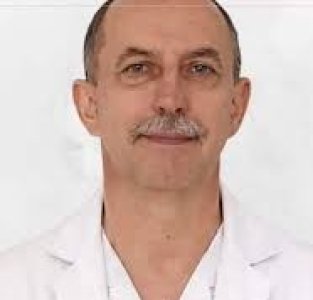
الدكتور Adam Macech جرّاح عام وطبيب طب الطوارئ، بخبرة تزيد على 40 عاماً في بولندا وخارجها. يرأس قسم الطوارئ في مستشفى وارسو الجنوبي، ويشرف كذلك على تنقية الدم (الفِصادة) في Nowoczesna Afereza. شغل منصب خبير طبي مع القوة العسكرية البولندية في العراق، وعمل في الصفوف الأمامية في مستشفيات مخصّصة لكوفيد-19، وقدّم أيضاً الرعاية الطبية على متن سفينة في شمال المحيط الهادئ.
تخرّج في جامعة لوبلين الطبية، وأتم تدريباً سريرياً ضمن هيئة الخدمات الصحية الوطنية (NHS) في دورشستر بالمملكة المتحدة. يحمل
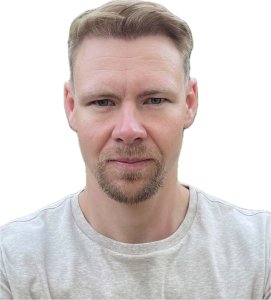
الدكتور Łukasz Maciejewski اختصاصي في التخدير والعناية المركزة وفي طب الطوارئ. تخرّج في جامعة بوميرانيا الطبية في شتشيتسين، وأكمل تدريباً إضافياً في بولندا وألمانيا.
اكتسب خبرة سريرية في المستشفى العسكري رقم 109 في شتشيتسين. عمل أيضاً في مراكز ألمانية: Vivantes Klinikum im Friedrichshain (Berlin)، Kreiskrankenhaus Wolgast gGmbH، وAsklepios Klinikum Uckermark (Schwedt/Oder).
يحمل شهادات DEGUM في التصوير بالموجات فوق الصوتية والتخدير الناحي (الجمعية الألمانية للتصوير بالموجات فوق
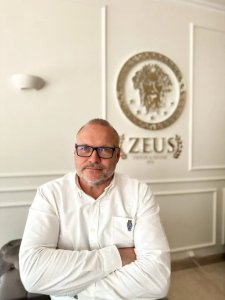
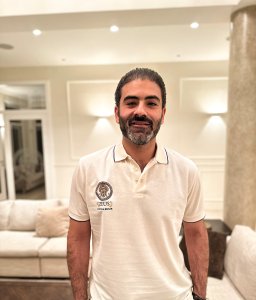
أحمد علي محمد أخصائي نفسي في Zeus Detox & Rehab منذ عام 2022. متخصص في علاج الإدمان. يقدّم علاجاً فردياً وجماعياً. تعتمد أساليبه على النهج السلوكي والتحفيزي. يساعد العملاء على تنمية الاستبصار، وتبنّي استراتيجيات تكيّف أكثر صحة، وتحقيق التعافي طويل الأمد. ويعمل أيضاً مع المرضى الناطقين بالعربية.
التعليم: أكمل دراسة علم النفس باللغة الإنجليزية في بولندا. ودرس سابقاً الطب في قطر. وتدعم هذه الخلفية رؤية متكاملة طبية-نفسية. ويقدّم رعاية تراعي الاختلافات الثقافية وتحافظ على السرية.
 Anna Leonova
الرعاية الصحية النفسية مجانية في بولندا للمقيمين المشمولين بصندوق الصحة الوطني (NFZ). يشمل هذا التأمين الاستشارات النفسية والعلاج الداخلي دون الحاجة إلى إحالة. ومع ذلك، غالبًا ما تواجه العلاجات غير الطارئة فترات انتظار تتراوح من 6 إلى 12 شهرًا. يختار العديد من المرضى الرعاية الخاصة لضمان وصول أسرع.
رؤية خبير Bookimed: تظهر البيانات من المراكز الطبية البولندية اتجاهًا قويًا نحو إعادة التأهيل المتخصص. تدمج مرافق مثل مستشفى العائلة المقدسة التخصصي العالي ومنتجع Uzdrowisko Ustroń الصحي إعادة التأهيل العصبي والعظمي مع الصحة النفسية. غالبًا ما يجد المرضى قيمة أفضل في هذه البرامج الشاملة مقارنة بجلسات العلاج العامة المستقلة.
إجماع المرضى: يشير المرضى إلى أنه على الرغم من أن النظام العام مجاني تقنيًا، إلا أنه غالبًا ما يكون مثقلًا بالأعباء. يقترح معظم الناس تخصيص ميزانية للجلسات الخاصة لتجنب قوائم الانتظار التي تستمر لأشهر وللعثور على متخصصين يتحدثون الإنجليزية بسهولة.
يحمل الأخصائي النفسي في بولندا درجة الماجستير لمدة 5 سنوات ويركز على التشخيص والاختبارات والدعم قصير المدى. يكمل المعالج النفسي برنامج دراسات عليا متخصص إضافي لمدة 4 سنوات في تخصص معين. لا يمكن لأي من المهنيين وصف الأدوية، حيث يظل هذا دور الطبيب النفسي.
رؤية خبير Bookimed: يُظهر المشهد السريري في بولندا اتجاهاً حيث تدمج المستشفيات متعددة الأقسام مثل مستشفى كارولينا وعيادة KCM التشخيص المتخصص. يجب على المرضى الذين يبحثون عن العلاج ملاحظة أنه على الرغم من أن الأخصائيين النفسيين لديهم حماية قانونية أكثر صرامة، فإن المراكز التي تضم أكثر من 30 سريراً غالباً ما توظف كلاهما لتقديم رعاية شاملة. يضمن هذا النهج متعدد التخصصات الصلاحية القانونية للوثائق والعمق السريري للتعافي.
إجماع المرضى: يلاحظ المرضى أنه من الأسهل بكثير تغطية الجلسات من قبل الصندوق الوطني للصحة (NFZ) عند رؤية أخصائي نفسي. يقترحون التحقق من التخصص المحدد للمعالج النفسي، حيث يمكن أن تختلف خلفياتهم أكثر من خلفيات الأخصائيين الن
لا يخضع العلاج النفسي في بولندا لقانون واحد مخصص. على الرغم من وجود معايير محددة لخدمات صندوق الصحة الوطني (NFZ)، إلا أن لقب المعالج النفسي غير محمي قانونًا للممارسة الخاصة. يمكن لأي شخص حاليًا تقديم هذه الخدمات من خلال تسجيل تجاري قياسي.
رؤية خبير Bookimed: تُظهر بيانات Bookimed تمييزًا واضحًا بين المرافق السريرية والعيادات الخاصة. تحافظ المراكز الرائدة مثل مستشفى كارولينا أو عيادة KCM على معايير عالية من خلال شهادات ISO. يجب على المرضى البحث عن معالجين في عيادات راسخة. عادةً ما تقوم هذه المؤسسات بفحص أوراق اعتماد الموظفين بشكل أكثر صرامة من الممارسات الخاصة المستقلة.
إجماع المرضى: يشير المرضى إلى أنه نظرًا لأن اللقب غير محمي، يجب عليك التحقق من أوراق الاعتماد بنفسك. يقترح الكثيرون التحقق من العضوية في جمعية العلاج النفسي البولندية لتجنب مقدمي الخدمة غير المؤهلين.
يمكن للمرضى الحصول على العلاج بلغات متعددة في جميع أنحاء بولندا. تقدم المدن الكبرى مثل وارسو وكراكوف خدمات باللغات الإنجليزية والألمانية والأوكرانية. غالبًا ما توظف العيادات الخاصة موظفين متعددي اللغات لاستيعاب المرضى الدوليين. تبدأ استشارات التشخيص من $120 إلى $130 في هذه المرافق المتخصصة.
رؤية خبير Bookimed: تظهر البيانات وجود علاقة قوية بين حجم العيادة وإمكانية الوصول إلى اللغات. من المرجح أن تقدم المراكز الكبيرة في وارسو، مثل مستشفى كارولينا الذي يضم أكثر من 40 طبيبًا، دعمًا متعدد اللغات مقارنة بالممارسات الإقليمية الأصغر. يجب على المرضى الذين يبحثون عن علاج بغير اللغة البولندية التركيز على العيادات الحاصلة على شهادات ISO، حيث تتماشى هذه المرافق عادةً مع معايير الاتصال الدولية.
إجماع المرضى: يشير المرضى إلى أن الخدمات الخاصة ضرورية للعثور على معالجين يتحدثون الإنجليزية لأن الرعاية الصحية العامة تظل باللغة البولندية في الغالب. يقترح الكثيرون إجراء استشارة أولية للتأكد من أن لهجة المعالج وفهمه الثقافي يتوافقان مع احتياجات
جلسة العلاج الأولى في بولندا هي اجتماع تمهيدي لإنشاء علاقة وجمع معلومات أساسية. تركز الجلسة على الخدمات اللوجستية الإدارية والتقييمات الأولية بدلاً من العلاج المكثف الفوري. يستخدم المرضى والمعالجون هذه الجلسة التي تستغرق 50 دقيقة لتحديد التوافق المهني وتحديد أهداف علاجية محددة.
رؤية خبير Bookimed: تظهر البيانات من المراكز البولندية اتجاهاً متزايداً في الجمع بين الاستشارات التقليدية والتشخيصات المتخصصة. غالباً ما تدمج مرافق مثل مستشفى العائلة المقدسة التخصصي العالي خبرات إعادة التأهيل في خطط العلاج. من $130.
إجماع المرضى: يلاحظ المرضى أنه من المفيد إحضار ملخص من صفحة واحدة للأعراض للبقاء مركزين خلال الاجتماع الأول. من الطبيعي أن تشعر بالإرهاق بعد ذلك، لذا يقترح الخبراء التخطيط لوقت هادئ للاسترخاء بمجرد انتهاء الجلسة.
العلاج في بولندا مجاني للأفراد المشمولين بصندوق الصحة الوطني (NFZ). يشمل ذلك الموظفين والطلاب ومعاليهم المشمولين بالتأمين الاجتماعي. تتطلب الرعاية المجانية إحالة من طبيب الرعاية الأولية أو طبيب نفسي. غالبًا ما تتراوح فترات الانتظار في القطاع العام من 6 إلى 24 شهرًا.
رؤية خبير Bookimed: غالبًا ما يستخدم المرضى في بولندا استراتيجية طبية هجينة لإدارة التكاليف والوقت. يستخدمون عادةً نظام NFZ العام للحصول على استشارات نفسية وأدوية مجانية. وهذا يسمح لهم بتخصيص ميزانيتهم الشخصية خصيصًا لجلسات العلاج الخاصة. يوازن هذا النهج بين الإشراف الطبي المتخصص والوصول الأسرع إلى الدعم النفسي.
إجماع المرضى: يشير المرضى إلى أنه على الرغم من أن النظام العام يعد شبكة أمان رائعة، إلا أن فترات الانتظار الطويلة تجعل الرعاية الخاصة ضرورية للاحتياجات العاجلة. يجد الكثيرون أن العلاج الجماعي أو برامج الإدمان أسهل بكثير في الوصول إليها مجانًا من خلال الصندوق الوطني مقارنة بالجلسات الفردية.
يتطلب الوصول إلى العلاج المجاني في بولندا تأميناً من الصندوق الوطني للصحة (NFZ) وإحالة من طبيب الرعاية الأولية. يمكن للمقيمين المؤمن عليهم زيارة أي منشأة متعاقدة مع NFZ للحصول على استشارات نفسية وعلاج نفسي. توقع أن تتراوح فترات الانتظار من 6 إلى 12 شهراً للجلسات الفردية.
رؤية خبير Bookimed: غالباً ما تكون للمنشآت الممولة من NFZ في مدن مثل وارسو أطول قوائم انتظار. تشير البيانات إلى أن المراكز الإقليمية، مثل تلك الموجودة في جيلينيا غورا أو جيشوف، قد توفر قبولاً أسرع لإعادة التأهيل المتخصص. يجب على المرضى الاتصال بعدة عيادات إقليمية للعثور على أقصر قائمة انتظار للخدمات العامة.
إجماع المرضى: يشير المرضى إلى أنه على الرغم من أن جودة العلاج العام كفؤة، إلا أن البيروقراطية تمثل تحدياً. يقترح الكثيرون الاتصال بالعيادات يومياً للتحقق من الإلغاءات لتجاوز فترة الانتظار القياسية البالغة 8 أشهر.
يستغرق العلاج في بولندا عادةً من 12 إلى 20 جلسة للمشكلات المحددة مثل القلق الخفيف. غالبًا ما تتطلب الحالات الأكثر تعقيدًا عامًا واحدًا أو أكثر من العلاج. يرى معظم المرضى تحسنًا ملموسًا في غضون 15 إلى 20 لقاءً أسبوعيًا. تستغرق الجلسات الفردية القياسية من 45 إلى 55 دقيقة.
رؤية خبير Bookimed: تُظهر بيانات حجم المرضى في مراكز مثل عيادة KCM طلبًا مرتفعًا من المسافرين الدوليين. غالبًا ما يختار هؤلاء المرضى مرافق خاصة في جيلينيا جورا أو وارسو لتجنب فترات الانتظار الطويلة في القطاع العام. تسمح الجلسات الخاصة بانتظام أسبوعي ثابت. غالبًا ما تؤدي هذه الوتيرة إلى نتائج أسرع مقارنة بالاستشارات العامة غير المنتظمة.
إجماع المرضى: يشير المرضى إلى أن تحديد معالم واضحة في وقت مبكر يمنع الجلسات من الشعور بأنها لا نهاية لها. يقترح الكثيرون تغيير المعالج إذا لم يحدث أي تقدم في غضون الجلسات العشر الأولى للحفاظ على الزخم.
تتراوح فترات انتظار العلاج العام في بولندا غالبًا بين 6 إلى 12 شهرًا للجلسات الأولية في المدن الكبرى. وغالبًا ما تتجاوز استشارات الطب النفسي الروتينية 4 أشهر. قد يحصل المرضى الذين يحتاجون إلى رعاية عاجلة على الأولوية في غضون أسبوع إلى أسبوعين. توفر المدن الصغيرة أحيانًا وصولاً أسرع في غضون شهرين إلى 4 أشهر.
رؤية خبير Bookimed: تظهر البيانات أن المرافق الخاصة مثل عيادة KCM ومستشفى كارولينا تحافظ على نسب طبيب إلى مريض أعلى بكثير من المراكز العامة. بينما تتجاوز قوائم الانتظار العامة 6 أشهر، غالبًا ما توفر العيادات الخاصة في بولندا استشارات متخصصة في غضون أيام. هذا أمر حيوي بشكل خاص للتشخيصات مثل مراجعات التصوير بالرنين المغناطيسي التي يمكن إكمالها بسرعة لتوجيه العلاج الفوري.
إجماع المرضى: يشير المرضى إلى أن انتظار 9 أشهر للحصول على إحالة يبدو لا يطاق أثناء الأزمة. يقترح الكثيرون استخدام الأنظمة العامة للأدوية مع الدفع مقابل العلاج النفسي الخاص للحصول على المساعدة بشكل أسرع.
الحصول على علاج باللغة الإنجليزية من خلال نظام الرعاية الصحية العامة البولندي (NFZ) أمر صعب للغاية. يتم تقديم معظم الخدمات العامة باللغة البولندية بشكل افتراضي. على الرغم من أن لديك الحق القانوني في فهم رعايتك، إلا أن المعالجين الناطقين بالإنجليزية في القطاع العام نادرون ولديهم قوائم انتظار طويلة.
رؤية خبير Bookimed: تظهر البيانات من المراكز البولندية الرئيسية اتجاهًا واضحًا حيث يتجاوز المرضى الدوليون النظام العام تمامًا. تخدم عيادات مثل عيادة KCM في جيلينيا جورا أكثر من 700 مريض أجنبي سنويًا من خلال تقديم برامج مخصصة باللغة الإنجليزية. تعطي هذه المرافق الخاصة الأولوية لإمكانية الوصول اللغوي، وهو ما يمثل حاليًا فجوة ملحوظة في إطار عمل NFZ العام القياسي.
إجماع المرضى: يشير المرضى إلى أنه حتى لو وجدت معالجًا عامًا، فقد تكون لغته الإنجليزية غير كافية للعمل العاطفي المعقد. يوصي الكثيرون باستخدام الأدلة الخاصة لتصفية المت