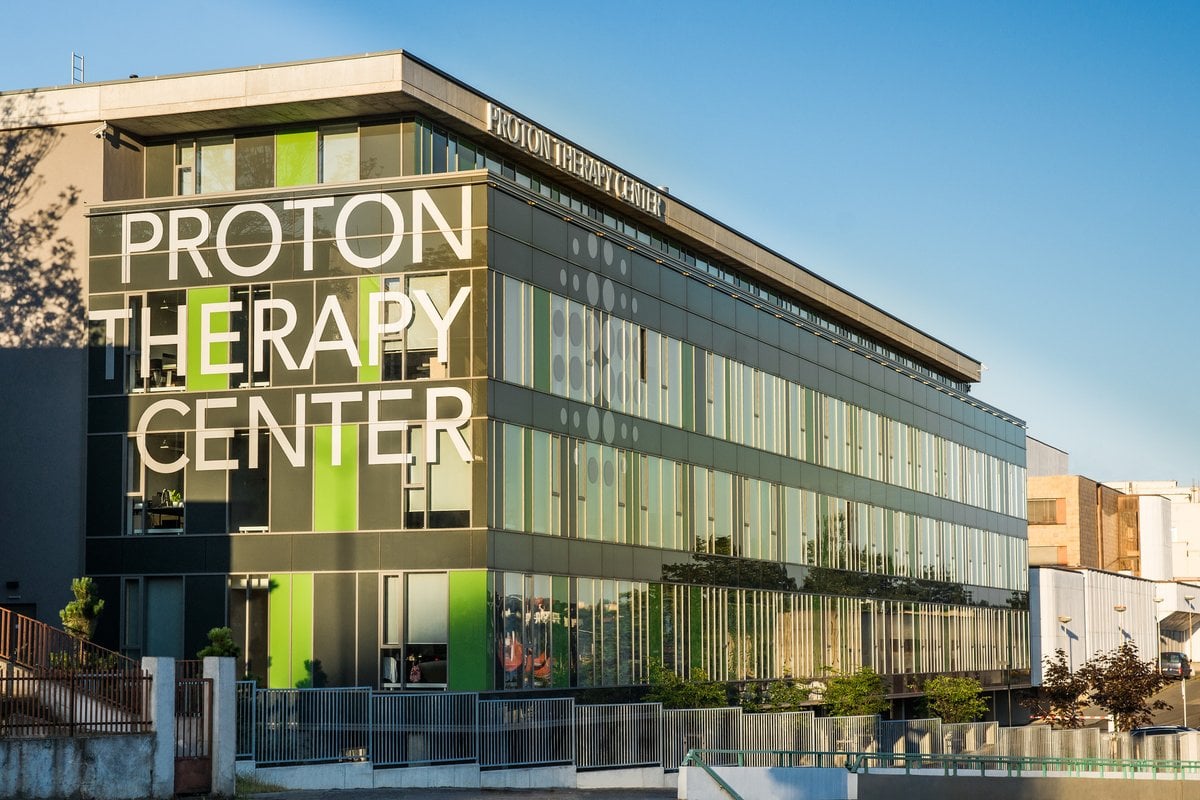
Proton Therapy Center
جمهورية التشيك, Prag


تمت مراجعة المقالة طبيا من قبل
فهد مولود
تتضمن تكلفة علاج الانبثاث السرطاني (Carcinomatosis) في جمهورية التشيك عادةً استشارة مع طبيب أورام تتراوح تكلفتها بين $110 و $190. أما الإجراءات الجراحية المتخصصة، مثل العلاج الكيميائي المسخن داخل الصفاق (HIPEC)، فتتراوح تكلفتها بين $14,000 و $23,000. تعتمد النفقات الإجمالية على نوع السرطان، ومرحلته، والنهج العلاجي المختار. وغالباً ما يحقق المرضى وفورات تتراوح بين 50 إلى 80% مقارنة بالأسعار في الولايات المتحدة. وتعد براغ الوجهة الرئيسية لهذا العلاج.
تكاليف علاج الانبثاث السرطاني النموذجية في جمهورية التشيك
رؤية خبراء Bookimed: بالنسبة للمرضى الذين يحتاجون إلى استهداف دقيق للغاية للأورام، يوفر مركز العلاج بالبروتون في براغ مرافق ذات مستوى عالمي. يعد هذا المركز الأكبر من نوعه في أوروبا، ويتبع المعايير الطبية الدولية خصيصاً لحالات الأورام المعقدة. يختار المرضى الدوليون بشكل متكرر هذه المرافق التشيكية المتخصصة للوصول إلى أحدث تقنيات حزمة البروتون. وغالباً ما يوفر هذا بديلاً غير جراحي للتدخلات الجراحية التقليدية لحالات السرطان في مراحلها المتأخرة.
| جمهورية التشيك | تركيا | إسبانيا | |
|---|---|---|---|
| العلاج الكيميائي داخل الصفاق مفرط الحرارة (HIPEC) | ≈ $14,000 | من $18,000 | من $81,800 |
Bookimed لا يضيف رسوماً إضافية على أسعار علاج Сarcinomatosis. الأسعار مأخوذة من قوائم الأسعار الرسمية للعيادات. تدفع مباشرة في العيادة مقابل علاجك عند وصولك إلى البلد.
Bookimed ملتزم بسلامتك. نحن نعمل فقط مع المؤسسات الطبية التي تحافظ على معايير دولية عالية في علاج Сarcinomatosis ولديها التراخيص اللازمة لخدمة المرضى الدوليين في جميع أنحاء العالم.
Bookimed يقدم مساعدة خبراء مجانية. منسق طبي شخصي يدعمك قبل وأثناء وبعد العلاج، ويحل أي مشاكل. لن تكون وحيداً أبداً في رحلة علاج Сarcinomatosis.

 Anna Leonova
تعد الجراحة الاختزالية (CRS) جنبًا إلى جنب مع العلاج الكيميائي داخل الصفاق مفرط الحرارة (HIPEC) العلاج الأكثر فعالية لداء الصفاق السرطاني في جمهورية التشيك. تعالج هذه الاستراتيجية الانتشار الصفاقي لسرطانات القولون والمستقيم والمبيض والمعدة. تستخدم المراكز المتخصصة في براغ وبرنو هذا البروتوكول لاستهداف الخلايا السرطانية المجهرية.
رؤية خبراء Bookimed: يركز علم الأورام التشيكي بشكل كبير على تحديد المرحلة متعدد التخصصات قبل الجراحة. توفر مراكز مثل مركز العلاج بالبروتون في براغ تشخيصات متقدمة بما في ذلك مراجعات الأنسجة واستشارات الأشعة. يضمن هذا الفحص الصارم أن المرشحين الذين من المرجح أن يحققوا إزالة كاملة للورم هم فقط من يخضعون لإجراء CRS و HIPEC المكثف.
إجماع المرضى: يؤكد المرضى على أهمية العثور على فريق جراحي يقوم بهذه الإجراءات بانتظام. ويشيرون إلى أن قدرة الجراح على إزالة جميع الأمراض المرئية أكثر أهمية من أدوية العلاج الكيميائي المحددة المستخدمة.
يجب أن يعاني المرشحون لجراحة CRS و HIPEC في المستشفيات التشيكية من أورام خبيثة محصورة في الصفاق يمكن للجراحين إزالتها بالكامل. يحتاج المرضى إلى حالة أداء ECOG تبلغ 0 أو 1. تعتمد الملاءمة على حجم الورم، الذي يتم قياسه بواسطة مؤشر سرطان الصفاق، وغياب الانتشار خارج البطن.
رؤية خبير Bookimed: تستخدم المراكز التشيكية المتخصصة تنظير البطن التشخيصي قبل الانتهاء من خطط الجراحة. تكشف هذه الخطوة عن إصابة الأمعاء الدقيقة التي غالبًا ما تغفل عنها الأشعة المقطعية. وهذا يضمن أن الفرق السريرية لا تمضي قدمًا إلا عندما يكون الاستئصال الخلوي الكامل قابلاً للتحقيق بشكل واقعي للمريض.
إجماع المرضى: يؤكد المرضى على الحاجة إلى التقييم المبكر قبل أن يصبحوا ضعفاء للغاية بسبب العلاج الكيميائي السابق. يعد اختيار فريق متخصص في الصفاق أمرًا حيويًا لأن العتبات الجراحية قد تختلف بين المستشفيات.
تقوم خمسة مراكز متخصصة في جراحة الأورام في جمهورية التشيك بإجراء جراحة اختزال الخلايا (CRS) مع العلاج الكيميائي داخل الصفاق بفرط الحرارة (HIPEC). تشمل هذه المرافق المستشفى الجامعي العام (VFN)، ومعهد ماساريك التذكاري للسرطان (MOU)، والمستشفى الجامعي في أولوموتس. وهي تعالج النقائل الصفاقية المتقدمة الناتجة عن سرطانات القولون والمستقيم والمبيض والمعدة.
رؤية خبير Bookimed: تركز البنية التحتية للأورام في التشيك العمليات الجراحية المعقدة في المستشفيات الجامعية في براغ وبرنو. تدير هذه المراكز غالباً أعداداً أكبر من المرضى وشبكات متعددة التخصصات. يجب على المرضى التأكد مما إذا كان المرفق يعالج نوع الورم الأولي الخاص بهم قبل السفر. تركز مراكز مثل مستشفى القديسة زدسلافا بشكل كبير على التدخلات بمساعدة الروبوت لسرطانات البطن.
إجماع المرضى: يؤكد المرضى على أهمية العثور على فرق تقيم جراحة اختزال الخلايا وHIPEC معاً. ويوصون بإعداد تقارير التصوير وعلم الأمراض في وقت مبكر لمساعدة لجان المستشفيات الجامعية على فرز الحالات بسرعة.<
تعمل بروتوكولات HIPEC الحديثة على تحسين معدلات البقاء على قيد الحياة بشكل كبير لمرضى السرطان الصفاقي. تتراوح معدلات البقاء على قيد الحياة لمدة خمس سنوات من 70% لسرطان الزائدة الدودية إلى 30-50% لحالات سرطان القولون والمستقيم. تعتمد النتائج على نوع السرطان الأساسي وتحقيق الإزالة الكاملة للورم أثناء جراحة اختزال الورم.
رؤية خبير Bookimed: تشير بيانات المرضى إلى ضرورة النظر إلى ما هو أبعد من النسب المئوية العامة والتركيز على درجة مؤشر السرطان الصفاقي (PCI). تؤكد مراكز مثل مركز العلاج بالبروتون في براغ على التشخيصات المتخصصة بما في ذلك مراجعات الأنسجة. غالباً ما ترتبط درجة PCI الأقل من 13 بمعدلات بقاء على قيد الحياة طويلة الأمد أعلى بكثير.
إجماع المرضى: يلاحظ المرضى أن قدرة الجراح على إزالة جميع الأورام المرئية هي العامل الأكثر أهمية. يؤكد الكثيرون على التركيز على جداول التعافي والتحكم في الأعراض بدلاً من مجرد النظر إلى إحصائيات البقاء على قيد الحياة.
يحدد الحجم الجراحي النجاح في عمليات CRS و HIPEC بسبب منحنى التعلم المؤسسي الحاد. تحقق المراكز ذات الحجم الكبير معدلات بقاء على قيد الحياة تصل إلى 99% وإزالة فائقة للأورام. تتطلب الفرق المتخصصة من 140 إلى 220 حالة للوصول إلى ذروة الكفاءة التقنية والتشغيلية.
رؤية خبير Bookimed: تظهر البيانات أن جمهورية التشيك تضم بنية تحتية متخصصة مثل مركز علاج البروتون في براغ. على الرغم من وجود خيارات إقليمية، يجب على مرضى التسرطن التحقق من عدد الحالات السنوي. تظهر البرامج التي تجري أكثر من 30 إجراءً سنوياً عادةً مسارات تعافي أكثر توحيداً ونجاحاً أكثر اتساقاً في تحقيق الاختزال الخلوي الكامل.
إجماع المرضى: يلاحظ المرضى أن الفرق ذات الخبرة غالباً ما تقدم جداول زمنية أكثر واقعية للتعافي. ويؤكدون أن استعداد المركز لرفض الجراحة هو في الواقع علامة على خبرة عالية المستوى.
العلاج الكيميائي الوريدي القياسي وحده غير فعال بشكل عام لعلاج الانبثاث البريتوني. الحاجز الدموي البريتوني يحد من نفاذ الدواء إلى تجويف البطن. وهذا يخلق تركيزات علاجية منخفضة. يعاني معظم المرضى من متوسط بقاء على قيد الحياة يتراوح بين 4 إلى 12 شهرًا فقط باستخدام الأدوية الجهازية وحدها.
رؤية خبير Bookimed: تركز المراكز التشيكية مثل مركز علاج البروتون في براغ على الإشعاع المتخصص. ومع ذلك، تتطلب الانبثاث البريتوني مشهدًا للأورام الجراحية. تظهر بياناتنا أن المرضى الذين يسعون للحصول على رعاية تشيكية غالبًا ما يجمعون بين العلاج الكيميائي الجهازي والعلاجات المحلية المتقدمة. تحقق دائمًا مما إذا كانت العيادة تقدم مراجعة للأنسجة المرضية. يمكن لهذه الخطوة البسيطة أن تغير تشخيص الانبثاث البريتوني وخطة العلاج تمامًا.
إجماع المرضى: يشير المرضى إلى أن العلاج الكيميائي الوريدي غالبًا ما يوفر تخفيفًا أوليًا للأعراض. ومع ذلك، يؤكدون أن الانتشار البريتوني عادة ما يتكرر بدون استراتيجية متعددة التخصصات أوسع.