مركز أمراض الدم والعلاج الخلوي Shanghai Tongji Hospital
الصين, Shanghai


تمت مراجعة المقالة طبيا من قبل
فهد مولود
من $187,500. تعتمد الأسعار على نوع المنتج الخلوي المستخدم والبروتوكول السريري ومدة الإقامة. تشمل الباقات الصينية القياسية جمع الخلايا والتصنيع المختبري والعلاج الكيميائي لإنضاب الخلايا ومراقبة متخصصة لمدة 30 يوماً.
رأي خبراء Bookimed: تمثل الصين خياراً ذا قيمة فريدة لعلاج سرطانات الدم المستعصية نظراً لحجم العلاجات المرتفع. يقدم مستشفى بكين غوبرود بورين، المتخصص في أمراض الدم، باقات تبدأ من 100,000 $. يشمل هذا إقامة كاملة لمدة 30 يوماً وتشخيصات شاملة. تحمل مرافق مثل مستشفى فودا للسرطان اعتماد JCI، مما يضمن معايير سلامة دولية. بالنسبة لحالات الأطفال المعقدة، توفر مراكز مثل مستشفى بكين كيوتو للأطفال أجنحة مخصصة للحالات عالية الخطورة.
| الصين | تركيا | إسبانيا | |
|---|---|---|---|
| العلاج بالخلايا التائية ذات مستقبل المستضد الخيمري | من $187,500 | من $200,000 | من $386,200 |
| علاج CAR-T لمرضى | من $250,000 | ≈ $140,000 | ≈ $185,000 |
| علاج CAR-T للمايلوما المتعددة | من $147,500 | ≈ $140,000 | ≈ $185,000 |
| علاج CAR-T لـ ALL لدى الأطفال | من $250,000 | ≈ $140,000 | ≈ $240,000 |
يعدل هذا العلاج خلايا المريض لمكافحة السرطان ، ويجمع بين علم المناعة وعلم الوراثة. إنه علاج دقيق وقوي ويحتمل أن يكون لمرة واحدة.
اليوم 1
اليوم الثاني - اليوم الثالث
اليوم الرابع
اليوم الخامس - اليوم الثاني عشر
اليوم الثالث عشر
اليوم الرابع عشر - اليوم العشرين
الأسبوع الثالث - الأسبوع الرابع
الأسبوع الخامس وما بعده
يرجى ملاحظة أن كل حالة فردية. قد يختلف هذا الجدول الزمني بناءً على حالتك الصحية الشخصية وتفاصيل خطة العلاج الخاصة بك.
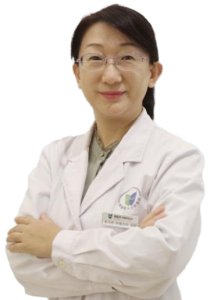
الدكتور لوان تيانيان، MD، رئيس قسم الأورام. استُقدم إلى مقاطعة هاينان ككادر رفيع المستوى. باحث زائر في معهد دانا-فاربر للسرطان (الولايات المتحدة). كما يشغل منصب مدير مكتب البحوث السريرية في مستشفى Bozheng Hengda International Hospital. وهو عضو في اللجان الدائمة لكل من لجنة إدارة البحوث السريرية (جمعية الجنوب للبحوث السريرية في الأورام)، ولجنة العلاج المناعي (جمعية هاينان لمكافحة السرطان)، ولجنة أبحاث الأدوية في مقاطعة هاينان.
لديه أكثر من 20 عامًا من الخبرة في طب الأورام. يقدّم رعاية ف
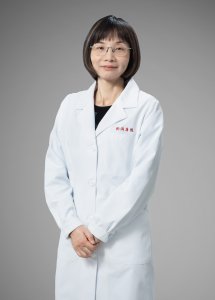
الدكتورة لي بينغ، دكتوراه في الطب ودكتوراه فلسفة، طبيبة رئيسية وأستاذة في قسم أمراض الدم بمستشفى تونغجي في شنغهاي، التابع لكلية الطب بجامعة تونغجي. تشرف على طلاب الدكتوراه والماجستير، وهي خبيرة في الأورام الدموية الخبيثة.
حصلت على دكتوراه في العلوم الطبية من جامعة ناغويا وأتمّت أبحاث ما بعد الدكتوراه. تتخصص في تشخيص وعلاج سرطانات الدم، وتركّز على أورام الجهاز اللمفاوي، بما في ذلك اللوكيميا والأورام اللمفاوية والورم النقوي المتعدد. تعالج المرضى بالعلاج الكيميائي، وزرع الخلايا الجذعية ال
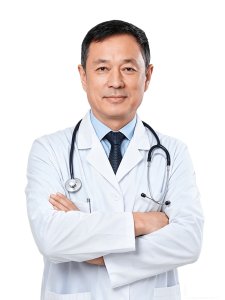
الأستاذ شياو يويونغ هو كبير الأطباء في قسم التشخيص الإشعاعي بالمستشفى العام لجيش التحرير الشعبي الصيني، وخبير بارز في طب الأورام التداخلي طفيف التوغل. يشغل منصب الرئيس المؤسس لـWATA (2025–). ويرأس الجمعية الدولية (2020–) والجمعية الآسيوية (2012–) للعلاج بالتجميد. كما أنه نائب رئيس مجموعة الخبراء بهيئة الصحة الوطنية (NHC) للوائح استئصال الأورام (2009–).
أجرى أكثر من 100,000 إجراء طفيف التوغل موجهًا بالتصوير المقطعي/الرنين المغناطيسي. يشمل عمله الاستئصال الكيميائي، والاستئصال بالترددات ا
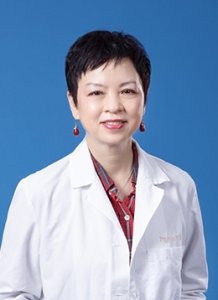
متخصص في علاج الخلايا التائية (CAR T-cell) في مستشفى لو داوبي لأمراض الدم، وهو مركز رائد لعلاجات أمراض الدم.

كتب بواسطة Anna Leonova
 Anna Leonova
تُشير المستشفيات الصينية إلى معدلات نجاح تنافسية لعلاج الخلايا التائية المعدلة وراثيًا (CAR T-cell therapy)، حيث تتراوح معدلات الاستجابة الإجمالية بين 79% و98% لسرطانات الدم. وتُعدّ المراكز المتخصصة في بكين وغوانزو رائدةً في علاج الأورام الخبيثة المتكررة، إذ غالبًا ما تحقق معدلات شفاء تتجاوز 90% لسرطان الدم لدى الأطفال، وتقارب 99% للورم النخاعي المتعدد.
رأي خبراء بوكيمد: تُحسّن تقنية FasTCAR الصينية فعالية العلاج بشكل ملحوظ من خلال تقليل وقت إنتاج الخلايا إلى 24-36 ساعة. وهذا يمنع بسرعة استنزاف الخلايا التائية، وهو سبب شائع لفشل البروتوكولات الغربية. تستخدم عيادات مثل
في الصين، تمت الموافقة على ستة أدوية للعلاج بالخلايا التائية المعدلة وراثيًا (CAR T-cell therapy) للاستخدام التجاري في علاج الأورام الدموية الخبيثة. تستهدف هذه الأدوية بروتينات CD19 أو BCMA، وهي مخصصة لعلاج حالات اللمفوما وسرطان الدم والورم النخاعي المتعدد الناكسة أو المقاومة للعلاج. وتتولى الهيئة الوطنية للمنتجات الطبية (NMPA) تنظيم الموافقة على هذه الأدوية لكل من البالغين والأطفال.
رأي خبراء بوكيمد: على الرغم من أن الموافقات التجارية تشير إلى توفر واسع النطاق، إلا أن بيانات التجارب السريرية تُظهر أن توفر العلاج مُركّز للغاية. تستقبل مؤسسات مثل مست
تتبوأ الصين مكانة رائدة عالمياً في تطوير علاج الخلايا التائية المعدلة وراثياً (CAR T-cell) للأورام الصلبة. فبينما تركز الدول الغربية على سرطانات الدم، قامت شركات التكنولوجيا الحيوية الصينية ومراكز علاج السرطان بتوسيع نطاق مئات التجارب السريرية التي تستهدف سرطانات المعدة والبنكرياس والكبد، مستخدمةً ابتكارات رائدة مثل ساتري-سيل والعلاج الموجه كلودين 18.2.
رأي خبراء بوكيمد: على الرغم من أن مراكز رئيسية مثل مستشفى لو داوبي لأمراض الدم تعالج 200,000 مريض سنويًا، إلا أن علاج CAR-T للأورام الصلبة لا يزال في مراحله التجريبية إلى حد كبير. لذا، يُنصح بإعطاء الأولوية لعيادات مثل مستشفى فودا للسرطان المعتمد من قبل اللجنة الدولية المشتر
في الصين، تستغرق المراحل السريرية لعلاج الخلايا التائية المعدلة وراثيًا عادةً من 4 إلى 8 أسابيع. أما المرضى الدوليون، فينبغي عليهم التخطيط لفترة تتراوح بين شهر واحد و3 أشهر، تشمل الفحوصات الأولية وزيارات المتابعة النهائية في مؤسسات طبية معتمدة من اللجنة الدولية المشتركة، مثل مستشفى لو داوبي لأمراض الدم أو مستشفى فودا للسرطان.
رأي خبراء بوكيمد: بينما تستغرق المعالجة الاعتيادية أسابيع، تعالج مراكز أمراض الدم الرئيسية في الصين، مثل مستشفى لو داوبي، 200 ألف مريض سنويًا. يتيح هذا العدد الكبير من المرضى للعيادات تقديم باقات خدمات متخصصة، كتلك الموجودة في مستشفى بكين غوبرود بورين، والتي تشمل 30 يومًا كاملة من الإقامة في المستشفى. تضمن هذه الإقامة الممتدة تخفيفًا فوريًا للآثار الجانبية المحتملة، مثل متلازمة إ