
Fuda Hospital
الصين, قوانغتشو


تمت مراجعة المقالة طبيا من قبل
فهد مولود
تتراوح تكلفة علاج الساركوما العضلية المخططة في الصين عادةً ما بين $85,000 و $142,000 للحصول على رعاية شاملة. وتتراوح تكلفة الإجراءات الأساسية مثل استئصال الساركوما العضلية المخططة ما بين $24,500 و $49,500. تعتمد النفقات الإجمالية على مرحلة الورم، ودورات العلاج المطلوبة، ومستوى العيادة. وغالباً ما يجد المرضى توفيراً يتراوح بين 40% إلى 60% مقارنة بالولايات المتحدة. تشمل أفضل المدن لهذا العلاج قوانغتشو وشنغهاي وبكين.
تكاليف علاج الساركوما العضلية المخططة النموذجية في الصين
رؤية خبراء Bookimed: يجب على المرضى في مراحل متأخرة إعطاء الأولوية للعيادات المتخصصة في أورام المراحل المتأخرة. يقدم مستشفى فودا للسرطان (Fuda Cancer Hospital) تقنيات متخصصة في الجراحة بالتبريد (cryosurgery) وتقنية النانو نايف (NanoKnife) للحالات المعقدة. بالنسبة لاحتياجات العلاج الإشعاعي للأطفال أو البالغين، يقدم الدكتور ليو شي شين في مستشفى شيامن الإنساني (Xiamen Humanity Hospital) خبرة معترف بها دولياً في تقنية العلاج الإشعاعي المعدل الشدة (IMRT). توفر هذه المرافق المعتمدة من اللجنة الدولية المشتركة (JCI) بديلاً عالي القيمة للمرضى الذين يحتاجون إلى رعاية متعددة التخصصات تتجاوز بروتوكولات العلاج الكيميائي القياسية.
| الصين | تركيا | إسبانيا | |
|---|---|---|---|
| علاج مركب من ساركوما ساركوما | ≈ $85,000 | ≈ $22,000 | ≈ $38,000 |
| العلاج الكيميائي لسرطان الثدي | ≈ $14,800 | من $3,000 | من $1,700 |
| العلاج الإشعاعي للساركوما | ≈ $9,000 | من $5,000 | من $9,000 |
| العلاج الإشعاعي لسرطان القولون والمستقيم | ≈ $11,500 | من $5,000 | من $7,500 |
| إزالة ساركوما العضلات | ≈ $24,500 | من $3,000 | من $33,600 |
Bookimed لا يضيف رسوماً إضافية على أسعار علاج العضلية المخططة. الأسعار مأخوذة من قوائم الأسعار الرسمية للعيادات. تدفع مباشرة في العيادة مقابل علاجك عند وصولك إلى البلد.
Bookimed ملتزم بسلامتك. نحن نعمل فقط مع المؤسسات الطبية التي تحافظ على معايير دولية عالية في علاج العضلية المخططة ولديها التراخيص اللازمة لخدمة المرضى الدوليين في جميع أنحاء العالم.
Bookimed يقدم مساعدة خبراء مجانية. منسق طبي شخصي يدعمك قبل وأثناء وبعد العلاج، ويحل أي مشاكل. لن تكون وحيداً أبداً في رحلة علاج العضلية المخططة.

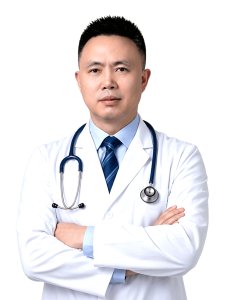
كبير الأطباء وأستاذ. خبير من الدرجة الأولى في مركز السرطان بمستشفى غرب الصين، جامعة سيتشوان (المرتبة الثانية في الصين). أنهى زمالة ما بعد الدكتوراه في الأشعة التداخلية بالمستشفى العام لجيش التحرير الشعبي الصيني. يقود رعاية فريق متعدد التخصصات (MDT) للأورام المعقدة. خبير في طب الأورام التداخلي طفيف التوغل لأورام الكبد والرئة والبنكرياس.
الاعتمادات: عضو مجلس في WATA. عضو في لجان CACA وCMDA للتدخلات، والاستئصال الحراري، والبذور المشعة، وعلاج الألم. في 2023، عضو مجلس مؤسِّس في لجنة الرعاية
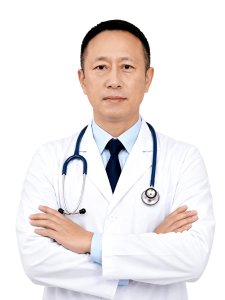
الدكتور هي ويبينغ رائد الاستئصال بالتبريد بالأرجون–الهيليوم في الصين، وله أكثر من 20 عاماً من الممارسة السريرية المباشرة. كان عضواً مؤسِّساً لمستشفى فودا للسرطان (قوانغتشو)، وشارك في تأسيس مركز علاج الأورام طفيفة التوغل فيه وتولى منصب نائب المدير التنفيذي. كما أسهم في تأسيس مجموعة الاستئصال التابعة للجمعية الصينية لمكافحة السرطان. وكان المنفّذ الرئيسي في أكثر من 10,000 إجراء.
يتخصص في الاستئصال بالتبريد للأورام، وهو متمرّس في العلاج الإشعاعي الموضعي ببذور اليود‑125، مع تركيز على سرطاني
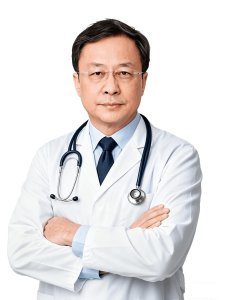
البروفيسور لوو شياوبينغ اختصاصي أشعة تداخلية معترف به على المستوى الوطني ومن أبرز الخبراء في غرب الصين. بدأ ريادة التدخلات الوعائية في أوائل التسعينيات، وأسهم في تأسيس فريق الأشعة التداخلية في المستشفى الثاني الملحق بجامعة تشونغتشينغ الطبية.
أجرى أكثر من 100 ألف إجراء تداخلي، بينها نحو 4 آلاف حالة معقدة. تشمل مهاراته الأساسية الانصمام الكيميائي عبر الشريان الكبدي (TACE) لعلاج سرطان الخلايا الكبدية، وتداخلات متلازمة بود–كياري، وإجراء TIPS، وتركيب دعامتين في مرحلة واحدة لعلاج انسداد القن
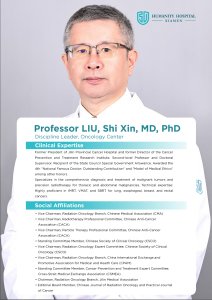
الأستاذ شيشين ليو، دكتور في الطب (MD) ودكتوراه (PhD)، قائد التخصص بمركز الأورام. شغل سابقًا منصب رئيس مستشفى سرطان مقاطعة جيلين ومدير معهد أبحاث الوقاية من السرطان وعلاجه. وهو أستاذ من الدرجة الثانية ومشرف دكتوراه. حصل على العلاوة الحكومية الخاصة من مجلس الدولة، وجائزة الطبيب الوطني الشهير (إسهام بارز) في دورتها الرابعة، وتكريم قدوة في أخلاقيات المهنة الطبية.
يختص بالتشخيص والعلاج الشامل للأورام الخبيثة، ويركز على العلاج الإشعاعي الدقيق لأورام الصدر والبطن. متمرّس في IMRT وVMAT وSBRT ل
 Anna Leonova
تتبع مراكز الأورام الصينية الرائدة البروتوكولات الدولية باستخدام إطار عمل CCCG-RMS. يتوافق هذا الهيكل مباشرة مع معايير مجموعة أورام الأطفال الأمريكية والمعايير الأوروبية. تستخدم الفرق متعددة التخصصات في مدن مثل قوانغتشو وشيامن تصنيفًا موحدًا للمخاطر. تتطابق هذه الأساليب مع مقاييس التشخيص العالمية.
رؤية خبير Bookimed: إشارة الجودة الرئيسية في الصين هي وجود مشرفين متخصصين في طب الأطفال. يحمل البروفيسور ليو شي شين في مستشفى شيامن الإنساني حالة مشرف دكتوراه وحصل على تكريمات وطنية. غالبًا ما يرتبط هذا المستوى من الأقدمية بالمراكز ذات الحجم الكبير التي تدير ساركوما الأطفال المعقدة والنادرة. يضمن اختيار مرفق حاصل على اعتماد JCI تلبية معايير السلامة والإدارة الدولية الصارمة.
إجماع المرضى: تؤكد العائلات أن التحقق من نتائج علم الأمراض وتحديد المرحلة هو الخطوة الأولى الأكثر أهمية. ويشيرون إلى أن نجاح البقاء على قيد الحياة يعتمد بشكل كبير على قدرة المستشفى على تنسيق الجراحة والإشعاع في موقع واحد.
تتبع دورات العلاج الكيميائي القياسية في الصين عادةً جدولاً زمنياً مدته 21 أو 28 يوماً. يعطي الممارسون الأولوية للإعطاء داخل المستشفى لأول 1 إلى 3 أيام من كل دورة. يسمح هذا النموذج بالترطيب المكثف والمراقبة السريرية. وهو يلتزم بالبروتوكولات التي وضعتها الجمعية الصينية لعلم الأورام السريري (CSCO).
رؤية خبير Bookimed: تم بناء البنية التحتية لعلم الأورام في الصين لتوفير رعاية موحدة ذات حجم كبير. يعالج مستشفى فودا للسرطان وحده أكثر من 30,000 مريض دولي. يسمح هذا النطاق للعيادات بتقديم أكثر من 10 أنواع من العلاجات طفيفة التوغل. غالباً ما تعمل هذه العلاجات كبدائل أو مكملات للعلاج الكيميائي التقليدي. يجب على المرضى التأكد مما إذا كان بروتوكولهم يتضمن هذه التدخلات المتخصصة في وقت مبكر.
إجماع المرضى: يلاحظ آباء المرضى الأطفال أن الدورات تعتمد غالباً على تعافي تعداد الدم. ويؤكدون أن سير العمل في المستشفى سريع جداً وموحد. توقع إجراء فحوصات دم متكررة ورعاية داعمة مجمعة مثل حقن عوامل النمو خلال فترة الراحة.
يتوفر علاج شعاع البروتون لسرطان العضلات المخططة في الصين. تستخدم مراكز الأورام الرئيسية في شنغهاي وقوانغتشو هذا الإشعاع الدقيق. تعالج هذه المراكز بفعالية ساركوما الأنسجة الرخوة لدى الأطفال والبالغين. تشمل التقنيات الرئيسية المسح النشط بحزمة القلم (pencil beam scanning) وعلاج البروتون المعدل الشدة.
رؤية خبير Bookimed: على الرغم من أن العديد من المراكز الصينية تمتلك تقنية البروتون، إلا أن الخبرة في حالات الأطفال تختلف بشكل كبير. يشغل الدكتور ليو شي شين في مستشفى شيامن هيومانيتي مناصب قيادية في اللجان الوطنية للعلاج بالجسيمات. العمل مع طبيب بهذا المستوى يضمن توافق خطة العلاج مع المعايير الوطنية الصارمة. يجب على المرضى إعطاء الأولوية للمراكز التي يتمتع فيها رئيس قسم الإشعاع بخبرة واسعة في كل من الأورام والعلاج بالجسيمات.
إجماع المرضى: غالبًا ما تبحث العائلات عن علاج البروتون خصيصًا لتقليل الآثار الجانبية طويلة المدى لدى الأطفال. يلاحظ المرضى أن العثور على فريق متخصص في الساركوما ذو حجم عمل كبير لا يقل أهمية عن التكنولوجيا نفسها.
تشمل أفضل المستشفيات لعلاج الساركوما العضلية المخططة في الصين مستشفى فودا للسرطان (Fuda Cancer Hospital) المعتمد من قبل اللجنة الدولية المشتركة (JCI) ومستشفى شيامن الإنساني (Xiamen Humanity Hospital). تتخصص هذه المراكز في طب الأورام للأطفال متعدد التخصصات. وهي تستخدم علاجات متقدمة مثل الجراحة بالتبريد والإشعاع الدقيق. تدمج العديد من المرافق بروتوكولات دولية لتحسين النتائج في حالات ساركوما الأنسجة الرخوة النادرة.
رؤية خبير Bookimed: تظهر بيانات المرضى أن اختيار مستشفى ذو حجم دولي كبير مثل فودا أمر حيوي. لقد خدمت هذه العيادة مرضى من أكثر من 100 دولة. غالبًا ما تمتلك مثل هذه المراكز خبرة أكبر في الخدمات اللوجستية اللازمة لحالات الساركوما النادرة. وعادة ما تقدم خيارات أكثر مرونة وأقل توغلاً من المراكز العامة القياسية.
إجماع المرضى: تؤكد العائلات على أهمية بدء العلاج بخزعة متخصصة في الساركوما لتجنب المضاعفات الجراحية. يوصي الكثيرون بإعطاء الأولوية لمستشفيات الإحالة الكبيرة التي تستضيف مجالس أورام متعددة التخصصات مخصصة للسرطانات النادرة.
تعد الصين مركزاً عالمياً لتجارب أورام الأطفال والعلاجات الموجهة الجديدة. تقوم الإدارة الوطنية للمنتجات الطبية بتسريع الموافقة على أكثر من 60% من عوامل الأورام. يحصل المرضى على علاجات الخلايا التائية ذات مستقبلات المستضد الخيمرية ومثبطات تيروزين كيناز. تقدم المراكز المتخصصة في قوانغتشو وشيامن تحليلاً جزيئياً متقدماً للساركوما النادرة.
رؤية خبراء Bookimed: على الرغم من كثرة التجارب، فإن الوصول إليها في مراكز مثل مستشفى فودا للسرطان يعتمد على بروتوكولات محددة يديرها المستشفى. تظهر بياناتنا أن مستشفيات الأورام في الصين تطبق بشكل متكرر أكثر من 10 أنواع من العلاجات طفيفة التوغل. يشير هذا الحجم إلى أنه يجب على المرضى إعطاء الأولوية للمراكز الأكاديمية الحاصلة على اعتماد JCI لضمان معايير صارمة للتجارب السريرية.
إجماع المرضى: يؤكد المرضى أن التحليل الجزيئي هو خطوة أولى ضرورية قبل متابعة العلاج الموجه. يشير الكثيرون إلى أن حواجز اللغة وترجمة السجلات هي عقبات كبيرة عند الوصول إلى البروتوكولات التجريبية.
توفر مراكز الساركوما الصينية علاجات موضعية متقدمة بما في ذلك الموجات فوق الصوتية المركزة عالية الكثافة (HIFU)، والجراحة بالتبريد، وNanoKnife. تستهدف هذه التقنيات طفيفة التوغل الأورام مع الحفاظ على الأنسجة السليمة ووظائف الأعضاء. تجمع المرافق المعتمدة من قبل JCI مثل مستشفى فودا للسرطان بين هذه الإجراءات والعلاج الإشعاعي الدقيق لإدارة حالات الساركوما العضلية المخططة المعقدة أو المتكررة بفعالية.
رؤية خبير Bookimed: تسلط بيانات المرضى من مستشفى فودا للسرطان الضوء على اتجاه كبير نحو التحكم الموضعي متعدد الوسائط. غالباً ما تستخدم العيادات أكثر من 10 أنواع من العلاجات طفيفة التوغل. يُستخدم هذا النهج خصيصاً للسرطانات في مراحلها المتأخرة لتجنب العلاج الكيميائي المكثف. إن اختيار المراكز ذات الحجم الكبير من المرضى، مثل تلك التي تخدم أكثر من 30,000 مريض دولي، يضمن الوصول إلى هذه التقنيات المركزة تحت سقف واحد.
إجماع المرضى: يلاحظ المرضى أن المراكز الصينية غالباً ما تعطي الأولوية لعمليات إعادة البناء التي تحافظ على الأطراف بدلاً من البتر للأ