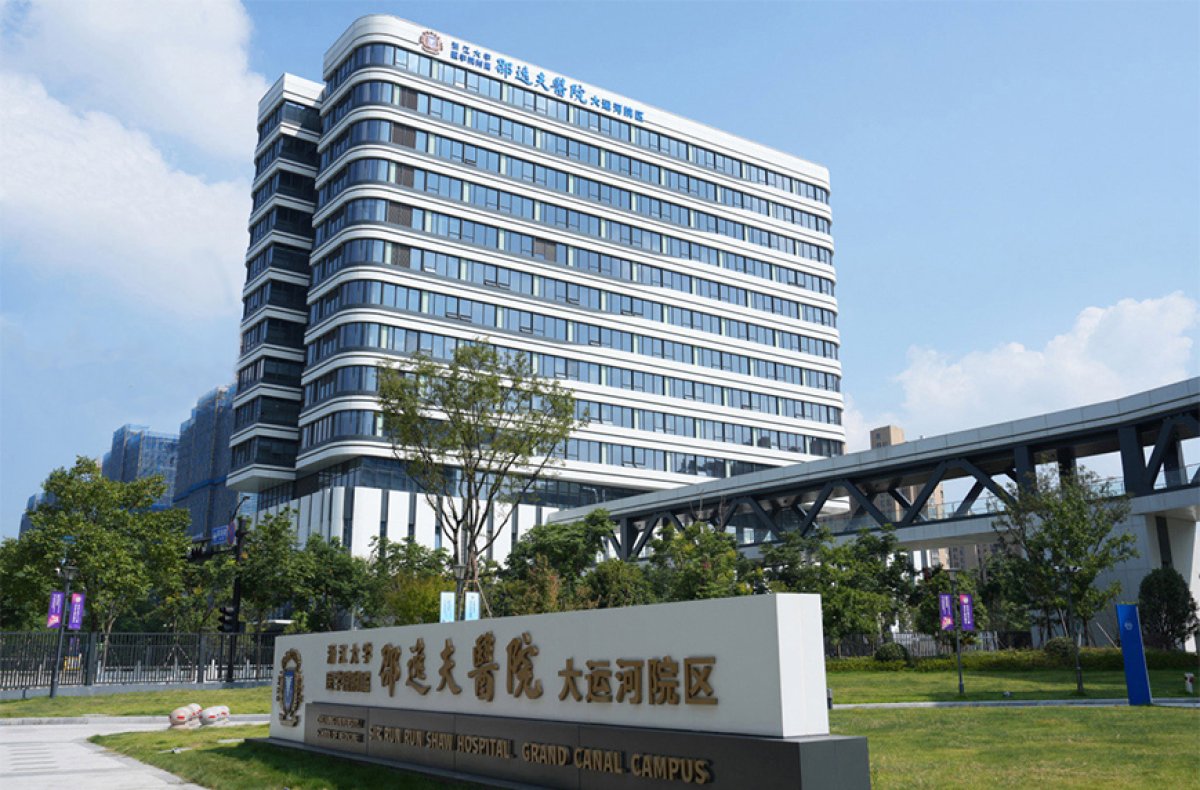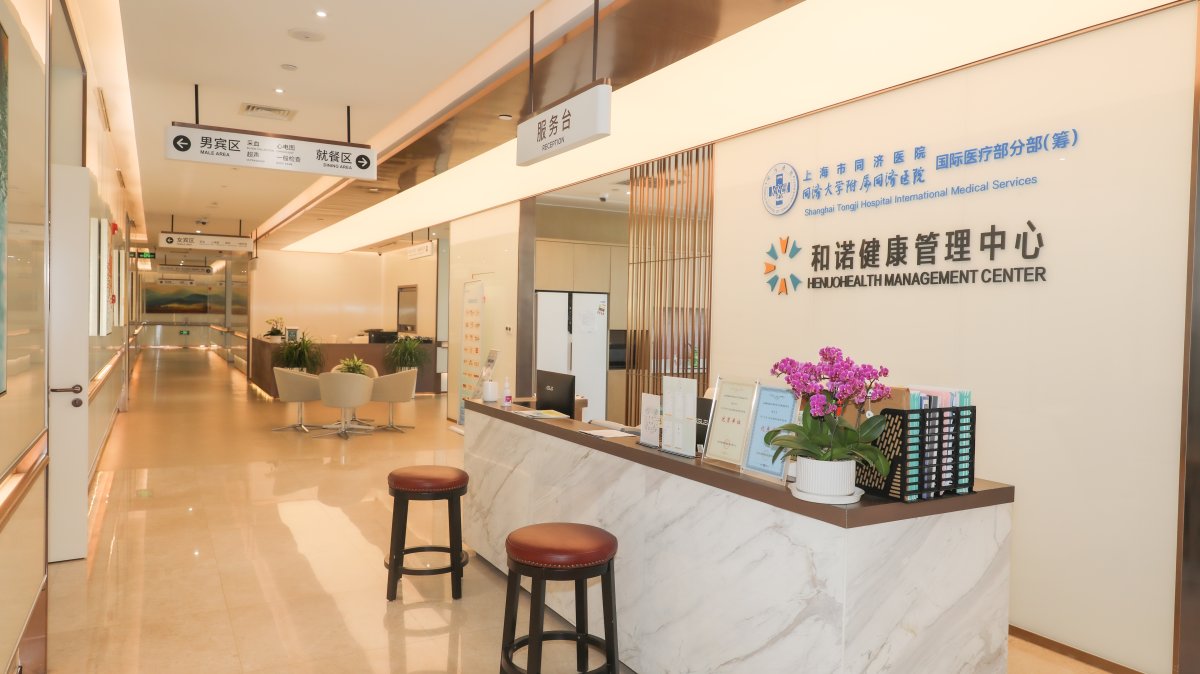
مركز أمراض الدم والعلاج الخلوي Shanghai Tongji Hospital
الصين, Shanghai

تمت مراجعة المقالة طبيا من قبل
Hasim Ustunsoy
تتراوح تكلفة رعاية أمراض القلب في الصين عادةً ما بين $16,000 و $26,000. تعتمد النفقات النهائية على مستوى المستشفى، ونوع المستلزمات الطبية المستخدمة - مثل الدعامات المتخصصة - وما إذا كنت تختار مرفقاً عاماً أو عيادة دولية. يمكن للمرضى توفير ما يقرب من 40-60% مقارنة بالولايات المتحدة.
تكاليف أمراض القلب النموذجية في الصين
توجد المراكز الطبية الرئيسية لرعاية القلب في بكين وشنغهاي، حيث تكون الأسعار في المستشفيات من الدرجة الأولى غالباً أعلى منها في المناطق الأخرى. من الأفضل استشارة أخصائي للحصول على تسعير دقيق لاحتياجاتك الطبية المحددة.
| الصين | تركيا | إسبانيا | |
|---|---|---|---|
| لفّ تمدد الأوعية الدموية | ≈ $14,000 | من $12,800 | ≈ $25,000 |
| رأب الأوعية الشريانية داخل القحف وتركيب الدعامات | ≈ $14,000 | من $7,000 | ≈ $14,000 |
| رأب الأوعية السباتية والدعامات | ≈ $13,500 | من $9,000 | من $17,100 |
| تصوير الأوعية التاجية | ≈ $2,200 | من $1,800 | ≈ $3,200 |
| تجمد القلب | ≈ $19,500 | من $8,100 | من $20,200 |
Bookimed لا يضيف رسوماً إضافية على أسعار علاج طب القلب. الأسعار مأخوذة من قوائم الأسعار الرسمية للعيادات. تدفع مباشرة في العيادة مقابل علاجك عند وصولك إلى البلد.
Bookimed ملتزم بسلامتك. نحن نعمل فقط مع المؤسسات الطبية التي تحافظ على معايير دولية عالية في علاج طب القلب ولديها التراخيص اللازمة لخدمة المرضى الدوليين في جميع أنحاء العالم.
Bookimed يقدم مساعدة خبراء مجانية. منسق طبي شخصي يدعمك قبل وأثناء وبعد العلاج، ويحل أي مشاكل. لن تكون وحيداً أبداً في رحلة علاج طب القلب.


الدكتورة Shen Yuqin، MD، PhD، أستاذة وطبيبة رئيسة في مستشفى تونغجي بشنغهاي. تدير الدكتورة Shen مركز طب التأهيل وقسم التأهيل القلبي. وهي مشرفة دكتوراه وحاصلة على لقب «العاملة المتقدمة على المستوى الوطني»، ورائدة في التأهيل القلبي لقصور القلب.
كانت الدكتورة Shen أول من طبّق في الصين إعادة التأهيل الموجَّهة باختبار الجهد القلبي الرئوي (CPET) لقصور القلب، كما أدخلت استخدام العتبة اللاهوائية لوصف شدة التمرين. وأنشأ الفريق نموذجاً وطنياً مغلق الحلقة يربط المستشفى بالمجتمع والمنزل. وفي عام 20
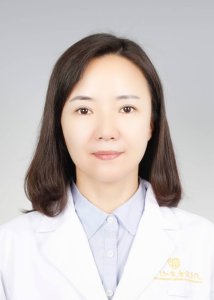
الأستاذة ليانغ شياوشياو مديرة القسم ورئيسة الأطباء في إعادة التأهيل العصبي. تحمل درجة الماجستير في طب الأعصاب. متمرسة في التعديل العصبي لاضطرابات الوعي والإدراك والحركة. يتركز عملها على حالات ناجمة عن أمراض الأوعية الدموية الدماغية، ومرض باركنسون، وحالات ذات صلة. كما تُجري حقن توكسين البوتولينوم بتوجيه الموجات فوق الصوتية لعلاج تشنج الجفن، وتشنج نصف الوجه، وتشنج الأطراف، وفرط سيلان اللعاب، وآلام الأعصاب.
الاعتمادات والمناصب: عضوة في لجان إعادة التأهيل العصبي، وإعادة تأهيل اضطرابات الإد
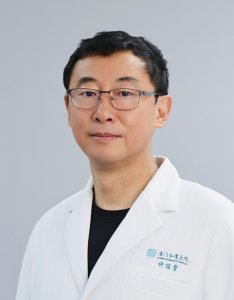
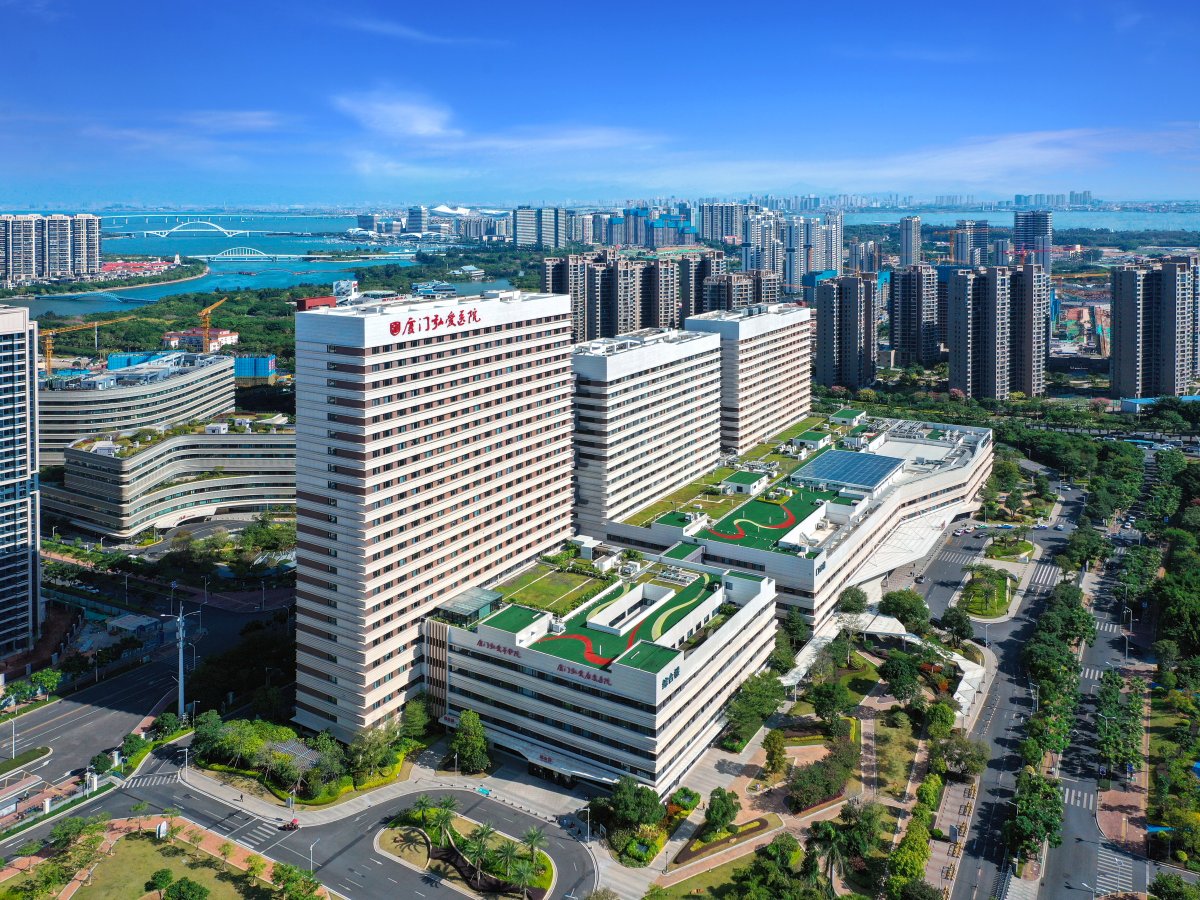
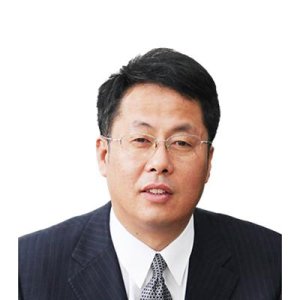
الدكتور شو جونتانغ، دكتور في الطب (MD)، زميل ما بعد الدكتوراه، كبير الأطباء ومشرف الماجستير. يشغل منصب مدير قسم طب القلب والأوعية الدموية في مستشفى شيامن هيومانيتي. يتركز عمله على الوقاية من الأمراض القلبية الوعائية والخثرية وعلاجها، بما في ذلك مرض الشريان التاجي، وارتفاع ضغط الدم، وفشل القلب، واضطرابات النظم القلبي، والحالات الطارئة. وهو متمرس في اختبارات المؤشرات الحيوية القلبية الوعائية.
يوفر رعاية مقننة للانصمام الخثاري المرتبط بأمراض صمامات القلب والرجفان الأذيني غير الصمامي، والا

كتب بواسطة Kateryna Zamkovska

كتب بواسطة Veronika Kazina
 Anna Leonova
تشمل أفضل مستشفيات القلب في الصين مستشفى فواي ومستشفى أنجين في بكين. تتخصص هذه المراكز في جراحات القلب المعقدة وعلاج اضطرابات النظم. تقدم المرافق الرائدة مثل مستشفى تشونغشان في شنغهاي رعاية متقدمة للشرايين التاجية. تحتل معظم هذه المراكز الرائدة مكانة قيادية إقليمية أو وطنية في مجال أبحاث القلب والأوعية الدموية.
رؤية خبير بوكي ميد: تُظهر البيانات اتجاهاً واضحاً للتخصص الجغرافي في رعاية القلب في الصين. وغالبًا ما تتعامل المستشفيات في بكين مثل مستشفى ياندا الدولي مع حجم مرتفع من المرضى، يتجاوز 2,500,000 سنوياً. هذا التدفق العالي يرتبط عادةً بالتوفير الأسرع لإجراءات قسطرة القلب التدخلية. عادةً ما يجد المرضى الذين يبحثون عن جراحات معقدة أوقات انتظار أقصر في هذه العيادات عالية السعة من الفئة (A) المستوى (III).
إجماع المرضى: يلاحظ المرضى أنه في حين أن النتائج الطبية ممتازة، فإن المستشفيات الرائدة غالبا ما تكون مزدحمة للغاية. من المهم طلب ملخصات خروج باللغة الإنجليزية قبل المغادرة لضمان سهولة متابعة الرعاية في الوطن.
تشمل التقنيات القلبية المتقدمة في الصين أجهزة دعم البطين الأيسر المزروعة محلياً وأنظمة الجراحة الروبوتية المدعومة بتقنية الجيل الخامس. يحصل المرضى على بدائل الصمام الأبهري عبر القسطرة (TAVR) وتشخيصات محسنّة بالذكاء الاصطناعي. تقوم المستشفيات الرائدة بإجراء تدخلات معقدة باستخدام الجراحة البعادية الموجهة بالأقمار الصناعية وأجهزة التصوير المقطعي المحوسب المتخصصة للقلب والأوعية الدموية للحصول على صور عالية الدقة.
رأي خبراء Bookimed: بينما يركز العديد من المرضى العالميين على بكين، تظهر عيادات قوانغتشو مثل مستشفى فودا للسرطان خبرة متخصصة في العلاج التداخلي للأوعية الدموية. غالبًا ما تدير المرافق المعتمدة من JCI أكثر من 30,000 مريض دولي، مما يسمح لهذه المراكز بتصحيح البروتوكولات لحالات القلب المعقدة أسرع من العيادات الإقليمية الأصغر.
إجماع
الطب الصيني التقليدي (TCM) يندمج مع رعاية القلب في الصين للمرضى الدوليين. تجمع المرافق الكبرى المعتمدة من JCI بين البروتوكولات الغربية والوخز بالإبر والصيغ العشبية. وتساهم هذه الأساليب التكاملية في إدارة الأعراض المزمنة وتحسين الشفاء. غالبًا ما يستخدم الأطباء تاي تشي والأعشاب خلال برامج إعادة التأهيل القلبية بعد الجراحة.
رؤية خبراء بوكي ميد: يخدم مستشفى ياندا الدولي 2,500,000 مريض سنويًا ويحمل اعتماد JCI لأمان الدوليين. تبين بياناتنا أنه يستخدم أكثر من 28,500 تقنية حديثة مع الحفاظ على الأقسام التقليدية المتخصصة. يتيح هذا الحجم للطبيب تحسين البروتوكولات الهجينة خصيصًا للحالات المعقدة مثل فشل القلب الاحتقاني. ينبغي على المرضى الذين يرغبون في هذا الدمج التركيز على العيادات من الفئة A المستوى الثالث في بكين لتحقيق أعلى المعايير.
اتفاق المريض: يلاحظ المرضى أن المستشفيات الحكومية تدمج الأعشاب والوخز بالإبر في التعافي. يذكر البعض أن هذه الأساليب التكاملية تساعد في تقليل جرعات الأد
المرضى الدوليون الذين يسافرون لعلاج أمراض القلب في الصين يحتاجون إلى تقييم طبي شامل قبل 4-6 أسابيع من الوصول. يتضمن هذا التقييم مخطط صدى قلب حديثاً، نتائج للأنجيوغرام من الأشهر الستة الماضية، وتحليل تخثر دم كامل. يستخدم الأطباء هذه الملفات خلال الاستشارات الافتراضية قبل الوصول لتأكيد ملاءمة المريض للجراحة.
رؤية خبير Bookimed: المراكز ذات السعة العالية مثل مستشفى ياندا الدولي، الذي يدير 2,500,000 مريض سنوياً، غالباً ما تدمج البروتوكولات الدولية مع الأساليب التقليدية. يجب على المرضى تأمين عرض تفصيلي من المستشفى مبكراً. هذا المستند ضروري للحصول على الموافقة المسبقة من التأمين. معظم الخطط الدولية لن تغطي الإجراءات القلبية في الصين دون إثبات معين للحاجة الطبية.
إجماع المرضى: يشدد المرضى على الحاجة لترجمات احترافية لجميع ملفات القلب إلى الإنجليزية أو الصينية قبل السفر. يلاحظ الكثيرون أن تخطي الاستشارة الافتراضية قبل الوصول غالباً ما يؤدي إلى تأخيرات مزعجة في العلاج أو ضرورة إعادة الفحص عند الوصول.