Yasemin Altuner Torun
- 4.2 جيد • 19 تقييمات
- 25سنة خبره ١٦ سنة
- تركيا, إسطنبول, Istinye University Liv Hospital Bahcesehir
إزالة ورم في المخ
$16,000 - $24,000
الدكتور محمد هاكان شاهين هو جراح أعصاب في مستشفى جامعة أطلس (اعتبارًا من عام 2026). وهو متخصص في جراحة الأورام العصبية والجراحة العصبية الوعائية. كما يقوم بإجراء جراحات قاعدة الجمجمة، والجراحات القحفية المعقدة، وجراحات العمود الفقري. عمل كأستاذ مساعد في جامعة أتاتورك (2019–2024)، كما عمل في UW Health (2024–2025).
لديه 29 بحثًا دوليًا محكمًا و11 بحثًا محليًا. وقد ألف 5 فصول في كتب دراسية. قدم 7 عروض تقديمية شفهية، بما في ذلك في مؤتمر AANS لعام 2025 وجلسة نقاشية عام 2024 حول استئصال الورم الدبقي فوق الكلي. تشمل جوائزه جائزة تشجيع جراحي الأعصاب الشباب من الجمعية التركية لجراحة الأعصاب لعام 2024 (الجائزة الثانية) والجائزة الأولى في أكاديمية ياشارغيل للجراحة المجهرية للأعصاب. وهو حاصل على شهادة التأهيل في جراحة الأعصاب التركية (2023). وهو عضو في الجمعية التركية لجراحة الأعصاب منذ عام 2017 (رقم 1620).
مدرج في قائمة فوربس لأفضل الأطباء في إسرائيل – يقود الدكتور غال غولدشتاين قسم أورام الأطفال في مستشفى هداسا.
رئيس قسم جراحة الأعصاب للأطفال في مركز رامبام الطبي - متخصص في حالات أورام المخ لدى الأطفال.
يجمع أخصائي جراحة الأعصاب كينان كايبيجي بين التدريب الطبي العسكري والبحث الأكاديمي في جامعة ألتينباش.
الدكتور يانغ سي-يون جرّاح أعصاب ورئيس قسم جراحة الأعصاب في مستشفى نايون. يختص في الاحتشاء الدماغي، والنزف الدماغي، وتمدد الأوعية الدموية الدماغية، ومرض مويا مويا، وتضيّق الشريان السباتي، والدوار الوعائي، وإصابات الرأس.
تخرّج في كلية الطب بجامعة الكاثوليكية في كوريا، وحصل فيها أيضًا على درجة الماجستير في الطب. أكمل برنامج الامتياز وإقامة جراحة الأعصاب في المركز الطبي الكاثوليكي، ثم أنهى زمالة سريرية وعمل أستاذًا مساعدًا سريريًا في مستشفى القديسة مريم في أويجونجبو.
شغل منصب جرّاح أعصاب ضمن الكادر في مركز الإصابات الإقليمي بشمال كيونغي، وكان أيضًا رئيس قسم جراحة الأعصاب في مستشفى G-SAM.
Zhang Jinshan, male, China’s First M.D. in the Radiation Medicine, CCI (Chinese College of Interventionalists) Master Interventionalist, Director of the Department of Former Radiological Diagnosis at Chinese PLA General Hospital(No.3 in China) Ph.D. of Medicine, Nagasaki University, Japan.
1980–1985: Completed doctoral studies at Nagasaki University, Japan
1968–present: Department of Radiology, Chinese PLA General Hospital
1988: Third Prize of the Military Science and Technology Progress Award
1989–present: Member of Radiological Society of North America(RSNA)
1990–2009: Standing Committee Member of the Radiology and Therapeutic Radiology Committee of the PLA
1991: Second Prize of the Military Science and Technology Progress Award
1992–2008: Group Leader of the Group of Intervention of Chinese Journal of Radiology
1992–2015: Standing Editorial Board Member and Editorial Board Member of Journal of Interventional Radiology
1993: Granted the Lifetime Special Government Allowance of the State Council
1993–2012: Deputy Chief Editor of Chinese Journal of Medical Image Technology
1994: Third Prize of the Military Science and Technology Progress Award
1997: Second Prize of the Military Science and Technology Progress Award
1997–2009: Standing Member of Chinese Society of Radiology
1999: Third Prize of the Military Science and Technology Progress Award
1999–2010: Deputy Director Member of Chinese Society of Interventional Oncology
2002: Second Prize of the Military Science and Technology Progress Award
2005: Third Prize of the Military Science and Technology Progress Award
Member of Radiological Society of North America(RSNA)
Standing Member of Chinese Society of Radiology
Group Leader of the Group of Intervention of Chinese Journal of Radiology
Deputy Director Member of Chinese Society of Interventional Oncology
Director Member of Beijing Medical Association Society of Interventional Radiology
Deputy Chief Editor of Chinese Journal of Medical Image Technology
Standing Member of Professional Committee of Radiological Medicine of the Chinese People’s Liberation Army
Standing Editorial Board Member and Editorial Board Member of Journal of Interventional Radiology
Awarded the Special Government Allowance of the State Council
Awarded three Second Prizes and four Third Prizes for Military Science and Technology Progress.
Awarded the honorary title of “Chinese College of Interventionalists(CCI) Master Interventionalist”
Led multiple national and provincial/ministerial scientific research projects, including two projects funded by the National Natural Science Foundation of China and two projects funded by the Department of Science and Technology of Sichuan Province.
In the pioneering development of interventional medicine in China, Zhang Jinshan has been an indispensable founder and leading figure. As China’s first overseas-trained doctoral graduate in radiological medicine, he returned to China in the 1980s after completing his studies abroad and introduced cutting-edge international interventional technologies to the country. Over more than four decades of dedicated practice and research, he has helped propel Chinese interventional medicine from its infancy to a position at the forefront of the global field through his exceptional clinical expertise and profound academic accomplishments.
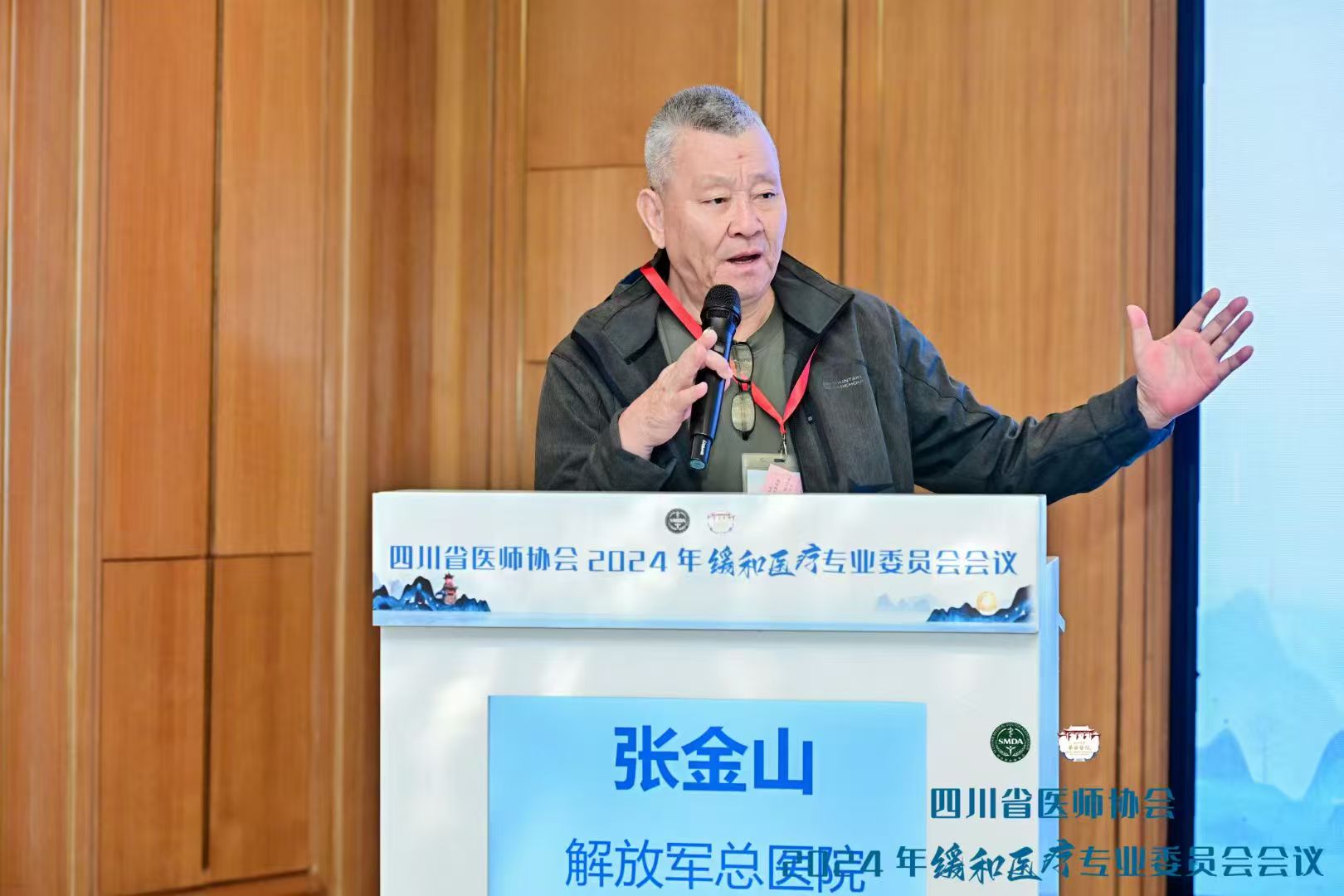
Professor Zhang Jinshan has long been dedicated to the field of medical imaging and has developed distinctive expertise in selective and superselective interventional diagnosis and treatment for solid tumors such as liver cancer, demonstrating exceptional technical proficiency and profound academic accomplishment. Beginning in the 1990s, he led his team in pioneering the clinical application and research of TIPSS and B-ORTO in China, filling major gaps in the domestic field and opening new paths for the interventional management of gastrointestinal bleeding caused by portal hypertension secondary to liver cirrhosis. In addition, he has made groundbreaking contributions to the interventional diagnosis and treatment of peripheral vascular diseases, as well as to preoperative embolization for spinal tumors.
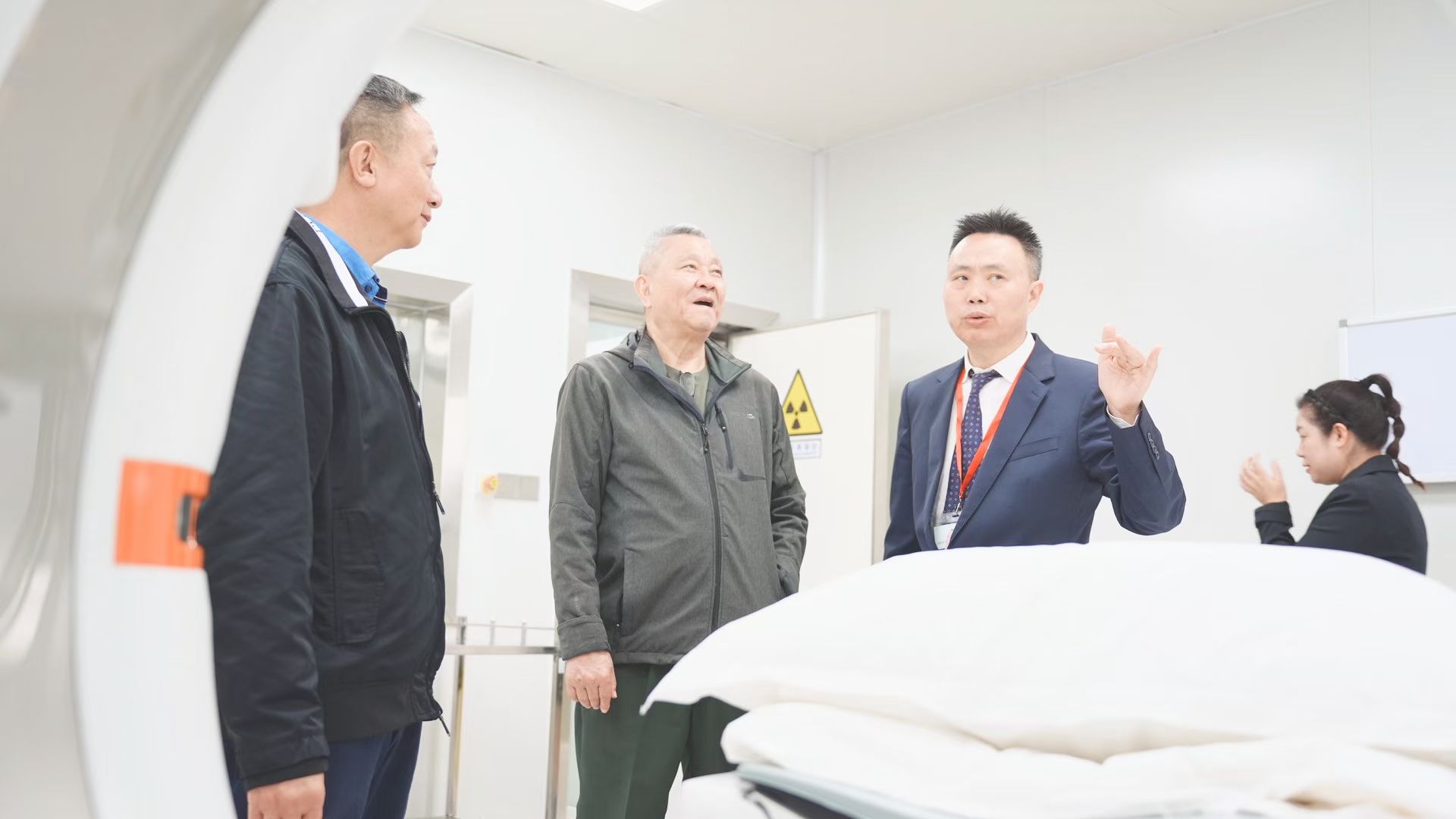
In the field of liver cancer treatment, Professor Zhang Jinshan not only led the development of standardized treatment protocols for liver cancer but also pioneered Transcatheter Arterial Chemoembolization with temporary Hepatic Vein Thrombosis (TACE-THVO) for primary liver cancer, bringing the efficacy of interventional therapy to a new level. In recognition of his outstanding clinical and scientific contributions, he was awarded the honorary title of “Chinese Master of Interventional Radiology” at the 2019 annual conference of the Chinese College of Interventionalists.
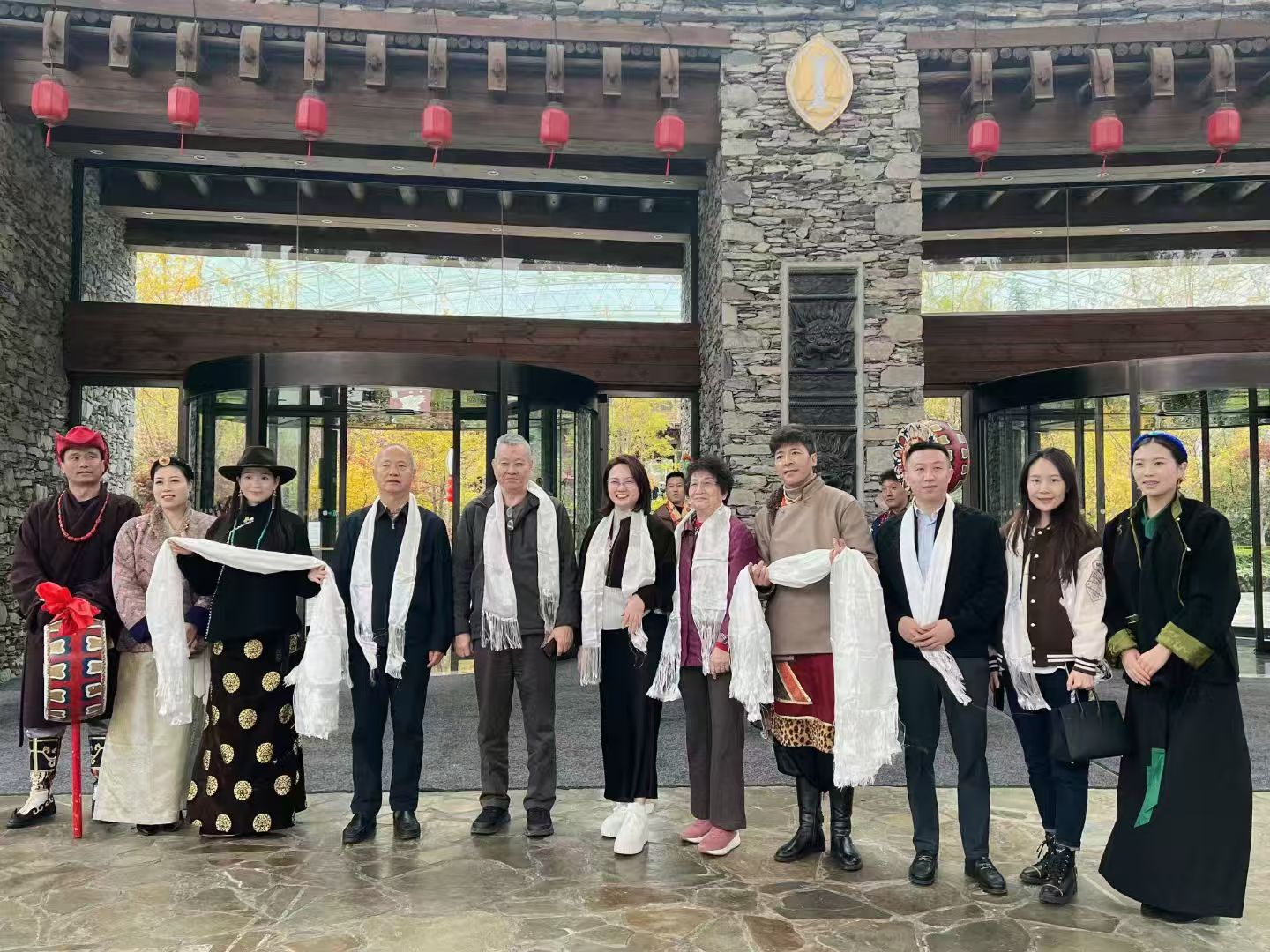
Professor Zhang Jinshan is not only a master clinician but also a driving force in the development of the discipline and a dedicated mentor in talent cultivation. He led his team in establishing one of China’s premier interventional therapy centers. As a doctoral supervisor, he has trained a large number of outstanding specialists and future leaders in interventional medicine, with many of his students and protégés now serving across the country. Academically, he has led multiple key national and military research projects, published more than 300 academic papers, and served as chief editor of three monographs, making remarkable contributions to the establishment of China’s academic framework for interventional medicine and the nationwide dissemination of its technologies.
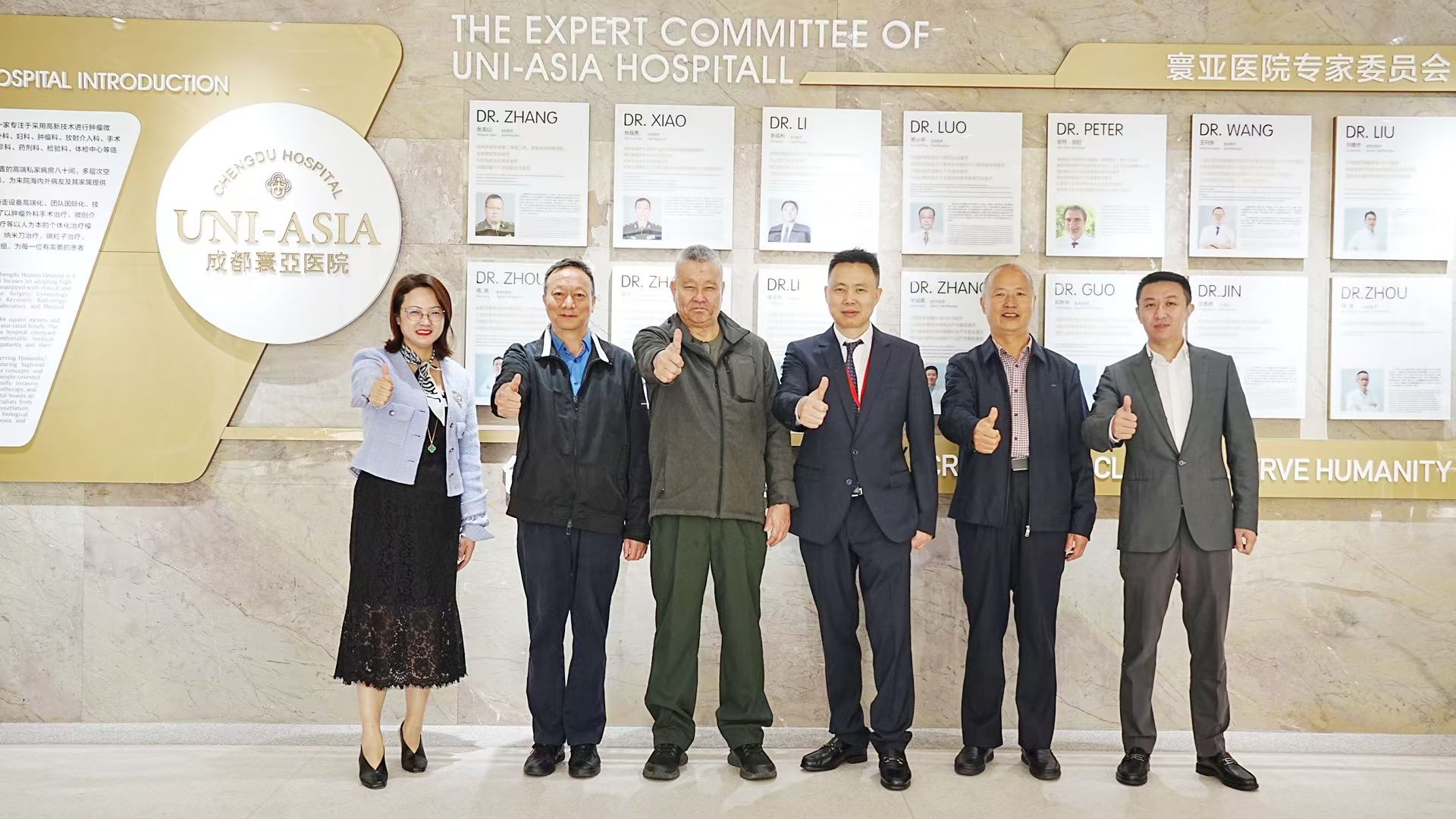
From the laboratory to the operating room, and from academic podiums to grassroots hospitals, Professor Zhang Jinshan has consistently upheld the principles of “pioneering, innovation, pragmatism, and compassion". He has devoted his life to fulfilling the mission of a physician—relieving patients’ suffering through minimally invasive techniques and advancing the discipline through academic excellence—thereby establishing himself as a truly towering figure and one of the foremost authorities in the field of interventional medicine in China.
Professor Zhang Jinshan has achieved prolific academic accomplishments, having published over 300 academic papers covering areas such as interventional therapy for liver cancer, minimally invasive treatment of portal hypertension, interventional treatment of vascular diseases, and tumor ablation.
1. Zhang Jinshan, Wang Maoqiang. Experiments and Clinical Studies of transjugular intrahepatic portosystemic stent shunt (TIPSS). Chinese Journal of Radiology, 1993,27(6):361-365.
Professor Zhang Jinshan is the first author. This is one of the early research papers in China that systematically elaborates on the TIPSS technique. Through animal experiments and clinical case analysis, it confirmed that TIPSS is a safe and effective minimally invasive method for treating portal hypertension and its complications, laying an important foundation for the promotion and application of this technique in China.
2.Zhang Jinshan, Li Huai. Clinical study on transcatheter arterial embolization with temporary hepatic vein occlusion for the treatment of primary liver cancer.Chinese Journal of Radiology, 1996,30(8):521-524.
Professor Zhang Jinshan is the first author. He innovatively proposed the technique of "transcatheter arterial embolization with temporary hepatic vein occlusion." Clinical results demonstrated that this method can significantly increase the drug concentration within liver cancer lesions, reduce damage to normal liver tissue, and effectively improve the therapeutic outcomes for intermediate and advanced liver cancer, providing a novel strategy for the interventional treatment of liver cancer.
3. Zhang Jinshan, Wang Maoqiang, Li Huai. Interventional treatment of Budd-Chiari syndrome. Chinese Journal of Medical Imaging Technology, 1998,14(3):189-191.
Professor Zhang Jinshan is the first author. This paper systematically summarizes the early experience in interventional treatment of Budd-Chiari syndrome in China, elaborating in detail on the key operational points and therapeutic efficacy of techniques such as percutaneous transluminal angioplasty and stent placement. It confirms that interventional therapy is the preferred minimally invasive method for Budd-Chiari syndrome, promoting the standardized development of treatment for this disease.
4.Zhang Jinshan, Li Huai, Wang Maoqiang. Clinical value of superselective hepatic arterial chemoembolization in the treatment of hypovascular liver cancer. Chinese Journal of Radiology, 2000,34(5):335-337.
Professor Zhang Jinshan is the first author. Addressing the challenges in interventional treatment of hypovascular liver cancer, this paper explores the clinical efficacy of superselective hepatic arterial chemoembolization. The results indicate that this technique can precisely target the lesions and improve the treatment response rate, providing an important clinical basis for the interventional treatment of hypovascular liver cancer.
5. Zhang Jinshan, Li Huai, Wang Maoqiang. Interventional treatment of peripheral vascular stenosis and occlusion.Chinese Journal of Radiology, 2002,36(7):612-614.
Professor Zhang Jinshan is the first author. This paper summarizes the interventional treatment experience of over 400 patients with peripheral vascular stenosis and occlusion, analyzing the indications and efficacy of techniques such as balloon angioplasty and stent placement. It confirms that interventional therapy is a safe and effective approach for peripheral vascular diseases, providing practical support for its clinical promotion.
6.Zhang Jinshan, Li Huai, Wang Maoqiang. Clinical application of CT-guided percutaneous puncture ablation in the treatment of abdominal tumors. Chinese Journal of Medical Imaging Technology, 2004,20(9):1395-1397.
Professor Zhang Jinshan is the first author. This paper explores the application value of CT-guided percutaneous puncture techniques such as radiofrequency ablation and chemical ablation in the treatment of abdominal tumors. The clinical results show that this method is minimally invasive with reliable efficacy, offering a minimally invasive treatment option for patients with inoperable abdominal tumors.
7.Zhang Jinshan, Wang Maoqiang, Li Huai. Advances in the application of interventional therapy for benign prostatic hyperplasia. Chinese Journal of Radiology, 2006,40(8):876-878.
Professor Zhang Jinshan is the corresponding author. This paper systematically reviews the cutting-edge advances in interventional therapy for benign prostatic hyperplasia, including the principles, procedures, and efficacy of techniques such as prostatic artery embolization and stent placement, providing new insights for the minimally invasive treatment of benign prostatic hyperplasia.
8.Zhang Jinshan, Li Huai, Wang Maoqiang. Discussion on the standardization of interventional therapy for liver cancer. Chinese Journal of Practical Surgery, 2008,28(10):856-858.
Professor Zhang Jinshan is the corresponding author. Drawing on years of clinical experience and research findings, he led the discussion on standardized protocols for interventional therapy of liver cancer, covering key aspects such as preoperative assessment, treatment modality selection, and postoperative management, providing important references for the formulation of clinical guidelines for interventional therapy of liver cancer in China.
1. Interventional Radiology (People's Military Medical Press, 1995): The first monograph in China to systematically discuss the theories and techniques of interventional radiology. It comprehensively elaborates on the interventional diagnosis and treatment system for tumors, vascular diseases, and non-vascular diseases, becoming a classic essential textbook for interventional physicians in China.
2.Interventional Therapy for Liver Cancer (People's Health Press, 2001): Focusing on minimally invasive interventions for liver cancer, this book systematically summarizes techniques such as TACE, ablation, and vascular intervention, refines operational standards and the prevention and management of complications, and promotes the standardization of interventional therapy for liver cancer.
3.Interventional Treatment of Portal Hypertension (Science Press, 2005): This book systematically elaborates on minimally invasive techniques for portal hypertension, such as TIPSS and B-ORTO, covering experimental research, clinical procedures, long-term follow-up, and efficacy evaluation, filling the gap in monographs on interventional treatment of portal hypertension in China.
1.The National "Eighth Five-Year Plan" Scientific and Technological Key Project—Clinical and Basic Research on Comprehensive Interventional Therapy for Liver Cancer (Project Leader): This project systematically explored multimodal interventional strategies for liver cancer, established the core regimen of superselective TACE combined with local ablation, and significantly improved the therapeutic outcomes for intermediate and advanced liver cancer.
2.The Military "Ninth Five-Year Plan" Key Medical Scientific Research Project—Standardized Research on TIPSS for the Treatment of Portal Hypertension (Project Leader): This project formulated China's first operational standards and postoperative management guidelines for TIPSS, reduced the incidence of complications, and promoted the popularization of this technique throughout the military and across the country.
3.National Natural Science Foundation of China Project — Research on the Mechanism of Targeted Therapy for Liver Cancer Using Hepatic Vein Occlusion Combined with Chemoembolization (Project Leader): This project revealed the synergistic enhancement mechanisms of the innovative technique at the levels of hemodynamics, drug metabolism, and the tumor microenvironment, providing theoretical support for precision interventional therapy of liver cancer.
4.Military Clinical High-Tech Major Project-Establishment and Clinical Application of the Interventional Treatment Technology System for Complex Vascular Diseases (Project Leader): This project overcame interventional challenges in complex lesions such as Budd-Chiari syndrome, peripheral vascular occlusion, and vascular malformations, forming a complete technical system that has been promoted and applied widely.
الدكتور تانسو غورسوي اختصاصي جراحة الدماغ والأعصاب في Çerkezköy Private Optimed Hospital. أتمّ تدريبه في مستشفى أنقرة للتعليم والبحث. يركّز عمله على جراحة العمود الفقري، وتشمل مجالاته الرئيسة الجنف التنكّسي، الانزلاق الغضروفي، تضيق القناة الشوكية، الرضوض، والأورام.
في عام 2019 نال المركز الثالث من جمعية جراحة الأعصاب التركية عن بحث حول تقويس القضبان مسبقاً والمعايير السهمية في الجنف التنكّسي القطني. شارك في تأليف الفصل 75 (تصنيف لينكي-سيلفا والجنف التنكّسي لدى البالغين) في كتاب The Aging Spine. حلّلت أطروحته سوء تموضع المسامير عبر السويقة في 415 حالة تثبيت صدري قطني.
هو عضو في جمعية جراحة الأعصاب التركية (مجموعة جراحة العمود الفقري والأعصاب الطرفية)، وجمعية العمود الفقري التركية، والجمعية الطبية التركية. أكمل دورة الجراحة المتقدمة للعمود الفقري والتدريب العملي على المفاغرة الوعائية الميكروسكوبية والجراحة المجهرية. يحمل شهادة الفئة A للحيوانات التجريبية. كما يحضر المؤتمرات الكبرى للعمود الفقري.
يترأس الدكتور Anton Wohl وحدة أورام الدماغ في مركز شيبا الطبي (منذ عام 2026). وهو جرّاح أعصاب متخصص في علم الأورام العصبية، وجراحة أورام الدماغ، والجراحة الإشعاعية التجسيمية.
يجري عمليات أورام معقّدة باستخدام التصوير بالرنين المغناطيسي أثناء الجراحة ورسم الخرائط الوظيفية. كما يستخدم التوجيه بالصبغات الفلورية، والملاحة العصبية، وفتح القحف اليقظ لاستئصال الأورام بأمان مع الحفاظ على الوظائف.
الاعتمادات: شهادة البورد الإسرائيلي في جراحة الأعصاب؛ رخصة ممارسة الطب الإسرائيلية؛ زمالات وتدريبات دولية متقدمة، منها مايو كلينك (الولايات المتحدة).
الأبحاث: مؤلف ومشارك في تأليف منشورات مُحكَّمة حول الورم الأرومي الدبقي، وأورام الدماغ الخبيثة، والجراحة الإشعاعية، والعلاجات التجريبية.
الدكتور يعقوب لورانس، MA وMBBS وMRCP، رئيس قسم علاج الأورام بالإشعاع في مركز شيبا الطبي. يتمتع بما يقرب من 30 عامًا من الخبرة في طب الأورام الإشعاعي الدقيق وطب الأورام العصبية.
خبير في العلاج الإشعاعي المتقدم والجراحة الإشعاعية، ويجري الجراحة الإشعاعية التجسيمية لأورام الدماغ. يقود برنامج أورام الجهاز الهضمي في شيبا، ويقدّم رعاية دقيقة لحالات سرطان الرئة والبروستاتا. وكان رائدًا في الجراحة الإشعاعية للضفيرة البطنية لتخفيف الألم الشديد الناجم عن سرطان البنكرياس.
التدريب والمؤهلات: MA وMBBS (كامبريدج وUCLH)؛ MRCP (الكلية الملكية للأطباء RCP)؛ زمالة علاج الأورام بالإشعاع (جامعة توماس جيفرسون). تشمل التكريمات جائزة الباحث الشاب من ASCO وزمالة ASTRO (FASTRO). ألّف أكثر من 280 منشورًا. وهو مدير مركز علاج الأورام الإشعاعي الترجمي وأستاذ مشارك في جامعة تل أبيب.
البروفيسور جاير بار، الحاصل على درجتي الطب (MD) والدكتوراه (PhD)، اختصاصي أورام صدرية ونائب مدير مركز السرطان في مركز شيبا الطبي. يرأس وحدة أورام الصدر. يعالج سرطان الرئة، بما في ذلك الحالات المتقدمة من النوع غير صغير الخلايا. يشمل نهجه العلاجي طب الأورام الطبي، والعلاج الإشعاعي، والعلاج المناعي، والعلاج الموجّه.
يدير مختبر أبحاث الطب الانتقالي يركّز على مقاومة العلاج المناعي. نشر أبحاثًا عن أيض السرطان في هواء الزفير وعن تثبيط تكوّن الأوعية في سرطان الرئة.
يترأس مجموعة سرطان الرئة في إسرائيل منذ عام 2003. وهو عضو في الجمعية الإسرائيلية لطب الأورام والعلاج الإشعاعي، والجمعية الأمريكية لعلم الأورام السريري، والجمعية الأمريكية لأبحاث السرطان. حاصل على شهادة البورد في طب الأورام الطبي وفي الأورام الإشعاعية، وهو محاضر كبير في جامعة تل أبيب.
البروفيسور رعنان بيرغر، حاصل على درجتي MD وPhD، أخصائي أورام طبية ومعالِج إشعاعي. يشغل منصب مدير مركز السرطان في مركز شيبا الطبي ويرأس وحدة الأبحاث السريرية فيه. أُدرِج ضمن قائمة «أفضل الأطباء» لفوربس إسرائيل (2025). يقود برنامج أورام الجهاز البولي التناسلي مع تركيز على سرطان البروستاتا. تشمل رعايته العلاج الجهازي والعلاج الإشعاعي ضمن نموذج متعدد التخصصات محوره المريض.
يحمل شهادة البورد في طب الأورام. حصل على درجتي MD وPhD من جامعة تل أبيب وأكمل تدريبه السريري في شيبا. ثم أنهى زمالة ما بعد الدكتوراه في دانا-فاربر/هارفارد، تركزت على سرطان البروستاتا مع الدكتور فيليب كانتوف وعلى علم الأورام الجزيئي في مختبر الدكتور ويليام سي. هان. وهو عضو في ESMO وASCO. شارك في تأليف أكثر من 20 مقالة مُحكَّمة، منها دراسات عن النتائج في سرطان البروستاتا عالي المخاطر مقابل عالي المخاطر جداً، وعن BRCA1/2 في مجموعات كبيرة.
يتخصص الدكتور صموئيل موسكوفيتشي في الحالات العصبية الجراحية المعقدة، بما في ذلك الورم الشفاني والكيسة البشرانية، مع 67 مقالاً خضع لمراجعة الأقران في السنوات الـ _doctor_2823_ الماضية.
_doctor_2825_عاماً_ من الخبرة في جراحة الأعصاب – الدكتور كي متخصص في إزالة أورام المخ في مستشفى هداسا الجامعي.
يتمتع الدكتور خوسيه كوهين بخبرة واسعة في إزالة أورام المخ، مع خلفية أكاديمية ومهنية قوية في مركز هداسا الطبي.
الأستاذ المشارك الدكتور Abdullah Emre Taçyıldız جرّاح أعصاب في مستشفى Optimed International. لديه خبرة تتجاوز 10 سنوات. تخرّج من كلية الطب بجامعة Mersin عام 2012. أكمل الإقامة في جراحة الأعصاب بمستشفى Bakırköy Prof. Dr. Mazhar Osman للتدريب والبحوث عام 2019. عمل في Gölbaşı Community Health Center، وجامعة Muğla Sıtkı Koçman، ومستشفى Karabük للتدريب والبحوث، وجامعة Malatya Turgut Özal.
تشمل مجالاته الرئيسية أورام الدماغ، وآلام الظهر والرقبة، والانزلاق الغضروفي القطني والرقبي، وإصابات الرأس والرقبة، وتضيّق القناة الشوكية. وهو عضو في جمعيات وطنية ودولية لجراحة الأعصاب. لديه خلفية بحثية أكاديمية وخبرة جراحية متينة. يقدّم التشخيص والرعاية الجراحية العصبية.
متخصص في إزالة أورام الدماغ المعقدة في مستشفيات Büyük Anadolu، مع خبرة في جراحات الغدة النخامية وأمراض الأوعية الدموية (تمدد الأوعية الدموية).
يتمتع البروفيسور نجات أكالان بأكثر من _doctor_263_عاماً_ من الخبرة في جراحة الأعصاب، وهو متخصص في جراحات الدماغ والأعصاب. يستخدم تقنيات متقدمة مثل نظام التصوير O-arm، والموجات فوق الصوتية، والتصوير بالرنين المغناطيسي أثناء الجراحة (iMRI) لتقليل المخاطر.
يتخصص الدكتور سورمي في جراحة الأعصاب مع التركيز على إزالة أورام المخ، وقد نشر العديد من الأبحاث العلمية حول التقنيات والنتائج الجراحية العصبية.
انظر المحفظة