تتراوح تكلفة جراحة انقطاع النفس أثناء النوم في تركيا بين $3,200 و $4,800. يعتمد السعر النهائي على التقنية الجراحية وخبرة الجراح وتعقيد انسداد مجرى الهواء. يوفر المرضى حوالي _price_percent_discount_% مقارنة بالمملكة العربية السعودية، حيث يبلغ متوسط التكلفة _price_compare_SA_average_. تشمل الباقات عادةً الفحوصات قبل الجراحة، والإقامة في المستشفى، وخدمات النقل VIP في إسطنبول.
رأي خبراء Bookimed: اختيار مختص ذي تدريب دولي يوفر أفضل قيمة للحالات المعقدة في مجرى الهواء. أكمل العديد من كبار الجراحين الأتراك زمالات في مؤسسات كبرى مثل ستانفورد أو جونز هوبكنز. تبدأ الباقات الشاملة من حوالي 3,900 $ في مستشفيات بويوك أنادولو. يقدم هؤلاء الجراحون خبرة واسعة تتجاوز 900 عملية في الأنف والأذن والحنجرة. يوفر هذا بديلاً عالي القيمة عن التكاليف في السعودية دون التنازل عن الخبرة السريرية.
| تركيا | إسبانيا | ألمانيا | |
| جراحة توقف التنفس أثناء النوم | من $3,200 | من $5,500 | من $7,500 |
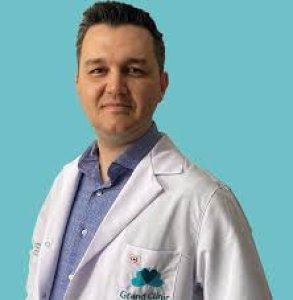
تتضمن هذه الحزمة الشاملة خيارات طفيفة التوغل بمساعدة الروبوت لتعزيز الدقة الجراحية. يقوم الدكتور ضياء إلجين، خريج جامعة مرمرة المتخصص في أكثر من 900 إجراء لانقطاع التنفس أثناء النوم، بتخصيص النهج المتبع في مستشفيات بيوك أناضولو المعتمدة. بتكلفة تبلغ حوالي 3900 دولار، تغطي الحزمة الأولية مراجعة دراسة النوم، والاختبارات التشخيصية، وإقامة لمدة 6 أيام، وتنسيقاً متعدد اللغات. تحمل العيادة شهادة ترخيص السياحة الصحية الدولية ولديها معدل توصية مرضي يبلغ 98%.
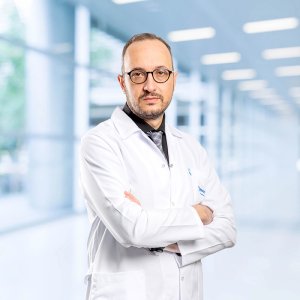
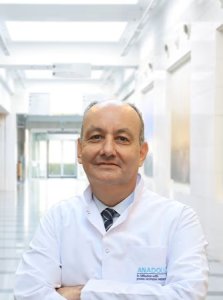
تلقى البروفيسور الدكتور أوستونداغ تدريباً في جامعة ستانفورد خصيصاً لجراحة انقطاع النفس أثناء النوم. وهو يرأس قسم الأنف والأذن والحنجرة في مركز الأناضول الطبي.
يتخصص الدكتور أونور أوستون في أمراض الأنف والأذن والحنجرة في مستشفى هاسكي للتدريب والأبحاث، مع تركيز على جراحة انقطاع التنفس أثناء النوم.
يتمتع البروفيسور ياسار كوكيسير بخبرة متخصصة تمتد لعقود في مجال طب الأنف والأذن والحنجرة (ENT)، يطبقها في جراحة انقطاع التنفس النومي، وقد تدرب على يد قادة عالميين في جونز هوبكنز ومعهد هاوس للأذن.
يتمتع الدكتور فورالكان بخبرة واسعة في جراحة الأنف والأذن والحنجرة، مع التركيز على علاجات انقطاع التنفس النومي (Sleep Apnea) في مستشفى VM Medical Park فلوريا.
Surgeons in Turkey identify sleep apnea causes through clinical examinations and airway mapping. Specialists like Dr. Mehmet Emre Ustundag, who trained at Stanford University, use polysomnography to assess severity. They also use drug-induced sleep endoscopy to visually locate airway collapses during simulated sleep.
Bookimed Expert Insight: Turkish packages from clinics like Büyük Anadolu Hospitals often bundle preoperative tests. These bundles also include 3 nights of hospital monitoring. This allows surgeons to verify airway stability immediately after procedures such as UPPP. This surgery typically costs between $3,200 and $4,800.
Patient Consensus: Patients find that bringing previous sleep study reports helps surgeons confirm obstruction levels. They recommend asking for a physical ENT exam of the nose, throat, and palate before surgery.
Surgery in Turkey significantly reduces sleep apnea symptoms. However, it rarely provides a permanent 100% cure for every patient. Success typically means halving the respiratory interruption index rather than total eradication. Outcomes rely on precise airway diagnostics and maintaining a stable weight afterwards.
Bookimed Expert Insight: Turkish specialists often have academic backgrounds from institutions like Stanford or Johns Hopkins. For example, Professor Mehmet Emre Ustundag at Anadolu Medical Center trained at Stanford specifically in sleep apnea surgery. Choosing a surgeon with this international training provides access to modern airway management protocols.
Patient Consensus: Success depends on targeting the right anatomical level. This makes a pre-op sleep study vital. Many find that while snoring stops, objective testing is still needed to confirm apnea reduction.
Surgical success for sleep apnea in Turkey ranges from 40% to 90%. This depends on the procedure and patient anatomy. High-performing clinics in Istanbul use drug-induced sleep endoscopy (DISE) to locate airway obstructions. This allows for precise interventions that meet international clinical standards for obstructive sleep apnoea.
Bookimed Expert Insight: Success often relies on surgeon experience. While standard clinics offer basic UPPP, specialists like Dr Mehmet Emre Ustundag at Anadolu Medical Center bring expertise from Stanford University’s sleep apnea module. Such specialised training at high-volume centres often leads to more accurate diagnostics and improved breathing outcomes.
Patient Consensus: Patients find that success means better daytime function and reduced snoring. Outcomes improve when surgeries target the specific anatomical cause of obstruction.
Turkish clinics perform diverse sleep apnea surgeries targeting specific airway blockages. These range from soft tissue removal to structural jaw advancement. Specialists routinely perform uvulopalatopharyngoplasty (UPPP), septoplasty, and turbinate reduction at JCI-accredited facilities. Multi-level procedures and radiofrequency ablation are also common for complex obstructive patterns.
Bookimed Expert Insight: While many search for a single cure, Turkish specialists often combine nasal surgery with palatal procedures. Dr. Mehmet Emre Ustundag at Anadolu Medical Center trained at Stanford University. He is a prime example of surgeons using this staged, multi-level approach.
Patient Consensus: Clinics in Turkey perform the full range of nasal, tonsil, and palatal surgeries. Patients suggest asking which anatomical level the surgeon plans to treat. They also suggest confirming if pre-op tests and follow-up visits are included.
Sleep apnea surgery in Turkey involves varying pain levels and recovery times based on the technique used. Robotic and endoscopic methods minimise trauma. Throat-based procedures like UPPP cause significant discomfort for 7 to 10 days. Nasal surgeries require only 5 to 7 days for full recovery.
Bookimed Expert Insight: Many clinics offer standalone surgery. However, Büyük Anadolu Hospitals (BAH) provide packages with 24-hour nurse services. This helps with sleep apnea procedures, as nurses manage peak pain between days 3 and 5. This occurs while you remain in a clinical setting.
Patient Consensus: Patients suggest searching for UPPP specifically to understand early swallowing and speaking difficulties. First-hand reports highlight that staying hydrated and using ice chips makes throat recovery manageable.
Most patients stay in Turkey for 7 to 10 days for sleep apnea surgery. This timeframe covers pre-operative assessments and the surgical procedure. It also includes post-operative monitoring by specialists like Professor Mehmet Emre Ustundag. Professor Ustundag completed sleep apnea training at Stanford University.
Bookimed Expert Insight: Many clinics suggest a week is enough. However, all-inclusive packages often reveal the true recovery needs. For instance, Büyük Anadolu Hospitals bundles 3 nights of hospital care with 3 nights in a hotel. This 6-night minimum stay is vital for monitoring breathing and swallowing. You need this stability before the long-haul flight back to Australia.
Patient Consensus: Travellers suggest adding extra buffer days to manage unexpected swelling. Ask your surgeon to confirm your throat is clear for travel at the final review. Keep your return flight flexible until then.