تتراوح تكلفة عملية توسيع الثقبة العصبية في كوريا الجنوبية عادةً من $11,000 إلى $20,000. قد تختلف الأسعار حسب المستشفى، خبرة جراح الأعصاب، ما إذا كانت العملية مفتوحة أو طفيفة التوغل، وعدد مستويات العمود الفقري المعالجة. في ألمانيا، يبلغ متوسط سعر عملية توسيع الثقبة العصبية $15,000 (حسب DGNC). هذا يعني أن تكلفة العملية في كوريا الجنوبية أقل بحوالي 27% مقارنة بألمانيا.
عادةً ما تشمل مستشفيات كوريا الجنوبية التشخيصات قبل العملية (تصوير بالرنين المغناطيسي، التصوير المقطعي)، الجراحة نفسها، التخدير، الإقامة في المستشفى (2–5 أيام)، الأدوية بعد العملية، وزيارات المتابعة ضمن السعر. في ألمانيا، غالبًا ما يتم احتساب تكاليف التخدير، التصوير، والإقامة في المستشفى بشكل منفصل عن أتعاب الجراح. يجب دائمًا التأكد من الخدمات المشمولة في الباقة قبل الحجز.
لماذا يختار المرضى جمهورية كوريا لإجراء عملية فتح الثقبة؟
احصل على حلول متقدمة لعملية فتح الثقبة في عيادات موثوقة .
| كوريا الجنوبية | تركيا | إسبانيا | |
| بضع الثقبة | من $11,000 | من $1,690 | من $10,000 |
| Kyphoplasty | من $13,500 | من $9,000 | من $8,500 |
Bookimed لا يضيف رسوماً إضافية على أسعار بضع الثقبة. الأسعار مأخوذة من قوائم الأسعار الرسمية للعيادات. تدفع مباشرة في العيادة مقابل بضع الثقبة عند وصولك.
Bookimed ملتزم بسلامتك. نحن نعمل فقط مع المؤسسات الطبية التي تحافظ على معايير دولية عالية في بضع الثقبة ولديها التراخيص اللازمة لخدمة المرضى الدوليين في جميع أنحاء العالم.
Bookimed يقدم مساعدة خبراء مجانية. منسق طبي شخصي يدعمك قبل وأثناء وبعد العلاج، ويحل أي مشاكل. لن تكون وحيداً أبداً في رحلة بضع الثقبة.
تعمل العملية على إصلاح الفقرات المكسورة وتخفيف الألم واستعادة الوضع باستخدام تقنية طفيفة التوغل بمساعدة البالون.
هذا الإجراء يزيل الضغط عن الأعصاب في العمود الفقري ، ويخفف الألم عن طريق شقوق صغيرة ، مما يوفر تعافيًا أسرع.
اليوم الأول: الوصول
اليوم 2-3: ما قبل العملية
اليوم الرابع: الجراحة
اليوم 5-7: ما بعد العملية
الأسبوع 1-4: إعادة التأهيل
الأسبوع 4-8: استمرار إعادة التأهيل
يرجى ملاحظة أن هذا هو جدول زمني عام وقد تختلف التجارب الفردية.
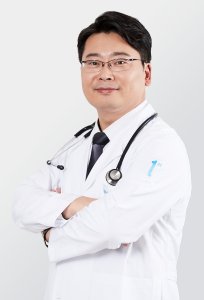
الدكتور هان يونغمين جرّاح أعصاب (MD، PhD). يشغل منصب المدير الطبي ومدير مركز جراحة الأعصاب في مستشفى سانت ماري في إنتشيون. يعالج أمراض الأوعية الدموية الدماغية واضطرابات الأعصاب الطرفية، ويختص أيضًا بأورام الدماغ وجراحة قاعدة الجمجمة. تشمل الحالات السكتة الدماغية والنزف الدماغي والاحتشاء الدماغي ومرض مويا مويا. يجري إجراءات PEN وPNP وSNB. ويقدّم أيضًا الاستئصال المجهري والتنظيري للقرص، واستبدال القرص الصناعي، واندماج العمود الفقري طفيف التوغل/MIS-TLIF، ورأب الفقرة.
نال درجتي الطب والدكتوراه من الجامعة الكاثوليكية في كوريا. عمل أستاذًا زائرًا في جراحة الأوعية الدماغية وقاعدة الجمجمة في معهد بارو لطب الأعصاب (فينيكس، أريزونا، الولايات المتحدة). كما عمل في مركز هاربورفيو الطبي، جامعة واشنطن (سياتل، الولايات المتحدة).
تشمل منشوراته المشاركة في تأليف الفصل 52 من كتاب جراحة الأوعية الدموية الدماغية الكورية. كما شارك في تأليف كتاب أورام الورم العصبي السمعي (Acoustic Neuroma Oncology). وهو عضو عامل في جمعيات KNS وKSCVS وKSBS وKBTS وKNTS وKSNS وKSPNS.
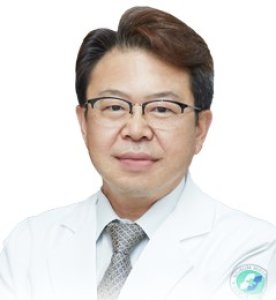
يتخصص البروفيسور جانغ في جراحة العمود الفقري المجهرية، وقد نشر أبحاثاً حول الانزلاق الغضروفي القطني الثقبي وخارج الثقبي.
أول من أدخل جراحة ثقب الفقرات العنقية الأمامية إلى كوريا – يتخصص جاي هيون ليم في إجراءات العمود الفقري طفيفة التوغل في مستشفى نانوري.
يتخصص الدكتور كيم في جراحة العمود الفقري طفيفة التوغل، بما في ذلك بضع الثقبة، مع تدريب مكثف في ألمانيا وكوريا.
Foraminotomy in South Korea has an 85–95% success rate for relieving nerve compression symptoms. These include radiating limb pain. Centres in Seoul use minimally invasive endoscopic techniques for durability. Long-term reoperation rates remain low at approximately 13.2% over 10 years.
Bookimed Expert Insight: South Korea leads in spinal innovation. It was the first in Asia to adopt robotic systems for spine care. Dr Hyeunsung Harrison Kim at Nanoori Hospital even received the Parviz Kambin Award. This award recognises excellence in endoscopic surgery. Choosing these specialised spine centres often provides access to experienced surgeons. Many have 20+ years of experience in microscopic techniques.
Patient Consensus: Patients often report immediate relief from tingling and weakness. However, full recovery from severe stenosis can take up to 2 years. Committing to post-operative exercises in Korea is essential for maintaining these long-term functional gains.
South Korean neurosurgeons specialise in endoscopic and microscopic foraminotomy techniques to decompress spinal nerves. These minimally invasive approaches include anterior cervical and uniportal endoscopic methods. They focus on removing bone spurs or disc material through tiny incisions. This preserves spinal stability and speeds up recovery.
Bookimed Expert Insight: While many countries focus on traditional open surgery, South Korea has moved towards a one-day surgery culture. Specialists like Dr Iltae Jang at Nanoori Hospital established specific protocols for one-day cervical disc surgery. This high efficiency is supported by surgeons who have individual experience exceeding 8,000 procedures.
Patient Consensus: Patients find that Korean clinics prioritise tailored treatment plans and provide high-level nursing care. Most appreciate the focus on non-fusion techniques that maintain natural spine mobility while resolving chronic nerve pain.
A foraminotomy in South Korea generally does not weaken the spine or require implants. Surgeons use motion-preserving techniques, such as biportal endoscopic decompression, to remove only tiny bone fragments. This targeted approach maintains structural integrity while avoiding the rods or screws typically used in fusion surgeries.
Bookimed Expert Insight: While a foraminotomy is structurally stable, South Korean specialists like Dr. Jaehyeon Lim at Nanoori Hospital often incorporate postoperative exercise therapy. This addresses the 6–8 week period of perceived fragility that patients frequently report. Choosing a clinic that bundles 4-day hospital stays ensures this immediate rehabilitation is professionally supervised.
Patient Consensus: The spine remains stable in South Korea, though patients often feel sensitive or fragile during early muscle recovery. This sensation is neurological rather than structural, and the ability to move naturally after surgery is a major relief.
South Korea is a leading destination for foraminotomy. This is because of its pioneering work in Biportal Endoscopic Spine Surgery (BESS) and microscopic decompression. Specialists in Seoul achieve success rates of 85–95%. They use keyhole incisions that allow many patients to walk on the same day as surgery.
Bookimed Expert Insight: While many hospitals offer general neurosurgery, Nanoori Hospital is a government-certified Spine Specialty Hospital. This distinction is critical for foraminotomy patients. These centres handle high volumes. Nanoori treats 58,000+ patients annually. This ensures surgeons manage complex nerve compression cases daily rather than occasionally.
Patient Consensus: Patients value the intensive care in Seoul, including 24-hour nursing and personalised meals. Most note the rapid transition from surgery to walking within 24 hours.