عيادات نقل الأجنة في تركيا


تمت مراجعة المقالة طبيا من قبل
فهد مولود
ما هي تكلفة نقل الأجنة في تركيا؟ اكتشف الآن
تتراوح تكلفة نقل الأجنة في تركيا عادةً بين السعر عند الطلب و السعر عند الطلب. يعتمد السعر الإجمالي على اختيار نقل أجنة مجمدة فقط أو دورة حقن مجهري كاملة. تشمل المراكز الطبية الرئيسية إسطنبول وأنقرة وأنطاليا. تتضمن الباقات القياسية غالباً إجراء النقل والاستشارات الأولية والمساعدة اللغوية.
- دورة حقن مجهري كاملة: تتراوح تكلفتها عادة بين 3,000 $ و5,000 $ وتشمل سحب البويضات والنقل الأول.
- نقل الأجنة المجمدة: تتراوح تكلفة إجراءات نقل الأجنة المجمدة مسبقاً بين 900 $ و2,050 $.
- الفحص الجيني: غالباً ما تضيف اختبارات PGT-A أو PGD تكاليف كبيرة تتراوح بين 2,150 $ و4,300 $.
- الأدوية: تُحسب تكلفة أدوية الخصوبة غالباً بشكل منفصل، مما يضيف حوالي 800 $ إلى 1,600 $ للميزانية.
رأي خبراء Bookimed: يوفر اختيار مراكز معتمدة من JCI، مثل مستشفى ميموريال شيشلي أو مركز أناضولو الطبي، قيمة كبيرة. يرتبط مركز أناضولو بشراكة مع جونز هوبكنز ميديسن. تقدم هذه العيادات الرائدة خبرات عالية المستوى مقابل 3,250 $ إلى 4,100 $ تقريباً. غالباً ما تشمل هذه الباقات مزايا كالإقامة في الفندق أو التنقلات من المطار. يُعد هذا الخيار أفضل من حجز الخدمات بشكل منفرد. يحصل المريض على بنية تحتية عالمية بجزء بسيط من تكاليف السعودية.
مزاياك وضماناتك مع Bookimed
أسعار مباشرة
Bookimed لا يضيف رسوماً إضافية على أسعار نقل الأجنة. الأسعار مأخوذة من قوائم الأسعار الرسمية للعيادات. تدفع مباشرة في العيادة مقابل نقل الأجنة عند وصولك.
عيادات وأطباء معتمدون فقط
Bookimed ملتزم بسلامتك. نحن نعمل فقط مع المؤسسات الطبية التي تحافظ على معايير دولية عالية في نقل الأجنة ولديها التراخيص اللازمة لخدمة المرضى الدوليين في جميع أنحاء العالم.
مساعدة مجانية على مدار الساعة
Bookimed يقدم مساعدة خبراء مجانية. منسق طبي شخصي يدعمك قبل وأثناء وبعد العلاج، ويحل أي مشاكل. لن تكون وحيداً أبداً في رحلة نقل الأجنة.

منسقك الطبي الشخصي في Bookimed
- يدعمك في كل مرحلة
- المساعدة في اختيار العيادة الطبية المناسبة والطبيب المناسب
- يضمن الوصول السريع والمريح إلى المعلومات
اكتشف أفضل نقل الأجنة العيادات في تركيا: 19 خيارات معتمدة والأسعار

















نظرة عامة على نقل الأجنة في تركيا
- الحقن المجهري او اطفال الأنابيب - من $3,000
يساعد الإجراء على الحمل عن طريق البويضات المخصبة في المختبر المزروعة في الرحم ، مما يمنح الأمل لأولئك الذين يعانون من العقم.
- الولادة - من $2,100
يتضمن الإجراء ولادة طفل ، عادةً بعد تسعة أشهر من الحمل ، مما يوفر متعة الأبوة.
- حفظ الجنين بالتبريد - من $800
يجمد الإجراء الأجنة في مراحلها المبكرة لاستخدامها في المستقبل ، مما يحافظ على الخصوبة ويحسن نجاح الإخصاب في المختبر.
- التلقيح الاصطناعي مع اختيار جنس المولود - من $4,700
يساعد هذا الإجراء الأزواج على إنجاب طفل من جنس معين من خلال الإخصاب في المختبر ، مما يوفر معدلات نجاح متزايدة.
- التلقيح الاصطناعي - من $770
يساعد هذا العلاج على الحمل عن طريق إدخال الحيوانات المنوية مباشرة في رحم المرأة ، مما يزيد من فرص نجاح الإخصاب.
- التحفيز الدوائي لأطفال الأنابيب - من $700
يعزز الإجراء إنتاج البويضات من أجل الإخصاب في المختبر ، باستخدام الأدوية لزيادة فرص الحمل الناجح.
- قسم القيصرية - من $2,700
تتضمن العملية ولادة طفل من خلال شقوق جراحية في بطن ورحم الأم.
اليوم الأول - الوصول
- الوصول الى البلاد.
- الانتقال إلى السكن.
- الراحة والتأقلم.
اليوم الثاني - لقاء مع الأخصائي
- أول استشارة مع الأخصائي.
- توضيح العملية.
- اختيار متبرع البويضات إذا لزم الأمر.
اليوم 3 - ما قبل العملية
- استشارة ما قبل العملية.
- الخضوع للفحوصات الطبية اللازمة.
- ناقش الإجراءات الإضافية إذا لزم الأمر.
اليوم الرابع - نقل الأجنة
- التحضير لنقل الأجنة.
- تستغرق العملية حوالي ساعة واحدة.
- لا حاجة للتخدير.
اليوم الخامس - ما بعد العملية
- استشارة ما بعد الجراحة في العيادة.
- الراحة والمراقبة في العيادة.
- الخروج من العيادة.
الأسبوع 1-2 - إعادة التأهيل
- الراحة مع الحد الأدنى من النشاط البدني.
- مواعيد المتابعة إذا لزم الأمر.
- العودة إلى العمل بعد أسبوع.
الأسبوع 2-4 - المتابعة
- المراقبة المستمرة للحالة الصحية.
- استأنف الأنشطة العادية تدريجيًا.
- توقع رؤية النتائج النهائية بعد 4 أسابيع.
يرجى ملاحظة أن حالة كل مريض قد تختلف ، والجدول الزمني المقدم هو تقدير متوسط يعتمد على كميات كبيرة من البيانات.
- إيداع Bookimed: 200 دولار أو 200 يورو.
- وديعة العيادة: ادفع نسبة محددة مقدمًا.
احصل على تقييم طبي لـ نقل الأجنة في تركيا. استشر الآن 15 أطباء ذوي الخبرة.
عرض جميع الأطباء
Tayfun Kutlu
الدكتور طيفون كوتلو هو اختصاصي في الغدد الصماء التناسلية ويتمتع بخبرة تزيد عن 24 عامًا. يختص في التلقيح الاصطناعي، واستئصال بطانة الرحم بالموجات الدقيقة، وعلاجات العقم المتقدمة. يحمل شهادات في تقنيات الإخصاب المساعد والجراحة بالمنظار، مما يعكس التزامه بالطب التناسلي الحديث.
قدم الدكتور كوتلو إسهامات مهمة في المجال من خلال الأبحاث والمنشورات العلمية المحكمة. يشتهر بنسب نجاح عالية مع المرضى وتركيزه القوي على التميز السريري. يثق به المرضى لخبرته في الصحة الإنجابية وعلاج العقم.

Ebru Cogendez
تتمتع الدكتورة إبرو كوجينديز بخبرة تزيد عن عقدين من الزمن في مجال التوليد وأمراض النساء، وهي متخصصة في التلقيح الصناعي (IVF) ونقل الأجنة في مستشفى ميموريال أتاشهير.
- خبيرة في إجراءات التلقيح الصناعي
- عملت سابقاً في وحدة التلقيح الصناعي بمستشفى زينب كامل لصحة المرأة وأبحاث الأطفال
- خبرة طويلة في مجال الصحة الإنجابية للمرأة
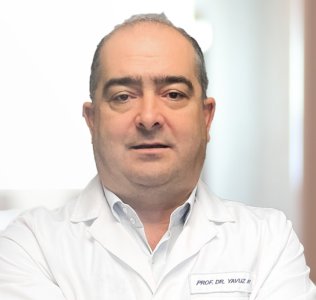
Yavuz Aydin
يتخصص البروفيسور يافوز أيدين في التلقيح الصناعي (IVF) والطب الإنجابي، مع أكثر من _doctor_10365_عاماً_ من الخبرة في أفضل المؤسسات الطبية.
- تدرب في طب التوليد وأمراض النساء في كلية جراح باشا للطب
- عضو في الجمعية الأمريكية للطب الإنجابي
- يجري جراحات متقدمة بالمنظار وجراحات الرحم
- يستخدم جراحة الأنابيب المجهرية لحالات العقم المعقدة

Semra Kahraman
الدكتورة سمرا كهرمان أخصائية من ذوي الخبرة في التلقيح الاصطناعي وأمراض الذكورة وعلم الوراثة وعلاج العقم والتشخيص الوراثي قبل الزرع ومقرها في اسطنبول ، تركيا. تتمتع بخبرة عملية واسعة وإسهامات علمية مكثفة ، وهي محترفة محترمة في هذا المجال ، حيث حصلت على جائزة الإنجاز مدى الحياة من الجمعية التركية للطب التناسلي وجائزة Star من الجمعية الأمريكية للطب التناسلي.
المراجعات
جميع المراجعاتمشاركة المحتوى
قصص فيديو من مرضى Bookimed
 Anna Leonova
أسئلة متكررة حول نقل الأجنة في تركيا
هل من الآمن السفر جواً إلى المنزل مباشرة بعد نقل الأجنة؟
من الآمن طبياً السفر جواً إلى المنزل مباشرة بعد إجراء نقل الأجنة في تركيا. لا يؤدي ضغط المقصورة القياسي والحركات الموضعية إلى انفصال الأجنة. يؤكد كبار المتخصصين أن السفر لا يؤثر سلباً على نجاح الانغراس ولا يزيد من مخاطر الإجهاض لدى معظم المريضات.
- أمان الأجنة: تحافظ جدران الرحم بشكل طبيعي على الأجنة بأمان، حيث لا يمكن لضغط الهواء إزاحتها.
- مستويات النشاط: لا تنصح البروتوكولات الحديثة بالراحة التامة في الفراش لمنع تجلط الدم أثناء رحلتك.
- الوقاية من تجلط الأوردة العميقة (DVT): ارتدي جوارب ضاغطة وحافظي على رطوبة جسمك للتعامل مع المخاطر الهرمونية الطفيفة المرتبطة بالتلقيح الصناعي.
- توقيت السفر: توافق معظم العيادات التركية على رحلات الطيران في نفس اليوم للرحلات التي تقل مدتها عن 12 ساعة.
رؤية خبير Bookimed: على الرغم من أن السفر جواً آمن، إلا أن العامل الحقيقي هو كيفية تعاملك مع الخدمات اللوجستية في المطار. في عيادات مثل مركز الأناضول الطبي أو مستشفى ليف أولوس، يمكن لفرق التنسيق ترتيب انتقالات كبار الشخصيات والمساعدة في الأمتعة. هذا أمر حيوي لأن تجنب رفع الأشياء الثقيلة أكثر أهمية لاسترخاء الرحم من الرحلة نفسها.
إجماع المريضات: تبلغ العديد من المريضات عن نجاح سفرهن إلى المنزل في نفس اليوم ويشعرن بأن استئناف النشاط الخفيف قلل في الواقع من قلقهن. ويؤكدن على أهمية البقاء متحركات في المقصورة وتجنب الحقائب الثقيلة لضمان انتقال خالٍ من التوتر إلى المنزل.
كم من الوقت أحتاج للبقاء في تركيا لدورة نقل الأجنة؟
تتطلب دورة نقل الأجنة في تركيا عادةً إقامة تتراوح بين 7 إلى 21 يوماً، اعتماداً على البروتوكول المستخدم. تستغرق عملية نقل الأجنة المجمدة (FET) عادةً من 7 إلى 14 يوماً، بينما تتطلب دورة التلقيح الصناعي (IVF) الكاملة التي تتضمن تحفيز المبيض وسحب البويضات ما يصل إلى 21 يوماً.
- إقامة الدورة المجمدة: خطط لمدة 7 إلى 14 يوماً للمراقبة والنقل الموجه بالموجات فوق الصوتية.
- إقامة الدورة الطازجة: خصص 15 إلى 21 يوماً للتحفيز والسحب وتطور الأجنة.
- المراقبة عن بعد: تسمح بعض العيادات بإجراء الفحوصات في بلدك الأصلي لتقصير مدة الإقامة إلى 5 إلى 7 أيام.
- الاستعداد للسفر: يُسمح للمرضى عموماً بالسفر جواً بعد يوم أو يومين من الإجراء.
رؤية خبير Bookimed: تُظهر البيانات الواردة من مراكز النخبة في إسطنبول مثل Memorial Şişli وAnadolu Medical Center تحولاً نحو استخدام الأجنة المجمدة (FET) للمرضى الدوليين لضمان بطانة رحم مثالية. على الرغم من أن عملية النقل نفسها سريعة، إلا أن الوصول قبل يومين أو ثلاثة أيام لإجراء فحص بالموجات فوق الصوتية هو نمط شائع في الحالات الناجحة. غالباً ما توفر العيادات ذات الكثافة العالية، مثل مركز Eurofertil IVF الذي ساعد أكثر من 28,000 عائلة، منسقين مخصصين لمزامنة هذه الجداول الزمنية مع طبيبك المحلي.
إجماع المرضى: يجد معظم المرضى الدوليين أن 10 أيام كافية للمراقبة والنقل نفسه. بينما يبقى البعض لانتظار نتيجة اختبار الحمل (beta hCG) لمدة 9 إلى 12 يوماً، يختار الكثيرون العودة إلى ديارهم بعد فترة وجيزة من الإجراء دون أي تأ
من هو المؤهل لنقل الأجنة في تركيا؟
تتطلب الأهلية لنقل الأجنة في تركيا زواجاً قانونياً واستخدام المادة الوراثية للزوجين أنفسهم. تحظر اللوائح بصرامة التبرع بالبويضات أو الحيوانات المنوية أو الأجنة. يجب على الأزواج تقديم شهادة زواج رسمية وعادةً ما يخضعون للعلاج في مرافق معتمدة من قبل اللجنة الدولية المشتركة (JCI) مثل مستشفى ميموريال شيشلي أو مركز الأناضول الطبي.
- الوضع القانوني: الأزواج المغايرون المتزوجون فقط هم المؤهلون لعمليات التلقيح الصناعي ونقل الأجنة.
- المادة الوراثية: يتطلب القانون استخدام بويضات وحيوانات منوية للزوجين أنفسهم؛ التبرعات غير قانونية.
- اعتبارات العمر: لا يوجد حد أقصى قانوني، لكن معظم العيادات تحدد العلاج حتى سن 46 عاماً.
- حدود النقل: تتلقى النساء تحت سن 35 جنيناً واحداً؛ أما اللواتي تجاوزن 35 عاماً فقد يتلقين ما يصل إلى جنينين.
رؤية خبير Bookimed: على الرغم من صرامة القوانين الوطنية، تختلف خبرة العيادات بشكل كبير. أجرى الدكتور ألبير شيسمان أوغلو في عيادة Arti IVF أكثر من 4000 إجراء بنسبة نجاح بلغت 65%. غالباً ما يوفر اختيار متخصص ذو حجم حالات كبير وصولاً أفضل إلى اختبارات PGT-M المتقدمة للضرورة الطبية ضمن الأطر القانونية. كانت بعض المستشفيات الرائدة مثل ميموريال شيشلي الأولى عالمياً في الحصول على اعتماد JCI، مما يضمن معايير سلامة عالية للمرضى الدوليين.
إجماع المرضى: يؤكد المرضى أن الرحم السليم ومؤشر كتلة الجسم أقل من 35 هما الأفضل للحصول على أفضل النتائج. يوصي الكثيرون باستشارات افتراضية عبر واتساب لتأكيد الأهلية الطبية ومتطلبات الو
ما هي معدلات نجاح نقل الأجنة في تركيا؟
تعد معدلات نجاح نقل الأجنة في تركيا تنافسية للغاية، حيث تصل معدلات نقل الأجنة المجمدة إلى أكثر من 40%، بينما يبلغ متوسط معدلات نقل الأجنة الطازجة 31%. غالبًا ما تشهد المريضات اللواتي تقل أعمارهن عن 35 عامًا معدلات نجاح تتراوح بين 40% و50%، في حين يمكن للفحص الجيني المتقدم (PGT) رفع هذه النتائج إلى مستويات وظيفية تتجاوز 51%.
- تأثير العمر: تحافظ النساء تحت سن 35 عامًا على أعلى معدلات ولادة، وغالبًا ما تصل إلى 50% لكل عملية نقل.
- الاختبارات الجينية: يمكن أن يؤدي استخدام تقنيات PGT-A إلى دفع معدلات النجاح السريري إلى ما فوق 50% للفئات العمرية الأكبر.
- نوع النقل: تحقق عمليات نقل الأجنة المجمدة (FET) عمومًا نجاحًا أعلى من الدورات الطازجة في تركيا.
- الخبرة السريرية: غالبًا ما تبلغ المراكز المتميزة المعتمدة من اللجنة الدولية المشتركة (JCI) عن معدلات نجاح تتجاوز 60% للمريضات الأصغر سنًا.
رؤية خبير Bookimed: تظهر البيانات الواردة من مراكز ذات حجم عمل كبير مثل مركز الأناضول الطبي ومستشفى ميموريال شيشلي أن التخصص مهم. على سبيل المثال، أجرى الدكتور ألبير شيسمان أوغلو أكثر من 4000 إجراء بنسبة نجاح بلغت 65%. غالبًا ما يضمن اختيار العيادات التي تستقبل أعدادًا كبيرة من المرضى الدوليين الوصول إلى بروتوكولات أكثر دقة مصممة خصيصًا للمرضى المسافرين.
إجماع المرضى: يبلغ العديد من المرضى عن تحقيق نجاح بنسبة 60% إلى 65% في أول عملية نقل لهم في العيادات الكبرى في إسطنبول. في حين يلاحظ البعض انخفاضًا طفيفًا في النتائج مقارنة بما هو مذكور في ال
كم عدد الأجنة التي يمكن نقلها؟
تسمح المبادئ التوجيهية الطبية في تركيا عمومًا بنقل 1 إلى 2 جنين لكل دورة، اعتمادًا على عمر المريضة وتاريخها الطبي. بالنسبة للنساء تحت سن 35 عامًا، تقوم العديد من المراكز بنقل جنين واحد أو تعطي الأولوية لنقل جنين واحد اختياري (eSET) لتقليل مخاطر الحمل المتعدد عالي الخطورة.
- تحت سن 35 عامًا: تقوم العيادات عادةً بنقل 1 أو 2 كيسة أريمية عالية الجودة لكل دورة حقن مجهري (IVF).
- من سن 35 إلى 40 عامًا: غالبًا ما يوصي الأخصائيون بنقل جنينين لتحسين معدلات النجاح لدى المريضات الأكبر سنًا.
- الاستثناءات الطبية: قد تكون المريضات اللاتي خضعن لدورات فاشلة متعددة مؤهلات لنقل ما يصل إلى 3 أجنة.
- الأجنة ثنائية الصيغة الصبغية (Euploid): ينصح الأطباء بشدة بنقل جنين واحد فقط سليم كروموسوميًا بغض النظر عن العمر.
رؤية خبير Bookimed: تُظهر البيانات الواردة من أفضل العيادات في إسطنبول أن معدلات النجاح العالية تعتمد على الجودة وليس الكمية. أفاد الدكتور ألبير شيسمان أوغلو في عيادة Arti IVF بمعدل نجاح يصل إلى 65% من خلال أكثر من 4000 عملية علاج من خلال التركيز على اختيار الأجنة. بينما تطلب المريضات غالبًا 3 أجنة لضمان النتائج، يفضل الأخصائيون الأتراك نقل كيسيتين أريميتين عاليتي الجودة، حيث يحافظ ذلك على معدلات ولادة عالية مع إبقاء خطر الحمل بتوأم بين 20% و30%.
إجماع المريضات: تقدر المريضات مرونة العيادات التركية، حيث يعد نقل جنينين أمرًا شائعًا. تشعر الكثيرات بالاطمئنان لأنه في حالة فشل المحاولة الأولى، فإن القدرة على تحمل تكاليف دورات إضافية تج
ماذا يحدث خلال الفترة المباشرة بعد النقل؟
خلال الفترة المباشرة بعد النقل في تركيا، يفقس الجنين ويبدأ في الانغراس في جدار الرحم في غضون 2 إلى 5 أيام. تتلقى المريضات عادةً دعمًا فوريًا بالبروجسترون ويحضرن فحوصات تنسيق يومية لمراقبة مستويات الهرمونات والأعراض المبكرة مثل تقلصات خفيفة أو تبقيع خفيف.
- الجدول الزمني للانغراس: تلتصق الكيسات الأريمية في اليوم الخامس عادةً ببطانة الرحم بعد يوم إلى 3 أيام من النقل.
- بروتوكول الأدوية: تبدأ العيادات فورًا في استخدام تحاميل أو حقن البروجسترون لدعم بطانة الرحم.
- النشاط البدني: يوافق الجراحون عمومًا على المشي الخفيف بعد 30 دقيقة من الإجراء ولكنهم يمنعون رفع الأثقال.
- الاستعداد للسفر: تسمح العديد من عيادات إسطنبول برحلات الطيران القصيرة للعودة إلى الوطن بعد 24 ساعة من نقل الأجنة.
رؤية خبير Bookimed: يكشف تحليل بروتوكولات العيادات التركية عن تحول نحو التعافي النشط. بينما كانت بعض المراكز تقترح سابقًا 48 ساعة من الراحة في الفندق، تشجع المرافق المعتمدة من JCI الآن على الحركة الخفيفة لتحسين تدفق الدم إلى الرحم. تظل معدلات النجاح في المراكز ذات الحجم الكبير مثل مركز الأناضول الطبي مرتفعة دون راحة صارمة في الفراش، بشرط أن تتجنب المريضات مصادر الحرارة مثل الساونا أو أحواض الاستحمام الساخنة.
إجماع المريضات: غالبًا ما تصف المريضات فترة الانتظار التي تبلغ 10 أيام بأنها رحلة عاطفية حيث يمكن أن تؤدي `عدم وجود أعراض` أو `تقلصات تشبه الدورة الشهرية` إلى حمل ناجح. توصي الكثيرات بترتيب خدمات التوصيل إلى الفندق مسبقًا لتقليل التوتر والحفاظ
كم من الوقت يجب أن أبقى في تركيا لنقل الأجنة؟
خطط لإقامة تتراوح بين 5 إلى 7 أيام لنقل الأجنة المجمدة أو 15 إلى 21 يوماً لدورة التلقيح الصناعي (IVF) الكاملة. يصل المرضى عادةً قبل يومين من الإجراء، مع الخروج في نفس اليوم، ويُنصح بالراحة في الفراش لمدة 24 إلى 48 ساعة قبل السفر إلى المنزل بأمان.
- إقامة الدورة الطازجة: خصص 2-3 أسابيع للتحفيز، وسحب البويضات، ونقل الكيسة الأريمية في اليوم الخامس.
- إقامة النقل المجمد: يكمل معظم المرضى العملية في 5-7 أيام مع جدولة مرنة.
- المراقبة السريرية: حدد موعداً ليوم أو يومين من المراقبة بعد النقل لضمان عدم وجود مضاعفات فورية.
- فترة التعافي: خطط لـ 24-48 ساعة من الراحة في فندق قريب قبل المغادرة.
رؤية خبير Bookimed: بينما توفر عيادات مثل مستشفى ميموريال شيشلي الخروج في نفس اليوم، تظهر أعلى معدلات النجاح عندما يبقى المرضى لمدة 3 أيام بعد النقل. وهذا يسمح بـ 48 ساعة من الراحة الجسدية الكاملة قبل التنقل عبر مراكز كبيرة مثل مطار إسطنبول. اختيار عيادة حاصلة على اعتماد JCI يضمن معايير السلامة الدولية خلال هذه الفترة الحرجة.
إجماع المرضى: يقترح معظم المسافرين الوصول قبل يوم واحد على الأقل لإجراء التقييمات النهائية. ويؤكدون على أهمية تجهيز وصفات الأدوية لأمن المطار عند حمل إمدادات البروجسترون إلى المنزل.