علاج التهاب الكبد الفيروسي في تركيا — احصل على 3 عيادات مختارة خصيصاً لك


تمت مراجعة المقالة طبيا من قبل
فهد مولود
كيف نعمل؟
ما هي تكلفة التهاب الكبد الفيروسي إجراءات التشخيص والعلاج في تركيا؟ اعرف الآن
تختلف تكلفة علاج التهاب الكبد الفيروسي في تركيا اعتمادًا على خطة العلاج والإجراءات الضرورية. تكلف التقييم الأولي لزراعة الكبد $7,000 (سيتم خصم هذه التكلفة من التكلفة الإجمالية للزراعة). دراسة الجينات للمتبرع تكلف $1,500 إضافية. حزمة زراعة الكبد الشاملة تُقدر بسعر $50,000. تتراوح تكاليف الإجراءات التشخيصية مثل اختبارات الدم، الفيبروسكان، والتنظير بين $800 و $3,300. إذا كانت هناك حاجة للعلاج المضاد للفيروسات، فسيتم إضافته إلى التكلفة الإجمالية. يتم تخصيص خطة العلاج بعد تقييم شامل من قبل المتخصصين في الرعاية الصحية.
اكتشف أفضل التهاب الكبد الفيروسي العيادات في تركيا: 25 خيارات معتمدة والأسعار





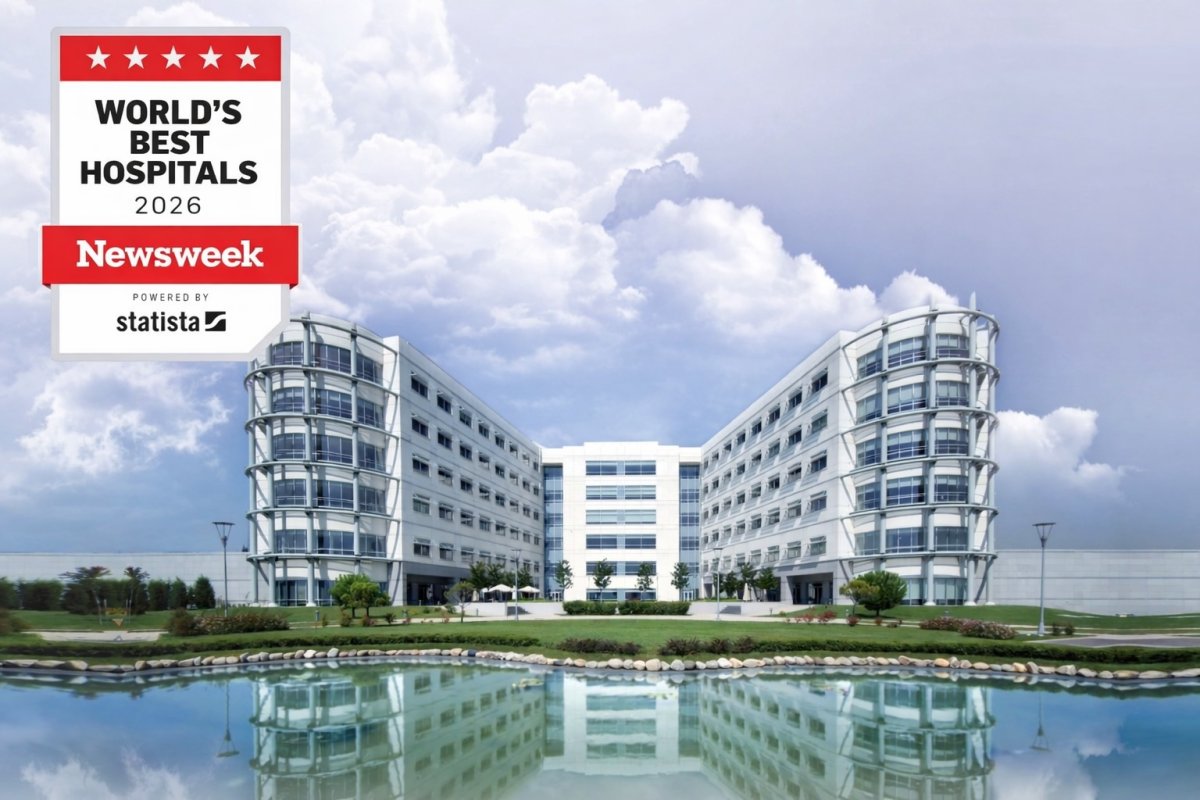



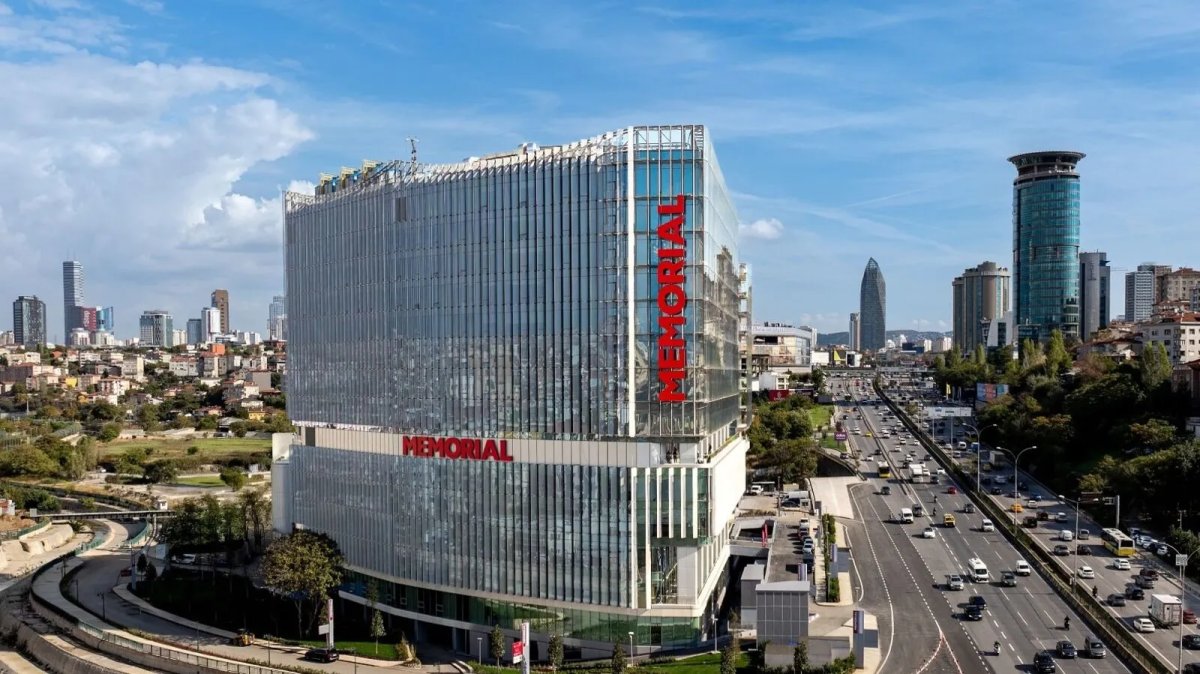
Memorial Göztepe Hospital
احصل على تقييم طبي لـ في تركيا. استشر الآن 13 أطباء ذوي الخبرة.
عرض جميع الأطباء
Tarik Akar
تخرج الطبيب من كلية طب Cerrahpaşa، جامعة إسطنبول في عام 2000 وأكمل الإقامة في الطب الباطني في جامعة أنقرة بحلول عام 2004، وحصل على لقب طبيب باطني. مع مسيرة أكاديمية مثمرة، ساهم الطبيب في 19 ورقة دولية، و6 أوراق محلية، وقدم في 25 مؤتمرًا محليًا ودوليًا. حصل الطبيب على جوائز أفضل عرض شفهي وأفضل ملصق في المؤتمر الدولي السابع لسرطانات الجهاز الهضمي.<\/p>
متخصصًا في الإجراءات التنظيرية المتقدمة، يركز الطبيب على العلاجات مثل POEM للأكالازيا، وESD لسرطانات الجهاز الهضمي في مراحلها المبكر

Hasan Sahin
تخرج الطبيب من كلية الطب، GATA، وأكمل الإقامة في جامعة إزمير دوكوز إيلول. متخصص في جراحة التجميل والترميم، أجرى الطبيب أكثر من 12,000 عملية جراحية لأكثر من 5,000 مريض حول العالم. تشمل مجالات الخبرة جراحة الوجه والجمجمة، جراحة اليد، الإجراءات الجراحية الدقيقة، والعديد من الجراحات التجميلية مثل تجميل الأنف، تجميل الثدي، وشد البطن.<\/p>
الطبيب ماهر في الإجراءات التجميلية والوظيفية للوجه، الأنف، الثدي، والجسم، ويقدم خدمات استشارية للإجراءات الترميمية المعقدة. معتمد في تشريح السدائل، ش
Ramazan Gozukucuk
يتخصص الأستاذ المشارك الدكتور رمضان جوزوكوتشوك في التهاب الكبد الفيروسي، مع _doctor_9709_سنوات_ من الخبرة في الأمراض المعدية.
- حاصل على شهادتي كفاءة مزدوجتين في الأمراض المعدية وعلم الأحياء الدقيقة السريري
- نشر 15 ورقة بحثية وشارك في العديد من المؤتمرات الدولية
- تشمل خبرته عدوى المستشفيات والعدوى الناشئة/المتجددة
- يعمل في مستشفى هيسار إنتركونتيننتال، وهو مركز طبي رائد

المراجعات
جميع المراجعاتمواد ذات صلة

ما هي أنواع التهاب الكبد الفيروسي؟
كتب بواسطة Veronika Kazina
مشاركة المحتوى
قصص فيديو من مرضى Bookimed
 Anna Leonova
أسئلة متكررة حول علاج التهاب الكبد الفيروسي في تركيا
هل يتم علاج التهاب الكبد الفيروسي في تركيا من قبل أخصائيي كبد معتمدين وحاصلين على اعتماد دولي؟
يتم إجراء علاج التهاب الكبد الفيروسي في تركيا من قبل أخصائيي الأمراض المعدية وأخصائيي الجهاز الهضمي الحاصلين على شهادة من وزارة الصحة التركية. يكمل العديد من الخبراء في المستشفيات المعتمدة من قبل اللجنة الدولية المشتركة (JCI) زمالات دولية. يمتلك بعض المتخصصين شهادات كفاءة في الأمراض المعدية وعلم الأحياء الدقيقة السريري. وهم يتبعون البروتوكولات السريرية العالمية.
- مؤهلات المتخصصين: غالباً ما يحمل الأطباء شهادات كفاءة رسمية في الأمراض المعدية وعلم الأحياء الدقيقة السريري.
- التدريب العالمي: يكمل كبار المتخصصين بشكل متكرر زمالات بحثية في مؤسسات كبرى في الولايات المتحدة أو أوروبا.
- معايير المستشفيات: تحافظ المرافق الرائدة مثل مستشفى هيسار إنتركونتيننتال على اعتماد اللجنة الدولية المشتركة (JCI) للسلامة.
- الخبرة الأكاديمية: يساهم العديد من الأساتذة في المستشفيات التابعة للجامعات بشكل كبير في الأبحاث الدولية حول التهاب الكبد الفيروسي.
رؤية خبير Bookimed: بينما يبحث المرضى غالباً عن لقب أخصائي كبد محدد، تصنف الأنظمة الطبية التركية هؤلاء الخبراء بشكل أساسي تحت تخصص الأمراض المعدية أو الجهاز الهضمي. تظهر البيانات أن المتخصصين مثل الأستاذ المشارك الدكتور رمضان جوزوكوتشوك في مستشفى هيسار إنتركونتيننتال غالباً ما يكون لديهم حجم سريري أعلى، حيث يعالجون آلاف الحالات سنوياً. اختيار طبيب لديه مشاركة في المؤتمرات الدولية يضمن أنهم على دراية بأحدث بروتوكولات الأدوية وطرق التشخيص العالمية.
إجماع المرضى: يلاحظ المرضى أن التشخيصات واضحة وم
ما هي تقنيات العلاج المستخدمة لالتهاب الكبد الفيروسي المزمن B و C في تركيا؟
تستخدم تركيا مضادات الفيروسات ذات المفعول المباشر (DAAs) المتقدمة ونظائر النيوكليوسيد الفموية لعلاج التهاب الكبد الفيروسي المزمن. يحصل المرضى على أدوية عالية الفعالية مثل إنتيكافير وتينوفوفير لالتهاب الكبد B. ويتم إدارة التهاب الكبد C بأنظمة حديثة تشمل سوفوسبوفير وفيلباتاسفير. تحقق هذه البروتوكولات معدلات شفاء تزيد عن 95%.
- علاج التهاب الكبد B: يوفر إنتيكافير وتينوفوفير قمعًا للفيروس مع خطر منخفض للمقاومة.
- علاج التهاب الكبد C: تقضي مضادات الفيروسات المتقدمة مثل جليكابريفير وبيبرنتاسفير على الفيروس.
- التشخيص المتخصص: تستخدم العيادات التصوير بالرنين المغناطيسي 3 تسلا و PET-CT لتقييم الكبد.
- الإدارة المتخصصة: يشرف أخصائيو الأمراض المعدية في المراكز المعتمدة من JCI على الحالات الفيروسية المعقدة.
رؤية خبير Bookimed: غالبًا ما يتمتع أخصائيو الأمراض المعدية الأتراك بخبرة سريرية هائلة. نشرت الدكتورة بنجيسو آي في مستشفى جامعة ميديبول بنديك أبحاثًا محددة حول التهاب الكبد B و C. هذا العمق في الخبرة شائع في مراكز إسطنبول. تدير هذه المرافق أكثر من 600,000 مريض سنويًا. وهي توفر الوصول إلى أحدث بروتوكولات الأدوية قبل العديد من المناطق الأخرى. يجب على المرضى البحث عن أطباء لديهم تخصص فرعي في علم الأحياء الدقيقة السريري لإدارة دقيقة للحمل الفيروسي.
إجماع المرضى: يشير المرضى إلى أن الاستشارات في المراكز التركية الكبرى احترافية للغاية وأن الاختبارات التشخيصية فعالة جدًا. ويؤكدون أنه بينما يقدم الأطباء تفسيرات واضحة حول إدارة المرض، فإ
كم من الوقت سأحتاج للبقاء في تركيا للحصول على جدول علاج كامل لالتهاب الكبد الفيروسي؟
يتطلب التشخيص الأولي وتخطيط العلاج لالتهاب الكبد الفيروسي في تركيا عادةً من 6 إلى 7 أيام. يتلقى المرضى عادةً إمداداتهم الأولى من الأدوية ثم يكملون نظام علاج التهاب الكبد C الذي يستمر من 8 إلى 12 أسبوعًا في المنزل. غالبًا ما يتضمن علاج التهاب الكبد B المزمن علاجًا فمويًا طويل الأمد يتم متابعته عن بُعد.
- الإطار الزمني للتشخيص: تستغرق الاختبارات المتخصصة مثل FibroScan وتحاليل الدم من 2 إلى 3 أيام حتى تكتمل.
- مدة علاج التهاب الكبد C: يستمر العلاج الفموي عادةً من 8 إلى 12 أسبوعًا بنسبة نجاح تصل إلى 95%.
- بروتوكولات التهاب الكبد B: تتطلب الحالات المزمنة تناول الأدوية لمدة عام أو أكثر لقمع الفيروس.
- التعافي بعد الزرع: تتطلب الحالات الشديدة التي تحتاج إلى زراعة كبد من متبرع حي إقامة في المستشفى لمدة 20 يومًا.
رؤية خبير Bookimed: تركز المرافق التركية مثل مستشفى هيسار إنتركونتيننتال (Hisar Hospital Intercontinental) على كفاءة الحجم الكبير. فهي تخدم أكثر من 250,000 مريض سنويًا على الرغم من امتلاكها 270 سريرًا فقط. يعني هذا الدوران العالي أن أقسام التشخيص مُحسَّنة للسرعة. غالبًا ما يتمكن المرضى من إنهاء خطة علاج كاملة وتأمين أدويتهم في غضون أسبوع عمل واحد.
إجماع المرضى: يشير المرضى إلى أن التشخيصات الأولية واضحة وعملية للغاية. يؤكد معظمهم أن البقاء لمدة أسبوع كافٍ للحصول على التشخيص وبدء العلاج قبل العودة إلى المنزل.
ما هي مخاطر السلامة الرئيسية أو الآثار الجانبية أثناء العلاج المضاد للفيروسات في تركيا؟
يُعد العلاج المضاد للفيروسات لالتهاب الكبد الفيروسي في تركيا جيد التحمل بشكل عام. قد يعاني المرضى أحيانًا من اضطرابات في الجهاز الهضمي، أو التعب، أو ارتفاع في إنزيمات الكبد. مخاطر السلامة الرئيسية مثل السمية الكلوية أو التأثيرات العصبية والنفسية نادرة. تحافظ المراكز المعتمدة من قبل JCI على بروتوكولات مراقبة صارمة لضمان الكشف المبكر عن الآثار الجانبية وإدارتها.
- سلامة الكبد: تمنع المراقبة سمية الكبد، مما يضمن بقاء 99% من المرضى ضمن مستويات إنزيم آمنة.
- صحة الكلى: تحمي فحوصات معدل الترشيح الكبيبي (GFR) المنتظمة أثناء علاج تينوفوفير من التغيرات المحتملة في وظائف الكلى.
- المراقبة العصبية: يدير المتخصصون حالات الأرق أو التهيج النادرة لضمان استقرار العلاج وراحة المريض.
- تركيب الدم: تحدد فحوصات الدم الروتينية فقر الدم النادر في وقت مبكر، مما يسمح بتعديلات فعالة في الجرعات.
- رعاية الجهاز الهضمي: عادة ما يزول الغثيان الخفيف أو آلام البطن خلال الشهر الأول من العلاج.
رؤية خبير Bookimed: توفر المراكز ذات الحجم الكبير مثل Medipol Bahçelievler، التي تخدم 600,000 مريض سنويًا، ميزة أمان حاسمة. تساعد خبرتهم مع مجموعات سكانية متنوعة الأطباء على تحديد الأعراض الدقيقة مثل اختلال توازن الإلكتروليت بشكل أسرع من العيادات الصغيرة. هذه الخبرة القائمة على الحجم هي السبب في أن المستشفيات الجامعية التركية الكبيرة تبلغ عن نجاح كبير في البروتوكولات المضادة للفيروسات المعقدة.
إجماع المرضى: يلاحظ المرضى أن التعب يظهر غالبًا
ما هي المدن التي تستضيف أقوى برامج أمراض الكبد المتاحة للمرضى الدوليين؟
تستضيف إسطنبول وسول ولندن وروتشستر (مينيسوتا) أقوى برامج أمراض الكبد. إسطنبول هي مركز عالمي رئيسي. وتتميز بمراكز معتمدة من قبل اللجنة الدولية المشتركة (JCI). توفر هذه المرافق معدل نجاح في زراعة الأعضاء بنسبة 90%. وتتولى أقسام دولية مخصصة إدارة الخدمات اللوجستية للمرضى من أكثر من 160 دولة.
- اعتماد المستشفيات: تضمن معايير اللجنة الدولية المشتركة (JCI) السلامة.
- معدلات النجاح: تبلغ المراكز التركية عن نجاح بنسبة 90% في عمليات زراعة الأعضاء.
- إمكانية الوصول العالمية: يخدم مستشفى ميموريال شيشلي مرضى من 167 دولة.
- علاقات الخبراء: يحتفظ مركز الأناضول الطبي بشراكة مع مستشفى جونز هوبكنز.
رؤية خبير Bookimed: تتميز إسطنبول بالحجم الهائل لبنيتها التحتية الطبية. يخدم مستشفى هيسار إنتركونتيننتال 250,000 مريض سنوياً. ويتعامل مستشفى جامعة ميديبول بهجيلي إيفلر مع ما يصل إلى 600,000 مريض. يسمح هذا الحجم الكبير من المرضى للجراحين باكتساب خبرة عملية واسعة. غالباً ما تضم المراكز الكبرى أكثر من 150 طبيباً وما يقرب من 100 قسم متخصص تحت سقف واحد.
إجماع المرضى: يشير المرضى إلى أنه من المهم اختيار العيادات التي توفر منسقين شخصيين. وهم يقدرون عندما توفر المستشفيات خدمات النقل من وإلى المطار والإقامة في فنادق قريبة. يؤكد الكثيرون أن إجراء جميع الاختبارات التشخيصية مثل PET-CT و SPECT-CT في مبنى واحد يبسط عملية العلاج بشكل فعال.
ما هي الوثائق التي يجب أن أحضرها لضمان قبول سلس؟
يتطلب القبول لعلاج التهاب الكبد الفيروسي في تركيا جواز سفر ساري المفعول لمدة ستة أشهر وملفات طبية محددة. يجب عليك تقديم تحاليل الدم السابقة، ونتائج خزعة الكبد، وصور الأشعة مثل الموجات فوق الصوتية أو فيبروسكان (FibroScan). تتطلب معظم المراكز المعتمدة من قبل JCI في إسطنبول أيضًا قائمة بالأدوية الحالية.
- هوية السفر: مطلوب جواز سفر ساري المفعول وتأشيرة طبية لدخول تركيا.
- سجلات التشخيص: أحضر نتائج اختبارات HBsAg و HCV-RNA واختبارات وظائف الكبد من بلدك الأصلي.
- بيانات التصوير: يوصى بشدة بإحضار نسخ ورقية أو ملفات رقمية لأحدث صور الموجات فوق الصوتية للكبد.
- الأدوية الحالية: قدم قائمة مفصلة بالأدوية المضادة للفيروسات أو المكملات الغذائية التي تستخدمها حالياً.
رؤية خبير Bookimed: بينما يركز الكثيرون على الاختبارات الحالية، فإن أنجح حالات القبول هي تلك التي يحضر فيها المرضى بيانات تاريخية عن الحمل الفيروسي. يستخدم أطباء مثل الدكتور رمضان جوزوكوتشوك في مستشفى هيسار إنتركونتيننتال اتجاهات البيانات طويلة المدى لتعديل بروتوكولات الأدوية المضادة للفيروسات المتخصصة بدقة أكبر. يمكن لهذه الوثائق أن تمنع تكاليف التشخيص المتكررة خلال أيامك الأولى في المستشفى.
إجماع المرضى: يؤكد المرضى على أهمية إحضار نسخ رقمية من جميع السجلات لأن النسخ الورقية يسهل فقدانها أثناء السفر. كما يشيرون إلى أنه من المفيد ترجمة نتائج المختبر السابقة إلى اللغة الإنجليزية لتسريع الاستشارة الطبية الأولية.
هل توفر العيادات التركية ترجمة باللغة الإنجليزية واستشارات عن بعد بعد العلاج بمجرد عودتي إلى المنزل؟
توفر العيادات التركية ترجمة باللغة الإنجليزية واستشارات عن بعد بعد العلاج للمرضى الدوليين. توظف المستشفيات الخاصة في إسطنبول وأنطاليا منسقي مرضى متخصصين. يساعد هؤلاء المتخصصون في الترجمة في الموقع والمتابعة عن بعد. تلتزم المرافق المعتمدة من قبل اللجنة الدولية المشتركة (JCI) ببروتوكولات اتصال صارمة لمراقبة التعافي.
- دعم اللغة: المترجمون هم المعيار في الأقسام الدولية. إنهم يسهلون التواصل بين الطبيب والمريض.
- الاستشارات عن بعد: تقدم العديد من العيادات متابعة عبر واتساب أو مكالمات الفيديو. هذا يراقب التعافي.
- التنسيق الطبي: يساعد المساعدون المتخصصون في سد الفجوة بين الجراحين والمرضى. إنهم يتعاملون مع التوثيق.
- الرعاية الافتراضية: تستخدم المستشفيات المتقدمة تطبيقات الهاتف المحمول لتتبع ما بعد العلاج. هذا يضمن الدعم المستمر.
رؤية خبير Bookimed: غالبًا ما يحدد حجم المرضى مستوى رعاية المتابعة. تخدم المراكز الكبيرة مثل مستشفى هيسار إنتركونتيننتال أكثر من 250,000 مريض سنويًا. لديهم البنية التحتية للوحدات الدولية المخصصة. قد تقدم العيادات الأصغر دعمًا شخصيًا عبر واتساب من خلال الطبيب. تأكد دائمًا مما إذا كانت الاستشارات الافتراضية مدرجة في خطة رعايتك قبل السفر.
إجماع المرضى: يلاحظ المرضى أن العيادات منظمة للغاية وأن الموظفين متعاونون أثناء الزيارة. يوضحون أن البقاء على اتصال عبر تطبيقات المراسلة أمر شائع للأسئلة السريعة بعد العودة إلى المنزل.